
In the hustle and bustle of urban living, many of us take for granted how easily we can access clean drinking water. However, emergencies can strike at any moment, leaving us faced with the challenge of finding safe water sources in our concrete jungles. Whether due to natural disasters, infrastructure failures, or even just a passing storm, knowing where to find water is essential for survival. In my own experiences during unexpected outages, I learned the hard way that being prepared can make all the difference. Understanding various emergency water sources around us—like public facilities and natural bodies of water—can empower you to stay hydrated in tough times. Let’s dive into the essential locations and strategies that every city dweller should know to ensure access to this vital resource when it matters most.
In urban environments, emergency water sources can include municipal water supplies, public buildings such as schools, libraries, and community centers, which often have accessible bathrooms with potable water. Additionally, natural bodies of water like ponds or rivers can serve as alternatives; however, it is crucial to purify this water before consumption to eliminate health risks.
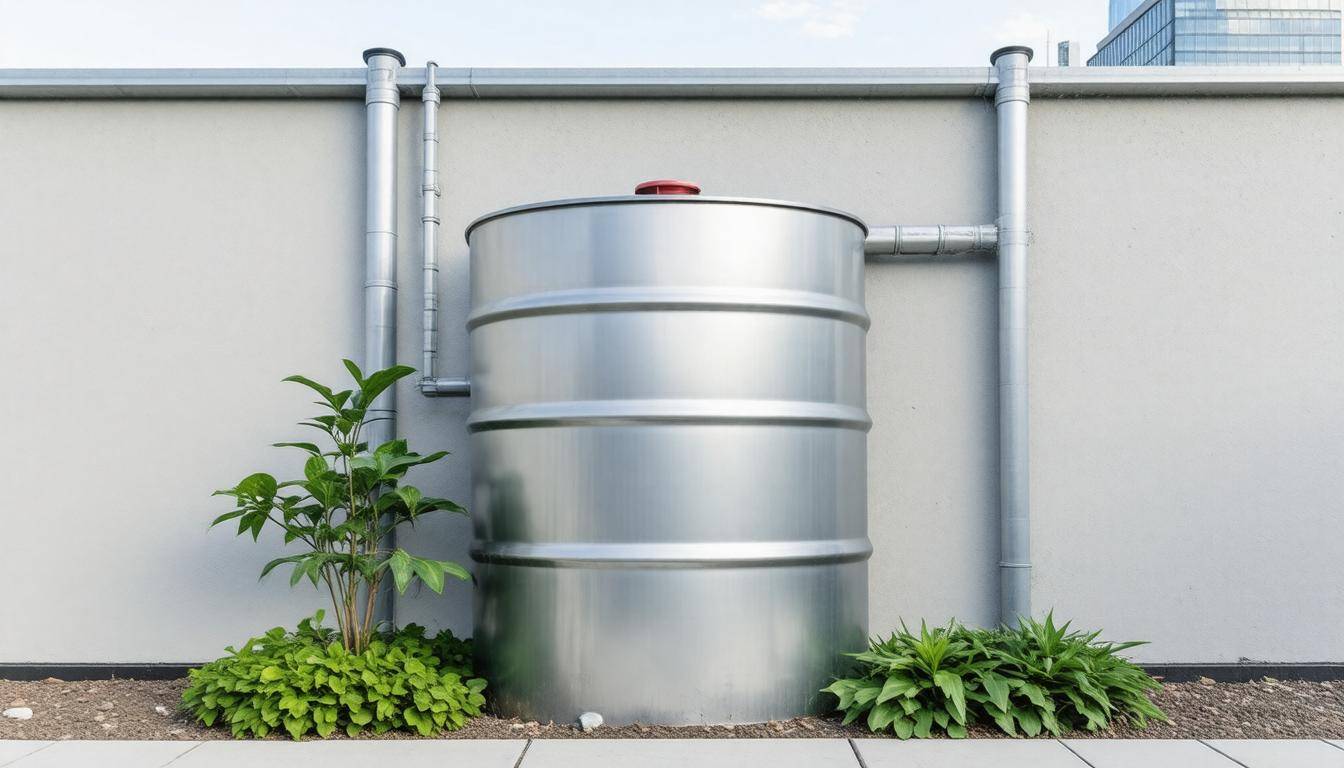
Urban Emergency Water Sources
One of the most reliable places to gather necessary water is from municipal reservoirs. These large bodies of water serve a dual purpose; they provide water for drinking and sanitation under normal circumstances and act as reserves during emergencies. Knowing the location of the nearest municipal reservoir could be invaluable if your regular water supply is compromised. It’s important to note that while this water source can be safe, you should always check local advisories before use.
In addition to reservoirs, there are also public fountains scattered throughout city parks and community hubs. These fountains typically offer potable water, which means they’re safe to drink. Many people overlook these convenient resources, especially in times of crisis when stress can cloud judgment. Familiarizing yourself with local public spaces and their facilities ahead of time empowers you.
Fire hydrants come next on the list of emergency water sources. They play a crucial role during firefighting but can also serve as an emergency water source if needed. However, remember that while hydrant water may be usable after proper filtration and treatment, it isn’t meant for direct consumption. Always have a portable water filter or purification tablets handy if you resort to this option.
Additionally, swimming pools can be incredibly useful in urgent situations. If municipal systems are down, pool water can provide a critical lifeline—though you should purify this water before drinking, given the chemicals used for maintaining pool hygiene.
Another beneficial option is setting up rainwater collection systems. Collecting rainwater is environmentally friendly and an excellent backup strategy for emergencies. While many places support collecting rainwater for non-potable uses like irrigation, with proper filtration methods, it can safely provide drinking water as well. Consider installing rain barrels or other tools to effectively catch and store rainwater.
Lastly, it’s advisable to keep a robust supply of clean drinking water at home. On average, FEMA recommends storing at least 14 gallons of clean drinking water per person for potential emergencies—this ensures everyone in your household stays hydrated even during longer outages.
Being prepared and aware of various nearby water sources enhances your resilience in survival situations, opening doors to both communal resources and innovative solutions within your surroundings as we explore more specific types of urban resources available.
Types of Urban Water Sources
Various types of water sources exist in urban settings, with each having its unique pros and cons. Navigating these different options can help ensure that you and your family stay hydrated during emergencies.
1. Potable vs. Non-Potable Water
First, it’s essential to distinguish between potable and non-potable water. Potable water is safe for consumption without any additional treatment; it’s what we are accustomed to drinking from our taps or purchasing in bottles. In contrast, non-potable water requires some form of purification before it can be used for drinking or cooking.
For example, fire hydrants may provide non-potable water, which means you’ll need to treat it—usually by boiling or using filtration tablets—before deciding to drink it. Always remember that while the option seems convenient, the safety of consuming non-potable water greatly depends on how well you purify it first.
2. Temporary vs. Permanent Sources
Next, consider the difference between temporary and permanent water sources. Temporary sources, such as rainwater catchments or puddles formed after a downpour, offer sporadic access to water when conditions are just right. Installing a rain barrel at your home could allow you to collect and store this valuable resource for times of need. However, the availability is unpredictable, making it less reliable for long-term planning.
On the other hand, permanent sources like city fountains provide continuous availability. You can usually find these fountains located in parks or near public areas; they are maintained by local authorities and designed for regular use. Accessing them might only require a short trip, making them a more dependable option than temporary sources.
Recognizing these distinctions allows you to plan better and identify appropriate strategies for collecting water in your urban environment during emergencies. With various sources in mind, let’s explore another innovative method for capturing vital resources right from above.
Rooftop Rainwater Collection
Imagine a rainy day in the city, when each droplet that falls could be collected and stored for future use. Rooftop rainwater collection allows urban dwellers to do just that, turning their homes into small reservoirs. This method not only conserves water but can also serve as a vital source during dry spells or emergencies. With average rainfall in urban areas typically ranging from 30 to 50 inches per year, capturing this valuable resource can significantly reduce dependency on municipal supplies—cutting usage by up to 50% in households with effective systems in place.
Steps to Set Up
The first step to start your rainwater collection system begins with the installation of gutters and downspouts. These channels need to be cleaned regularly to ensure unobstructed flow. Your gutters should redirect water efficiently into a downspout that leads directly into your collection container.
A common option is to use a 55-gallon rain barrel, which you can easily find at most hardware stores or online retailers. It’s a manageable size that fits well in urban environments without taking up too much space. Depending on your roof size and setup, you may even consider larger storage tanks that can hold up to 5,000 gallons—more extended access to water during dry spells could mean a world of difference!
Next comes the importance of filtration. Installing a simple mesh filter at the top of your barrel helps keep out larger debris such as leaves and twigs, while finer filtration is essential for any water intended for consumption. It’s smart to think ahead: if you’re going to drink it, make sure it’s clean!
As many urban residents are discovering, rooftop rainwater collection offers an affordable and ethical way to supplement daily water needs.
One appealing aspect of this system is its cost-effectiveness; estimates suggest installation costs can range from $1,000 to $3,000 depending on materials and complexity. Nevertheless, given the price of municipal water—which averages around $3 to $5 per 1,000 gallons—these systems quickly become financially viable over time.
Additionally, having a reliable backup water supply ensures peace of mind during unforeseen circumstances such as natural disasters or prolonged droughts. For those living in high-rise apartments or densely populated areas, rooftop rainwater collection becomes even more valuable—it’s an excellent way to tap into a renewable resource right above your head.
Understanding how to gather and utilize essential water resources effectively prepares one for potential challenges that could arise within urban settings, setting the stage for exploring further drought-related strategies tailored for cities.
City Drought Strategies
Urban areas face the formidable challenge of managing scarce water resources effectively, especially during prolonged droughts. To combat this issue, cities have crafted specific strategies aimed at optimizing the use of water. Among these tactics, water rationing mandates have emerged as a primary tool. These mandates often limit water use per household or designate certain days for watering lawns; their purpose is not merely punitive but rather preventative—encouraging residents to adopt more mindful water usage behaviors before a crisis escalates.
Another significant approach seen in many municipalities is the incentivization of installing low-flow fixtures in homes and businesses. These fixtures, which include faucets, showerheads, and toilets, are designed to use significantly less water without sacrificing performance. Local governments may offer rebates or financial incentives to encourage residents to make these environmentally friendly upgrades. The economic aspect makes it more palatable for homeowners and underscores the philosophy that conserving water can also save money.
However, while reducing demand is crucial, cities must simultaneously diversify their water supply sources to withstand longer droughts.
This brings us to the development of recycled water systems, which utilize treated wastewater for non-potable purposes such as irrigation and industrial processes. By expanding these systems, cities not only alleviate pressure on drinking water supplies but also cultivate an attitude of resourcefulness among residents. The embrace of recycled water not only helps manage immediate needs but builds community resilience against future shortages.
Moreover, some coastal cities have invested in desalination plants, which convert seawater into potable water. This technology has sparked both interest and controversy due to its high energy demands and costs; however, in areas where freshwater resources are limited, it represents a viable option. Such plants can ensure a steady supply of drinking water even when traditional sources dwindle.
Case Study: Los Angeles
A prime example of these strategies in action can be found in Los Angeles, where authorities have implemented a comprehensive mix of methods to manage their limited resources. The city utilizes recycled water extensively for landscaping municipal parks and golf courses while actively promoting public education campaigns that highlight the importance of conservation measures at home. Their approach includes simple yet effective tips like checking for leaks and adjusting irrigation schedules based on rainfall.
Yet it’s essential to recognize that even the most well-thought-out systems can become overwhelmed.
During extreme events—like multi-year droughts or sudden surges in population—the cumulative effects can strain these carefully balanced strategies. This vulnerability underscores how vital local knowledge and community involvement are in ensuring sustainability during crises. Residents who understand and embrace their city’s unique challenges are often those who contribute most effectively to collaborative efforts for drought resilience.
As we navigate these complexities together, remember: informed citizens equipped with actionable knowledge are key to transforming urban spaces into bastions of sustainable living amid ever-present challenges.
With a focus on collaboration and innovation leading the way, it’s worth examining how various institutions play pivotal roles in supporting community efforts. Let’s turn our attention towards the essential facilities that serve as backbone resources during emergency situations.
Public Buildings and Facilities

Public buildings are more than just places to gather; they often serve as vital resources during emergencies. Think about schools, libraries, and community centers—not only do they provide services, but they also harbor essential water access points that can be utilized when traditional supplies may fail. These structures typically come equipped with restrooms or fountains, providing the opportunity for obtaining water in critical situations.
Accessible Facilities
When you consider accessible facilities, schools stand out prominently. Some may have kitchen and cafeteria areas with sinks that can supply water for immediate needs. Similarly, public libraries often include amenities such as restrooms outfitted with faucets, creating additional opportunities for water retrieval during urban crises. Community centers frequently possess numerous public spaces that might not only offer hydration stations but also connected staff who are familiar with local water protocols. Additionally, it’s crucial to recognize the potential for public restrooms throughout urban environments. These facilities often contain functional plumbing that can make it possible to collect water when necessary.
It’s wise to know where these facilities are located in your community. During my own experience in an urban setting, I saw how helpful it was to quickly locate nearby parks with accessible fountains and public buildings that offered additional hydration options during a local heatwave.
Emergency Protocols
Local governments often establish emergency protocols in collaboration with public buildings to ensure proper management of resources during crises. This organized approach guarantees that facilities like libraries or community centers are prepared to provide safe drinking water if needed. I recall the incident last summer when a major storm knocked out power across my neighborhood for days. In response, the local library set up temporary hydration stations, allowing residents to fill up their bottles and stay hydrated.
My friend Jane shares her personal experience: “During a power outage last year, the local library had set up water stations for residents.” Such quick responses highlight how critical community awareness is when it comes to utilizing these public resources efficiently.
As we explore the broader array of natural elements in our surroundings, understanding additional sources of water becomes paramount for emergency preparedness.
Natural Bodies of Water
Natural sources such as lakes, rivers, and ponds can serve as vital lifelines in urban settings, especially when conventional supplies are unavailable. Picture the serene waters of Central Park’s ponds glistening under the sun—a potential resource that could satisfy your thirst during a crisis. Yet, while it’s tempting to view these bodies of water as immediate solutions, it is crucial to understand the caution that accompanies their use.
Urban waterways are frequently compromised due to pollution from runoff and industrial waste. Heavy rains can wash contaminants from streets directly into rivers and ponds, making it essential to recognize the health risks associated with drinking untreated water. Pollutants, bacteria, and toxins might lurk just beneath the surface, masking themselves in what looks like fresh water.
Safety Measures
Before considering consumption of any water from these sources, always purify it. Boiling is one of the simplest methods—bringing water to a rolling boil for at least one minute (three minutes at higher altitudes) effectively kills pathogens and makes it safe to drink. If boiling isn’t possible, purification tablets containing chlorine or iodine can also be effective in neutralizing harmful microbes. However, it’s essential to note that these methods address biological contaminants well but may not eliminate all chemicals or heavy metals present in polluted water.
In addition to boiling or using purification tablets, consider having a portable water filter or a filtration system handy in your emergency kit. Many filters can remove debris and some level of chemical contaminants, but not all filters are created equal. Check their specifications against what you’re likely to encounter in your local water sources.
Another important aspect to remember is that certain contaminants cannot be removed by simple filtration alone; therefore, using multiple methods of purification will enhance your safety significantly. Always err on the side of caution—if there’s any doubt about the quality of a natural water source, seek alternative options until you can ensure its safety for consumption.
Knowing how to utilize natural sources effectively is key to ensuring health and survival during emergencies. As we transition to discussing water safety further, understanding purification methods will be vital for effective preparedness.
Purification and Filtration Techniques
When it comes to ensuring the safety of your drinking water, understanding the methods of purification and filtration can be a lifesaver—quite literally. The most straightforward and reliable technique is boiling. By bringing water to a rolling boil for at least one minute, you can eliminate most pathogens, including bacteria, viruses, and protozoa lurking within. This method is simple but effective; just remember to have a reliable fuel source on hand because without heat, you’re out of luck!
If boiling isn’t feasible, especially in an urban environment where resources might be limited, chemical treatments can quickly come to the rescue. For instance, chlorine dioxide tablets offer a convenient way to disinfect water. When using these tablets, it’s crucial to follow the provided instructions carefully to ensure effectiveness and safety. They work by targeting harmful microorganisms but may leave an unusual aftertaste in your water.
| Method | Effectiveness | Drawbacks |
|---|---|---|
| Boiling | Kills bacteria, viruses, protozoa | Requires fuel/energy source |
| Chlorine Dioxide Tabs | Kills bacteria and viruses | May leave an unpleasant taste |
| UV Light | Destroys microorganisms | Dependent on battery/electricity |
For those looking for modern or portable options, UV light purifiers are another excellent choice. These devices can eliminate up to 99.9% of harmful microorganisms in just a minute or two when the water is clear enough for effective treatment. Like any tool though, they have their limitations—they require batteries or electricity to operate, which might not be available during an emergency.
Given the strengths and weaknesses of each method, it often makes sense to combine approaches for optimal safety. Understanding how to effectively manage your drinking water prepares you for unexpected challenges ahead as we explore strategies designed specifically for handling shortages and optimizing water security.
Essential Survival Tips for Water Shortages
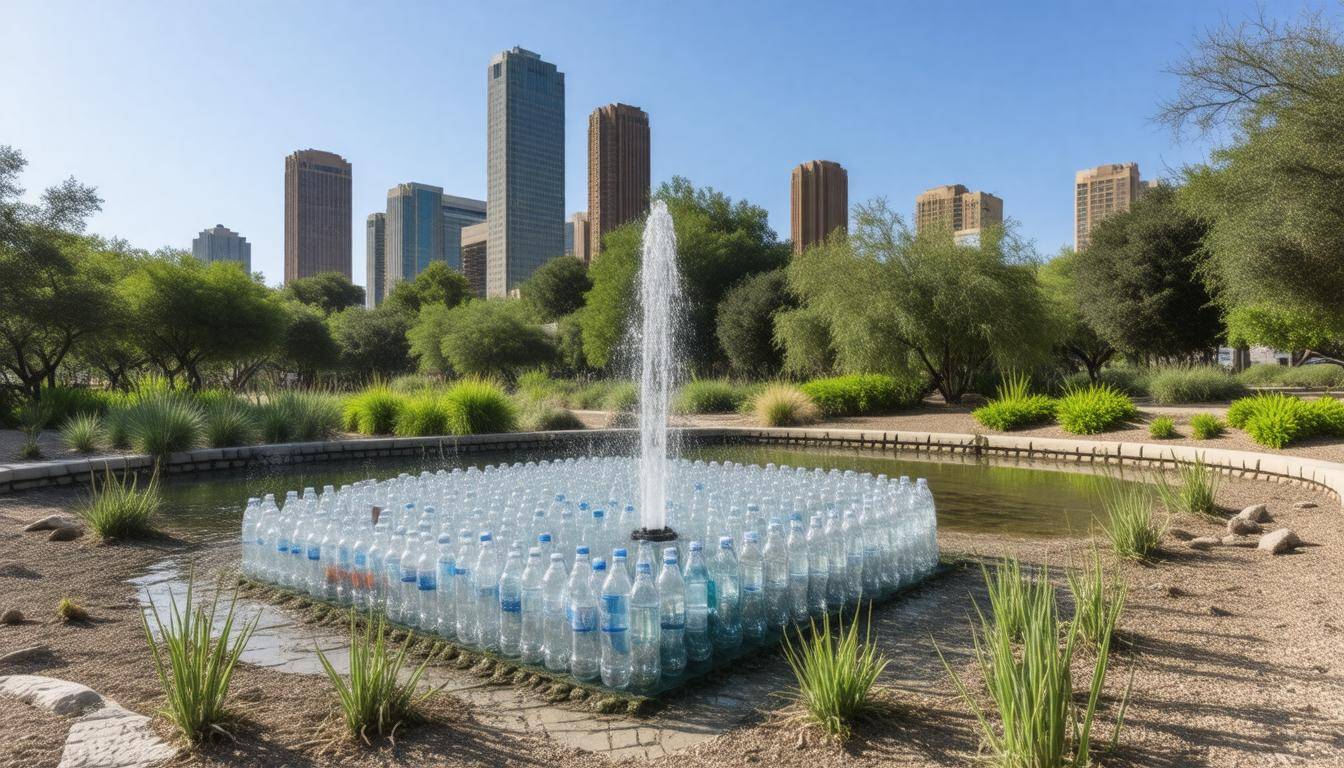
Beyond merely finding and purifying water, conservation becomes a critical strategy. One of the most effective methods is utilizing greywater, which refers to the slightly used water from sinks, showers, and laundry. This water can be put to good use—primarily for flushing toilets.
You might be surprised to learn that according to the EPA, non-drinking uses account for nearly 90% of household water consumption. By recycling greywater, not only do you conserve precious resources, but you also extend your overall water supply significantly during dire times.
While conserving what you have is essential, preparation plays an equally important role in your water management strategy.
Having an emergency plan in place makes all the difference. It’s recommended that each person in your household should have access to at least one gallon of water per day, stored for at least three days, but ideally much longer in case of prolonged shortages. When choosing containers for storage, opt for sturdy and leak-proof options specifically designed for water—this will ultimately help to prevent contamination and leakage that could compromise your emergency supply.
Staying informed about local advisories and conditions cannot be overstated. The ability to adapt quickly based on evolving circumstances can often determine how well you’re prepared for any situation.
In addition to keeping regular tap water stored at home, consider diversifying your sources of emergency water. Public buildings like schools, libraries, and hospitals often have accessible water tanks or fountains available during emergencies. Even natural bodies of water can provide backup sources—just remember to treat them carefully prior to use. A portable filtration system or purification tablets can help ensure that this alternative supply is safe for consumption.
However, it’s not only about how much water you can store; it’s also about ensuring you have the right mindset during tough times.
Maintaining a resourceful attitude is key when faced with unexpected challenges. Be aware of other potential sources of clean drinking water within reach like rainwater harvesting systems—a simple setup could collect hundreds of gallons after just a brief rainfall if properly managed. Moreover, community initiatives may offer guidance on local resources during droughts or emergencies.
Ensuring safety through smart conservation practices and thorough preparation sets a solid foundation for enduring water shortages while keeping calm and collected amidst the unpredictability that such situations entail.
Staying proactive in managing your water supplies and being adaptable can make all the difference during a shortage. Your diligence in preparing now could ensure vital resources are accessible when every drop counts.
What technologies or innovations exist to improve the efficiency of emergency water distribution in cities?
Innovations such as smart water management systems, which utilize IoT sensors to monitor and optimize water flow, have significantly improved the efficiency of emergency water distribution in urban areas. These technologies can reduce water loss by up to 30% through real-time leak detection and analysis. Additionally, mobile applications that identify nearby water sources and streamline distribution logistics have emerged, enhancing access during crises. Studies show that cities employing these technologies can deliver emergency supplies more swiftly, potentially cutting response times by 50%.
How can municipalities prepare for a potential water crisis in urban areas?
Municipalities can prepare for a potential water crisis in urban areas by investing in diversified water sources, enhancing rainwater harvesting systems, and improving infrastructure for leak detection and repair. According to the American Water Works Association, nearly 14% of treated water is lost due to system leaks, highlighting the need for robust maintenance programs. Additionally, creating public awareness campaigns about water conservation can significantly decrease overall consumption. Establishing partnerships with local businesses and communities for emergency response plans can further ensure resilience during a crisis.
What role do community organizations play in providing emergency water access during disasters?
Community organizations play a crucial role in providing emergency water access during disasters by mobilizing local resources, coordinating distribution efforts, and educating the public on water conservation and safety. According to a 2021 survey by the National Association of Counties, nearly 70% of communities rely on such organizations for rapid response during emergencies, enhancing access to clean water and reducing health risks. Their localized knowledge enables them to identify vulnerable populations, ensuring equitable access to this vital resource when conventional systems fail.
How can residents identify and utilize nearby emergency water sources when needed?
Residents can identify and utilize nearby emergency water sources by familiarizing themselves with local infrastructure such as public fountains, fire hydrants, and buildings with accessible roofs or cisterns. In urban environments, approximately 40% of emergency water supply can come from these public sources if listed in municipal emergency plans, providing immediate relief during crises. Additionally, community workshops on emergency preparedness can empower residents to map out potential sources in advance, ensuring access when traditional supplies are compromised.
What types of emergency water sources are most commonly used in urban settings?
In urban settings, the most commonly used emergency water sources include municipal water supplies, natural bodies of water such as rivers and lakes, and rainwater harvesting systems. Municipal water typically serves as the primary source due to its accessibility and treatment for safety, with approximately 85% of urban residents relying on it in emergencies. Additionally, relying on natural sources can pose risks but may be necessary; in cities near large bodies of water, up to 70% of households have reported utilizing these resources during crises. Rainwater harvesting has emerged as a sustainable backup solution, with studies indicating that it can provide over 10,000 liters per household annually in optimal conditions.