
When emergencies strike, having a reliable source of water can be a game-changer for your family’s well-being. It’s something that often gets overlooked—most people think about food and first aid supplies, but water is just as vital, if not more so. We’ve all heard stories of those caught off guard during natural disasters or unexpected power outages. In fact, in some scenarios, a single gallon of water can make all the difference in staying hydrated and healthy. This guide dives into essential skills and techniques for emergency water storage, ensuring you’re well-prepared when the need arises. From selecting the right containers to purifying your water supply, we’ll cover what you need to know to keep your family safe and secure in times of crisis.
The Emergency Water Storage Skills: Complete Guide includes essential techniques such as selecting appropriate containers, purifying water using chemical treatments or filters, and implementing strategies for long-term storage to ensure accessibility during emergencies. Additionally, it emphasizes practical skills like rotating stored water and understanding the importance of maintaining sanitation standards to protect health during a crisis.
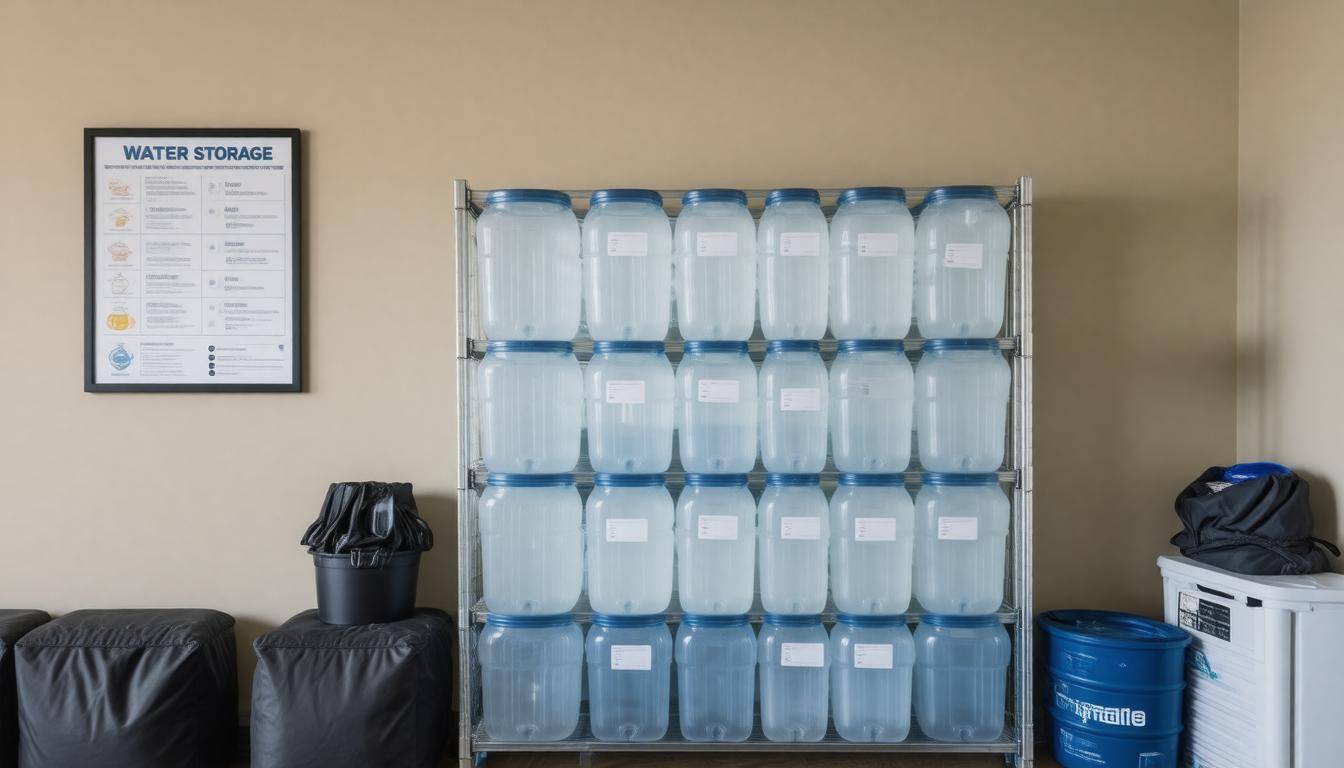
Selecting Emergency Water Containers
Choosing appropriate water storage containers starts with understanding the materials they are made from. The two main categories to consider are plastic and metal.
Plastic containers, especially those made from food-grade materials, are lightweight and convenient for various settings. However, it’s imperative to select high-quality plastics to prevent harmful chemicals from leaching into your stored water.
On the other hand, metal containers—particularly those crafted from stainless steel—are known for their robust durability and resistance to oxidation. They do not impart any flavors to the water, which can be particularly useful for long-term storage. Nevertheless, metal containers tend to be heavier, which may not suit portable applications.
When it comes to container options, size does matter. For example, common choices range from 55-gallon barrels suitable for long-term storage in basements or garages, to smaller 7-gallon Aquatainers that can easily fit in a car or under a bed.
Using stackable water bricks can help maximize space efficiency as well, allowing you to store them conveniently without taking up too much room. While larger tanks provide substantial capacity, having a mix of both smaller and larger containers caters to different needs over time, such as daily use versus emergency scenarios.
Container Capacity
Understanding your personal or family needs is key. A single individual should aim for at least 1 gallon of water per day according to preparedness guidelines. This means that during a three-day emergency period, a family of four would require a minimum of 12 gallons.
It’s advisable to use smaller containers for everyday activities like cooking or drinking while reserving larger ones primarily for long-term storage solutions. Keeping this diversity in your storage approach allows flexibility depending on the situation.
Additionally, regular rotation of stored water is necessary to ensure freshness over time; consider alternating between filled and drained periods every six months. This helps maintain water quality and keeps your supply ready for action when needed.
With an emphasis on choosing the right containers in place, the next step involves ensuring their proper upkeep to maintain the safety and quality of your stored water.
Maintaining Water Storage Containers
Proper maintenance of water storage containers ensures that your water remains safe for consumption. One of the first steps in this process involves cleaning your containers, a task that is deceptively simple yet incredibly important. Regular cleaning helps to eliminate any substances or microbes that could compromise the quality of the water stored within.
Cleaning Your Containers
To effectively clean your water containers, start by preparing a sanitizing solution. You typically want to mix one teaspoon of unscented liquid household chlorine bleach with one quart of water. This mixture is effective at killing harmful bacteria and pathogens. Once you’ve mixed your solution, pour it into the container and let it sit for about 30 seconds. After the time is up, rinse thoroughly with clean water. This ensures no bleach residue remains that could contaminate the water you’ll store later.
Remember, even after thorough cleaning, it’s wise to inspect your containers every six months to ensure they are still in good condition. Check for any cracks or leaks; even a small crack can lead to significant issues during emergencies.
Avoiding Contamination
Contamination can occur easily if proper precautions aren’t taken. Tightly sealing your containers right after filling them is essential to keep out unwanted contaminants. Airborne particles, insects, and other sources of pollution should be regarded as threats to your stored water supply; therefore, tightly closed containers act like barriers against these potential hazards.
Here are some tips for avoiding contamination:
-
Store in a cool, dark place: A temperature-controlled environment helps prevent the growth of algae and bacteria.
-
Avoid direct sunlight exposure: Sunlight can degrade certain plastic materials over time and also promote algae growth.
-
Use food-grade containers: Ensuring your container is designed for storing consumables greatly minimizes leaching and contamination risks.
Another important aspect is replacing stored water periodically. Depending on the type of container and conditions under which the water is stored, aim to replace stored water every six to twelve months. Stored water loses its freshness over time and may develop unpleasant tastes or odors.
With a solid approach to maintaining our water storage containers in place, we can now turn our attention to effective techniques for ensuring our water supply is safe for consumption during an emergency situation.
Methods for Purifying Water
In emergencies, access to safe drinking water is non-negotiable, and knowing how to purify water can mean the difference between health and illness. Among the most effective methods are filtration techniques and chemical treatments that offer added layers of protection against harmful contaminants.
Using Filtration Systems
One widely used method is filtration, which can effectively remove sediments, bacteria, and some viruses from water sources. Portable filters, like those made with activated carbon or ceramic elements, are not only convenient but also practical. For example, I’ve had great success with gravity-fed filters that clean several liters at a time. These filters work by allowing water to pass through a barrier that captures impurities without requiring any external power source.
It’s crucial to select a filter that specifies it removes bacteria and protozoa—it’s not just about clarity! The safer the water, the healthier you’ll be.
Notably, some advanced filtration systems also reduce chemicals such as chlorine and heavy metals. Many popular models can filter up to 99% of harmful substances while improving the water’s taste. A personal favorite of mine is a water filter bottle; these sleek units allow you to drink directly from stream or pond water with built-in filtration.
Chemical Treatments Beyond Tablets
While purification tablets are common, for those looking for alternative chemical treatments, there are other viable options available.
Another effective approach consists of using liquid chlorine bleach or food-grade hydrogen peroxide (not the kind found in first aid kits). When employing bleach for purification, ensure you measure it carefully; a small dose typically of 2-4 drops per liter can help kill off harmful pathogens. It’s essential to mix thoroughly and allow the water to sit for at least 30 minutes before consuming—this waiting period helps maximize efficacy.
On the flip side, food-grade hydrogen peroxide offers a more palatable choice without leaving strong odors or tastes behind. It works similarly by breaking down cellular structures of bacteria and viruses upon contact.
Remember: Always perform a visual inspection first; if your water appears discolored or has an unusual smell, filtering first is a wise choice before applying any chemicals.
Combine Techniques for Enhanced Safety
Finally, combining different purification methods can heighten safety in uncertain situations.
For instance, you might consider filtering your water first and then treating it with purification tablets or bleach. This two-step approach ensures that any larger particles will be removed before adding chemicals targeted at microorganisms. Overkill? Perhaps—but in emergencies, caution pays off!
Let’s not forget about the impact of new technologies on our ability to purify water safely. Innovations in desalination processes are becoming increasingly relevant as freshwater resources diminish globally. As outlined earlier, research from esteemed institutions is driving improvements in both efficiency and cost-effectiveness in how we manage our most vital resource.
Understanding these varied methods of purifying water—from traditional techniques to modern innovations—equips you with essential skills needed for potential crises ahead.
Expanding on this knowledge will lead us to explore more specific methods related to improving water quality through straightforward techniques and treatments.
Filtration Techniques and Chemical Treatments
Filtration and chemical treatments serve as the backbone of safe drinking water. They’re not just methods; they’re vital processes that can mean the difference between health and illness in emergency situations. Among the various techniques available, biological filtration stands out for its ability to effectively eliminate pathogens from water supplies. These systems often rely on slow sand filters, which use a combination of sand and microbiological activity to break down harmful organisms. Though this method is effective, it requires significant time and setup. It’s a process where patience truly pays off as it slowly enriches the water quality over days or even weeks.
On the other hand, for those facing immediate needs, traditional chemical treatments come into play, providing quick solutions.
Chemical treatments are widely recognized for their accessibility and effectiveness. Commonly used agents like chlorine bleach are available at most stores but using them requires precision. For instance, consuming too much chlorine can lead to toxicity, so measuring out the correct dose is crucial. It may seem simple, but even something as slight as an extra drop can tip the balance toward danger instead of safety.
Comparison of Chemical Treatments:
Chemical Dose Per Gallon Time to Act Notes Chlorine Bleach 8 drops 30 minutes Effective; may affect taste Iodine 5 drops 30 minutes Use sparingly; not for long-term Chlorine Dioxide As directed Up to 4 hours Removes odor; pricey
In this rapidly developing field, new technologies make it easier than ever to ensure our water’s purity. Innovative carbon cloth electrodes are among these breakthroughs. By using these electrodes in desalination plants, we can effectively eliminate boron—a toxic contaminant that traditional methods struggle with—through pH adjustments without additional chemicals. This reduces both the costs and environmental impacts normally associated with desalination.
Such advancements highlight how today’s technology can reshape our approach to water purification, blending efficiency with safety. Considering the growing demand for freshwater amid climate concerns serves as a backdrop for understanding practical methods to ensure water quality effectively.
Boiling and Distillation Methods
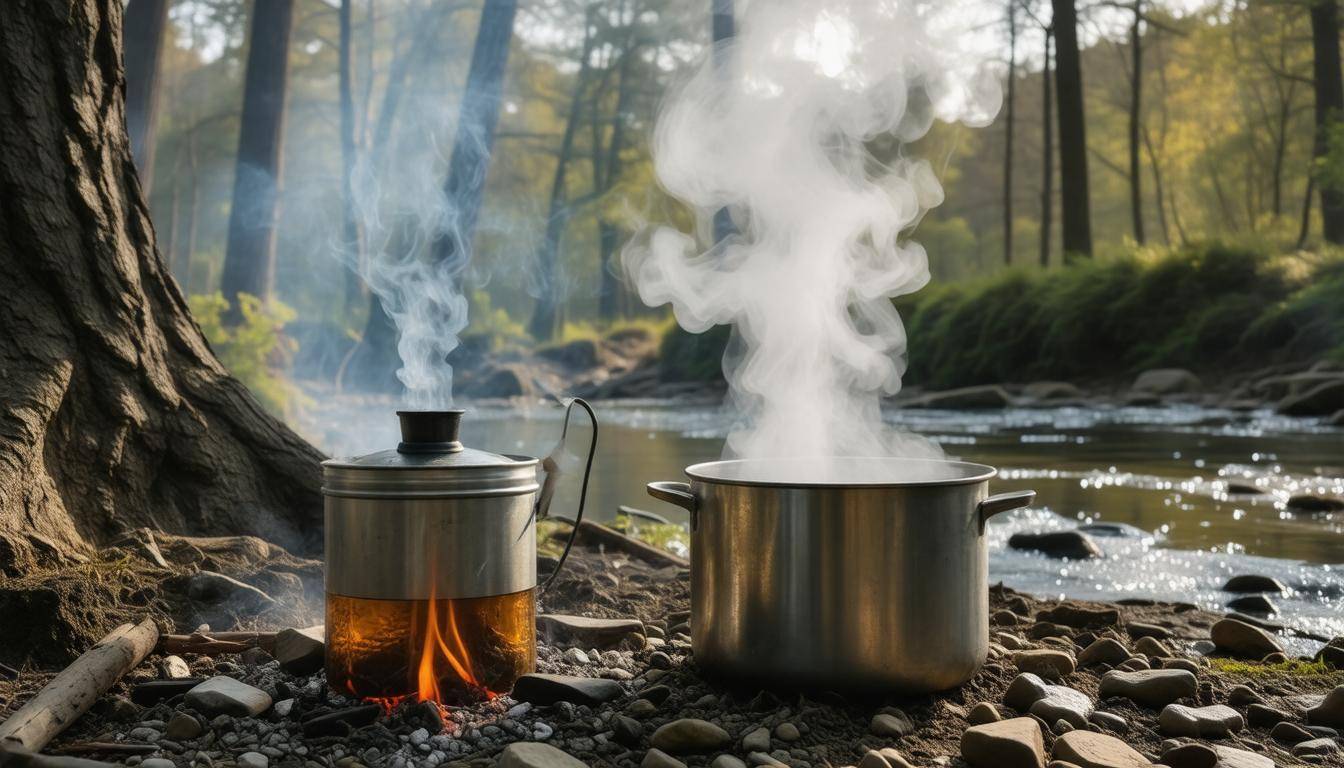
Boiling water is as straightforward as it gets—it’s fast, reliable, and free from the complexities of other purification methods. To purify water by boiling, all you need is a heat source and a suitable container.
Begin by bringing the water to a rolling boil. This means letting it bubble vigorously—just think of how a pot behaves when it’s at its boiling point. You must maintain that rolling boil for at least one minute. If you’re at higher altitudes, specifically above 5,000 feet, it’s crucial to extend this time to about three minutes. The reduced atmospheric pressure affects boiling temperature, hence the need for longer boiling time to effectively kill pathogens.
The beauty of boiling lies in its efficiency; it can effectively eliminate 99.9% of bacteria, viruses, and protozoa from the water. It’s like hitting the reset button on contaminated water—clear and trustworthy.
Distillation
On the other hand, distillation is a bit more complex but equally effective. It requires setting up a basic apparatus: a heat source for boiling water and another container for capturing steam.
To start with distillation, you heat the water until it reaches its boiling point—about 100°C or 212°F—turning it into steam. Following this step, the crucial part involves collecting that steam in a separate container where it cools down and condenses back into liquid form, which is now purified water. Not only does distillation remove pathogens, but it also eliminates heavy metals, salts, and various other impurities that might linger in your water sources.
Some important aspects of these methods include:
- Boiling is efficient against most pathogens.
- Distillation captures some unwanted contaminants you might not get rid of through boiling alone.
- While boiling takes just about 5–10 minutes, the distillation process can extend anywhere between 30 to 60 minutes depending on your setup.
These two methods provide immediate solutions for purifying water in an emergency. However, understanding sustainable practices will empower you to ensure consistent access to safe drinking water in any situation.
Long-Term Water Supply Solutions
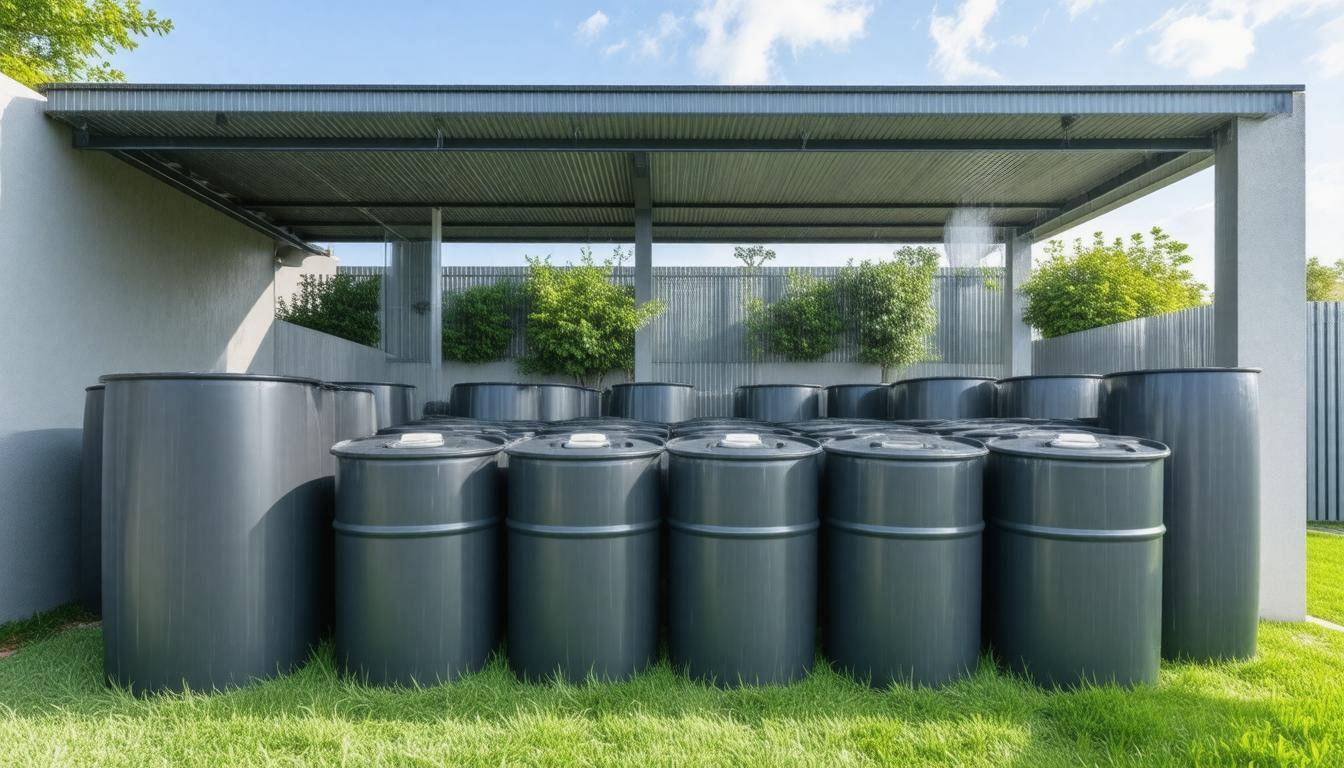
Investing in a long-term water supply system is key to ensuring you always have access to necessary resources. Water scarcity is a critical issue, especially in arid regions like Arizona, where every drop counts. One effective approach is the integration of water storage tanks, which allow for the capture and retention of excess rainwater. These large-capacity tanks can store thousands of gallons, providing a reliable resource during dry spells. Imagine storing enough rainwater from a single storm to sustain your household for weeks—this is not only possible but increasingly essential in face of ongoing drought conditions.
Water Storage Tanks
The role of water storage tanks cannot be underestimated. They come in various sizes and materials, such as plastic, fiberglass, and metal. Each has its own benefits depending on budget and intended use. For example, while plastic tanks are typically less expensive and easier to install, metal tanks often have longer lifespans and greater resistance to external elements. Regardless of the choice, proper sizing is crucial; a tank too small will not meet your needs, while an oversized tank can become a financial burden without sufficient utilization. Regular maintenance must also be considered to prevent algae growth and sediment buildup. Think of these tanks as insurance policies—not just against drought but against unforeseen water supply disruptions.
Another vital strategy in securing long-term water availability involves considering underground storage options.
Underground Storage
Exploring underground water storage solutions presents several advantages, particularly regarding temperature regulation and contamination prevention. Unlike above-ground systems, which are exposed to temperature fluctuations that can affect water quality, underground tanks maintain a more stable environment. This geological insulation keeps stored water cool in the summer heat and prevents freezing during winter months. Furthermore, being buried minimizes risks related to contamination from debris or pests.
By investing in underground options, one can not only secure the integrity of the water supply but also contribute positively to environmental preservation efforts by reducing evaporation loss.
Incorporating both surface and underground storage methods creates a robust system that enhances resilience against climate variability and increases sustainability efforts in communities reliant on limited water sources. With strategic planning and thoughtful consideration of local conditions, substantial strides can be made toward ensuring that both urban and rural areas in Arizona can thrive despite growing challenges related to water scarcity.
As we continue exploring innovative approaches for safeguarding our water resources, another practical method involves harnessing natural precipitation through collection systems.
Safely Collecting and Storing Rainwater
This practice not only helps in creating a reserve of water when you need it most but also assists in reducing stress on municipal water systems. When setting up your rainwater collection system, the first step is to choose the right components. Essential things you’ll need include gutters, downspouts, a filter system, and a quality storage tank. Ensuring your gutters are free from debris is vital because clean channels mean clean rainwater.
One of the most crucial elements is the first flush diverter. This small addition to your downspout directs the first flow of rainwater away from your storage tank. The initial runoff often carries contaminants like dirt, leaves, or even animal droppings from your roof, and nobody wants to store contaminated water for emergencies. By discarding this initial runoff, you can minimize potential health risks connected to stored water.
Setting Up the System
After installing a first flush diverter, focus on your storage tank. It’s advisable to use food-grade materials which help preserve water quality and safety. This means selecting tanks made from polyethylene or other non-toxic materials. Using the right type of tank is imperative; otherwise, hazardous chemicals might leach into the water over time.
To enhance safety further, the tank should have a tight cover. This simple measure prevents stagnant water from becoming a breeding ground for mosquitoes and pests while also shielding your precious resource from contamination.
While setting up your system, keep in mind that local laws may regulate rainwater collection practices.
Legal Considerations
Before you start collecting rainwater, it’s essential to familiarize yourself with local regulations regarding this practice. Some states may impose strict limits on how much rainwater can be harvested or require permits for specific systems. Understanding these laws can save you legal headaches later—and even fines if you’re caught storing more than allowed or without proper permits.
Remember: Water laws vary by region; states with differing topography will have distinct regulations reflecting their availability of water resources.
Many areas are moving toward easing restrictions on rainwater harvesting due to its benefits—Colorado provides an excellent example where residents can collect up to 110 gallons without needing a permit since 2016. However, always verify your local regulations before proceeding.
Once you’ve established a solid collection system compliant with local laws, you’re well-prepared to develop plans that ensure you safely access water when needed during emergencies.
Creating an Effective Emergency Water Plan
At the heart of any good emergency water plan lies a framework that emphasizes proactive measures and routine checks. Regularity breeds familiarity, which is vital in high-stress situations. It’s not merely about filling up containers; it’s about creating a reliable system you can trust when the unexpected happens.
Regular Inspections
One component of maintaining your emergency water plan is to schedule monthly inspections of your water storage and purification systems. This step ensures everything functions correctly—think of it as a quick health check-up on your supplies.
During these inspections, check for any leaks, unusual smells, or discoloration in stored water, as these could indicate contamination. Confirm the condition of your purification tools; filters should be thoroughly cleaned or replaced as needed. A well-maintained system guarantees access to clean water when you need it most.
While inspections are important, training your family members on how to implement the emergency water plan effectively can make all the difference.
Family Training
Ensure all family members understand critical aspects related to water access and safety. Here are essential points to cover:
- Accessing Stored Water: Teach them where storage is located and how to access it easily.
- When to Purify Water: Educate everyone on recognizing when water must be purified, including knowing proper methods such as boiling or using purification tablets.
- Emergency Contacts: Make sure they know who to contact in cases of water shortages or emergencies, whether that’s local authorities or nearby friends who might help.
This shared knowledge empowers everyone and creates a sense of collective responsibility for managing your family’s hydration needs in emergencies.
Beyond training, effective management of resources is key to ensuring you’re always prepared.
Resource Management
Efficiently managing your resources includes several crucial actions that help maintain preparedness:
-
Rotating Stored Water: Rotate your stored water every 6-12 months to keep it fresh and safe for consumption.
-
Inventory of Purification Tools and Supplies: Keep a list of what you have at hand, including filters and purification tablets, to quickly identify what needs replenishing.
-
Capacity Planning: Ensure you have sufficient storage—a general guideline suggests two weeks’ worth of necessary supplies per person. Utilize various container sizes to maximize available storage space without compromising accessibility.
By adhering to these practices, your family lays down a strong foundation for tackling water-related emergencies with confidence and readiness.
An effective emergency water plan not only assures hydration but also fosters peace of mind in times of uncertainty.
In times of crisis, being adequately prepared can make all the difference in sustaining life and ensuring safety. Taking these steps will empower you and your loved ones when facing unforeseen challenges.
How can I effectively purify and treat stored water for emergency use?
To effectively purify and treat stored water for emergency use, utilize methods such as boiling, chemical disinfection (using household bleach or iodine), or filtration through a portable water filter. Boiling for one minute can eliminate most pathogens, while adding 8 drops of unscented bleach per gallon can kill bacteria and viruses—this method relies on maintaining proper ratios; 1 in 10 Americans rely on treated water for emergencies. Regularly rotate your water supply every six months to ensure freshness and effectiveness.
What are the best practices for rotating and replacing stored water to ensure freshness?
The best practices for rotating and replacing stored water include labeling containers with the fill date and using a first-in, first-out (FIFO) system to ensure older water is used before newer supplies. It’s recommended to replace stored water every 6 to 12 months, as contaminants can seep into the water over time, impacting freshness. According to the CDC, even properly stored water can develop a stale taste after prolonged storage, making timely rotation essential for maintaining quality and safety.
How much water should be stored per person for an emergency situation?
For emergency situations, it is generally recommended to store at least one gallon of water per person per day, covering both drinking and sanitation needs. This guideline, issued by organizations such as the Federal Emergency Management Agency (FEMA), allows for adequate hydration and hygiene over a minimum of three days, which is often considered the initial period after an emergency when services may be disrupted. Therefore, for a household of four, aiming for at least 12 gallons would provide a solid foundation for addressing immediate water needs.
What specific scenarios should prompt me to utilize my emergency water storage skills?
You should utilize your emergency water storage skills in scenarios such as natural disasters (like hurricanes or earthquakes), water contamination events, or prolonged utility outages. For instance, during Hurricane Katrina, over 1 million residents were without safe drinking water for days, highlighting the importance of having enough stored water on hand. Additionally, the CDC reports that nearly 15% of households in affected areas experience disruptions in their water supply during emergencies, emphasizing that having a reserve is crucial for maintaining health and safety.
What containers are best for storing emergency water, and how should they be maintained?
The best containers for storing emergency water are food-grade plastic barrels (typically 55-gallon capacity), glass bottles, and stainless steel tanks, as they do not leach harmful chemicals. To maintain these containers, ensure they are thoroughly cleaned and sanitized before filling, and store them in a cool, dark place to prevent algae growth. Regular inspection is key; it’s advisable to replace stored water every six months to minimize the risk of contamination, as per CDC guidelines. Statistics indicate that storing water properly can significantly reduce health risks during emergencies, making it a vital skill to master.