
When it comes to emergency food production, having the right tools can mean the difference between survival and struggle. Gardening isn’t just a relaxing hobby; it’s a life skill that can help you secure crucial resources during tough times. Imagine a situation where store shelves are empty and being able to grow your own food becomes essential. That’s why creating a focused toolkit of must-have garden tools is not only smart—it’s vital for anyone serious about self-sufficiency. Throughout this article, we will explore the essential tools that will empower you to cultivate an effective emergency garden, ensuring you’re prepared no matter what challenges lie ahead.
The essential garden tools for emergency food production include a sturdy hand trowel for planting and transplanting, a reliable set of pruners for harvesting, and a hoe or rake for soil preparation. Additionally, a watering can or hose with an adjustable nozzle is crucial for efficient irrigation, ensuring that your plants receive adequate moisture during critical growing periods.
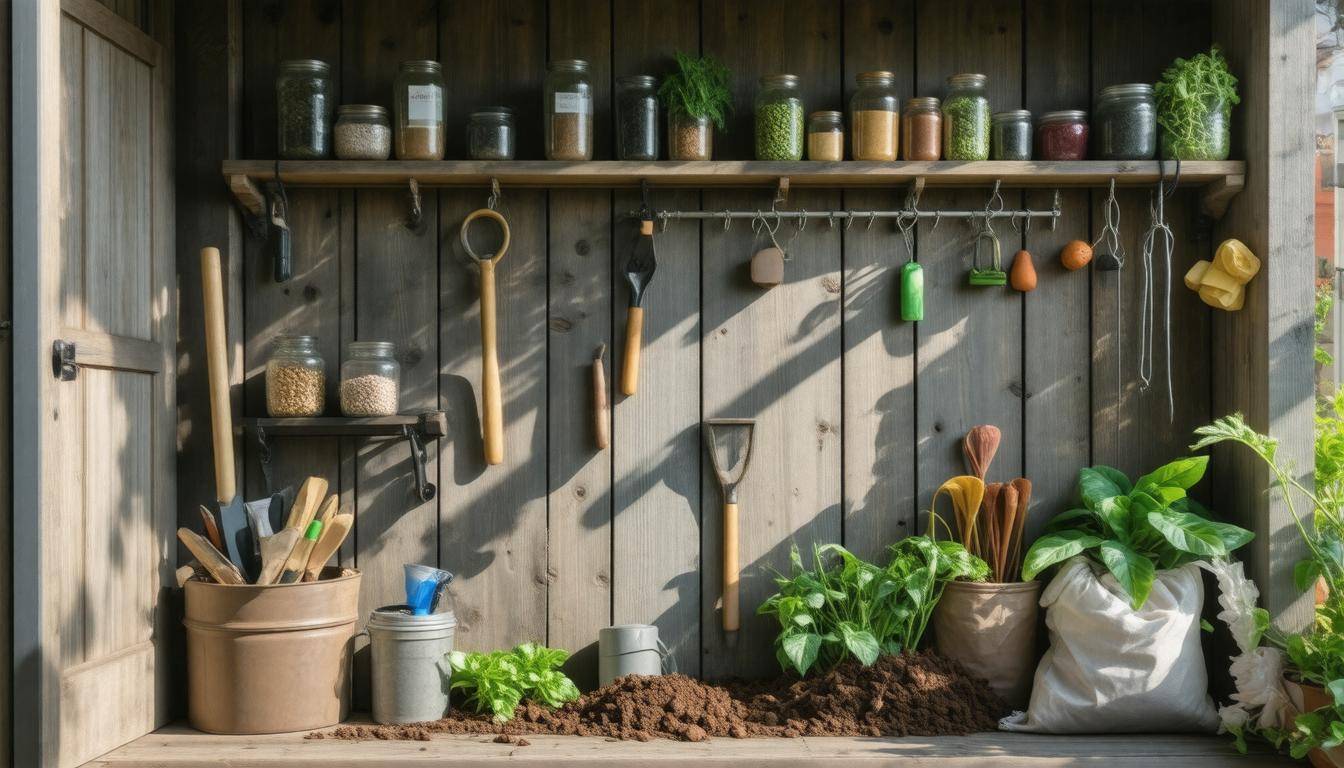
Essential Garden Tools for Emergency Situations
Starting with shovels and trowels, these are fundamental tools every gardener should have at their disposal. A sturdy shovel not only allows you to dig deep into the earth but also assists in breaking up compacted soil, essential for promoting healthy root systems. According to a study from the University of California, using a well-crafted shovel can increase soil turnover by an impressive 40%. This dramatic improvement means better aeration, which leads to robust root growth and ultimately, healthier plants ready to withstand various conditions.
Next on our list are pruning shears. These handheld tools are indispensable for maintaining the health of your plants. Regular trimming helps eliminate dead or crowded branches, allowing sunlight and air to reach all parts of your plants more effectively. Not only does this encourage vigorous growth, but it also helps prevent disease by reducing humidity levels within the plant’s canopy. Brands like Felco and Fiskars come highly recommended among gardening enthusiasts for their exceptional quality and longevity.
Moving forward, the management of water resources is crucial, especially during emergencies.
Implementing efficient watering systems can be a game changer when it comes to garden sustainability. During particularly dry seasons, I discovered the benefits of using simple drip irrigation systems. Not only do these systems provide consistent moisture directly to plant roots, but they also reduce water usage by up to 70%. This is invaluable when water sources may be compromised or limited in emergency situations. Moreover, a reliable watering system frees you up to focus on other aspects of your garden rather than worrying about daily watering tasks.
The Importance of Soil Quality
Another critical aspect to consider is ensuring you have good quality potting soil on hand. Quality soil plays a significant role in nutrient retention and drain management; investing in topsoil or organic potting mixes can enhance the overall health of your plants. As you prepare your toolkit, don’t forget the importance of hand trowels and garden forks as well. These handy tools allow for easy planting and maintenance without having to rely on heavier equipment.
In emergency scenarios, where resources may often be strained, keeping production efficient hinges not only on having these essential tools but using them wisely. By developing a deeper understanding of these garden components and how they work together, you position yourself better to grow food successfully when it matters most.
With an awareness of the critical tools under our belts, we can now examine how to prepare these assets, ensuring they remain effective when we need them most in our quest for self-sufficiency.
Must-Have Garden Tools for Preparation
As you embark on your journey to cultivate an emergency survival garden, equipping yourself with the right tools can make all the difference. Every seasoned gardener knows that success hinges on having reliable equipment at your fingertips. The first of these is the spade—a true workhorse in any gardening toolkit. This tool not only excels at digging deep into the soil but also is invaluable for turning and aerating it, creating a healthier environment for your plants. A well-made spade can serve you for years, making it a wise investment.
Next on the essential list is the wheelbarrow, which John Doe—the veteran gardener previously mentioned—swears by. Transporting heavy items like compost or soil can be backbreaking work without this handy device. Imagine hauling 50 pounds of soil across your yard; the wheelbarrow transforms an arduous task into a manageable one while preserving energy for actual planting. Its robust construction ensures that it can handle a variety of loads, making it crucial in the logistics of setting up and maintaining your garden.
The garden fork follows closely behind as another indispensable tool. This implement is perfect for breaking up compacted soil and allowing air to penetrate, fostering healthy root growth. Regular use will keep your soil loose and nutrient-rich. You’ll find its versatility particularly helpful when preparing beds for planting new seeds or seedlings, enabling you to manage varying soil types more effectively.
Then there’s the hoe, which takes center stage when it’s time to tackle weeds or aerate surface soil. Weeds can quickly overrun any garden if left unchecked, so having a hoe allows you to stay ahead of the game. Using this tool not only keeps weeds at bay but also helps maintain moisture levels in your garden bed—an essential aspect given how easily soil can dry out.
Finally, don’t underestimate the rake as an ally in your gardening arsenal. It’s not just about aesthetics; a rake aids in leveling out soil and clearing away debris that could hinder plant growth. When starting fresh beds or cleaning up after winter, the rake prepares a clean canvas conducive to seeding and growing robust plants.
“Having high-quality gardening tools ready not only empowers you in emergencies but also enriches every gardening experience.”
Equipped with these essential tools, you’re now primed to take the next steps toward successful gardening by focusing on the foundation of your plants—the right soil and seeds.
Selecting the Right Soil and Seeds
When it comes to growing an indoor survival garden, understanding soil quality is paramount. Opting for an organic soil mix that is rich in nutrients not only fosters healthy plants but enhances your chances of a bountiful harvest. Organic soil contains natural ingredients like compost and peat moss, which improve aeration and moisture retention. Testing the soil pH is essential; a pH level between 6.0 and 7.0 is ideal for most vegetables, though certain crops have specific requirements. For instance, blueberries prefer acidic soil while asparagus thrives in alkaline settings.
Soil Quality
As gardening enthusiasts often emphasize, using organic materials can boost crop yield significantly—up to 30%, according to the Soil Health Institute. This remarkable statistic highlights why investing in high-quality organic soil is vital for serious gardeners. Beyond just choosing the right type of soil, consider creating your own potting mix by blending equal parts potting soil, compost, and perlite. This homemade blend improves drainage while providing essential nutrients to your plants.
Having established a solid foundation with quality soil, let’s now dive into the realm of seed selection.
Seed Selection
The seeds you choose play a significant role in determining the success of your indoor survival garden. Heirloom seeds are highly recommended due to their genetic diversity and resilience against varied environmental conditions. Unlike hybrid seeds that may offer higher yields under controlled environments, heirloom varieties adapt well to different climates and often produce tastier produce.
A report from the National Gardening Association in 2020 further emphasizes this point, stating that heirloom seeds generally have a higher success rate in diverse climatic conditions. Personal experience aligns with this; I’ve found that storing and saving seeds from my own harvest allows me to cultivate new plants without buying new seed packets each season.
While heirloom seeds might seem less appealing due to perceived lower yields compared to hybrids, their long-term benefits significantly outweigh these factors. By cultivating individually adapted seed strains over time, you’ll instill resilience within your indoor garden and create a sustainable food source.
With both robust soil and carefully chosen seeds in hand, you’re laying the groundwork for successful planting, which smoothly leads us to the next important focus: ensuring optimal growing conditions tailored to your indoor garden setup.
Preparing Raised Beds
When it comes to maximizing your gardening efforts, raised beds are a game-changer. They not only prevent back strain associated with traditional gardens but also allow for better drainage and soil control. Their versatility makes it possible to create a flourishing vegetable haven regardless of your space constraints.
Step-by-Step Guide to Constructing Raised Beds
The first step is crucial: pick a sunny spot. Your plants will thrive on at least 6-8 hours of direct sunlight daily. This exposure boosts their growth and nutritional profile, so assess sunlight in your chosen area throughout the day before moving on.
Once you’ve selected your location, it’s time to construct the frame. Using untreated wood is typically recommended as it’s less likely to leach chemicals into your soil compared to treated materials. If you’re feeling adventurous or prefer a more rustic look, stone can also create a beautiful raised bed. Aim for a height of at least 12 to 18 inches—this allows enough room for root systems to thrive while ensuring excellent drainage.
With your frame in place, you’ll need to fill it with soil. The ideal mixture includes compost and garden soil, creating a nutrient-rich environment for your plants. Remember that raised beds can improve yields by up to 50% due to better soil management, so invest some time creating the right mix; it will pay off handsomely in the harvest.
A common mistake many beginners make is filling their beds with regular earth from the ground. Instead, focus on high-quality potting soil or a well-balanced blend that fosters growth.
After filling your raised bed, don’t forget to add mulch on top of the soil. Mulch acts like a protective blanket, helping retain moisture while keeping pesky weeds at bay. Whether you choose shredded bark, straw, or even grass clippings, this layer will provide insulation for the soil underneath and give your plants an extra boost during dry spells.
Equipped with these strategies for raised beds, you’re prepared to explore further details about the planting and care of your indoor survival garden.
Planting and Cultivation Techniques
Knowledge of effective planting techniques can drastically improve the output of your garden, transforming mere patches of dirt into productive food sources. The right strategies enhance growth and help address potential issues like pests and nutrient deficiencies. A smart approach starts with companion planting, a method that pairs crops to benefit all parties involved.
Companion Planting
By planting certain crops together, you can naturally repel pests and improve nutrient uptake. Take, for example, the classic duo of basil and tomatoes. The aroma from basil wards off common tomato pests while simultaneously enriching the soil with nutrients that tomatoes adore. According to the Permaculture Research Institute, such pairings can reduce the need for chemical pest control by up to 60%. This minimizes your exposure to harmful chemicals and promotes a healthier ecosystem in your garden. So next time you’re ready to plant, consider which plants can flourish together—your future harvest will thank you!
Crop Rotation
Another vital technique is crop rotation. Avoid planting the same crop in the same spot year after year. Consistently growing similar plants in one location prevents soil depletion of specific nutrients those plants require. This simple practice can help reduce disease propagation by about 40%, as indicated by findings from Cornell University. Changing your crops not only balances soil nutrients but also interrupts pest life cycles that thrive on specific plants. Think of it as giving your garden a much-needed reset after each growing season; it keeps both the soil and its inhabitants happy.
Effective planting techniques are only half the battle; maintaining your plants properly is equally important.
Maintaining an indoor survival garden isn’t merely about sticking seeds in soil; it involves nurturing growth with consistent attention and care. This includes regular watering at appropriate intervals to ensure deep root development while allowing moisture to reach beyond the surface. Ideally, aim for about an inch of water per week, adjusting based on temperature and humidity levels. Water deeply less frequently rather than lightly every day; this encourages roots to stretch downwards seeking moisture, resulting in sturdier, healthier plants.
Alongside proper watering practices, monitoring light exposure is essential too—your plants require around 12 hours of light daily, depending on the crop variety. Investing in quality grow lights with a Kelvin rating between 5,000 to 6,500 can enhance plant growth even during winter months when sunlight may be limited. Ensure they emit sufficient lumens to support all growth stages; inexpensive shop lights often work well for this purpose.
With these foundational techniques under your belt, you’re now poised to explore the necessary equipment that will assist you in creating a thriving emergency garden.
Tools for Planting and Maintenance
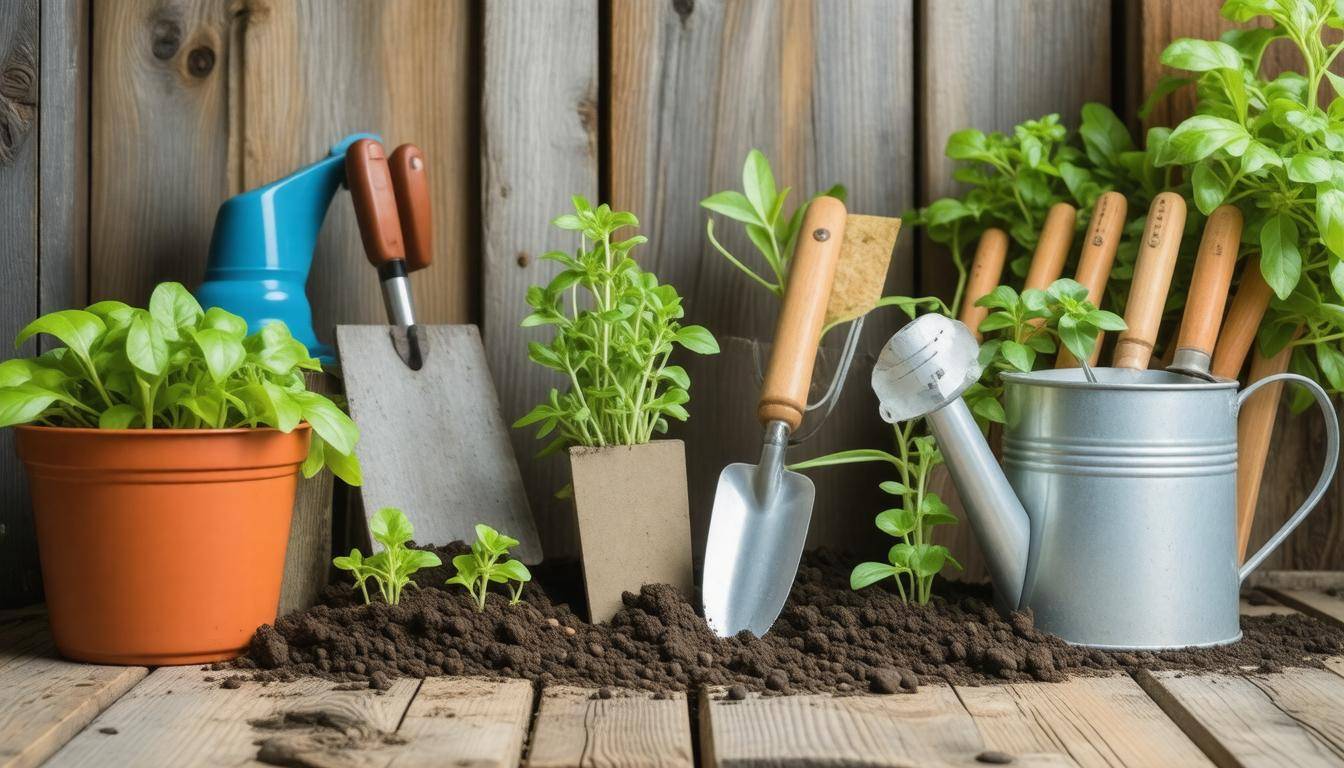
The success of your indoor survival garden largely hinges on having effective tools tailored for ongoing maintenance. Investing in these essential instruments ensures not only a fruitful harvest but also a resilient gardening environment that can withstand challenges.
Hand Tools
-
Hand Cultivator: This small, claw-like tool is fantastic for aerating the soil around your plants, ensuring proper drainage and nutrient distribution. A well-aerated soil promotes healthier root systems that lead to fuller plants and possibly increased yields.
-
Garden Scissors: While larger pruning tools may be tempting for more significant tasks, garden scissors provide precision for delicate pruning jobs. They allow you to maintain your plants without damaging their vital structures, prolonging their lifespan while ensuring you get fresh greens year-round.
-
Gloves: Protecting your hands should always take priority. Garden gloves not only shield against sharp thorns and prickly stems but also help prevent skin irritation from any chemicals or fertilizers you might use. Remember, healthy hands equal happy gardening!
Larger Equipment
As you expand your indoor garden, consider incorporating larger equipment to maximize efficiency. For instance, a quality battery-powered tiller can be a game changer in maintaining soil health—even during emergencies when power supply can become erratic. There are many testimonies from gardeners who have experienced the benefits firsthand; one such example is Jane, who managed her indoor garden throughout an extended power outage in 2023 by utilizing her reliable tiller. It allowed her to keep her soil in top shape without relying on gas or diesel—her crops thrived because of this attention to soil condition.
Adequate maintenance tools allow you to monitor and improve conditions continuously; they reduce the labor burdens during critical growth periods.
These essential instruments set the foundation for further cultivation practices that sustain growth and productivity while effectively managing waste by-products. Let’s now explore methods that enhance your gardening experience through enriching soil and maximizing crop quality.
Composting and Harvesting
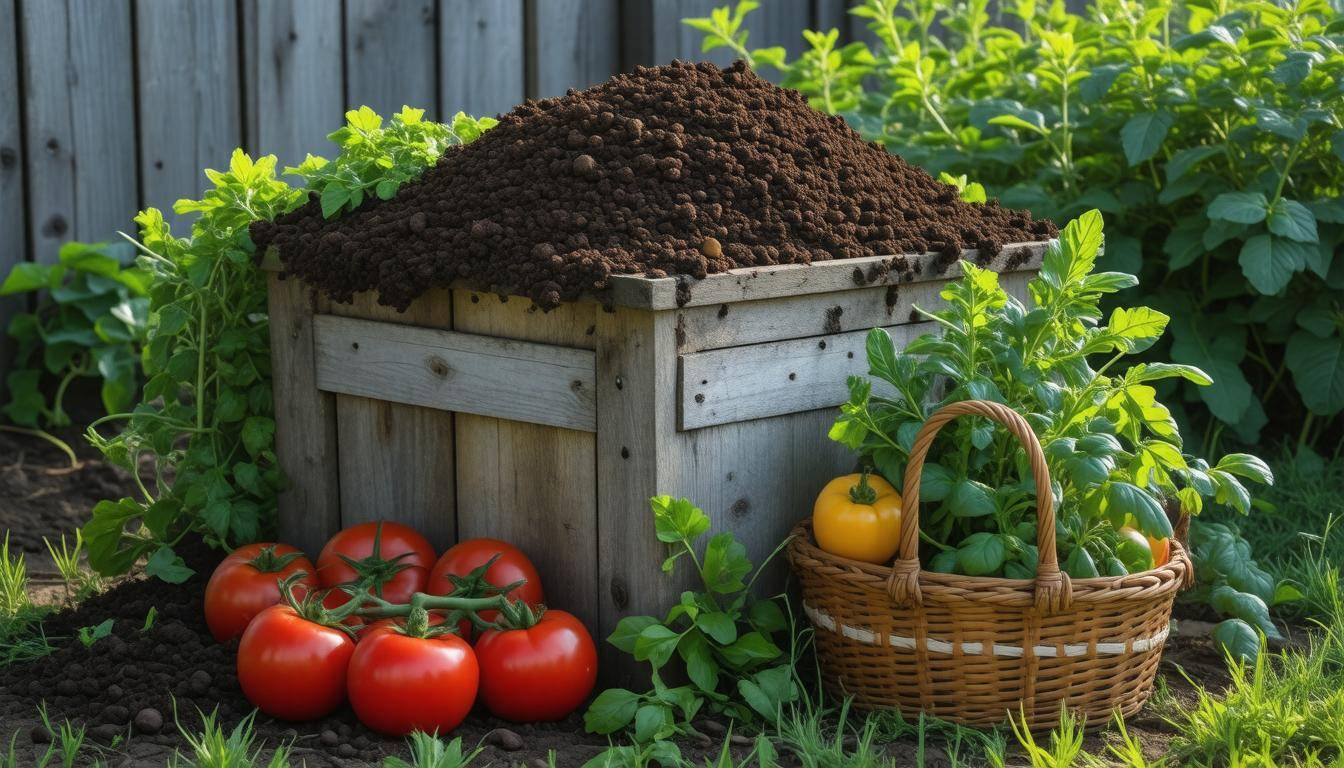
Composting is a vital practice, not merely for reducing waste but also for cultivating nutrient-rich soil that fosters plant growth. It transforms kitchen scraps and yard waste into valuable organic fertilizer, enriching your garden while minimizing your ecological footprint. By breaking down materials like vegetable peels, grass clippings, and dried leaves, you create a sustainable resource that nourishes your plants and encourages microbial activity in the soil.
Compost Bins
Setting up a compost bin doesn’t have to be extravagant. A simple construction using wooden pallets or plastic containers works wonders.
For optimal results, layer green materials (like fresh fruit scraps) with brown materials (like dried leaves) in a ratio of roughly 1:2. This layering helps balance moisture levels and accelerates decomposition. Turning your compost regularly ensures good aeration, which can speed up the process dramatically. Aim to turn the pile every couple of weeks; soon enough, you’ll be rewarded with rich, dark compost ready to be mixed with your potting soil.
Composting successfully relies on striking a balance between nitrogen-rich greens and carbon-rich browns.
Harvesting Tools
Equipping yourself with quality harvesting tools plays a significant role in achieving a successful yield from your indoor garden. Sharp knives or shears are essential for clean cuts, minimizing damage to plants and reducing the risk of disease spreading among your crops. Studies reveal that utilizing appropriate tools can extend the shelf-life of your produce by as much as 15%. Consider investing in ergonomic tools designed for comfort and efficiency—they can make all the difference when you’re spending hours tending to your plants.
With our understanding of composting techniques and the significance of using proper harvesting tools established, let’s transition to exploring how to compile all these essential components into an effective kit for nurturing your garden during emergencies.
Building Your Emergency Gardening Kit
Putting together an all-in-one emergency gardening kit is not just about convenience; it’s a lifeline for growing your own food during unforeseen circumstances. With the right tools at your fingertips, you can swiftly respond to any situation that demands self-sufficiency. The emphasis here is on preparedness—having a collection of essential items that you can grab in a hurry can make all the difference when time is against you.
Essential Items
-
Collapsible Shovel: Perfect for digging small holes or moving soil while taking up minimal space. When it’s time to plant seeds or remove weeds, you’ll appreciate having a sturdy shovel you can easily carry around.
-
Seed Bank: Creating a seed bank with heirloom seeds stored in waterproof containers is invaluable. These seeds can be planted year after year, providing a sustainable food source. It’s wise to regularly check and refresh your seeds to maintain their viability.
-
Portable Watering Can: A lightweight watering can is essential for hydration, especially in emergencies when automated irrigation isn’t an option.
-
Multi-tool: This handy device combines functions like a knife, wrench, and scissors into one compact unit, saving space and providing versatility for various tasks.
Selecting the right tools is only part of the equation; how you store them is equally important for ensuring they remain usable when needed.
Storage Solutions
Consider using a sturdy, waterproof container to protect your gardening kit from moisture and potential damage. Not only will this keep your tools safe from the elements, but it also lets you quickly grab everything in one go when needed. Opt for containers with dividers or compartments so larger tools don’t damage smaller items.
Whether choosing clear bins for visibility or opaque boxes to hide clutter, organizing your emergency gardening kit thoughtfully means being ready whenever opportunity knocks or necessity calls. Overlooked sections—like checking for rust on tools or replacing old seeds—can lead to costly delays when you’re eager to cultivate your survival garden.
By building this comprehensive emergency gardening kit with quality tools and proper storage solutions, you’ll find yourself more self-sufficient and prepared to thrive even in tough circumstances. Each step taken now ensures that you’ll have the resources necessary to grow food and sustain yourself during any crisis.