
When planning for emergencies, most of us think about food, water, and first aid supplies, but have you considered the importance of having your legal documents in order? Imagine facing a crisis without essential paperwork—like your ID, medical records, or even a will—and how much more stressful that situation could become. Having these important documents organized and easily accessible can make all the difference when every second counts. In this article, we’ll guide you through creating an emergency kit filled with essential legal documents so that you can feel prepared and secure, even when life’s unexpected challenges arise.
Essential legal documents for your emergency kit should include personal identification (such as passports and driver’s licenses), medical records, insurance policies, property titles or deeds, wills, and powers of attorney. Having these documents organized and easily accessible will help ensure you can quickly verify your identity, manage medical needs, and address financial matters in times of crisis.
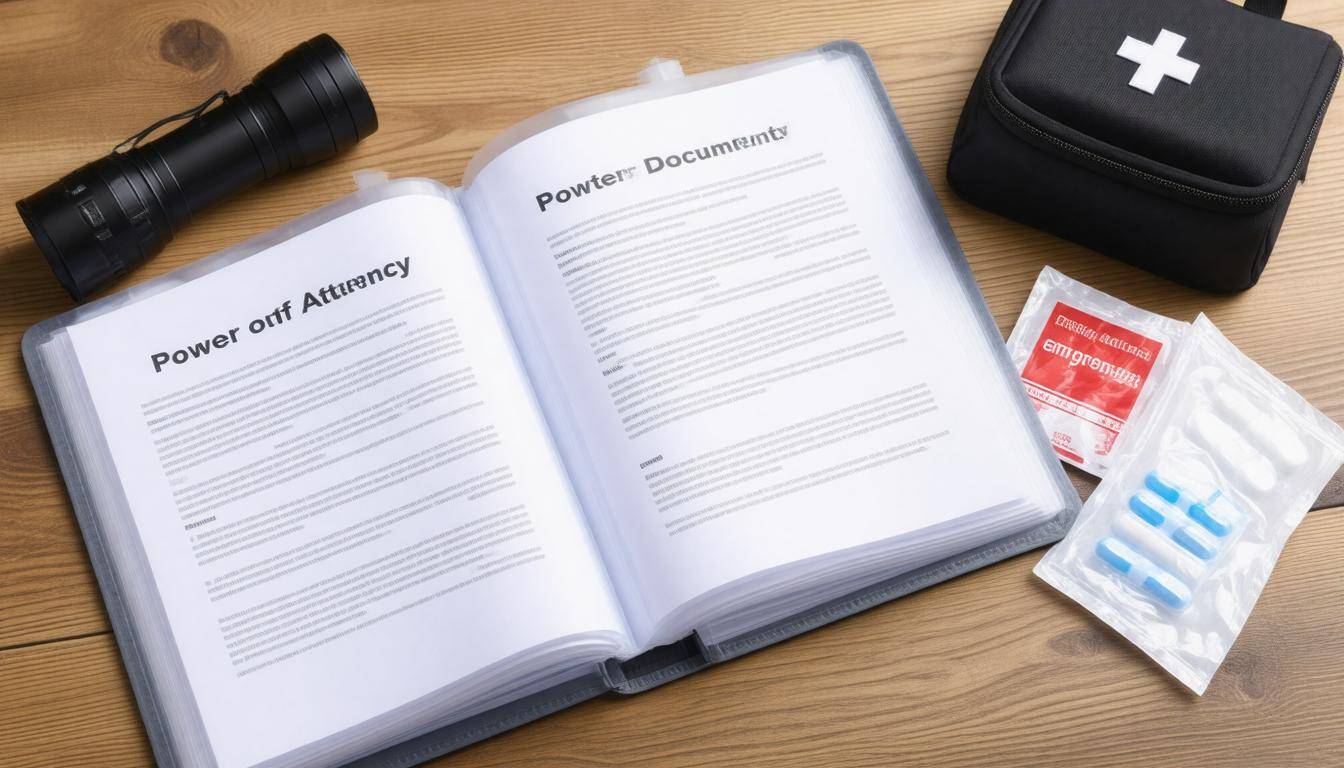
Must-Have Legal Documents for Emergencies
Legal documents are not just paperwork; they serve as your lifeline during crises, helping you navigate challenging situations while proving your identity and rights. Understanding what to include is essential for building a solid emergency kit. Among the most vital documents are identification papers. Having copies of driver’s licenses, passports, and Social Security cards handy won’t just help confirm your identity—they’ll also expedite assistance from emergency responders and agencies. Imagine you’re in a chaotic situation; with these documents, you avoid unnecessary delays that can add to your stress.
Following identification, there are other significant documents that ensure the smooth management of your properties.
Next up are property papers, which include property deeds, mortgage documents, and vehicle titles. Why is this important? In an emergency, you may need to demonstrate ownership to gain access to insurance benefits or establish claims in case of property loss. Moreover, if you are evacuating your home swiftly, having these documents ready can save you precious time and help secure what’s rightfully yours.
But it doesn’t stop there; we must consider our personal wishes for potential health crises.
This brings us to legal documents like wills, powers of attorney, and living wills. These types of documentation might feel heavy and uncomfortable to think about, but they become essential when situations turn dire. A living will outlines your healthcare preferences if you’re unable to communicate them. Meanwhile, a power of attorney designates someone you trust to make decisions on your behalf regarding finances or medical care. Ensuring these documents are part of your emergency kit not only respects your wishes but also alleviates burdens from loved ones during a crisis.
Finally, let’s not overlook the importance of guardianship papers in safeguarding our loved ones.
Including guardianship papers is crucial if you have children or pets that depend on you for care. These legal documents formalize who will take over their custodial responsibilities should something happen to you. Having such arrangements in place provides peace of mind that those you love will be taken care of in emergencies. It acts as an assurance that even amidst chaos, their needs will be prioritized by someone you trust.
Each document safeguards not just assets but the well-being of those who matter most, setting the stage for the next essential items you’ll need: specific identification and financial records.
Important Identification and Financial Documents
Having a solid set of identification documents is crucial because they serve as your lifeline in times of crisis. Think about a time when you had to prove who you are; whether it was at the airport or when signing important papers, those small slips of document can represent your entire identity.
In an emergency, your birth certificate, driver’s license, and even a recent family photo can become invaluable tools to help verify your identity if critical documents go missing or were accidentally left behind. Losing your wallet with all your IDs can add an unnecessary layer of stress during what is already a tough situation.
It’s similar to trying to regain control over a chaotic scenario. You pull out that family photo – it’s not just a snapshot; it’s a reminder that you’re part of a unit that matters and proves who belongs in your life. Alongside personal identification, having tax returns, recent pay stubs, and bank account information ready can make rebuilding after an emergency less overwhelming.
Detailed Financial Documentation
Now let’s explore why comprehensive financial documentation is just as important. Imagine facing an emergency—be it a natural disaster or a sudden financial crisis—without clear visibility into your financial health. This could hinder your ability to access resources efficiently.
Here’s a step-by-step approach:
To ensure you’re well-prepared:
-
Tax Information: Store the first two pages of last year’s tax return safely, as these documents contain valuable information verifying both your income and address.
-
Gather Bank and Investment Statements: Secure copies of recent bank statements for checking and savings accounts, as well as credit card statements. Don’t forget investment summaries; they can be vital in understanding your financial position.
-
Document Your Debt Obligations: Keep a list of current debts, including mortgages and personal loans. Not only does this keep you organized, but understanding your liabilities allows for better planning when moving forward.
By having these documents organized ahead of time, you’re setting yourself up for easier navigation through turbulent times.
With identification and financial requirements sorted, the next step involves focusing on medical records and insurance details to ensure comprehensive preparedness. This will further bolster the foundation for an effective emergency kit.
Medical and Insurance Records
In the chaos of a natural disaster or an unexpected evacuation, having your medical records at your fingertips can feel like a lifeline. The first critical item to include in your emergency kit is health insurance cards. Ensure you have copies for each family member, including pets if applicable. This small action allows anyone who needs urgent medical care to prove coverage and facilitate quicker treatment.
Next up is an overview of each person’s medical history. Summarizing significant details such as allergies, chronic conditions, and past surgeries can be invaluable. For instance, knowing that someone is allergic to penicillin could significantly influence their treatment plan in an emergency, saving precious time that might otherwise be wasted.
Another essential component is a medication list. This should detail all prescription medications, dosages, and the names of prescribing doctors. You might think this information is easy to recall under pressure, but when panic sets in, having it documented ensures that no crucial information slips through the cracks. For example, if a loved one has specific needs related to medication timing or dosage adjustments, this document will guide healthcare providers effectively.
Speaking of comprehensive records, you shouldn’t overlook immunization records. Keeping updated immunization records for all family members is crucial, especially during times of public health emergencies when vaccination status may need to be verified quickly. Just imagine standing in line at a shelter while they require proof of vaccinations; having these documents organized could expedite the intake process considerably.
The combination of health insurance cards, medical histories, medication lists, and immunization records creates a robust medical profile for every family member. By having these documents ready in your emergency kit, you’re setting yourself up for success amid unforeseen circumstances.
While gathering these documents is essential, ensuring their safe storage is equally important for easy access when emergencies arise.
Storing Your Documents Safely

Safeguarding your documents starts with choosing the right storage solutions tailored to your needs. It’s not just about protecting them; it’s also about guaranteeing that you can access them quickly when the time arises. Selecting the correct storage type significantly impacts how well your documents withstand unforeseen circumstances. A fireproof safe, for instance, can protect your important papers from fire and water damage while ensuring they remain secure from theft. However, this option might take up space in your home and could be costly.
Physical Storage Options
| Storage Type | Description | Pros | Cons |
|---|---|---|---|
| Fireproof Safe | Stores documents securely | Resistant to fire, water, and theft | Can be pricey |
| Waterproof Binder | Portable and water-resistant | Easy to grab and go, prevents water damage | May not protect against fire or theft |
Another option is a waterproof binder, which offers mobility and is great for grabbing on the go. You can easily take it along in case of an evacuation or an emergency where you must leave your home. However, while practical, these binders may not provide the same level of protection against fire or theft as a safe would. Thus, it’s important to weigh the pros and cons of each type of storage based on your individual circumstances.
It is wise to keep two sets of your critical documents: one stored securely at home for quick access and another copy in a safe offsite location like a bank’s safe deposit box. This way, even if something goes awry at home, you won’t lose everything.
To enhance your readiness during emergencies, it’s crucial to keep your documents organized and updated regularly as situations change. Moving ahead, we’ll explore how often you should refresh the contents of your emergency kit for optimal preparedness.
Updating Your Emergency Kit
Regular updates ensure that your emergency kit remains a reliable resource in times of need. A well-maintained kit not only contains the most accurate and essential information but also reflects any changes in your family’s circumstances or legal status. Scheduling bi-annual checks makes this task manageable and ensures that you’re always truly prepared for potential emergencies.
One effective approach to organizing your updates is to create a simple checklist to guide your review. Here’s how I typically structure mine:
| Task | Frequency | Notes |
|---|---|---|
| Review Dates | Every six months | Look for expiration dates on IDs and policies |
| Replace Old Information | Every check | Update bank statements and medical records |
| Add New Documents | As necessary | Include recent wills or powers of attorney |
The first step in this process is to review dates. Make it a habit to check the expiration dates on personal identification, insurance policies, and any medications. This simple action helps to prevent last-minute scrambles when you may need access to these important documents.
It’s often in emergencies that we realize we don’t have what we think we do—don’t let that be you!
Next, it’s crucial to replace old information. Financial documents like bank statements or tax returns often hold critical data necessary for accessing resources during an emergency. Replacing outdated documents not only keeps your kit fresh but ensures that the latest details are available when you need them most.
Lastly, don’t forget to add new documents as applicable. Life events such as marriages, divorces, births, or deaths can necessitate updates to legal documents including wills, powers of attorney, and more. Ensuring these updates are made promptly should be an important aspect of your bi-annual review.
Taking advantage of digital copies can further streamline this updating process while providing secure backups.
Digital storage solutions are invaluable in today’s technology-driven world. Scanning important documents and storing them securely online allows for easy access in an emergency without adding physical clutter to your kit. Utilize password-protected cloud services for enhanced security, ensuring you can quickly retrieve essential paperwork even amidst chaos.
Remember: The goal is not just to gather documents but to ensure they are ready at a moment’s notice, allowing you peace of mind as you navigate unforeseen challenges without unnecessary stress.
As you consider bolstering your emergency preparations, exploring how technology enhances document security might offer further peace of mind during unpredictable times.
Digital Copies and Cloud Storage

The importance of having digital copies of your essential legal documents cannot be overstated. Imagine facing a crisis only to discover that your important papers are tucked away in a drawer, inaccessible and unsearchable amid the chaos. That’s where digital copies come in—they offer not only accessibility but also undeniable convenience.
Benefits of Digital Backups
When we talk about cloud storage, we are referring to an online service that safely stores data on remote servers instead of on local hard drives. This means your critical documents can be accessed from anywhere with an internet connection, making them readily available whenever you need them. With options like Google Drive, Dropbox, and iCloud, securing your information has never been easier.
These services not only provide storage options; they also incorporate various security features. For instance, password protection keeps prying eyes away, ensuring only authorized individuals can access sensitive information. Moreover, many platforms offer advanced encryption techniques which help protect your data while being transmitted or stored. This way, even in the unfortunate event of a data breach, the contents remain secure within their encrypted “vault.”
However, it’s wise to go one step further when it comes to safeguarding your documents. Utilizing encrypted USB drives adds another layer of protection to your digital files. These drives use special encryption algorithms that prevent unauthorized access, allowing you to store backups safely even offline. So if you’re looking for reassurance in a worst-case scenario, this dual-layer system—cloud storage coupled with encrypted physical backups—can give you peace of mind.
The combination of easy access via cloud platforms and enhanced security through encrypted USBs creates a fool-proof method for keeping your important documents safe.
While digital copies offer accessibility and convenience, it’s equally important to discuss these arrangements with essential individuals involved in the process.
Beneficiary and Executor Instructions
When it comes to ensuring that your wishes are carried out smoothly, having precise instructions for your beneficiaries and executors is essential. These individuals will play a crucial role in managing your estate after you’re gone, and they need to be adequately prepared. By outlining their responsibilities clearly, you ease their burden and minimize potential conflict among family members during an emotionally challenging time.
One effective way to start this process is by scheduling a face-to-face meeting with your designated executor and beneficiaries. This meeting acts as a walkthrough of your emergency kit, allowing you to explain each document’s location, purpose, and importance. As Laura M. recounted her experience, “Knowing exactly what to do and where to find the documents saved us a lot of stress during an already difficult time.” This proactive approach can alleviate anxiety down the line.
During the meeting, discuss how they can access documents like wills, powers of attorney, and healthcare proxies. It’s imperative that these people understand what their roles entail. You might consider providing a checklist summarizing their responsibilities. For instance, if there are specific tasks such as settling debts or distributing assets, detail these processes to ensure clarity.
Updating Instructions Regularly
Life changes often affect your plans, so it’s wise to keep these instructions updated whenever significant changes occur—whether that’s a new beneficiary due to changes in relationships or adjustments in your financial situation. Regular check-ins with your executor and beneficiaries show that you value transparency and communication. Each update serves as a reminder of the importance of these documents.
Lastly, keep an updated contact list within your emergency kit. This should include essential phone numbers for your executor, attorney, financial advisor, and other critical contacts related to handling your affairs. Clear communication through these channels can make all the difference when someone has to step in unexpectedly.
With clear guidance for beneficiaries and executors established, maintaining vital contact information becomes pivotal for seamless action when it matters most. Let’s explore what critical contacts should be included in your preparedness plan.
Contact Information for Emergencies
Having an organized list of contact information is essential in emergencies. Imagine, in the midst of a chaotic situation, needing to reach out for help or communicate with family members; having this information readily accessible can streamline the process and reduce stress. A well-prepared contact list not only helps you stay calm but also enhances your ability to respond effectively.
Critical Contacts List
When creating your critical contacts list, consider including the following:
-
Family Members: Include cell phone numbers, home addresses, and email addresses to ensure multiple ways of connection. This can be helpful if phone lines are down or someone needs to travel.
-
Healthcare Providers: Note the contact details for your primary care physician and any specialists you regularly see. Don’t forget the pharmacy where you fill prescriptions, as they may provide crucial health-related advice.
-
Insurance Agents: Have numbers and policy details for all your insurance plans, including health, home, and auto insurance. Quick access to these details could expedite claims and support during emergencies involving property damage or medical assistance.
-
Financial Advisors: Keep contact details for your financial advisor or bank representative handy. Financial concerns often arise during emergencies, whether it’s needing immediate funds or managing disaster-related expenses.
-
Legal Contacts: Name and contact information for your attorney and executor should also be part of this list as they can assist with unexpected legal issues.
To ensure easy accessibility during a crisis, it’s crucial to keep this information in both physical and digital formats. Attach printed copies on fridge magnets or inside emergency kits while also storing digital copies on your phone or a secure cloud service.
Being prepared isn’t just about having supplies; it’s also about knowing who to call when every second counts.
Consider creating an emergency contact card that you can carry with you at all times—having these important connections close by will empower you during moments of uncertainty.
By taking the time to compile this critical information now, you’ll feel assured that you’re prepared for anything life throws at you—because being prepared isn’t just about survival; it’s about maintaining peace of mind.
How often should I review and update the legal documents in my emergency kit?
It is recommended to review and update the legal documents in your emergency kit at least annually or whenever you experience a significant life change, such as marriage, divorce, the birth of a child, or relocation. According to various legal experts, 70% of people do not have an updated will or power of attorney, which can lead to complications during emergencies. Regular reviews ensure that your documents reflect your current wishes and circumstances, ultimately providing peace of mind when it matters most.
What additional items or resources should accompany legal documents in an emergency preparedness plan?
In addition to legal documents, an emergency preparedness plan should include a robust list of contacts (family, legal advisors, and medical professionals), copies of identification (such as passports and driver’s licenses), insurance policies, and access to digital backups of all documents. According to recent surveys, 70% of individuals feel unprepared for emergencies due to insufficient documentation, emphasizing the need for comprehensive readiness that includes not only physical documents but also clear communication resources and action plans.
Are there specific formats or copies of these documents that are required for them to be valid in an emergency?
Yes, specific formats and copies of legal documents are often required for them to be valid in emergencies. For instance, many jurisdictions mandate that certain documents, such as power of attorney or advance healthcare directives, must be signed and notarized to hold legal weight. According to a 2023 survey, approximately 40% of individuals do not have properly formatted legal documents in their emergency kits, highlighting the importance of ensuring these documents meet local legal standards to avoid complications during critical situations.
What types of legal documents are crucial to have on hand during emergencies?
During emergencies, it’s crucial to have legal documents such as wills, durable power of attorney, healthcare directives, and property deeds readily available. These documents ensure that your wishes are honored in critical situations, providing clear guidance on medical and financial decisions when you may be unable to communicate. For instance, having a power of attorney can prevent family disputes over decision-making; a survey indicated that 62% of Americans do not have one in place, which could lead to complications during emergencies. Having these essentials can help streamline processes and protect against uncertainty.
How can I safely store legal documents to ensure they remain accessible yet secure?
To safely store legal documents while ensuring they remain both accessible and secure, consider using a combination of physical and digital storage methods. Place important documents like wills, powers of attorney, and property deeds in a fireproof safe at home for quick access during emergencies. Additionally, digitize these documents using secure cloud storage with encryption to protect against data loss and unauthorized access. According to a survey by the American Bar Association, nearly 60% of Americans do not have a will or other essential legal documents, highlighting the importance of organization and security in managing these vital records effectively.