
Evacuating can feel like a whirlwind, where every second counts and decisions must be made swiftly. Whether it’s a looming hurricane or unexpected wildfires, knowing when to leave your home is vital for safety. But how do you decide when it’s really time to pack up and head out? This article breaks down the key steps you need to take, offering practical advice on assessing risks, creating an evacuation strategy, and gathering essential supplies. By understanding these steps, you’ll not only empower yourself but also ensure that your loved ones are prepared for any sudden emergency. Let’s dive in!
The “Evacuation Decision Making: When to Leave Guide” provides essential protocols and steps for evaluating whether to evacuate or shelter-in-place during emergencies. It includes risk assessment, communication strategies, and preparation guidelines to ensure personal safety and effective decision-making under pressure.
Assessing Risks and Hazards
When we talk about risks, we refer to potential events or situations that might endanger lives or property. On the other hand, hazards are conditions that could either create or escalate those risks. Understanding the relationship between these two concepts is crucial in preparing for an emergency evacuation.
Identifying Local Risks
Start by pinpointing specific risks that could impact you directly. For many areas, this may include floods, wildfires, hurricanes, or even industrial accidents related to local factories.
I recommend checking local government websites or engaging with community resources like hazard maps. These tools can provide clear information on the types of disasters prevalent in your region. A simple online search or a chat with neighbors who have lived in your area for years can yield valuable insights.
Evaluating Severity
To genuinely understand how these risks might affect you, it’s essential to evaluate their severity. There are a few key factors to consider:
-
Historical Data: Look into the history of your area—how often do these disasters occur, and what has been their impact? This historical perspective provides context on what to expect.
-
Geographic Location: Consider how close you are to potentially dangerous areas. Are you situated near fault lines, flood zones, or perhaps industrial complexes? Understanding these geographic nuances can be a game-changer when deciding how best to protect yourself.
-
Vulnerability: Finally, think about the structure and resilience of your home or community infrastructure. Older buildings may not hold up well against severe weather compared to newer constructions designed with the latest safety standards. Make note of how well-equipped your surroundings are to handle emergencies.
According to the Federal Emergency Management Agency (FEMA), nearly 60% of Americans live in an area that has experienced a natural disaster within the last decade. This statistic underscores just how important it is for all of us to remain vigilant and prepared for any eventuality.
Once you have a solid grasp on both the risks and their potential severity, it’s time to pivot towards developing a robust evacuation strategy tailored specifically for your circumstances. By building on this foundation, you’ll be better equipped to navigate through challenging situations effectively.
Creating an Evacuation Strategy
A well-thought-out evacuation strategy can mean the difference between safety and catastrophe. Crafting this plan begins by identifying your evacuation routes. Familiarity with multiple pathways is crucial, especially since highways may become congested during emergencies.
Picture yourself behind the wheel, faced with a traffic jam; now imagine having the foresight to take alternative back roads that lead you away from danger and into safety. This proactive thinking not only saves time but also alleviates stress when every minute counts.
Step I – Plan Your Routes
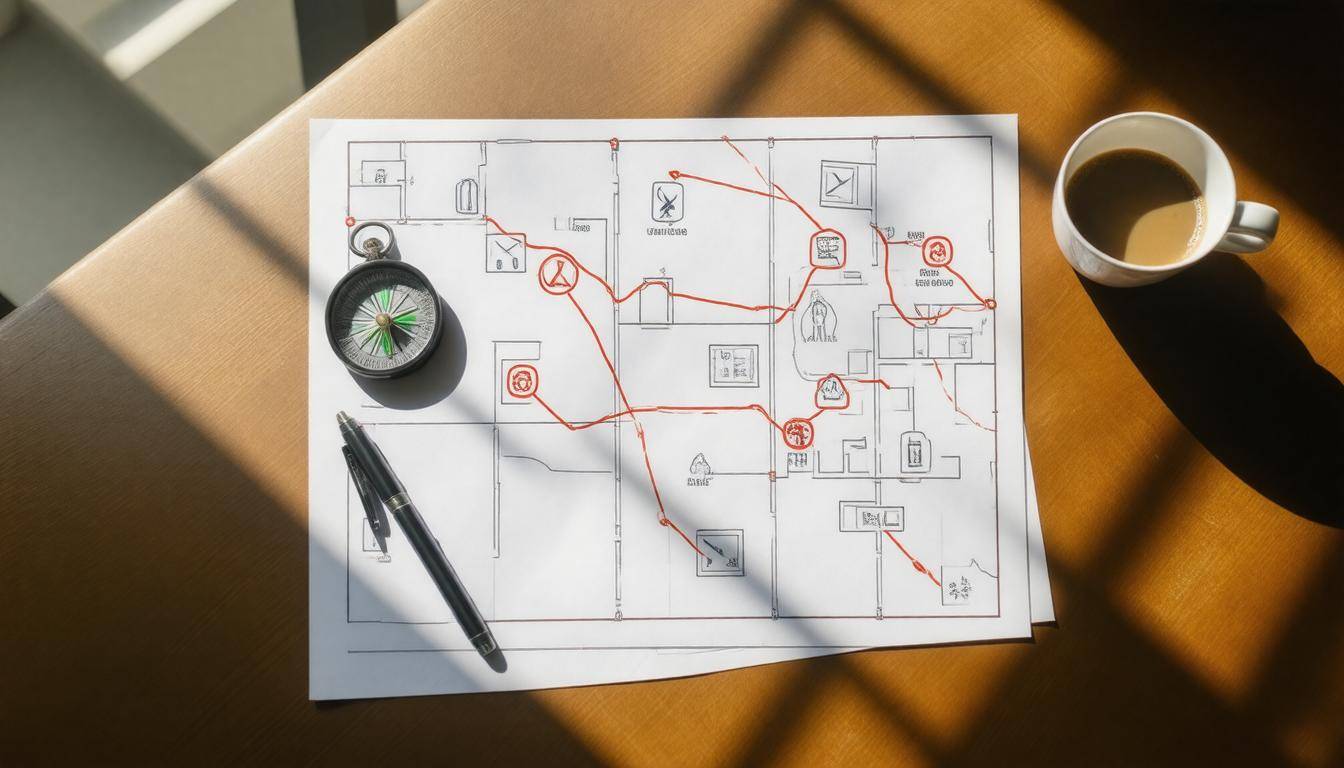
When mapping out these routes, consider different conditions—night versus day, dry weather versus rain or snow. An ideal strategy involves at least three primary routes each leading to various safe locations. Make sure to check for potential hazards along these paths, such as road closures or construction, as they could arise unexpectedly.
By mentally rehearsing these routes, you can ease anxiety and bolster confidence when it’s time to act.
Step II – Establish Communication Protocols
Next on your list is establishing robust communication protocols within your family or household. Designate a specific meeting point where everyone can regroup during an evacuation.
That’s critical because in a panic situation, it’s easy for loved ones to stray into separate directions. Having a reliable rendezvous point—perhaps a landmark outside of danger zones or even the home of a relative—greatly enhances coordination among all family members. Furthermore, each person should have access to a clear list of emergency contacts to reach out to when needed.
Step III – Choose a Safe Shelter
Alongside planning routes and communication, determining shelter options ahead of time is crucial. Sheltering spots may include friends’ homes, family members’ residences, hotels in safer areas, or even designated emergency shelters set up by local authorities.
It’s essential to confirm these locations are outside high-risk zones yet remain accessible within a reasonable traveling distance—this balance embodies smart decision-making in crisis situations.
Did you know that effective evacuation planning can elevate the chances of survival by as much as 70%? This staggering statistic from the National Oceanic and Atmospheric Administration (NOAA) underscores the necessity of being prepared.
With a solid strategy in place, the next logical step involves securing vital supplies and resources needed for effective response during emergencies.
Gathering Essential Resources
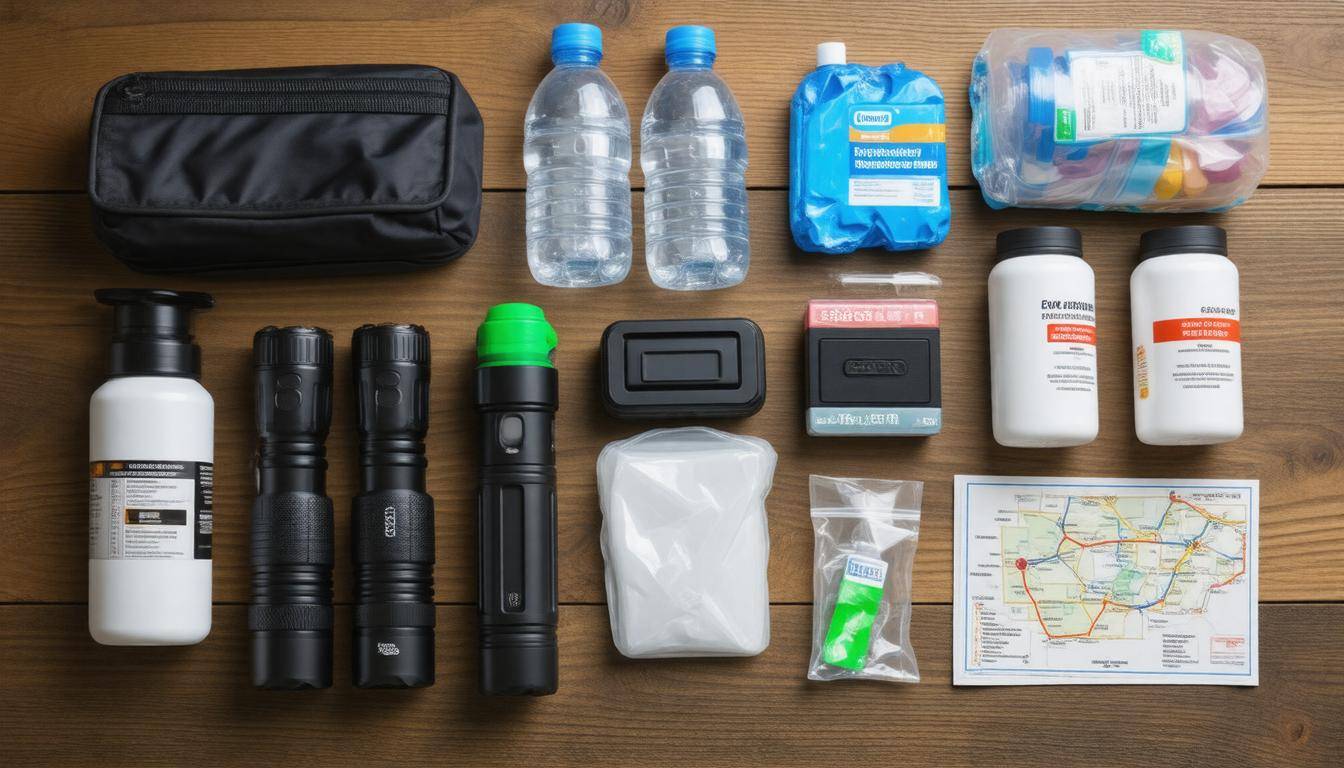
Creating an emergency kit is an essential first step in your evacuation strategy. Think of it as your lifeline during unexpected situations. You want to pack items that can keep you healthy, safe, and informed. Begin by stocking up on non-perishable food, aiming for at least a three-day supply to sustain you until help arrives. Consider energy bars, canned goods, or ready-to-eat meals as these require minimal prep.
One of the simplest yet most important supplies is water—make sure you have at least one gallon per person per day. This means that if you’re preparing for a family of four, you’d need a minimum of twelve gallons for three days. While it might be cumbersome to carry all that water, dehydration can lead to serious health issues quickly, making it absolutely crucial to stay hydrated.
To ensure both physical health and emotional well-being, don’t forget first aid supplies. A basic first aid kit should include bandages, antiseptic wipes, pain relievers, and any prescription medications you or family members may rely on daily. Imagine needing a critical piece of medication during an evacuation; not having it could make a bad situation far worse.
Emergency Kit Essentials
Here’s a deeper look into additional essentials you’ll want to include:
-
Important documents: This means copies of your identification (IDs, passports), insurance policies, and medical records—all kept in a waterproof container.
-
Flashlights: Light sources are vital when power outages can occur. Ensure each flashlight has extra batteries, as darkness can be unnerving during stressful times.
Remember: The Red Cross indicates that 53% of households lack these basic emergency supplies needed to survive if cut off from outside help for three days. This statistic highlights the sheer importance of being prepared—don’t fall into the same category!
Customizing Your Kit
As you gather your resources, customization becomes key. Each family member may have unique needs that must be considered. If you have an infant, stock up on baby formula and diapers. For pet owners, don’t overlook your furry friends’ needs; include their food supplies, medications, leashes, and carriers.
Reflect on any special requirements specific to members of your household: maybe someone needs certain types of allergy medication or mobility aids like crutches or canes. The goal is to ensure that your emergency kit serves everyone effectively. Customization not only caters to individual necessities but also gives you peace of mind knowing you’re thoroughly prepared.
While assembling resources is crucial for safety, understanding how personal circumstances influence needs will further enhance preparedness during emergencies.
Family and Personal Needs

When planning for an evacuation, family dynamics play a crucial role. Each individual in your household—whether they are young children, elderly parents, or pets—comes with distinct requirements that must be met to ensure everyone’s well-being.
For instance, having elderly family members means more than just additional items; it means ensuring these loved ones feel secure and supported during what can be a chaotic situation. Consider setting aside important medications, mobility aids like walkers or wheelchairs, and any medical equipment they may need. Create a checklist that includes specifics such as eyeglasses, hearing aids, and anything else necessary.
Young children also require particular attention when preparing for emergencies. Their needs extend beyond just packing essentials like diapers and formula; it’s about maintaining a sense of normalcy amid upheaval. Having familiar comfort items—even a favorite stuffed animal—can provide emotional support during stressful times.
Additionally, consider involving older kids in the packing process to give them an understanding of what’s happening, which effectively engages them in the plan.
Catering to Special Needs
Pairing physical preparation with emotional awareness can make evacuations far less distressing. Particularly for households that include those with disabilities or special medical needs, it’s vital to ensure you have adaptations in place for their unique situations.
Utilizing tools like personal alarms or communication devices can become life-savers when emergency responders are required to assist during evacuations. As a proactive step, always keep these resources handy and incorporate them into your evacuation strategy.
The earlier you prepare for these individual needs, the better equipped your family will be when circumstances take a sudden turn. A little forethought goes a long way.
Emotional Preparedness
As urgent as it is to think about physical necessities, don’t underestimate the emotional toll that evacuations can take on all family members—especially children. Open dialogue about what to expect can work wonders in dissipating anxiety around the event.
Share past experiences when you’ve faced challenges as a family, instilling confidence in their ability to handle the current situation together. Should you encounter hesitance from younger members about leaving their home, reassure them by painting pictures of comfort—the safety of friends during school closures or nostalgic references to family trips taken before.
“Having a family plan eased our minds when we had to evacuate for Hurricane Sandy,” says Jessica, a mother of two from New Jersey. This illustrates how structured preparation can create emotional solace amidst urgency.
Staying attuned to official updates ensures you grasp not only when to execute your plan but also how to navigate recovery effectively as new information emerges.
Staying Updated with Officials
Real-time information from trusted officials is your lifeline during an emergency. It not only helps you understand the situation better but also guides you through the steps necessary for a safe evacuation. When disasters strike—be it extreme weather, wildfires, or other hazards—the amount of reliable information can fluctuate dramatically, making it essential to tap into trustworthy sources.
Trusted Sources
-
Local News Channels: These provide timely updates on developing situations in your area and often feature expert commentary and useful advice.
-
Official Social Media Accounts: Following accounts such as local government pages or the National Weather Service ensures that you receive accurate information straight from the source.
-
Emergency Alert Systems: Many communities have alert systems that notify residents of emergencies via text or phone calls. Enrolling in these notifications gives you immediate access to crucial updates.
A survey conducted by Pew Research shows that 82% of Americans acquire emergency information primarily through their smartphones, underscoring the need to utilize reliable digital resources effectively.
Being proactive about keeping track of these communications can make a significant difference in your response to crises. It’s wise to ensure your devices are charged ahead of time and to set up alerts for essential sources so that you’re never scrambling to find information as an event unfolds.
Additionally, consider cross-referencing multiple sources before acting on any information. Misinformation can spread quickly during emergencies—one rumor could cause unnecessary panic or lead to poor decisions about evacuation. Therefore, confirming what you hear through several channels protects not just your peace of mind but your whole family’s safety as well.
Furthermore, keep in mind that communication lines may become congested amidst serious events; thus having pre-established methods for gathering updates—like a designated family member who checks various platforms—can be beneficial. This division of responsibilities alleviates stress and keeps everyone aligned with the most current directives.
With the right information at your fingertips, you will be ready to transition smoothly into taking action based on your established plan.
Executing Your Plan
When the call for evacuation comes, it’s time to put your well-laid plans into action. The importance of following a step-by-step guide during an emergency cannot be overstated. This isn’t just about leaving your home; it’s about ensuring that you and your loved ones—human and animal alike—are prepared for the unexpected elements of an evacuation.
Step-by-Step Guide
Start by alerting all family members. Initiate your pre-established communication protocol to ensure everyone knows what to do and where to go. Clear communication helps keep everyone level-headed. Use the buddy system if you’re evacuating with children or pets; assigning someone to each person can prevent anyone from getting left behind.
Next, gather your emergency kit and essential items. Ideally, you should have already assembled an emergency kit that includes food, water, first aid supplies, medications, important documents, and anything else you might need for at least 72 hours. If you have pets, remember to include their necessities as well; whether it’s their food, water bowls, or comfort items like toys.
One piece of advice: ensure your vehicle is fueled up and ready to go. During mass evacuations, gas stations often experience shortages; a tank filled with gas can make all the difference in a stressful situation. Before leaving, double-check that you have any necessary identification or paperwork easily accessible in case you’re stopped or need to identify yourselves during the process.
After checking your vehicle and essentials, follow your predetermined evacuation route. Familiarity with this route can greatly reduce anxiety and confusion. It’s wise to consider alternative routes as backups; roads may close unexpectedly or become congested during an active emergency scenario.
Keep your phone charged to receive updates from local authorities as you travel. Awareness of changing conditions can guide decisions such as stops for safety or potential detours around hazards. Staying informed will help you navigate through whatever arises next.
Once you’ve navigated this critical phase, reflecting on the actions taken can provide insights that inform future preparedness efforts and improve response strategies in similar situations.
Post-Evacuation Evaluation
Once the immediate crisis has passed, it’s time to reflect on your evacuation experience. This reflection process is essential not only for acknowledging successes but also for pinpointing areas where improvements can be made. Think of it as a debriefing after a significant event—like after a sports game, when the team reviews their strategies to understand what worked and what didn’t. Your evaluation allows you to build a better plan for next time.
Conducting an After-Action Review
The first step in this post-evacuation evaluation is conducting an after-action review. Sit down with family members or any participants involved in your evacuation and discuss the whole process.
What aspects went smoothly? Did everyone know their roles? It could be something as simple as how quickly you gathered needed supplies or whether there were struggles during transportation. Sharing feedback opens up avenues for discussion that might reveal overlooked weaknesses in your plan.
Furthermore, consider utilizing feedback from local authorities or community efforts related to the evacuation. Many neighborhoods have emergency response teams that collect data on evacuation experiences during disasters. Incorporating these insights can help you refine your own preparedness tactics.
According to the International Association of Emergency Managers (IAEM), 70% of people who review their evacuation plans annually report increased confidence in their preparedness. That statistic isn’t just comforting; it underscores the fact that taking a moment to reflect can turn anxiety into knowledge and confidence.
Documenting Your Findings
After discussing feedback, document your findings. A personal notebook or digital app can be handy here. Write down specific scenarios that played out, decisions made under stress, and outcomes achieved. By creating a record of your experiences, you can begin formulating clearer strategies for improvement.
For example, if you noted that one rally point was easier to access than another during evacuation, mark this down for future reference so everyone knows where to go next time. Or perhaps a certain communication method—like texting instead of calling—proved effective for staying in touch during the chaos; that’s another valuable lesson learned.
“Reflection is where learning begins.”
Learning from past experiences enhances readiness for future emergencies, allowing communities to develop responses that evolve over time and adapt to new challenges faced by residents. This paves the way for insights that inform how we prepare and respond moving forward.
Lessons for Future Emergencies
Every evacuation provides invaluable lessons that can shape how individuals and communities respond to crises. One key takeaway is the necessity for continuous improvement in emergency preparedness strategies. This means that regularly updating your evacuation plans and reviewing your emergency kits based on new information or past experiences is essential. Consider it a living document that adapts as your life changes; family dynamics, environment, or even local infrastructure can evolve.
Continuous Improvement
Participating in local evacuation drills is another fundamental aspect of being prepared for what may come. Not only do drills familiarize you with the necessary procedures, but they also build confidence among participants. When the situation arises, having gone through a drill can make a critical difference between panic and composed action.
Think about disasters such as Hurricane Katrina, where many residents found themselves unprepared because they had not practiced evacuation plans. Those who participated in community-led drills were often quicker to act and felt less overwhelmed during the crisis. Incorporating regular drills into community programs enhances not just individual preparedness but helps build a resilient atmosphere.
Staying Prepared
An effective way to ensure preparedness is by scheduling reminders to check and rotate supplies in your emergency kit every six months. Imagine discovering expired food while packing during a real emergency—this could cause unnecessary panic and delay your response time. Make it a routine like changing the batteries in your smoke detectors or getting flu shots; it’s all part of maintaining personal safety.
Preparedness is indeed a continuous process where vigilance pays off significantly. The more proactive and diligent you are about maintaining your evacuation plans, supplies, and awareness of local threats, the better equipped you’ll be to face any future emergencies head-on.
Evacuation might seem daunting at first glance, but understanding its complexities and incorporating planned responses instills confidence and ensures safety for yourself and those around you.
In navigating potential emergencies, continuous learning from past experiences is vital to fostering resilience. When communities prioritize preparation together, they pave the way for safer outcomes in times of crisis.
What role do local authorities play in guiding evacuation decisions?
Local authorities play a critical role in guiding evacuation decisions by providing timely information, issuing evacuation orders based on current threats, and coordinating resources for safe exits. They assess real-time data regarding natural disasters or emergencies and communicate the necessity of evacuation through various channels, ensuring public safety. According to a 2022 study, areas with effective local authority communication during crises reported a 25% higher compliance rate with evacuation orders, highlighting the importance of their leadership in such situations.
How can I create an effective evacuation plan for my family?
To create an effective evacuation plan for your family, begin by assessing your home and identifying multiple escape routes, ensuring they lead to a safe gathering point outside. Practice regular drills to ensure everyone knows what to do in an emergency; studies show that families who conduct drills are 30% more likely to evacuate quickly and safely during a real crisis. Additionally, include important items in an easily accessible ‘go-bag’ and establish communication protocols so all family members can account for each other during a disaster situation.
How can I prepare my home and belongings for a quick evacuation?
To prepare your home and belongings for a quick evacuation, create a designated emergency kit containing essential items such as water, non-perishable food, medications, documents, and clothing. Ensure that important papers are stored in a waterproof container and keep your evacuation plan visible. Additionally, regularly practice drills with your family to enhance readiness; studies show that families who practice evacuation plans are 60% more likely to evacuate efficiently during emergencies. By preparing ahead of time, you can reduce stress and ensure safety for everyone involved.
What are the key indicators that suggest it is time to evacuate?
Key indicators that suggest it is time to evacuate include imminent threats such as natural disasters (hurricanes, wildfires, floods) forecasted to impact your area within the next 24-48 hours, significant changes in weather patterns, and official alerts and warnings from local authorities. Research indicates that timely evacuation can reduce fatalities by up to 50%, emphasizing the importance of heeding warnings and recognizing signs of increasing danger in your environment. Always prioritize safety and err on the side of caution when in doubt.
What information should I monitor during an emergency to make informed evacuation decisions?
During an emergency, you should monitor local news updates, weather forecasts, emergency alerts, and social media for real-time information on the situation’s evolution. Pay attention to statistics like evacuation timelines, available routes, and shelters’ capacity to assess the urgency of leaving. Studies have shown that timely information can reduce decision-making time, allowing individuals to leave safely before conditions worsen; for instance, during Hurricane Katrina, those who evacuated early had a significantly lower risk exposure than those who waited too long.