
Disasters are unpredictable, and when they strike, knowing what to do can make all the difference between safety and chaos. From floods and wildfires to tornadoes and earthquakes, each type of disaster has its own warning signs and responses. It’s essential for everyone to understand these evacuation triggers, as acting quickly can save lives. Whether you’re a seasoned resident in a disaster-prone area or just looking to prepare your family for unexpected events, being aware of how to respond effectively is crucial. In this article, we’ll explore the specific indicators of various disasters and provide essential guidelines to help you navigate through emergencies with confidence.
Evacuation triggers vary by disaster type; for instance, floods often lead to evacuations when high water levels or official warnings are issued, while wildfires prompt action based on smoke presence and local alerts. Understanding these specific indicators is crucial for ensuring timely and effective responses to disasters such as earthquakes, hurricanes, and others.
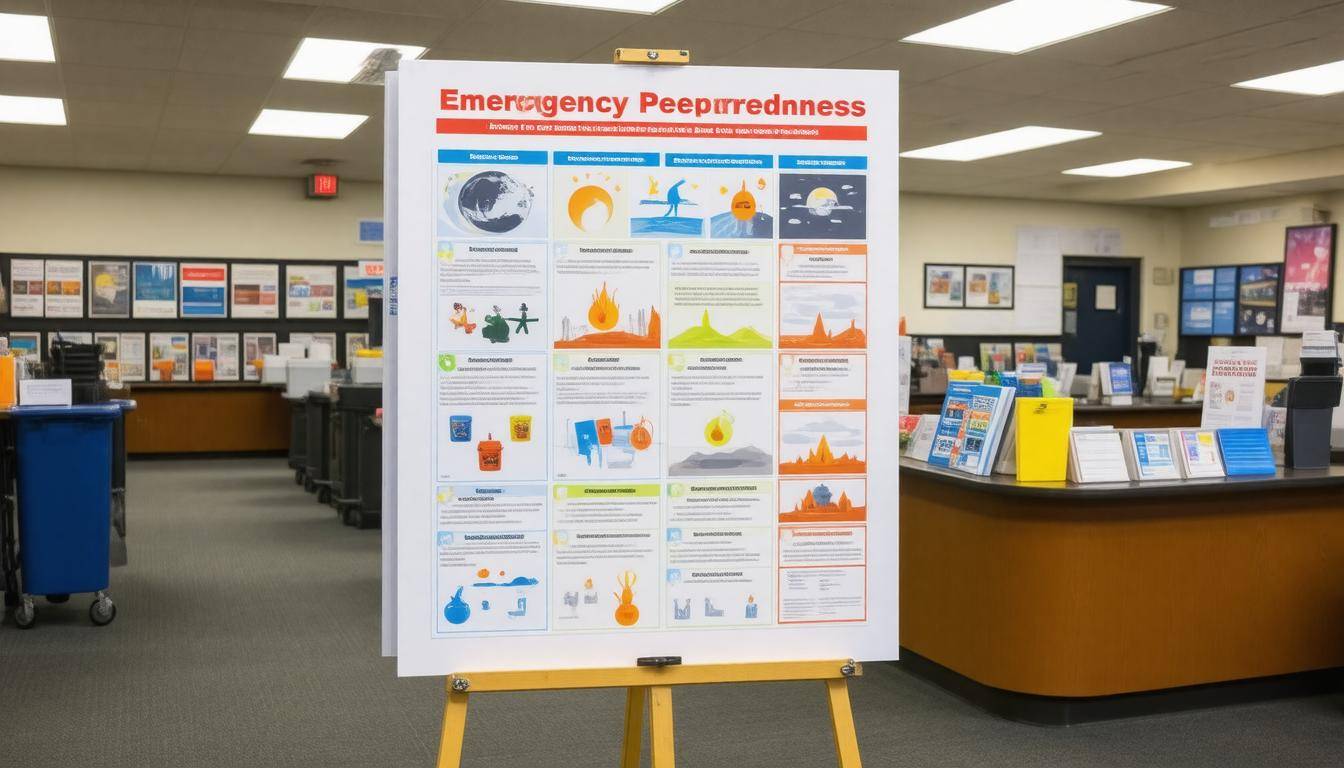
Recognizing Evacuation Triggers
Recognizing an evacuation trigger can be a lifesaver. Different disasters present unique signs that signal the need for immediate action. For instance, if you notice storm warnings flashing across the screen or hear sirens blaring in your neighborhood, these are strong indicators of something potentially dangerous happening nearby. Each disaster type has specific indicators that guide your response.
1. Disaster-Specific Indicators
Floods are often signaled by rapidly rising water levels observed either locally or reported by local authorities. If you live near a river or creek, it’s vital to pay attention to weather reports and forecasts specifically regarding flood conditions. According to FEMA, flooding accounts for nearly 90% of U.S. disaster declarations, making its early recognition key.
Similarly, wildfires typically have clear indicators: visible smoke billowing into the air or flames creeping towards populated areas. When you see these signs, your instinct should compel you to take action without delay.
On the other hand, earthquakes may not have a direct warning system, but aftershocks certainly do—they can reveal underlying issues of structural stability, prompting the need to evacuate buildings deemed unsafe. Authorities suggest being proactive by knowing the safety measures of your home before such events occur.
As we explore specific disaster types, it’s crucial to remember that the key to quick action lies in recognizing these indicators ahead of time.
2. Technology’s Role
Technology plays an invaluable role in enhancing our ability to recognize these triggers swiftly. Nowadays, apps like FEMA’s text alert system send out immediate notifications regarding various types of emergencies based on your location. Imagine you’re at work and suddenly receive a push notification indicating a mandatory evacuation nearby due to advancing wildfires; instant access to that information empowers you to act quickly and safely.
Moreover, social media platforms can become lifelines during disasters as they spread updates from official channels almost instantaneously. This rapid communication capability helps communities remain informed and ready to respond promptly when necessary.
With a solid understanding of recognizing triggers in different scenarios, it’s essential to prepare for the actions you’ll need to take as disaster strikes.
Tornado Emergency Actions
Tornadoes are notorious for their sudden onset and devastating impact, making it critical to have a solid action plan ready before they strike. When you first hear the sirens or receive an alert, it’s time to put that plan into action swiftly. The most crucial point to remember is always to be calm and deliberate in your actions; panic can cloud judgment when it matters most.
Basement and Safe Room Utilization
If your home has a basement, this should be your first destination. Basements not only offer underground protection from high winds but also shield you from flying debris—one of the leading causes of injuries during tornadoes. If you’re fortunate enough to have a specially designed safe room, this is even better. Safe rooms are built with reinforced materials, providing an additional layer of security that typical basement walls may not offer.
Think of your basement or safe room as your fortress during a storm. When those winds pick up and you see the clouds swirling, knowing you’re in the safest place gives you peace of mind.
It’s essential not to delay moving to these secure areas when warnings are issued, as tornadoes can form rapidly. Use the time before the storm arrives wisely by ensuring everyone in your household knows where these safe locations are and understands the urgency of getting there quickly.
Closing Shelter Protocols
However, what if you find yourself in a situation where neither a basement nor a safe room is available? In such cases, swiftly head to the smallest interior room on the lowest floor of your home. Good choices include bathrooms or closets, where you’ll be further shielded from flying objects. While these spaces may not provide perfect protection like a basement would, they can still significantly lessen the risk during an extreme weather event.
As you settle into your chosen safe location, make sure to steer clear of windows and doors. These areas can shatter easily due to wind pressure or debris impact. To bolster your protection while hiding out, utilize heavy blankets or mattresses—these items can help cushion against falling objects while also adding some insulation against noise and fear during the chaos outside.
Here are key steps for closing shelter protocols:
- Quickly assess available rooms in your home.
- Head straight for the smallest interior room on your lowest floor.
- Position yourself away from windows and doors.
- Shield yourself with heavy blankets or mattresses for added protection.
Recognizing how various spaces in your home serve different purposes can provide clarity when every second counts. This understanding lays the groundwork for effective preparations specifically tailored for storms characterized by notable winds and unpredictability.
Hurricane Evacuation Prep
Hurricanes provide more lead time than tornadoes, making them unique in how we must prepare. This extra window is an opportunity to formulate plans and create actionable steps you can immediately implement. Understanding your local environment is crucial, especially regarding storm surge zones, which have been responsible for significant loss of life during hurricanes. As the ocean rises and rushes ashore, it can inundate low-lying areas. Therefore, knowing if your home lies within such a zone allows you to make informed decisions early on, potentially saving lives.
1. Understanding Storm Surge Zones
Researching whether your home falls within a designated storm surge zone can be done easily by consulting local government resources or maps provided by organizations like the National Weather Service (NWS). These zones are marked clearly, showing areas at risk of flooding. If you’re in a high-risk area, it’s prudent to develop both evacuation and shelter plans ahead of time—this includes having options for where you might go should an evacuation order be issued.
After you’ve assessed risks related to storm surges, creating a comprehensive hurricane kit becomes the next vital step in your preparation process.
2. Creating a Hurricane Kit
A comprehensive hurricane kit should be strategically assembled before the season begins and regularly checked for items that may have expired, ensuring you won’t be caught off-guard. Essential items include:
- Non-perishable food supplies that last at least three days—think canned goods that require minimal preparation.
- Bottled water, roughly one gallon per person per day for at least three days.
- Flashlights paired with extra batteries; when the lights go out, you’ll want reliable illumination.
- A well-stocked first-aid kit with essentials like bandages and antiseptics.
- Essential medications—anything critical should be included and tracked for expiration dates.
This kit becomes your lifeline during severe weather events, so investing time and resources now will pay off significantly later on. Every item has its purpose and contributes to your family’s safety.
Once you’ve constructively prepared your hurricane kit, it’s essential to move on to securing your home against potential damages brought by the storm.
Flood Response Guidelines
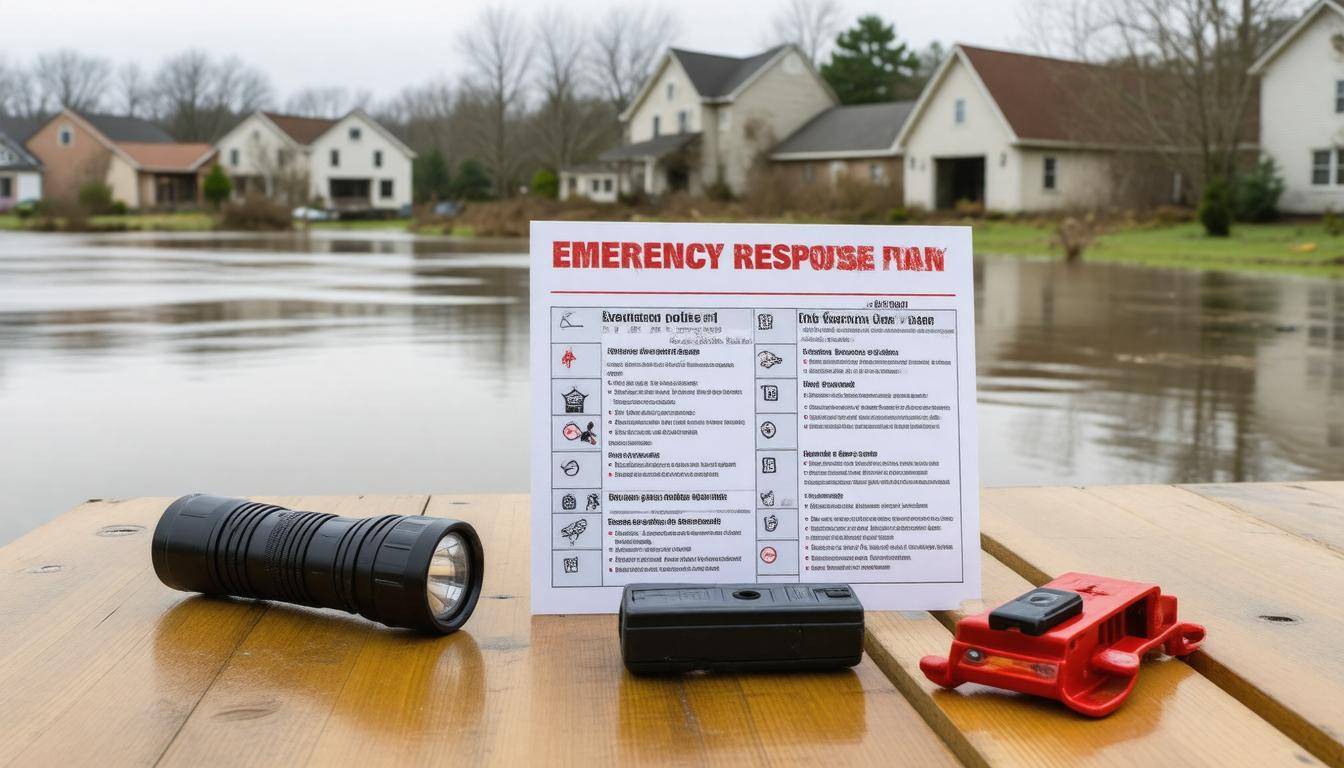
Flooding can arise with astonishing speed, leaving individuals and families scrambling for safety. It’s crucial to be prepared and knowledgeable about the steps you need to take when faced with rising waters. When a flood warning is issued, the first course of action should always be to evacuate early. This not only ensures your safety but also allows you ample time to gather essential belongings without the panic that typically accompanies last-minute decisions.
1. Evacuation Routes and Elevation
Planning multiple evacuation routes is an indispensable strategy in flood response. Water levels can rise rapidly, rendering primary avenues inaccessible—and knowing alternative paths could mean the difference between safety and danger.
Prioritize routes that lead to higher ground whenever possible. Familiarize yourself with local topography, as well as nearby facilities such as schools or community centers that may serve as temporary shelters.
Consider mapping out your routes in advance and driving them during normal conditions so you know what to expect when the storm hits.
2. Avoiding Flood Waters
When floodwaters begin to accumulate, maintain a strict policy of avoidance. Even seemingly shallow water can pose significant threats; just six inches can potentially knock over an adult, while two feet might sweep away a parked car. The old adage “Turn Around, Don’t Drown” is not just advice—it’s a mantra to live by during these perilous moments. This rule emphasizes the importance of assessing the situation carefully before taking any action.
In recent humanitarian response plans for areas affected by severe flooding, around $37.2 million was identified as necessary funding to meet the basic needs of impacted populations; unfortunately, only $1.8 million has been allocated so far—representing only 4.84% of the needed resources. This alarming statistic underscores the urgent requirement for effective disaster preparedness and funding in order to respond effectively during such crises.
Having access to reliable information sources like weather apps can keep you updated in real-time about changing conditions in your area.
As you prepare for possible evacuations or face unavoidable situations during a flood, it’s vital to have your emergency kit ready with vital documents, medications, food, water, and other essentials so that relocating becomes manageable and organized instead of overwhelming.
Now that we’ve contemplated various critical guidelines for flood responses, let’s shift our focus toward understanding safety measures specific to fire-related emergencies.
Wildfire Safety Measures
One of the most effective ways to protect your home from wildfires is by creating a defensible space. This concept involves establishing a buffer zone around your property that reduces the risk of fire spreading. It’s all about strategic landscaping—think of it as a protective barrier. Begin by clearing away dead vegetation, dry leaves, and any flammable materials that could ignite from embers. Ideally, your defensible space should extend at least 30 feet from your home, and you can even go further if you’re in a high-risk area. Using fire-resistant plants and materials for your roofing and siding can significantly bolster your defenses.
As you create this defensible space, visualize it as planning a safety net: the wider and stronger it is, the better protection you’ll have against encroaching flames.
Staying vigilant about air quality is another vital aspect of wildfire safety. It’s essential to regularly monitor local air quality indexes (AQI), especially during wildfire season. The presence of smoke can dramatically impact air quality, making conditions hazardous for outdoor activities and potentially harmful to your health. When the AQI levels indicate poor air quality due to smoke inhalation risks, heed evacuation notices without delay. Ignoring these alerts can lead to serious health consequences.
Here are some practical precautions to take:
- Limit exposure to outside air when smoke levels rise.
- Keep windows and doors closed to minimize indoor pollution.
- Invest in N-95 masks or similar personal protective equipment to reduce inhalation risks.
- Use HVAC systems or air purifiers to improve indoor air quality.
While having knowledge is powerful, understanding how it applies when things heat up will make all the difference.
Remember, decisions made during wildfires must often be swift and informed. By preparing in advance—creating defensible spaces and staying aware of air quality—you position yourself better against potential threats. Each step taken now is an investment in your safety when wildfires inevitably strike. Being proactive ensures that when the need arises, you’ll be ready with both knowledge and physical barriers designed to protect you and your property from nature’s fury.
While we navigate through the challenges posed by wildfires, the urgency of knowing how to act swiftly during seismic events becomes paramount.
Earthquake Immediate Actions
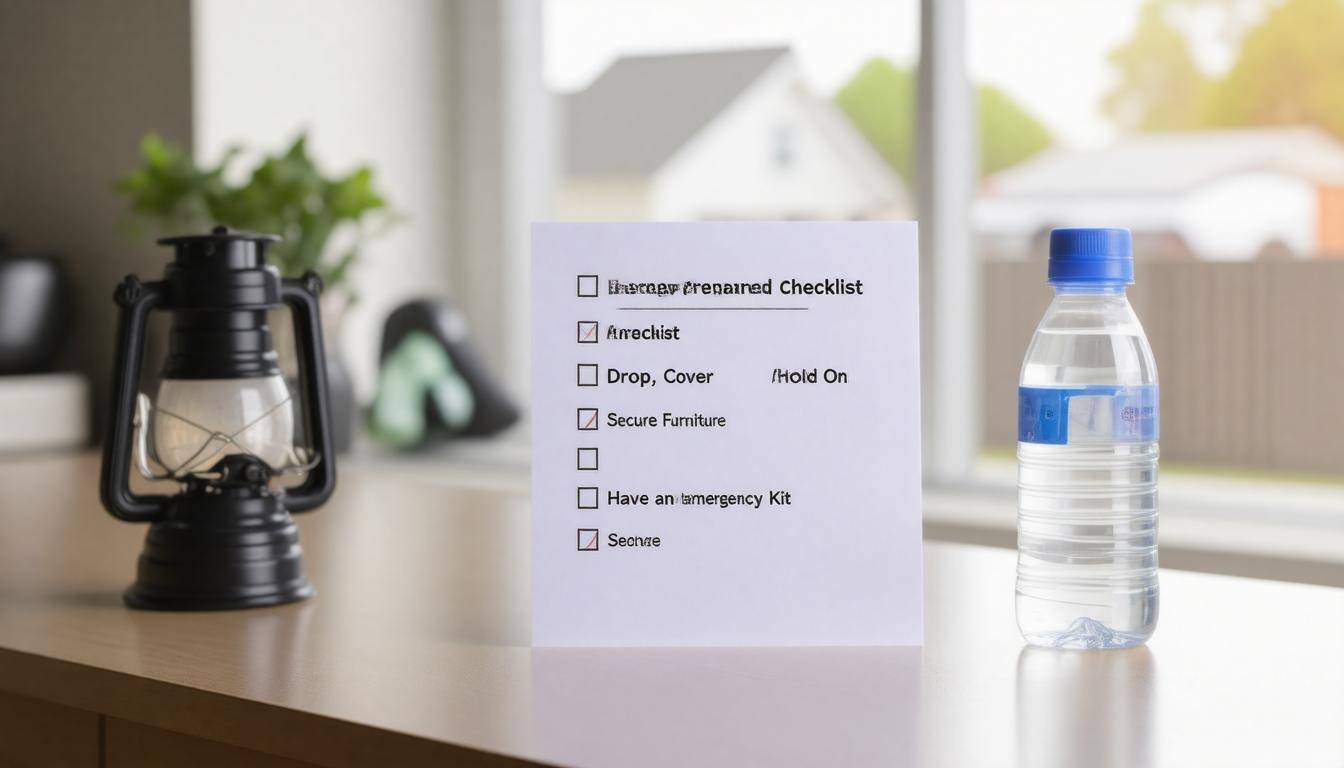
Earthquakes are a stark reminder of nature’s unpredictability, striking suddenly and often with little to no warning. Understanding how to respond immediately is essential for staying safe during these quick yet powerful events.
1. Drop, Cover, and Hold On
As the ground begins to shake, remember the rule: Drop, Cover, and Hold On. First, drop down onto your hands and knees; this position helps prevent being knocked over while allowing you to move if necessary. Next, cover your head and neck—these areas are particularly vulnerable during an earthquake. If possible, get under sturdy furniture like a desk or table; it will act as a shield from falling objects. The key is to remain there until the trembling subsides. Rushing outside might seem tempting, but it’s one of the most dangerous actions you can take because falling debris can pose an immediate threat.
After you’ve safely found refuge, remind yourself to stay calm and breathe slowly to manage any anxiety that may arise during this chaotic experience.
2. Post-Earthquake Safety
Once the tremors stop, assessing your surroundings is crucial. Begin by checking yourself and those around you for injuries—safety comes first! However, only use your phone for emergency calls and avoid unnecessary conversations that might tie up resources when help is needed. Fire hazards such as gas leaks may occur after an earthquake, so proceed cautiously and be prepared for aftershocks—those smaller tremors can happen hours or even days later.
It’s important to steer clear of damaged buildings; structures may be unstable even if they appear intact. Try to find open spaces where the likelihood of falling debris or structural collapse is minimal. Gather information from local news stations or emergency updates through weather channels or alerts to keep yourself informed about the situation.
Understanding immediate responses during such events lays the groundwork for a broader approach to being ready for various types of emergencies that might arise.
Multi-Disaster Preparedness
Being prepared for multiple types of disasters ensures a well-rounded safety strategy. It’s just like packing for a vacation—you want to ensure that your suitcase has everything needed for sunny days at the beach as well as cooler nights in town. The same principle applies to your emergency planning: you need to think ahead and include items or strategies that cater to a wide range of possible emergencies.
Comprehensive Emergency Kits
Your emergency kit should be versatile enough to cover different scenarios. For instance, during an earthquake, you might need to treat injuries, while in a wildfire scenario, escaping quickly could take precedence. Therefore, ensure your kit is equipped with essential items such as first-aid supplies, water purification tablets, non-perishable food items like energy bars, flashlights with batteries, and even cash.
Don’t forget important documents such as insurance policies and identification; having these ready can save time when every second counts.
According to experts, regularly reviewing and updating this kit ensures that expired items are replaced and that your family’s needs are met.
Next on the list is establishing a solid communication plan.
Family Communication Plans
Create a family communication plan detailing how to reconnect with loved ones during an emergency. Designate meeting points outside disaster zones—perhaps a nearby park or friend’s house. This way, each family member knows where to go if they can’t reach each other by phone. It’s crucial to establish a backup plan too, like contacting friends who live out of the area. They can serve as intermediaries in case local lines go down.
Recent studies show that families with clear plans in place fare significantly better during crises due to streamlined communication and reduced panic levels.
Don’t overlook the importance of practice; conduct regular drills so everyone feels comfortable with the plan. By familiarizing yourselves with what to do in various emergencies, you transform uncertainty into confidence—and that can make all the difference when disaster strikes.
With these strategies in place, it’s crucial to understand how various authorities contribute to ensuring public safety during emergencies.
Role of Authorities in Evacuation
Authorities serve as the backbone of disaster response efforts, providing structure, information, and support to ensure the safety of residents during evacuations. They have a suite of responsibilities not only in issuing evacuation orders but also in communicating effectively with the public. Moreover, they must adapt their strategies based on the unique nature of each disaster type—whether it’s a hurricane bearing down, a raging wildfire nearby, or unexpected flooding. Each scenario presents different challenges for both authorities and residents alike.
Issuing Mandatory Evacuations
When authorities issue mandatory evacuations, they signal that conditions have become unsafe, necessitating immediate departure for residents. This decision follows thorough assessments of various factors including weather patterns, fire behavior, or flood projections.
Delays in implementing evacuation orders can create significant problems—not just for those leaving, but also for emergency responders who may be trying to conduct rescue operations amidst heavy traffic congestion. To paint a clearer picture, imagine trying to get crucial supplies to people stranded by rising waters while cars are gridlocked on narrow roads.
Importance of Timely Adherence
According to FEMA, approximately 80% of individuals in at-risk areas comply with evacuation orders when they’re delivered properly by local authorities. This statistic emphasizes how vital effective messaging can be; clear communication ensures people’s safety and well-being. The challenge lies in making sure that these messages are heard and acted upon quickly.
The consequences of ignoring these mandates can be severe—not only does it increase risk to life during dynamic events such as floods or wildfires, but it also complicates relief efforts. Studies indicate that timely adherence to evacuation orders significantly reduces fatalities during disasters. Therefore, prompt action isn’t just important—it can literally mean the difference between life and death.
Ultimately, an understanding of how crucial authorities’ roles and their guidelines leads to better cooperation from residents—which is indispensable in high-stakes situations like evacuations.
In times of disaster, knowing when and how to respond to evacuation orders can greatly enhance community safety and resilience. Emphasizing clear communication not only saves lives but fosters trust between authorities and residents.
How can I stay informed about potential evacuation orders in my area?
To stay informed about potential evacuation orders in your area, sign up for local emergency alerts through your city or county’s notification system, follow official social media accounts of emergency management agencies, and regularly check local news outlets. As statistics show, communities that utilize these methods experience a 30% higher preparedness rate during disasters, ensuring you receive timely updates and can act swiftly when necessary.
How do local authorities determine when to issue evacuation orders?
Local authorities determine when to issue evacuation orders based on a combination of factors, including real-time assessments of the disaster’s impact, forecasts from meteorological services, and historical data on similar events. They often rely on established thresholds for specific hazards, such as river levels in flood scenarios or wind speed in hurricanes. Statistics show that timely evacuations can reduce casualties significantly; for instance, studies indicate that communities evacuated ahead of major storms can decrease fatalities by up to 90%.
What are the specific evacuation triggers for different natural disasters?
Evacuation triggers for different natural disasters vary significantly; for hurricanes, official warnings and sustained winds of 74 mph or more prompt evacuations, as evidenced by the 2018 Hurricane Florence evacuation of over 1 million residents in North Carolina. Flooding events typically trigger evacuations if water levels reach critical thresholds, such as a National Weather Service flood watch. For wildfires, smoke levels and fire perimeter encroachments can dictate evacuations, with studies showing that evacuation orders reduce casualty rates by up to 30%. Earthquakes may trigger immediate evacuations in buildings deemed unstable post-event. Each disaster type has distinct criteria based on risk assessments and historical data to ensure public safety.
What role does social media play in keeping communities updated during a disaster?
Social media plays a crucial role in keeping communities updated during disasters by providing real-time information and facilitating communication among residents and emergency services. During events like hurricanes or wildfires, platforms such as Twitter and Facebook allow users to share alerts, evacuation orders, and safety tips rapidly, often outpacing traditional media. A study indicated that about 80% of disaster responders utilize social media for situational awareness, highlighting its effectiveness as a key tool for community resilience and coordination during crises.
What should I include in my emergency kit when preparing for an evacuation?
When preparing for an evacuation, your emergency kit should ideally include essentials such as non-perishable food, water (at least one gallon per person per day), a flashlight with extra batteries, a first aid kit, medications, important documents (like IDs and insurance), and a multi-tool. According to FEMA, 60% of people don’t have a disaster supply kit, which underscores the importance of being prepared. Including items tailored to personal needs, such as baby supplies or pet food, can enhance safety and comfort during an emergency situation.