
When summer temperatures soar, the heat can become more than just uncomfortable; it can pose serious health risks. While lounging by the pool may seem like the ultimate summer escape, the reality is that extreme heat waves are becoming increasingly common and dangerous. It’s crucial to be informed about how to protect yourself and your loved ones during these intense temperature spikes. This guide offers practical tips and strategies for staying safe, from planning ahead with family communication to choosing the right clothing. Let’s dive into how you can prepare effectively and navigate the challenges of extreme heat with confidence.
An Extreme Heat Wave Survival Guide should include essential preparation tips, such as identifying cooling locations, staying hydrated, recognizing signs of heat-related illnesses, and creating a family communication plan. Additionally, it should offer practical strategies for managing heat exposure, emergency contacts, and resources from health organizations to ensure safety during extreme temperature events.
Planning for Extreme Heat Waves
When preparing for an extreme heat wave, the first thing that should come to mind is how critical it is to have a family plan in place. Start by gathering your family members and discussing potential emergencies, including what to do if someone gets separated during an evacuation.
It’s essential to choose a designated meeting place, a familiar spot like a community center or local park where everyone can regroup safely. Through this open conversation, not only will you encourage preparedness, but you also instill peace of mind knowing that everyone understands their roles and responsibilities in the event of a heat emergency.
As families plan together, it’s equally important to ensure that you’re adequately stocked with necessary supplies.
Stockpile Essentials
When it comes to essentials for surviving extreme heat, here’s what to focus on:
-
Water: Hydration is your best friend. Make sure there is at least one gallon of water per person per day; having enough for three days or more is ideal.
-
Non-perishable Food: No one wants to cook when it’s sweltering outside. Stock up on easy-to-prepare foods that require no cooking—think canned goods, dried fruits, nuts, and granola bars.
-
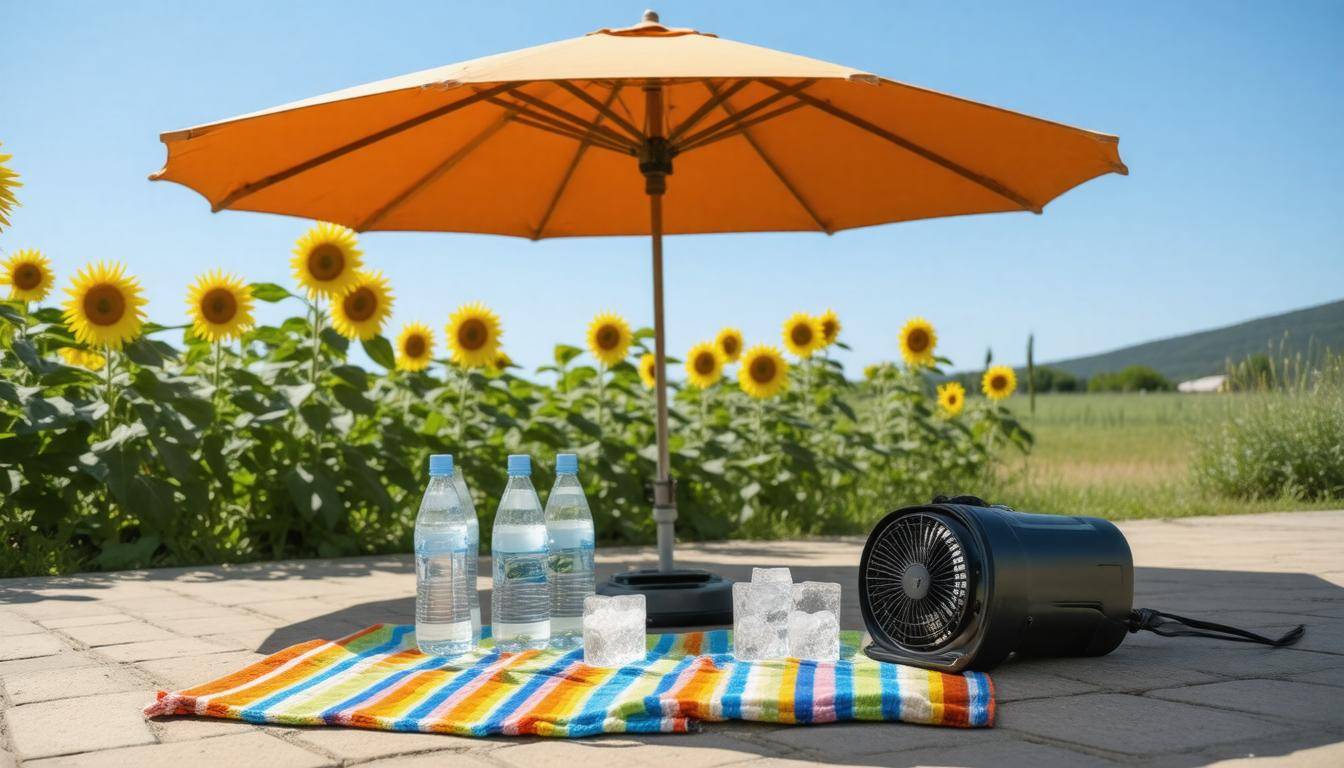
Heat-Preventive Gear: Essential items such as fans, cool packs or ice packs (which can be creatively made from frozen wet towels), and wide-brimmed hats should be easily accessible when the temperature spikes.
-
Medications: Keep a sufficient supply of any essential medications you or your family may need so that you won’t need to venture out during extreme heat.
-
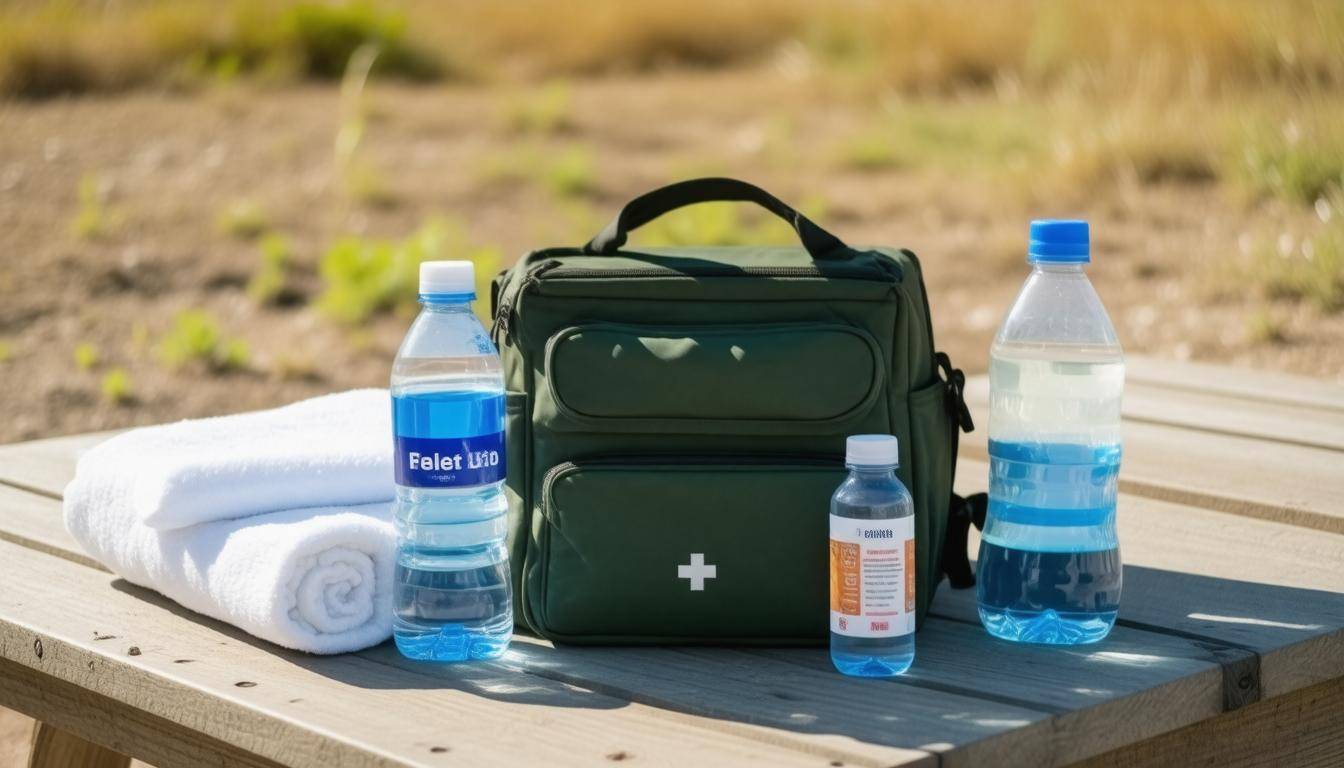
Emergency Kit: It’s wise to have an emergency kit filled with bandages, antiseptics, batteries for flashlights, and other first-aid essentials.
Remember, it’s not just about surviving the heat; it’s about maintaining comfort and safety in challenging conditions.
With these preliminary steps taken care of, you’ll find yourself in the best position to tackle the summer’s intense temperatures effectively as we look into strategies for keeping your living space cool.
Home Cooling Tips
During the sweltering days of summer, maintaining a cool sanctuary in your home can feel like an uphill battle. However, with a few strategic adjustments, you can transform your living space into a refreshing retreat that wards off the heat. One powerful method to begin with is using window coverings effectively.
By pulling down shades or drawing drapes closed during the hottest parts of the day, you can significantly reduce indoor temperatures. Studies have shown that using reflective materials—such as window films or thick curtains—can lower indoor ambient temperatures by up to 30%. So when the sun blazes outside, draw those shades and keep the heat where it belongs.
But it doesn’t stop there; leveraging air circulation is crucial too.
A simple yet effective technique for enhancing ventilation is creating cross ventilation in your home. This involves opening windows on opposite sides of your house to establish a natural airflow that pushes out hot air and invites in cooler breezes.
Picture it like a dance: as one window allows fresh air to enter, another lets stale air escape. On breezy days, this method can work wonders to lower indoor temperatures while keeping fresh air circulating, giving you a more pleasant environment without relying heavily on mechanical cooling systems.
Now speaking of cooling systems, let’s dive into the available options and their suitability.
Invest in Cooling Devices
Investing in the right cooling devices can make all the difference during a heat wave. Evaporative coolers, for instance, are an excellent option for dry climates as they work by evaporating water to cool the air.
However, it’s essential to monitor humidity levels carefully because if the air is too moist, these coolers lose their effectiveness. In contrast, traditional air conditioners consistently cool indoor spaces regardless of external humidity, although they do tend to consume more electricity. Weighing the benefits versus costs of each system according to your specific climate and needs can provide quite a return on investment when you’re trying to keep cooler.
Once your living space is refreshed, don’t forget about your own well-being amidst the intensity of summer heat.
Ensuring proper hydration becomes increasingly important when combating extreme heat after setting up your cooling strategies. As we navigate higher temperatures inside and out, keeping water readily available will help sustain energy levels and comfort throughout long hot days.
So remember: not only should your home be cool—your body should be ready to enjoy that comfort!
As we explore personal strategies for staying comfortable in such intense conditions, understanding how to hydrate properly plays a key role in ensuring overall health.
Staying Hydrated and Healthy
Hydration is a critical component of surviving extreme heat waves. Our bodies are remarkable, but they can’t withstand excessive heat without proper hydration. Did you know that during intense heat exposure, we can lose as much as 1-2 liters of water per hour? That’s a staggering amount!
Regular Hydration Schedule
To combat this fluid loss, it’s vital to drink fluids at regular intervals, ideally every 15 to 20 minutes, regardless of whether you feel thirsty. A common mistake many make is waiting until they feel dehydrated to drink water. Instead, take a proactive approach. Keep a water bottle handy; this simple act can serve as a reminder to sip consistently throughout the day. Think of it as routine maintenance for your body—just like how you would check the oil in your car.
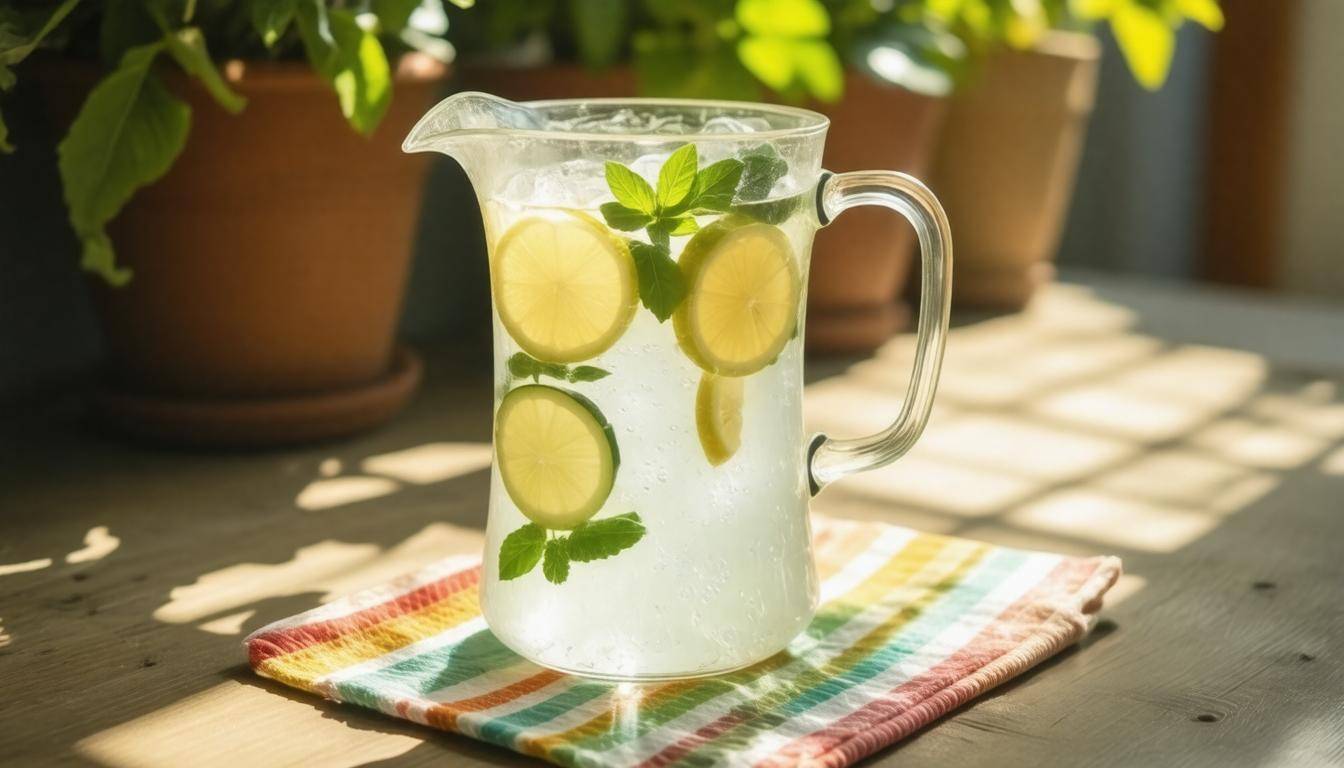
If you find it challenging to drink enough plain water, consider adding slices of fruit or herbs like mint for flavor enhancement. This small adjustment can turn hydration into a refreshing experience.
When thinking about beverages during a heat wave, keep these pointers in mind:
- Avoid caffeine and alcohol: Both can accelerate dehydration and should be limited.
- Opt for electrolyte drinks: Sports drinks designed to replenish lost electrolytes can be beneficial, especially if you’re sweating heavily.
Nutrient-Rich Foods
Alongside drinking enough fluids, incorporating nutrient-rich foods into your diet can dramatically enhance your hydration efforts. Focus on light and hydrating foods such as fruits and vegetables. Watermelons, cucumbers, and oranges are particularly excellent choices due to their high water content. Not only do these foods help maintain hydration levels, but they also provide essential vitamins and nutrients that support overall health during hot weather.
Consider making a refreshing salad with leafy greens topped with slices of watermelon and cucumbers for a cool, nutritious meal that hydrates you simultaneously.
Moreover, understanding the types of foods you consume is just as crucial as knowing when to drink. For example, dairy products, while sometimes overlooked, also contribute positively towards hydration levels if consumed in moderation.
While staying properly hydrated is paramount in preventing numerous health issues, it’s equally important to recognize signs of heat-related illnesses and learn effective treatment methods.
Recognizing and Treating Heat Illnesses
Early identification of heat illnesses can be life-saving, especially when the sweltering sun bears down relentlessly. Among the common issues are heat exhaustion and heat stroke, both of which require prompt attention but differ significantly in severity. Understanding their symptoms helps you react appropriately before conditions worsen.
Heat Exhaustion
When experiencing heat exhaustion, symptoms may creep up on you:
- Symptoms: Heavy sweating, paleness, muscle cramps, fatigue, dizziness. These indicators suggest that your body is struggling to cope with excessive heat, leading to dehydration and significant energy loss.
If you or someone else starts showing these symptoms, act quickly. First, move to a cooler environment—preferably an air-conditioned space or at least some shade. Loosening tight clothing can aid in cooling down while applying cool, wet cloths or taking a cool shower provides immediate relief. Remember to sip water slowly; chugging it down can upset your stomach. Rehydrating is key—the goal is to replenish lost fluids without overwhelming your body further.
Heat Stroke
In stark contrast is heat stroke—a medical emergency demanding immediate action. Symptoms might include a body temperature soaring above 103°F, red dry skin lacking perspiration, and confusion that can escalate into a life-threatening situation. This is no time for hesitation; every second matters.
| Symptom | Heat Exhaustion | Heat Stroke |
|---|---|---|
| Body Temperature | Normal/Sub-normal | Above 103°F |
| Skin Condition | Moist, cool | Hot, dry or moist |
| Mental State | Weakness, fainting | Confusion, unconscious |
| Action Needed | Cool immediately, hydrate | Call 9-1-1, cool quickly |
Knowing the difference can mean the difference between safety and serious injury. In the case of heat stroke, remain calm but urgent; call 9-1-1 immediately while moving the person to a cooler environment and immersing them in cold water or applying ice packs to critical areas like armpits and groin. Monitor their body temperature closely until help arrives.
Furthermore, it’s essential to consider how clothing choices can also impact your ability to withstand extreme heat effectively.
Smart Clothing Choices
Choosing the right clothing can make a substantial difference in how you manage the sweltering summer heat. Light-colored and loose-fitting garments are not just a fashion choice; they play an essential role in keeping your body cool. Light colors reflect sunlight, reducing heat absorption by as much as 30%. When you slip on a white or pastel shirt instead of a black one, you’re actively minimizing the amount of heat your body has to contend with.
Light-Colored, Loose-Fitting Clothing
It is crucial to wear light-colored garments made from breathable fabrics like cotton or linen. These natural fibers allow for better airflow around your skin, which helps sweat evaporate more efficiently—an essential mechanism our bodies use to cool down. When fabrics breathe well, you’re less likely to feel that uncomfortable cling of sweat against your skin. Loose-fitting clothes simply allow air to circulate freely rather than trapping heat close to your body, keeping you cooler throughout the day.
Even small adjustments in fabric choices lead to big changes in comfort. Try wearing loose shorts instead of tight jeans or a flowy sundress instead of fitted attire during the hottest days.
In addition to material and fit, it’s also smart to consider clothing styles that offer protection from the sun while still ensuring comfort. A wide-brimmed hat can shield your face and neck from direct sun exposure by up to 50%, further reducing your risk of sunburn and overheated skin. Likewise, moisture-wicking fabrics can be especially helpful as they draw sweat away from your body, keeping your skin dry—a major advantage when you’re outdoors.
Layering Smartly
On even sunnier days, layering can be beneficial. Opt for lightweight long-sleeve shirts made of breathable materials which can protect skin from harmful UV rays without making you feel hot. Manufacturers now offer clothing with a UPF (Ultraviolet Protection Factor) rating that blocks 97% of UV rays. This type of clothing is great for prolonged outdoor activities since it allows you to stay protected without sacrificing comfort.
Remember to stay hydrated too! Drinking water is essential when wearing these types of fabrics as it complements their cooling effect. You may also want to keep an eye on electrolytes, particularly if you’re sweating a lot; combining hydration with electrolytes will help maintain your body’s balance.
Now, let’s adjust your approach to outdoor engagements during extreme heat; understanding how and when to venture out can enhance the benefits of those smart clothing choices and ensure you remain comfortable throughout the season.
Outdoor Activity Adjustments
The intensity of summer sun can be deceiving. An inviting warm day can quickly turn into a dangerous situation if you’re not careful about your outdoor plans. When temperatures soar, it’s essential to recognize how they affect your body and make thoughtful adjustments to your activities.
Limiting outdoor activity is a fundamental step in keeping yourself safe. For instance, scheduling tasks for early mornings or late evenings when the sun isn’t as fierce can significantly reduce your risk of heat-related illnesses. Think of it like this: would you rather risk feeling the burn—or have a pleasant morning accomplishing what you need?
Similarly, hydration is another key factor. Always bring water to any outdoor endeavor, no matter how brief it may be. Your body loses moisture rapidly in excessive heat, and sipping regularly can prevent dehydration before it begins. Setting alarms or reminders on your phone can be an effective way to remind yourself to drink. It’s that simple; taking proactive steps ensures you’re listening to your body’s needs.
While staying hydrated and planning your outings carefully will work wonders, understanding the importance of rest is equally vital for your well-being.
Recognizing When to Rest
During those sweltering afternoons, even short periods of physical activity can leave you feeling drained. When you feel fatigue setting in, take it as a signal from your body that it’s time for a break. Find shade or an air-conditioned shelter whenever possible—this could mean simply sitting under a tree or heading inside a cool café. Even just five to ten minutes of rest can replenish your energy levels and combat exhaustion.
Another useful approach is utilizing cooling methods during breaks. Consider employing techniques like misting all over with cool water or using a damp towel placed around your neck, which helps bring down overall body temperature efficiently. Moreover, remember that wearing loose-fitting clothing allows air circulation against your skin—a trick that adds comfort during sweltering weather.
By respecting your limits and making these adjustments, you’ll be better positioned to enjoy the pleasures of summer while remaining safe in extreme heat.
Planning Ahead
Always check local weather reports so you’re aware of impending extreme temperatures ahead of time. This allows you to prepare for suitable activities on intensely hot days and reroute plans as necessary—perhaps opting for indoor fun instead. Public spaces like libraries and community centers often offer respite from the heat; knowing their hours can be advantageous.
Don’t hesitate to reach out to friends or family too; joining forces can transform safety measures into enjoyable experiences filled with laughter and good company.
With thoughtful planning and proactive measures in place, individuals can navigate challenging weather conditions effectively while ensuring their safety. Let’s now turn our focus toward resources that provide aid in dire situations.
Emergency Shelters and Assistance
When facing extreme heat waves, emergency shelters are invaluable resources providing not just refuge but also community support.
These shelters can be lifesavers for those particularly vulnerable, such as the unhoused or individuals with inadequate cooling systems at home. By offering cool indoor spaces, hydration, and sometimes even meals, they effectively reduce the risks of heat-related illnesses. It’s crucial to understand how to locate and access these shelters before a heatwave strikes, as time is often of the essence during severe weather conditions.
Locate and Access Local Shelters
Start by compiling a list of local shelters and cooling centers well ahead of heat events. Most local authorities maintain websites and mobile applications that provide up-to-date information on nearby facilities, operating hours, and any required registrations or limitations. Keeping this information handy can ensure quick access when temperatures soar.
It’s not just about knowing the locations; it’s equally important to know whether these shelters will have adequate capacity before a heatwave arrives since some may fill quickly during emergencies.
According to FEMA statistics, these cooling centers save thousands of lives each year. They serve as critical lifelines for those who might otherwise be left exposed to dangerously high temperatures. This statistic highlights that preparation can indeed mean the difference between safety and danger.
Furthermore, understanding the offerings at these shelters can enhance comfort levels for their attendees. Many agencies like Just Compassion and Project Homeless Connect provide not only shelter but also connections to long-term housing solutions. This holistic approach helps individuals transition out of immediate danger while addressing their broader needs.
The importance of community awareness cannot be overstated; staying informed will empower you to act swiftly when extreme weather threatens your well-being.
In addition to locating shelters, keep an eye out for supportive organizations such as Greater Good Northwest or HomePlate, which often collaborate with shelter operators to provide additional services like hygiene products or medical assistance. They play an essential role during such crises by bridging gaps in care and ensuring that vulnerable populations receive comprehensive support.
Take Action to Prepare
It’s wise to develop a strategy for accessing emergency shelters—whether by contacting Community Connect at 503-640-3263 for waitlist details or keeping emergency contacts available for transportation help if needed. If ever faced with a dire situation during extreme conditions, don’t hesitate to call 9-1-1 for immediate assistance or reach out to non-emergency lines like local police for wellness checks.
Being proactive about shelter options isn’t just about seeking help—it’s about empowering yourself and your community to mitigate the effects of extreme weather events together.
As the spotlight shifts towards preparedness, let’s explore practical ways to stay updated on conditions and resources that can aid in safeguarding your health during challenging times.
Staying Informed and Prepared
Information is your lifeline when the temperature spikes to dangerous levels. To effectively navigate these sweltering days, it’s imperative to stay informed about weather conditions and changing forecasts that may impact your area. A simple way to enhance your awareness is by subscribing to weather alert services from local news stations. Many offer notifications through text messages or emails, providing real-time updates on temperature changes, warnings, and advisories. Additionally, having a reliable weather app on your smartphone can ensure you have access to the latest information right at your fingertips.
Improve Awareness
In addition to alerts, pay attention to any public health announcements related to heat waves in your vicinity. Your local health department may issue guidelines for cooler days or tips for outdoor activities. It’s also wise to check in on your neighbors—especially elderly ones—during intense heat periods. A short phone call can make all the difference.
Being aware of external conditions is only the first step; knowing how to recognize potential health risks comes next.
Know the Signs
Familiarity with the signs of heat-related illnesses can be lifesaving. Keep an eye out for symptoms like excessive sweating, dizziness, rapid pulse, or severe headaches. Understanding these signs will prepare you to act quickly if someone around you exhibits them. Be sure to note where the nearest medical facilities are located so that you can provide help efficiently or seek assistance yourself if necessary.
Remember: Heat exhaustion can escalate quickly into heat stroke, which is a medical emergency requiring immediate care.
With this knowledge in hand, you’re already on track to ensure your safety and that of those around you during scorching summer months. This preparedness doesn’t just protect you—it fosters vigilance within your community, ensuring everyone plays a role in staying safe.
As we embrace these practices of awareness and education, we empower ourselves and each other to combat the challenges posed by extreme heat effectively.
In times of extreme heat, staying informed and prepared not only safeguards individual well-being but also strengthens community resilience. Together, we have the power to face these daunting challenges head-on.
How can I create a home environment that stays cool during extreme heat waves?
To create a home environment that stays cool during extreme heat waves, consider using reflective window films or shades to block out sunlight, which can reduce indoor temperatures by up to 15% according to the U.S. Department of Energy. Additionally, ensure good ventilation by using fans strategically and keeping windows open at night when temperatures drop. Installing insulated doors and sealing any gaps can also prevent hot air from entering your home, ultimately maintaining a cooler and more comfortable living space.
What steps should I take if I don’t have access to air conditioning?
If you don’t have access to air conditioning during an extreme heat wave, focus on staying hydrated, seeking shade or cooler places like public libraries or community centers, using fans to circulate air, and wearing lightweight, light-colored clothing. According to the CDC, more than 600 people die from extreme heat every year in the U.S., so it’s crucial to monitor yourself for signs of heat-related illnesses such as dizziness and nausea. Additionally, take cool showers or baths to help lower your body temperature and avoid strenuous activities during peak heat hours between 10 a.m. and 4 p.m.
What resources or tools should I include in my emergency kit for heat waves?
Your emergency kit for heat waves should include essential resources such as water (one gallon per person per day), electrolyte-replenishing drinks, a portable fan, sunblock, reflective emergency blankets, first-aid supplies, and a thermometer to monitor indoor temperatures. According to the Centers for Disease Control and Prevention (CDC), extreme heat contributes to hundreds of deaths each year, making these preparations vital for survival and ensuring you stay hydrated and cool during oppressive temperatures.
What are the signs of heat-related illnesses and when should I seek medical help?
Signs of heat-related illnesses include heavy sweating, weakness, dizziness, nausea, confusion, and headache. If you or someone else experiences symptoms like a rapid pulse, high body temperature (above 104°F), or loss of consciousness, it’s crucial to seek medical help immediately, as these can indicate heat exhaustion or heat stroke, which can be life-threatening. According to the Centers for Disease Control and Prevention (CDC), extreme heat causes an average of over 600 deaths annually in the U.S., highlighting the importance of recognizing symptoms early.
How can communities better support each other during extreme heat events?
Communities can better support each other during extreme heat events by establishing cooling centers, sharing resources, and enhancing communication networks to check on vulnerable residents. For instance, research shows that accessible cooling areas can reduce heat-related illnesses by up to 50%, while regular outreach programs ensure that the elderly and those with health issues receive adequate care and hydration. By fostering a collaborative spirit and providing mutual aid, communities can significantly mitigate the impacts of extreme heat and protect public health.