
In the fast-paced environment of factories, where machines hum and workers hustle, the unexpected can happen in an instant. Emergencies don’t plan around production schedules, and being prepared can mean the difference between a controlled situation and chaos. This guide to Factory Emergency Response Plans (FERPs) aims to arm you with essential strategies to keep your workplace safe. From understanding the risks your factory might face to having clear communication methods during a crisis, we’ll cover all the important steps you need to take to create a robust emergency response plan. So, let’s dive in and ensure your factory is ready for whatever comes its way!
The Factory Emergency Response Plan Complete Guide covers essential components such as emergency preparedness procedures, training requirements for employees, communication strategies during emergencies, and resource allocation for effective incident management. Additionally, it emphasizes compliance with regulations set by authorities like OSHA and FEMA to ensure safety and readiness in manufacturing facilities.
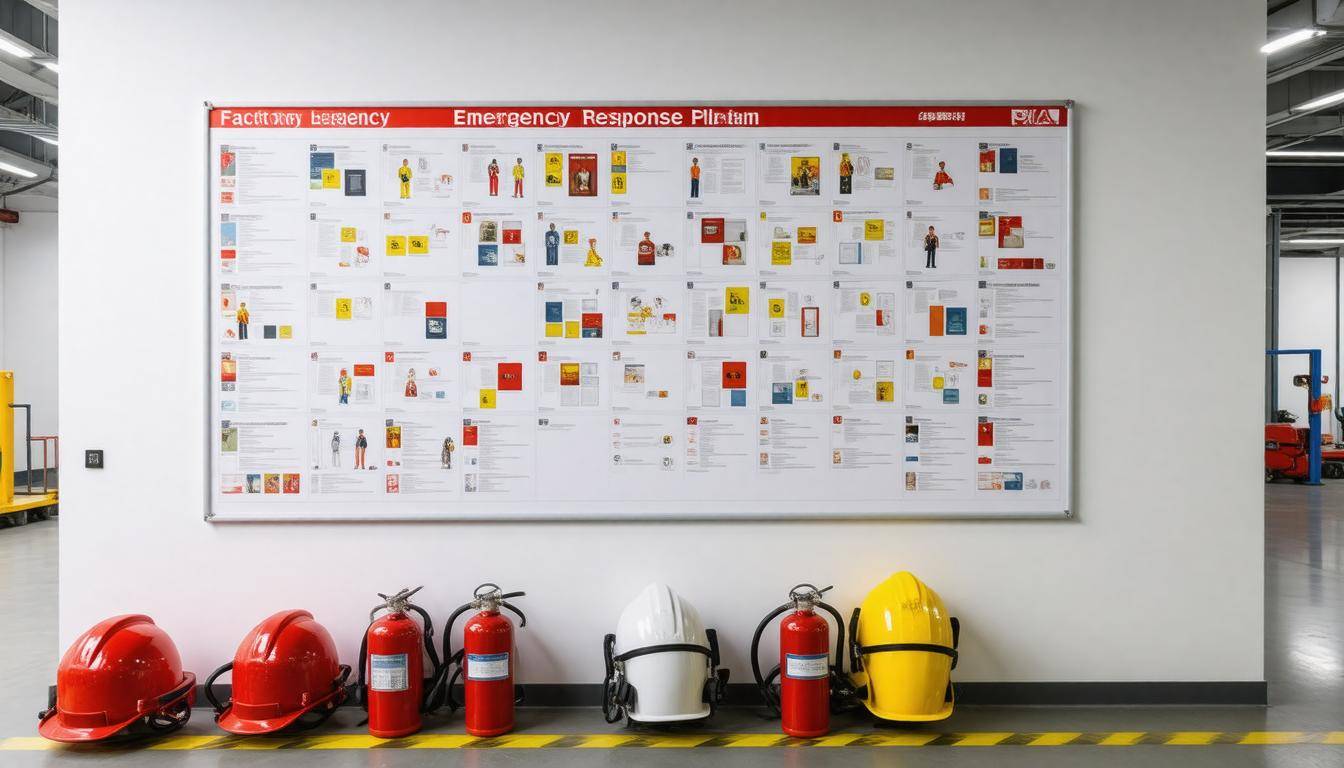
Developing the Factory Emergency Response Plan
Creating an effective Factory Emergency Response Plan (FERP) isn’t just about checking boxes; it’s about genuinely understanding your specific environment and potential risks. By taking a structured approach tailored to your facility, you can create a plan that ensures safety and responsiveness under pressure.
Step I – Assessment and Planning
Begin by thoroughly assessing your factory’s unique hazards and risks. Each type of manufacturing plant presents its own set of challenges; for example, a chemical plant will face threats like spills or leaks, while a textile factory might need more focus on machinery-related accidents or fire hazards. Understanding these specifics allows you to craft a relevant plan that addresses your site’s particular vulnerabilities.
Consider conducting a comprehensive risk assessment periodically, even bi-annually, as factory environments can change with new equipment, materials, or operational practices. Engaging employees in this process can provide insights into potential hazards that may not be evident during standard evaluations.
Step II – Define Clear Objectives
After assessing the risks, the next step is to clearly define the objectives of your response plan. What exactly are you aiming to achieve? The main goals should revolve around minimizing harm to personnel, safeguarding property, and ensuring minimal interruption to operations.
Setting clear objectives is fundamental; according to OSHA, having well-defined targets can accelerate response time by up to 40%. In an emergency situation where every second counts, this is invaluable.
Ensure these objectives are documented in an easily accessible format so all employees can refer to them readily. Incorporating them into regular training sessions reinforces their importance and helps employees feel better prepared when challenges arise.
Step III – Regulatory Compliance
Compliance with all relevant local, state, and federal regulations is non-negotiable when developing your FERP. Not only does this serve as legal protection for your facility, but it also contributes to overall efficiency during emergencies.
Regular audits of regulatory standards are crucial. This can involve anything from ensuring that fire extinguishers are up-to-date to verifying that safety protocols align with OSHA guidelines. A simple oversight could hinder effective emergency responses or result in legal repercussions down the line.
With these foundational steps established—thorough assessment and planning, clear objectives, and compliance—you will be positioned to further enhance your preparedness through proactive identification of potential threats within the factory environment.
Identifying Potential Hazards
Knowing potential hazards is the foundation of any emergency response plan. These hazards can originate from various sources, and it’s crucial for manufacturers to recognize each type to ensure a comprehensive safety strategy. By understanding the landscape of threats your facility may encounter, you empower yourself and your workforce to react swiftly and effectively when emergencies arise.
Types of Hazards
Hazards can be categorized into several groups:
-
Natural Disasters: These include earthquakes, floods, and severe storms. For instance, an unexpected flood can disrupt operations significantly, impacting product storage and employee safety.
-
Technological Hazards: Issues such as power outages or equipment failures can halt production indefinitely. Imagine the chaos if an entire assembly line shuts down because the machinery isn’t functioning properly due to a lack of power.
-
Man-made Hazards: This category encompasses risks like chemical spills or workplace violence. For example, a chemical spill often requires immediate action to prevent contamination or injury, while incidents of workplace violence can create imminent threats to personnel.
It’s heartening to remember that while these situations can be alarming, recognizing them equips you with the ability to manage and mitigate their effects more efficiently.
A factory producing metal parts might face risks such as accidental fires due to flammable materials, which is incredibly dangerous in an environment brimming with heavy machinery and heat. Conversely, a food processing plant must be vigilant about contamination risks, where even a minor oversight could lead to significant public health issues.
Once identified, these hazards must be systematically assessed. Evaluating the likelihood of occurrence and potential impact on operations opens the door to developing effective strategies that protect both employees and assets from unforeseen disruptions. As we explore next, establishing a structured team for response will play a crucial role in ensuring preparedness.
Building the Response Team

Creating a well-rounded emergency response team is not just about filling positions; it’s about assembling a diverse group of individuals who bring unique skills and perspectives. A successful team draws from different departments within your facility, ensuring that every angle of potential crises is represented. This diversity can include operators, maintenance personnel, HR representatives, and anyone else directly involved in the workflow. Each member will contribute their expertise to craft a comprehensive response plan that caters to the specific needs of your operation.
Selecting Team Members
When selecting team members, think strategically about who would be best suited for various roles. Members should have a solid grasp of how their work interconnects with others in case of an emergency. For instance, during discussions about fire safety protocols, having someone from maintenance can be invaluable; they’ll know which equipment works best and what issues could arise. Quote John’s perspective:
“Involving people from all departments improved our response team’s effectiveness significantly.”
This highlights how collaboration fosters better communication and responsiveness during drills or real emergencies.
After gathering your team, the next crucial step is ensuring they are well-prepared to handle any situation that may occur.
Training Programs
To empower each member of your response team, specialized training programs must be tailored specifically to the roles designated for each individual. For example, while one member may concentrate on crisis communication—honing skills in clear messaging—another could focus on technical aspects like first aid or disaster recovery. This customized approach ensures everyone knows their responsibilities and enables them to act swiftly and effectively when faced with an emergency.
Regular practice through drills isn’t just helpful; it’s essential. Scheduling consistent training sessions reinforces these skills and builds camaraderie among team members, leading to a more cohesive unit during high-pressure situations. It’s critical that training emphasizes both routine procedures as well as adaptability for unexpected events. In doing so, your team will become well-versed in managing emergencies efficiently.
Aim to hold training sessions at least twice a year with quarterly drills, which serve as opportunities for feedback, improving both response strategies and morale within the team.
With a strong team established and proper training protocols in place, we can now explore how to conduct effective simulations and drills that enhance preparedness across your facility.
Conducting Training and Drills
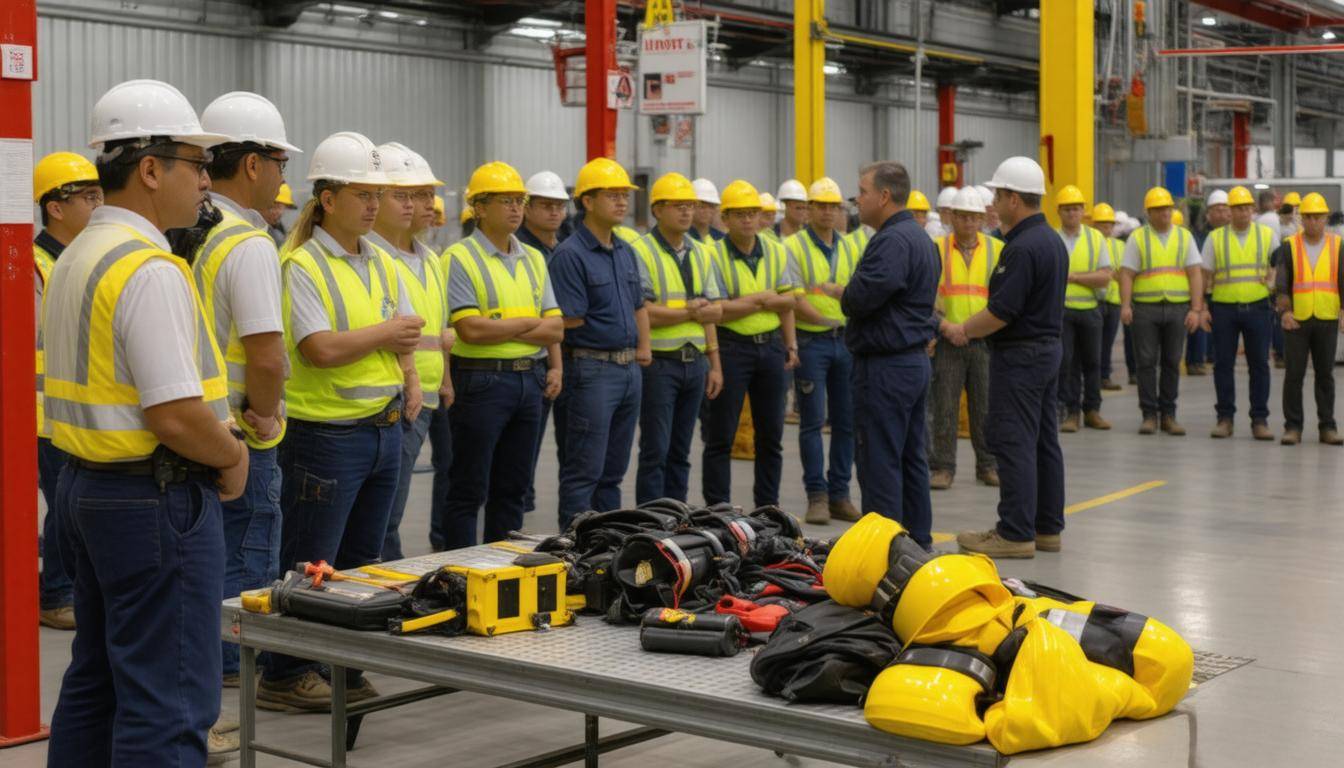
Regular training and drills are not just routine tasks; they are pivotal for ensuring that everyone in the factory knows exactly what to do when an emergency strikes. When employees are well-prepared, studies have shown that their response can dramatically reduce the impact of an emergency by up to 50%. This assertion underscores the value of creating a culture of safety and preparedness within your organization.
So, what does this look like in practice? Firstly, we need to address the types of drills that should be conducted. While fire evacuation drills are crucial, we must also ensure that we don’t ignore other potential emergencies. Chemical spill drills, for example, often require immediate and decisive action. According to FEMA guidelines, conducting a combination of both announced and unannounced drills is incredibly beneficial as it mirrors real-world situations where surprises can and do happen. Employees must be equipped with not only knowledge but also the muscle memory needed to react swiftly.
The essence of preparedness lies in frequency. How often do you conduct these drills? It’s recommended to perform them quarterly because familiarity breeds confidence. A notable instance can be found at an auto-manufacturing plant that reported a remarkable 30% improvement in response time after shifting their drill frequency from semi-annual to quarterly. This shift served as a testament to the old adage: practice makes perfect.
However, it’s imperative that these drills are treated as learning opportunities rather than merely checkbox exercises.
After each drill, conduct a debriefing session where team members can discuss what went well and what needs improvement. Encouraging open communication helps build both trust and teamwork. Create an environment in which feedback is welcomed—this will foster a culture where every employee feels empowered to contribute positively to safety protocol discussions.
Consider implementing various scenarios that reflect different types of emergencies—be it a fire outbreak or a hazmat situation. Tailoring drills to fit your specific workplace circumstances allows staff to engage fully with the content presented and increases retention of information learned during exercises.
Conducting regular training and drills will prepare your team while instilling confidence that can lead to quicker reaction times during actual emergencies.
With every employee playing a crucial role in safety, consistent training transforms them into invaluable members of your emergency response strategy.
As we consider the importance of training, let’s shift our focus to strategies for effective communication during emergencies and how to manage evacuation procedures with precision.
Communication and Evacuation Procedures
One of the most crucial aspects of emergency preparedness is establishing a robust communication system. Imagine a factory full of employees; during an emergency, panic can set in. This is why you need a multi-channel communication setup that ensures everyone knows what to do quickly. A combination of alarms to signal the urgency, intercom announcements for specific instructions, and SMS alerts for real-time updates can make all the difference.
In fact, a recent survey by ASIS revealed that 81% of respondents emphasized how vital it is to receive real-time updates when an emergency occurs. The faster the information flows, the better equipped employees will be to take proper action.
Of course, clear evacuation procedures must also be in place to complement this communication.
Evacuation Maps and Routes
Next on your checklist should be the creation of clear evacuation maps and routes. Picture this: there is a fire alarm going off, and everyone suddenly needs to exit the building. Confusion can cause delays or even injuries if people don’t know where to go. By posting clear evacuation maps in common areas—like break rooms and near exits—you make it easy for employees to see not only where they are but also where to exit safely.
It’s essential to conduct periodic drills to familiarize everyone with these routes, ensuring they can efficiently navigate multiple exit paths during a real emergency without hesitation.
Furthermore, remember that two exits should be available for each area of the factory; this redundancy helps ensure that if one route becomes blocked or damaged, employees have alternatives ready at their disposal.
By effectively setting up communication systems alongside thorough evacuation maps, you’re laying down the groundwork for a well-coordinated response during emergencies.
Continuous Evaluation
However, creating these systems is just the beginning; you must continually evaluate their effectiveness. Consider conducting surveys or feedback sessions after drills to learn what worked well and what needs improvement. Engaging employees in this process increases buy-in and creates a more safety-conscious culture within your organization. Emergency procedures should never become static; instead, they should evolve based on feedback and lessons learned over time. Always striving for improvement ensures that you are diligent about preparedness as threats change and evolve in our world today.
By focusing on these elements—effective communication and well-defined evacuation procedures—your factory can position itself as a model of safety readiness.
As we explore further into preparedness measures, it’s equally important to consider the necessary tools and resources that support these plans efficiently.
Emergency Equipment and Resources
Proper equipment can indeed make a crucial difference during emergencies, transforming what could have been a panic-filled situation into one where quick actions save lives and limit damage. Think about it: when you prepare for an emergency, you’re not just gathering supplies—you’re establishing peace of mind for everyone involved. This preparation allows employees to feel confident, knowing they have the support needed if something goes wrong.
Essential Equipment
In terms of essential equipment, factories must ensure they have the following readily available and clearly marked:
-
Fire Extinguishers: These should be placed in easily accessible locations and tailored to the types of fires that may occur within the factory.
-
First Aid Kits: Stocked with necessary supplies such as bandages, antiseptics, and other medical essentials to provide immediate care for injuries.
-
Automated External Defibrillators (AEDs): Critical for responding to cardiac emergencies, these devices need to be strategically located, and staff must be trained on their use.
-
Personal Protective Equipment (PPE): Items like helmets, gloves, and safety goggles should be available to protect employees from specific hazards.
Each piece of equipment serves its unique purpose, but together they make up a comprehensive safety net for the workplace.
It’s not enough just to have this emergency equipment; ensuring it’s accessible is equally vital.
Maintenance
Regular maintenance of emergency equipment cannot be overstated. It’s not merely a recommendation; it’s a necessity. Imagine working in a factory where fire extinguishers haven’t been checked in months or first aid kits are missing crucial supplies. Such negligence can lead to disastrous outcomes.
A great example comes from a factory that reported the benefits of systematic checks on their fire extinguishers. Because they maintained a schedule for inspections, they discovered worn-out units early on—before any fire broke out. This proactive approach prevented a small spark from escalating into a raging blaze that could potentially disrupt operations and endanger lives.
Maintenance routines should include checks at least once every month or following any incident that might raise concerns about equipment functionality. Engaging employees in this process fosters a culture of safety awareness as well—everyone knows their role in keeping the workspace secure. As part of this effort, consider inviting local emergency services to help train staff on how to utilize the equipment effectively during drills. Together, you’ll create realistic scenarios that prepare everyone for real-life emergencies.
By prioritizing consistent upkeep alongside easy access to resources, facilities can enhance their readiness for unexpected situations. Now let’s look into some critical factors that significantly influence effective management during emergencies.
Key Points in Emergency Situation Management
Effective emergency situation management hinges upon a few critical practices that all personnel should understand. One fundamental aspect is the understanding and implementation of the Incident Command System (ICS). This structured framework provides a standardized approach to responding to emergencies and ensures that every individual knows their specific role and the operations expected of them during a crisis.
Incident Command System (ICS)
The ICS creates efficiency and accountability across all levels of emergency response. It streamlines communication, decision-making, and resource allocation amidst the chaos that often accompanies unexpected crises. By establishing a common language for emergency responders, the ICS minimizes confusion and enhances teamwork.
When implemented correctly, the ICS allows for clear expectations on responsibilities, significantly mitigating the risk of errors during an urgent situation.
Following this structured approach leads directly to another crucial element: the command hierarchy.
Command Hierarchy
A clear chain of command ensures effective leadership and cultivates an environment where directives can be swiftly executed. This involves designating individuals responsible for various roles within your team—be it evacuation coordinators or first aid officers—who will relay information back through the established structure.
For instance, during an actual incident involving hazardous gas leaks at a facility, a clearly defined hierarchy empowered leaders to act decisively. They quickly enacted safety precautions and coordinated efforts with local emergency services without hesitation, ultimately preventing potential harm to workers.
Furthermore, training sessions focused on practical drills are invaluable. Regular simulations instill familiarity with procedures and solidify employees’ comfort with their designated roles. As they practice responding to simulated scenarios under pressure, team members develop muscle memory that can make all the difference in a real emergency.
To supplement proactive planning, communication systems must function seamlessly during an emergency. If individuals do not know who to report to or what actions to take when disaster strikes, even the best-prepared facilities will falter under pressure. Regular briefings combined with dynamic updates via technology ensure everyone remains informed throughout any incident—essentially weaving real-time resilience into your operational fabric.
A comprehensive approach builds competence among your workforce and creates an atmosphere where each team member feels empowered to contribute to maintaining safety protocols effectively.
As we shift our focus further, it’s essential to examine how systems can adapt and evolve over time to maintain their effectiveness.
Keeping the Plan Updated and Effective
A static plan can lose its effectiveness over time, but reviewing and updating it regularly ensures that it stays relevant and useful. After a major incident, the adrenaline may fade, yet the lessons learned should not be forgotten. Thus, annual reviews are essential not only to reflect on the past but also to align your current strategies with evolving threats and community needs. Following a significant event, it’s vital to assess what went right, what didn’t, and how adjustments can make your emergency response even more robust.
Such evaluations create a platform for learning and adapting.
Regular Reviews
It’s best practice to review the Factory Emergency Response Plan (FERP) annually or in the aftermath of any significant incident. This regular check-in acts as a reminder of past experiences and informs future responses. Think of it like revising for an exam—if you don’t keep refreshing your knowledge, you may forget critical information just when you need it most. Dedicating time to these reviews allows you to tailor your plan to current realities rather than letting it become outdated and potentially ineffective.
Moreover, incorporating real feedback takes your plan a step further.
Incorporate Feedback
Gathering feedback from drills and actual incidents is crucial for refining your FERP. It helps identify gaps or impractical protocols in need of adjustments. For instance, if employees report difficulty accessing safety equipment during a drill, it highlights critical areas needing improvement. In today’s digital world, consider utilizing tools like iLobby’s EmergencyOS which provides real-time updates and streamlines audits, allowing everyone involved to stay informed and engaged with the latest practices.
Ultimately, creating an environment where everyone actively contributes ideas can drive success.
Continuous Improvement
Encouraging a culture of continuous improvement within your organization ensures every employee feels valued when they contribute insights on enhancing the emergency response plan. Inviting individuals at all levels to share their thoughts harnesses a wide spectrum of experiences that might highlight unforeseen risks or propose innovative solutions. It’s akin to collaborating in a brainstorming session—often the best idea comes from an unexpected voice.
| Frequency | Activity | Notes |
|---|---|---|
| Quarterly | Drills and Evacuation Practices | Mix of announced and unannounced drills |
| Bi-Annually | Equipment Inspection and Maintenance | Ensure functionality of all equipment |
| Annually | Plan Review and Feedback Incorporation | Adjust based on real-world feedback |
By setting clear schedules for these activities as shown above in the table, you ensure strong adherence to maintaining an effective emergency response framework in your factory setting. Consistency fosters preparedness—making updates not just a task, but part of a routine that empowers everyone involved.
In such a dynamic environment, keeping your emergency response plan fresh and engaging is essential for organizational resilience. The active participation of all members fosters a unified front when facing emergencies.