
In times of crisis, when disaster strikes and chaos ensues, many people turn to the one thing that can offer hope and strength: faith. It might feel surprising to discover just how powerful spiritual beliefs can be in helping individuals and communities cope with adversity. From communal prayers to acts of charity, faith has a unique way of uniting people and providing comfort when everything around them seems unstable. This guide dives into the many ways faith-based methods not only support emotional healing but also promote community resilience during tough times. Whether you’re exploring your own faith or seeking to understand how others find strength through belief, this journey reveals how spirituality fosters connections that can uplift us all in the face of challenges.
The Complete Guide to Faith-Based Disaster Coping Methods explores various strategies that individuals and communities can use to leverage their spiritual beliefs and community support during crises. This guide includes an analysis of trauma-informed care, community engagement practices, long-term recovery efforts, and notable organizations involved in faith-based disaster relief, providing essential insights into enhancing resilience through faith-driven initiatives.

The Role of Faith in Disaster Coping
Faith serves as more than just an abstract concept; it becomes a lifeline for individuals and communities facing the tumult of disasters. When calamity strikes, those anchored in faith often find themselves with a unique form of support that transcends physical resources. This spiritual refuge is not merely about enduring suffering; it’s about mobilizing collective action, fostering connection, and creating a sense of belonging that can be immensely healing.
Think back to community gatherings after natural disasters where prayer groups unite in shared hopes and intentions. It’s remarkable how these gatherings often become hubs of human connection, where emotional burdens can lighten in the presence of shared beliefs. This sense of solidarity and community spirit can buffer against feelings of isolation that frequently accompany crises. Indeed, research reveals that 80% of religious individuals find comfort in communal prayers and gatherings during disasters; these are not just statistics, but testimonies to the profound impact of faith-based networks.
Psychological Benefits
Beyond the immediate emotional aid provided by spiritual communities, engaging in faith-based practices uniquely influences mental well-being during stressful times. Studies suggest that individuals who incorporate these practices into their lives experience stress levels up to 20% lower compared to those who rely solely on secular coping strategies. This reduction stems from the innate way religious or spiritual beliefs bestow purpose and hope—a vital armor in the face of trauma.
The calming rituals inherent in many faiths—such as prayer, meditation, or even communal meals—illustrate fundamental approaches to managing anxiety during dire situations. For instance, prayer has long been recognized not only for its ability to instill hope but also as a means to foster mindfulness, allowing individuals to center their thoughts away from chaos. Furthermore, the principle of spiritual coping—relying on one’s belief system to navigate life’s challenges—actively aids in addressing feelings of helplessness. Those practitioners often describe a deeper connection to their spirituality as “the peace that surpasses understanding,” showcasing how transformative faith can be when facing distressing events.
Yet while personal faith is essential, it’s crucial to recognize that the social dimensions of faith amplify these benefits even further through collective engagement and ongoing support systems.
Participating in active faith communities creates pathways for shared resources and action following disasters. Organizations like Catholic Charities and The Salvation Army have long served as central hubs of emotional support and practical aid during crises, demonstrating how structured faith-based responses are crucial. These entities don’t just mobilize volunteers for immediate relief; they create frameworks for long-term recovery and sustained community healing. By offering spiritual care alongside practical solutions like food distribution or shelter, they weave together resilience at every level.
Moreover, innovative approaches such as interfaith collaborations highlight a modern evolution within disaster response frameworks. Formed by various religious groups joining forces—like the InterFaith Disaster Coalition—their collective efforts enhance available resources while fostering unity amid diversity.
As we explore the various ways communities find strength during difficult times, we’ll uncover methods that provide both solace and guidance, enriching lives when they need it most.
Spiritual Practices for Comfort
When crisis strikes, leaning on spiritual practices like prayer and meditation serves as more than a personal retreat; it becomes an essential pillar supporting emotional well-being. Regular prayer invites a sense of connection to something greater, instilling hope and providing reassurance in times of distress.
Research shows that around 70% of individuals report feeling a profound sense of peace after engaging in prayer during crises. Such moments not only ground us but also remind us that we are not alone.
Consider the act of gathering with others as a form of collective healing; when communities come together in prayer, they create a space where worries can be shared, burdens lightened, and fears calmed. Through group prayer, individuals report feeling uplifted and united, knowing their struggles are acknowledged by others walking similar paths.
Equally significant is meditation, which offers a thoughtful pause amidst turmoil. Engaging in mindfulness practices helps many navigate through emotional turbulence with clarity. Studies indicate that around 60% of participants who practiced meditation during disasters experienced noticeably lower anxiety levels.
Meditation quiets the mind, allowing individuals to step back from their emotional responses and gain perspective on their circumstances—an invaluable skill when confronted with chaos.
Yet the heart of spiritual coping doesn’t stop there; it’s further enhanced by other community engagements such as scripture reading and worship services.
Reading sacred texts, whether individually or collectively, allows individuals to find direction and solace within age-old wisdom. Many people find that engaging with scripture can profoundly enrich their understanding of faith during hard times. In fact, 65% of individuals note that reading sacred texts fosters a sense of connection to their faith community while helping instill patience and resilience in the face of life’s difficulties.
Community worship plays its own pivotal role. Attending services after disaster has shown to promote feelings of support and belonging in about 75% of attendees. These gatherings create an environment where spiritual solidarity builds emotional strength among members facing similar challenges, reinforcing ties that bind them together in hope.
As these spiritual practices unfold within the safety of supportive communities, another key element surfaces: spiritual counseling.
Seeking guidance from spiritual leaders offers those affected by disaster the opportunity to process their feelings deeply. Approximately 55% of those who sought counsel reported improved emotional resilience after sharing experiences and receiving mentorship from compassionate ears.
This practice reinforces the understanding that reaching out for help is not a sign of weakness but rather a strength showcasing one’s commitment to healing.
With these spiritual practices enhancing individual resilience, we now turn our attention to how support structures within communities further amplify these coping methods during challenging times.
Community Support Systems
Faith-based organizations serve as backbone communities, especially during disasters. These institutions are more than just places of worship; they often transform into essential lifelines for those affected by calamities. Local churches, synagogues, and mosques commonly become gathering points for distributing aid and offering shelter to vulnerable populations. The holistic approach of these organizations fosters a sense of belonging and security amid chaos.
Emotional and Material Support
One of the most impactful aspects of these faith-based support systems is emotional and material support—an area where they excel remarkably. Many faith institutions readily open their doors to those displaced by disaster, offering not only food but also temporary housing. Imagine walking into a community center filled with warm meals, volunteers welcoming you with open arms, and a space that feels less like a refuge and more like a home away from home.
Counseling services are another significant offering from faith leaders who often provide a listening ear or shoulder to lean on during trying times. Through guided conversations, they help individuals process trauma, facilitating healing through shared experiences and compassion. This emotional support is crucial; trauma from disasters doesn’t just linger physically—it can profoundly affect mental health.
- Food and Shelter: Many faith institutions open their doors to victims, offering food and temporary housing.
- Counseling Services: Faith leaders often provide counseling to help individuals process trauma.
- Resource Distribution: Organized drives for essential goods like clothing, toiletries, and blankets help meet immediate needs.
Additionally, organized efforts to distribute essentials like clothing, toiletries, and blankets demonstrate the resourceful nature of these organizations. These drives make a tangible difference in people’s lives by meeting immediate needs while creating opportunities for community members to come together and extend kindness toward one another.
According to a 2023 report by SAMHSA, faith-based organizations were responsible for distributing nearly 40% of emergency relief aid during natural disasters in the US. This statistic underscores the critical role they play in emergency response efforts and highlights their effectiveness in mobilizing resources quickly where they’re most needed.
While community support is essential, it’s vital to intertwine this collective strength with personal strategies that enhance emotional well-being. Harnessing these relationships will lead us toward understanding the individual facets of resilience necessary for navigating life’s challenges.
Building Emotional Resilience
Emotional resilience is not just about bouncing back from adversity; it’s about finding ways to thrive in its wake. Those who possess emotional resilience often have a robust spiritual grounding that offers them clarity during turbulent times. Studies suggest that a strong spiritual foundation provides individuals with a framework for understanding and coping with adverse events. The comforting rituals, teachings, and community aspects of spirituality serve as invaluable tools during crises, aiding personal recovery and fostering a sense of hope.
Techniques for Building Resilience
To develop emotional resilience through spirituality, one can utilize specific techniques that bolster inner strength and coping mechanisms. Engaging in spiritual reflection can deepen your understanding of your beliefs and values. This process allows you to solidify what holds meaning in your life, making it easier to navigate challenges as they arise. Take time to ponder the lessons you’ve learned from hardships, or meditate on passages from sacred texts that resonate with your current circumstances.
As you engage in this internal dialogue, integrating regular faith-based practices into your routine can further enhance your emotional fortitude.
Activities such as attending services or reading scriptures can reinforce a sense of purpose and belonging. These experiences create a nurturing environment where you feel supported by both your faith and the community around you. Moreover, they provide stability amidst chaos; the familiar sounds of prayer or hymnody can serve as anchors during storms of uncertainty.
Yet even when it feels like we’re standing alone, it’s vital to tap into the resources available around us—namely, our faith communities.
Seeking support from fellow believers not only offers emotional backing but also practical advice that can guide you through trying periods. Sharing personal experiences fosters connections that validate feelings and empower growth. Together, community members can pray for strength while providing comfort through shared stories, alleviating feelings of isolation that often accompany psychological distress.
In essence, these intertwined steps—reflection, integration of practices, and seeking communal support—not only kindle emotional resilience but also transform the daunting challenge of overcoming adversity into an opportunity for profound personal growth.
Just as individuals need resilience, guiding communities through crises requires effective leadership that understands these important dynamics.
Leadership in Times of Crisis
Strong leadership is the backbone of any effective disaster response. In moments of upheaval, spiritual leaders often emerge as trusted figures, offering both guidance and reassurance to their congregations. Their presence can mean the difference between chaos and a coordinated effort to face challenges head-on. Whether it’s responding to natural disasters or societal upheaval, these leaders are typically the first point of contact for those seeking direction.
Qualities of Effective Leaders
Several key qualities make a leader effective during times of crisis.
Compassion stands out as one of the most vital attributes. Leaders should empathize with individuals experiencing trauma and distress. Understanding the emotional states within their community allows them to tailor responses that not only provide immediate relief but also foster longer-term healing.
Next is decisiveness. The ability to make quick yet thoughtful decisions mobilizes resources swiftly when every moment counts. Effective leaders allocate aid or services based on urgent community needs, ensuring that those who require assistance receive it promptly.
Finally, there’s visibility. It’s essential for leaders to be present among their constituents. Being accessible shows the community that they are not alone in their struggles; rather, they have someone who understands and cares deeply about their well-being.
Rabbi Jonathan once shared, “During Hurricane Sandy, our synagogue became a central point for congregation members to find not just physical aid but emotional and spiritual support. My role was to provide clarity and comfort.” This reveals how critical it is for leaders to create safe spaces where individuals feel free to express their fears and concerns.
While institutional leadership brings structure, it’s also important to recognize how traditional practices bind communities together in times of need. This interplay offers a unique perspective on how faith shapes resilience and coping strategies during crises.
Sacred Rituals and Traditions
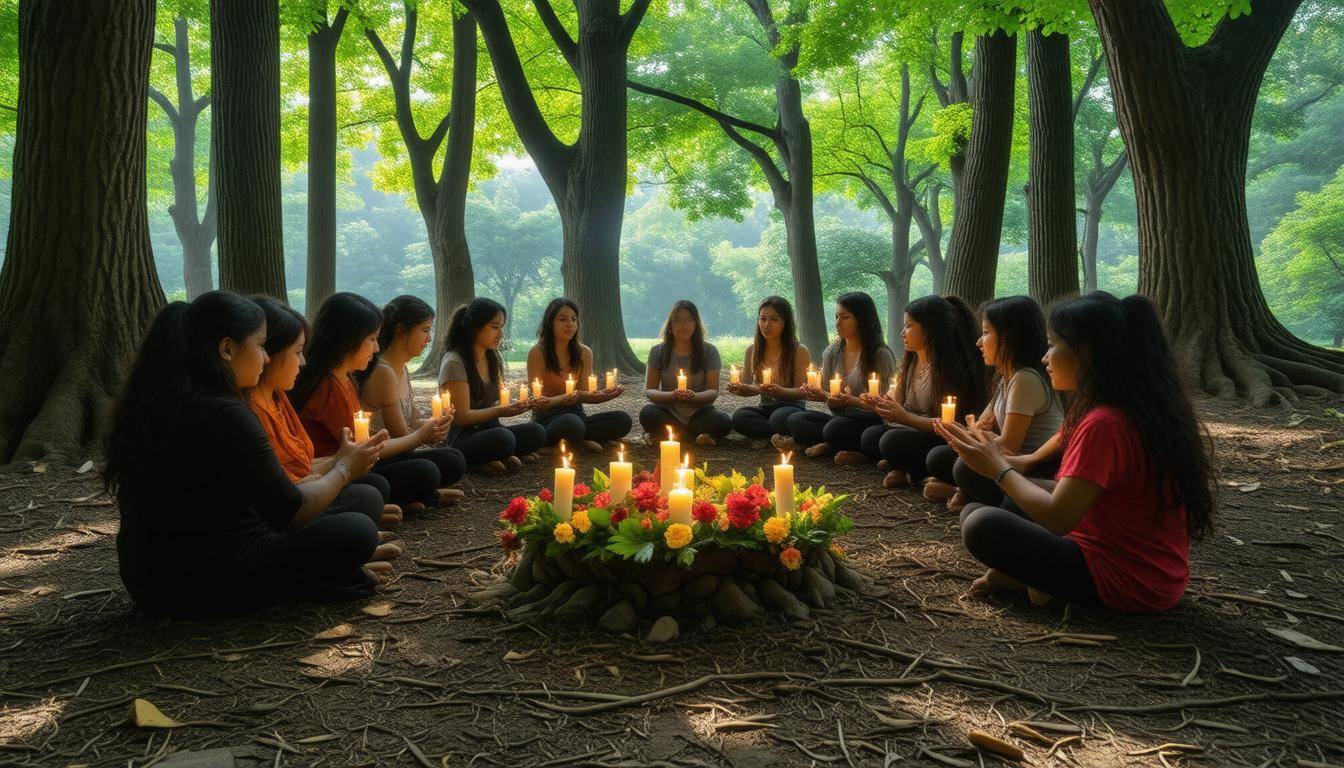
Rituals and traditions hold immense power, especially during times of crisis. They provide a familiar structure that helps individuals navigate uncertainty while fostering connections within communities.
When facing a catastrophe, engaging in rituals—as simple as gathering for communal prayers, lighting candles, or chanting mantras—can create a profound sense of solidarity. These actions are more than just routines; they are powerful testimonies of faith that can intertwine spirits and restore hope amidst despair.
Consider how in many Christian congregations, the act of lighting candles symbolizes collective prayer and remembrance for those affected by tragedy. In Islam, community members often rally together to offer Sadaqah, their charitable donations increasing significantly during crises to support those impacted. Meanwhile, Buddhists may gather for meditation sessions where chanting becomes a source of calm, significantly reducing anxiety in participants.
A fascinating statistic is that studies report up to 80% of practitioners expressing enhanced resilience following group meditation after a disaster.
The historical significance of these practices cannot be overlooked. Time and again, societies have turned to long-held traditions for guidance and reassurance during tumultuous periods. Take, for example, Native American tribes who often conduct traditional ceremonies specifically tailored for healing and guidance during crises. Such rituals not only celebrate cultural heritage but ensure that community bonds are strengthened through shared experiences.
These sacred practices offer both tangible psychological benefits and a spiritual framework for recovery. They become lifelines that remind us we are not alone; rather, we stand united in our grief, struggles, and ultimately, our healing.
Moreover, these rituals serve as vital touchstones for individuals trying to reclaim normalcy after disruptive events. Whether it’s through Thanksgiving services or lighting Diwali lamps, these acts reinforce identity and purpose even when external circumstances seem overwhelming.
They create spaces where emotions can be processed collectively, allowing community members to grieve together while also uplifting one another.
Moving beyond the immediate emotional relief provided by these rituals lays the groundwork for strategies that incorporate faith as an essential element in the healing journey.
Long-Term Recovery Strategies

Long-term recovery is not merely about swift rebuilding; it’s a journey that takes time and perseverance. It requires an integrated methodology where faith-based organizations often play a vital role. They don’t just offer resources; they bring people together, creating an environment rich in support and collaboration. By marrying spiritual care with practical assistance, these organizations provide a holistic approach to recovery that resonates deeply within communities going through tough times.
Integrated Approach
A key tenet of effective long-term recovery is this integrated approach, which encompasses several pivotal components. One of the most visible is physical reconstruction. This means partnering with various organizations, whether they are faith-based or secular, dedicated to restoring homes and infrastructure. Think about it: after a disaster, families need more than just immediate shelter; they need their homes rebuilt in ways that are resilient against future events. Together, these partnerships pool resources and expertise, maximizing impact.
However, physical rebuilding only addresses part of the challenge.
It’s equally vital to focus on emotional healing. Communities facing disaster often experience profound trauma. Ongoing counseling services become invaluable as they provide emotional relief and avenues for sharing experiences. Faith communities can set up supportive spaces where individuals gather to talk openly and de-stress. Coupled with this emotional support, spiritual guidance offers many the comfort of knowing they are not alone in their struggles; their faith can be a source of strength in times of despair.
Beyond individual well-being, there’s also a critical need for broader community engagement throughout the recovery process.
When community members actively participate in rebuilding efforts, it fosters a sense of ownership and solidarity that deepens connections and strengthens trust among residents. Whether organizing volunteer days or establishing advisory groups, engaging locals in decision-making processes promotes unity and shared purpose. This includes listening to feedback from affected community members about what their needs truly are—something that is often overlooked but fundamental in enhancing resilience.
Catholic Charities USA exemplifies how such comprehensive long-term recovery programs should function; they combine tangible material aid with compassionate emotional and spiritual support, illustrating that when physical needs are met alongside emotional care, communities tend to recover more fully.
As we consider the power of collective effort in recovery, it’s essential to explore how different faiths can work together to enhance these initiatives even further.
Interfaith Collaborations
Interfaith collaborations are a powerful response to crises, merging the diverse strengths and resources of various religious communities. These alliances transform how assistance is delivered during disasters. When faith groups unite, they foster an environment where collective action can thrive.
A prime example of this collaboration is the InterFaith Disaster Coalition, formed in late 2024. By combining various beliefs and practices, coalitions like this one maximize their impact on communities in need. Each member brings unique skills and resources, enhancing their ability to respond effectively to disaster scenarios.
The beauty of these collaborations lies not only in resource pooling but also in multiplying volunteer networks. When religious groups team up, they break down barriers, allowing volunteers from different faith backgrounds to work side by side. This enriches the support offered and presents a diverse array of perspectives, helping those affected feel seen and understood.
This holistic approach leads to efficient distribution of resources. By coordinating efforts, each organization can focus on what it does best while ensuring that no one is left behind. For example, shelters operate more smoothly when resources flow seamlessly between them—thanks to shared logistics and support systems devised through interfaith collaboration. Recent efforts have shown these partnerships dramatically enhance emotional support systems as well; individuals receiving help often find comfort listening to the spiritual encouragement offered by different faith leaders present at relief sites.
Impact of Collaboration
| Organization | Networks Combined | Impact |
|---|---|---|
| Catholic Charities | Christian, Muslim, Jewish | Increased reach by 50% in relief areas |
| Salvation Army | Multi-Faith Councils | Boosted resource distribution by 30% |
| International Federation of Red Cross (IFRC) | Global Faith Groups | Expanded logistics and volunteer base significantly |
By integrating faith-based approaches into disaster coping methods, communities can respond to crises with greater efficiency and effectiveness. The statistics illustrate not just numbers but also lives touched—people who received timely aid thanks to the collaborative spirit cultivated among diverse faith groups.
Ultimately, interfaith collaborations serve as a bridge during disasters, creating pathways for effective communication and a unified sense of purpose among diverse believers. This synergy fosters solidarity not merely between congregations but also within entire communities attempting to heal from adversity.
In summary, interfaith collaboration showcases the resilience within communities, proving that unity among diverse beliefs not only enhances disaster response but also strengthens the fabric of society itself.