
When disasters strike, having a clear plan can make all the difference between chaos and calm. Creating a Family Emergency Communication Plan (FECP) is not just about knowing what to do during a crisis; it’s about ensuring everyone in your family feels safe and prepared to respond. Whether it’s a natural disaster like a hurricane or an unexpected emergency, being ready to communicate effectively can ease fear and confusion. This article will guide you through crafting a customized FECP that includes contact methods, meeting points, and specific actions tailored to your family’s needs, empowering you to face any situation with confidence. Let’s dive into practical steps that can help keep your loved ones connected and secure when it matters most.
You can find a Family Emergency Communication Plan template available for download on our website, designed to help families prepare for emergencies by outlining contact methods, reunification plans, and specific actions to take during various emergencies. This template allows you to customize your family’s communication strategy effectively in advance of any potential disaster.
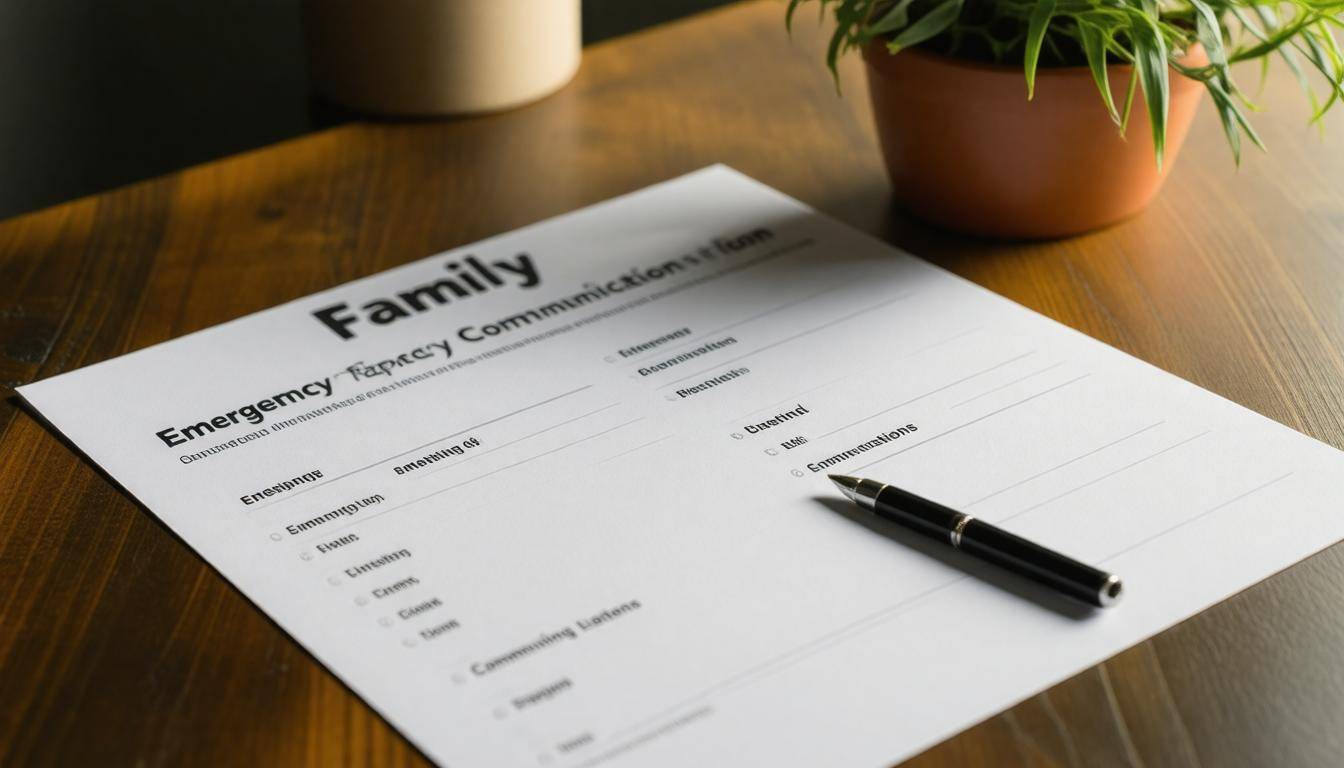
Family Emergency Communication Plan Template
The heart of an effective FECP lies in gathering all necessary information and resources in one easily accessible location. This includes not only contact lists but also detailed emergency services contacts, which are invaluable during times of crisis.
Starting with personal details, every family member’s full name, address, phone number, and email address should be carefully documented. This ensures everyone knows how to reach out to each other if the situation arises. An organized format, such as a simple table, can enhance clarity and accessibility.
Emergency Services Contacts
In addition to your family’s information, it’s vital to include local emergency service contacts:
- Police Department
- Local Fire Department
- Nearest Hospital
- Poison Control
- Utility Companies (Gas, Electric, Water)
Each entry should include not just the name but also the phone numbers and operational hours when possible. For example, knowing whether the local pharmacy is open can make a significant difference in emergencies involving medical needs. Keeping this list updated is crucial; families should take a few minutes every few months to verify that all numbers remain accurate.
Yet even with contact numbers in place, understanding where you’re located can be just as critical during emergencies.
Recognizing potential meeting points during a disaster can alleviate confusion and ensure swift reunification. Identify both primary and secondary locations where your family members can gather safely after an emergency occurs. This could be a neighbor’s house or a local park—places that everyone is familiar with. Providing GPS coordinates alongside written addresses can also aid those who may need navigation assistance.
Additionally, factoring in specific neighborhood hazards will bolster your plan. Understand which natural disasters are most likely in your area—like floods or earthquakes—and create action plans tailored to these situations. Regular discussions with family members about what each person’s role would be in such emergencies can further solidify preparedness.
Additional Considerations
Have you thought about how best friend connections can improve your preparedness?
Establishing a network beyond immediate family can greatly enhance readiness and response during crises. Collaborate with friends and neighbors so everyone understands each other’s specific needs—such as childcare arrangements or special medical requirements—during an emergency. When families know they can rely on their community for support, it fosters an environment of mutual safety.
Establishing a comprehensive Family Emergency Communication Plan doesn’t have to feel overwhelming. It begins with small steps like creating contact tables and identifying meeting locations. By addressing various communication methods and identifying local emergency services contacts while keeping everyone’s unique needs in mind, families become empowered to tackle emergencies with confidence and clarity.
With this groundwork established, it’s essential to focus next on the specific individuals you’ll need to communicate with during a crisis along with the information you’ll gather to further enhance your readiness.
Key Contacts and Information Gathering
Having key contacts available ensures you can reach out for immediate help, and gathering all necessary information is crucial. This becomes especially important in times of crisis when every second counts.
Make a list of individuals who are vital to your emergency communication plan. Think of nearby relatives, close friends, trusted neighbors, and workplaces—they serve as crucial points of contact during a chaotic situation.
It’s not just about names; make sure to include their phone numbers, email addresses, and physical addresses so that you have multiple ways to reach them regardless of the circumstances.
“In moments of distress, having a reliable network can be the difference between panic and calm.”
Family Doctor and Insurance Details
As you compile your contact list, don’t forget to add your family doctor’s information along with any pertinent health records, such as prescription medications or allergies. The importance of this information cannot be overstated—having quick access to medical contacts can save lives, particularly if someone requires immediate care.
In addition to your doctor, ensure you note down emergency service contacts like local police departments and fire stations. It’s also wise to keep your health insurance policy numbers on hand. In the midst of an emergency, accessing this critical information can smooth the process of receiving care.
Furthermore, having homeowner’s or renter’s insurance details adds another layer of preparedness—after all, knowing whom to call for property damage support can alleviate stress in those initial chaotic moments.
With this foundational information in place, we now shift our focus to establishing secure locations where family members can regroup when emergencies strike.
Establishing a Safe Meeting Place
First, identify at least two safe meeting places: one close to home and another further away in case of evacuation. For your near location, consider using something simple like the local park or a nearby school. These places should be familiar to everyone in your family, making it easy for them to find their way there during the chaos of an emergency. Additionally, having a secondary location farther from home ensures that if the neighborhood is unsafe, you have an alternative place to regroup.
Indoor and Outdoor Meeting Points
Inside your house, select a designated spot for rapid evacuations—perhaps a common room or kitchen area—even somewhere outside such as a driveway or patio can work well as it allows all family members to quickly gather before moving on. As many families spend time together in these spaces, this familiarity can help ease anxieties when quick decisions must be made. Engage family discussions to ensure everyone has input and feels comfortable with the choices made.
Out-of-Town Contact
In addition to your local meeting points, having a designated contact outside the area can offer extra security in uncertain times. Choose a relative or friend who lives far enough away that they won’t be affected by the same disaster. This person serves as a central point of communication; they can relay messages between family members who may become separated in an emergency. This method streamlines information sharing and helps alleviate worries about loved ones’ safety.
Now that we’ve set up where to meet and established lines of communication, we must think about how we’ll inform each other about meeting arrangements during crises.
Consider using modern tools—like group messaging apps or social media—to keep everyone updated on changing circumstances or meeting locations. Practicing regular drills that incorporate these plans solidifies everyone’s understanding and readiness. Such exercises not only reinforce the importance of knowing where to go but also give families confidence in navigating stressful situations together.
Preparedness isn’t just about planning; it’s about creating peace of mind that fosters connection and support among families when it’s needed most.
With these foundational steps in place, we now turn our attention to effective ways of keeping in touch during emergencies.
Communication Methods During Disasters
Effective communication is not just a luxury; it’s a necessity during emergencies. When disasters strike, knowing how to connect with loved ones can alleviate panic and ensure everyone is safe. One effective method is through mobile phones. You may think calls are essential, but data shows that texting is often more reliable. As connectivity becomes strained, texts have a greater chance of going through than voice calls, which can be met with busy signals or dead air. By encouraging your family members to send simple check-in texts, you create a system of reassurance.
Another handy tool is the radio. It’s easy to overlook, but having a portable radio can keep you updated about local emergency resources and instructions when cell towers become compromised. Imagine this: if the power goes out and your mobile phone dies, a battery-operated radio allows you to stay connected to local authorities who disseminate crucial information. Today’s radio options come with advanced features like NOAA weather alerts, keeping you informed about immediate threats such as floods or severe storms.
As we navigate modern technology, don’t discount the power of social media either. Platforms like Twitter or Facebook can quickly spread information, but be sure to keep security in mind. Setting up private groups or messaging apps helps check in without broadcasting your location. Having established family group chats means everyone can share their status simultaneously while allowing for quick coordination of next steps.
Keeping clear lines of communication ensures that everyone in your family knows what’s happening, reducing confusion and anxiety during an already tense time.
Lastly, revisiting the importance of a solid emergency plan is crucial. Everyone should know what methods they’ll use to communicate in case of an emergency—whether texting, phoning, or using social media. Be sure to run practice drills so that family members aren’t left in the dark when it counts most. Real-life practices prepare you for practical scenarios and instill confidence among your loved ones.
Preparing effectively for emergencies involves not only supplying necessities but also mastering communication methods—elements that are key in keeping families aligned during unexpected challenges as they brace for various crisis situations.
Instructions for Various Emergencies
Different emergencies call for distinct actions, making a clear response plan vital. Understanding how to react in various scenarios—whether natural or man-made—can drastically reduce confusion and enhance safety when every second counts.
Natural Disasters
When it comes to natural disasters, preparation is a must. For instance, during an earthquake, your family should be taught to “Drop, Cover, Hold On.” This means getting low to the ground, taking cover under sturdy furniture, and holding on until the shaking stops. It’s simple yet effective; by covering oneself, individuals can protect against falling debris.
If you’re in an area prone to tornadoes, the instructions change slightly. Your family should seek shelter immediately by “Going to the basement or an interior room on the lowest floor.” The logic here is straightforward: safer spaces within your home significantly reduce the risk from flying debris and structural failures.
Moreover, families should familiarize themselves with the specific types of natural disasters that are common in their region. Having a neighborhood evacuation plan enhances readiness and reduces panic. Discussing assembly points outside of your home makes a world of difference when every heartbeat feels like an eternity during a crisis.
Man-Made Disasters
In contrast to natural disasters, man-made disasters require a different kind of alertness. Take a chemical spill scenario as an example: instruct your family to instantly “Seal doors and windows” to keep harmful contaminants out. This may sound simple but ensuring all entry points are tightly closed can buy precious time while waiting for authorities.
However, if faced with an active shooter situation, the guidance becomes much more urgent. Family members should follow the “Run, Hide, Fight” protocol; running away from danger is the first priority if it’s safe to do so. If escape isn’t possible, hiding in a secure location becomes vital. Fighting is only an option when absolutely necessary as a last resort.
While these steps provide essential guidelines for various emergencies, communicating this information effectively within your household is just as important. The next focus will be on ensuring that everyone understands their role in these critical moments.
Preparing and Sharing the Plan
The success of a Family Emergency Communication Plan (FECP) hinges on how well it is shared and understood within your household.
To start, it’s vital to print multiple copies of the plan and distribute them to every family member. This tangible resource ensures that the plan is always at their fingertips, especially during times of stress when access to technology may be limited.
Imagine a situation where an emergency strikes and tensions run high; having a printed copy can serve as a calming reminder of what steps need to be taken.
Yet, simply handing out copies isn’t sufficient. Engaging in discussions during family meetings allows you to dive deeper into each element of the plan.
You could sit down together and review important aspects—like who to contact if you’re separated or where to gather afterward. Effective communication in these settings builds trust among family members, giving them a sense of security. A parent from Texas shared, “Talking about the plan made my kids feel more secure and ready to act.”
This kind of discussion turns what could be a daunting topic into an opportunity for bonding and preparation.
Remember, practice makes perfect. And while it’s easy to draft plans on paper, ensuring that everyone feels confident in their roles takes continual dialogue.
Practice Drills
Just as schools hold fire drills regularly, families should also establish practice drills for their emergency plans.
When you perform these drills, it simulates the urgency of an actual emergency while familiarizing each family member with their responsibilities. By stepping through the plan together, children will not only memorize the procedures but also feel empowered knowing what actions they have to take.
Preparation and active engagement pave the way for ongoing updates necessary for keeping your family’s communication plan current and effective.
As new information arises—like changes in contact numbers or new local hazards being identified—it’s crucial to revise your FECP accordingly. Regularly revisiting the plan helps adapt it as your family’s needs evolve over time; for example, as children grow or as new members join the household. Engage everyone in these updates so that they feel relevant and connected to the plan, ensuring that everyone remains informed over time.
By understanding how to adapt and refresh your approach, you can ensure that everyone is ready for whatever may come next.
Reviewing and Updating the Plan

Continuous review ensures that your plan remains relevant and effective in the face of changing circumstances. When planning for potential emergencies, it’s important to not only create a robust FECP but also to revisit and revise it regularly. This isn’t something you can set and forget; it requires ongoing attention.
Regular Check-ins
One way to keep your FECP fresh and functional is to schedule bi-annual reviews. Each time you sit down to go through the plan, start by checking all contact information. People move, jobs change, and new services may emerge that could be valuable during an emergency. For instance, if a family member’s phone number has changed or if you’ve recently relocated, these details should be updated immediately.
You might be surprised at how quickly things can shift. Perhaps you’ve welcomed a new baby into your home—now’s the time to update medical contacts to include pediatric care providers capable of addressing special needs or concerns that arise with infants. Or maybe an elderly family member has moved into your home; updating those emergency contact details is essential for swift access to their doctor or caregiver in times of need.
Research shows that families who have rigorous checking protocols are 80% more likely to be effectively prepared during an actual emergency compared to those who don’t maintain their plans regularly. The importance of those scheduled reviews cannot be overstated; they ensure that every member of the household can act with confidence when it’s most needed.
Additionally, it’s essential to discuss the plan collectively as a family unit during these reviews.
Conducting a family meeting dedicated to discussing the FECP will help reinforce awareness of individual roles and responsibilities in case of an emergency. Make sure everyone knows what steps they need to take based on different scenarios. This rehearsal is especially critical for children, who thrive on understanding their place within family structures during crises.
“Knowing not just what to do but how each member contributes makes all the difference.”
Each review offers an opportunity to assess previously established action items. Were there moments from real-life emergencies where something didn’t work out? Revisiting those instances allows families to adjust their plan accordingly, ensuring it evolves with experience rather than stagnates with outdated strategies. Every lesson learned enhances security for all involved.
It’s about creating a living document that reflects your family’s reality while preparing everyone for whatever life throws their way. As we consider the nuances of your communication strategy, let’s explore important factors that shouldn’t be overlooked regarding unique family members.
Special Considerations for Children and Elderly Family Members

Tailoring your safety plan for children can greatly enhance their understanding and ability to respond during emergencies. Children thrive on clarity and simplicity, so it’s crucial to break down complex instructions into bite-sized pieces.
For instance, you could establish a buddy system with trustworthy neighbors; this helps ensure that children have someone they know and trust to accompany them during stressful times.
Engaging children visually, through drawings or pictorial guides, is another effective strategy. Consider creating a colorful poster that outlines the steps to take during a fire drill—something child-friendly that illustrates what to do in a fun way makes learning feel less daunting.
When children see images related to emergencies, they tend to remember better and become more prepared.
Now, let’s talk about special considerations for elderly family members. As we age, our health care requirements often become more complex. One critical aspect is ensuring that medications are easily accessible. Keeping a detailed list of their medications, including dosages and schedule, should be part of the plan. This information not only assists in managing medications during an emergency but also helps caregivers understand any potential medical needs well before any situation arises.
Another important factor is understanding mobility challenges. Different people have different needs; that’s why identifying those constraints is vital. Setting up wheelchair ramps or lifts can provide much-needed assistance if evacuation becomes necessary.
Moreover, establishing who will assist elderly relatives during emergencies—whether it’s a family member or close neighbor—ensures everyone knows their role ahead of time, reducing stress when it truly matters.
| Special Considerations | Children | Elderly |
|---|---|---|
| Medications | Simple dosages and storage | Detailed list with dosages |
| Mobility Assistance | Buddy system | Wheelchair ramps or lift |
| Communication Aids | Visual aids, drawings | Hearing aids, loud alarms |
Emphasizing these details in your family emergency plan doesn’t just make life easier; it builds confidence for both children and elderly members amidst uncertain situations. By addressing their individual needs clearly within your strategy, you’re fostering a deeper sense of preparedness while ensuring the entire family feels secure during challenging times.
Creating a comprehensive emergency communication plan tailored to all family members’ needs enhances everyone’s safety and peace of mind.
What resources are available to help create a comprehensive emergency communication template?
To create a comprehensive emergency communication template, you can leverage resources such as the Federal Emergency Management Agency (FEMA) guidelines, the Red Cross emergency preparedness tools, and community preparedness programs. These organizations provide templates that are easy to customize, incorporating vital information such as contact details and communication methods. Statistically, families equipped with an effective communication plan are 50% more likely to remain informed and connected during emergencies, significantly enhancing their safety and preparedness.
How often should we practice our emergency communication plan as a family?
It is recommended that families practice their emergency communication plan at least twice a year. Regular practice ensures that everyone remembers their roles and knows how to respond quickly in an emergency. According to research, families who conduct biannual drills are 30% more likely to effectively communicate during crises compared to those who do not practice at all, making it crucial for safety and preparedness.
How do we ensure that every family member understands their role in the communication plan?
To ensure every family member understands their role in the communication plan, conduct regular family meetings to discuss the plan, assign specific responsibilities, and practice drills. Engaging all members—from children to adults—in discussions and simulations enhances familiarity and confidence. According to a 2022 survey by the National Safety Council, families that practiced emergency procedures reported an 80% higher readiness level in crises. Regular reinforcement through conversations and practical exercises is essential for clarity and preparedness.
What technology can assist in maintaining effective communication during emergencies?
Modern technology plays a crucial role in maintaining effective communication during emergencies, with tools like mobile phones, satellite communication devices, and social media platforms at the forefront. According to a 2022 survey, over 90% of households have access to smartphones, enabling instant messaging and alerts through apps designed for emergency notifications. Furthermore, services like NOAA Weather Radio ensure timely information dissemination about natural disasters. Utilizing these technologies allows families to stay informed and connected, significantly improving their preparedness and response strategies in crisis situations.
What key components should be included in a family emergency communication plan?
A family emergency communication plan should include designated emergency contacts, a clear communication strategy (such as text messaging or social media use), an updated family contact list, meeting locations, and guidelines for specific emergencies like natural disasters. According to the Federal Emergency Management Agency (FEMA), 70% of families have no emergency plan in place, making it crucial to ensure that all members know how to reach each other and where to meet during a crisis. This preparation enhances safety and increases the chances of a swift reunion during emergencies.