
When emergencies strike, the calmest voices often belong to those who prepared for the worst. A Family Emergency Contact System is more than just a checklist; it’s your family’s safety net when chaos descends. Picture this: you’re at home when a storm unexpectedly fires up outside, and the power flickers. In such moments, having a clear plan can take panic down a notch and keep everyone connected. Crafting an effective communication plan together empowers family members, helping them know what to do and how to reach each other amidst the confusion. This article will guide you step by step in establishing a solid system that fits your family’s unique needs, ensuring that everyone feels secure and ready when it counts the most.
To set up a Family Emergency Contact System, first, discuss and outline your family’s communication plan during emergencies, considering each member’s needs and responsibilities. Next, create an emergency plan using available resources, practice the plan regularly with all family members, and update it as necessary to ensure everyone is prepared in case of a disaster.
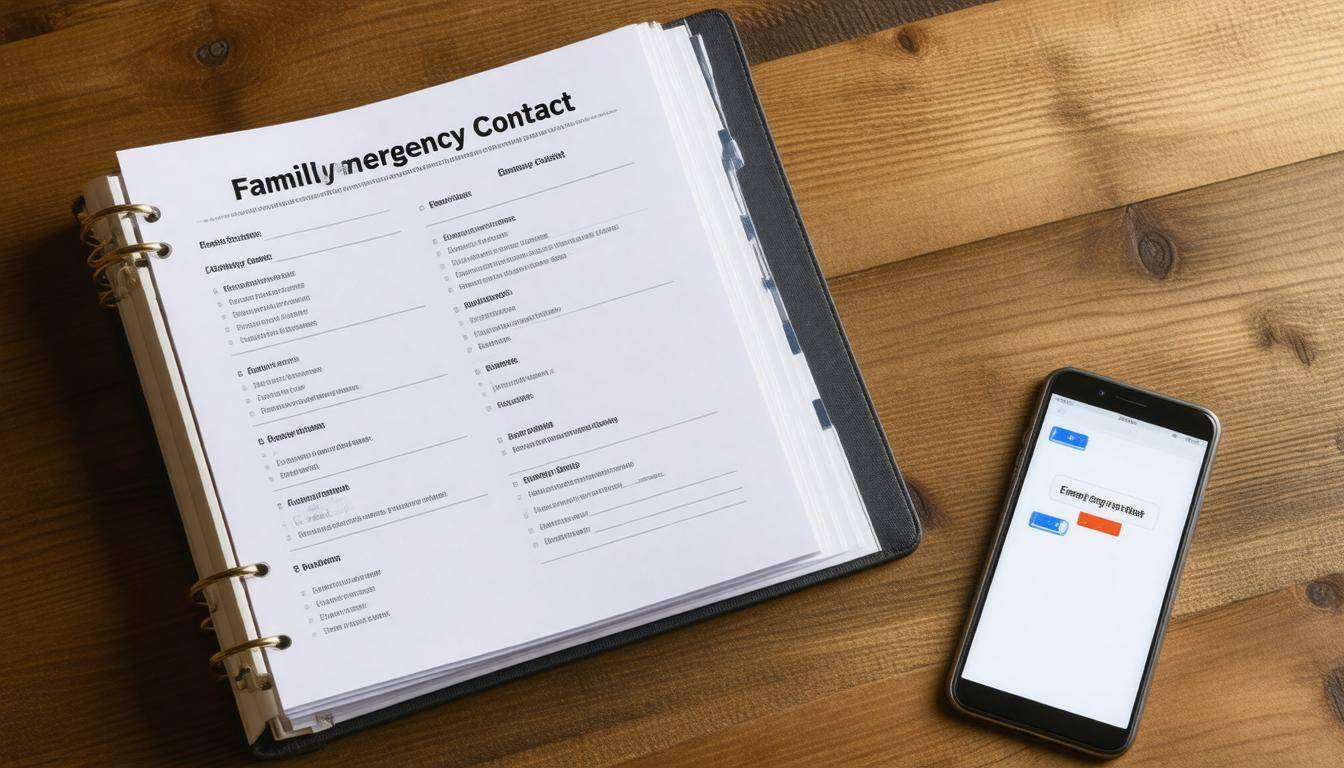
Overview of a Family Emergency Contact System
A Family Emergency Contact System is not just a helpful tool; it acts as a lifeline during chaotic situations. This system keeps family members connected when traditional communication methods are disrupted, such as during natural disasters or power outages. Imagine being in the middle of an emergency where chaos reigns, and you can’t reach your loved ones—the panic that sets in can be overwhelming. However, having a defined plan can provide peace of mind and create a support network when it’s needed most.
Central to this system are several key components that ensure clarity and efficiency in communication. At the heart of this setup are the Primary Contacts, individuals who should be first reached out to during an emergency—a parent, sibling, or trusted neighbor. These contacts act as a compass guiding everyone back together amidst confusion. Alongside them, Secondary Contacts are also crucial; they serve as backups if primary contacts cannot be reached due to busy lines or unavailability. When building your contact list, include individuals who live outside your immediate vicinity, as local networks may become congested or fail altogether.
Equally important is a thoughtful Communication Plan that outlines various methods and tools for reaching one another when traditional means fail. For example, text messages might work better than phone calls during emergencies due to network congestion, making alternate channels—like social media or group messaging apps—vital. Consider apps like WhatsApp or GroupMe that allow group chats; these can enhance your capacity for quick updates during stressful times.
The essence of preparing for an emergency is understanding that common methods may not function at all times; having flexibility in how you communicate is essential.
Adding depth to this system involves creating Emergency Information cards for each family member. These cards should contain vital details such as medical needs, allergies, and specific evacuation plans tailored for your household. In moments of stress, recalling something as crucial as whether a family member has a medication allergy might slip one’s mind—but having that information readily available on the card ensures safety and informed decisions.
Furthermore, practice makes perfect. Regularly discussing and rehearsing the plan keeps every family member familiar with their roles and responsibilities. Families often overlook this; running drills—like practicing how to reach each other using different communication methods or reviewing designated meeting places—can significantly reduce anxiety when real emergencies occur.
This comprehensive approach strengthens connections among family members while empowering everyone to take control over their safety during unexpected events. Moving forward, it’s essential to focus on assembling key data that will support effective planning during emergencies.
Gathering Essential Information
Preparation starts with gathering the essential information needed for effective communication. This step is critical because having all necessary data readily available can save precious time during an emergency.
The first aspect involves collecting personal details for every family member, which should go beyond mere names and numbers. You’ll want to ensure you have full names, primary and secondary phone numbers, as well as both home and work addresses. Don’t forget to include email addresses too, as different methods of communication might be accessible depending on the situation.
Once you’ve compiled the basic contact information, it’s important to consider medical aspects that could arise during an emergency.
Step two is documenting crucial medical information, which can be a lifesaver in critical situations. It’s essential to record details like allergies, any medications taken by each family member, and special medical needs they may have. This information is vital for multiple reasons:
- First responders need this data to deliver appropriate care quickly.
- It ensures specific medical needs are met without delay.
- It provides caregivers with a comprehensive understanding of what assistance may be required.
Having this information compiled in one place and easily accessible demonstrates not only foresight but also care for each family member’s health and safety.
After addressing health-related data, we need to think about our support system during emergencies.
The final step involves identifying and listing emergency contacts, which means not just immediate family members but also those outside your household who could provide help or receive your messages when needed.
It’s beneficial to include out-of-town relatives who might not be affected by the same emergency situation. This way, if communication lines within your local area are down or hindered, you have someone reliable to contact or relay information. Engaging a diverse network of contacts ensures that no matter how challenging the circumstances get, there are paths available to maintain crucial communication.
Following these steps establishes a solid groundwork for ensuring that in times of crisis, information flows smoothly. Next, we will explore how to organize this data effectively and share it with family members for seamless communication options.
Setting Up and Sharing Contacts
Once your family’s contact list is compiled, you want to ensure that everyone knows how to access and use this information when it really counts. Effective communication is critical, so set up a system that suits everyone’s needs. It’s a good idea to think about how technology can facilitate this process while also providing backup options.
Using Technology for Sharing
In our tech-savvy world, using modern tools for sharing contact information has never been easier. Shared platforms like Google Docs allow multiple family members to access and update the contact list in real-time from virtually anywhere. This means someone can quickly add a new phone number or make adjustments as circumstances change, ensuring everyone stays on the same page.
Furthermore, consider creating a family group chat on apps like WhatsApp or Messenger. These group chats can serve not just for sharing crucial contact details but also as an instant communication line during emergencies to relay important updates or instructions.
Embracing these technologies can make a significant difference by providing efficient, instant avenues of communication among family members, especially when traditional methods may fail.
Physical Copies
While technology plays a significant role in communication today, it’s wise to prepare for situations where power might fail or devices become unavailable. Distributing physical copies of your emergency contacts and plans ensures that everyone—especially older family members who may not be comfortable with technology—has access to necessary information when they need it most.
Creating a simple printed format can be beneficial; make sure it includes all essential details such as names, relationships, phone numbers, and preferred communication methods.
Consider keeping these printed lists in strategic places around the house: the refrigerator door, a specific drawer in the kitchen, or even inside wallets. This way, every family member knows where to find the information should an emergency arise. You could establish a routine to review and update this physical list every six months or after any significant life changes.
Taking the time to set up and methodically share this vital information ensures safety while fostering a sense of accountability within the family unit. Each member knowing where to find support empowers them during crises while reinforcing deeper connections.
Understanding how best to communicate in emergencies sets the stage for exploring effective tools and methods that enhance these connections even further.
Communication Tools and Methods
Having reliable communication tools and knowing various methods are essential for an effective emergency contact system. Relying solely on one method—like mobile phones—can be risky since they depend on networks that can become overloaded or go down in times of crisis. Therefore, exploring multiple channels is vital for increasing the chances of reaching family members when it matters most.
Utilizing Multiple Channels
Imagine a situation where a hurricane is approaching, and mobile networks suddenly crash under the pressure of too many users. During such events, traditional tools become exceedingly valuable. Beyond your typical mobile devices, consider incorporating two-way radios. These devices operate independently of cell networks and allow you to communicate over surprisingly long distances without worrying about signal loss.
It’s also worth mentioning that landline phones can offer a stable line of communication as they aren’t tied to cellular networks. This can be especially useful if power outages occur since specific models have backup battery systems.
Additionally, don’t underestimate the power of social media platforms such as Facebook or Twitter. These outlets can provide updates from local officials and help coordinate with extended family or friends who live elsewhere during an emergency.
However, technology isn’t foolproof; it’s essential to have backup methods in place that don’t rely on gadgets or an internet connection.
Backup Methods
In case digital devices fail, having pre-arranged meeting spots or neighborhood hubs can be invaluable. Picture this: if your community experiences a natural disaster and phone lines get disrupted, knowing where to meet or where someone can check in could save time and ensure everyone’s safety.
You might designate a specific friend’s house two streets away as a rally point or choose a local community center. It helps reduce anxiety during what can be a chaotic time.
Furthermore, having a physical map with these locations marked can serve as a reliable resource if power is lost and GPS devices become useless. Not only does this reinforce familiarity with your surroundings but serves as an additional guide for anyone in your family who may struggle with navigation during distressing situations.
- Two-way radios: Reliable communication independent of cellular networks.
- Landline phones: Provide stability during emergencies.
- Social media platforms: Offer real-time updates and support coordination.
- Pre-arranged meeting spots: Ensure safe gathering locations.
- Physical maps: Reinforce navigation when technology fails.
With these methods in mind, setting up a robust communication plan gives you peace of mind knowing your family can stay connected no matter what happens.
As we shift our focus, it’s crucial to consider how this communication framework supports the well-being and security of those who may need extra assistance during emergencies.
Ensuring Vulnerable Members’ Safety

Ensuring the safety of vulnerable family members—those who might require special attention during emergencies—is a vital part of any Family Emergency Contact System. This group often includes children, elderly relatives, or individuals with specific medical needs. Each of them has distinct requirements that necessitate tailored strategies for effective communication and intervention during crises. The objective here is to proactively address these needs, making it easier for everyone involved.
Special Considerations
First and foremost, it’s essential to create customized emergency plans for each vulnerable individual in your family. This starts by assessing their specific needs and determining how best to support them during an emergency situation. For elderly family members, this could mean designating a caregiver who can assist them promptly. It’s helpful to have someone who knows their routines and preferences well, so they are more prepared to help if and when the time comes.
When it comes to children, education plays a key role. Teaching kids whom to contact first, like a trusted neighbor or a relative, equips them with the confidence to act in an emergency. This lesson should be much more than just memorizing numbers; they need to understand the importance of staying calm and following procedures as well.
Medical Needs and Evacuation Aids
As you formulate these plans, consider what medical needs are pertinent to each family member. It’s crucial to maintain an easily accessible list of medications as well as any necessary medical devices they depend on. For instance, those with diabetes should have insulin supplies readily available in their emergency kits while individuals with mobility issues might need wheelchairs or walkers packed and ready to go.
Additionally, pre-arranging transportation options is another good strategy for quick evacuations if needed. Reaching out beforehand to neighbors or friends who may be able to assist can streamline this process significantly when the unexpected occurs.
Having these resources organized not only helps you feel prepared but also serves as moral support for your vulnerable family members, letting them know that they are cared for.
As we explore the next step in building your system, it’s important to focus on the essential principles that enhance its effectiveness and foster trust among family members.
Importance and Reliability of the System

Understanding the importance and reliability of a family emergency contact system underscores why investing time into it is crucial. A well-structured contact system not only reduces confusion but also serves as a lifeline during unexpected situations. When emergencies strike, emotions can run high. Having a clear plan means that each family member knows precisely what to do, which alleviates stress in the moment.
Mitigating Panic
One of the most significant benefits of establishing an emergency contact system is its ability to mitigate panic. In chaotic moments, knowing there’s a plan offers reassurance. For instance, when faced with a natural disaster, having a clear outline of communication methods helps family members remain calm. Each person understands who to reach out to for updates or support, thereby reducing unnecessary worry. This sense of order becomes essential; it allows individuals to focus on their immediate safety rather than scrambling for information.
Effective planning can mean the difference between clarity and chaos.
To illustrate how this works in practice, consider the following advantages that arise from creating a robust communication plan:
| Benefits | Description |
|---|---|
| Reduced Panic | Clear instructions and contacts reduce chaos. |
| Quick Medical Response | Immediate access to critical medical information. |
| Family Coordination | Ensures everyone knows the plan and meeting points. |
| Effective Use of Resources | Streamlines communication, saving time and effort. |
Each benefit ties back into ensuring family members feel secure and informed during emergencies. For example, in the event of an accident or sudden illness, quick medical responses can be facilitated by clearly defined contacts that detail existing medical conditions, allergies, or medications for each family member. Such information is invaluable when every second counts.
By prioritizing these aspects, you create a framework that encourages effective conversations surrounding emergency preparedness within your family.
This approach fosters family unity during stressful situations. As they learn and practice the emergency protocols together, family members build confidence in their roles and responsibilities. This collaborative experience can strengthen relationships while equipping everyone with vital skills necessary for navigating crises.
A well-planned family emergency contact system truly serves as more than just a precautionary measure; it transforms into a commitment to one another’s safety and well-being—because when an unexpected event occurs, knowing you are not alone makes all the difference.
As we explore further, maintaining and refining this system is just as essential as its initial setup to ensure continued effectiveness throughout changing circumstances.
Testing and Updating the Plan
The importance of conducting regular drills cannot be overstated. Think of it like practicing for a performance; you wouldn’t step on stage without rehearsing first, right? By organizing family drills every few months, you ensure that not only does everyone know their roles and responsibilities but they also feel more confident in executing them under pressure. This familiarity breeds ease and reassurance.
For example, imagine one of your family members receiving an emergency alert while home alone. If they can recall how to reach you or where to find essential supplies quickly, you’ve just transformed a potentially chaotic situation into a measured response.
After organizing drills, the next critical step is to keep your contact information agile.
It’s imperative to regularly update your contact lists along with medical information. Changes in phone numbers, addresses, or even medical requirements should be reflected immediately in your system rather than waiting for the next scheduled review. Consider setting a recurring reminder on your calendar—perhaps each season—to take a fresh look at who is on your list and why they matter.
For instance, if a family member has moved away or changed their job, their contact details need adjustments. Keeping this data current means that you won’t get stuck trying to reach someone whose number is out-of-date during an actual emergency.
Having gathered all this information, it’s also essential to evaluate how well these systems work after those practice runs.
Evaluating the effectiveness of your plan after each drill allows creative space for improvement. Gather around as a family to discuss what went smoothly and what needs fine-tuning. Were there any significant delays in communication? Did someone forget their role? This reflective session helps transform weaknesses into strengths.
For instance, maybe you discovered that one family member was unclear about where to assemble during a fire drill. Revising your plan based on this feedback will strengthen your system’s reliability and foster teamwork among family members.
With consistent updates and evaluations in place, you’re building a resilient communication structure perfect for navigating unforeseen challenges effectively. Now that we’ve covered the essentials of maintaining clear communication in times of crisis, let’s explore additional insights that can further enhance your preparedness journey.
Final Tips for a Robust Plan
One of the most crucial aspects of a family emergency contact system is its simplicity. It’s essential that the plan is easy for every family member to understand—whether they’re children just starting to read or grandparents who may not be as comfortable with technology. Keeping the terminology straightforward and avoiding technical jargon can significantly reduce confusion during an emergency when clarity is paramount.
Remember, during high-stress situations, even small amounts of complexity can lead to mistakes, so aim for clarity.
Another vital tip is to include the contact information of local emergency services directly in your family’s communication plan. This might seem obvious, but in a crisis, people often overlook critical numbers. Providing a concise list of these contacts, such as fire departments, police stations, hospitals, and poison control centers, doubles as both preparation and peace of mind.
Additionally, it’s helpful to create several copies of this contact list:
- Print and distribute physical copies to family members.
- Store a digital version on smartphones and accessible cloud storage.
- Ensure that children know how to retrieve this information if needed.
Regularly conducting educational sessions about your emergency contact system is as important as having one in place. These conversations should be both informative and interactive, allowing everyone to ask questions and role-play scenarios when possible. Emphasizing the importance of the plan fosters a sense of responsibility among family members while ensuring that everyone knows their specific roles.
For instance, organizing a mock drill can help reinforce knowledge about evacuation routes and communication protocols, making it easier to remember when it matters most.
By focusing on key elements—simplicity, inclusion of emergency service contacts, and regular education—you bolster your family’s overall preparedness and resilience during unforeseen situations.
Incorporating these strategies into your family emergency contact system ensures that everyone remains connected and informed when it matters most. Planning ahead can truly make all the difference during an emergency situation.
What key elements should be included in a family emergency contact system?
A family emergency contact system should include key elements such as a designated point of contact, updated phone numbers and addresses of all family members, an established communication method (like group texts or specific apps), and an emergency meeting location. Ensuring that every member knows their role can significantly enhance the effectiveness of the plan; studies show that families with a solid communication strategy are 50% more likely to remain connected during crises.
How often should the emergency contact information be updated and reviewed?
Emergency contact information should be updated and reviewed at least once a year or whenever there are significant life changes, such as moving, changing jobs, or family dynamics. Research shows that 30% of people do not keep their emergency contacts current, which can lead to delays in receiving assistance during crises. Regular reviews ensure that crucial information is accurate and readily accessible, enhancing preparedness for unexpected situations.
How can families ensure all members know how to use the emergency contact system?
Families can ensure all members know how to use the emergency contact system by conducting regular drills and creating a simple, visual guide that outlines the procedures. Studies show that effective communication planning can improve response times in emergencies by up to 25%. By involving every family member in practice sessions and discussions about the plan, families can foster familiarity and build confidence, ensuring that everyone knows their role and how to access important contacts when needed.
What steps can be taken to prepare for emergencies when family members are not together?
To effectively prepare for emergencies when family members are not together, establish a clear communication plan that includes an emergency contact list, designate a group messaging app for quick updates, and hold regular family meetings to discuss and rehearse emergency protocols. According to the American Red Cross, 75% of families do not have a communication plan in place, making it crucial to proactively address this gap. Ensure all family members know how to access important information remotely and consider setting up a designated meeting place in case of evacuation.
What tools or apps are recommended for managing family emergency contacts?
Recommended tools for managing family emergency contacts include apps like Life365, which allows real-time sharing of health information and contact details among family members, and Everbridge, known for its emergency notification capabilities. A study found that 67% of families using dedicated apps reported feeling more prepared for emergencies, highlighting the effectiveness of technology in fostering communication during critical situations.