
When it comes to emergencies, it’s better to be safe than sorry. Imagine waking up in the middle of the night to a sudden disaster like a fire or an earthquake—how would your family react? Would everyone know where to go and what to do? Developing a Family Emergency Plan is essential for ensuring that you and your loved ones are prepared for any unexpected situation. This plan not only helps your family stay safe but also fosters teamwork and confidence when facing uncertainty. By taking the time now to create a structured approach, you can minimize panic during real emergencies and gain peace of mind knowing everyone is on the same page. Let’s dive into the importance of having a well-thought-out plan and how you can create one tailored just for your family.
Our website offers a comprehensive, fillable template for creating your Family Emergency Plan, which includes sections to outline disaster types, communication strategies, evacuation routes, and responsibilities for each family member. By using this template, you can ensure that your family is well-prepared for any emergency situation.

The Importance of a Family Emergency Plan
In the face of unpredictable disasters, having a family emergency plan can provide peace of mind and protection. Families that establish a clear plan not only prepare themselves for potential dangers but also strengthen their unity. By discussing potential risks, such as wildfires, floods, or earthquakes, families create a common understanding that ensures every member knows what steps to take when the situation arises. Without such preparation, panic can overwhelm even the best-intentioned individuals.
Research indicates that households with a plan are 2.5 times more likely to respond effectively during a disaster. This statistic underlines the value of preparation because it reveals that even the mere act of strategizing can profoundly impact how families navigate emergencies.
Let’s not forget that this isn’t just about being physically ready; it’s about mental readiness, too. A survey by FEMA concluded that 90% of families believe having a plan would reduce anxiety during crises. When everyone understands what’s expected, stress levels drop significantly, allowing families to focus on execution rather than frantically figuring out what to do.
Tailoring Your Plan
It’s essential that families consider specific needs and dynamics when crafting their plans. For instance, if there are small children, elderly members needing special care, or pets involved, each element requires unique solutions. Discussions about roles and responsibilities must address everyone’s capabilities and any particular requirements, ensuring no one is overlooked in stressful situations.
“Every family should tailor their plan to fit their dynamics,” notes emergency preparedness expert John Smith. “By considering age, medical needs, and cultural practices, you create a more comprehensive response.”
After all, nobody wants Uncle Joe sprinting for the car while Grandma searches for her reading glasses in an emergency!
Importance of Practice
But having a written plan isn’t enough; practicing it regularly solidifies it in everyone’s minds. Just like fire drills at school teach kids how to behave calmly in emergencies, rehearsing family plans means quelling confusion before panic sets in. Regular practice builds confidence among family members and allows them to identify areas where they may need extra guidance or adjustments in their strategy.
Families who rehearse their emergency plans report feeling more prepared compared to those who have never practiced.As we can see through various anecdotes shared online and through community groups, these repeated drills make a world of difference when real-life scenarios unfold.
“It felt surreal during our last drill,” describes Rachel from Virginia. “But when we had a tornado warning later that week, everyone efficiently knew where to go—there was zero chaos!”
This illustrates precisely why prepping becomes pivotal—it adds structure to uncertainty.
With these elements understood and implemented regularly, your family’s resilience during emergencies increases dramatically. Next, let’s explore the actionable steps needed to develop your comprehensive family plan.
Source: FEMA Preparedness Reporting Assessment Tool (PRAT)
Steps to Create Your Family Emergency Plan
Creating a family emergency plan is like setting the stage for a play: everyone knows their lines and what role they must play when the time comes. To start, it’s vital to identify the types of emergencies that could occur in your area. This involves sitting down with your family and discussing local hazards—natural disasters such as floods, earthquakes, or tornadoes. It can be helpful to research past events in your region, as personal stories often reveal vulnerabilities you might not consider.
You can also lean on local resources or apps that provide real-time weather alerts. This way, you’re not only informed but also empowered by knowledge.
Next up is designating responsibilities among family members. Just like in any team environment, assigning specific tasks based on capabilities ensures an organized approach during an emergency. For instance, older children might handle grabbing emergency kits while younger ones are tasked with comforting pets or gathering necessary items for themselves. Clearly defined roles will reduce confusion and encourage everyone to act confidently when it matters most.
Once responsibilities are set, it’s essential to devise a solid evacuation plan by planning evacuation routes. Take time to map out at least two different routes from your home—these could lead to safe zones like community centers or even a designated meeting spot where everyone can regroup. Keep these routes visible inside your home, and involve your kids in the planning; they’ll remember it better if they have a part in creating it.
Practicing these evacuation routes is just as crucial as planning them. It familiarizes everyone with the escape paths and creates muscle memory for adults and children alike. While rehearsing this might feel unnecessary during calm times, it greatly reduces panic during actual emergencies. Set aside time at least once every few months to run through scenarios together, adapting as necessary when new family members arrive or if your living situation changes.
Lastly, don’t forget the importance of reviewing and updating your plan regularly; set biannual reminders on your calendar to check-in with each other about preparedness levels and adjust any details in your emergency kit or contact information as life evolves.
Each step taken in creating this family emergency plan acts as a proactive approach toward safety and security—you never know when it might come into play! By focusing on these essential preparations, you’ll be ready to address whatever challenges lie ahead.
Preparation and Evacuation Guidelines
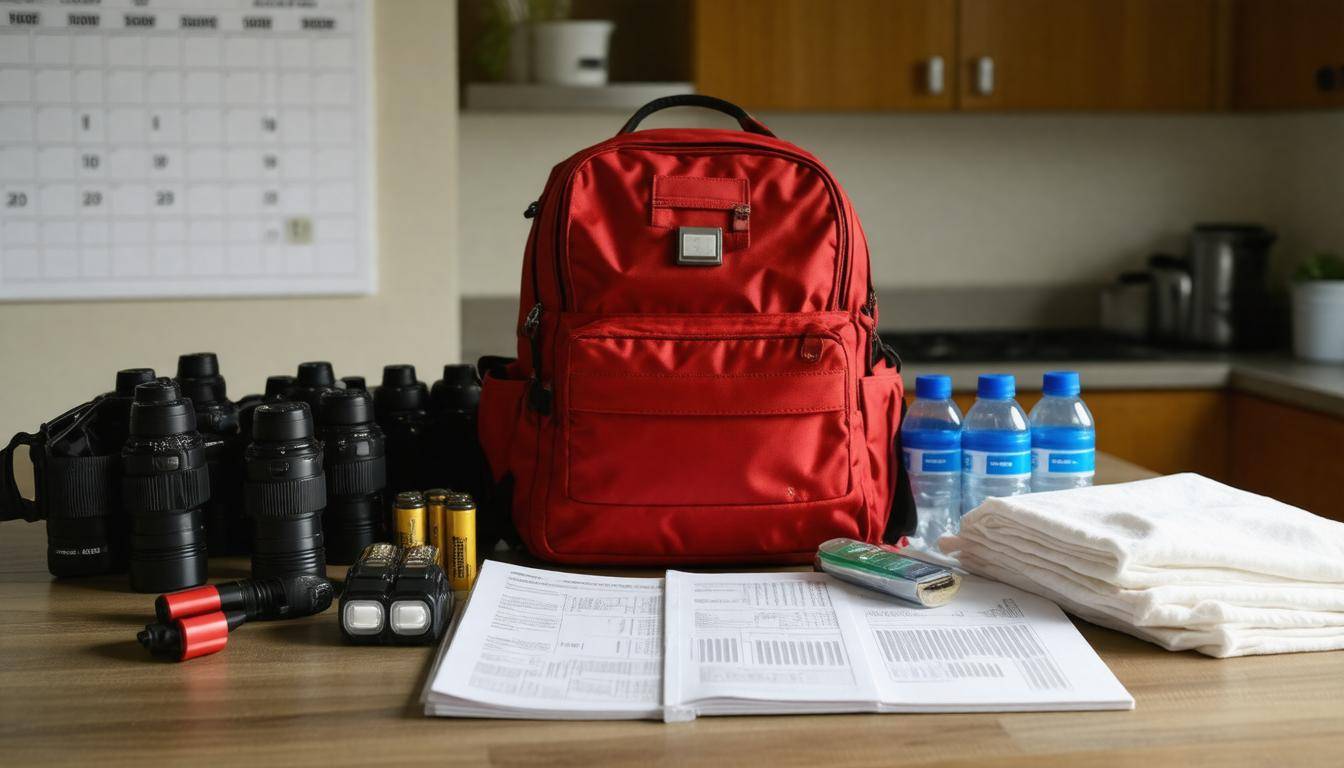
Knowing that emergencies can happen when you least expect them, it’s wise to actively prepare your home to help mitigate any potential chaos. One of the first things you should do is secure heavy furniture. Imagine a scenario where a strong earthquake strikes; large bookcases or cabinets left unsecured can topple, causing injury and damage. The simple act of anchoring these items to the wall can make a world of difference, providing you with peace of mind when the ground shakes.
Preparing Your Home
In addition to securing furniture, smoke detectors are your first line of defense against fire. It’s essential to install them in each room and test them monthly—this practice can save lives. Regularly check batteries and replace units older than ten years.
Another proactive measure is to keep important documents in a fireproof safe. However, don’t stop there; consider creating digital backups for those vital records. Store them safely on cloud services so that even if something disastrous occurs, you will still have access to crucial information like insurance policies and medical records.
With effective organization and preparation, you arm yourself with the tools necessary to navigate an emergency.
Evacuation Steps
When it comes time for evacuation, practicing loading your vehicle within a set time limit transforms theoretical knowledge into actionable skills. Imagine gathering your family around and timing how quickly everyone can grab supplies and get into the car. This drill not only helps identify what you’ll need but also familiarizes everyone with the procedure, reducing panic when urgency strikes. John Smith from California recalled his experience: “Our drill made the actual evacuation during a wildfire smoother; everyone knew exactly what to do.” Having such practical experience builds confidence and ensures everyone knows their role should an emergency arise.
As part of your preparation for evacuation, always keep your vehicle’s gas tank at least half full. It’s easy to overlook, but whenever an emergency happens, fuel stations may be closed or too far away. Staying ahead means one less thing to worry about when urgency strikes.
Now that you’ve equipped your home for emergencies and established a clear plan for evacuation, it’s time to explore what specific elements need to be included in your overall strategy for safety.
Essential Components of Your Plan
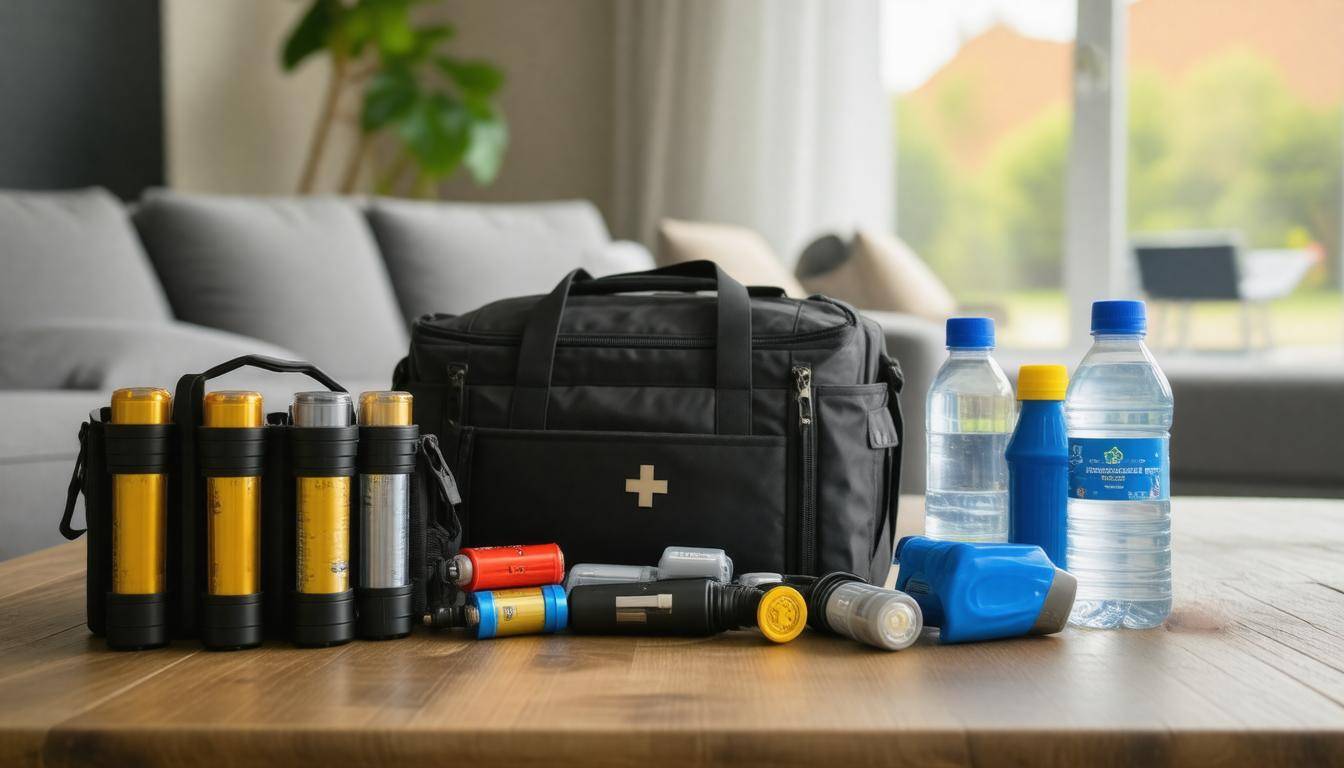
An effective family emergency plan goes beyond mere documentation; it’s about creating a lifeline for your family in times of crisis. Central to this is the Emergency Contacts section. Think about it: when an emergency strikes, who will you call? Make a concise list that includes not only immediate family members but also trusted friends, neighbors, and local emergency services like police or fire departments. This list should be accessible to everyone in your household—perhaps stored on your phones and also printed out and placed in strategic locations around your home.
Having multiple copies helps ensure that everyone knows exactly who to reach out to, regardless of the circumstances.
Meeting Points
Next up is defining Meeting Points. A well-thought-out meeting point can be crucial when communication channels fail. Choose a local spot where everyone is familiar, such as a community center or park. But don’t stop there; consider selecting a distant meeting point too, like a relative’s house outside your immediate neighborhood. This serves as a backup plan if your family can’t return to your home due to unforeseen circumstances.
Regular discussions about these meeting points keep them fresh in everyone’s minds, offering peace of mind during chaotic moments.
Medical Information
Now let’s talk about Medical Information. It’s easy to overlook, but knowing each family member’s medical needs could be pivotal during an emergency. Maintain comprehensive documentation that details any chronic conditions, allergies, medications, and relevant healthcare providers. This should also include instructions for administering medication and their storage locations in the house. Keep this information updated and easily accessible.
In emergencies, every second counts; having this information readily available can save precious time and potentially lives.
As you compile these essential elements into your larger emergency plan, remember to engage every member of your family in the planning process. Not only does this create a sense of shared responsibility, but it also builds confidence among family members by fostering teamwork skills as they rehearse their individual roles in simulated scenarios.
The next step involves organizing critical contacts that will guide you in moments of uncertainty.
Emergency Contact List Essentials
A well-structured emergency contact list isn’t just a collection of names and numbers; it is a lifeline that could mean the difference between safety and chaos. To create an effective list, start by including essential contacts for every household member. Each entry should have their name, relationship to the primary contact, primary phone number (mobile and home), and secondary phone number if available. In emergencies, you want this information readily accessible without having to search through paperwork or digital clutter.
- Family Members: Be sure to include all immediate family members along with their phone numbers.
- Emergency Services: Jot down numbers for local police, the fire department, and the nearest hospital to ensure swift action during emergencies.
- Utility Providers: Contacts for gas, water, and electricity companies are vital for managing risks associated with outages or leaks.
Keeping these contacts organized will significantly ease stress when seconds count during an emergency.
While gathering these essentials, remember that life is unpredictable, and staying prepared requires regular maintenance of your contact list.
Don’t overlook the importance of regular updates on your emergency contact list. Life changes—new jobs, moves, or family dynamics—can quickly render old information useless. Make a point to review and revise your list at least every six months or whenever there’s any significant change in your family structure or contacts. Keeping a copy in your emergency kit ensures that even in the most stressful moments, you’re equipped with the necessary information at hand.
Digital copies can also come in handy; save it in a notes app on your smartphone for quick access. Along with this, consider designating one family member as the primary communicator during an emergency so everyone is on the same page.
For instance, if someone has allergies or medical conditions requiring immediate attention, noting these along with their related medical contacts can save valuable time if an emergency arises.
This strategic approach not only strengthens your family’s emergency preparedness but offers peace of mind knowing that you’re equipped for various situations—all simply by taking the time to update a straightforward document.
Now that we’ve solidified your communication plan with an efficient contact list, let’s look into enhancing your overall readiness by focusing on essential supplies required during urgent situations.
Building an Emergency Kit
A well-equipped emergency kit is not just a collection of random items; it’s a lifeline in times of crisis. In my experience, having the right supplies on hand can make all the difference when faced with unforeseen circumstances. It gives you peace of mind and ensures your family stays safe.
Let’s explore what goes into crafting an effective emergency kit tailored to your family’s needs.
Basic Necessities
First and foremost, water and food are paramount. You should aim for at least one gallon of water per person per day, which helps prevent dehydration and keeps morale up during stressful situations. Consider investing in durable contamination-free containers to store potable water safely.
Additionally, stock non-perishable foods such as canned beans, dried fruits, and energy bars. These items provide essential nutrition without the worry of spoilage.
When planning your food supply, think about dietary restrictions or preferences. Are there any family members who require gluten-free options or have allergies? Tailoring your food choices accordingly ensures everyone remains nourished and comfortable, even when supplies are limited.
Medical Supplies
Next up are medical supplies — a critical aspect that cannot be overlooked in an emergency kit. A comprehensive first-aid kit should include adhesive bandages, antiseptic wipes, gauze rolls, and medical tape. Furthermore, don’t forget to add prescription medications along with copies of important health records.
Personal hygiene items also make a significant impact on maintaining health during emergencies. Consider including hand sanitizer, soap, toothbrushes, toothpaste, and feminine products. Remember that cleanliness contributes to wellbeing during uncertain times.
Tools and Gear
Equipping your emergency kit with tools and gear is equally essential. Flashlights will not only provide light but also alleviate fear in darker moments. Pair them with extra batteries to ensure functionality when you need them most.
Additionally, multi-purpose tools combine several functions into one compact design—think pliers, screwdrivers, and knife blades all in one! Always include a manual can opener—it becomes invaluable when you’re relying on canned foods but have no way to open them.
Depending on your location, consider adding safety goggles as well; they protect against hazards that may arise during emergencies.
Once you’ve gathered these crucial supplies, the next step involves ensuring that everyone understands how to effectively use them during an emergency situation.
Communicating the Plan to Your Family
Clear communication can save lives, especially in emergency situations where every second counts. One of the first steps in establishing effective communication is holding family meetings. Consider gathering everyone once a month to discuss your emergency plan in detail. During these meetings, outline each person’s responsibilities clearly. For instance, who is responsible for getting the pets? Who checks on elderly relatives? By assigning specific roles, individuals will feel empowered and ready to act without hesitation when an emergency strikes.
To enhance understanding and retention, using visual aids can be incredibly beneficial. Maps that highlight evacuation routes and checklists outlining essential steps make the plan more concrete. Visual aids help everyone visualize escape routes or understand where emergency supplies are stored. Children often respond well to illustrations, so consider incorporating colorful charts or graphics that lay out the actions required during various scenarios.
Mary’s family from Texas shared, “We held monthly meetings to go over our emergency plan, and it made everyone more confident and prepared.” This feeling of preparedness was pivotal for them, underscoring that regular discussions help cement the details in everyone’s minds.
Knowing the plan is important, but practicing it truly embeds the knowledge.
Conducting drills will ensure that your family knows how to respond instinctively during an actual emergency. Simulating different scenarios—like a fire evacuation or severe weather alert—can build familiarity with the procedures. Encourage your family members to ask questions during these practice runs too; by addressing any confusion now, you reduce uncertainty in real-life situations.
It’s worth noting that 60% of families conduct emergency drills at least once a year while 25% have never practiced their emergency plans. This discrepancy emphasizes the importance of regular rehearsal; familiarizing everyone with emergency routes and duties can lead to calmer responses when it counts.
As you build this structure of communication and practice within your family, consider writing down your plan and distributing copies for easy reference. Many families find that having printed plans readily available alleviates stress and makes accessing information during a crisis much simpler.
With foundational communication in place, taking active steps toward rehearsing your strategies ensures your family’s adaptability in emergencies. It’s time to turn our attention to honing those skills through practical application.
Practicing Your Family Emergency Plan
Practice is what transforms a carefully crafted emergency plan into an instinctive response during a crisis. When the pressure mounts, knowing what to do can mean the difference between chaos and calmness. Regular drills are essential in this journey, as they ensure that family members understand their roles and feel confident when the moment arises.
Regular Drills
It’s advisable to conduct bi-annual drills that mimic various types of emergencies, such as fire, severe weather, or a local evacuation situation. This allows everyone to experience simulated scenarios without the panic that can come from real emergencies. It’s crucial to involve all family members during these drills—not just adults, but children too. Engaging children helps them learn how to react appropriately while providing a sense of security.
Research shows that involving children in these drills can increase their retention of safety information by as much as 50%. A simple call-out game during the drill could prompt them to remember exit routes and protocols.
After your practice session, hold a debriefing where everyone can share thoughts and feedback on how it went. You might uncover some amusing anecdotes—perhaps someone learned they shouldn’t try to take their favorite stuffed animal during an evacuation!
Random Scenarios
To keep things fresh and test adaptability, introduce unexpected elements during your drills. For example, simulate a power outage by turning off lights or creating background noise to generate distractions. These surprises teach family members how to stay level-headed under stress. The goal is not just for them to follow a checklist but to adapt in real-time.
Over time, you will notice siblings stepping in to help one another when something goes astray. They’ll begin learning teamwork and navigation together, turning your home into a cohesive unit prepared for anything.
Regular practice ensures that everyone knows precisely how to act during an emergency, significantly increasing your family’s chances of staying safe. The reassurance that comes from being prepared cannot be underestimated. Children who practice regularly are more likely to react positively when faced with a crisis rather than panicking—a skill cultivated through familiarization in drills.
So embark on the route of preparedness today; because in times of need, practiced actions speak louder than detailed plans alone.
Preparation today fosters resilience tomorrow; ensure your family stays safe by making practice a routine part of your lives.
What resources or tools can help families create an effective emergency plan?
Families can utilize resources such as the American Red Cross Emergency Preparedness app, which provides customizable emergency kits checklists and communication plans, as well as FEMA’s Family Emergency Plan template for structured guidance. Incorporating tools like mobile alerts for local emergencies significantly enhances preparedness, with studies showing that families with a plan are 2.5 times more likely to act effectively during a crisis. Proper planning not only ensures safety but fosters confidence in handling emergencies efficiently.
How often should families review or practice their emergency plan?
Families should review and practice their emergency plan at least twice a year. Regular practice helps ensure that all family members are familiar with the procedures and can act quickly in case of an emergency. According to FEMA, families who conduct regular drills increase their chances of successfully responding to disasters by up to 75%. Frequent reviews also allow for updates reflecting any changes in family dynamics, contact information, or local threats, making the plan more effective and relevant.
What specific scenarios should a family emergency plan cover?
A family emergency plan should cover scenarios such as natural disasters (hurricanes, earthquakes, floods), fire emergencies, medical emergencies, power outages, and even security threats. According to the Federal Emergency Management Agency (FEMA), nearly 60% of Americans report not having a disaster plan in place, which highlights the importance of preparation. Having specific protocols for each scenario can significantly increase safety and reduce panic during emergencies, ensuring that every family member knows how to respond effectively.
How can families ensure effective communication during an emergency situation?
Families can ensure effective communication during an emergency by establishing a clear communication plan that includes designated contact persons, multiple methods of communication (such as text, phone calls, and social media), and regular practice drills. Statistics show that 70% of families feel unprepared for emergencies; however, having a plan in place increases their confidence and ability to respond effectively. Regularly updating the plan and ensuring all family members are informed about it can significantly enhance safety and coordination during crises.
Are there any legal considerations to be aware of when drafting a family emergency plan?
Yes, there are several legal considerations to keep in mind when drafting a family emergency plan. It’s essential to ensure that the plan complies with local laws regarding emergency preparedness and documentation, such as medical consent forms for minors or power of attorney designations for emergencies. Additionally, understanding your rights and responsibilities regarding evacuation orders and liability issues is crucial, as failure to comply can lead to legal complications. According to FEMA, 60% of families do not have a formal emergency plan, which highlights the importance of not only creating one but also ensuring its legality and effectiveness.