
Floods can strike with little warning, transforming serene farmland into inundated fields in a matter of hours. The impact is not just on the land; it reverberates through the lives of farmers and their livestock, imbuing the need for preparation long before storm clouds gather. Putting together a Farmland Flooding Kit is an essential step for safeguarding your crops and animals against these unexpected deluges. With thoughtful planning and deliberate actions, you can mitigate damage, ensuring that your hard work continues to thrive, even in the face of nature’s wrath. Let’s dive into how to assemble this lifesaving kit and protect what matters most.
A complete Farmland Flooding Kit should include essential supplies such as sandbags, water pumps, tarps, portable fencing to protect crops and animals, as well as an emergency kit containing a first aid manual for livestock, non-perishable food, necessary medications, and water purification tablets. It is crucial to prepare this kit before the flooding season begins to minimize damage and ensure safety during extreme weather events.
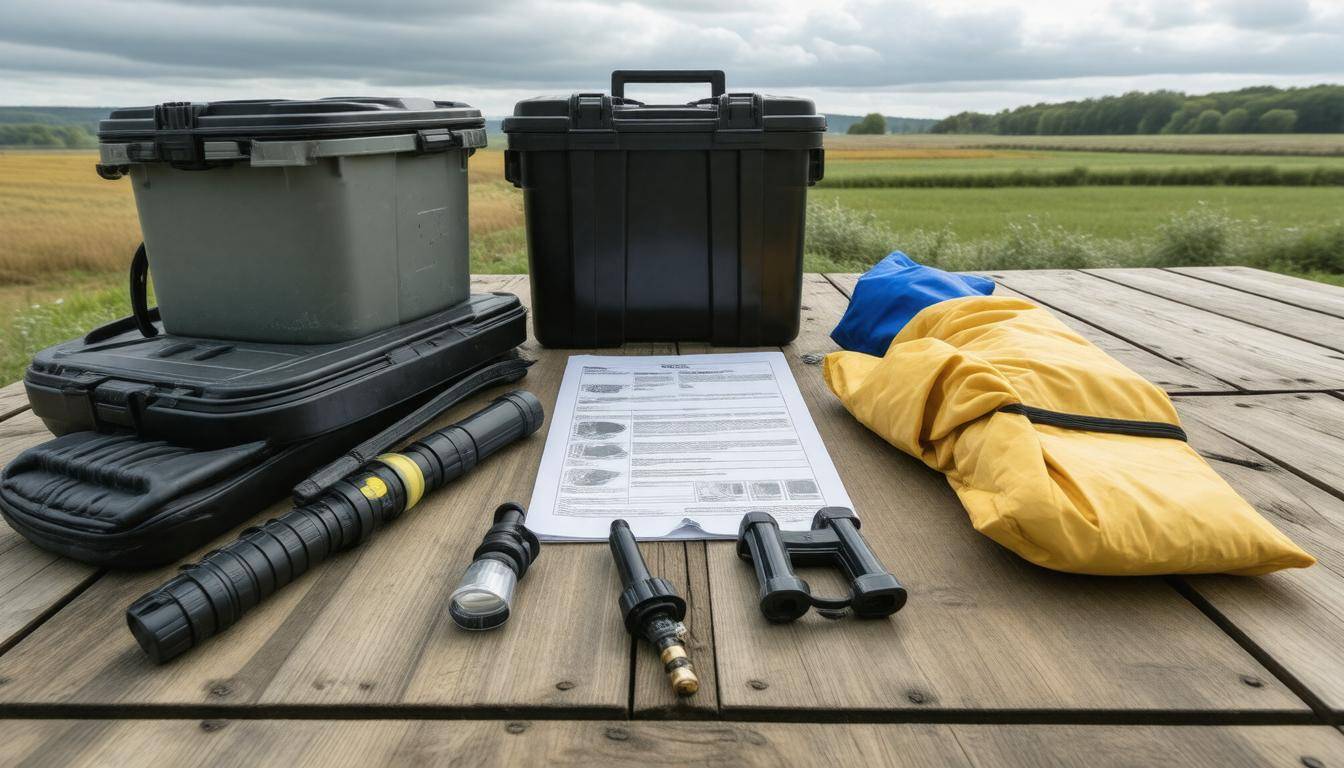
The Complete Farmland Flooding Kit
At the heart of effective flood management lies a well-planned flooding kit, which acts as your first line of defense against rising waters. This kit should include key items like sandbags, water pumps, tarps, and portable fencing, tailored to the specific needs of your farm and livestock.
Sandbags are particularly important; they allow you to create strong barriers against floodwaters, effectively protecting both your crops and animals. A sturdy water pump, such as the Wayne WSS30VN, can handle a large volume by removing up to 5,100 gallons of water per hour. For smaller farms with less immediate risk, a more economical model may suffice, but always ensure it can handle the job.
Once you’ve secured these fundamentals, it’s wise to think beyond just basic items and consider incorporating more advanced technology into your preparation efforts.
A Multi-Purpose Essential
Enhancing your kit doesn’t stop with physical barriers. Investing in a weather radio can keep you continually informed during a flooding event. These radios provide real-time updates about weather conditions so you can react swiftly; knowing when to evacuate or secure assets can make all the difference in mitigating damage.
Additionally, utilizing waterproof storage bins allows you to safeguard essential documents and small tools from getting wet. Not only do these containers protect against potential floods, but they also help you stay organized during emergencies, allowing you easy access to critical information when time is of the essence.
Another key component of your kit should include a portable generator. This investment guarantees that you maintain electricity for vital equipment such as water pumps or refrigeration units for livestock medicines—a crucial factor in preventing the loss of valuable medications during prolonged outages. Having portable power at your disposal ensures that you won’t be left in the dark—literally—when it matters most.
And don’t overlook other essentials that can further bolster your response efforts during an unexpected flooding event.
Additional Essential Supplies
To round out your flooding kit, consider including non-perishable food supplies—both for yourself and your livestock—to last at least 72 hours. Items like canned goods and dry feed are easy to store yet vital for sustenance if access to fresh supplies becomes limited.
Pack a complete first aid kit, ensuring it caters specifically to both humans and animals; adequate care could be crucial in injuries sustained during the chaos of flooding.
Finally, stocking emergency contact lists is invaluable; having numbers for local emergency services, veterinarians, and family members neatly printed will save precious time if communication systems fail. Preparing these lists ensures that assistance can reach you quickly in urgent situations when every second counts.
Assembling this comprehensive flooding kit positions you effectively against the uncertainty posed by climate change and unpredictable weather patterns. Let’s now explore various supplies that are essential in any emergency situation.
Essential Emergency Supplies
Ensuring you have the right emergency supplies can significantly mitigate risks associated with farmland flooding, preserving both human and animal health. At the core of your preparation should be a First Aid Kit. Having one tailored for farm operations is crucial, especially if you’re surrounded by livestock. It should contain bandages, antiseptics, gauze pads, tweezers, and specialized veterinary items like wound sprays, ensuring that not only humans but animals too receive immediate care when needed. Keeping this kit in an easily accessible location will save time when every second counts.
Non-perishable food is equally important. It’s wise to stock up on essentials for both people and animals. Imagine being cut off for days—having enough supplies on hand will ensure you’re not scrambling at the last moment, allowing peace of mind amidst chaos. Packaged grains, canned foods, and dry dog or cat food should be high on your list. Remember that livestock won’t be able to wait either; plan accordingly.
When it comes to medications, don’t just think about traditional medicines; consider including water purification tablets as well. In flood scenarios, clean drinking water can become contaminated quickly. These tablets can make unsafe water safe again, ensuring everyone stays hydrated without risking health problems related to unclean sources.
Additionally, investing in flashlights and batteries is another essential item. Power outages can often accompany severe weather conditions, turning nightfall into a frightening venture within darkened structures where you may need to navigate through obstacles or even evacuate. A reliable flashlight can illuminate your path during turbulent times while keeping spirits up as you work through challenges.
After getting these basics sorted out, it’s savvy to think ahead about specialized tools and resources that’ll assist you during floods while maintaining your farmland’s integrity and sustaining your livelihood.
Tools for Soil and Crop Protection
After you’ve taken steps to stabilize your soil, it’s equally important to protect your crops, ensuring they can withstand the challenges posed by flooding and other adverse weather conditions.
One essential tool is portable fencing, which not only serves as a physical barrier but also helps to redirect water flow away from vulnerable areas. When choosing fencing solutions, consider products like AquaFence—designed specifically for flood-prone regions. Though these may come at a premium, their effectiveness could be a lifesaver during peak rainfall season.
If you’re managing a smaller farm or are on a tighter budget, I recommend using more accessible materials such as hay bales or sandbags to create temporary barriers. These options can divert excess water effectively and are often readily available. Building these simple structures around leafy greens or seedlings can dramatically reduce their exposure to floodwaters.
Creating barriers this way doesn’t just protect the crops from flooding; it also limits soil erosion—which is a double benefit for farmers who want to make every effort count.
Moreover, consider crop rotation techniques as an indirect yet powerful means of crop protection. By rotating different crops each season, you promote biodiversity and help maintain nutrient balance in your soil. For instance, deeply-rooted plants like corn can break up compacted soil, while shallow-rooted plants can prevent the formation of hardpan layers. Additionally, this practice reduces pest outbreaks since it’s harder for pests that thrive on specific crops to establish themselves when they aren’t planted consecutively.
Beyond just physical infrastructure, maintaining good communication with local agricultural extension services can provide timely updates about upcoming weather disturbances. Their insights might help you prepare your tools and strategies just before crucial floods or storms hit.
Emergency Plant Varieties
In addition to these protective measures, consider investing in emergency seed varieties known for their resilience against extreme weather. Some hybrid seeds are engineered for rapid growth and resistance to excess moisture, making them ideal candidates during unpredictable seasons. Diversifying your planting strategy this way boosts short-term productivity and contributes to long-term sustainability.
Ensuring the health and safety of both your soil and crops requires continuous evaluation and readiness. The right tools and practices can protect your harvest against immediate threats and cultivate a flourishing farm for years to come. As you undertake these strategies, always keep monitoring your results—what works one season might need adjustment the next!
Engaging in continuous preparation not only ensures survival but also sets the stage for thriving amidst future uncertainties.
Planning and Preparation Strategies
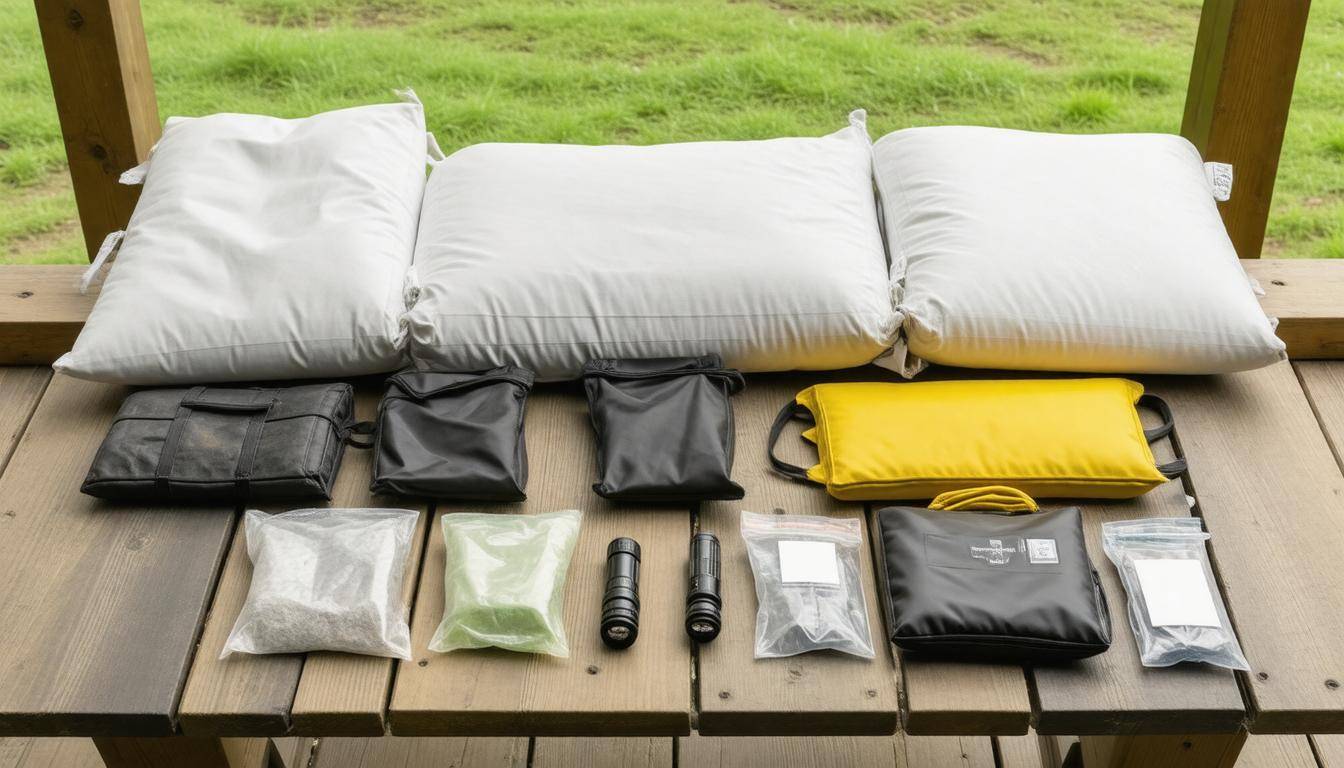
Proactive planning can significantly minimize flood damage to your farmland. This begins well before the flood season is upon us. Ideally, preparation should start in the spring when conditions are generally more stable. Having a timeline in place allows you to organize supplies effectively and ensure that nothing crucial slips through the cracks.
Timeline for Preparation
Begin preparing your flooding kit as early as possible. Think of it like setting up for a big event; the earlier you start, the less stressed you’ll feel when things start to happen. The importance of this timing cannot be overstated—consider that studies indicate farmland flooding has increased by 30% over the last decade in key U.S. agricultural regions. This data pushes us towards anticipating floods rather than merely reacting to them.
Imagine arriving at the height of flood season without your essential supplies; it’s unnerving and stressful, isn’t it? Instead, envision having your flood kit ready—a well-organized collection of sandbags, emergency contact lists, and first-aid supplies—when a storm begins to brew.
Community Coordination
Equally vital in your plans is to engage with local farmers and community leaders to develop a coordinated flood response plan. When disaster strikes, it’s invaluable to have established relationships with those around you. Establishing these connections not only makes communication easier but also facilitates quicker, more efficient actions during a flood event. Collaboration leads to sharing resources and insights that may prove beneficial.
Participating in local disaster drills held by community emergency response teams (CERT) is an excellent opportunity for practice and familiarity. Such drills simulate real-life scenarios and allow farmers to integrate their individual strategies into a larger community response plan, fostering teamwork.
Picture this: you’re swept away by the rush of rushing water outside your windows, but instead of despair, you have confidence—thanks to the plans you’ve rehearsed with your neighbors.
Additionally, consider using technology as part of your planning strategy. Many communities now utilize alert systems that communicate weather-related threats instantly through text messages or emails. By registering for these services early on, you can stay informed about potential flooding risks and respond accordingly. Keeping abreast of weather updates allows you to make swift decisions regarding your crops and farm assets.
With these proactive measures established, you can further build resilience against flooding by exploring innovative methods for managing resources essential for survival during such events.
Water and Food Storage Solutions
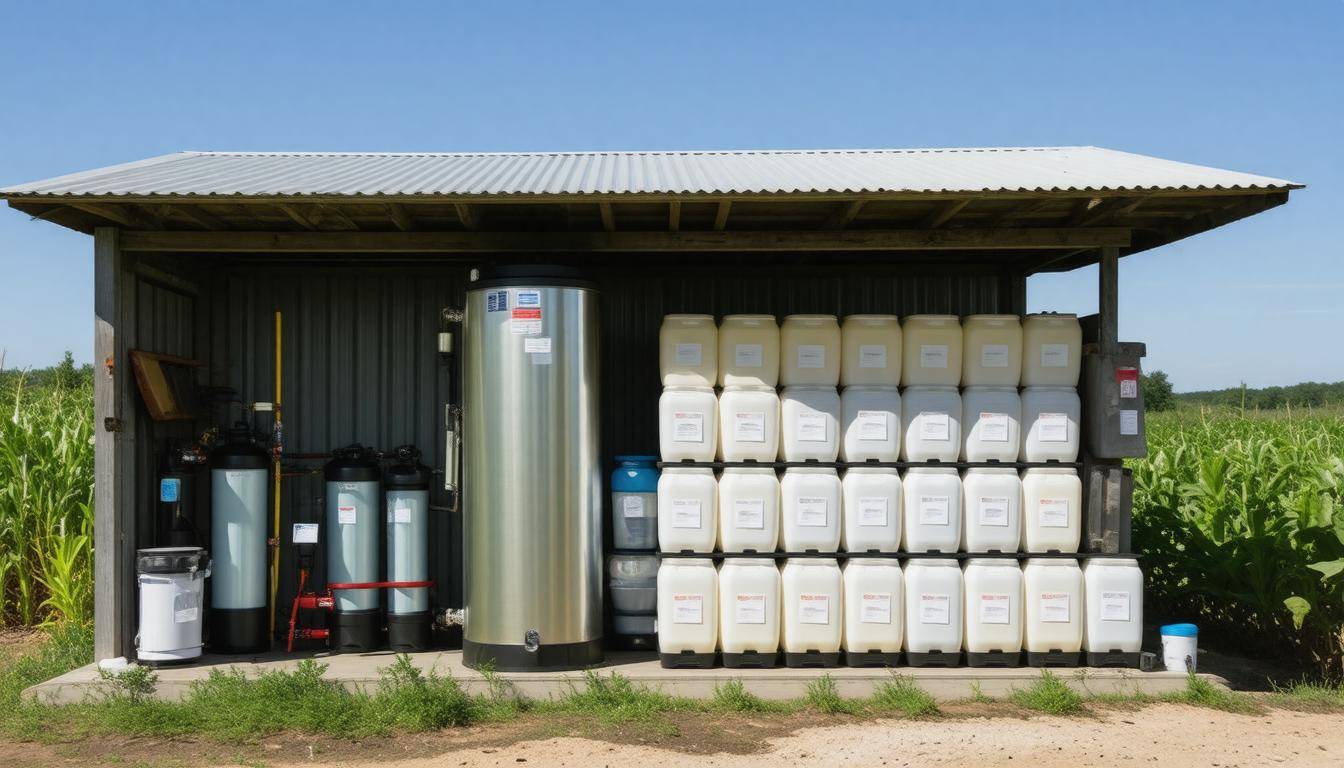
Proper storage can mean the difference between abundance and scarcity during and after a flooding event. One of the first things to consider is your water supply, which is paramount for both livestock and human consumption. It’s essential to use large-capacity water tanks that can adequately meet your needs. For example, a 1000-gallon tank, like the Norwesco Horizontal Water Tank, allows for substantial storage and ensures you’re prepared with at least a two-week supply. This capacity offers peace of mind and reduces the frequency of refilling necessities during emergency situations when access to fresh water might be compromised.
But a dependable water supply is only one piece of a larger puzzle; we must also consider how to store food effectively.
Food Storage
When it comes to food storage during potential flooding, non-perishable items become your best allies. Canned goods, dry grains, and fortified livestock feed are all excellent options. However, it’s not just what you store but how you store it that matters. Investing in waterproof containers is crucial as they protect your supplies from contamination or spoilage due to moisture intrusion.
You might want to consider vacuum-sealing your non-perishables as an extra layer of defense against dampness and pests. Imagine the panic of discovering that your grains have gone bad right when you need them most! Vacuum sealing eliminates air exposure, thus extending shelf life significantly. Furthermore, organizing these containers in a designated storage area improves accessibility when time is critical during a flooding situation.
It’s wise to rotate your supplies as well. Following the “first in, first out” principle ensures that older items are used before newer ones, preventing wastage. Each month could be an opportunity to check expiration dates and restock with fresh supplies—maintaining a regular inventory helps secure lasting food reserves.
By reinforcing both water and food storage systems, you not only ensure survival during crises but also foster resilience throughout the entire farming operation. Moving forward, we’ll explore important measures to safeguard both farm operations and livestock in challenging weather conditions.
Farm and Livestock Safety Measures
Keeping livestock safe is as crucial as protecting crops, especially when facing the threats of flooding. Floodwaters can lead not only to property loss but also put animals at direct risk if they are caught without proper shelter or containment.
A good first step involves creating elevated shelters or designated dry zones for your animals. These structures, such as barns built on stilts, keep your livestock off the ground, ensuring they stay dry and comfortable during inclement weather. Even temporary mounds of soil can provide instant refuge if you need to act quickly.
It’s important to note that animals can become stressed during severe weather, and having a safe space gives them a sense of security.
As you’re preparing these shelters, remember to consider their accessibility. Ensure they are easy to reach by vehicle or foot so you can tend to your animals quickly, especially if flooding occurs suddenly. Make sure feed and water supplies are available in these shelters; animals will need continuous access to sustenance even under adverse conditions.
Regular Fence Inspections
In addition to proper shelter, maintaining the integrity of your fences is key to keeping your livestock safe. Regular inspections of your fencing can prevent animals from wandering into flood-prone areas and possibly harm’s way. This task becomes even more critical during heavy rainfall seasons when water levels rise quickly.
I recommend setting a routine for checking fences—perhaps right before each storm—ensuring there are no gaps or points of weakness where livestock could escape. Secure all gates and barriers tightly; consider using additional fencing materials if needed during stormy conditions.
Timely inspections are crucial: Statistics show that regions seeing frequent flooding have doubled in the last five years, making vigilance an absolute necessity.
Implementing safety measures like elevated shelters and regular fence checks is essential in ensuring both the well-being of your animals and the stability of your farming operation. With these precautions set, we can focus on how to ensure safe accommodations for everyone involved.
Safe Shelter and Equipment Storage
Keeping your equipment secure and dry is not just a practical concern; it’s essential for protecting your livelihood. Water damage can lead to financial loss that could take years to recover from. To ensure safety, it’s vital to explore effective storage solutions that protect your gear and prolong its lifespan.
Elevated Storage Solutions
One of the best strategies is utilizing elevated storage solutions. Storing machinery and tools off the ground places them out of reach from rising waters during a flood. Consider using pallets or storage racks: both are economical ways to create a buffer between your equipment and potential water damage. Securing larger machines on sturdy pallets will prevent pooling water from infiltrating and causing rust or electrical issues.
Moreover, having organized and accessible elevated storage can facilitate quicker inspections and readiness during emergencies, allowing you to respond swiftly when conditions turn hazardous. Imagine needing that trusty tractor suddenly, only to find it stuck in muck due to inadequate storage; it’s a situation to avoid at all costs.
Weatherproof Storage Units
Another layer of protection involves investing in weatherproof storage units. These units come in various styles and sizes, allowing you to tailor your choices based on the specific machinery you need to protect. Durable options like the Rubbermaid Roughneck Storage Shed provide robust defense against moisture, pests, and UV damage while being portable enough to move as necessary.
When selecting a weatherproof storage solution, look for materials that are resistant to rot and corrosion—these traits extend the life of your valuable tools significantly. Additionally, many modern units offer lockable features that enhance security against theft or unwanted access.
Combining elevated storage techniques with reliable weatherproof solutions equips farmers with the necessary tools to safeguard their equipment effectively. As we transition into additional strategies for ensuring safety during flooding, it’s essential to consider proactive measures that further enhance preparedness.
Practical Flood Survival Tips
One of the primary factors in responding effectively to floods is having well-laid-out emergency evacuation plans. The best practice is to plan and rehearse evacuation routes not only for humans but also for livestock. Identifying higher ground is critical; after all, your precious animals may need to be moved quickly away from danger. Ensure that family members, farm workers, and even volunteers know the plan inside and out. Practicing these routes will lock in memory, making execution smoother during a high-stress situation.
Communication Strategies
In the chaos of a flood scenario, keeping lines of communication open is essential. Walkie-talkies serve as an excellent backup, allowing team members to stay in touch even if phone networks fail. Think of this as your farm’s lifeline; during floods, every second counts, and knowing where everyone is can help save lives and resources.
Imagine standing on your porch during rising waters with confusion around you. You can’t rely on cell service to guide your actions, but with walkie-talkies ready, you’re able to coordinate the evacuation seamlessly.
Beyond communication tools, it’s wise to have a detailed list of essential supplies handy. This proactive step not only prepares you for emergencies but also brings peace of mind.
| Essential Supplies | Cost Estimate | Usage |
|---|---|---|
| First Aid Kit | $50-100 | Treats minor injuries |
| Non-perishable Food | $150-200 | Sustains humans and animals |
| Water Pumps | $200-500+ | Moves large volumes of water |
| Portable Generator | $400-1200 | Ensures continuous electricity |
| Sandbags (100 Bags) | $30-70 | Creates flood barriers |
Each item in your kit serves a purpose that could sway a crisis into something manageable rather than catastrophic. For instance, having a generator guarantees electricity for refrigeration and lighting during power outages caused by flooding.
Having a detailed plan paired with a comprehensive supply kit can mean the crucial difference between manageable and devastating flood impacts. Prepare now so future floods do not catch you off guard. By thinking ahead and equipping yourself with knowledge and tools, you’ll enhance resilience against the unpredictable nature of flooding, securing both your farm’s operation and your family’s safety effectively.