
Water damage can turn your financial world upside down in an instant. Imagine opening a drawer to find your important documents drenched and crumpled, leaving you wondering what steps to take next. The good news is that with a few careful actions, you can recover those papers and minimize your loss. In this guide, we’ll walk through the steps you need to follow right after disaster strikes, from assessment and drying methods to professional help options. Not only will you learn how to save crucial paperwork, but you’ll also discover strategies to prevent future water nightmares. Let’s dive in and reclaim your documents together.
To recover financial documents after water damage, begin by carefully drying the documents using a fan or air-drying method and avoid direct sunlight. For severely damaged documents, consider consulting a professional document restoration service that specializes in recovering and restoring paper materials to minimize loss and preserve important information.
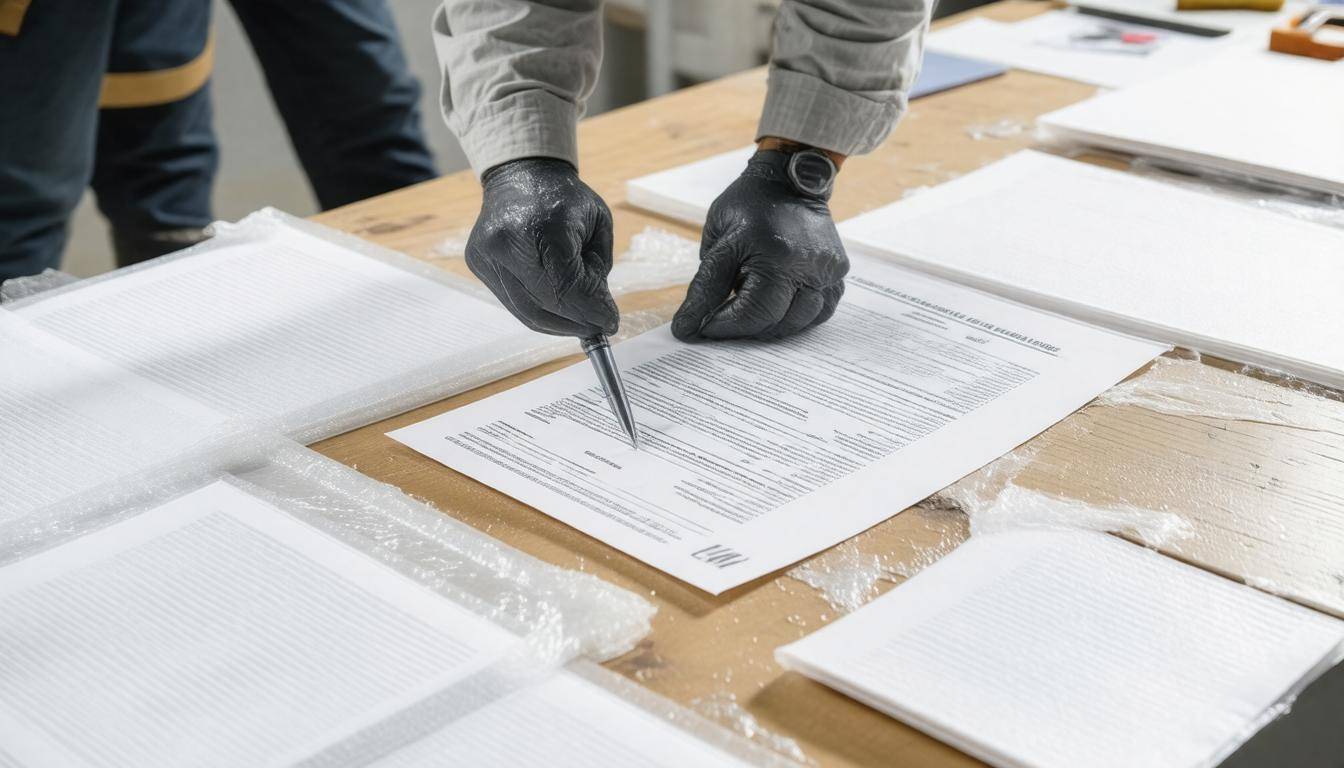
How to Recover Financial Documents After Water Damage
The first step in recovering your financial documents after water damage is assessing the situation thoroughly. Don’t rush this part; it sets the foundation for the recovery process. You’ll need to closely examine each document for different levels of water penetration. It’s a good idea to create categories to help organize your recovery efforts: minimally damaged, moderately damaged, and severely damaged. By sorting them this way, you can determine which documents might be saved relatively easily and which ones may require more aggressive methods or possibly replacement.
Understanding each document’s condition allows you to prioritize the most critical records that may need immediate attention and restoration.
After you’ve sorted your documents, it’s vital to take action to prevent any further damage from occurring.
Next, you need to stop the clock on any additional damage. This means promptly removing all wet documents from their location and transferring them to a dry area. This step is paramount because stagnant water can lead to mold growth, multiplying your problems significantly. When relocating your wet papers, place them on flat surfaces without stacking them atop one another. Allowing air to circulate around the papers is crucial—open windows if possible or use fans to facilitate airflow within the room.
Mold can begin to form within 24-48 hours, so every minute counts in this scenario.
Once you’ve ensured that no further damage can happen, focus on cleaning recoverable documents.
For lightly damaged items, gently wipe down each document with a clean, dry cloth to remove any surface dirt or debris. Be as delicate as possible. If you encounter documents that are stuck together due to moisture, refrain from forcefully pulling them apart while they’re wet. Instead, use a fine utensil like a spatula or even butter knife wrapped in a soft cloth and gently maneuver between the pages until they separate.
This careful handling will greatly increase your chances of preserving these important records with minimal loss.
With cleaning underway, it’s time to tackle the next crucial phase: drying.
Initiating the drying process demands patience and care. Lay each cleaned document out in an area with good circulation or under a fan if necessary. If you’re dealing with larger bundles of paper that still adhere slightly together, consider breaking them into smaller sections for more efficient drying. Remember not to use heat sources like hair dryers because they can cause warping or further deterioration of sensitive materials.
A slow yet steady approach ultimately saves those financial documents and preserves their integrity for future reference.
As you continue through this process, understanding subsequent steps will help ensure maximum preservation and restore functionality to your essential documents.
Essential Steps for Document Drying
The steps you choose to dry your financial documents can significantly impact their condition and longevity. Starting with air drying, it’s vital to handle each document with care. Spread them out in a single layer on clean, dry surfaces like a sturdy tabletop or a drying rack. This ensures that each paper gets enough exposure without leaning against one another, as contact can lead to further water damage or tearing.
While many suggest using fans to boost air circulation, be cautious: direct airflow can cause papers to curl or warp. Instead, position fans at an angle to create gentle movement around the documents.
Air drying is often the first step for a reason; it allows papers to gradually lose moisture while maintaining their structural integrity.
However, when air drying isn’t cutting it, it’s essential to consider more advanced methods such as freeze drying.
When immediate drying isn’t feasible or papers seem particularly fragile, freezing them can be your best bet. This technique prevents any further degradation by halting the water’s effects on the documents. Simply place the stacked documents in a freezer—not crammed together but rather laid out on a flat surface if space allows. This not only helps stabilize the papers but also fights off mold formation during the critical initial moments post-water damage.
Once you’ve stabilized your documents in the freezer, it’s time for vacuum freeze-drying. This process requires specialized equipment that removes moisture under controlled conditions, thus helping maintain both the appearance and structure of your papers. While it might sound daunting, there are professional services available that specialize in freeze-drying, so consider reaching out if you’re unsure how to tackle it yourself.
This two-step method of freezing followed by vacuum freeze-drying is effective for ensuring your financial records remain intact.
After exploring these techniques, you may find supplementary tools necessary in aiding effective drying.
Dehumidifiers are another essential component of recovering wet financial documents. By pulling excess moisture from the surrounding air, dehumidifiers create an optimal environment for drying—particularly helpful when dealing with large volumes of paperwork or in enclosed spaces like basements. You’ll want to ensure you place them strategically around the area where the damp documents are located, allowing for maximum moisture absorption.
Just remember to monitor humidity levels regularly; ideal conditions typically hover around 30-50% relative humidity.
From understanding proper drying techniques to leveraging key tools, it’s clear that each step plays a crucial role in protecting your valuable financial files.
As you navigate through these challenges, considering additional legal and insurance parameters can further safeguard your recovery efforts.
Legal and Insurance Considerations
Recovering financial documents isn’t just about drying them out—there’s an intricate web of legal and insurance implications to navigate.
First and foremost, securing legal advice is vital. If you’ve experienced water damage, it’s a good idea to consult professionals who can clarify which documents carry essential legal significance. For instance, original contracts, property deeds, and tax returns may not only be pivotal for your financial records but might also serve as irreplaceable evidence in legal matters down the line. The importance of these documents cannot be overstated; misplacing or improperly documenting them could lead to complications in several areas of life, especially if disputes arise or claims need to be filed.
After addressing the need for legal consultation, it’s also wise to consider how your insurance comes into play during these times of crisis.
Insurance Policy Review
Reviewing your homeowner’s or renter’s insurance policy becomes paramount after experiencing water damage. Take a close look for terms specifically related to water damage and assess the clauses that cover document recovery and replacement. Each policy will have its nuances: some may cover full replacement costs while others might only assist with restoration efforts. Understanding these details ensures that nothing slips through the cracks during an already stressful time. Your policy may offer a safety net that assists with recovery, so don’t overlook this important paperwork.
If you’re uncertain about the phrasing or what a specific clause entails, do not hesitate to reach out directly to your insurance provider for clarity. They can provide insights into your coverage limits and assist you with filing a claim effectively.
As you engage with your insurer, be proactive in gathering necessary proof of damage—photos, descriptions, and any relevant documentation will support your claim significantly. The more prepared you are when discussing your situation, the smoother the recovery process is likely to be.
By intertwining legal advice with insurance analysis, you create a more robust plan for navigating the aftermath of water damage to crucial financial documents. This groundwork sets the stage for understanding how to effectively approach the next steps in handling potential claims.
Filing an Insurance Claim for Water Damage

A comprehensive and timely insurance claim can significantly ease the financial burden of document recovery. The first step is to document the damage thoroughly. Begin by taking photographs and videos of all your damaged items as well as the areas that were affected by water exposure. Ensure that these images capture not just the visible destruction, but also any lingering moisture or peculiar circumstances. Keeping a detailed record supports your case during evaluations and provides concrete evidence for claims adjusters to assess.
With solid documentation in hand, you need to take immediate action by contacting your insurance company.
Reach out to them about the damage you’ve experienced right away, since most policies require prompt notifications of loss. When you call, be prepared to provide all necessary details, from the nature of the damage to when it first occurred. Complete any required forms and submit them promptly; delayed claims can lead to complications or denials later on. Understanding your policy’s specifics, such as coverage limits and deductibles, will place you in a better position when discussing your situation with the insurance representatives.
After notifying your insurance company, it’s important to ensure there’s a professional evaluation of the damages.
Request this assessment from your insurance provider, which is crucial in determining both the extent of the damage and what costs may be covered during recovery. During this process, they will usually conduct an in-house inspection that involves not just looking at physical damage but also creating a damage assessment report alongside estimating recovery costs. This typically includes visiting your property for first-hand observation, documenting findings in-depth, and calculating how much it would take to restore what was lost or damaged.
- In-house inspection: A visit from an adjuster who will assess the damage directly.
- Damage assessment report: A formal report detailing findings from the inspection.
- Cost estimation: An outline projecting expenses involved in restoring or replacing documents and materials impacted by water damage.
This detailed evaluation prepares you for moving forward with document replacement and further discussions regarding your claim, ensuring you’re ready to face the next steps in regaining control over your finances after unforeseen events.
Replacing Lost Financial Documents
Replacing financial documents is a tedious process, essential for ensuring your ongoing financial stability. When faced with water damage, the thought of recreating important financial records can be overwhelming. However, understanding the necessary steps can significantly simplify your journey back to normalcy.
Contacting Issuing Authorities
Begin by reaching out to banks, government offices, and other institutions that hold your records. Request reissuance of vital documents such as bank statements and tax records. It’s crucial to have some form of identification ready, along with any salvageable information from damaged records that can aid your case. For instance, if you retained account numbers or wallet-sized slips, these pieces of information can expedite the process considerably.
When contacting these authorities, it’s beneficial to be clear and concise about what you need. A straightforward script can help streamline your interaction; stating something like, “Hello, I recently experienced water damage and require replacements for my bank statements and tax records. Could you guide me on how to proceed?” This direct communication will save time and ensure that no critical details are overlooked.
Online Requests
In our digital age, many institutions offer online forms specifically designed for document replacement requests. Utilize these tools to speed up the replacement process—even from the comfort of your couch! For example, the IRS provides an online option for lost or destroyed tax records, often leading to faster results than traditional paper requests.
The convenience doesn’t stop there; many banks allow you to reset and access your statements through their mobile apps—the key is knowing where to look. Familiarize yourself with these platforms during less stressful times so that you can navigate them smoothly when necessary. Populate each online request form with accuracy and double-check before submitting it to avoid unnecessary delays caused by mistakes.
Having reached out directly and utilized online services, you’re well on your way to gathering replacements for your vital documents; however, remember that patience is key in this recovery process. As you navigate this scenario, consider how proactive measures can safeguard against future issues related to document preservation.
Preventing Future Document Damage
Once your financial documents have been restored or replaced, safeguarding them against future disasters becomes a crucial priority. To effectively protect these valuable records, it’s essential to set up a multi-layered approach that combines digital technology with careful physical storage methods. Preparing for the unexpected can make a huge difference in the long run.
Regular Backups
One of the most effective ways to fortify your documents is through regular backups. Imagine having your important files saved in two places at once: on your computer and in the cloud. Utilize applications like Adobe Scan or CamScanner to easily digitize paper records, ensuring you have access to them in multiple formats. This way, even if disaster strikes again, you won’t find yourself scrambling to recover lost information. With options like Google Drive or Dropbox, you can effortlessly store and retrieve your scans whenever you need them.
Backups serve as your safety net; the more copies you have, the less likely you’ll be affected by damage.
Alongside digital backups, it’s essential to consider how physical documents are stored and maintained.
Routine Inspection
Another critical element in preserving your financial documentation is routine inspection of your storage environment. Just like you would check the smoke detectors in your home, periodically assessing where and how you’re keeping these documents can help identify potential risks before they escalate into major issues. Look for signs of water leaks, excessive humidity, or pest infestations—each of these factors can wreak havoc on paper materials.
To ensure optimal conditions for document storage, consider investing in airtight plastic bins or archival-quality boxes that are both sturdy and moisture-resistant. The key here is not waiting until something goes wrong but staying vigilant so that minor problems can be addressed early on. By routinely inspecting these storage areas—say every few months—you’ll build peace of mind and keep any potential threats at bay.
Together, maintaining regular backups and conducting routine inspections will create a strong defense against future document damage while ensuring that your records remain secure for the long haul. As we transition into our next topic, it’s vital to explore innovative methods to further protect these invaluable papers from unforeseen circumstances.
Waterproof Storage Solutions
Investing in waterproof storage options is an essential step towards safeguarding your important documents from potential water damage. Just imagine the peace of mind you’ll have knowing that critical papers—such as insurance policies, legal documents, and family photographs—are individually protected, even during unforeseen emergencies. This focus is not just a matter of convenience; it ensures the longevity and integrity of items that hold significant personal or financial value.
Choosing the Right Container
A reliable starting point is to invest in certified waterproof and fireproof safes. Seek out reputable brands such as SentrySafe and First Alert, which provide well-designed safes specifically built to withstand both water and fire damage. These storage containers offer double protection, ensuring that your documents remain intact during potential disasters. Proof of certifications can typically be found on product packaging or their websites, making it easy to verify their efficacy before purchase. The reassurance that comes with owning one of these safes is invaluable; they serve as a fortress for your most important paperwork.
In addition to safes, consider using additional resources that complement your document protection strategy.
Plastic Document Cases
Another effective method for protecting bulk documents is to purchase sturdy waterproof plastic bins with secure lids. These bins can hold a significant amount of paperwork while keeping moisture at bay. When selecting bins, ensure they are made from robust material designed to endure various environmental conditions. Look for features such as reinforced corners and locking mechanisms for added security.
Label each bin clearly for easy identification—it saves time when you need to retrieve specific documents in a hurry. Imagine needing your home insurance policy after a storm! You don’t want to waste precious moments sifting through unmarked, cluttered boxes.
One essential tip: Avoid storing these bins in basements or areas prone to flooding. Instead, seek higher locations, like attics or built-in cabinets on upper levels of your home, to further reduce the risk of water contact.
By employing a combination of high-quality waterproof safes and durable plastic storage solutions, you create multiple layers of defense against potential water damage. Taking these proactive steps can save you not only money but also the emotional distress of losing irreplaceable documents. Your memories and important information deserve this level of commitment and care.
With solid strategies set in place for safeguarding your valuable documents, it’s critical to understand the best practices for reviving them should disaster strike.
Expert Tips for Document Recovery
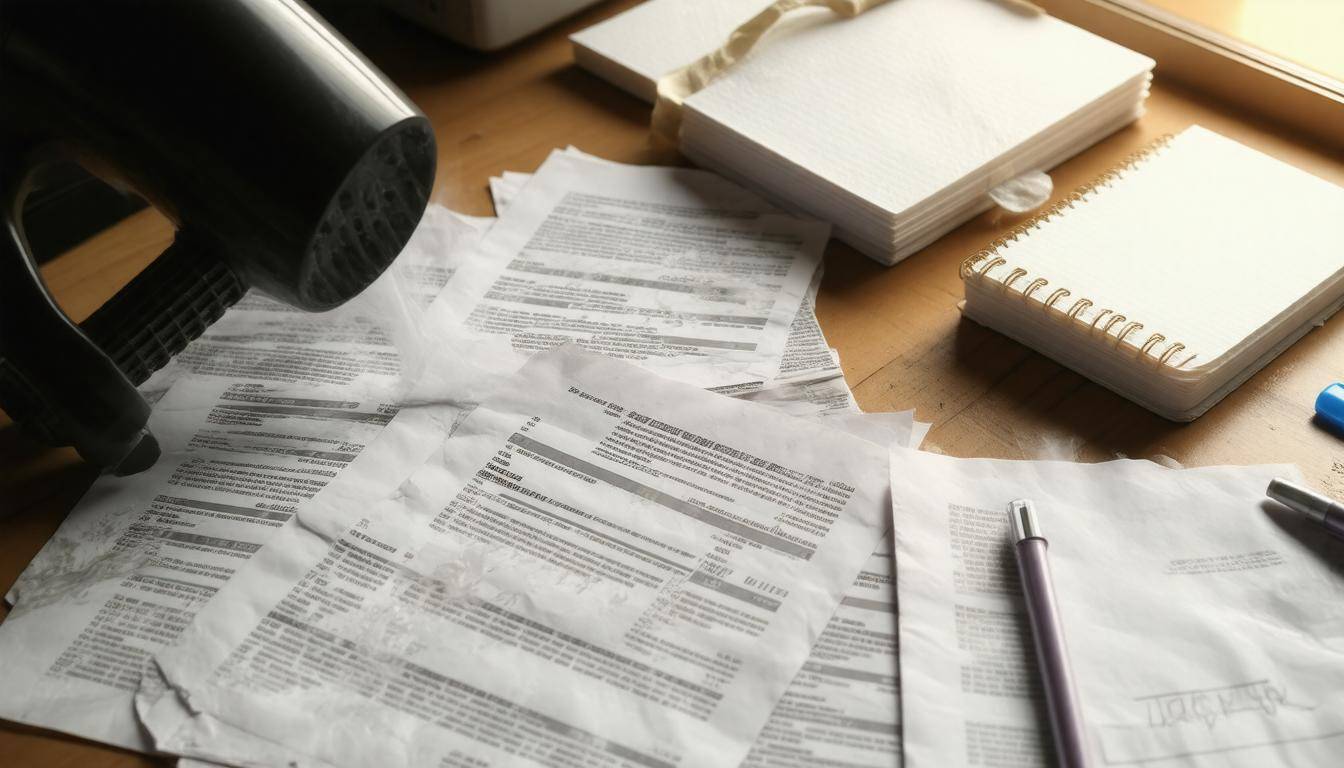
When water has damaged your critical financial documents, acting swiftly is essential. Expert advice highlights that the sooner you start recovery efforts, the better your chances of success. Whether they are stained, crumpled, or slightly warped, each document could have its own unique path back to usability. It’s not just about drying them out; it’s about preserving their integrity.
Consultation with Conservation Experts
One of the first steps you should consider is reaching out to professional conservators who specialize in paper and document recovery. These experts possess the skills and techniques necessary to salvage waterlogged items effectively. Organizations like the American Institute for Conservation provide valuable resources, including a comprehensive list of certified conservators who can analyze the extent of damage and recommend specific recovery strategies tailored to your documents’ needs.
Don’t underestimate the value of professional assistance; some damages require expert intervention to avoid further deterioration.
Community Resources
Often overlooked, many local libraries and archives offer resources or consultations specifically for document recovery situations. These institutions host workshops or seminars on preservation techniques and sometimes provide hands-on assistance with damaged materials. It’s awe-inspiring to realize how these community-centric services can empower individuals and businesses by providing guidance in times of need.
The amazing part is that these services generally come at little or no cost, making them incredibly accessible. Local universities may have conservation programs where students work under supervision; they might be eager to assist in real-world scenarios as part of their training. This not only gives you valuable help but also fosters goodwill within your community. Engaging with these resources can add considerable value to your recovery process by ensuring you follow best practices during restoration efforts.
Finally, if you choose to go the DIY route, remember that different materials will react differently when wet or dampened. While activities like blotting up excess moisture using cotton cloths can often help, think carefully about the methods employed on specific documents—delicate papers might fare better with more gentle approaches like air drying rather than direct heat sources such as blow dryers. Each step is crucial in a long road back to restoring precious records lost to water damage.
In summary, whether seeking professional help or utilizing community resources, it’s vital to handle your financial documents with care during recovery efforts. Every detail counts in maintaining their integrity and value after water damage.
Are there professional services available for recovering water-damaged financial documents?
Yes, there are professional services available specifically for recovering water-damaged financial documents. Companies specializing in document recovery utilize advanced techniques such as freeze drying and vacuum thermal drying to salvage important papers. In fact, a survey indicated that over 70% of businesses experiencing water damage turn to professional recovery services to minimize loss and ensure preservation of critical documents.
What are the typical costs associated with financial document recovery after water damage?
The costs associated with financial document recovery after water damage can range from a few hundred to several thousand dollars, depending on the extent of the damage and the complexity of the restoration process. For instance, basic drying and cleaning services may start at around $500, while specialized document recovery involving sophisticated techniques such as freeze-drying can exceed $5,000, particularly for larger volumes of affected documents. According to industry statistics, insurance may cover up to 70% of such recovery costs if properly documented, emphasizing the importance of maintaining detailed records in case of water damage incidents.
How can I prevent water damage to important financial documents in the future?
To prevent water damage to important financial documents in the future, store them in a waterproof safe or use plastic document protectors and keep them elevated off the floor, ideally on shelves. According to the Federal Emergency Management Agency (FEMA), about 40% of small businesses never reopen following a disaster, highlighting the importance of safeguarding your essential documents. Regularly reviewing your insurance policy for coverage against water damage is also crucial, as it can mitigate losses in case of an unforeseen event.
What steps should be taken immediately after financial documents are damaged by water?
Immediately after financial documents are damaged by water, the first steps should include removing the documents from the wet area to prevent further damage, gently separating them to allow for airflow, and placing them in a cool, dry location. If possible, freeze the documents to halt deterioration until professional restoration can be arranged. It’s crucial to act swiftly as research indicates that the longer documents remain wet, the higher the risk of irreversible damage—often seen within 48 hours. Proper recovery techniques can save up to 80% of water-damaged documents if addressed promptly.
How can I assess whether my financial documents are salvageable or need to be replaced?
To assess whether your financial documents are salvageable, first examine them for signs of physical damage such as tears, discoloration, or significant moisture. If they are merely damp but otherwise intact, drying them carefully in a cool, dry area may help preserve them. However, if pages are severely disintegrating or mold is present, it’s safer to replace them to avoid potential health risks. According to the Institute of Inspection Cleaning and Restoration Certification (IICRC), around 30% of water-damaged materials can be successfully restored if addressed promptly; hence timely assessment is crucial.