
Disasters can hit when we least expect them, leaving us unsure about how to navigate through the chaos. Whether it’s a hurricane, wildfire, or even a pandemic, the financial aftermath can feel like a dark cloud hanging overhead. But with the right mindset and practical strategies, you can slowly start to untangle the mess and rebuild your life. This article offers steps to help you identify what matters most financially after a disaster, from focusing on immediate needs to long-term recovery planning. Together, we’ll explore how to create stability amidst uncertainty and turn setbacks into opportunities for resilience.
Financial prioritization after disasters involves strategic planning and resource allocation to ensure efficient recovery efforts while maintaining fiscal responsibility. This process is crucial as it helps identify critical areas for investment, allows for the effective distribution of resources, and improves overall disaster recovery outcomes.

Identifying Financial Priorities Post-Disaster
In the wake of a disaster, it can feel overwhelming as you navigate the recovery process, but starting by identifying your financial priorities is crucial. A clear and targeted approach often leads to a more structured recovery. Begin by focusing on assessing both the immediate financial needs and the extent of the damage incurred. This helps shape your longer-term financial strategies.
Assessing Immediate Needs
Start by assessing what essential services and expenses require immediate attention. According to experts, it’s key to develop a prioritized list so that you address the most critical needs first. Consider factors pertaining not just to daily survival but also to maintaining stability during chaos. The breakdown might look like this:
-
Housing repairs can range from minor fixes to full rebuilds; securing shelter should be the top priority.
-
Next, consider food; access to daily necessities is vital, and stockpiling canned goods can be a lifesaver.
-
Moving on to medical expenses, don’t overlook any necessary treatments or prescriptions—your health is invaluable, particularly when navigating stressors after a disaster.
-
Lastly, transportation is essential; whether it’s repairing damaged vehicles or arranging alternative means of getting around while things are sorted.
When these immediate needs have been identified and tackled, it’s time to evaluate the extent of damage incurred and make informed decisions for long-term recovery.
Evaluating Damage Extent
Conducting a rapid assessment of damage allows for a clearer picture of the financial impact you’ll face moving forward. This includes engaging in conversations with contractors for estimates on property repairs, understanding replacement costs for personal belongings lost or damaged, and even considering business-related losses if applicable. Gather all relevant information systematically; photographs may serve as useful documentation for insurance purposes or future reference.
Keep in mind that federal assistance programs could provide valuable aid during your recovery, so familiarize yourself with these options early on.
When you combine your knowledge of immediate needs with an understanding of your overall situation, you can create an emergency budget that appropriately addresses all aspects. This strategic approach ensures you’re making decisions based on sound financial practices rather than impulse reactions driven by stress.
With a clearer grasp of your financial priorities established, let’s now explore how to develop a solid framework to manage expenses effectively in challenging times.
Establishing an Emergency Budget
Creating an effective emergency budget starts with understanding your current financial situation. This involves calculating your available assets, which include not just any savings you may have, but also checking accounts, cash reserves, and any immediate financial aid received post-disaster. By assessing these resources, you establish a clear picture of what you can realistically spend as you embark on your recovery journey. This baseline is crucial; it informs every subsequent financial decision, ensuring you don’t overspend in moments of crisis.
With a strong grasp on your financial foundation, it’s essential to prioritize where those funds go next.
The next step is prioritizing your expenditures by focusing on essentials—a strategy akin to securing the lifeboats before addressing other needs on a sinking ship. First and foremost, allocate money for food and shelter; these are non-negotiable aspects of survival. Then, think about critical repairs that cannot wait, such as fixing a leaky roof or restoring heat to your home. Less urgent payments—like those for subscriptions or luxury purchases—can be deferred temporarily. It’s important to think like a survivalist during this period; the choices you make regarding expenditures will directly affect how quickly you’re able to recover.
As the priority list takes shape, consider reducing unnecessary costs. This often means reassessing lifestyle choices and cutting down on non-essential spending. Think about entertainment expenses or luxury items that can be put on hold until your financial situation stabilizes. Every dollar saved can significantly impact your budget and enhance your recovery efforts. For example, if you cut out dining out once a week, those savings could contribute to other pressing needs like purchasing groceries for your family or investing in repairs.
While these steps lay the groundwork for fiscal responsibility during challenging times, understanding how external support systems can further assist you is equally vital as we continue on the path to rebuilding financial stability.
Leveraging Government Aid and Insurance
Seeking government aid is an essential step in the recovery process after any disaster. The programs set up by federal and state authorities can provide vital financial assistance for households facing hardships due to unforeseen events. One notable resource is the Individual Assistance Grant Program (IIAGP), which offers assistance to households earning at or below 200% of the federal poverty level. Through disaster proclamations made by governors, affected individuals can access grants up to $7,000 for disasters declared after July 1, 2024, helping meet pivotal needs such as temporary housing and essential repairs.
In 2023 alone, FEMA distributed over $12 billion in assistance following natural disasters, indicating the substantial support available through these programs. This translates to thousands of families receiving much-needed relief, showing that it’s worth pursuing these options if you find yourself affected by a disaster.
Applying for Aid
When it comes time to apply for aid, promptness is critical. The application window for governmental programs is often limited. Following a disaster proclamation, individuals typically have 45 days to submit their applications for aid. Being prepared with required documentation—such as proof of income, identification, and details on damages—streamlines this process significantly. Gathering these documents early on will save you stress later.
Once you apply for government aid, shift your focus toward filing insurance claims as soon as possible. Be systematic: document all damage meticulously with photographs and detailed receipts. Capture images from multiple angles and ensure that items needing replacement or repair are clearly visible. Don’t let significant damage go unreported; be thorough in your documentation efforts.
Navigating Insurance Claims
After ensuring all evidence is collected, communicate swiftly with your insurance provider. Don’t hesitate to follow up regularly to expedite the claims process. They may ask for additional information or clarifications—being prompt in your responses can help speed things along. Remember that insurance claims can sometimes take longer than expected; patience paired with persistence is key.
While navigating the complexities of government aid and insurance claims may feel overwhelming, keep in mind that additional community resources are available to offer assistance during this challenging time.
Community Support and Non-Profit Assistance
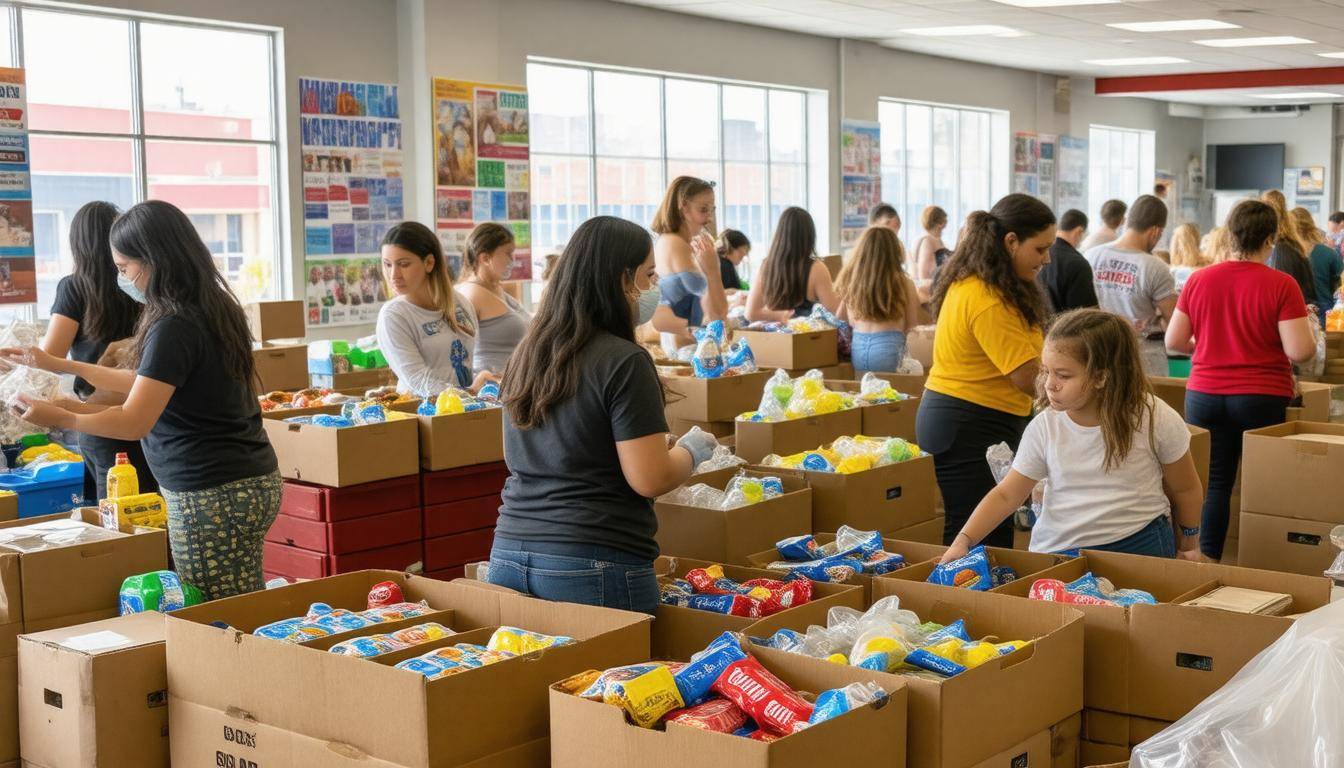
The role of community organizations and non-profits can be invaluable during recovery. When disaster strikes, it often takes a collective effort to provide the necessary support that individuals need to get back on their feet. Local initiatives can create a sense of unity and purpose, driving home the idea that no one is alone in their struggle. Every donation counts, whether monetary or in the form of volunteering time and effort, creating a more robust safety net for those impacted.
Local Community Initiatives
Many communities organize fundraisers and local aid efforts, which can have profound impacts on rebuilding lives. For instance, after devastating wildfires in California, local residents came together to create food drives and supply distributions that directly benefited their neighbors. These grassroots movements symbolize the strength of community bonds; they arise from shared experiences and collective empathy.
Organizing events like bake sales or community dinners can raise funds while fostering connections among residents. It’s important to remember that helping each other doesn’t require vast resources—sometimes, a small act of kindness can mean everything to someone who’s lost so much.
As local communities rally together for immediate support, it’s essential to recognize established organizations that are prepared to assist on a larger scale.
Non-Profit Organizations
Seeking assistance from established non-profits like the Red Cross or Habitat for Humanity can significantly enhance recovery efforts. These organizations typically have well-established protocols and resources at the ready, enabling them to mobilize quickly and effectively when a crisis occurs. They provide not just funds but also expertise in navigating the aftermath of disasters—whether it’s distributing supplies or constructing temporary shelters for displaced families.
These non-profits often rely on an army of dedicated volunteers who understand what’s needed on the ground.
If you’re looking to help, consider supporting these organizations by volunteering your time or donating items that might be needed during recovery efforts. Each act contributes toward rebuilding those broken bridges in communities now struggling to regain their footing after disaster strikes.
With immediate and short-term needs addressed through community spirit and non-profit involvement, focusing on strategies for sustainable rebuilding ensures long-term resilience against future challenges.
Planning for Long-Term Recovery

Long-term recovery is less about bouncing back and more about moving forward with intention. It’s about using the lessons learned from past disasters to forge a path that not only rebuilds but also enhances community resilience and infrastructural integrity. When communities face the aftermath of a disaster, it’s an opportunity to strategize and ensure that what is rebuilt is stronger and better equipped to handle future challenges.
Comprehensive Assessment
A fundamental step in this process is conducting a comprehensive assessment. This isn’t just a checklist—it’s an in-depth analysis of long-term needs that includes infrastructure, economic stability, and community well-being.
Think of it like taking your car to a mechanic after an accident: you want to know precisely what needs to be fixed to ensure both performance and safety.
To do this effectively, gather data on current conditions through surveys, local input, and expert evaluations. Highlight areas where homes or public spaces suffered the most damage and identify how those effects extended beyond physical structures. The goal is to understand not just the material losses but also the emotional and social impacts on community members themselves.
Strategic Investments
Once you’ve laid the groundwork with a thorough assessment, the next step involves strategic investments. During the rebuilding phase, there’s a unique chance to leverage this period for transformation. Investing in resilient infrastructure is vital: think about materials and methods that offer better protection against future disasters.
This means using advanced engineering techniques or eco-friendly materials that withstand harsh conditions better than their predecessors. For example, instead of simply replacing a damaged road with the same materials as before, consider incorporating features like permeable pavement that can manage water runoff more effectively during storms.
By making wise investments during the rebuilding process, communities can pave the way for greater financial stability and resilience.
Community Engagement
However, recovery doesn’t happen in isolation; active community engagement throughout this process is critical. When people feel heard and involved in rebuilding efforts, their investment in those efforts increases drastically. This can range from public meetings where residents voice their priorities to volunteer days when people come together to clean up or restore damaged areas.
Creating a sense of ownership among community members fosters unity and ensures that recovery efforts align with actual needs and aspirations rather than top-down mandates that might miss the mark.
By emphasizing assessments, investments, and community involvement, these efforts not only facilitate recovery but also set the stage for informed choices that will optimize resources during reconstruction.
Wise Investments During Rebuilding
Strategic investments are key to a resilient rebuild, acting as a safety net that protects against future catastrophes. One of the most practical steps you can take involves focusing on residential upgrades. For instance, installing surge protectors isn’t just about guarding electronics—it’s a proactive measure that can save you from significant financial losses down the line.
Similarly, opting for insurance-rated roofing and flood-resistant materials helps ensure your home is more capable of weathering storms or floods. Not only does this type of preparation reduce the risk of structural damage, but it can also lead to lower insurance premiums as insurers see you taking prudent measures.
Transitioning from home improvements to broader considerations reveals another layer of resilience necessary for financial stability after a disaster: business continuity.
For business owners, investing in robust business continuity plans is not merely a good idea; it’s essential. After all, when disaster strikes, you need to be able to resume operations swiftly and efficiently. High-quality disaster recovery solutions mean having secure data backups and functional hardware ready to go at a moment’s notice, minimizing downtime and loss of income. This investment isn’t only about restoration; it’s about embracing long-term viability in an unpredictable environment.
Emphasizing preparedness goes beyond individual homes and businesses; it encompasses communities as well.
Community upgrades are invaluable assets during the rebuilding phase. Synchronized emergency response plans and evacuation routes can significantly improve outcomes during a crisis. By engaging residents in these efforts through community workshops or information sessions, you foster a culture of preparedness. Such initiatives serve dual purposes—they educate and empower individuals while strengthening the community bond that can make all the difference when facing adversities.
Additional Considerations for Wise Investments During Rebuilding
Here are some additional considerations for wise investments during rebuilding:
-
Emergency Funds: Allocating 3–6 months’ worth of expenses can cushion the blow against unexpected costs.
-
Sustainable Practices: Implement energy-efficient systems which not only save on utility costs but also prove advantageous over time.
-
Insurance Coverage: Seek comprehensive policies to safeguard against significant financial loss; understanding the specifics can prevent future headaches.
In each case, whether upgrading personal residences, enhancing business infrastructure, or bolstering community resilience, taking the time to invest wisely can create powerful long-term benefits that transcend immediate recovery needs. The focus now shifts toward ensuring we prepare thoroughly so that when future challenges arise, we stand ready to face them head-on.
Preparing for Future Emergencies
Preparation isn’t just about having a first aid kit or knowing an escape route; it involves a multifaceted approach to fostering resilience in the face of disasters.
For example, consider how the 2020 Australian bushfires taught us valuable lessons. Communities with organizations in place, such as pre-established firebreaks and effective evacuation plans, faced significantly less destruction compared to those without any plans. Their readiness allowed them to respond swiftly and efficiently, showcasing how preparation can directly affect outcomes during crises.
Disaster Preparedness Plans
Crafting comprehensive disaster preparedness plans is crucial for every household and business. This process begins with assessing risks unique to your area. For instance, if you live near wildfire-prone regions, incorporating fire prevention measures becomes essential.
This could involve creating defensible space around your property by clearing out flammable materials and ensuring your landscaping consists of fire-resistant plants. In addition, you should develop evacuation routes tailored to potential threats while considering alternative pathways in cases of road closures.
Familiarizing family members or employees with these routes through regular drills enhances preparedness.
Emergency Kits
- An emergency kit should include essentials like water, food supplies, a flashlight with fresh batteries, portable phone chargers, and first aid items.
- Don’t forget important documents: keep copies of identification cards, insurance papers, and medical records in a waterproof container.
- If you have pets, create an emergency plan for them: include pet food, medications, leashes, and travel crates so that they are safe during evacuations.
Investing time in assembling an emergency kit and enhancing preparedness plans saves lives and mitigates the chaos of unexpected situations.
As preparation continues, creating financial security forms the bedrock of long-term resilience. It’s essential to establish an emergency fund dedicated specifically for recovery efforts or invest in insurance policies tailored to your area’s risks.
Creating Financial Security and Resilience
Building financial security is like laying the foundation for your home. It’s something you do proactively to shield yourself from unexpected disruptions. A carefully crafted approach to savings, insurance, and planning can make a world of difference when disaster strikes.
Diversified Savings
One essential component is maintaining a diversified savings strategy. This involves creating an emergency fund that’s separate from your everyday savings—think of it as your financial safety net. Financial experts generally recommend having at least six months’ worth of living expenses in this fund.
This means not just saving up a lump sum but also being intentional about how you allocate your finances. Consider setting aside small amounts regularly until you reach your goal. Automating these transfers, even if they’re as little as $25 per pay period, can create momentum without requiring constant focus on the task.
Alongside wise savings, it’s crucial not to overlook another key ingredient in financial resilience: adequate insurance coverage.
Insurance Review
Regularly reviewing and updating insurance policies is vital to ensure that they correctly cover potential risks you may face. This isn’t just about ensuring you have homeowner’s or renter’s insurance; it’s also everything from health insurance to auto coverage.
For instance, double-check whether your policies cover replacement costs that might arise from natural disasters or loss of personal property due to theft. Understanding the fine print of service level agreements (SLAs) with your insurers can also be immensely beneficial. An annual review can save you money by identifying outdated coverage or helping you discover better rates elsewhere.
Together, these steps foster an ecosystem of preparedness, contributing significantly to your financial stability in the face of adversity.
Implementing these strategies often requires a multifaceted approach but can greatly offset the financial impacts of disasters. Many people find that as they create this safety net, their overall anxiety reduces, making them feel more secure and confident about their future as well.
Smart financial planning isn’t just a preventive measure; it’s an invitation to live freely without the shadow of uncertainty looming over you.
By establishing these key practices in your life, you’re not only ensuring you’re ready for what lies ahead but also reinforcing a resilient mindset capable of adapting to challenges head-on.
Creating a robust financial foundation today positions you to weather tomorrow’s storms with confidence and ease.