
Experiencing a fire in your home can feel like being thrown into chaos, leaving you overwhelmed and unsure where to start. The aftermath can be daunting— soot-soaked walls, damaged belongings, and safety concerns looming over your head. But remember, tackling fire damage doesn’t have to be an uphill battle! Armed with the right information and a step-by-step approach, you can regain control and restore your space effectively. In this guide, we’ll walk you through everything from assessing the extent of the damage to employing safe cleaning practices. Together, we’ll ensure that your recovery journey is as smooth and secure as possible!
The “Fire Damage Cleaning: Complete Guide” encompasses all essential steps in the restoration process, including assessment of damage, debris removal, water extraction, soot cleanup, and reconstruction. It also highlights important safety considerations, timing for restoration efforts, and the benefits of hiring professional services to ensure a thorough and safe recovery.
Assessing Fire Damage
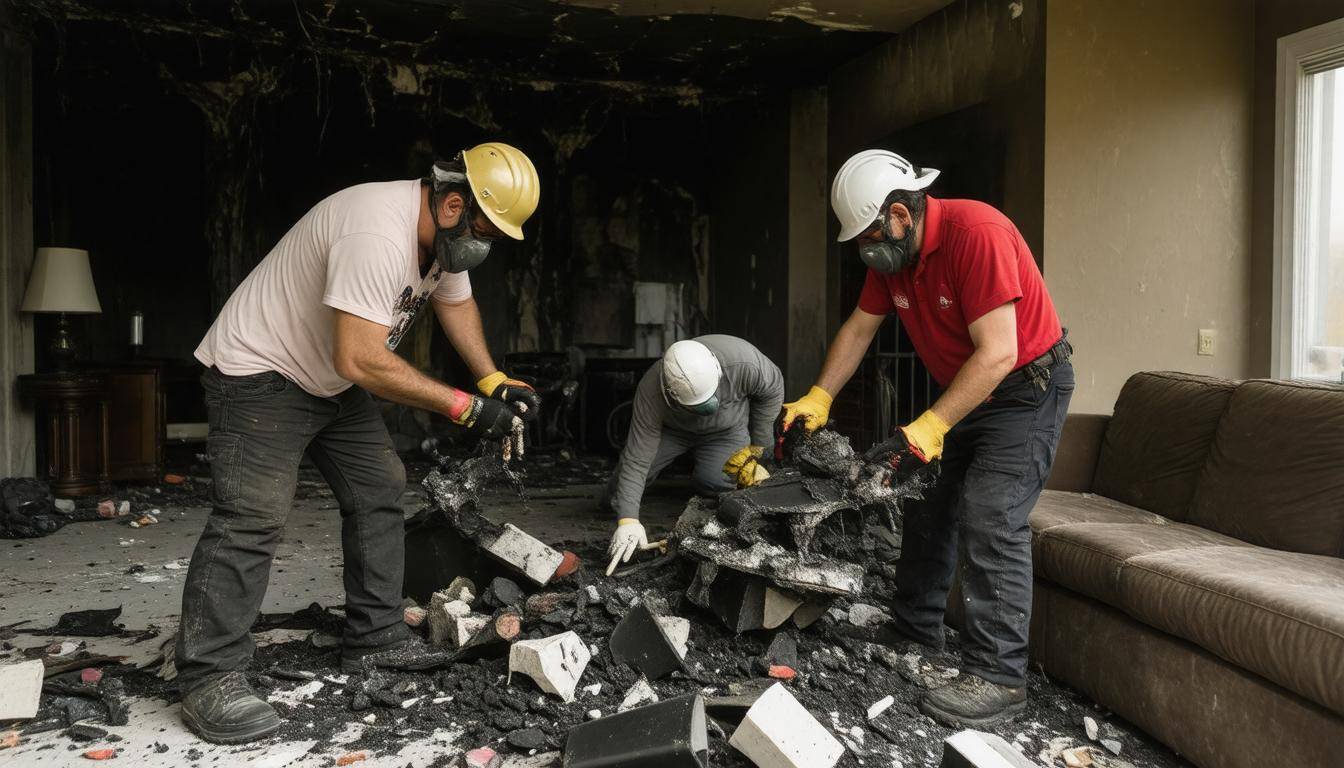
The first step after a fire is to assess the extent of the damage accurately. This crucial phase begins by conducting an initial walk-through of the property. As you move through each room, your eyes will be drawn to charred materials and weakened structural elements. You’ll likely discover areas affected not only by the flames but also by the water used during firefighting efforts. This dual impact can lead to unforeseen challenges as you begin restoring your space.
Initial Walk-Through
During this walk-through, take a slow and careful approach. It’s important to remain vigilant for signs of structural instability, such as sagging ceilings or compromised walls. These indicators might suggest that further risks are lurking beneath the surface.
Don’t underestimate the importance of documentation during this stage; capturing everything with photos and notes is essential for your insurance claims later on. However, remember: avoid touching any items until they have been cleared for safety. This ensures you do not disturb evidence that could be vital for both restoration and claim processes.
In the heat of the moment, it’s easy to overlook details while evaluating damage; however, remaining thorough can save significant time and cost down the line.
After this initial assessment, it often requires professional expertise to conduct a comprehensive evaluation of the damage. While your walk-through provides valuable insights, hiring a certified fire damage restoration expert will help guarantee a thorough exploration of hidden damages that you may not be equipped to detect.
Professional Assessment
A restoration professional can utilize specialized tools and techniques tailored for fire-related assessments. Their trained eye can identify issues lurking behind walls or under flooring that might elude an untrained observer. For example, they may discover smoke residue trapped in ventilation systems or moisture buildup hidden within structural elements, which are potential health hazards if left unaddressed.
These professionals will assess not only the visible damages but also the structural integrity of your home, recommending necessary repairs and establishing accurate cost estimates for restoration. This level of detail is critical because even minor undetected damage can lead to larger issues over time. By collaborating with these experts early on, you’re ensuring that all aspects of restoration are strategically planned and executed with efficiency.
Prioritize safety above all else during this assessment phase—delaying action could result in additional damages and complications, such as mold growth or further weakening of the structure. Addressing fire damage promptly not only restores your home—it safeguards your loved ones and investment.
With a good understanding of how to assess fire damage effectively, it’s essential now to consider the vital precautions necessary to ensure safety in these situations.
Essential Safety Precautions
Safety must be paramount when dealing with fire damage. Taking necessary precautions can prevent further accidents and mitigate potential health risks. One of the most pressing concerns is maintaining awareness of the structure’s integrity. You should always wait for clearance from fire departments before re-entering the damaged site. Structural elements might be compromised, leaving you vulnerable to unexpected collapses, falling debris, or hazardous materials left in the aftermath.
Always err on the side of caution—waiting for professionals ensures that you’re not risking your safety or the safety of others as you navigate through what might resemble a war zone more than a home.
As you prepare to move forward into the restoration phase, refrain from turning on gas, electricity, or water until professionals have inspected these systems. Not only does this ensure that dangerous situations are avoided, but it also prevents further complications that could arise from improperly functioning utilities. For instance, faulty electrical wiring ignited by water damage could instigate another fire, making an already grim situation even worse.
Avoiding Structural Hazards
Personal safety isn’t solely about waiting for the green light from authorities. When entering a damaged area, ensuring your physical protection is just as essential. You’ll want to don long sleeves and pants alongside closed-toe shoes to shield your skin from sharp objects, latent heat, or falling items. It’s akin to gearing up for battle; every piece of clothing serves as armor against potential injury.
Think of it as preparing for an expedition into unknown territory: without appropriate gear, even minor obstacles can turn hazardous.
Additionally, having proper personal protective equipment (PPE) is crucial when inspecting such sites. Carefully consider wearing gloves that are thick enough to guard against cuts yet flexible enough to maintain dexterity while navigating debris. Masks rated N95 or higher will filter airborne particles and discourage inhalation of any soot or harmful chemicals lingering in the air. In fact, studies show that contaminated air can lead not only to respiratory issues but can create long-term health consequences if not adequately addressed.
Personal Safety Measures
Once you’re suited up and ready to go, there are further recommendations that can enhance your safety during cleanup and restoration processes. Make sure to keep a first aid kit on hand nearby. Stocked with burn ointments, antiseptic wipes, and bandages, this kit will allow for quick responses to any injuries sustained during the process—because let’s face it: accidents happen even in the best-laid plans.
After all, 30% of fire-related injuries are burns; equipping yourself with immediate remedies can make a significant difference in those critical moments.
Remember also:
- Ventilation is important; maintaining airflow can reduce harmful smoke inhalation by up to 50%. Open windows where possible or use fans (but ensure they’re safe).
- A fire extinguisher should always be at the ready—according to the National Fire Protection Association (NFPA), 80% of fire-related injuries occur in homes without a working extinguisher.
Incorporating these elements into your preparation makes for not just a safer environment but also allows you to focus on restoring rather than worrying about preventable dangers!
With a firm grasp on essential safety precautions, it’s vital to understand how protective gear plays an integral role in ensuring that clean-up efforts are executed without compromise.
Protective Gear for Clean-Up
The first step in ensuring your safety while cleaning up after a fire involves investing in high-quality protective gear. The remnants left behind can be hazardous, with soot and chemical residues posing risks to both health and safety. Whether you’re dealing with smoke particles or sharp debris, every piece of protective equipment plays a vital role in safeguarding you from potential injury and harmful exposure.
Types of Protective Gear
-
N95 Respirator Masks: These masks are essential when navigating through areas filled with fine particles such as soot and smoke. Designed to filter out at least 95% of airborne particles, they protect your lungs from inhaling toxic chemicals that may remain post-fire. It’s crucial that the mask fits well; otherwise, it might not provide the intended protection.
-
Heavy-duty Gloves: When handling debris or cleaning surfaces, heavy-duty gloves offer necessary protection against sharp objects and chemicals. Opt for puncture-resistant materials that shield against cuts and abrasions while also providing a barrier against contaminating substances. This way, you can work more confidently and safely.
-
Goggles: Your eyes are particularly vulnerable during clean-up, as dust and chemical splashes can cause irritation or even serious injuries. Goggles provide a protective seal around the eyes, blocking soot and preventing contaminants from entering. Always use goggles that meet ANSI Z87.1 standards for impact resistance to ensure maximum safety.
-
Disposable Coveralls: These suit-like ensembles work wonders for keeping skin protected from hazardous residues. Made from lightweight materials, disposable coveralls are easy to wear over regular clothing and help prevent prolonged skin exposure to any toxins encountered during the clean-up process.
As you prepare for clean-up, remember that wearing the appropriate gear will allow you to focus on restoring your space without compromising your safety. Next, we will explore the best strategies for tackling the lingering effects of soot and smoke damage effectively.
Removing Soot and Smoke
Removing soot and smoke from your home after a fire isn’t just about making the place look presentable; it’s a vital part of restoring safety and health within the space. Soot can harbor hazardous toxins, making it essential to approach this task methodically. Starting with initial cleaning efforts lays the groundwork for deeper remediation, ultimately yielding a healthier environment.
Initial Cleaning
The very first step in the cleaning process involves gently vacuuming away loose soot. This is where the HEPA vacuum cleaner comes in. Unlike ordinary vacuums, HEPA (High-Efficiency Particulate Air) models are designed to capture tiny particles, up to 0.3 microns, which is key when addressing fine soot particles. Use a brush attachment on your vacuum—this helps lift the debris without scattering it further into the air. Start from higher surfaces like ceilings or shelves before working your way down to avoid double cleanup.
Always keep windows open during this phase for good airflow and ventilation; such natural circulation aids in dissipating odors and provides breathable air for you as you work.
Deep Cleaning
After removing loose soot, you might find stubborn stains that refuse to budge. Here’s where specialized soot sponges come into play. These sponges are designed explicitly for tackling soot; their unique material binds with soot particles, allowing you to lift them away gently. Use light pressure when scrubbing these areas—scrubbing too hard may push residues deeper into surfaces.
If any stains persist despite your best efforts with soot sponges, prepare a mild detergent solution for further deep cleaning. Mix warm water with a gentle detergent, then apply the mixture using a soft cloth, carefully scrubbing until clean. Rinse surfaces afterward with clean water to remove any leftover soap residue.
For those more entrenched smoke residues, chemical treatments may provide an effective solution.
Chemical Treatments
When it comes to resilient smoke damage, professionals often recommend using TSP (trisodium phosphate), a potent cleaning agent adept at eliminating smoke residues. While TSP can be effective, proceed with caution: this chemical can be corrosive and should never be used on heat-sensitive materials. Wear protective gear when handling it.
Some experts argue against using TSP due to potential hazards if misused, emphasizing the importance of following manufacturer guidelines meticulously. If you’re hesitant about tackling these substances alone, seeking assistance from professional restoration services becomes prudent for ensuring that all affected areas receive the attention they need without compromising your health or safety.
Tackling soot and smoke may seem overwhelming at first glance; however, approaching these tasks with patience and care can restore both the appearance and safety of your home after a fire. By investing time in proper techniques and tools, you’re setting a solid foundation for thorough recovery.
Next, we’ll explore strategies to effectively eliminate lingering odors that often accompany smoke damage.
Effective Deodorizing Methods
When a fire occurs, it often leaves behind an unwelcoming scent that can feel overwhelming, almost as if the trauma of the event is engraved in every fiber of your space. These strong odors can integrate themselves into your walls, furniture, and flooring, making it critical to employ effective deodorizing methods tailored for post-fire scenarios.
Odor Neutralizers
First and foremost, commercial odor neutralizers are specifically formulated to combat the unique challenges posed by smoke-related smells. Products like “OdorX” and “Smoke Odor Eliminator” have gained significant traction among users who testify to their effectiveness in eliminating deeply embedded odors. These products contain specially designed ingredients that not only mask smells but actually neutralize them at a molecular level.
It’s worth noting that while using these products, following instructions closely is crucial for optimal results. They often require thorough application over affected areas.
Natural Deodorizers
If you’re leaning toward eco-friendly alternatives, consider using white vinegar or activated charcoal as powerful natural deodorizers. White vinegar acts as a mild acid that cuts through tough odors due to its unique chemical composition. Activated charcoal is equally impressive; its porous surface traps odor particles much like a sponge absorbs water.
A great strategy is to place shallow bowls of either white vinegar or activated charcoal throughout the affected space, allowing them to absorb lingering scents over several days. While this method takes a bit more time than using commercial products, it’s gentle on both the environment and your wallet.
Combining both treatments—perhaps starting with a strong commercial product followed by natural deodorizers—can yield remarkable results and ensure that your home regains its inviting atmosphere swiftly. Remember, no matter which method you choose, patience is key; some aromas take longer to dissipate than others.
Once you’ve attacked those stubborn odors, focusing on additional improvements will enhance your air quality and contribute to a fresher home environment moving forward.
Restoring Damaged Items
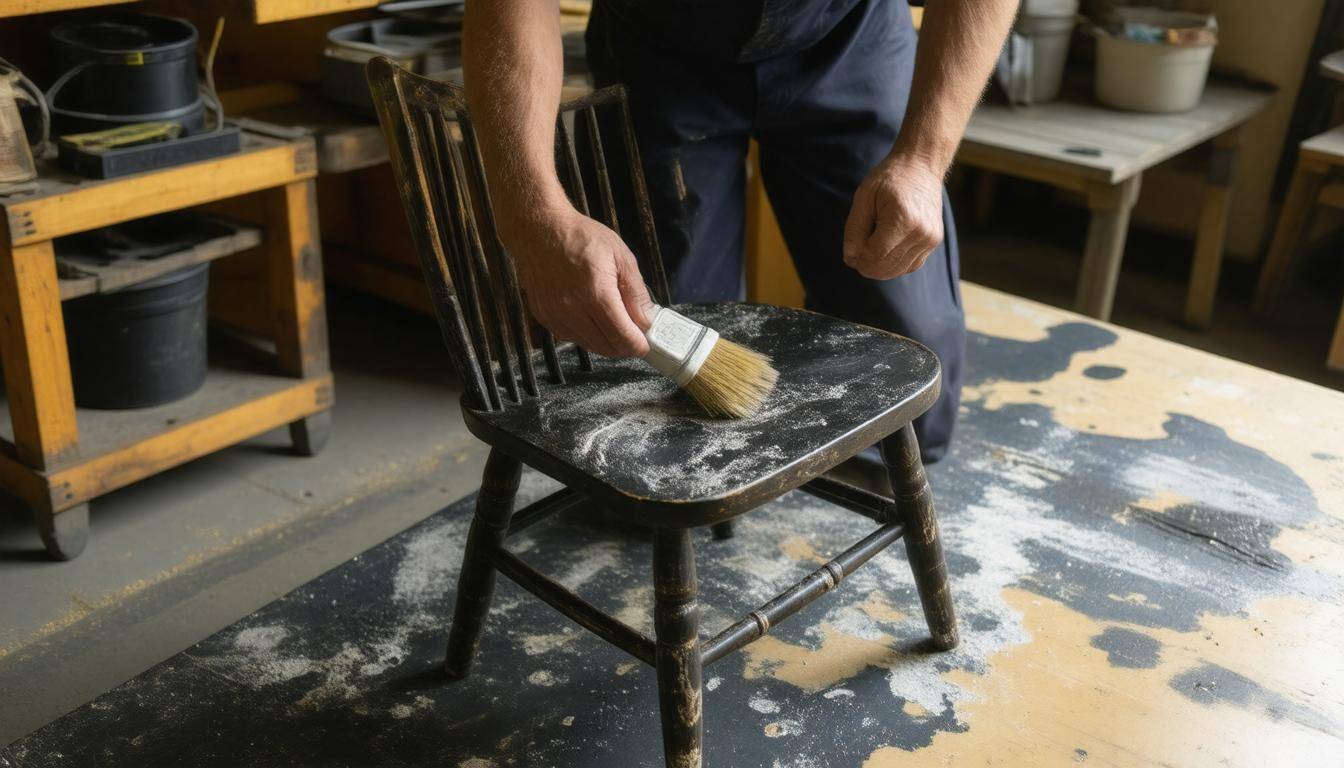
Many items damaged by fire can be restored, but this process requires special care and expertise. Fire leaves toxic residues on various materials, making it vital to assess what can be salvaged versus what should be discarded. Quick action is crucial; for example, textiles like clothing, curtains, and bedding should ideally be handled by professional cleaners who specialize in fire restoration. According to industry reports, up to 90% of textiles can be restored if treated promptly—this statistic highlights the importance of acting without delay.
Textiles and Soft Goods
When it comes to textiles, don’t underestimate the power of professional help. A reputable restoration service has the expertise and proper equipment needed to tackle smoke-infused fabrics and odors, ensuring optimal results.
For cleaning textiles and soft goods damaged by smoke or soot, it’s beneficial to seek out experts who use specialized methods tailored for such incidents. Regular dry cleaning won’t suffice; many professionals employ techniques that incorporate advanced industrial cleaning solutions designed specifically for smoke removal. These services might use steam cleaning combined with ozone treatment for complete deodorization. Remember, your beloved items are not just fabrics—they hold memories and warmth that deserve a second chance.
Hard Goods
As for hard goods—think furniture, electronics, or other durable items—these often require comprehensive restoration services that cater specifically to each type of material. While some surfaces can be cleaned with the right products, others may need extensive repairs or even reconstruction. For instance, wooden furniture might show signs of warping or charring; however, skilled restorers can often lift the burn marks and restore their former glory.
Companies like Servpro and BELFOR offer comprehensive services, encompassing cleaning, sanitization, and repair of damaged hard goods. Hiring certified professionals ensures effective restoration while significantly reducing the risk associated with improper cleaning or repairs.
It’s not just a matter of restoring functionality; it’s about preserving the integrity and appearance of your belongings. For electronics exposed to fire or water from firefighting efforts, a thorough inspection is critical before attempting restoration. Often, components may look salvageable on the surface but could pose electrical hazards if not correctly addressed.
Taking swift action towards professional restoration—whether for textiles or hard goods—can save cherished items from permanent loss while maintaining your home’s safety and value. Let’s now explore the avenues available through specialized services dedicated to this important task.
Professional Cleaning Services
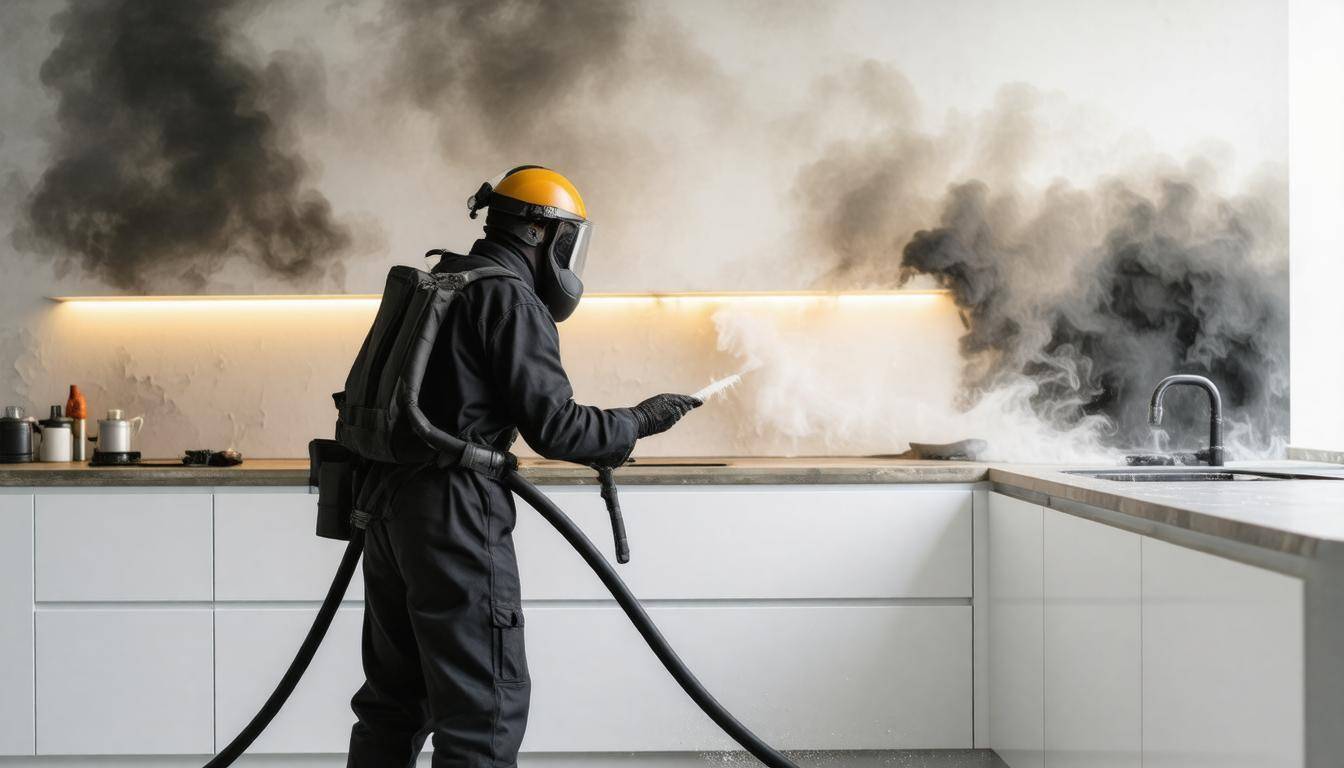
In many cases, hiring professional cleaning services offers the best chance for thorough restoration. These experts bring a wealth of knowledge and experience that can transform what might seem like an insurmountable task into something manageable and efficient. When flames have left their mark, the complexity of cleaning up smoke, soot, and water damage from firefighting efforts can quickly overwhelm even the most prepared homeowner. That’s where professionals shine by taking on these challenging tasks with confidence.
Choosing the Right Professional
It’s essential to select a reputable company certified by the Institute of Inspection Cleaning and Restoration Certification (IICRC). This certification ensures they adhere to industry-standard protocols designed to protect both your property and your health. To find a qualified service provider, consider researching online reviews and asking for recommendations from friends or family who’ve faced similar situations. A reliable service will often use advanced techniques specifically tailored for fire damage restoration.
“The right choice can mean the difference between a seamless recovery and prolonged distress.”
Furthermore, professionals should provide warranties for their work, offering you added assurance that they stand by their services.
Benefits of Professional Services
Professionals possess specialized equipment and knowledge that significantly enhances the cleanup process while keeping safety at the forefront. They are trained to deal with hazardous materials resulting from fires—like charred debris or toxic smoke residues—that can pose serious risks if not handled correctly. Equipped with tools such as industrial-grade vacuums, air scrubbers, and powerful cleaning agents, they can tackle these challenges head-on.
For instance, when restoring a home after a fire, it’s crucial not only to clean visible surfaces but also to ensure that hidden areas like HVAC ducts are properly addressed. Smoke can travel through these systems and spread harmful particles throughout your home. A professional cleaning service will prioritize improving air quality post-cleanup, ultimately safeguarding your family’s health long after the flames have been extinguished.
A homeowner shared their thoughts: “Hiring professionals not only saved my home but also provided peace of mind knowing the job was done right.” Their words echo what many others feel—a sense of relief that comes from employing specialists who know exactly how to restore a home efficiently.
Choosing professional cleaning services is about investing in quality assurance for your home’s restoration journey. The expertise they bring transforms not just properties but lives—helping families move forward with safety and confidence.
As we shift our focus now, it’s essential to discuss how to handle cleaning agents responsibly during this pivotal restoration process.
Using Cleaning Chemicals Safely
Using cleaning chemicals safely is essential for your health and a necessary part of effective fire damage cleaning. When faced with the remnants of a fire, it’s easy to think that stronger chemicals mean better results. However, neglecting safety precautions can lead to severe health risks due to toxins present in some cleaning agents. These substances can include hazardous chemicals like Trichloroethylene (TCE) and Perchloroethylene (PCE), which are linked to serious health issues like cancer. Therefore, proper awareness and adherence to safety protocols are paramount.
Reading Labels
A pivotal first step in using any cleaning product is to read the labels carefully. These labels are like roadmaps of safe usage, detailing important information about the contents and how to handle them properly. Pay close attention to safety instructions and recommended uses; ignoring these guidelines can lead not just to ineffective cleaning but also dangerous exposure to hazardous fumes.
Always remember: knowledge is power! Ensure you know exactly what you’re dealing with before opening any container.
Proper Ventilation
Creating good airflow in your work area is indispensable while working with chemical cleaners. Open windows, turn on fans, or step outside whenever possible. Effective ventilation lowers your risk of inhaling harmful fumes and minimizes the accumulation of vapors in enclosed spaces.
If you’ve ever walked into a freshly painted room, you know how strong lingering odors can be. With cleaning chemicals, this is no different—those potent smells can signal dangerous concentrations of flammable or toxic gases. By ensuring proper ventilation, you’re essentially putting up a protective barrier against adverse health effects while maintaining a safer environment for yourself and others nearby.
Safe Disposal
Once you’ve completed the cleaning process, it’s critical to dispose of used chemicals according to local regulations. Every community has its own rules regarding hazardous waste disposal, so it’s wise to familiarize yourself with those guidelines ahead of time. Proper disposal isn’t merely an act of responsibility; it prevents contamination of soil and water sources, protecting both human health and local wildlife.
Think about it this way: properly disposing of these substances ensures that you’re not only taking care of your home but also being a positive steward for the environment.
Utilizing safe practices while handling cleaning chemicals protects your wellbeing and contributes positively to your surroundings. Remember, safety should always be a priority in fire damage cleanup.
In summary, following established safety protocols will keep you safe while ensuring effective remediation efforts during this critical phase of recovery from fire damage.