
Fire safety might not be the most exciting topic, but brushing it aside can have serious consequences. Think about it: a simple candle left unattended or a faulty electrical wire could lead to catastrophic situations that could impact lives and properties. The truth is, we often feel secure until we’re reminded of the unpredictable nature of fire. This guide on fire safety dives into essential practices and control methods that can make a significant difference in how prepared we are in the face of an emergency. Preventive actions and awareness are key; whether at home or work, understanding how to safeguard against fires can empower us all to create safer environments. So, let’s get started on ensuring you’re equipped with everything needed to handle flames before they can get out of control!
The “Fire Safety and Control Methods: Complete Guide” encompasses essential fire safety practices, including preventive measures such as smoke alarm installation, fire extinguisher usage, and escape plan creation. It also details key control methods like automatic suppression systems, educational resources for enhancing safety awareness, and best practices for maintaining a safe environment at home and in the workplace.
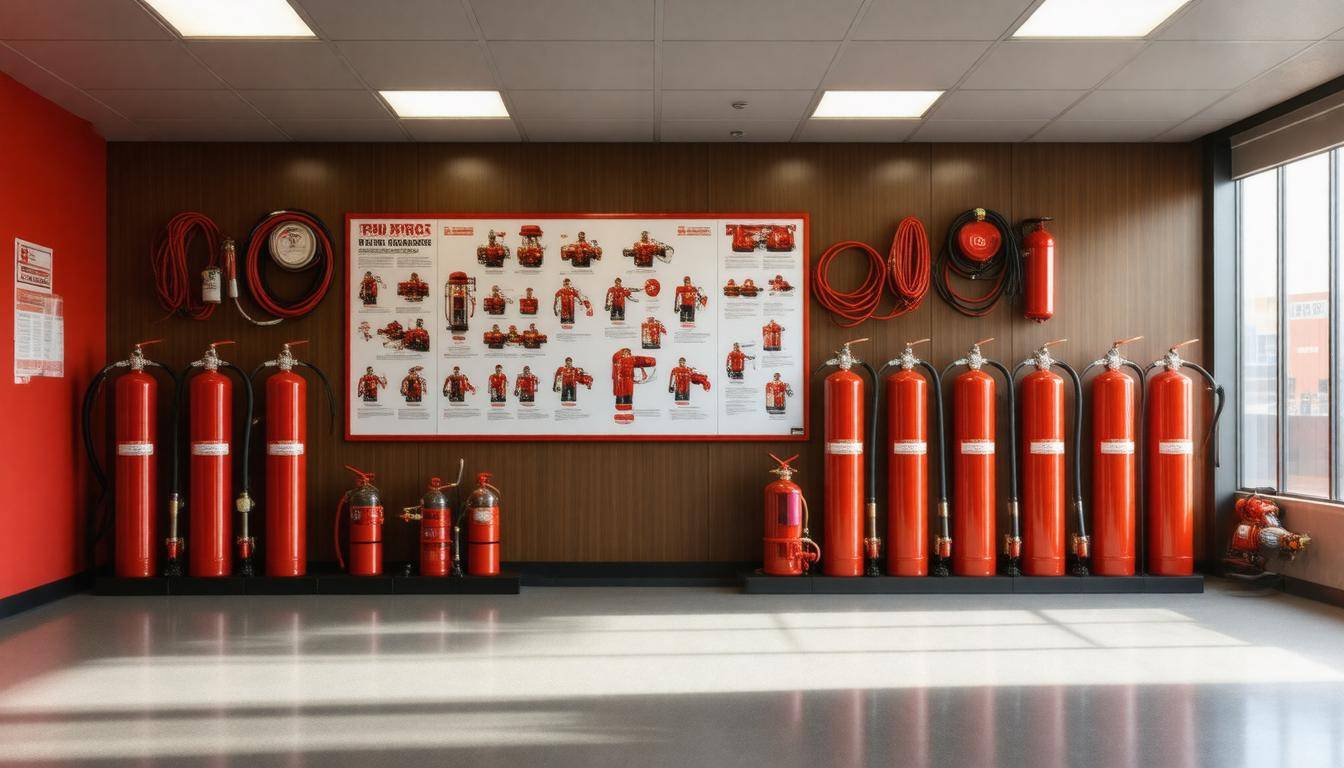
Fire Prevention Strategies
One of the foundational pieces of fire safety in any setting is regular maintenance. Think about it: we tend to overlook the reliability of our electrical appliances until something goes wrong. Worn-out wires, overloaded circuits, or defective machinery can set off a fire alarm before you know it. This isn’t just about common sense; it’s also about responsibility. Many insurance policies even require regular inspections as part of their coverage.
To stay on top of this, schedule inspections with a licensed electrician at least once a year to ensure all equipment is functioning properly and meets safety standards. A simple check-up can save your home from an electrical disaster that could lead to significant damage. An ounce of prevention truly is worth a pound of cure.
Safe Storage
Furthermore, how we store items around our homes or workplaces can be just as vital as routine checks. Flammable materials require special attention; they shouldn’t simply be tucked away in any cabinet or closet. Instead, store items like gasoline and cleaning products in approved containers specifically designed for hazardous materials. It’s essential to keep these substances far removed from heat sources such as stoves, heaters, or anything that generates a spark.
The National Fire Protection Association (NFPA) indicates that improper storage practices are responsible for nearly 5% of industrial fires. This statistic serves as a sober reminder of how crucial proper storage is to maintaining a fire-safe environment.
Beyond inspections and improved storage practices, clear and enforceable workplace policies form another critical layer of fire prevention.
Workplace Policies
In workplaces, establishing robust no-smoking policies indoors and designating specific smoking areas outside significantly reduces fire risks. Lighting up indoors might seem harmless to habitual smokers, but just one stray ember could lead to disaster. By enforcing these regulations, companies don’t just comply with safety codes—they build a culture that prioritizes safety.
Consider how proactive companies like Delta Airlines have completely eliminated indoor smoking zones. As a result, they’ve seen a marked decrease in potential fire hazards across their facilities. This not only protects employees but also saves the company money in liability costs related to fire risks.
By fostering an atmosphere where safety measures are respected and followed—whether through regular maintenance checks on equipment or by establishing guidelines around flammable materials—we pave the way for safer surroundings everywhere we gather, work, or relax.
With safety measures firmly established, it’s equally important to identify and address potential dangers lurking in our environments.
Identifying Fire Hazards
The process of identifying fire hazards is essential for minimizing risks and protecting lives. It’s not merely about spotting problems; it’s a proactive step toward creating a safer environment. Imagine walking through your home, taking a closer look at each room, and asking yourself, “What could spark a fire here?” This mindset is critical.
Hazard Assessment
One of the most effective ways to begin your assessment is to conduct a thorough fire risk examination. Ideally, this should be performed by certified professionals who have the training and knowledge to spot issues that you might overlook. They will scrutinize every corner of your building—checking for overloaded electrical circuits, inadequate ventilation, and improperly stored combustible materials. Each of these conditions could potentially ignite a small flame that can escalate rapidly if left unaddressed.
However, you don’t have to wait for professionals to tell you what to do. You can start right now by assessing your surroundings—begin with a walk-through of your home or workspace to look for any obvious dangers. For instance, are there extension cords running under rugs? Are flammable liquids stored away from heat sources? You’d be surprised how many hazards can be mitigated simply by changing where you store items or rearranging furniture.
Common Hazards
Understanding common hazards can change the way you approach fire safety in your space. According to the National Fire Protection Association (NFPA), cooking equipment alone is responsible for 49% of home fires—the leading cause of fires in residential settings. Furthermore, heating equipment accounts for 14% of fires. This data emphasizes the importance of being aware and eliminating those prevalent fire risks. It’s imperative that when you cook, you never leave a hot stove unattended and ensure that space heaters have adequate distance from walls or other objects.
Now think about it: If cooking can be deemed dangerous, maybe our stovetops deserve their own warning labels!
Once aware of these statistics, take preventive measures—install smoke alarms in crucial areas like kitchens and hallways; practice safe cooking habits; review the condition of heating appliances regularly. Knowing what to watch for will put you steps ahead in reducing the potential threat.
Recognizing hazards sets the foundation for building robust systems against them and prepares us for learning effective emergency responses in critical situations.
Training for Safety Procedures
Regular fire drills are vital for safety, but understanding how to respond effectively in an emergency is equally crucial. It’s the difference between panic and a calm, organized response when seconds count. Imagine a workplace where employees feel prepared because they’ve practiced what to do in a real emergency; the benefits of this preparedness ripple throughout an organization. When faced with a potential fire, they will instinctively remember their training, allowing for quicker evacuation and minimizing confusion.
Safety Drills
Conducting fire drills at least twice a year is not just a suggestion—it’s a necessity. This practice ensures that everyone understands the designated escape routes and knows how to exit the building efficiently. Ideally, these drills should simulate various scenarios to prepare occupants for different situations, from a small kitchen fire to a larger blaze that may necessitate using alternative exits. Regularly reviewing the fire escape plan can uncover unforeseen challenges or blind spots that need addressing.
Research indicates that regular fire drills can enhance evacuation times by up to 50%. This substantial improvement illustrates that time invested in training directly correlates with safety and efficiency. Moreover, these drills can build team cohesion, as employees work together to meet the challenge of safely exiting the building.
Just as knowing the escape routes is essential, understanding how to use fire extinguishers effectively is an equally important facet of fire safety training.
Fire Extinguisher Training
Every employee should receive thorough training on the use of fire extinguishers. This training involves identifying where extinguishers are located and understanding which type to use for different classes of fires. Multipurpose extinguishers labeled A-B-C are preferred because they can handle a variety of common fires, from combustible materials to flammable liquids.
One recommendation is to utilize the PASS technique: Pull the pin, Aim low at the base of the fire, Squeeze the handle slowly, and Sweep from side to side. Practicing this method during training sessions helps ensure employees can act without hesitation in an actual emergency.
This practical application of knowledge transforms anxiety into action when every moment matters.
The connection between robust training and effective emergency response cannot be overstated—having well-informed individuals can significantly alter outcomes during critical incidents. Next, we turn our attention to mastering the tools available for tackling fires head-on.
Effective Use of Fire Extinguishers
Knowing how to properly operate a fire extinguisher with confidence not only empowers you but also can protect your home from devastating damage. Although it might seem simple, applying the correct approach is crucial. The well-known PASS technique provides an easy-to-follow guide that many rely on when moments count.
First, Pull the pin at the top of the extinguisher; this will allow you to use it.
Then, Aim the nozzle toward the base of the fire, as this is where the flames draw their strength.
Next, Squeeze the handle firmly to release the extinguishing agent.
Lastly, Sweep the nozzle side to side, ensuring you cover the entire area engulfed in flames.
Each step in this process has its importance; for instance, aiming at the base rather than the flames can often mean saving your home or your life.
It’s vital to position fire extinguishers strategically throughout your living space; accessible locations include kitchens, near fireplaces, and even in garages where flammable materials are present. Ensure that these extinguishers are clearly labeled and suitable for various types of fires. Multipurpose ABC-rated extinguishers are ideal for most household situations since they can handle common flames caused by trash, flammable liquids, or electrical problems.
Take it from Jane Doe, who shared her story: “A fire extinguisher saved my kitchen,” she recounted after swiftly dealing with a small grease fire before it could spread beyond control. Her experience serves as a stark reminder that being prepared can make all the difference.
Additionally, it’s essential to maintain these devices properly. Regular inspections should be part of your routine—ideally checking them monthly for visible signs of damage or pressure issues. If you find one that is low on pressure or damaged, replace or service it immediately. Furthermore, professional checks annually ensure they are functional and ready when needed most.
By following these practices and understanding how to use fire extinguishers effectively, you’re taking significant steps towards safeguarding yourself and your loved ones from potential fire hazards. Transitioning into the next important aspect of safety measures, let’s explore systems designed to alert you long before fires become unmanageable.
Alarm and Detection Systems
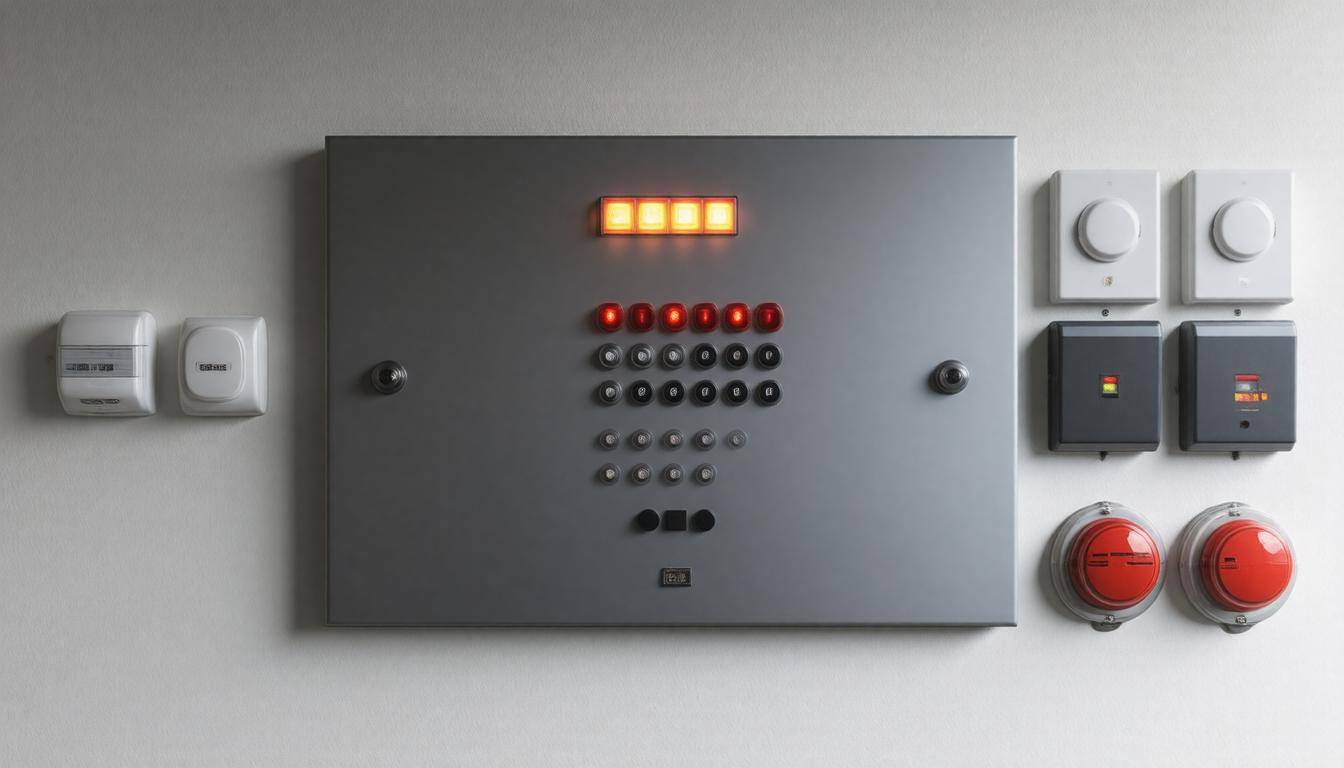
Alarm and detection systems serve as the first line of defense against fire hazards, offering critical early warnings that can save lives and property. These systems are designed to detect fire cues like smoke or heat, alerting occupants to potential danger before it escalates into a more severe threat. Among the different types of alarms, smoke alarms, heat detectors, and carbon monoxide (CO) detectors play vital roles in ensuring safety in various situations.
Understanding Smoke Alarms
Smoke alarms are perhaps the most recognized fire detection system. According to the National Fire Protection Association (NFPA), they should be installed on every level of your home, particularly near bedrooms where you sleep. The reason for this is simple: while a fire may start unnoticed in another room, the earlier you hear the alarm, the faster you can act. In fact, homes without functioning smoke alarms account for a staggering 60% of fire-related fatalities. This statistic underscores the undeniable importance of not just having these devices but ensuring they work correctly.
Yet, smoke is not the only element to be concerned about in fire safety; excessive heat without visible flames can become dangerous too.
Reliable Heat Detectors
Heat detectors are specifically employed in areas like kitchens or garages where traditional smoke alarms might yield false positives due to cooking smoke or steam. Unlike smoke alarms that react to airborne particles, heat detectors trigger an alarm based solely on temperature changes. Their strategic placement helps mitigate the likelihood of unnecessary disruptions while still providing critical protection against fires.
It’s prudent to install both smoke alarms and heat detectors in your home, creating a comprehensive safety net against potential fire hazards.
Essential Carbon Monoxide Detectors
Equally crucial are carbon monoxide detectors. CO is often called the “silent killer” because it’s colorless, tasteless, and odorless. Exposure can lead to serious health issues or even death, making carbon monoxide detectors essential, especially in homes with gas appliances or attached garages. These devices provide timely alerts when CO levels rise beyond safe thresholds, allowing families to take immediate action—something that could mean life or death during high exposure scenarios.
With a clear understanding of these systems’ functions and importance, regular maintenance becomes paramount in ensuring they operate effectively when needed most.
Maintenance Matters
Regularly testing your alarms as suggested by manufacturers—generally once a month—should be part of your routine. Replace batteries annually and consider replacing smoke alarms every ten years to ensure optimal functionality. If you’ve heard that continuous improvement is key to effective approaches, that certainly applies here as well; updating your detection systems in line with technological advancements will enhance your overall fire safety strategy.
As we shift our focus towards building comprehensive safety strategies, knowing how to implement effective evacuation procedures will be imperative.
Creating an Evacuation Protocol
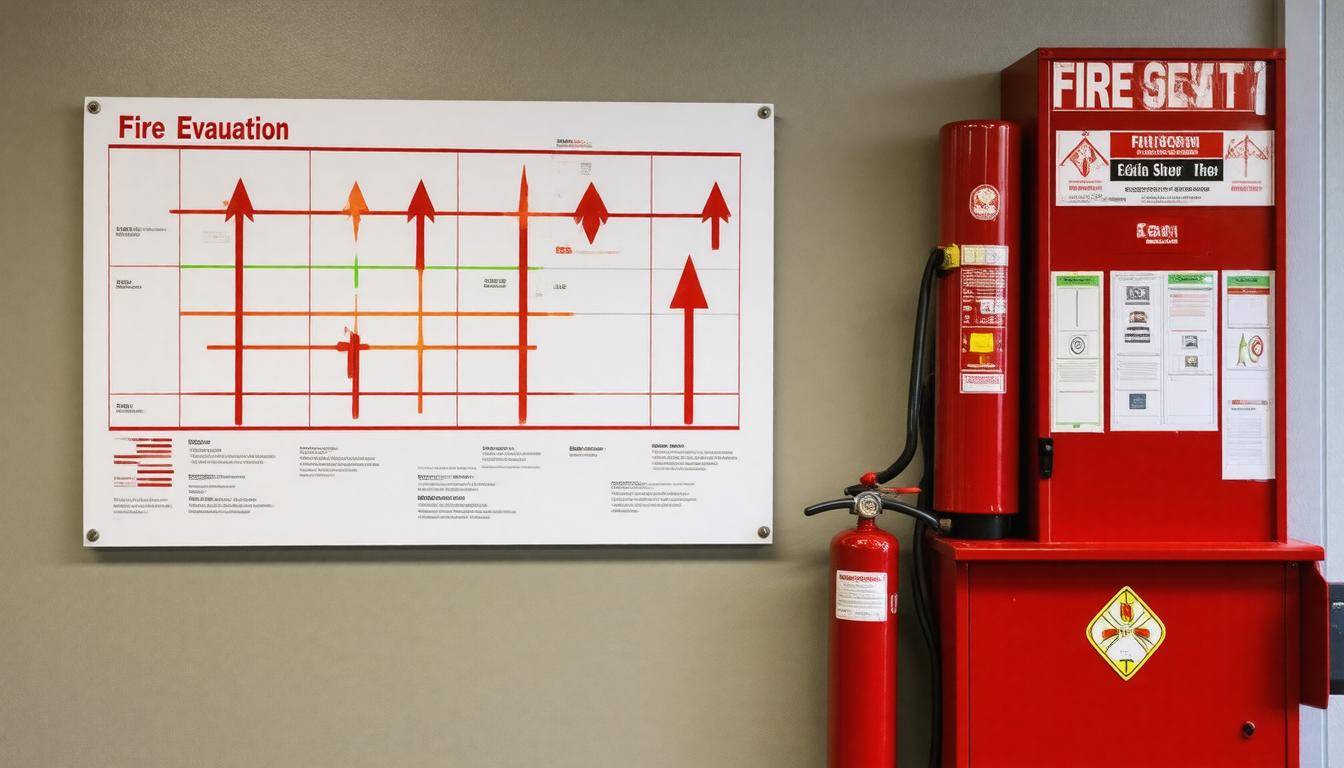
An effective evacuation protocol serves as both a roadmap and a lifeline during emergencies. It provides clear guidance to everyone in the building, ensuring that individuals can exit swiftly and safely. To begin crafting this protocol, it’s crucial to identify clear exit routes that are unmistakable and functional.
Clear Exit Routes
First and foremost, escape routes must be marked clearly and should remain free of obstructions at all times. Imagine the chaos that could ensue if occupants find themselves scrambling to remember where the exits are while thick smoke fills the air. That’s why illuminated exit signs are not merely decorative; they guide occupants during low-visibility situations, acting as beacons of safety when every moment counts. Regularly checking these signs to ensure they are working properly can make a huge difference.
With your escape routes defined and marked, you might consider how this affects the everyday environment too. Using the escape route as a guide for furniture placement can help maintain clear passageways. This not only prepares people for an emergency but also promotes a more organized living or working space daily.
Designated Meeting Point
After exiting the building, knowing where to go is just as important as knowing how to get out. Establishing a designated meeting point outside ensures no one is left behind and helps first responders confirm that everyone has evacuated safely. This gathering area should be far enough from the building to avoid hazards such as flames or falling debris.
Imagine the relief of seeing familiar faces in a tense situation! Encourage everyone to memorize this location and even include it in training sessions or written protocols distributed throughout your organization or household. The more familiar people are with this meeting spot, the smoother the process will run in an emergency, fostering confidence amid panic.
Now that you understand the significance of marked exit routes and established meeting points, the next step is ensuring that everyone involved is well-versed in these measures.
Routine Drills
Conducting regular evacuation drills at least twice a year cannot be overstated. Like athletes practicing for their competitions, people need repetition to ensure familiarity and readiness come crunch time. These drills should cover not just evacuation procedures but also various scenarios—what happens if there is smoke? What if a person has mobility issues? By regularly rehearsing these protocols, you foster confidence and control among all occupants.
Each aspect—marked escape routes, designated meeting points, and routine drills—forms an integral part of a cohesive evacuation protocol that empowers everyone to act decisively during emergencies.
By focusing on preparedness through routine practice and shared understanding, we can better navigate potential crises and create safer environments overall. Next, we turn our attention toward the importance of thorough equipment checks and regular inspections to maintain safety standards.
Regular Equipment and Building Inspections
Keeping your facilities up to par starts with regular inspections of both equipment and building structures. This practice not only identifies potential hazards but also allows for timely rectification before issues escalate into serious problems. Picture it like maintaining your car; without routine checks, small troubles can snowball into hazardous failures on the road. Just as you’d prefer not to be stranded, you certainly don’t want to face a fire emergency unprepared.
Equipment Checks
It’s essential that fire extinguishers and alarm systems undergo a thorough inspection monthly. Ensure they are fully functional—check their pressure gauges, make sure there are no visible signs of damage, and confirm expiration dates have not been met. For instance, using a ladder to reach your mounted alarms for a quick test is more than just smart; it’s necessary. If a fire does break out unexpectedly, having these devices fully operational can mean the difference between minor damage and complete disaster.
| Equipment | Inspection Frequency | Responsible Person |
|---|---|---|
| Fire Extinguishers | Monthly | Safety Officer |
| Alarm Systems | Monthly | Technician |
| Sprinkler Systems | Quarterly | Maintenance Team |
While fire extinguishers should be checked every month, sprinkler systems need attention at least quarterly. They require thorough evaluations since they often play a crucial role in automatically managing fires. Relying solely on them during an emergency without ensuring they’re functioning correctly would be incredibly risky.
Building Inspections
When it comes to building inspections, there’s no room for shortcuts. Exits should be inspected routinely to ensure all paths remain clear and accessible. It’s easy to overlook clutter around exit routes until there’s an emergency—then those few boxes or that shopping cart in the way become significant obstacles. Similarly, fire doors must operate correctly; sticking doors can impede escape routes when they’re needed most.
Beyond exits, structural elements such as ventilation systems require regular scrutiny too. This area might not seem directly related to fire prevention, but effective ventilation can significantly prevent smoke from spreading quickly throughout a building. Ensure vents aren’t blocked and that they’re functioning properly; otherwise, they could inadvertently exacerbate a fire situation.
Each of these measures is integral not just for safety but also for aligning with essential regulations; understanding their importance paves the way toward broader compliance efforts ahead.
Ensuring Compliance with Regulations
Compliance with fire safety regulations isn’t just a tedious task; it’s an essential practice that can save lives and protect property. Understanding and adhering to fire codes significantly impacts your responsibilities as a building owner or operator. Imagine, by knowing and implementing proper fire safety measures, you’re not only following laws but also preserving the well-being of every individual who steps into your space.
Know the Codes
To start, familiarize yourself with local laws as well as established standards such as the International Fire Code (IFC) and Occupational Safety and Health Administration (OSHA) regulations. These codes were meticulously crafted to address various aspects of fire safety, from construction materials to operational guidelines, serving as the blueprint for preventing potential hazards.
Remember, codes may evolve! By keeping abreast of any updates and amendments, you ensure ongoing compliance. Organizations like the Oregon Fire Code Committee provide resources to help you navigate these changes effectively.
Regular Audits
Scheduling regular audits is another proactive step that underscores your commitment to safety. Engaging with fire safety professionals who conduct thorough assessments will help ensure full adherence to applicable regulations. For instance, companies like Amazon implement these audits routinely to uphold compliance and safeguard their employees.
Keeping a meticulous record of inspections and maintenance activities is equally important, as it streamlines compliance checks and provides documentation should questions arise in the future. This practice can make inspections smoother and quicker while serving as evidence of your commitment to maintaining a safe environment.
Let’s look at some statistics: According to recent studies, establishments that conduct regular fire safety audits report a 50% reduction in fire-related incidents compared to those that do not engage in this practice. That figure alone speaks to the importance of diligence in adhering to safety standards.
By putting these strategies in place, you establish a solid framework for managing risks associated with fires. Careful attention to regulation compliance ultimately cultivates a safer atmosphere for everyone involved—employees, customers, and beyond.
In prioritizing compliance with fire safety regulations through constant learning and regular audits, you take significant steps toward creating a secure environment. Your efforts can lead directly to enhanced safety for everyone in your facility.
How can businesses ensure compliance with local fire safety regulations?
To ensure compliance with local fire safety regulations, businesses should conduct regular fire risk assessments, implement comprehensive training programs for employees, and maintain up-to-date fire safety equipment. Additionally, staying informed about changes in local laws is crucial; statistics show that companies with robust fire safety practices can reduce the risk of incidents by up to 50%, significantly protecting both their assets and personnel. Regular audits and collaboration with local fire departments can also enhance compliance efforts.
How often should fire drills be conducted to ensure preparedness in case of an emergency?
Fire drills should be conducted at least twice a year to ensure preparedness for emergencies. Regular practice helps familiarize occupants with escape routes and procedures, reducing panic during an actual fire. According to the National Fire Protection Association (NFPA), organizations that conduct frequent drills show a 50% reduction in response time during real incidents, emphasizing the importance of consistent practice in enhancing safety and readiness.
What role does employee training play in workplace fire safety plans?
Employee training is crucial in workplace fire safety plans as it equips staff with the knowledge and skills to prevent fires, respond effectively during emergencies, and evacuate safely. Statistics reveal that organizations with comprehensive fire safety training experience 30% fewer incidents compared to those with minimal or no training. Additionally, well-trained employees are more likely to identify potential fire hazards, ensuring a proactive approach to safety that can significantly reduce risk and enhance overall workplace safety culture.
What are the most effective fire prevention strategies for residential buildings?
The most effective fire prevention strategies for residential buildings include installing smoke alarms, developing and practicing an escape plan, and maintaining electrical systems. According to the National Fire Protection Association (NFPA), working smoke alarms reduce the risk of dying in a fire by 50%. Regularly checking and replacing batteries, using flame-retardant materials, and ensuring proper storage of flammable substances further enhance safety. Implementing these practices not only protects lives but also significantly reduces property damage related to fires.
What types of fire extinguishers are best suited for different classes of fires?
Different classes of fires require specific types of fire extinguishers to effectively control them. For Class A fires (ordinary combustibles like wood and paper), water-based extinguishers are best, while Class B fires (flammable liquids) need foam or dry chemical extinguishers. Class C fires (electrical) should use CO2 or dry chemicals to avoid conducting electricity. Statistics show that using the correct extinguisher can increase the chances of successful fire suppression by up to 80%. Always ensure that your extinguisher matches the fire class to maximize safety and effectiveness.