
Floodplains can be both a beautiful and vulnerable part of nature, often catching us off guard when Mother Nature decides to unleash some rain. With climate change affecting weather patterns, the risk of flooding is more prevalent than ever, which means it’s essential for homeowners living in these areas to stay prepared throughout the year. This guide will arm you with practical monthly checks and maintenance tips that not only shield your property but also keep you and your loved ones safe. From assessing foundation cracks to stocking emergency supplies, we’ll walk through each step together so you can face whatever the seasons throw your way. Let’s roll up our sleeves and dive into how we can take charge of our safety and build resilience against flooding in floodplain regions.
The Flood Plain Seasonal Preparation Monthly Guide includes a structured checklist focusing on essential steps to mitigate risks, such as inspecting drainage systems, reviewing insurance policies, and ensuring emergency supplies are stocked. Additionally, it emphasizes the importance of staying informed about local weather patterns and flood warnings to enhance safety and preparedness throughout the year.
January to March: Spring Preparation
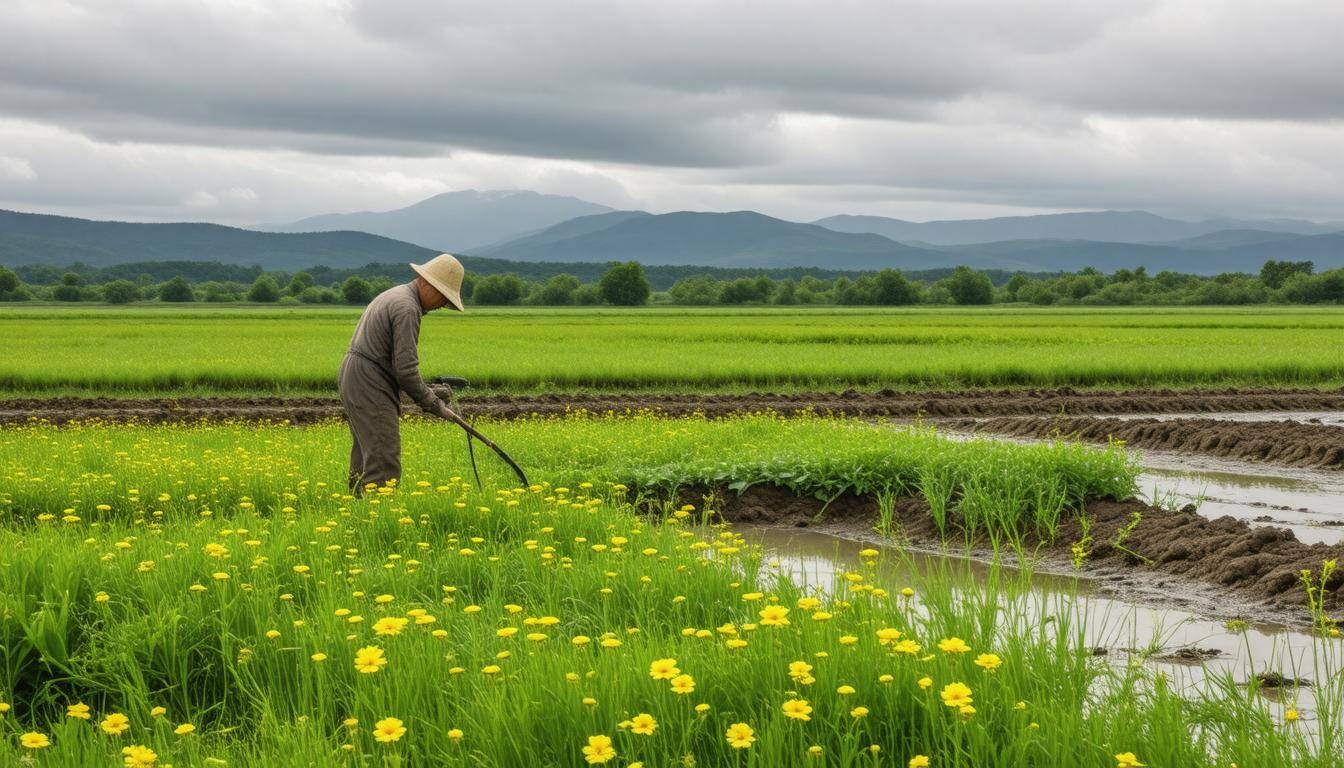
The first three months of the year are crucial for laying the groundwork for the wetter months ahead. During this time, homeowners should dedicate themselves to a systematic inspection and repair process that fortifies structures and enhances safety.
Start by thoroughly inspecting your property for any damage caused by winter weather. Look closely for cracks in the foundation or gaps around windows and doors—these vulnerabilities can become entry points for water infiltration when spring rains arrive.
If you notice any defects, act on them immediately; addressing these issues now will help prevent them from worsening. For instance, filling small cracks with appropriate sealants or hiring a professional for significant repairs can save time and money down the line.
Once you’ve completed your structural checks, shift your attention to one often-overlooked area: your gutters.
Cleaning your gutters and downspouts is an essential step in floodplain preparation. Over the winter months, debris such as leaves, twigs, and even small animals may have accumulated. When rain showers come, blocked gutters can lead to overflowing that pools around your home’s foundation—a problematic scenario that significantly increases the risk of flooding. To mitigate this risk, make it a priority to clear out all the debris you find.
Consider investing in mesh guards for your gutters; they’re excellent tools designed to keep debris out while allowing water to flow freely. These guards catch larger items before making their way into your gutter system, reducing maintenance and ensuring that water is channeled away effectively from your home’s foundation.
It’s equally important to test any existing drainage systems you have in place.
If your property features additional drainage solutions like French drains or sump pumps, early spring is an ideal time to check them for functionality. Inspect these systems for blockages or signs of wear and tear since having them fail during a storm can lead to severe problems quickly. Regularly scheduled tests of sump pumps—by pouring water into the sump pit to see if it activates—are strongly recommended.
Overall, tackling these tasks from January through March establishes a solid foundation for maintaining your home throughout the rainy seasons ahead. Taking proactive steps during these months empowers you to face storms with confidence while effectively protecting both your property and peace of mind.
As we transition toward more specific measures tailored for the upcoming months, there are further preparations needed to ensure readiness as summer approaches.
April to June: Pre-Summer Measures
The period from April to June marks a crucial time for residents in flood-prone areas, particularly as hurricane season looms. One of the first and most critical steps you can take is to verify your flood insurance coverage. This isn’t just a formality; it’s essential to ensure that your policy aligns with current risks that may have emerged since the last review. Flood maps, regularly updated by FEMA, often reflect changes that can impact up to 30% of properties within designated floodplain areas. A simple yet vital task is to reach out to your insurance agent and discuss any adjustments that may be necessary. You’d be surprised how many homeowners face losses due to outdated coverage.
In addition to reviewing insurance, you’ll want to think about how you can make your home more resilient against flooding.
Elevating appliances and utilities is an important precautionary step. By raising these essentials—such as water heaters and HVAC units—at least one foot above the base flood elevation (BFE), you reduce the risk of severe damage should there be localized flooding. Platforms or sturdy blocks can provide adequate support, but it’s imperative that these are mounted securely. This measure isn’t just for your peace of mind; it’s a proactive approach that could save you thousands in repairs if unexpected floods occur.
While securing appliances is key, another component of preparation revolves around ensuring you are adequately equipped in case disaster strikes.
It’s essential to perform an emergency kit refresh, as even the best-prepared households can sometimes overlook this vital task. Your “Go-Bag” should have all the necessary items ready to grab at a moment’s notice—consider stocking up on items like non-perishable food, water supplies, first-aid kits, and important documents. The American Red Cross suggests storing at least one gallon of water per person per day for at least three days along with a three-day supply of food. Additionally, don’t forget flashlights and extra batteries. Remember, having copies of your insurance policies and personal identification readily accessible can make a world of difference when you need them most.
- Water (1 gallon per person per day for at least three days)
- Non-perishable food (three-day supply)
- Flashlight and extra batteries
- First aid kit
- Important documents (copies of insurance policies, personal identification)
Now that you’ve wrapped up these fundamental preparations, you’re setting yourself on the right path toward safety before the summer storms arrive.
Taking these pre-summer measures enhances your readiness and instills confidence in managing potential threats from environmental changes. Being proactive today ensures you’re equipped for uncertainty tomorrow—because when hurricanes begin their approach, it’s always best to be prepared ahead of time.
With these steps in place, let’s shift our focus toward adapting and strengthening strategies for handling the summer season ahead.
July to September: Summer Resilience
The months of July through September are critical in ensuring your home is resilient against the unpredictable nature of summer storms. During this period, preparation involves proactive steps that can significantly mitigate the risks associated with heavy rains and potential flooding.
Install Sump Pumps and Check Valves
One of the key elements in flood prevention is the installation of a sump pump in your basement or crawl space. This powerful tool makes all the difference by actively removing water that seeps into those areas, keeping them dry and habitable. It’s essential to ensure that backflow valves are functioning correctly as well. These valves prevent sewer water from entering your home during heavy rainfalls, which can be particularly damaging.
“After installing a sump pump system, our basement stayed dry even during torrential downpours.” – John, a homeowner from Louisiana.
Investing time now to verify these systems can save you from costly repairs later.
Sandbag Readiness
It’s wise to maintain a stockpile of sandbags and keep them easily accessible. Having them on hand means you won’t waste precious time scrambling during an emergency. When placed strategically around your property, they provide a formidable barrier against floodwaters, guiding the flow away from vulnerable areas like doorways, windows, and low-lying grounds. This simple precaution can significantly safeguard not only your home but also the integrity of your landscaping if done effectively.
While preparing sandbags is an excellent step, another equally important task is maintaining storm drains.
Clear Storm Drains
Regularly checking and cleaning storm drains near your property is crucial to avoid blockages that could lead to localized flooding. Debris such as leaves, twigs, and trash often accumulate around these areas and can hinder proper drainage. By taking the time to inspect these drains every few weeks—especially leading into peak storm season—you help ensure water flows freely away from your property, reducing the risk of floods.
Some may argue that storm drain maintenance is solely a municipal responsibility. However, taking proactive measures at the individual level can greatly reduce personal risk while also relieving pressure on local resources during times of crisis. By working together as communities, we can foster resilience against natural disasters.
Each of these steps collectively bolsters your defense against potential flooding this summer, allowing you peace of mind as storms come through. Implementing such resilient measures today creates a safer home environment for yourself and your family tomorrow—because when it comes to summer floods, being prepared is always worth it.
Transitioning from summer preparations, it’s essential to focus on strategies for colder months ahead where different safety measures will come into play.
October to December: Winter Safety

Preparing for the colder months goes beyond simply bundling up; it’s an essential time to increase your home’s resilience against potential floods. One of the first things many homeowners overlook is the importance of pipe insulation as winter weather sets in without delay. Insulating exposed pipes is crucial to preventing them from freezing and bursting, which can lead quickly to unwanted water damage. This step can save you both money on repairs and a headache later on. When inspecting your plumbing, don’t forget to check for any small leaks while you’re at it—catching these issues early can save a lot of trouble down the line.
After making sure your pipes are snug and warm, it’s time to shift our focus to outdoor water management.
Clear Yard Drains
Cleaning yard drains is another task that plays a huge role in the winter safety lineup. Ensuring these drainage systems are clear of leaves and other debris can make all the difference during heavy rain or melting snow. A clean drain allows proper runoff, reducing the risk of pooling water around your property. No one wants their yard resembling a small pond come spring! Regular upkeep means checking these areas once a month during autumn and disconnecting hoses after summer’s end, which prevents hazards such as cracked pipes.
Lastly, it’s essential to consider frost prevention as winter settles in.
Stock De-Icing Agents
Alongside cleaning your drains, stocking eco-friendly de-icing agents is also advisable, especially if you live in areas prone to icy conditions. Standard salt can harm your landscaping and contaminate groundwater; instead, consider options that won’t compromise your environment. You could even look into alternatives like sand, which provides traction without causing damage. Additionally, having some snow shovels handy will give you just what you need when faced with nature’s wintry wonderland.
The wise homeowner doesn’t merely wait for winter’s chill; they prepare effectively to maintain peace of mind throughout the season. By attending to these critical areas, you’ll ensure safety while being ready for whatever challenges winter brings.
As we assess our surroundings, evaluating how they interact with nature becomes paramount for continued resilience and preparedness.
Landscape Evaluation and Adjustments
Your property’s landscape plays a significant role in mitigating flood risks, so conducting a thorough assessment is not just beneficial; it’s crucial. Start by evaluating the grading and slope around your home. It’s amazing how a slight change in elevation can channel water where it needs to go—away from your foundation. When inspecting, use a builder’s level to check that the ground slopes at least 1 inch per foot away from your home, ideally over the first six feet. This simple practice can help prevent pooling of water near your foundation, which is critical during heavy rains.
Once you’ve ensured that grading is adequate, it’s time to consider creating natural barriers that will further protect your space from flooding.
Creating natural barriers, such as native grasses or strategically placed rain gardens, can be an effective way to absorb excess rainwater while enhancing the aesthetic appeal of your property. Native plants are especially effective because they are well-adapted to local soil and climate conditions, requiring less maintenance than non-native species. Moreover, rain gardens not only absorb water but also filter pollutants from runoff before they reach waterways.
To design a rain garden effectively, position it in an area where water naturally accumulates but ensure it doesn’t obstruct flow pathways. This thoughtful placement allows rainwater to infiltrate the ground rather than oversaturating nearby areas.
In addition to these strategies, monitoring soil moisture levels can provide valuable insights into how well your landscape is handling excess water.
The amount of moisture in your soil directly affects plant health and landscape functionality. Utilizing a moisture meter can help you gauge the levels accurately—you’ll typically want soil moisture between 20-30% during growing seasons for optimal vegetation growth. Maintaining appropriate moisture levels encourages deep root systems that improve overall drought or flood resilience.
Lastly, consider the diversity of plant species within your landscape. A diverse array of at least five different native plant species not only promotes local wildlife but also strengthens the ecosystem’s ability to withstand flooding by providing varied root structures and further minimizing erosion.
These evaluations and adjustments set the stage for exploring ways to enhance your landscape with strategic vegetation and planting methods tailored to support this vital ecosystem.
Vegetation and Planting Strategies
Choosing the right plants is crucial when it comes to minimizing flood risks in sensitive areas like flood plains. Vegetation acts as nature’s barrier, absorbing excess water and stabilizing soil. Well-selected native plants can be quite resilient, making them ideal for managing the water that collects during heavy rains.
Use Deep Rooted Plants
Incorporating deep-rooted plants into your landscape enhances soil structure while maximizing water absorption. For instance, species such as Switchgrass and Purple Coneflower are renowned for their ability to develop extensive root systems reaching depths of several feet, which helps prevent soil erosion during intense storms. This benefits the environment and greatly reduces the risk of flooding on your property.
Deep-rooted plants can penetrate up to six feet, effectively improving soil stability and enhancing its capacity to hold moisture.
While selecting deep-rooted plants is vital, understanding when to plant them can make all the difference in ensuring they thrive.
Seasonal Planting Guide
A seasonal planting guide is essential for anyone eager to cultivate a resilient landscape against flooding. By consulting local resources or regional guides, you can determine the optimal times for planting various species while staggering plantings to maintain continuous coverage throughout the year. The following table outlines recommended plantings by month:
| Month | Recommended Plantings |
|---|---|
| January | Bare-root trees and shrubs |
| March | Perennials and groundcovers |
| June | Annuals and container plants |
| September | Bulbs and cool-season crops |
Incorporating this strategy guarantees a lush landscape while offering a consistent level of flood defense as different plants mature at various times. Staggered planting means that even if one selection faces challenges due to weather conditions, others will likely thrive and continue providing protection.
While these strategies promise enhanced resilience against flooding, regular maintenance plays an equally important role in optimizing your landscaping efforts.
Testing and Maintaining Protective Equipment
Ensuring that your flood protection equipment is in good working order is vital. Think of it as a life jacket—you wouldn’t want to find out it’s defective when you’re in the middle of a storm, right? Regular testing and maintenance not only provide peace of mind but can also significantly reduce your risk during flooding events.
Test Sump Pumps
Let’s focus on sump pumps first. It’s essential to test your sump pump quarterly to ensure that it activates properly when the water rises. This is where a simple but effective method comes into play. Pouring a bucket of water directly into the sump pit should trigger the pump automatically. You’ll know quickly if it’s functioning properly or if it needs repairs. Moreover, check the power source to make sure it’s secure because an unplugged pump won’t do you any good when the floodwaters arrive unexpectedly.
Remember that consistent monitoring can be key; many people overlook this step until it’s too late.
Inspect Flood Barriers
Moving on to flood barriers—these portable protectors require careful examination as well. Make it a routine practice to inspect them for wear and tear before the rainy season begins. Look closely for any cracks, tears, or compromised integrity in the structures. If you discover damage, replace those sections immediately; waiting could spell trouble when you’re suddenly faced with rising waters.
In addition to physical inspections, practicing rapid deployment drills is crucial. This means knowing how to set up your flood barriers quickly and efficiently when the need arises. Gather your family or household members for a quick exercise so everyone knows where the equipment is stored and how to use it correctly when urgency strikes. Picture this: everyone in your home working together seamlessly, each person knowing their role as the storm approaches—it can make all the difference!
Each of these maintenance steps enhances both your personal safety and protects your property during critical moments. Now, let’s explore how community-wide strategies play an essential role in readiness for emergencies.
Community Emergency Planning
Being prepared individually is important, but community coordination amplifies resilience in the face of disasters like flooding. It’s about coming together as a neighborhood and ensuring that everyone knows their role when the waters rise. This collective approach fosters solidarity and leads to quicker responses that save lives and property.
Participate in Community Drills
One of the best ways to promote community readiness is by engaging in local emergency response drills. These drills are invaluable for understanding evacuation routes and practicing communication protocols during floods.
For example, during a recent drill in Houston, residents practiced how to respond when flood alerts were issued. This hands-on experience illustrated how organized community response significantly reduces reaction times in emergencies. When families know where to go and whom to contact, it eliminates confusion during a crisis. Participants felt empowered, recalling how they swiftly moved through designated safe zones rather than scrambling for information or directions.
After drills conclude, it is crucial to solidify these connections through structured communication.
Compile a Community Contact List
Another vital aspect of community emergency planning is compiling a comprehensive contact list with your neighbors. Gather essential information such as phone numbers, email addresses, and special needs within the community. This document becomes an anchor point for communication during emergencies, making it easier to reach out if someone needs help or if there are updates regarding safety protocols.
“In times of crisis, personal connections become lifelines.” It’s true; building this network ensures everyone stays informed and supported throughout whatever challenges arise during flood events.
Furthermore, encourage your neighbors to share any resources they may have available—such as boats for rescue efforts or generators for power outages. The more resources pooled together, the better prepared your community will be when disaster strikes.
By actively participating in such initiatives, neighbors can forge strong relationships grounded in trust and mutual support while enhancing overall safety before flooding threatens their homes.
In summary, effective community emergency planning lays the groundwork for enhanced safety and cooperation during floods. Building connections and practicing preparedness not only helps individuals but strengthens the entire community against potential disasters.