
When it comes to facing hurricanes in Florida, preparation is key. You might think that being ready means just boarding up your windows and hoping for the best, but it’s much more than that. A well-thought-out Hurricane Survival Kit can make all the difference during those difficult days without power or access to stores. Imagine having everything you need at your fingertips, from food and water to emergency tools and medications. This guide will walk you through the essential items to pack in your survival kit, ensuring that you and your family stay safe, comfortable, and ready for whatever nature throws your way. Knowing how to prepare can turn anxiety into confidence—so let’s dive in!
A Florida Hurricane Survival Kit should include at least one gallon of water per person per day for three days, non-perishable food for a similar duration, a flashlight with extra batteries, a first aid kit including necessary medications, and a multi-tool for various utility needs. Additionally, consider packing a whistle to signal for help, local maps for navigation, and your cellphone with chargers to stay connected during an emergency.
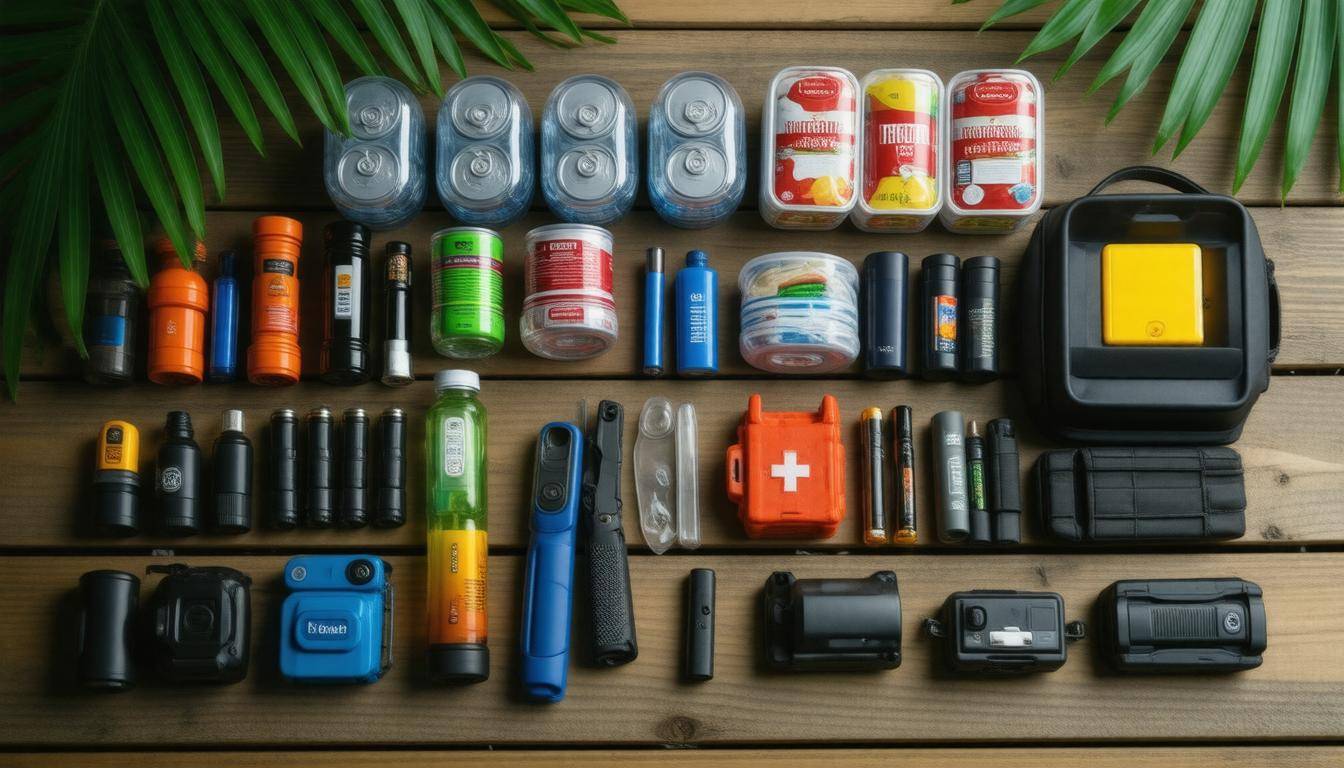
Essential Supplies for Your Kit
Water is the cornerstone of any survival plan and should be prioritized. With at least one gallon per person per day for a minimum of three days, you’ll want to satisfy hydration needs and ensure sanitation. In a pinch, it’s handy to have water purification tablets or a portable water filter system. This way, if your stored water runs low, you can safely source from local streams or water bodies, mitigating the risk of contamination.
Non-Perishable Food
Consider what non-perishable food items might keep spirits high while waiting out a storm. Stocking your kit with canned meats, fruits, and vegetables ensures you get needed nutrients to stay energized. Foods like peanut butter and granola bars not only provide sustenance but are excellent for their compactness and simplicity. Imagine sharing a warm cup of instant coffee or tea during those gloomy moments; it could do wonders for morale, serving as nourishment and comfort amid uncertainty.
Flashlight and Batteries
The importance of reliable lighting in emergencies cannot be understated. An efficient LED flashlight becomes indispensable when the power goes out. When selecting your flashlight, consider its durability. Extra batteries should be included in your kit, but don’t overlook rechargeable or solar-powered models that are more sustainable. These will save energy costs over time and ensure you’re prepared without depleting resources too quickly.
With these critical supplies secured, it’s essential to address the unpredictable nature of weather conditions by incorporating additional gear into your emergency preparations.
Safety and Weather Gear
Having protective clothing is essential during hurricanes or severe storms. You’ll want to pack effective raincoats, sturdy shoes, and heavy-duty gloves that can withstand the elements.
Raincoats should be waterproof and breathable, allowing sweat to escape while keeping moisture at bay. Consider options with hoods to protect your head and neck from wind-driven rain.
Sturdy shoes are crucial for maintaining balance on slippery surfaces; look for footwear designed for traction and support.
Heavy-duty gloves provide protection from sharp debris and help you grip items securely during cleanup operations, safeguarding you from injuries as you navigate through challenging conditions.
Weather Radio
In terms of staying informed, an NOAA weather radio is a must-have. This device delivers real-time weather updates during hurricanes, giving you crucial information on shifting weather patterns or emergency alerts.
Imagine sitting in your living room and suddenly receiving a timely update about a change in hurricane paths. It allows you to make decisions proactively rather than reactively.
Many models feature hand-crank or solar power options, ensuring they remain operational even when other power sources fail. Being able to listen to emergency broadcasts means you can stay ahead of the storm’s developments.
Emergency Whistle
Don’t overlook the importance of smaller yet vital tools like an emergency whistle. This lightweight item serves as your voice when you can’t shout or if you’re trapped under debris after an unforeseen event.
You may think that shouting might suffice, but in reality, fatigue can set in quickly, and your voice may fail you during high-stress situations. The sharp sound of a whistle carries further than a shout and requires far less effort to use. It’s one of those little items that packs a huge punch when it comes to emergency preparedness.
While having appropriate gear is crucial for immediate threats posed by weather conditions, equipping yourself with medical supplies becomes equally essential in facing any challenges that arise during such crises.
First Aid Essentials
A comprehensive first aid kit is crucial not only for minor injuries, like a scraped knee or a small cut, but also because it equips you to respond effectively during an unexpected crisis. In scenarios such as hurricanes, where access to medical help can be delayed or restricted, having the right supplies at hand can make a significant difference in ensuring the well-being of you and your loved ones.
Basic Components
-
Adhesive Bandages: These come in various sizes to cover different types of wounds. It’s best to have a mix—from small ones for cuts to larger pads for bigger injuries.
-
Antiseptic Wipes and Ointment: Sanitizing a wound before covering it helps prevent infections.
-
Sterile Gauze Pads and Adhesive Tape: For larger injuries that require more extensive coverage, these items are essential.
-
Tweezers and Scissors: Whether you need to remove splinters or cut tape, these tools are invaluable. Safety pins can also come in handy for securing bandages in place.
-
Pain Relievers: Stocking pain relievers like aspirin or ibuprofen will ensure you have something on hand for headaches, muscle aches, or other discomforts that may arise.
However, our kits must go beyond basics; they need to incorporate specific medications that cater to individual health needs.
Prescription Medications
If anyone in your household relies on prescription medication, aim to store at least a seven-day supply within your first aid kit. Equally important is maintaining a clear list of these medications, including dosages and any allergies. This way, in the event of an emergency evacuation or shelter situation, you can quickly grab what you need without fumbling around—or worse, leaving crucial medications behind.
Moreover, consider including necessary medical devices like inhalers for asthma sufferers, glucose meters for diabetes management, or EpiPens for those with severe allergies. Ensure everyone knows exactly where these items are stored. It’s all about minimizing panic in stressful situations.
While immediate medical supplies are vital during emergencies, securing proper nutrition is equally critical for navigating challenging circumstances ahead.
Food and Water Provisions
Keeping non-perishable food items and a sufficient water supply is fundamental to your survival during a hurricane. Food supplies must be nutritious and durable since you’ll need sustenance that lasts while also providing energy. Items such as canned soups, pasta, beans, and vacuum-sealed snacks are excellent choices because they can withstand time without spoiling.
For instance, instant noodles are lightweight and require minimal preparation—just hot water! If you’re looking for added nutritional value, consider including powdered milk and protein supplements; these can enhance meals when resources are limited.
Long Shelf-Life Foods
When preparing your hurricane survival kit, focus on selecting foods with long shelf lives:
-
Canned vegetables: These can maintain their quality for 2 to 5 years.
-
Canned fruits: Packed in juice or syrup, these provide hydration and energy.
-
Peanut butter: A high-calorie option that’s great for snacks.
-
Dried fruits: Easy to store and loaded with nutrients, they make for excellent energy boosters.
It’s essential not to forget that you may need a manual can opener if your provisions include canned goods. Without this tool, you could find yourself in quite the predicament during an emergency!
Now let’s shift gears to something equally crucial: water storage.
Storing Water
Water is critical during emergencies—not only for hydration but also for cooking and hygiene. FEMA recommends storing at least one gallon per person per day for three days, so having a solid plan for how to store this water is vital.
While individual bottles are handy for daily use, larger jugs or containers can hold several gallons at once, ensuring you have enough on hand without needing to refill constantly.
Be sure also to check the expiration dates on bottled water periodically; while it generally lasts indefinitely if sealed correctly, taste and quality may deplete over time. A good practice is rotating water supplies every six months to ensure you’re always equipped with fresh resources.
Having a well-stocked hurricane survival kit doesn’t just prepare you for the storm—it gives you peace of mind knowing you’ve taken proactive steps to safeguard yourself and your loved ones.
Beyond food and water, being equipped with the right tools can significantly ease your situation during emergencies.
Emergency Tools and Equipment
A well-rounded toolkit can be worth its weight in gold when a hurricane threatens. It acts not only as a safeguard against impending disasters but also as a boost to your overall preparedness. Knowing you have the right supplies at hand can significantly ease your anxiety during tense situations.
Basic Tools
Among the most essential items, you should definitely include multi-tools, like a Swiss army knife, which can serve multiple purposes, from cutting rope to opening cans. Duct tape is another indispensable companion—its uses are limitless, and in an emergency, it can hold together a shattered window or patch up torn belongings. Don’t forget a wrench to turn off utilities; in case of leaks or damage, having this tool handy can prevent larger catastrophes. It’s about being proactive.
One often overlooked yet critical addition to your toolkit is a small fire extinguisher. In moments of panic, even minor fires can spread quickly. Having a fire extinguisher allows you to tackle those hazards before they escalate into dangerous situations.
Power Solutions
When the storm knocks out power, a portable generator can truly be a game-changer. It gives you the ability to power essential items like refrigerators or medical devices, ensuring you won’t be left completely in the dark—figuratively and literally. Additionally, consider investing in solar-powered battery chargers; these nifty devices allow you to keep your phones and other electronics charged without relying on services that may be down for days after a storm.
Having reliable power solutions makes it much easier to stay informed during emergencies by allowing you to charge your mobile devices for communication and updates.
While tools and power sources play significant roles in immediate responses, turning our attention to vital paperwork and information is essential for your long-term safety and recovery preparations.
Important Documents and Data
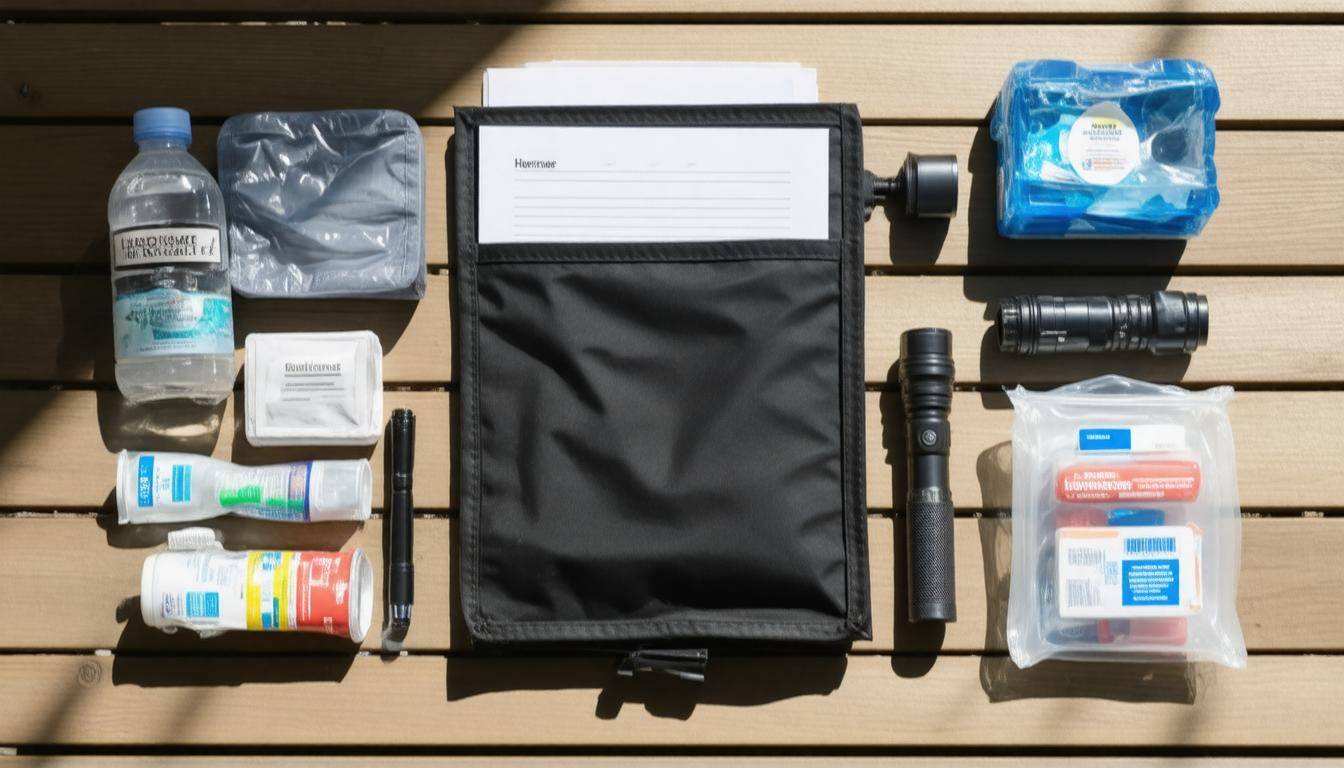
Keeping essential documents safe but accessible can save time and hassle during evacuations, especially during hurricanes when every moment counts. Imagine finding yourself rushing out the door as storm clouds gather overhead; having your important papers right at hand allows you to focus on what truly matters: your safety and that of your loved ones.
Document Preservation
To ensure that you don’t lose any critical information, it’s best to store copies of identification cards, insurance policies, medical records, and bank information in a waterproof and fireproof container. This proactive step shields these crucial documents from the elements while you’re away or even injury during an emergency.
Furthermore, creating digital copies is also wise; storing them on a USB drive or through secure cloud storage can safeguard against physical loss. By preparing both physical and digital formats, you’re effectively doubling your defenses against potential complications during disasters.
Emergency Contact List
Consider crafting an emergency contact list that includes phone numbers, addresses, and alternative contacts. The key here is to make sure it’s up-to-date, especially including nearby shelters and emergency services numbers. Often, when stress levels are high, it’s easy to forget whom to call. A well-organized list provides comfort in knowing you’re covered—providing immediate access to vital support services.
During a hurricane or severe weather event, remember that evacuation routes may change or even be closed, leading to unexpected decisions. Hence, having a backup plan detailed on paper—including your local emergency management agency’s contact—can be invaluable. For example, the Florida Division of Emergency Management offers resources you could use, with contact details like their phone number (850-815-4000) readily available.
While important documents keep us on track, ensuring your property is prepared can minimize damage and amplify safety measures whenever mother nature decides to throw her fit.
Home Preparation Strategies
Protecting your home against the threat of hurricanes not only keeps your property intact but also creates a safer environment for you and your family. One of the first considerations is securing windows and doors, which should be prioritized. Utilizing hurricane shutters or sturdy plywood can significantly reduce the likelihood of breakage from flying debris. Installed properly, these barriers act as shields against the powerful winds typical of hurricanes. Equally important, don’t overlook garage doors; reinforcing them will prevent structural failures that can lower your home’s defenses during a storm.
Beyond simply fortifying openings, clearing outdoor areas is crucial for safeguarding your household. Take a stroll around your yard and identify any items that could potentially become dangerous projectiles in high winds. Items like patio furniture, grills, garden decorations, and even potted plants should either be brought inside or securely fastened down. Trimming back overgrown trees and shrubs is equally vital because dangling limbs can snap off and wreak havoc on your roof or vehicles when gusts pick up.
One homeowner I know regretted not trimming back her trees before Hurricane Irma; she ended up with a large branch puncturing her roof, leading to significant interior damage.
As part of preparing your home, consider emergency plumbing measures as well. If catastrophe strikes and you’re instructed to evacuate, shutting off water lines is essential. Not only does this prevent potential flooding from burst pipes, but it also stops further water damage that can deteriorate your home’s integrity even after the immediate danger has passed. Draining water lines beforehand ensures that you won’t return to unwanted surprises once it’s safe to come home.
Checklist for Hurricane Preparation
-
Windows & Doors: Install permanent storm shutters or secure plywood.
-
Garage Reinforcement: Use brackets or braces designed for hurricane resistance.
-
Outdoor Furniture: Secure or bring indoors.
-
Tree Maintenance: Trim branches that threaten structures.
-
Water Systems: Shut off main valves and drain pipes if evacuating.
With all these preventive measures in place, you’re laying a strong groundwork for surviving a hurricane while keeping your home safe. Next, it’s essential to formulate a clear strategy to seamlessly navigate emergency situations as they arise.
Evacuation Planning Tips
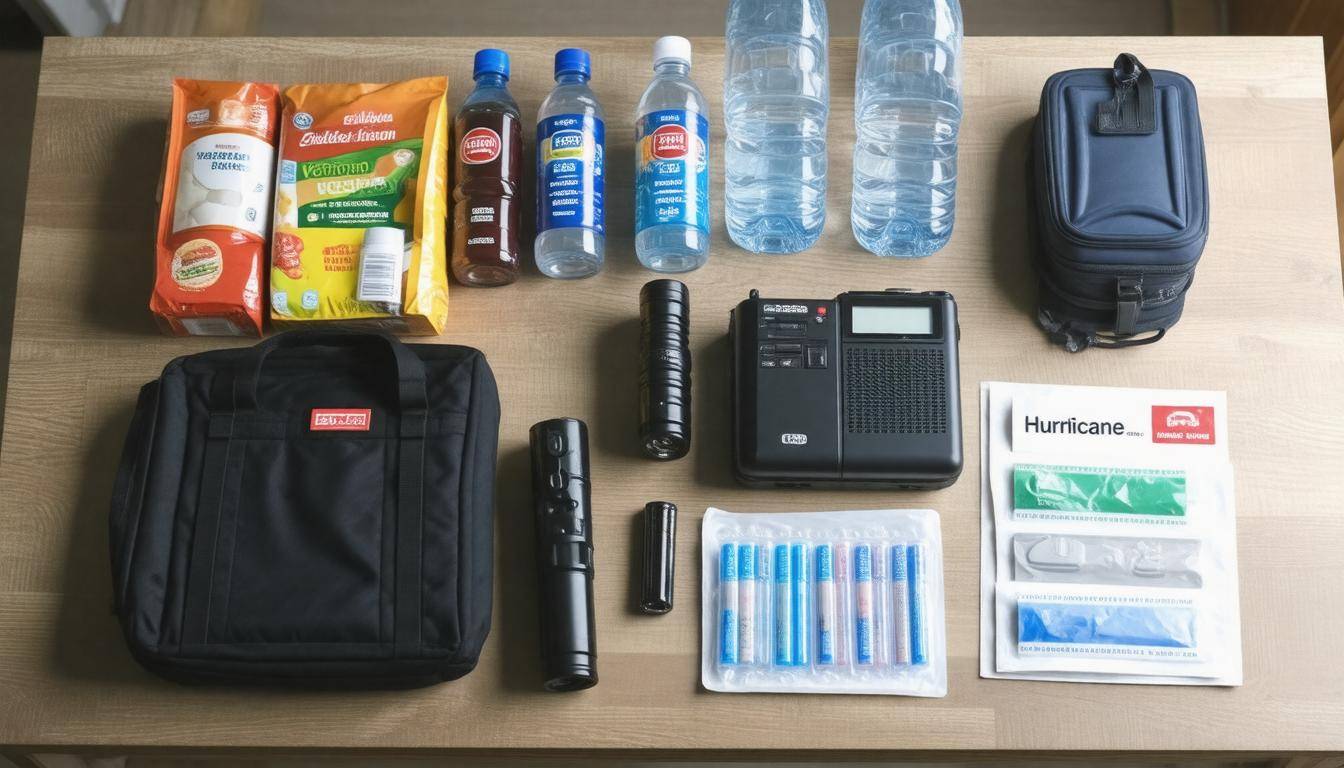
Preparing an evacuation plan is essential for ensuring the safety of you and your loved ones. One of the most vital aspects of this planning process is to thoroughly know your evacuation route. Start by familiarizing yourself with the local evacuation routes designated by emergency management services in your community. These routes are often included in local emergency preparedness brochures or can be found on local government websites.
Because GPS systems can fail due to power outages or high traffic, having a printed map easily accessible in your survival kit is key—this small piece of preparation could save crucial time when every moment counts.
To enhance your readiness, create an emergency go-bag that contains essentials for each family member. This bag should have enough clothing, personal hygiene items, and non-perishable food and water supplies for at least three days.
Imagine trying to gather everything last minute; it’s common to forget vital items like medication or important documents in the heat of the moment. By pre-packing these necessities, you’ll provide a sense of stability in an otherwise unpredictable situation.
Now think about communication during an emergency; what if you become separated from your family? Having a clear family communication plan in place can help alleviate some anxiety. This plan should include where everyone will meet up after evacuating, so no one is left stranded in an unfamiliar area.
Consider designating a trusted friend or relative who lives outside your immediate area as a point of contact for all family members. This way, individuals can reach out to someone who isn’t directly impacted by the disaster.
One effective tip I’ve seen families use involves keeping that meeting spot visible; as simple as posting reminders around the house ensures everyone knows where to go. Making sure that young children understand this information may also prevent panic if they get lost during evacuation.
Communication Devices
In our tech-driven world, maintaining communication lines open during an emergency is critical. A fully charged power bank and a backup battery for your cellphone are must-haves in your go-bag. Relying solely on conventional outlets may not be wise during a hurricane when power outages are likely, so having those extra charging options means you won’t risk losing touch with essential updates or loved ones.
Investing time into preparing these aspects of your evacuation plan will foster confidence and security during possible turmoil. When you’re ready ahead of time, facing an impending storm becomes less daunting.
In times of crisis, being well-prepared not only safeguards your family’s well-being but also instills peace of mind. Taking these steps now can lead to safer outcomes when hurricanes hit Florida.
How much water should I store for each person in my household during a hurricane?
During a hurricane, it’s recommended to store at least one gallon of water per person per day for at least three days. This ensures adequate hydration and sanitation needs during emergencies when clean water supplies may be disrupted. Considering that hurricanes can lead to extended power outages and infrastructure damage, having a sufficient water supply is crucial for survival and well-being during such events.
How often should I update and check the items in my hurricane survival kit?
You should check and update your hurricane survival kit at least twice a year, ideally in the spring and fall. This ensures that food, water, and medications remain within their expiration dates and are fresh when needed. According to FEMA, over 60% of households do not have adequate emergency supplies, making regular checks crucial for effective preparedness. Keeping items up-to-date increases your chances of staying safe and resilient during a hurricane event.
What specific tools or equipment are recommended for a hurricane survival kit?
A hurricane survival kit should include essential tools such as a flashlight with extra batteries, a multi-tool or knife, duct tape, a first aid kit, and a battery-powered radio for emergency updates. According to the National Hurricane Center, having these tools can significantly enhance your preparedness and safety during a storm. It’s also wise to include items like water purification tablets and non-perishable food to sustain you in case of power outages or evacuations.
Are there any medical supplies that are crucial to have on hand during a hurricane?
Yes, having essential medical supplies during a hurricane is crucial for emergency preparedness. Key items include a first-aid kit stocked with bandages, antiseptics, and pain relievers; prescription medications for chronic conditions; and tools like a thermometer and scissors. A survey by the American Red Cross indicates that 68% of families feel unprepared for emergencies, highlighting the necessity of being equipped with medical supplies to handle injuries or health issues when professional help may be unavailable due to storm conditions.
What are the top non-perishable food items to include in a hurricane survival kit?
The top non-perishable food items to include in a hurricane survival kit are canned goods (like beans, vegetables, and soup), rice, pasta, peanut butter, granola bars, and shelf-stable milk. These items are rich in nutrients and provide a good mix of carbohydrates, protein, and fats to sustain energy during emergencies. According to the Federal Emergency Management Agency (FEMA), it’s essential to have at least a three-day supply of food for each person in your household, highlighting the importance of being prepared with foods that require no refrigeration or cooking.