
Food security is a challenge that many families face, especially during tough times. Imagine being in a situation where you wonder how to put enough food on the table for your loved ones. Thankfully, across the nation, food banks stand ready to help those who are struggling. They are more than just places to get groceries; they provide vital support and connections for individuals and families in need. This article will guide you through understanding the resources available, from local food banks to community programs aimed at easing food insecurity. With this knowledge, you can find the assistance needed to navigate difficult situations and reach out for help without hesitation.
You can access our Regional Directory of Food Bank Emergency Resources to find local food banks and other assistance programs in your area. This directory provides detailed contact information, operating hours, and eligibility requirements to help you quickly find the support you need during times of food insecurity.
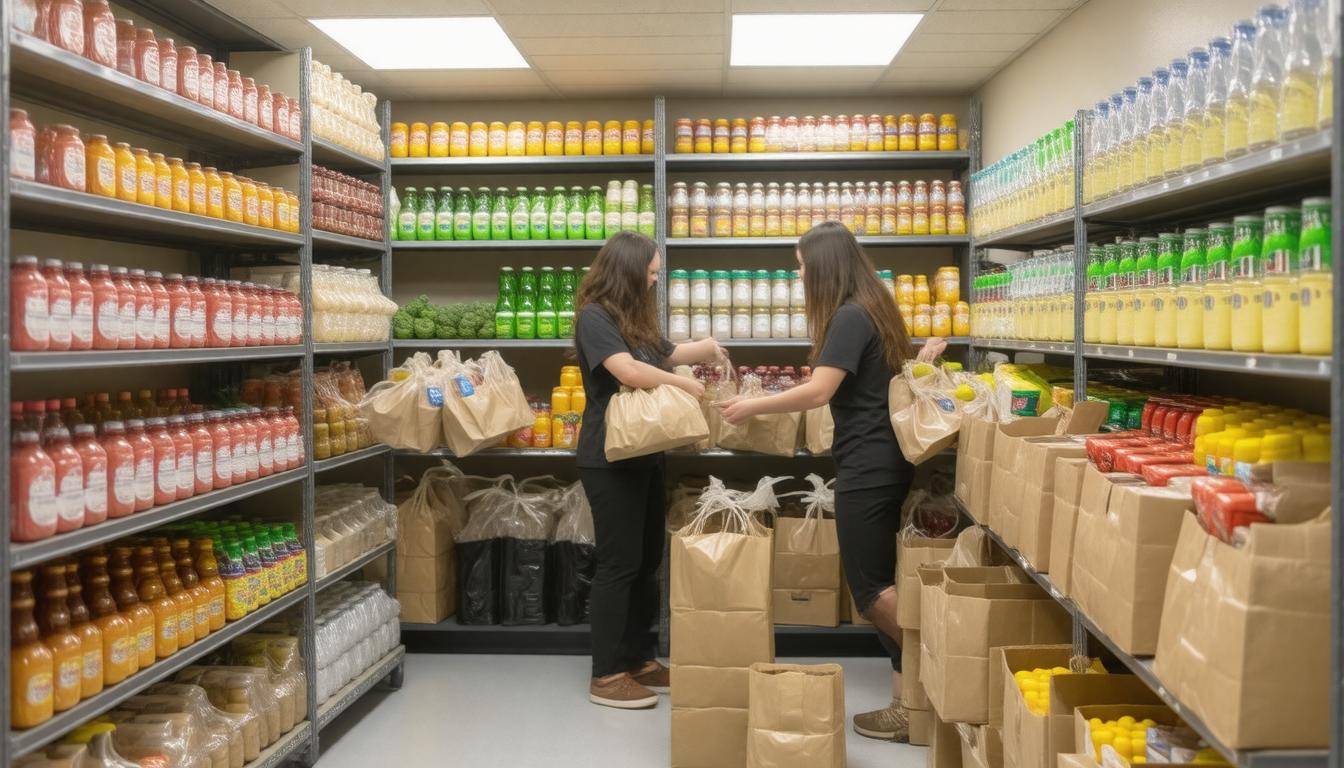
Comprehensive Directory of Food Banks by Region
A comprehensive directory of food banks organized by region empowers individuals seeking assistance and highlights the varied resources available across the country. Each food bank serves as a critical hub, connecting community members with nutritious food; understanding their geographical presence can be lifesaving. With over 200 food banks spanning the United States, these organizations cater to specific local needs while collaborating with many smaller agencies.
Data from Feeding America shows that some regions have highly concentrated food banks, while others are more dispersed. Take the Greater Boston Food Bank; it’s a lifeline that supports over 500 local pantries, demonstrating how interconnected these services can become. Conversely, in regions like Northern California, networks are more spread out, making it essential to seek help from the designated local resource that aligns with your area.
Regional Breakdown
Let’s look at pivotal food banks across various regions:
Northeast: Two significant players include the Greater Boston Food Bank and the Food Bank For New York City. Both serve dense populations and offer sprawling resources, tailored programs, and nutritional education.
South: The Atlanta Community Food Bank is notable for its expansive reach and partnerships with various organizations. Similarly, the Central Texas Food Bank fights hunger across a vast area, focusing on providing fresh produce and culturally relevant foods.
Midwest: The Greater Chicago Food Depository provides food access to thousands of people through its carefully strategized distribution network. In addition, the St. Louis Area Foodbank serves a diverse population with an emphasis on outreach toward underserved communities.
West: On the West Coast, the Los Angeles Regional Food Bank tackles food insecurity in a massive urban setting. The Oregon Food Bank similarly engages local communities while offering specialized programs that focus on long-term food security.
Armed with knowledge about where to find these vital resources, we can now shift our focus toward understanding the different forms of assistance available to those experiencing food insecurity.
Types of Assistance Provided
Food banks are more than just places to pick up groceries; they are community hubs that work tirelessly to ensure individuals and families have access to necessary resources. This includes essential services like nutrition education, encompassing cooking classes and distributing recipe books designed to promote healthy eating on a budget.
Nutritional Support: Imagine walking into a food bank and being handed a binder filled with nutritious recipes tailored to what’s available in the pantry. It’s all about empowering people with knowledge, making it easier for them not only to feed themselves but also to understand the diverse ways they can prepare meals that are both healthy and satisfying.
Moreover, many food banks serve as a vital link to applying for SNAP (Supplemental Nutrition Assistance Program) benefits. These experts assist in navigating forms and understanding eligibility, which can often be daunting. Removing these barriers helps countless families secure the financial support they need for their grocery budgets.
Health Services
Some food banks take their commitment even further by partnering with local healthcare organizations. For instance, providing health check-ups or screenings ensures patrons leave not only with bags of food but also with information about their health status.
Healthcare Partnerships: Such collaborations demonstrate the evolving role of food banks; they become vital players in promoting overall community well-being. By expanding service offerings, they directly address issues beyond hunger, such as physical health, legal assistance, and financial literacy.
Additionally, it’s important to consider other resources that might enrich the lives of food bank clients.
Legal & Financial Advice
Many food banks join forces with local legal aid organizations to provide crucial legal advice and budgeting help. Families may face issues like eviction notices or debt collections; tackling these matters without guidance can be overwhelming. In some cases, free workshops might be organized, teaching beneficial skills such as crafting a budget or understanding tenants’ rights.
Community Empowerment: The goal here is twofold: alleviating immediate hardships while equipping individuals with tools to build long-term stability in their daily lives.
In essence, food banks strive to connect people not just with nutritious food but with information and support that can make a significant impact on their lives.
As we continue this exploration of available resources, we will now look into essential contact details and online platforms that can facilitate access to these services.
Contact Information and Websites
Having up-to-date contact information for food banks is like having a key to open a door in times of need. Each food bank acts as a community lifeline, and their contact methods ensure that you can reach them quickly when you need help most. Regularly updating this information is essential—people may move, change businesses, or alter their operation hours based on local conditions. Therefore, the journey begins by knowing how to get in touch.
Contact Methods
-
Phone Numbers: Each food bank houses dedicated helplines, often staffed by individuals trained to assist families in distress. For example, if you’re in Los Angeles, just dial (323) 234-3030 for the Los Angeles Regional Food Bank. They can help assess your needs and guide you through available services.
-
Websites: In this digital age, many food banks have embraced technology, providing comprehensive websites where you can find essential information about locations and schedules or even make instant donations, like at the Greater Chicago Food Depository. This ensures you have easy access to resources at your convenience.
-
Social Media: Don’t overlook your favorite social media platforms! Many food banks actively post updates on urgent needs or community events through channels like Facebook, Twitter, and Instagram. Following these accounts can keep you informed about food drives, special initiatives, or changes in operating hours.
This accessibility to contact methods underscores the importance of staying connected with these vital resources. As we consider the implications of this support system, it’s worth exploring how these resources can specifically aid families seeking assistance.
How Families Can Benefit
Beyond just providing essential food items, food banks serve as a critical lifeline for families struggling with food insecurity. They offer much more than groceries; these organizations provide support systems that address various aspects of family well-being. For instance, they often organize community events and workshops that empower families, helping them gain new skills and information that improves their quality of life. When families access food banks, they benefit from a holistic approach to addressing their needs.
The reality is stark: according to the USDA, approximately 14 million children in the United States face food insecurity. By utilizing food bank services, families report remarkable improvements in their circumstances—often not just in filling their cupboards but in enhancing their overall stability. This includes better health outcomes and opportunities for personal development. A stable food resource translates to reduced stress levels in households, allowing parents to focus on providing nurturing environments for their children.
“Food banks are not just about handing out canned goods; they are about lifting communities out of poverty.”
Many food banks offer additional services such as free health screenings, which can identify potential health problems early on. These screenings can be invaluable for families who may not have consistent access to healthcare. Furthermore, partnerships with local healthcare providers often extend beyond check-ups; they may include educational seminars on topics like nutrition, cooking on a budget, or managing health conditions through diet.
Take, for instance, a family in Ohio that found more than just staples at their local food bank. They gained sustained nutritional stability by accessing nutritious foods regularly and tapped into programs that provided job training. Such an opportunity positioned them toward long-term financial independence rather than just short-term relief.
Engaging with a food bank connects families to a network of support—extending far beyond mere sustenance. Additionally, many facilities foster community engagement through volunteer programs where families can become involved themselves. As families take part in this collective effort, they build a sense of belonging, reconnecting with others in similar situations and sharing experiences.
Recognizing the multifaceted benefits provided by food banks illuminates how important it is to actively participate in helping others through acts of service and generosity.
Volunteering and Donation Opportunities
Food banks thrive on the commitment of individuals willing to lend their time or resources in service to those in need. Volunteering at a food bank can be a profoundly rewarding experience, as it allows you to see firsthand the impact of your contributions. There are numerous ways to get involved that make a tangible difference; for instance, volunteers often engage in activities like sorting canned goods, repacking bulk items into family-sized portions, or even distributing food directly to families during scheduled events.
But the involvement doesn’t stop there. Organizing fundraising events—whether large or small—can also create significant waves of support. Imagine hosting a bake sale with friends; every dollar earned contributes to procuring fresh fruits and vegetables that would otherwise be inaccessible to many. It’s these kinds of efforts that remind us how community spirit can transform lives and reinforce bonds between neighbors.
Monetary Donations: “Every dollar counts,” as they say. Direct monetary donations empower food banks by giving administrators the flexibility to purchase what is needed most at any given time, including fresh produce which may not be readily available through community donations. Consider making monthly contributions if you’re able; consistent support helps food banks plan effectively.
Additionally, you might want to consider in-kind donations, which are equally important:
- Non-perishable food items such as pasta, rice, or canned beans are always welcomed.
- Hygiene products like shampoo and soap help ensure dignity is preserved while service is provided.
- Seasonal clothing makes a significant difference for families facing harsh weather conditions.
You could even do a “spring cleaning” challenge — gather clothes you no longer wear and transform them into support for others!
Organizations often recognize the value of teamwork when it comes to volunteering; take the Atlanta Community Food Bank as an example. They have implemented corporate volunteering programs tailored specifically to enhance team-building while simultaneously addressing pressing community needs. Such partnerships can strengthen workplace relationships while promoting corporate social responsibility.
However, emergencies can often require immediate assistance; navigating available options quickly during a crisis becomes essential. With this in mind, let’s explore the variety of resources out there designed to provide support during tough times.
Finding Help During a Crisis

In times of emergency, immediate action is crucial. Whether it’s due to natural disasters, food shortages, or unexpected personal hardships, knowing the right steps can make all the difference in securing vital assistance. Accessing resources during these challenging moments is a necessity and a lifeline.
Immediate Steps
The first step to take is to visit the nearest shelter. Many shelters are equipped with food distributions designed specifically for those in need during emergencies. These locations typically do not require extensive documentation, allowing individuals to receive assistance quickly and without bureaucratic delays. Whether you’re experiencing a local disaster or personal crisis, reaching out to a nearby shelter can provide both food and a sense of community.
After finding a shelter, it’s important to utilize available resources effectively.
Another helpful approach is to call emergency hotlines, such as 2-1-1. This number connects you to local services that offer support tailored to your specific needs. Whether it’s information about food assistance programs, housing support, or emergency health services, calling this hotline provides immediate access to knowledgeable representatives who can guide you through various options available in your area. Often, these hotlines will have updated lists of local resources that may not be widely known or advertised.
Additionally, leveraging technology can play a significant role.
Checking online directories like FoodPantries.org serves as an excellent way to locate emergency food distribution points. You simply enter your zip code or city name, and the site will provide you with nearby pantries and available services. It’s important to keep in mind that many of these resources operate on limited hours or may experience high demand during crises, so being proactive can ensure you receive the necessary help before supplies dwindle.
Remember: The combined efforts of community members and organizations can make survival during rough times easier for everyone involved. Engaging with local support systems addresses immediate needs while fostering connections that enhance long-term resilience in the face of adversity.
Participating in community discussions about food insecurity and resource availability cultivates an environment where everyone feels supported and informed. Sharing experiences and spreading awareness about local resources helps ensure that no one feels alone during their time of need.
As we explore additional avenues for support, it’s essential to consider how collaborative initiatives strengthen our communities and provide a safety net for those in need.
Community Support Programs
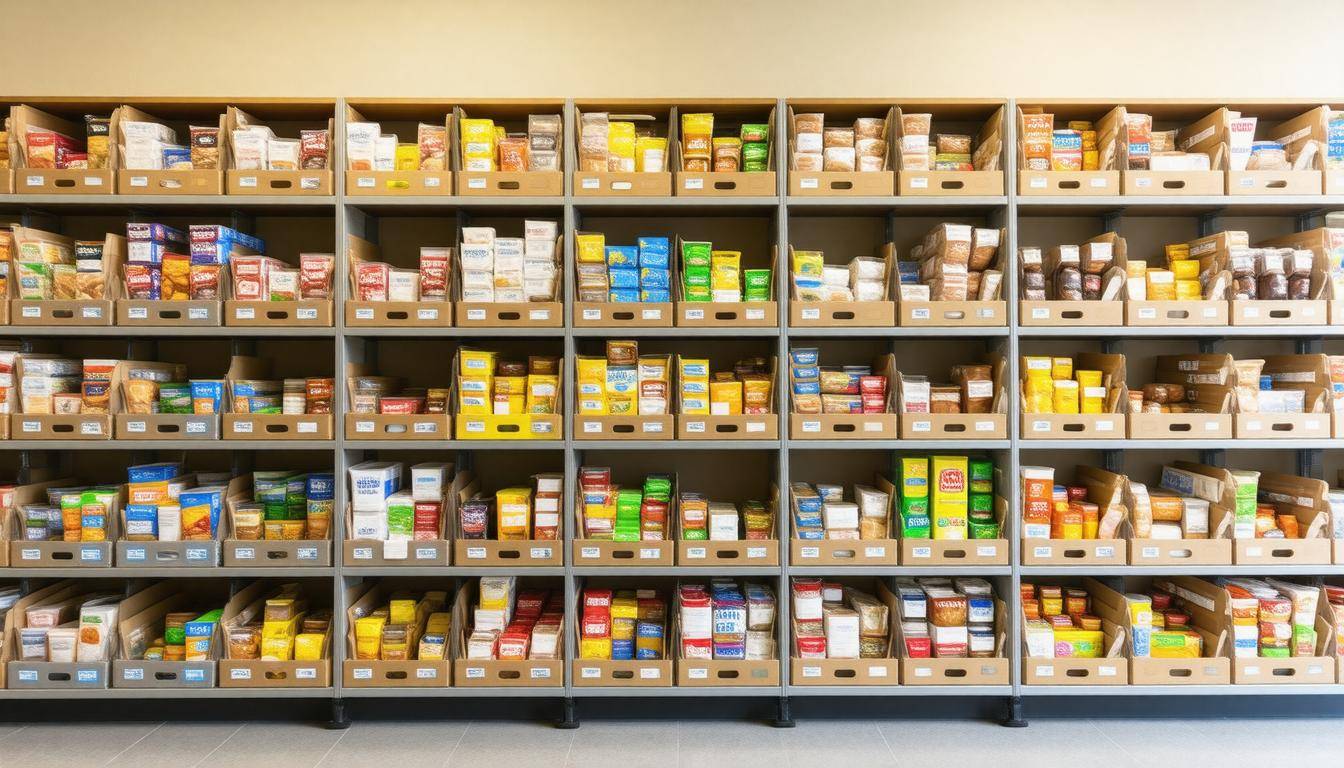
Local communities often come together to form robust networks that enhance the reach of food banks and provide valuable assistance. These initiatives can include various activities designed to alleviate hunger and promote healthy eating habits. One standout example is the Backpack Buddies program, which discreetly sends students home with bags filled with meals for the weekend. This approach not only fills bellies but also addresses the stigma often associated with using food assistance; children receive meals without feeling singled out.
On a broader scale, community initiatives can take many forms, such as communal gardens where neighbors collaborate to grow fresh vegetables and fruits. These gardens not only supply food but also foster relationships among residents, allowing for shared responsibility and empowerment. Additionally, meal-sharing events where families prepare dishes for one another create an environment of support and interdependence.
Benefits
The benefits of these community programs extend well beyond just providing meals. They cultivate a sense of belonging and responsibility that enhances overall food security. When communities unite around common goals, they transform individual struggles into collective resilience. For instance, people might find themselves more willing to lend a helping hand when they know their efforts contribute to a larger cause. Such solidarity boosts morale and encourages sustainable practices like local food production.
Furthermore, residents involved in these programs are better equipped to advocate for their needs and navigate emergencies. The relationships and networks formed through these initiatives can be essential during times of crisis, providing immediate access to resources that may otherwise be difficult to obtain.
As you consider the role of community support in enhancing food bank efforts, keep in mind how these interconnected systems lay the groundwork for effective navigation through emergencies.
Utilizing the Directory for Emergency Support
The Food Bank Emergency Resources Directory is a powerful tool designed to help individuals and families access assistance during critical times. Think of it as a lifeline that connects you or your loved ones to essential food resources in just a few clicks. To maximize the directory’s effectiveness, familiarize yourself with its structure and learn how to use it efficiently during emergencies.
Steps to Utilize
First and foremost, bookmark the directory on your browser. By doing this, you’re ensuring that whenever you find yourself in a pinch, you have ready access to all the information needed at your fingertips. A simple click will transport you directly to a wealth of resources instead of rummaging through slow searches.
Next, it’s vital to note key contacts. Make it a habit to write down or save the phone numbers of the nearest food banks listed in the directory. For example, if you’re in the Northeast, having the Greater Boston Food Bank’s number on hand (617-427-5200) can make a significant difference when time is of the essence. This preparation creates a sense of security among friends and family who may need immediate access to food resources.
Additionally, don’t hesitate to share information about the directory with vulnerable members of your community. Discussing it with neighbors who might be struggling or posting helpful guidelines on local social media groups is crucial. Access to such valuable information doesn’t just help individuals; it builds stronger community ties where people look out for one another.
| Region | Key Food Banks | Contact |
|---|---|---|
| Northeast | Greater Boston Food Bank | 617-427-5200 |
| South | Atlanta Community Food Bank | 404-892-9822 |
| Midwest | Greater Chicago Food Depository | 773-247-3663 |
| West | Los Angeles Regional Food Bank | 323-234-3030 |
This organized approach greatly enhances your preparedness level, creating an environment of confidence in handling emergencies. When resources are easily accessible, lives can be saved and hardships alleviated with urgency and efficiency.
In times of need, having easy access to local assistance can transform situations for individuals and families facing hunger. The Food Bank Emergency Resources Directory serves as an essential guide in these challenging moments.
How often is the information in the food bank emergency resources directory updated?
The information in the food bank emergency resources directory is typically updated quarterly to ensure accuracy and relevance. This frequency allows for timely adjustments based on changes in local food bank operations, availability of resources, and community needs. Regular updates help maintain a reliable support system for individuals seeking assistance, which is especially crucial during times of crisis when food insecurity may rise.
How can someone find the nearest food bank using a regional directory?
To find the nearest food bank using a regional directory, one can access online resources or printed directories that list food assistance programs by locality. Typically, these directories categorize food banks by zip code or county, allowing users to quickly identify available options within their area. According to recent statistics, approximately 1 in 8 Americans relied on food banks in 2023, highlighting the importance of utilizing such resources effectively in times of need.
What types of services can one expect to find listed in a food bank emergency resources directory?
In a food bank emergency resources directory, one can expect to find a range of services including food distribution sites, nutritional assistance programs, meal delivery services, and referrals to local social services such as housing or healthcare support. Additionally, many directories provide information on eligibility requirements and operating hours, ensuring that individuals can easily access the help they need during times of crisis. According to Feeding America, approximately 1 in 9 people in the U.S. is food insecure, making these resources crucial for communities facing hunger and economic hardship.
Are there specific eligibility requirements for accessing services listed in the regional directory?
Yes, there are specific eligibility requirements for accessing services listed in the regional directory of food banks. These requirements typically include factors such as household income level, residency status, and family size. For instance, many food banks operate under the guidelines set by the U.S. Department of Agriculture, which often stipulates that families must be at or below 200% of the federal poverty level to qualify for assistance. In recent years, nearly 35 million people in the U.S. faced food insecurity, underscoring the importance of these resources in supporting vulnerable populations.
What steps should organizations take to create an effective regional directory of food bank resources?
To create an effective regional directory of food bank resources, organizations should first conduct a thorough needs assessment to identify gaps in services and prioritize areas with the highest food insecurity rates. Collaborating with local partners, such as nonprofits and government agencies, can ensure comprehensive coverage and up-to-date information. Utilizing digital platforms for accessibility and real-time updates will enhance reach, as studies show that 80% of individuals in need prefer online resources. Additionally, regularly collecting user feedback will help in refining the directory to better serve community needs over time.