
Imagine opening your pantry and being greeted by a sea of organized ingredients, each one vying for your attention in a way that makes cooking feel like an adventure rather than a chore. That’s the magic of an efficient food storage rotation system! It may seem simple, but how you store and use food can save you money, reduce waste, and even boost your culinary creativity. You might be surprised to learn that many households toss out around $1,500 worth of spoiled food each year. So, if you’ve ever felt overwhelmed by a cluttered pantry or puzzled over what to cook with what’s slowly expiring in the back, you’re in the right place. This guide will walk you through easy steps to transform your pantry into an inviting, functional space that helps you make the most of what you have on hand. Let’s get started!
The Food Storage Rotation System guide outlines essential steps such as organizing your pantry by categorizing items, labeling containers with expiration dates, and implementing the FIFO (First In, First Out) method to ensure older items are used before newer ones. Additionally, it emphasizes the importance of regular inventory checks to minimize waste and maintain freshness in your kitchen.
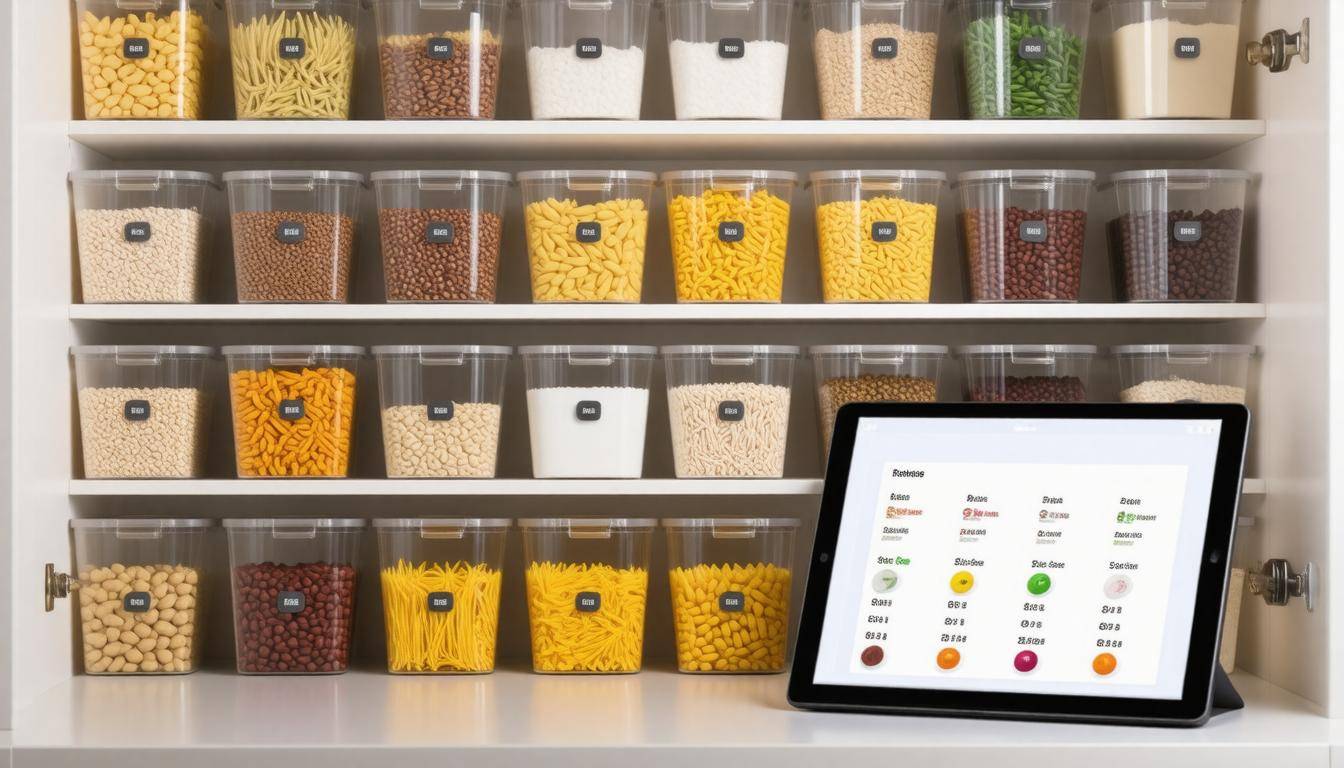
Introduction to Food Storage Rotation
A food storage rotation system isn’t just a fancy name; it’s a proven method that can transform your kitchen and help you maximize your resources. Essentially, this system relies on the First In, First Out (FIFO) principle, which involves consuming older items before newer ones.
Picture yourself reaching for a can of soup or a box of pasta—by organizing these foods so that the oldest is always accessible, you’re not only preventing waste but also ensuring that what you consume is at its best quality.
The significance of implementing such a system becomes even clearer when you consider the astounding statistics: according to the Natural Resources Defense Council, American households waste approximately $1,500 each year due to spoiled food. That’s enough to make anyone reevaluate their grocery habits. By engaging with FIFO, you reduce waste and save money—a win-win situation at its core!
Now, think about your pantry for a moment. When you bring in new groceries, where do they go? If you’re like many people, the habit might be to simply stack them wherever there’s space. This practice can lead to unfortunate consequences: those cans of vegetables in the back may remain untouched until they reach their expiration date!
To implement an effective rotation system, start by conducting an inventory of your pantry. Take everything out—yes, everything!—and give yourself space to work with. As you sift through items, pay close attention to expiration dates and condition; toss any expired or damaged goods immediately. This decluttering step is essential as it prevents old items from piling up among fresh ones.
After clearing out your pantry, consider these tips when reorganizing:
- Place newer items behind or below older ones.
- Categorize similar items together; for example, keep all pasta in one spot and canned goods in another.
- Use containers or clear bins to prevent smaller items from getting lost in the back.
With your pantry organized following the FIFO principle, you’ll find that meal planning becomes significantly easier. Knowing you have older ingredients readily available encourages creativity—who knows? You might end up making a magnificent minestrone soup precisely because those diced tomatoes were front and center! This streamlined approach not only saves time but also enhances your cooking experience as you engage with ingredients that deserve a place on your dinner table.
Benefits of Organized Storage
Implementing an organized food storage system isn’t just a matter of tidiness; it can yield fantastic benefits in your everyday life. One of the most significant perks is minimized waste. By rotating your food supply and ensuring older items are used first, you’re actively working to reduce spoilage. Studies show that this simple act can cut down waste by as much as 30%. Imagine looking into your pantry and realizing that those ingredients you’ve forgotten about are no longer languishing at the back—what a relief!
But that’s just the beginning of the benefits; there’s more to consider when organizing your food.
Another crucial advantage is cost savings. Reducing waste naturally leads to financial benefits. With less spoiled food to throw away, households can potentially save around $1,500 annually. Less money spent on ingredients that go bad means more cash leftover for enjoyable meals or other essentials. These savings add up significantly over time.
Marrying waste reduction with cost savings results in a third advantage: improved meal planning. Knowing exactly what ingredients you have on hand aids immensely in meal preparation. You can prepare dishes based on what needs to be used up, optimizing both time and resources. Instead of scrambling last minute to figure out dinner, you can enjoy a smooth cooking experience—saving an average of 15-20 minutes each week simply due to efficient organization.
Additionally, all these benefits contribute to greater food safety in your kitchen. When you maintain an organized setup, the risk of consuming expired products decreases significantly. Research shows that proper storage practices can cut foodborne illnesses by as much as 50%. This mental peace is worth its weight in gold because knowing that each meal is prepared safely enhances overall well-being.
As if all these advantages weren’t enough to excite any home cook, there’s yet another positive aspect: it leads to an overall improvement in kitchen organization.
Structured food storage maximizes usable space and engages creative solutions—vertical and horizontal organization techniques can increase available space by approximately 25%. Utilizing shelves efficiently ensures containers and ingredients are easily accessible rather than buried under heaps of clutter. This step transforms your kitchen from chaotic to serene, making cooking increasingly enjoyable.
With these myriad benefits in mind, let’s take a closer look at how you can set up your storage effectively for better organization and ease of use.
Setting Up Storage Shelves and Containers

The backbone of any efficient food storage rotation system is a well-organized and accessible shelving setup. Your choice of shelves is vital; it dictates not just how much food you can store but also how easily you can access them at any time. Opting for sturdy shelving units is paramount. I’ve found that adjustable shelves like the IVAR system from IKEA offer remarkable flexibility—each shelf can be repositioned to accommodate larger items or various container sizes as your needs change over time.
As an extension of this practicality, consider the shelf height. Standard shelving should ideally sit at around 72 inches with each shelf spaced 12 to 16 inches apart. This ensures you’re making use of vertical space effectively while also keeping containers easy to reach. Imagine reaching up high for that cherished jar of homemade pasta sauce; if your shelves are too cramped, it might summon more frustration than joy.
Choosing the Right Shelves
When designing your food storage area, don’t overlook processor compatibility with bulky kitchen appliances or large bags of flour and sugar. Deep cabinets are fantastic for hiding these essentials; I recommend solid-door units like the Havsta from IKEA, which not only conceal clutter but help maintain a clean aesthetic in your kitchen.
Once you’ve established your shelves, it’s time to think about proper containers, which play a crucial role in maintaining freshness and organization.
Proper Containers
Utilizing airtight containers for perishables is essential to prolong their shelf life. Clear plastic or glass containers are ideal because they allow for quick visibility of inventory levels—no more rummaging through bags trying to figure out what’s left! With this transparency, you can easily spot when it’s time to replenish supplies before running out entirely.
However, organization doesn’t end with clear containers. I highly recommend implementing a labeling system too, which adds another layer of efficiency to your rotation strategy. Each label should include the item’s name, purchase date, and expiration date—affixing this information on waterproof labels will ensure durability against spills and moisture.
The right combination of thoughtful shelving design and clever container choices creates an ecosystem where freshness reigns supreme and food waste is minimized.
Pairing these considerations will not only enhance your kitchen’s functionality but also foster a sense of calm as you effortlessly navigate your stocked provisions. As we continue forward, let’s explore actionable procedures that can make your food item rotation seamless and effective.
Steps for Efficient Rotation
Efficient rotation can safeguard food freshness and reduce waste, which is essential in any kitchen, especially in smaller spaces. It begins with a clear understanding of your inventory. The first step involves initial sorting: Take everything out of the pantry and categorize all existing food items. Group them by type, such as canned goods, dry goods, frozen items, and so on. As you sort, it’s vital to note expiration dates—this gives you a comprehensive overview of what needs to be used sooner rather than later.
By categorizing items not only do you simplify your cooking process, but you also create a straightforward way to manage what you have on hand.
Once everything is sorted, it’s time to focus on how to store new purchases effectively.
The next step is about shelving new purchases correctly. When you bring home new groceries, make a habit of placing these items behind older stock on the shelves. This ensures that those older items are used before the newer ones—commonly referred to as the first-in, first-out (FIFO) method. This approach minimizes waste by preventing older items from being forgotten in the back of the pantry. You might say that it’s like playing a game of Tetris; fitting everything in the right way assures efficiency in usage!
After shelving, it’s crucial to remain proactive about checking your pantry regularly.
Regular checks are essential for maintaining an efficient rotation system within your food storage. Make it a habit—perhaps once a month—to reassess what’s in your pantry. During this check-up, move items closer to the front based on their proximity to expiration dates. This practice not only keeps your inventory fresh but also stimulates creativity in meal preparation as you utilize more of what you have rather than defaulting to takeout or quick fixes.
Keeping a detailed inventory log can help immensely during these checks; note down purchase dates and expiration information so that nothing slips through the cracks.
With these foundational steps established and regular maintenance underway, we can now explore how effective labelling can enhance your storage strategy and ensure nothing goes unnoticed.
Effective Labelling and Expiration Management
Proper labeling is paramount in a food storage rotation system. Clear labels are not just about aesthetics; they serve as your first line of defense against spoilage and waste. Whether you’re using simple labels or more sophisticated ones, they should be both easy to read and resilient enough to not smudge, even in humid conditions. Imagine reaching for a jar of sauce only to find you can’t decipher the ingredients because the label has faded—frustrating, right?
Color-coded labeling can simplify this process further by allowing you to quickly identify different categories of food at a glance, such as grains in blue, canned goods in green, and perishables in red.
For instance, marking the tops of canned goods with a permanent marker ensures you can see what’s inside without having to pull each one out. Similarly, for dry items like flour and sugar kept in canisters, removable labels can keep things tidy while allowing you flexibility for changing contents.
“Labels are not merely adhesive stickers; they are effective communication tools.”
Another vital component of effective labeling is managing expiration dates. It can be easy to overlook how long you’ve had an item, especially if it’s tucked away on a shelf. To combat this, clearly mark expiration dates on all food items using permanent markers or pre-printed labels. This small step can prevent a nasty surprise when you open a container of expired rice or spices that have lost their potency.
Additionally, consider including other useful information directly on the label:
-
Date Opened or Date Purchased: This helps track freshness and encourages using items before they expire.
-
Storage Conditions: Particularly for perishables, note if something needs refrigeration after opening.
Maintaining accuracy with these labels will also require diligence; hence regular checks become necessary.
I recommend scheduling bi-weekly or monthly checks of your inventory. This includes updating labels as needed and removing expired items from your pantry. Not only does this ensure that your food remains fresh, but it also fosters a mindful approach towards consumption—helping you avoid unnecessary waste.
By prioritizing an organized labeling and expiration management system within your food storage routine, you’ll create an efficient environment that encourages healthy eating habits while minimizing wasted resources. Your pantry will thrive with regular care!
This careful attention leads us seamlessly into considering ways to monitor what’s in your pantry effectively and ensure nothing goes unnoticed.
Stock Tracking Methods

Knowing what you have on hand is key to making efficient use of your pantry space. Two primary methods for tracking stock are manual tracking and digital tracking, each with its own benefits depending on your style and preference.
Manual tracking can be as simple as using a whiteboard or notepad affixed to your pantry wall. When you reach for an item, jot down what you’ve consumed. This tangible method creates immediate awareness; every time you glance at the board, you’re reminded of what needs replenishing. It’s straightforward yet effective, especially for those who enjoy a hands-on approach.
On average, households that employ manual tracking methods report a 15% reduction in food waste since they’re constantly aware of what’s left in their kitchens.
However, if you’re someone who loves tech innovations, then digital tracking systems might be an excellent fit for you.
Digital tracking offers apps like Pantry Check or Out of Milk, which are game-changers when it comes to managing your kitchen inventory efficiently. These applications allow users to catalog their items, categorize products by type, and even receive notifications when something is running low. Plus, many include a convenient barcode scanning feature that allows you to quickly update stock levels just by taking a picture of the product’s barcode.
Studies indicate that businesses employing barcode scanning systems can reduce their inventory management time by up to 50%, showcasing the value of this technology.
Both methods serve to enhance your organization system and streamline how you manage food supplies. Regular audits—whether digital or manual—can significantly improve your knowledge of what’s available while reducing purchases that lead to duplication or spoilage. Think of it this way: when you know exactly what’s in your pantry, you’re not only saving money but also encouraging yourself to cook rather than order takeout simply because you thought you had nothing at home.
As we explore further into the mechanics of stock management, consider how mastering these methods can lead to more mindful purchasing and meal preparation.
Planning Purchases and Meals
Meal planning plays a vital role in maintaining an efficient food storage rotation system. By considering what you’re going to make before heading to the grocery store, you can minimize waste and use ingredients that are nearing their expiration date. This proactive approach keeps your pantry organized while promoting creativity in the kitchen as you explore new recipes based on what’s available.
Start by examining your pantry and refrigerator closely. This involves a simple yet effective practice: jotting down everything that needs replenishing and checking what you still have. Perhaps you have half a bag of rice or several cans of vegetables—this is valuable information! If you find those canned beans nearing their expiration dates, they’re begging to be part of your meal plans. A little foresight goes a long way, enabling you to create menus that help reduce the wasteful cycle many face.
In fact, research shows that 70% of families who engage in weekly meal planning report less food waste. Furthermore, organizing meals around what’s already on hand means you’re actively engaging with proper food storage practices rather than relying solely on impulse buys.
Once you’ve checked your inventory and noted items needing attention, craft your meals accordingly. Consider versatile ingredients that can serve multiple purposes. For example, that rice can pair well with beans, vegetables, or even form the base for stir-fry dishes later in the week. When planning meals, think about how these combinations will fit into your schedule and tastes. Remember that preparing larger portions can save time too, such as whipping up a batch of chili for multiple nights while also serving as leftovers for lunch.
Besides perishables, don’t forget longer-shelf-life items like pastas and canned goods. They’re excellent staples to incorporate into your meal plans since they provide a backup for unexpectedly busy days when cooking may not seem feasible. Rotate those canned items into meals as well, as they often last between two and five years.
To facilitate organization practically, implementing a system of visual cues might be beneficial—perhaps using color-coded labels on shelves or creating a dedicated whiteboard where you list weekly specials tied directly to meal ideas drawn from your stockpile. This consistent visual reminder helps maintain focus on your pantry’s contents, ensuring nothing gets lost in the chaos!
Being strategic about purchases and meal planning sets up a foundation for seamless kitchen operations while encouraging culinary creativity. With this solid groundwork in place, we can now look forward to strategies for keeping ingredients fresh and delicious.
Tips for Maintaining Freshness
Keeping food fresh not only enhances its taste but also significantly reduces waste. One effective way to do this is by controlling temperature and humidity levels. For instance, perishable items should be stored at or below 40°F (4°C) to inhibit bacterial growth. By setting your refrigerator correctly, you create a safe environment where food can thrive.
Moreover, maintaining humidity between 30% and 50% for dry goods can prevent mold and spoilage, which often sabotages that carefully curated pantry.
Another important practice in your freshness journey is implementing a robust FIFO (First In, First Out) method.
This strategy ensures that older items are used before newer ones, effectively reducing the chance of forgetting what you have tucked away in the back of the shelves. Using clear containers or bins labeled with purchase dates makes it easier to identify which ingredients need to be used first, thereby contributing to thoughtful meal planning.
Regular inventory checks every one to two months can reveal what has gone stale or expired hiding in those dark corners of your pantry.
As you assess your inventory, don’t forget about the importance of sealing your food properly. Utilizing airtight containers for dry goods not only keeps moisture at bay but can extend shelf life significantly—sometimes up to 50%. It’s a simple yet impactful step that can save you money in the long run.
Additional Recommendations:
- Implement a thorough cleaning routine of your pantry to eliminate any expired items.
- Consider investing in vacuum-sealed bags for bulk items such as grains and nuts, as these reduce air exposure and help maintain freshness longer.
Lastly, visual elements shouldn’t be ignored when ensuring freshness along with organization.
A clean and tidy pantry not only looks inviting but also makes it easier to keep track of what needs attention. Clear bins can help compartmentalize similar items and prevent clutter. When everything has its place, you’re more likely to notice when something has gone bad or is nearing expiration.
By employing these strategies in your food storage rotation system, not only will you keep your family’s meals flavorful, but you’ll also contribute to significant reductions in household food waste. The time to start reorganizing your pantry for maximum freshness is now.
Incorporating these methods will help ensure a well-organized kitchen that promotes both culinary delight and sustainability.