
Wildfires can strike without warning, turning serene landscapes into raging infernos in minutes. If you own forest property, the thought of flames approaching your home can be terrifying. Fortunately, there’s a lot you can do to protect yourself and your property. This guide will walk you through essential steps to create a fire-safe environment, from establishing defensible spaces around your home to selecting the right materials for construction and landscaping. By taking proactive measures today, you can save your house and ensure peace of mind when fire season rolls around. Let’s dive into how you can better prepare your home for potential wildfire threats!
The Complete Guide on Forest Property Wildfire Defense offers essential information on creating defensible space around properties, selecting fire-resistant landscaping, and implementing community wildfire protection plans. This guide also covers essential tools, techniques, and best practices aimed at mitigating wildfire risks and enhancing safety for forest properties.
Creating Defensible Space Around Your Home
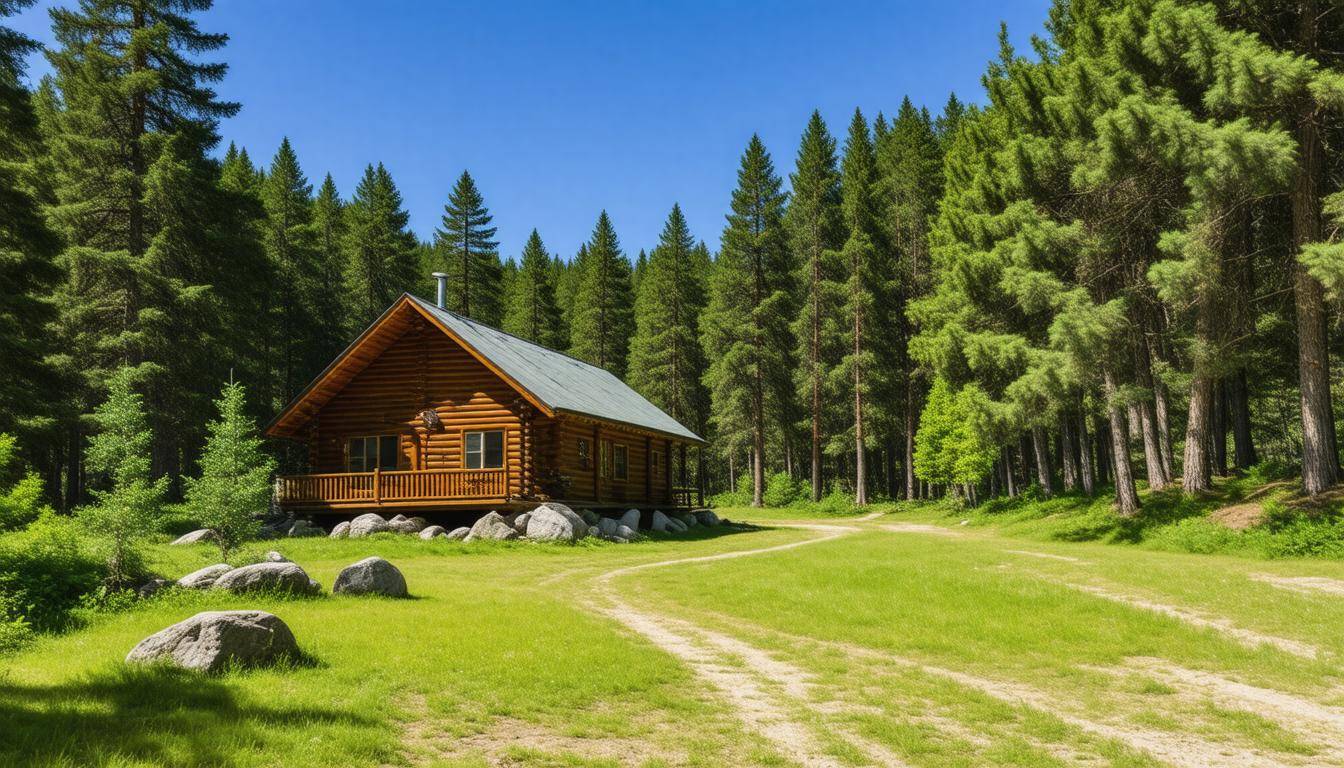
Creating defensible space means reducing fire risk by modifying the area around your home. This strategy focuses on three primary zones that encompass varying distances from your structure, each requiring specific actions to enhance safety and minimize the risks associated with wildfires.
Step I – The Immediate Zone (0-5 feet from your home)
The immediate zone—spanning 0-5 feet from your home—should be diligently maintained. Your goal here is clear: remove any flammable plants or materials right up against the structure. Imagine this space as not just a buffer but a first line of defense. By using hardscaping elements like gravel, pavers, or concrete, you create a surface that doesn’t allow flames or embers to ignite your property directly. Fire isn’t just a hypothetical threat; it can leap into action unexpectedly, and every bit of prevention counts.
Think of it as setting up an armor around your house—a solid barrier between potential danger and your living space.
Once this immediate zone is secured, we turn our attention to the intermediate zone, which expands your proactive measures even further.
Step II – The Intermediate Zone (5-30 feet)
The intermediate zone, extending from 5 to 30 feet away from your home, requires its own set of strategies. First and foremost, it’s essential to keep your lawn well-irrigated and mowed regularly. A lush, green lawn may seem inviting, but dry grass becomes tinder instantaneously. By ensuring your grass is frequently watered and trimmed, you’re decreasing the chance of flames spreading rapidly through a dry field. Furthermore, trees in this zone need thoughtful management; trim branches so they are at least 10 feet away from other trees’ branches. This significant distance helps reduce opportunities for fires to leap from tree to tree—think of how quickly flames can spread in a dense forest versus open fields.
With the immediate and intermediate zones addressed, it’s time to venture into the extended zone where more extensive protective efforts can take shape.
Step III – The Extended Zone (30-100 feet)
The extended zone covers an impressive area of 30 to 100 feet from your home and serves as a crucial extension of your wildfire defense system. In this space, you’ll want to focus on reducing dense underbrush while also limb-up trees to ensure their lower branches are at least 6-10 feet above the ground. This practice is fundamental in slowing down or stopping low-level fires from swiftly climbing into the canopy where they become more difficult to control.
For those with larger properties, consider extending these practices all the way to your boundary lines; by doing so, you can create sizable defensive buffers that act as additional protection against advancing flames. Remember, every effort contributes towards safeguarding not only your home but potentially other nearby structures as well.
Establishing comprehensive defensible space around your property sets the stage for understanding how effective vegetation care can bolster fire resilience.
Vegetation Management and Removal
Proper vegetation management can drastically reduce wildfire risks. One practical way to achieve this is through tree thinning, which involves removing smaller trees in densely populated areas. It’s important to understand that when you thin out a space, you’re not merely clearing logs; you’re actively improving the overall health of the forest. Trees that remain benefit from reduced competition for sunlight and nutrients, making them less flammable.
Thinning trees also decreases the adrenaline-fueled spread of fire in an emergency situation. By maintaining adequate distance between treetops, you create barriers that can prevent flames from leaping from one tree to another, greatly mitigating the risk of catastrophic fire spread.
A few additional steps help round out this method:
- Remove dead or dying trees and limbs to lower the fuel load.
- Keep tree canopies spaced adequately apart to act as a buffer against potential fire.
Brush Removal
The next critical aspect of vegetation management is brush removal. Overgrown brush acts like a sponge for wildfire fuel, creating opportunities for fires to ignite and spread rapidly. This is particularly true when it comes to invasive plant species that thrive in disturbed areas and are often more prone to burning than native plants. By consciously removing these invasive varieties, you not only decrease fire risk but also allow native flora to flourish—benefiting both local wildlife and ecosystem health.
There are various techniques for brush removal worth considering. Controlled burns can be effective for managing large areas quickly, while mechanical removal with specialized equipment like masticators offers precise control in urban interface zones where proximity to human habitation increases risk. Each method has its advantages, but it ultimately depends on specific circumstances such as location, land type, and visibility of surrounding areas.
Implementing these strategies enhances the safety of your property while fostering a resilient ecosystem capable of weathering wildfire threats. Next, we’ll explore specific tactics that contribute significantly to protecting your landscape from fire damage.
Landscaping Techniques for Fire Protection
Landscaping can play a crucial role in defending your home from wildfires. One important aspect is the selection of fire-resistant plants, which should be your first line of defense. Choosing plants that are rich in moisture and low in resin or sap can significantly reduce the chances of ignition during an intense heat event. For example, consider incorporating lavender, sage, and various succulents into your garden. These plants thrive in dry conditions and have a lower risk of catching fire. Remember to space them adequately to prevent forming a continuous pathway for fire spread.
Beyond plant choice, creating deliberate spaces within your landscape can enhance fire safety.
Use of Firebreaks
Firebreaks are critical elements in wildfire defense strategies. These intentional gaps in vegetation serve as barriers to slow down or halt the spread of flames. A well-planned yard can include features such as gravel walkways, stone walls, or patios, which not only establish aesthetic appeal but also function effectively as firebreaks. Integrating these hard surfaces breaks up clusters of vegetation and disrupts a potential fire’s path.
What about the areas closest to your home? Just as you would keep a clean floor inside, maintaining defensible space outside is equally vital. Establish at least 30 feet of defensible space around structures using non-flammable materials. This area should maintain low vegetation to mitigate risks effectively. Additionally, incorporating drip irrigation systems will ensure that your landscaping remains hydrated, thus reducing the amount of dry vegetation that could ignite.
As you cultivate this environment, remember that each decision contributes to your family’s safety.
In addition to selecting the right plants and creating firebreaks, using inorganic mulch near your home’s base is another practical measure. Unlike organic materials like wood chips that can catch fire easily, inorganic options such as gravel or rock provide better protection from ember attacks. This simple switch can make a profound difference in how well your landscaping defends against wildfires.
Consistent tree maintenance is key; ensure trees are pruned so that branches are maintained at least six to ten feet off the ground. This prevents fires from climbing into the canopy where they can spread rapidly. By spacing trees a minimum of 10-15 feet apart, you allow better air circulation while breaking up any path that fire could take from one tree to another.
Utilizing these strategic landscaping techniques forms a proactive approach towards wildfire defense, blending beauty and safety in your outdoor space as you prepare for potential threats in the environment ahead.
Building a Fire-Resistant Home

Building a fire-resistant home is not just an investment; it’s a smart decision for safety and peace of mind. From careful design choices to selecting the right materials, each decision can significantly impact your home’s ability to withstand wildfires. While it may seem daunting at first, understanding and implementing these strategies can be straightforward.
Tight Construction
One of the most critical elements of fire-resistant construction is ensuring tight construction around eaves, vents, and soffits. These areas are often overlooked but are crucial in preventing ember penetration—a leading cause behind many structure fires during wildfires. Research shows that homes ignited by embers account for up to 90% of home destruction during wildfires. Therefore, sealing these points effectively is essential.
Consider using metal mesh screens or gaskets to cover vents and openings, which will prevent embers from sneaking into your home. It’s like creating a protective shield—one that could save your house from a fiery fate!
Use of Non-combustible Materials
When it comes to the exterior of your home, selecting non-flammable roofing and siding materials can make all the difference. Metal or tile roofs are preferable options compared to traditional asphalt shingles, which can ignite easily. Investing in fire-rated siding such as stucco or fiber cement can provide an additional layer of defense.
Imagine standing in front of two homes: one with wood siding and an asphalt roof, and another with metal roofing and cement board siding. In the event of a wildfire, the second home’s robust materials are designed to withstand extreme heat—even when conditions become dire. Choosing these materials isn’t just about compliance; it’s an opportunity to enhance your home’s resilience against wildfire threats.
Alongside designing resilient structures and using appropriate materials, maintaining defensible space around your property is equally important in reducing fire risk. With a focus on this crucial aspect, we can explore ways to ensure your environment is primed for protection against potential threats.
Choosing Fire-Resistant Materials
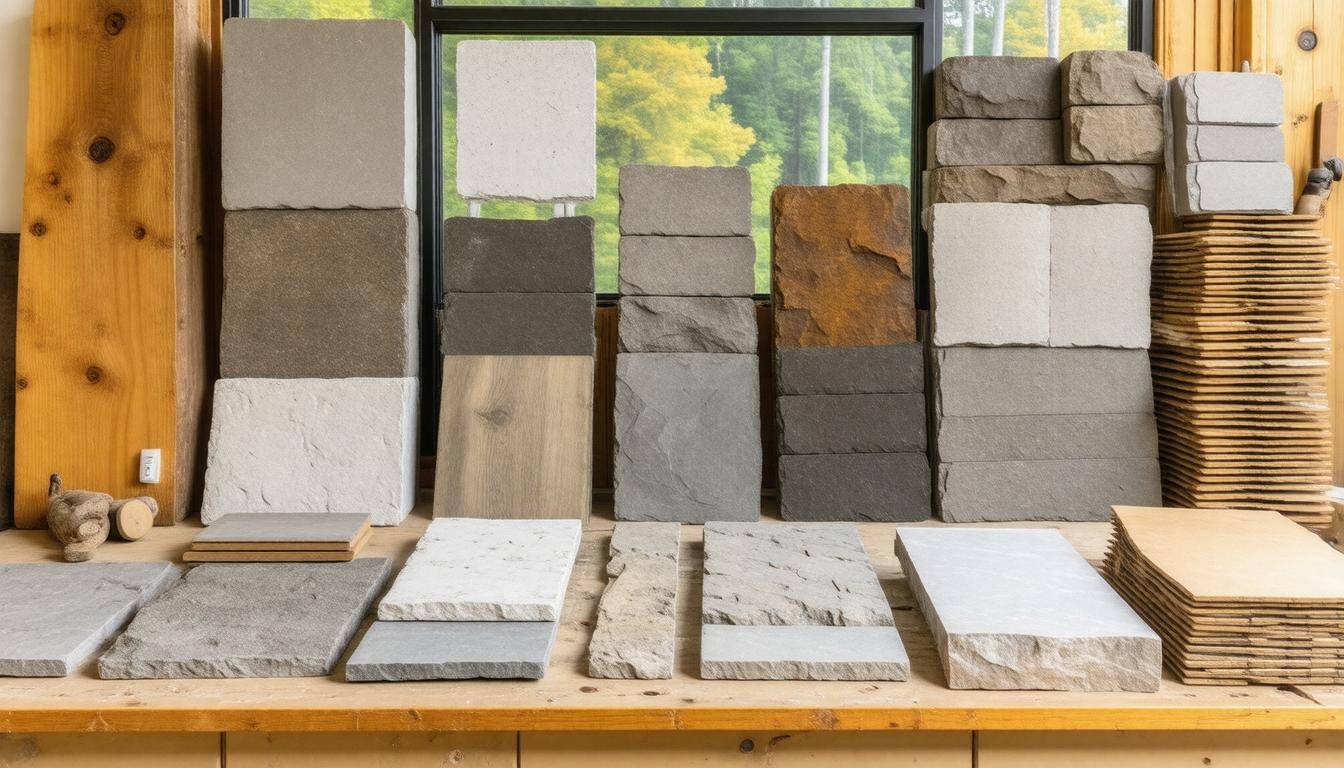
Material choice is critical in the fight against wildfires. The landscape around our homes can change dramatically in a matter of minutes when conditions align for catastrophic fires. Therefore, choosing fire-resistant materials isn’t just a good practice—it’s essential.
For instance, Class A fire-rated roofing materials are paramount; options like slate, clay tile, or fortified composite shingles provide excellent protection against flames reaching your roof. On the other hand, wood may seem appealing and traditional but think twice—its combustible nature makes it an unsuitable choice.
In fact, taking preventative measures can make a significant difference in survival rates during wildfire events. Statistics show that embers are responsible for 90% of structures destroyed by wildfires, making it crucial to select materials capable of withstanding those flames.
When selecting siding options, prioritize combined durability and resistance to fire hazards. Fiber cement, stucco, or brick are all viable choices that stand the test against intense heat. In contrast, vinyl siding can melt and detach under extreme temperatures, which might leave your home vulnerable to the flames often sparked by embers.
Windows also require considerable attention in this fire-resilient strategy. Installing tempered glass enhances resistance to shattering from intense heat—a feature that regular glass simply cannot offer. It’s one more barrier between your home and the threats raging beyond your walls.
Additionally, pay attention to your decking materials.
Decking Material
For decking, consider using composites, metals, or fire-retardant treated wood. Traditional wooden decks might add aesthetic value but come at a cost—exceedingly high flammability due to their organic composition means they pose a significant risk during a wildfire. The last thing you want is a pathway for flames to enter your yard and threaten your home. Opting for materials designed for fire resistance helps create safer outdoor spaces that can endure.
Every choice contributes to creating a fortress against wildfires right within your own home. Investing in the right materials now can save you from grief and loss later as we see the increasing frequency of wildfires in vulnerable areas across California and beyond. While it may appear as an extra expense upfront, protecting your space and enhancing its resilience is always a worthwhile investment toward safety and peace of mind.
As we explore further into prioritizing safety measures, let’s consider how to establish an actionable plan that prepares you for potential wildfire threats.
Developing a Fire Plan
A comprehensive fire plan can be the difference between chaos and calm when faced with the threat of a wildfire. It begins with an Evacuation Plan—a cornerstone of preparedness. Start by identifying both primary and secondary evacuation routes from your home. This may seem straightforward, but when panic sets in during an emergency, familiar paths can easily slip from memory. Therefore, it’s vital to conduct regular walks along these routes with your family, reinforcing them as safe and efficient paths to safety.
Alongside planning escape routes, establishing a family meeting point outside of the danger zone is essential. Picture this: after evacuating, each family member arrives at the designated spot, relieved to find one another safe. Having this simple yet effective strategy ensures that no one goes back into harm’s way while searching for each other.
Once your evacuation plan is solidified, you need to think about what you’ll take with you when you leave.
Step II – Emergency Kit
An Emergency Kit is not just a box; it’s your lifeline in crisis moments. Assembling a well-thought-out kit starts with basic essentials like water and non-perishable food that can sustain your family for at least 72 hours. Don’t forget personal medications, hygiene items, and first-aid supplies—you never know how long you might need to rely on your emergency provisions.
A common mistake is overlooking important documents. Keep copies of identification, insurance policies, and any other vital paperwork in a waterproof container within your kit.
There are some items that can enhance this kit further—masks can protect you from smoke inhalation if you must venture into smoky areas during an evacuation; batteries for flashlights; even a small battery-operated radio could provide updates on wildfire conditions from emergency broadcasts.
Regularly check and refresh your emergency kit. Replace expired items and adjust contents based on changing family needs or unexpected seasons.
With these key components thoroughly established, routine checks and practice drills will be essential to ensure everyone’s readiness when it truly counts. Moving forward, we’ll focus on effective ways to manage fuel loads around your property to minimize wildfire risks.
Strategic Fuel Management
Managing fuel around your property significantly reduces the amount of available combustible material that could feed a wildfire. This process involves several approaches aimed at decreasing fire risk through thoughtful landscaping and vegetation management. One of the key tactics in fuel management is creating fuel breaks—strategically placed gaps in vegetation designed to impede the movement of fire.
Fuel Breaks
Fuel breaks should be implemented along roads, driveways, and around structures to serve as a barrier against encroaching flames. These breaks can be achieved using low-flammable ground cover or non-combustible materials, such as gravel or stone. Incorporating native plants that withstand fire better can help create a resilient landscape. Not only do these breaks significantly reduce the potential for fire spread, but they also create a clear area for firefighters to operate should a wildfire threaten your property.
By maintaining these fuel breaks consistently—removing dead plants and ensuring regular trimming—homeowners enhance their defensible space, which is pivotal in wildfire-prone areas.
Controlled Burns
Another effective method of fuel management involves controlled burns, also referred to as prescribed burns. These intentional fires are set under specific environmental conditions to safely remove excess fuel from forested and brushy areas. Essentially, controlled burns help to clear out underbrush and dead vegetation that may act as tinder in the event of a wildfire.
Collaborating with local fire departments or professionals who specialize in these practices ensures these burns are executed safely and effectively. Done correctly, controlled burns not only reduce hazardous materials but can promote the growth of fire-resistant plant species, enhancing the long-term health of the ecosystem surrounding your home.
It’s worth noting that controlled burns require careful planning and knowledge of local regulations. Ensuring proper timing and environmental conditions is vital to prevent unintended consequences. When executed effectively, reducing built-up fuel leads to healthier forests while protecting your home.
Understanding these strategies lays the groundwork for exploring practical approaches to mitigate threats from fires in your area, ensuring a safer environment for all residents.
Fire Threat Reduction Techniques
Reducing fire threats involves a series of proactive measures that can significantly enhance your forest property’s resilience against wildfires. One of the first and most impactful actions you can take is the installation of fire-resistant barriers. Think of these as your property’s first line of defense.
Barriers such as retaining walls and strategically placed firebreaks serve not only as physical divisions between your home and surrounding forests but also help to manage how fire behaves in a landscape. These barriers impede the progression of flames, reducing their intensity upon contact and providing valuable time to act.
It’s important to select durable materials when constructing these barriers. Products like concrete or stone work exceptionally well because they are far less likely to ignite compared to wooden alternatives. Doing this creates a localized zone where the threat of fire is reduced, giving you peace of mind during fire season.
Beyond physical barriers, regular inspections play a crucial role in maintaining your property’s safety. By conducting periodic home and property evaluations, you can stay ahead of potential threats. This includes ensuring that any flammable debris, such as dead leaves, branches, or overgrown shrubs, is swiftly cleared away. These inspections aren’t just about tidiness; they’re a chance to assess if all fire prevention measures are functioning as intended.
Homeowners residing in high-risk areas often share testimonials about how these small but consistent checks not only enhance their property’s safety but also deliver peace of mind, making them feel more secure and prepared for wildfire events.
Furthermore, it’s essential to consider that each action contributes holistically to safeguarding your home and land against wildfires. For instance, creating defensible spaces by trimming trees and vegetation around your property limits what fuel is available for wildfires to consume. This means taking into account both what you remove and what you retain—keeping high-moisture plants while removing dry ones fosters an environment that is less conducive to fire spread.
By integrating these comprehensive yet practical steps—like implementing barriers, performing thorough inspections, and managing vegetation—you create a network of safeguards against increasingly common wildfire threats in today’s climate. Remember, every layer works together synergistically, reinforcing one another in a much more resilient framework.
In wildfire defense, there truly is strength in numbers. Being proactive not only protects your investment but ensures your family’s safety in the face of natural disasters.
What role do vegetation management practices play in wildfire defense?
Vegetation management practices are crucial in wildfire defense as they help reduce fuel loads and create defensible spaces around properties. By maintaining a buffer zone through thinning, clearing underbrush, and controlled burns, the risk of wildfires spreading to homes can be significantly lowered. Studies show that properties surrounded by well-managed vegetation are 70% less likely to be destroyed by wildfires compared to those with unmanaged landscapes. This proactive approach not only enhances safety but also promotes healthier ecosystems.
Are there specific building materials or design features that can enhance wildfire resistance?
Yes, specific building materials and design features can significantly enhance wildfire resistance. Using non-combustible materials like stucco, brick, or metal for exterior walls, along with tempered glass windows and Class A fire-rated roofing (such as slate or metal), can help prevent ignition. Additionally, designing homes with wider eaves and enclosed decks reduces embers’ access to flammable surfaces. According to the National Fire Protection Association, homes built with these materials can reduce the risk of ignition by more than 50%, underscoring the importance of incorporating fire-resistant strategies in forested areas.
What are the most effective techniques for creating defensible space around forest properties?
The most effective techniques for creating defensible space around forest properties include clearing flammable vegetation within a 30-foot zone, maintaining well-watered gardens, and using fire-resistant landscaping materials. Statistics show that homes with defensible space are up to 80% more likely to survive a wildfire compared to those without. Additionally, a reduction in ladder fuels—plants that allow fire to reach tree crowns—further minimizes risk, creating a buffer that can significantly slow down fire progression toward structures.
How can property owners prepare their homes and structures to minimize wildfire risk?
Property owners can minimize wildfire risk by creating defensible space around their homes, which includes clearing flammable vegetation, using fire-resistant building materials, and maintaining a safe distance between trees and structures. A study shows that homes with a defensible space of at least 30 feet are significantly less likely to ignite during wildfires. Additionally, installing non-combustible roofs and screens on vents can effectively enhance a property’s resilience against embers, which account for approximately 50% of home ignitions during wildfires.
How can technology, such as fire detection systems or automated sprinkler systems, be used to protect forest properties from wildfires?
Technology plays a crucial role in protecting forest properties from wildfires through the use of advanced fire detection systems and automated sprinkler systems. Fire detection systems, equipped with sensors and cameras, can identify fires at their inception, allowing for quicker response times, which is essential considering that wildfires can double in size every minute under certain conditions. Automated sprinkler systems can create moisture barriers around properties, reducing the intensity of approaching flames. Studies suggest that homes equipped with such protective measures can decrease property damage by up to 50%, showcasing the potential of technology in wildfire defense.