
Tornadoes can be a scary reality, especially for residents of Fort Worth, Texas, where the threat can change in an instant. Knowing how to prepare can make all the difference when severe weather hits. In this guide, we’ll walk you through essential steps to ensure your family stays safe during tornado season. From creating a solid emergency plan to gathering important supplies, each detail counts. Let’s dive into this checklist to get you and your loved ones ready for whatever Mother Nature has in store!
A Tornado Preparation Checklist for Fort Worth, Texas should include items such as creating an emergency plan, assembling an emergency kit with essentials like water, non-perishable food, a flashlight, batteries, and a first aid kit, and identifying a safe location like a basement or interior room. Additionally, make sure to stay informed about local weather alerts and have a way to receive updates during severe weather events.
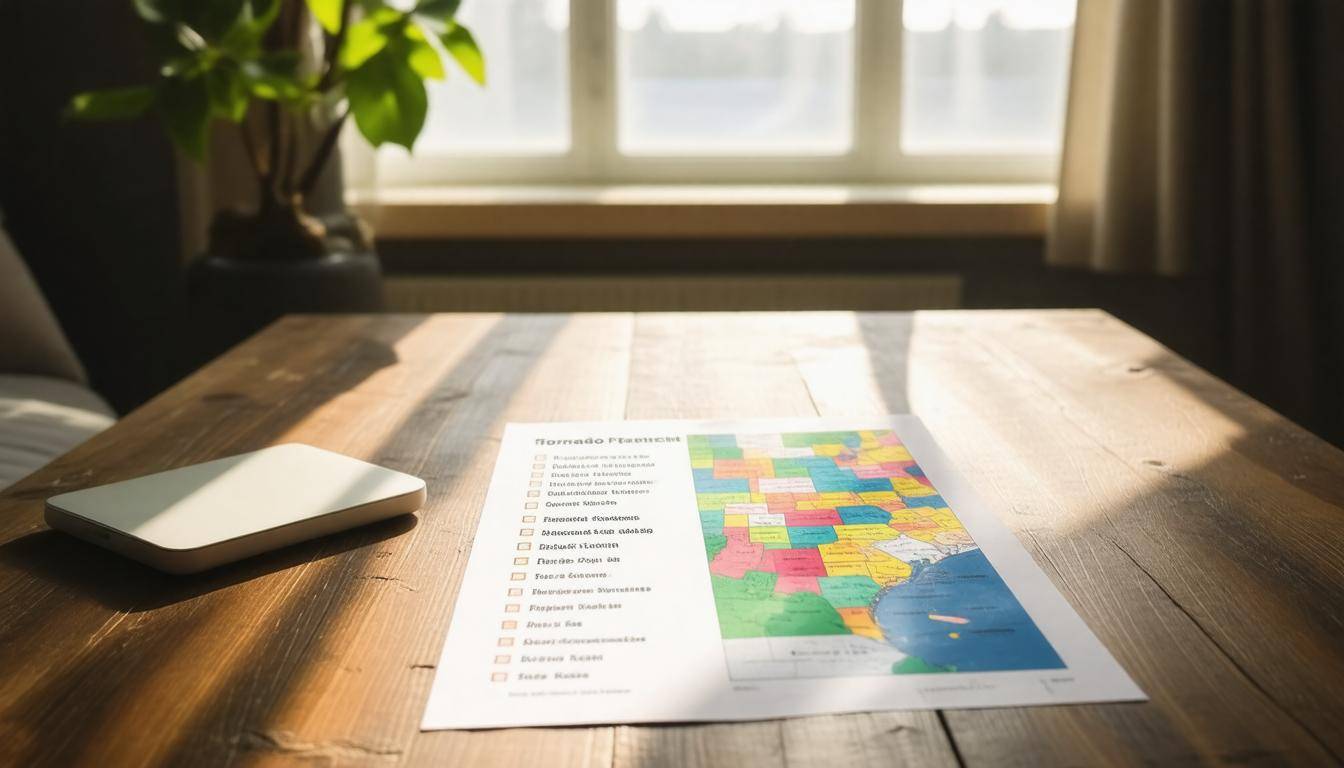
Fort Worth’s Tornado Preparation Checklist
When preparing for potential tornadoes in Fort Worth, it’s paramount that you adopt a proactive mindset. The first step is to identify a safe room within your home. Ideally, this should be a windowless interior space on the lowest level—think a basement or an interior bathroom. This area will serve as your sanctuary when adverse weather strikes. Not only does this protect you from flying debris, but it also minimizes the risk of injury from shattered glass. Choosing this location ahead of time allows for quick access when seconds count.
Once you have that safe haven established, it’s time to focus on creating and updating your emergency kits. Every household should maintain at least one emergency kit that’s stocked with essentials: flashlights, batteries, water, non-perishable food items, a first-aid kit, and necessary medications. Ideally, you want to keep this kit near your safe room so that everyone can reach it easily during emergencies.
Don’t forget about securing outdoor items as part of your preparation. Fort Worth’s unpredictable weather can turn everyday objects into dangerous projectiles during tornado events; lawn furniture, bicycles, and even garden tools can become hazardous in high winds. By storing these items indoors or securing them tightly, you minimize the chances of these objects causing harm to your family or property.
With physical preparations taken care of, there are also essential administrative aspects to consider. It’s wise to keep updated contact information accessible in your emergency kit or safe room. Make sure every family member knows where to find this information so they can quickly communicate with emergency services or other family members if needed.
Another critical component of tornado preparation involves practicing tornado drills with everyone in your household. Regularly rehearsing these drills instills confidence and ensures each person understands what actions to take when a watch or warning occurs. This could include meeting points outside your home or how to navigate to your designated safe space quickly and efficiently.
Furthermore, it’s essential to review and secure important documents well before approaching severe weather conditions. Gather personal papers such as insurance information, medical records, and identification documents, then store them in a waterproof container intended for easy access in your safe room. In case disaster strikes, having these documents ready can simplify recovery after the event.
Staying informed is just as crucial as physical and mental preparation. Regularly monitoring local weather reports via NOAA weather radio or reliable apps keeps you updated on any developing situations in real-time. During severe storms, an early warning can provide instructions and lend additional time for you and your loved ones to execute your emergency plan effectively.
As you gear up for serious weather scenarios, understanding what steps to take before these events unfold is just as integral to safeguarding your home and family.
Pre-Tornado Precautions
One step towards secure preparations is not just about the physical fortification of your home; it’s also about having a well-thought-out plan tailored to your family’s needs. Start by designating a safe room or area—a basement, interior room, or storm shelter—where everyone knows to gather during severe weather. Signaling a clear communication strategy, such as a group text or loud whistle, ensures you can quickly account for family members during an emergency.
Another critical aspect is paying close attention to local weather alerts. Keep a battery-powered weather radio handy and use smartphone apps for real-time updates. By staying informed, you’re empowered to take action before conditions become dire. It’s also wise to regularly check your emergency kit; make sure it contains essentials like water, non-perishable food, medications, flashlights, and a first-aid kit.
Regular maintenance plays a crucial role. Ensure that your gutters and downspouts are clear so that they can effectively direct water away from your home’s foundation. This precaution can help prevent flooding in case of heavy rain following a tornado. You might also consider reinforcing your roof with additional straps to keep it intact against strong winds.
Consider consulting local resources for tips specific to Fort Worth. The city provides guidelines on fortifying structures—a valuable asset for homeowners looking to enhance their preparedness.
Additional Practical Tips
Here are practical steps to bolster your pre-tornado precautions:
- Secure loose outdoor items: Bring in furniture, grills, and tools that could become dangerous projectiles in high winds.
- Know your neighbors: Create a neighborhood watch system so that you can all look out for each other and assist those who may need help.
- Conduct practice drills: Familiarity with your emergency plan will lead to quicker reactions when it matters most.
Preparation isn’t just about making your home physically secure; it’s about creating an environment where you and your loved ones feel confident and ready to act when disaster strikes. With this framework in place, let’s explore the essential supplies needed for effective readiness in emergencies.
Emergency Supplies and Kits
Creating a well-stocked emergency kit isn’t just a good idea; it’s essential for weathering a tornado safely. Think of your emergency kit as a lifeline during stressful times. Tailoring it to fit your family’s specific needs ensures that when disaster strikes, you are prepared and can respond effectively without added stress.
Essential Items for Tornado Kits
Start with the basics:
-
Water: Aim to have one gallon per person per day for at least three days. This hydration is crucial, especially if you’re in a shelter for an extended period.
-
Food: Non-perishable items such as granola bars, dried fruits, or canned goods can provide necessary energy for a minimum of three days.
-
First Aid Kit: Include essentials like bandages and antiseptics, plus any personal medications your family might require. It’s worth checking expiration dates regularly and replenishing supplies as needed.
-
Flashlight & Batteries: In case of a power outage, having reliable light sources can be a lifesaver—figuratively speaking!
-
Battery-Powered or Hand Crank Radio: Keeping this handy allows you to stay updated with weather alerts. A small investment in a good quality radio will pay big dividends in awareness during an emergency.
-
Multi-tool or Swiss Army Knife: Versatile tools are invaluable during emergencies for quick repairs or opening supplies.
-
Blankets and Warm Clothing: Power outages can lead to unexpected drops in temperature, so be ready to keep warm.
Each item serves a purpose, forming a safety net that allows you to act quickly when every minute counts. Personalize your kit further by including items specific to your family’s needs, such as baby formula, pet food, or even entertainment options like books and games to alleviate stress while waiting out the storm.
Having gathered these supplies, it is vital to consider the next step: ensuring your property is reinforced against potential tornado damage.
Securing Your Home Against Tornadoes
Properly securing your home is crucial in mitigating damage during a tornado. Installing storm shutters on windows, for instance, provides a robust layer of protection against flying debris and high winds. These shutters are designed to withstand harsh conditions and can significantly reduce the risk of shattered glass, which poses a hazard not just to structures but also to individuals inside.
Structural Reinforcements
It doesn’t stop at windows; reinforcing your garage doors with bracing kits is another effective measure. Garage doors are often large surfaces that can easily be compromised by strong winds. Investing in these bracing kits helps keep them secure against wind pressure. If your budget allows, consider installing wind-resistant doors as a more long-term solution.
Considering the roof, protecting it is equally important. You should strengthen the roof by securing the trusses to the walls using hurricane clips. This connection creates a stronger structure overall, ensuring that your roof remains attached even in fierce storms.
| Home Area | Suggested Reinforcement | Estimated Cost |
|---|---|---|
| Windows | Storm Shutters | $150 – $400 |
| Garage Doors | Bracing Kits | $200 – $500 |
| Roof | Hurricane Clips | $1,000 – $3,000 |
As you can see from the table above, while some measures may require an investment, they can save you significant repair costs in the aftermath of a tornado. Experience has shown that preventative steps are often cheaper than remedial actions.
Strengthening your home is just one aspect of preparing for severe weather. Understanding how to recognize and respond to warnings is essential for ensuring safety during such events.
Identifying Tornado Warnings
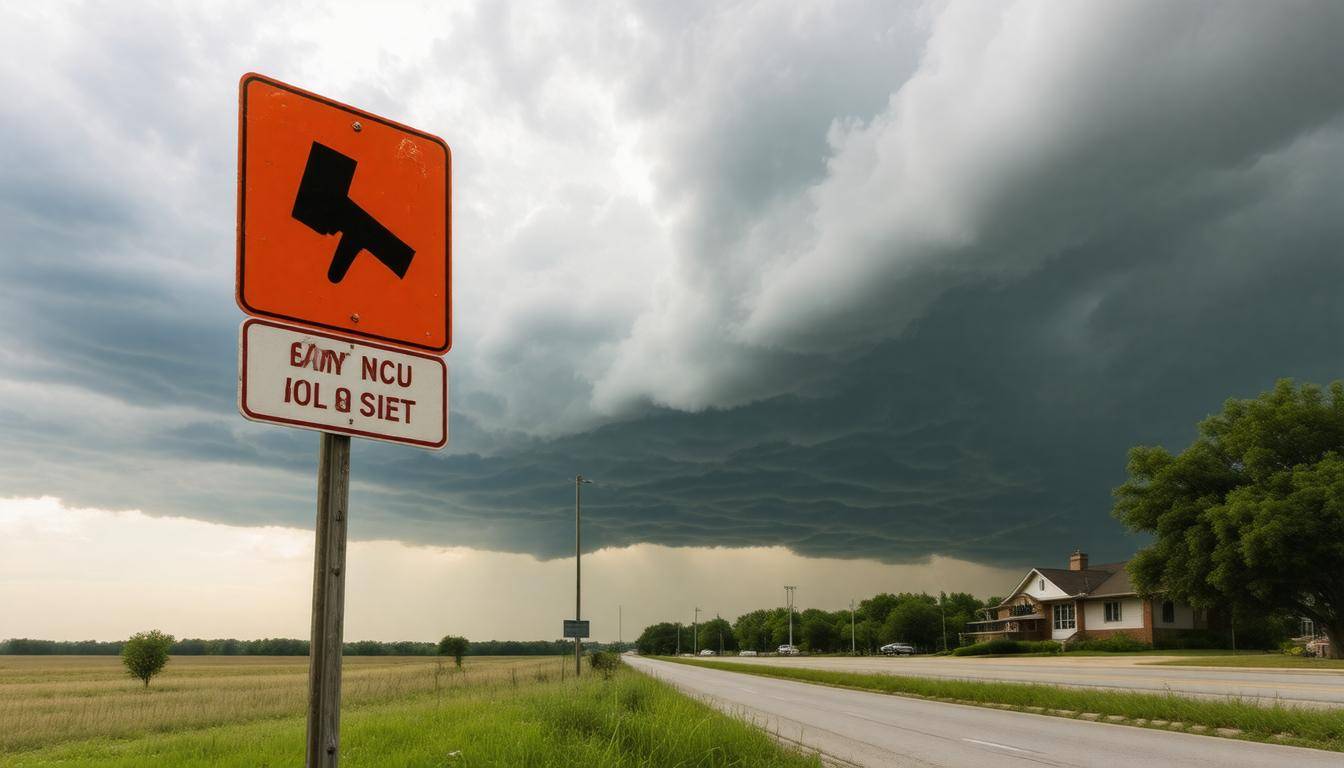
Understanding tornado warnings and how they are communicated can mean the difference between safety and tragedy during severe weather. It’s important to grasp the nuances of tornado alerts issued by the National Weather Service (NWS). A Tornado Watch indicates that conditions are right for tornadoes to develop; it’s a time to stay alert as storms could produce tornadoes. In contrast, a Tornado Warning means a tornado has been sighted or indicated even through radar, and immediate action is necessary.
Familiarizing yourself with local warning systems can significantly enhance your preparedness. Many communities have outdoor sirens designed to alert residents of serious weather events. Be aware of these sounds; learning what each signal means can help you react appropriately.
Additionally, invest in a NOAA weather radio. This device continuously broadcasts weather information and emergency updates, making it an invaluable tool for real-time alerts during severe storms.
It’s wise to check multiple sources for weather information because different channels may update at different times; redundancy is key when your safety hangs in the balance.
You may also want to stay updated through online portals like the NWS Fort Worth/Dallas website, which provides timely information about impending severe weather. Social media channels often relay updates quickly, so following local meteorologists or weather services can keep you informed directly from trusted sources.
Importance of Timely Alerts
The critical part of any tornado preparedness plan rests on how quickly and accurately you can respond to warnings. This means knowing not only how to interpret the alerts correctly but also understanding the urgency behind them. When a Tornado Warning is issued, time is of the essence—every second counts when it comes to finding shelter.
Maintaining a routine of vigilance and staying well-informed becomes essential as storm season approaches, thereby ensuring that everyone is ready for unforeseen circumstances ahead. As we consider how individuals and families can effectively prepare on a personal level, it’s imperative to outline strategies that focus on collective resilience.
Establishing a Family Plan

Effective tornado management begins with a well-thought-out family plan that outlines how each member will respond when a warning is issued. The first step in this process is to determine a meeting point within your home. This designated spot should be in an interior room or basement, away from windows, where everyone can gather safely.
It’s also wise to identify a secondary location outside your neighborhood for situations that may necessitate evacuation, such as severe damage or blocked roads.
Having a backup plan keeps everyone alert and ready. It’s essential to talk openly about this plan with all family members so they understand why these locations are chosen. Engaging children in this conversation can help them feel secure and prepared, reducing anxiety during an actual storm.
Step 2: Communication Strategy
Next, it’s vital to establish a communication strategy. Tornadoes can disrupt local communication systems, so designating out-of-state relatives as emergency contacts is a smart move. This ensures that if you become separated, there’s still a way to communicate without relying on potentially overwhelmed local phone lines.
Consider using messaging apps like WhatsApp or group text services, as these often work better during emergencies than traditional networks.
Implementing a system for regular check-ins after a tornado hits can provide peace of mind for everyone involved. Choose simple phrases or status updates that everyone understands to facilitate clear communication even under stress. Regularly revisiting this plan encourages family members to share their thoughts—this not only reinforces understanding but can also surface any concerns or changes that might need addressing.
Step 3: Practice Regularly
Finally, practice regularly. Conduct drills at least once every few months, especially before peak tornado seasons, to ensure everyone remembers what to do in case of an emergency. These practice runs enable family members to familiarize themselves with the designated meeting points and communications strategies while fostering teamwork under pressure.
However, it’s equally important to remain adaptable: as your family grows or changes—new pets join the household, children get older and gain independence—update your plan accordingly. Flexibility ensures everything remains relevant and effective for every family member.
With your family’s foundation of safety firmly established, the next step is leveraging community resources that play a crucial role in enhancing safety during tornado threats.
Fort Worth Tornado Safety Resources
Fort Worth provides a wealth of resources designed to enhance community safety before, during, and after a tornado. The city’s online emergency management portal is a critical hub, offering real-time updates about weather conditions, alerts, and recommended safety efforts. By regularly checking this resource, residents can stay informed about potential tornado threats and learn what precautions to take. You can access valuable information on emergency kits, household safety checks, and evacuation routes right at your fingertips.
Beyond just staying informed, it’s wise to consider enrolling in local community training programs. For instance, the Fort Worth Office of Emergency Management organizes regular workshops and drills that teach participants about tornado preparedness. These sessions are invaluable because they provide hands-on experience in responding effectively during an emergency. Being equipped with practical skills will increase your confidence and empower you to assist others in times of crisis.
Additionally, consider joining a Community Emergency Response Team (CERT). Members receive training in disaster preparedness, firefighting basics, and even first aid. Imagine having the confidence to help yourself and neighbors during a disastrous event—this type of training prepares citizens for such responsibilities while fostering a sense of camaraderie within the community.
A focused effort on utilizing these resources builds both individual resilience and community preparedness, making it easier for everyone to face challenging situations together.
With an understanding of available resources and opportunities for training, the next important step involves knowing how to act when that tornado warning goes off.
Actions During a Tornado
As soon as you hear a tornado warning, time is of the essence. Your first instinct should be to seek shelter without hesitation; your safety is the top priority. If you have access to a basement, that is your best option. Otherwise, look for an interior room that has no windows, such as a bathroom or closet.
It might seem counterintuitive, but even in a high-rise building, heading to the lowest floor immediately is vital. Often, individuals think they should rush outside to observe the storm, but this can be like stepping into a danger zone—this is not the time for curiosity.
Once you’re safely sheltered, it’s crucial to protect yourself.
While hiding away may seem appropriate, taking extra precautions to shield your body is essential. Heavy furniture can act as a barrier against flying debris. A mattress or thick blankets offer additional protection for your head and neck. Place these items over you to create a more fortified area; those few extra seconds can safeguard against severe injuries. Avoid open areas within your shelter where debris could come crashing down; tucking yourself into corners or tight spaces can add an element of security.
Staying informed during such chaotic moments is just as important as seeking safety.
Bring along a battery-operated radio to your safe room if possible. This tool keeps you updated on the progression of the tornado, alerting you when it’s safe to emerge. Additionally, some smartphone apps provide real-time alerts about weather changes, but ensure your phone stays charged before things get hectic. Gathering information while you’re in hiding helps maintain control of the situation rather than letting fear take over.
As unsettling as it may be during those minutes spent in shelter, try to remain calm and collected. Take deep breaths; such simple techniques can help lower anxiety levels and keep clarity amidst chaos.
Although you’ve done everything right during the tornado’s path, preparation doesn’t stop once it passes; knowing what to do after the tornado is equally important.
Overall, maintaining awareness and preparedness during a tornado can significantly enhance your safety and well-being. Equip yourself with knowledge and resources so that you can respond effectively when disaster strikes.
How often should residents review and update their tornado preparation checklist to stay informed of changes?
Residents should review and update their tornado preparation checklist at least twice a year, preferably in the spring and fall, to stay informed of any changes in local weather patterns or emergency response protocols. Given that Texas experiences an average of over 130 tornadoes annually, staying proactive is essential for safety. Regularly checking your plan ensures it remains relevant and effective, especially as new tools and resources become available.
How can residents develop an effective communication plan with family members during a tornado?
Residents can develop an effective communication plan during a tornado by establishing designated safe locations, ensuring all family members have access to charged cell phones, and using group messaging apps for real-time updates. It’s crucial to discuss these plans regularly so everyone knows what to do when severe weather strikes. According to the National Weather Service, 30% of tornado fatalities happen because people don’t receive timely warnings; thus, clear communication can significantly enhance safety during such events.
What are the recommended safe locations to take shelter during a tornado in Fort Worth?
In Fort Worth, the safest locations to take shelter during a tornado include sturdy structures like basements or small interior rooms on the lowest level, such as bathrooms or closets, away from windows. These areas are recommended because they minimize exposure to flying debris and structural collapse, which account for over 70% of tornado-related injuries according to FEMA. Communities often designate public buildings—like schools and community centers—as storm shelters, which may also have reinforced features ideal for protection during severe weather events.
Are there community resources available in Fort Worth to assist with tornado preparedness training?
Yes, Fort Worth offers several community resources for tornado preparedness training, including the Fort Worth Emergency Management Division, which provides workshops and information on disaster readiness. Additionally, local organizations like the Red Cross conduct regular training sessions and offer informational materials. According to recent surveys, approximately 70% of residents who participated in these programs reported feeling more confident in their preparedness for severe weather events. Engaging with these resources can greatly enhance safety and resilience in the face of potential tornadoes.
What essential items should be included in a tornado preparedness kit for families in Fort Worth?
A tornado preparedness kit for families in Fort Worth should include essential items such as a battery-powered weather radio, flashlight with extra batteries, a first aid kit, non-perishable food and water for at least three days, and important documents in a waterproof container. According to the National Weather Service, Texas experiences an average of 62 tornadoes each year, so being equipped with these supplies can be crucial for survival and safety during storm events. Additionally, having sturdy shoes and a whistle can help if you need to navigate debris or signal for help afterward.