
When it comes to emergencies, having the right food on hand can make a real difference. Whether facing a natural disaster or just dealing with a temporary power outage, freeze-dried food is an excellent option to consider. Not only is it lightweight and easy to store, but it also offers the kind of long shelf life that means you won’t have to worry about it going bad anytime soon. In fact, many freeze-dried meals can last for 20 to 30 years when stored correctly! This article will explore the top choices available, providing you with essential information on how to build a solid emergency food supply that your family will appreciate during tough times. Let’s dive in and discover the best options out there for your survival preparedness!
The top 25 options for freeze-dried food suitable for emergencies include popular brands like Mountain House, Augason Farms, and Thrive Life, offering meals that last over 25 years with proper storage. These products are highly rated for their convenience, taste, and nutritional value, making them ideal choices when preparing for various emergency situations.
Benefits of Freeze-Dried Food
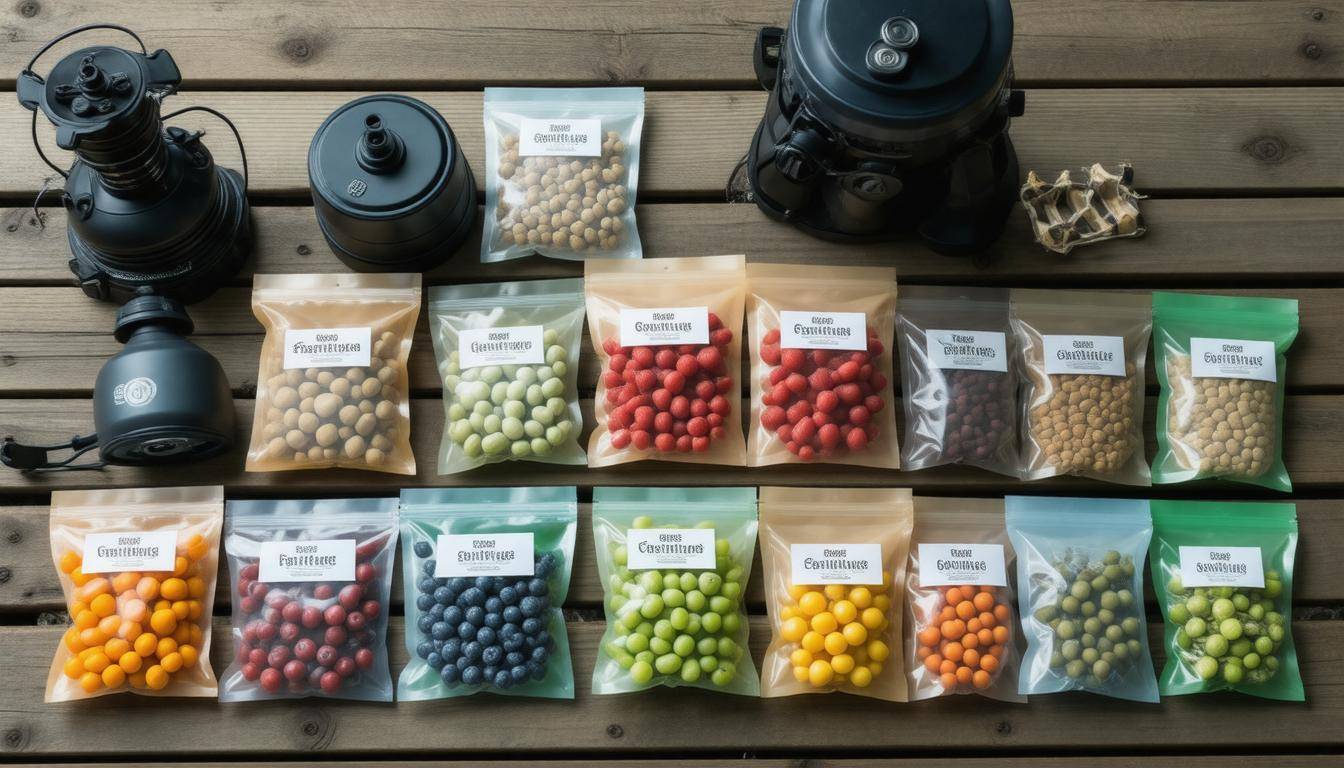
To begin with, one of the standout advantages of freeze-dried food is its exceptional shelf life. When stored properly in a cool, dry place, these foods can last between 20 to 30 years. Imagine having a pantry stocked with meals that could still be good when your children have grown up! This remarkable longevity means you can compile an emergency supply without worrying about expiration dates in the near future. You’ll find peace of mind knowing that your family will have nourishing meals available, no matter what unexpected circumstances arise.
A survey from prepper communities indicates that over 70% of individuals trust freeze-dried food as their primary source of nutrition during crises. The assurance you get from such durability cannot be overstated; it provides an ironclad foundation for any emergency plan.
As we consider functionality, let’s talk about weight and portability.
Another significant perk is their lightweight and portable nature. Freeze-dried food often weighs up to 80% less than equivalent fresh or canned products. This lightweight characteristic makes them easy to pack for hiking trips, camping adventures, or even family road trips. For instance, think about how cumbersome a can of fruit can be compared to a small bag of freeze-dried options. You benefit not only from saving space but also from the convenience of carrying more variety with less effort.
Consider it similar to carrying a small book instead of a hefty dictionary; both contain valuable information but one allows for greater ease and accessibility in emergency preparedness kits.
Now that we know how conveniently they transport, let’s examine nutritional value.
When emergencies strike, maintaining proper nutrition becomes vital—and here’s where freeze-dried food shines again. Products made through freeze-drying technology retain up to 97% of their original nutrients, which is an impressive feat compared to most methods of preservation. In critical situations when access to fresh fruits and vegetables might be limited, having this nutrient-dense food on hand means you’ll maintain strength as the crisis unfolds.
Research indicates that maintaining nutritional intake during stressful times is crucial for overall health and mental clarity. Imagine facing a power outage knowing that you still have tasty, high-nutrient meals waiting for you!
With nutrition secured, let’s explore ease of preparation.
Finally, let’s discuss another practical aspect: the minimal preparation required for freeze-dried meals. When using these products, preparation often boils down to just adding water—making it incredibly straightforward even during hectic situations. Think of Mountain House’s Beef Stew or Augason Farms’ Scrambled Egg Mix; simply add hot water and you’re looking at a hearty meal ready in minutes. This rapid cooking time is exceptional when resources are scarce or time is limited.
In many cases, having delicious and nutritious meals ready in mere moments makes all the difference when you’re dealing with stress during unpredictable situations.
Given these benefits, selecting the proper emergency food becomes a crucial task for effective preparedness. With long shelf lives, portability, high nutritional retention, and minimal preparation requirements—it’s clear why freeze-dried food garners popularity among those prioritizing disaster readiness.
Having examined the core benefits of these foods, it’s essential now to navigate the considerations for making an informed choice regarding your emergency supplies.
Choosing the Right Emergency Food
When it comes to selecting freeze-dried food for emergencies, paying attention to your personal dietary needs and restrictions is essential. Not everyone can enjoy the same foods, so it’s wise to think about any allergies or preferences before making decisions. Brands like Thrive Life provide gluten-free freeze-dried meats, making them a go-to for those needing alternative options without compromising on nutrition. This consideration can mean the difference between a meal that sustains you and one that leaves you feeling unwell.
Furthermore, nutritional content should never be overlooked.
In a stressful situation, maintaining health can be just as important as having enough food. Look for meals that offer balanced nutrition—this means assessing not only calories but also protein, fats, and carbohydrates. Meals from brands like Nutrient Survival are particularly noteworthy because they come fortified with essential vitamins and minerals that boost overall well-being during crises. Remember, you want meals that will sustain your energy levels and provide necessary nutrients when you might not have other options available.
Now, let’s not forget one of the most important yet often overlooked aspects: the enjoyment factor.
Imagine finding yourself in an emergency situation with a stash of freeze-dried foods that you can barely get down because of their taste! To avoid such a culinary disappointment, consider sampling foods beforehand. A wise approach is to purchase single-serve pouches from various brands to get a true feel for what you’ll enjoy eating in case of an emergency. Taste varies widely—not every brand will suit your palate, so trying before buying in bulk can save you from unpleasant mealtime experiences later on.
Alongside these factors, it’s beneficial to keep an eye on practicalities like preparation time and storage.
Conveniently packaged freeze-dried meals should fit into your lifestyle not just through their taste but also their ease of use. Some meals rehydrate quickly requiring little more than boiling water, which is ideal when resources may be limited. Additionally, assess storage options since many freeze-dried products boast compact designs that require minimal space—this feature is vital if you’re building a stockpile in a tight pantry.
All these considerations work together to ensure that your emergency food supply meets your specific needs while also keeping taste at the forefront—because if you find yourself in a challenging situation, enjoying your meals can make a world of difference.
With these actionable insights in mind, you’ll be better prepared to identify some of the most effective options available for sustaining yourself during emergencies.
Top 25 Freeze-Dried Food Options
When we think about preparing for emergencies, the focus often lands on resources that are both nourishing and palatable. Among prepared food enthusiasts and in various online forums, specific brands rise to the top for their deliciousness and nutrition. Take, for instance, Mountain House Beef Stew: it’s often praised for its hearty flavor that can warm you up in any situation, providing sustenance with a taste reminiscent of homemade meals.
Similarly, Nutrient Survival’s Homestyle Scramble combines wholesome ingredients into a breakfast option that is not only nutritious but fairly easy to prepare—ideal for busy mornings or emergency scenarios.
Another popular choice is Augason Farms Dried Whole Egg Powder, which serves as a versatile pantry staple. Its ability to substitute fresh eggs while maintaining protein levels makes it a favorite among preppers interested in keeping a well-rounded diet.
Following closely is Thrive Life Freeze-Dried Ground Beef, which many find easy to incorporate into a range of dishes, from tacos to casseroles. The beauty of these products lies in their longevity and simple preparation; just add water, and you’re good to go!
For those looking for unique meals, Peak Refuel Chicken Alfredo Pasta combines creamy garlic sauce and chicken for a delightful dining experience. It’s especially loved by outdoor enthusiasts. Meanwhile, varieties like Patriot Pantry Travelers Stew offer captivating flavor profiles without skimping on calories or nutrition—a perfect balance for any emergency food supply.
Expanding beyond main courses, let’s not overlook sides and snacks which can round out your emergency food experience!
Items like ReadyWise Simple Kitchen Sliced Bananas and Valley Food Storage Apple Slices provide essential vitamins while being naturally sweet—ideal for those with a sweet tooth craving. And who doesn’t want some comfort food during trying times?
AlpineAire Foods Creamy Potato Cheddar Soup can be an absolute morale booster while providing warmth on cold nights.
Here are some other noteworthy options:
- Backpacker’s Pantry Pad Thai, known for its quick cooking time.
- Food for Health Vegetable Soup, filled with nutrients and ready in minutes.
- Survival Frog Freeze-Dried Mozzarella Cheese, bringing a touch of familiarity with its cheesy goodness.
Many of these freeze-dried meals offer amazing variety without compromising flavor. As you explore your options, remember that the best emergency food supplies cater not only to the stomach but also to the spirit—because enjoying what you’re eating can make all the difference when times get tough.
Having explored several excellent freeze-dried options, we now turn our attention to what factors truly influence nutrition and flavor in emergency food supplies.
Nutrition and Taste Profiles
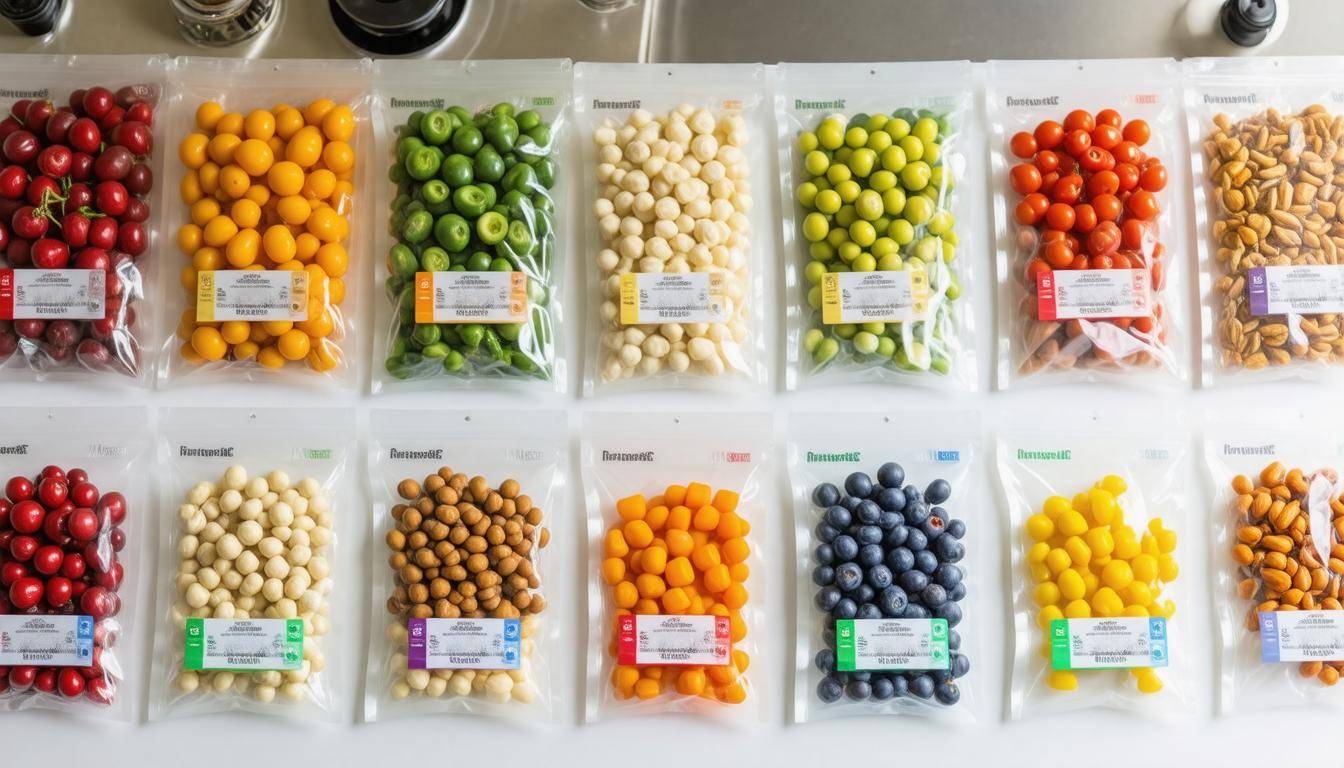
When it comes to freeze-dried food, understanding the nutritional content can significantly impact your decision-making process in selecting the best options. With various brands and types available, each meal offers different benefits that align with specific dietary needs.
For instance, some meals pack quite a punch in protein while others might be more calorie-dense. Imagine, for example, Mountain House Beef Stew providing only 13 grams of protein alongside 240 calories per serving. In contrast, Nutrient Survival’s Homestyle Scramble presents an impressive 25 grams of protein and 370 calories. Clearly, if you’re looking for a protein-rich option, the Homestyle Scramble may serve as a better choice for maintaining muscle mass during extended emergencies when physical exertion could be high.
Comparing Nutritional Content
This comparison illustrates how different freeze-dried meals can cater to varying nutritional requirements. Here’s a snapshot comparison:
| Product | Protein (g) | Calories (kcal) |
|---|---|---|
| Mountain House Beef Stew | 13 | 240 |
| Nutrient Survival Homestyle Scramble | 25 | 370 |
It’s also important to look out for additional nutrients beyond protein and calories; consider options rich in vitamins and minerals to help support your immune system when you need it most. In emergencies, balanced nutrition aids cognitive function, mood stabilization, and enhances overall well-being.
While numbers tell part of the story, taste plays an equally critical role in ensuring you actually enjoy these meals when it comes time to eat them.
Taste Testing Outcomes
Researching personal experiences can provide insight into the taste profiles of various freeze-dried meals. Many Reddit users rave about Peak Refuel Chicken Alfredo Pasta, describing it as surprisingly close to a home-cooked meal, which is crucial during stressful times. On the other hand, some users have noted that Augason Farms Dried Whole Egg Powder might require extra seasoning to elevate its taste. Proper seasoning techniques or pairing meals with easy-to-store condiments can make all the difference in taste satisfaction and enhance enjoyment.
Forming a practical stockpile doesn’t solely hinge on choosing foods with good reviews but also involves your personal preferences—taste matters more than you’d think! If possible, sample individual servings before committing to larger quantities to get an authentic feel for what works best for you and your family during an emergency.
To maximize both enjoyment and nutritional efficiency of these meals, it’s essential also to consider how you’re going to store them properly to ensure quality is maintained over time.
Storage and Longevity Tips
First and foremost, optimal storage conditions are essential for maximizing the lifespan of your freeze-dried food. Aim to keep these valuable supplies in a cool, dark space where temperatures remain comfortably below 75°F (24°C). High heat can break down nutrients and spoil the delicate flavors you might rely on during an emergency. If possible, consider placing them in areas with stable temperatures, such as basements or pantries away from direct sunlight.
With that in mind, maintaining low humidity is crucial. Ideally, humidity levels should be kept below 15% to prevent moisture absorption. This can easily be monitored using a simple hygrometer available at any home improvement store. Storing your freeze-dried food in opaque containers protects them from light exposure, which, over time, can degrade quality and flavor.
Next up is vacuum sealing, an effective method for extending shelf life by keeping out moisture and air, which can lead to spoilage. Investing in a vacuum sealing machine allows you to package individual meals or bulk supplies securely. This added layer of protection not only preserves the flavors of your meals but also guards against potential pests that could invade your supplies. It’s a small investment that can pay off significantly when you need these items most.
Additionally, implementing a rotation system is important for ensuring you use your oldest products first. This method is known as “first-in, first-out,” or FIFO for short. By labeling and organizing your stockpile according to purchase date, you’ll maintain a fresh supply without wasting valuable resources. Regularly checking this system will help you stay on top of expiration dates and keep track of what needs to be used up soon.
While these tips focus on storing freeze-dried foods effectively, don’t forget that regular inspection and maintenance of your storage area can also make a big difference. Dust accumulation or unexpected temperature changes might compromise your food supply if left unchecked.
By adhering to these guidelines for storage and longevity, you’ll ensure that you’re prepared when the time comes. Remember, understanding how to utilize your freeze-dried food effectively in various situations is equally important for readiness.
Practical Uses in Emergencies
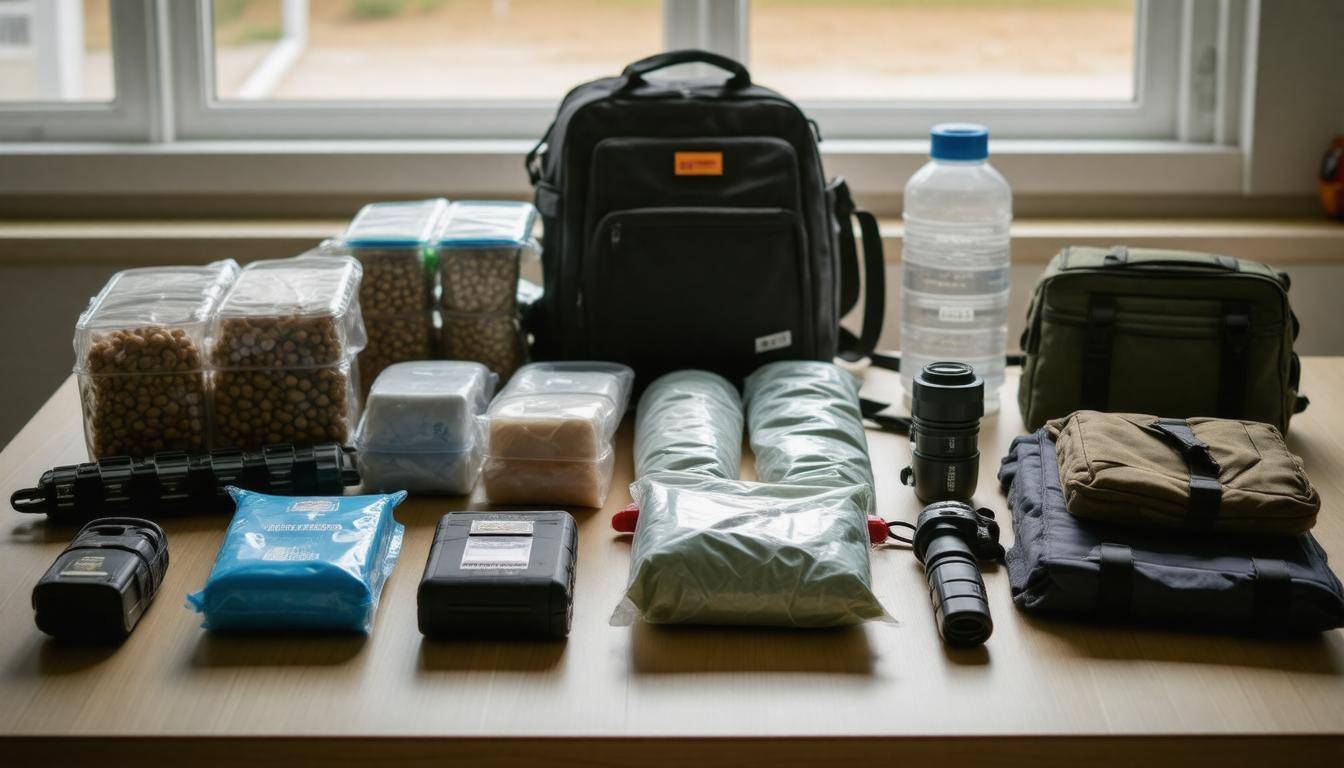
Freeze-dried food shines in emergency scenarios, where traditional cooking methods may be impractical. Imagine this: you’ve just experienced an unexpected power outage during a winter storm. Your home is plunged into darkness; your fridge and freezer are rapidly losing their cool. Rather than panic, you recall that your pantry is stocked with freeze-dried meals. Preparation requires little more than boiling water. You quickly boil some water using a camping stove—perhaps the same one you used on family camping trips—and within minutes, you’re devouring a hearty meal instead of staring at cold sandwiches.
Quick Meal Preparation
This ability to prepare delicious meals swiftly is one of the best features of freeze-dried food. When time is of the essence, whether during evacuations or emergency responses, such meals can be lifesavers. You simply open the package, add 1.5 to 2 cups of boiling water per serving, stir, and let it sit for about 10-15 minutes.
“In emergencies, every minute counts,” so having freeze-dried meals allows you to ensure you’re not missing out on vital nutrition while needing to focus on other urgent tasks.
Versatile Menu Options
Now consider the argument that relying solely on freeze-dried food might lead to a monotonous diet. While it’s valid, many brands today prioritize variety and taste, making it feasible to maintain a satisfying selection during emergencies. For instance, Thrive Life’s Fruit & Veggie Combo Pack offers an assortment of fruits and vegetables that seamlessly blend into various dishes or can stand alone as snacks.
Personally speaking, I’ve discovered that mixing different products can create an array of enjoyable meals. Throwing in vegetables into rice dishes or adding fruits to oatmeal opens a world of culinary possibilities—even when resources are scant! It’s also worth noting that blending freeze-dried items with shelf-stable goods such as canned beans or lentils can diversify your meal planning even further.
Exploring these practical uses not only showcases how beneficial freeze-dried options are in times of need but also invites us to consider efficient ways to prepare them for optimal enjoyment and nourishment.
Cooking and Preparation Methods
The heart of enjoying freeze-dried meals lies in understanding the various cooking and preparation methods available. First and foremost is the Basic Rehydration method, which is the cornerstone for most meals. When using this technique, you’ll typically need to add hot or cold water to the food pouch. For most freeze-dried dishes, hot water works best as it speeds up rehydration. Depending on the type of food, allowing it to sit for about 10-15 minutes can yield a meal that tastes almost freshly made. For example, you might find that fruits rehydrate faster, while proteins like chicken or beef benefit from getting a full 20-30 minutes.
However, taste is paramount when it comes to culinary satisfaction, especially in stressful circumstances.
Enhancing Flavor
A little creativity goes a long way. Although freeze-dried foods are generally quite good on their own, enhancing their flavor can elevate your dining experience significantly. Consider adding spices or sauces to bring the dish to life. A dash of hot sauce or a sprinkle of dried herbs can make a world of difference. You might even experiment with a small pouch of condiment packets from fast-food restaurants; they’re often available at no cost and can introduce exciting flavors without fuss.
While traditional cooking methods are effective, there are alternative approaches worth exploring.
Using a Solar Stove
In scenarios where conventional cooking methods aren’t viable, innovative tools like solar stoves can be incredibly handy. For instance, the GoSun Solar Stove harnesses sunlight to heat water effectively. It’s marvelous for outdoor enthusiasts prepping for emergencies away from a power source. Just keep in mind that cooking with solar energy typically requires longer rehydration times than boiling water does. If you anticipate needing this method, plan accordingly for delays—it’s all part of being prepared.
Understanding these cooking and preparation techniques not only simplifies meal prep during emergencies but also enhances the overall enjoyment of your freeze-dried meals.
Looking at these methods not only helps enhance your culinary skills but also sets the stage for exploring a variety of brands that offer exceptional products suitable for any emergency situation.
Popular Brands Comparison
When it comes to freeze-dried food, two brands often spring to mind: Mountain House and Augason Farms. Mountain House garners attention for its remarkable taste and texture, leading many enthusiasts to swear by its meals during camping adventures and emergency situations. This premium quality does come at a higher price point, which allows you to enjoy a more satisfying meal, whether during a weekend getaway or preparing for an unforeseen emergency.
On the other hand, Augason Farms presents a more budget-friendly option with a wide array of products available. Though economical, flavor reviews can vary significantly, with some users expressing dissatisfaction with certain meals. Still, their diverse offerings cater to various dietary preferences and needs, making them worth considering if you’re looking to stockpile different types of freeze-dried cuisine for emergencies.
Differentiating Factors
Further examining the differentiating factors among these brands reveals interesting insights. For instance, Thrive Life focuses on health-conscious consumers by offering non-GMO and gluten-free options, appealing particularly to those who prioritize nutrition in their survival plans. Meanwhile, Peak Refuel targets outdoor enthusiasts with high-calorie meals designed specifically for backpacking. These meals are engineered to provide maximum nourishment in lightweight packaging—ideal for multi-day hikes or extended camping trips.
A common thread in user feedback highlights how Mountain House is regarded as the reliable choice for tasty long-term storage meals. Online discussions frequently praise its flavors and textures while noting that it remains palatable even after years of storage—a significant advantage when preparing for emergencies.
By analyzing these aspects, potential buyers can better grasp what each brand offers and align their choices with personal preferences and needs. Appreciating the diversity in products empowers you to make smart decisions when stocking your pantry with essential freeze-dried foods for emergencies.
In exploring these popular brands and their unique offerings, it becomes clear that each brand has something valuable to contribute toward your emergency preparedness strategy. Choosing wisely can ensure you have reliable meals during critical times.