
Skiing in the picturesque French Alps can feel like a dream come true, but it also comes with risks most people don’t think about. One of the biggest dangers is the possibility of avalanches, which can happen quickly and without warning. So how do you enjoy the thrill of the slopes while staying safe? The answer lies in being prepared. This article covers the essential avalanche safety gear you’ll need, along with crucial tips and techniques to help keep you and your skiing buddies out of harm’s way. Whether you’re a seasoned skier or just starting out, understanding and equipping yourself properly can make all the difference when you’re tackling those snowy peaks.
A French Alps avalanche safety kit should include an avalanche beacon, probe, and shovel, which are crucial for rescuing yourself or others in the event of an avalanche. Additionally, it is advisable to carry extra gear, especially if planning on glacier travel, and to have comprehensive training on how to effectively use this equipment.
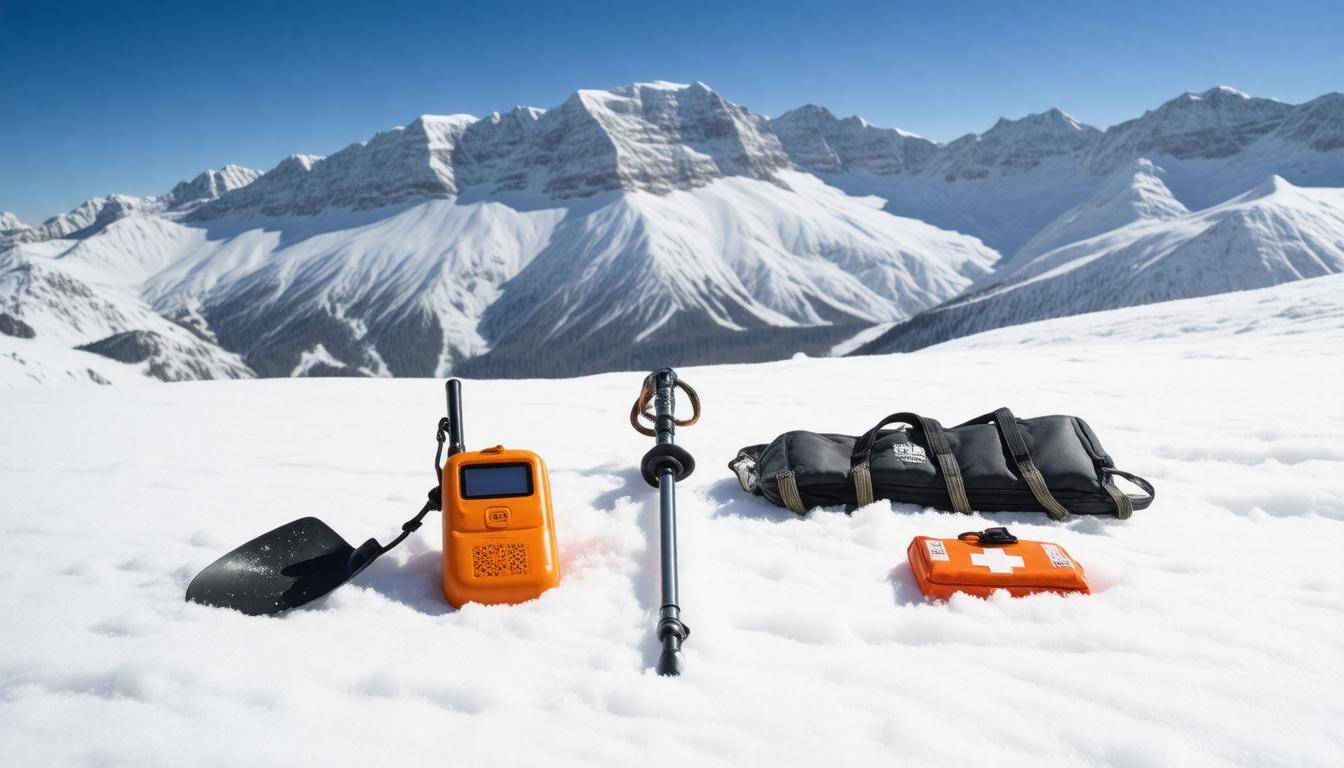
Essential Avalanche Safety Gear
First and foremost, the avalanche beacon is crucial. This small device is worn close to your body and emits a signal that helps rescuers locate you if an avalanche buries you. It’s imperative that you know how to use it effectively; taking the time to practice with friends before hitting the slopes is a wise move. Familiarizing yourself with the device reduces reaction time and increases chances of rescue when seconds matter.
The Shovel: A Lifesaver
When it comes to digging out a fellow skier or yourself, a shovel becomes indispensable. Opt for compact models made of aluminum, as they are lighter and more durable than plastic alternatives. Not only should it be easy to carry, but it also should have a sturdy blade capable of cutting through hard-packed snow. Remember that even if you’re physically fit, using an efficient shovel can significantly reduce exhaustion during rescue efforts.
Pinpointing with a Probe
Accompanying your shovel is the probe—a collapsible metal rod used specifically for locating buried individuals. It’s essential to use your probe correctly; practice probing techniques in various snowy conditions so you’re prepared when it’s truly necessary. You may be surprised how quickly one can become disoriented in deep snow; knowing where to probe can mean the difference between life and death.
Don’t Overlook Your Protection
Next on the list is a good-quality helmet. I used to think helmets were just for kids learning to ride bikes, but let me tell you, protective headgear is non-negotiable when skiing! They help shield against accidental collisions with trees and rocks, as well as protect against falling objects while navigating steep terrain or ridge lines. By making head protection a habit, you’ll save yourself from spending more time in hospitals than on slopes!
Keeping Warm and Safe
In addition to these essentials, never underestimate the value of an emergency blanket. This lightweight tool traps body heat and can prevent hypothermia in emergency situations. Even if you plan on staying warm by skiing hard all day, weather conditions can change rapidly in the Alps, making this blanket a fundamental part of your kit.
First Aid Essentials
Lastly, don’t forget a well-stocked first aid kit. Your first aid essentials should include items like:
- Bandages
- Antiseptics
- Pain relief medications
- Any personal medication you may need
By having these readily available, you ensure that minor injuries don’t sideline your adventure.
Given how unpredictable mountain environments can be, preparation is critical. Having the right gear ensures that you can navigate challenges safely as you enjoy the breathtaking beauty of the French Alps while also emphasizing the importance of specialized equipment designed for rescue operations amidst snow-covered terrains.
Avalanche Beacons and Airbags
When winter adventurers hit the slopes, a beacon becomes their lifeline. As per research from the Swiss Federal Institute of Snow and Avalanche Research, deploying an avalanche beacon can boost a victim’s chances of survival by up to 50%. These devices work by emitting strong, regular signals that rescuers can detect, essentially acting like a beacon in the storm.
Modern beacons have advanced significantly, and many now feature triple antennas. This innovation enhances signal reception and provides more precise location data. With improved processing speeds, contemporary models reduce search times—an invaluable factor when every second counts. Remember, a beacon is only effective if you know how to use it; practice tracking with it before heading into avalanche-prone areas.
Avalanche Airbags
Now let’s talk about airbags, which play an equally crucial role. These systems inflate upon deployment, creating a buoyant surface that helps keep skiers or snowboarders from sinking too deep into an avalanche. Research studies conducted in North America and Europe have shown that using an airbag can lower fatality rates by up to 19%. That’s significant.
Brands like ABS and Mammut stand out with their industry-leading models, which have garnered rave reviews from both professionals and recreational users alike. A quality airbag system is more than just an accessory; it’s a necessity for anyone serious about skiing in avalanche territory. Familiarize yourself with your airbag system beforehand—knowing where its deployment handle is located and how to trigger it quickly can mean the difference between life and death.
Equipping yourself with both an avalanche beacon and an airbag is essential for every skier venturing into potentially dangerous terrain.
While beacons and airbags form the first line of defense, other vital tools are equally important in enhancing overall safety on the slopes.
Snow Shovels and Probes
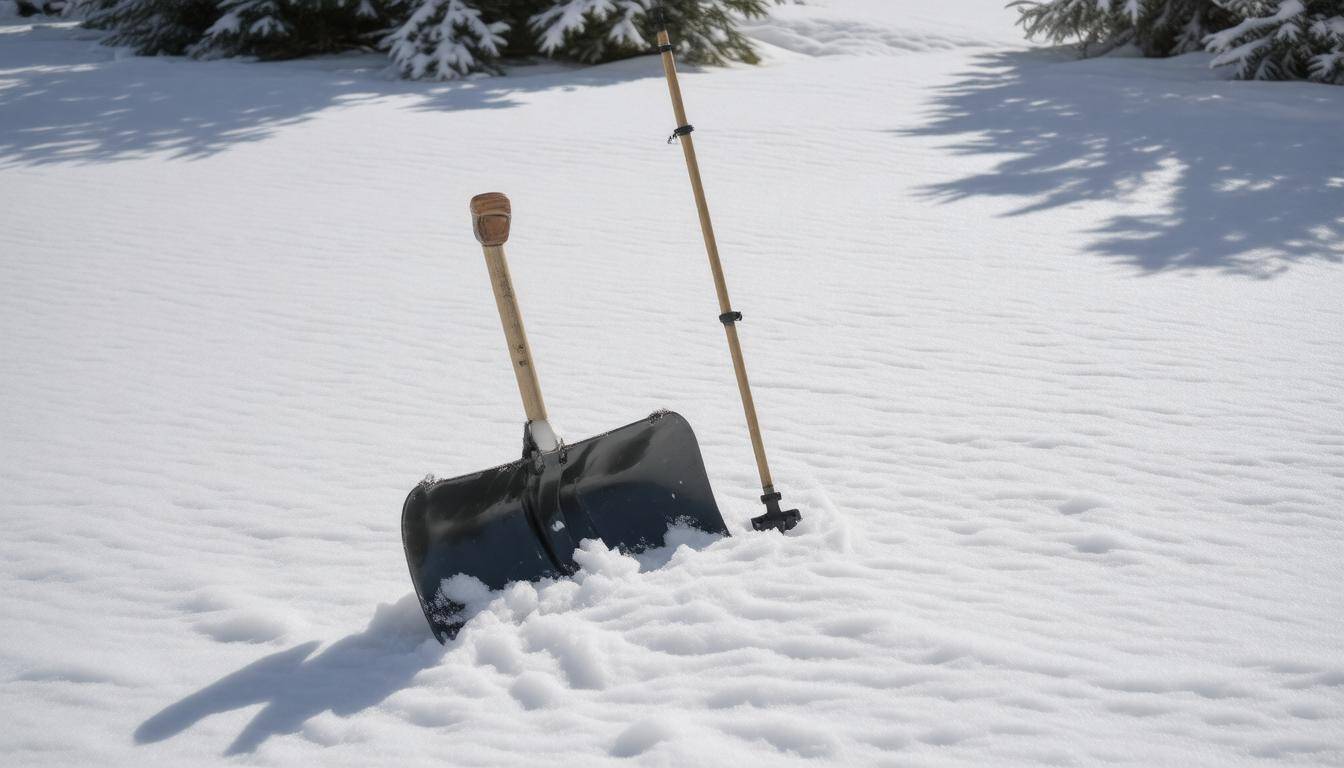
Swift and efficient digging operations require the right tools—this is where snow shovels and probes come into play. When every second counts, having high-quality equipment can mean the difference between life and death. The importance of these tools cannot be understated; they are essential for rescuing individuals caught in avalanches.
Shovels
Lightweight, yet durable shovels made from aircraft-grade aluminum are ideal for this purpose. Shovels with a well-designed ergonomic shape allow you to dig quickly and efficiently in precarious conditions. An excellent example of this type of shovel is the Black Diamond Deploy 3, which features a trapezoidal shaft that not only enhances strength but also collapses into a compact design, making it easier to carry in your backpack. This feature is crucial since you want your shovel to be accessible at all times without adding unnecessary bulk.
A good rule of thumb is that your snow shovel should weigh no more than 700 to 1200 grams, balancing durability with weight for mobility.
As you select a shovel, consider the dimensions. The blade size typically ranges from 25 to 35 cm in width, optimizing its effectiveness in moving snow. Additionally, adjustable handle lengths (from 60 to 100 cm) can help you control the digging depth while ensuring comfort in various snow conditions.
Probes
Probes are a different but equally critical tool; they help rescuers determine both the depth and exact location of a buried person under the snow. Standard avalanche probes generally range from 240 cm to 320 cm in length, with materials like aluminum or carbon fiber being common choices. While aluminum probes are lightweight and strong, carbon fiber ones are even lighter, albeit pricier—ideal for backcountry skiing enthusiasts who prioritize weight savings.
Using a probe effectively requires practice, especially when time is of the essence during a rescue operation. It’s advisable to familiarize yourself with how to deploy and use your probe before heading out into potentially treacherous terrains.
Think of this practice as your preparation for an upcoming exam; proficiency and confidence come from repetition. Probing without training can lead to unnecessary delays—an unpracticed user may fumble when every second matters. Conversely, a well-practiced user can deploy and utilize their probe within 30 seconds, giving them a better shot at locating someone trapped beneath layers of heavy snow.
The synergy between effective shovels and precise probes makes them indispensable parts of any avalanche safety kit. When used together, they enhance your overall readiness for unexpected challenges while skiing off-piste.
Alongside these essential tools, keeping a comprehensive selection of survival gear significantly boosts your preparedness on the slopes.
First Aid Kits and Survival Supplies
In an alpine environment, where conditions can change rapidly, having a well-stocked first aid kit can be a lifesaver. When you’re out skiing, the importance of being prepared becomes even more evident. A basic first aid kit should include essentials like adhesive bandages and sterile gauze pads, along with items such as antiseptic wipes to clean wounds before sealing them up.
Tweezers and scissors could prove invaluable: whether you’re removing splinters or cutting gauze, these tools help manage injuries effectively.
The contents of your first aid kit shouldn’t be taken lightly—it’s essential to check it regularly and replenish any used or expired items. After a rugged day on the slopes, you might need to refuel your stock of adhesive bandages or replace the antiseptic wipes. Keeping this kit updated can streamline your response time in case of an emergency.
Survival Gear
The role of survival gear cannot be overstated; according to the International Commission for Alpine Rescue, carrying specific survival items greatly enhances your chances of staying safe in the wilderness. One critical item to include is an emergency blanket. This lightweight invention retains body heat, which is vital if you’re stuck waiting for rescue in freezing conditions.
A fire starter should also be on your packing list. This item not only provides warmth but can serve as a signaling device in emergencies. Think about how quickly temperatures can drop in the mountains—having a reliable method for starting a fire can significantly improve your comfort and chances of survival. Additionally, including a multi-tool offers versatility when faced with various situations—from opening food packages to repairing gear.
Don’t forget those extra batteries! They are essential for keeping devices like beacons and headlamps operational during critical times. If you’ve ever been caught in low visibility, you know that keeping track of time and orientation without proper lighting can become incredibly challenging; fully charged spare batteries are more than just nice-to-haves—they’re necessities.
The equipment you carry needs to be complemented by proper clothing choices; how you layer for warmth and protection will greatly influence your experience in this rugged environment.
Clothing and Layering for Alps Conditions
Proper clothing can mean the difference between comfort and danger in the harsh and unpredictable weather of the French Alps. When you’re skiing off-piste or traversing difficult terrains, having the right gear is essential for maintaining your body temperature and preventing injuries related to exposure.
Layering System
The key to staying warm and comfortable is a solid layering system. Each layer serves a distinct purpose, ensuring that you’re protected from the elements while allowing enough flexibility for movement.
The base layer is crucial as it directly sits against your skin. It should be made from moisture-wicking materials like merino wool or synthetic fibers, which draw sweat away from your body, keeping you dry. Merino wool is particularly effective; its thermal conductivity is approximately 0.04 W/m·K, making it warm and capable of managing moisture efficiently.
Transitioning from the base layer, you step into the insulating layer, designed to trap heat close to your body. Opt for fleece or down jackets here, as they provide ample warmth without being too bulky. Notably, synthetic insulation such as Primaloft retains about 80% of its insulating properties even when wet, making it an excellent choice for unpredictable snow conditions.
Moving outward, the outer layer comes into play, where protection against wind and water becomes vital. Materials like Gore-Tex come highly recommended due to their impressive waterproof rating of 28,000 mm. This layer should be both waterproof and windproof, creating a barrier against icy gusts while allowing breathability—crucial for physical activity like skiing.
By strategically combining these layers, skiers can increase thermal efficiency by up to 30% compared to wearing a single bulky garment. Imagine gliding down the slopes knowing that you won’t be battling the cold because you’ve built a little cocoon of warmth around yourself! A well-thought-out layering system ensures that you effectively regulate your body temperature during intense activity while remaining shielded from sudden changes in weather.
In windy conditions commonly found in Alpine regions, adding a windproof jacket can reduce heat loss by up to 30%. That’s important when standing still at a lift or navigating exposed areas.
Having the right gear and clothing is part of the puzzle; however, understanding how to maximize their usage alongside effective strategies will enhance your ability to navigate avalanche-risk areas safely.
Rescue Techniques and Protocols
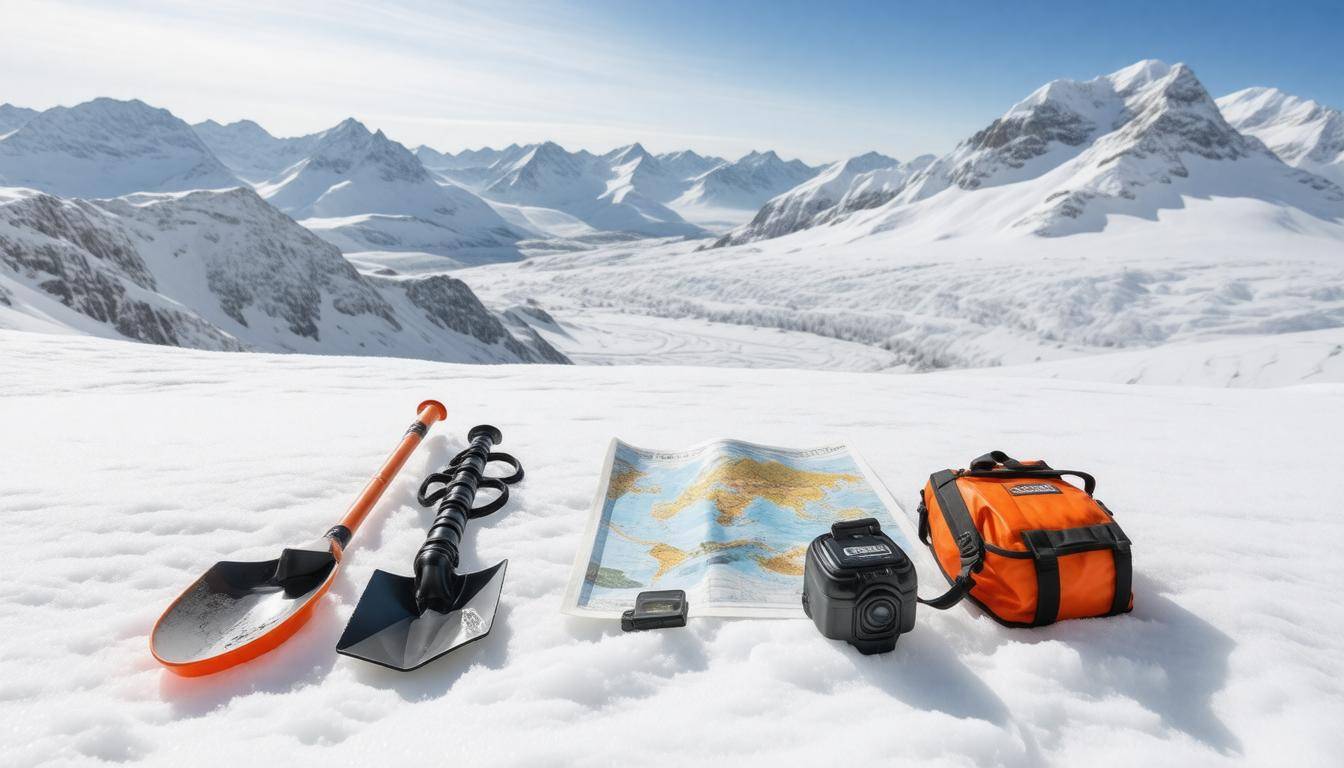
Effective rescue techniques are not just theoretical; they can drastically improve the chances of a successful recovery when someone is buried under snow. Each moment counts, especially in those critical first 15 minutes, when the survival probability of avalanche victims is at its highest. Thus, familiarizing yourself with essential protocols ensures that you’re prepared for any emergency.
Single Searcher
In situations where only one person is available for a rescue, it’s crucial to execute a systematic grid search. This method requires focus and organization. You should prioritize the last known location of the victim and then expand your search area in a zigzag pattern, creating an efficient path that allows you to cover more ground. Essential tools for this search include your avalanche transceiver set to search mode and a probe.
When operating solo, remember: stay calm, as panicking can lead to stress-induced mistakes. Your priority is finding clues—perhaps a glove or a ski pole might give you hints about where to begin probing.
Multiple Searchers
In scenarios with multiple rescuers, organization becomes paramount. Forming organized line searches with each person equipped with essential rescue gear—beacons, probes, and shovels—allows for systematic coverage of the area. The goal here is to work in unison: maintain clear communication channels amongst team members and establish roles. For instance, one individual may be responsible for beacon searching while others follow closely to probe specific areas once a signal is detected.
A well-coordinated group has higher chances of success during rescues. Utilizing a “buddy system” can be invaluable too; always ski with a partner so that there’s help immediately available in case of accidents.
Beacon Search Protocol
Using an avalanche transceiver properly can significantly facilitate locating buried victims. Start by switching your beacon to search mode when you suspect someone is trapped beneath the snow. As you move through the area, employ a zigzag search pattern since signals tend to vary based on distance and underground obstructions.
Always remember to keep an ear out; victims might be able to yell for help if they’re conscious. However, don’t rely solely on sound—be thorough with your equipment.
Probing Technique
Once you’ve located a signal, it’s time to employ your probing technique. It’s advised to use a probe that measures at least 2.4 meters long, allowing you to reach both shallow and deep burials effectively. As you probe the suspected area, do so at intervals of one meter until you make contact with something solid—the victim or their equipment.
Remember: probing is not like throwing darts; precision matters here! You want to ensure that every poke counts toward finding your friend amidst all that snow.
Digging Technique
After detecting the victim’s location with your probe, it’s time for excavation. Use your shovel wisely! Create a vertical wall in the snow around where you believe the victim is located—this method maximizes access while minimizing further collapses of nearby snow. While digging, communicate clearly with fellow rescuers about techniques being employed and continuously check if anyone needs assistance.
CPR Consideration
Once you’ve reached the victim, assess their condition immediately. If they are unconscious and not breathing—not uncommon due to suffocation risks associated with avalanches—it’s time for CPR. Initiate compressions at a rate of 100-120 per minute, as this can help sustain oxygen flow until professional help arrives.
Being equipped with these vital rescue techniques bridges understanding and readiness for winter sports in challenging environments, setting the stage for skillful navigation of potential dangerous scenarios ahead.
Preparing for Avalanche Scenarios
The first step in preparation is to recognize that safety begins long before you strap on your skis. The mountains are majestic but can quickly turn treacherous if you’re not ready. This preparation involves both physical readiness and mental preparedness, which means having the right gear, understanding the risks, and knowing what to do in an emergency.
Training
Participating in avalanche safety courses is invaluable. Organizations like the American Institute for Avalanche Research and Education (AIARE) and the French National School for Skiing and Mountaineering (ENSA) offer these courses, providing essential skills that can mean the difference between life and death.
It’s not just about listening to lectures; it’s about practical learning. You’ll learn how to identify avalanche terrain, recognizing areas where snow is more likely to slide. Understanding how different slopes behave under varying weather conditions is vital. Imagine standing at the edge of a steep slope, knowing exactly when to ski and when to steer clear.
But it doesn’t stop there; it’s crucial to practice with your equipment regularly. This means familiarizing yourself with your avalanche beacon, shovel, and probe. Knowing how each piece of equipment operates can save you precious minutes in an emergency. For instance, during a rescue operation, fiddling around with unfamiliar gear can waste time when every second counts.
-
Learn to Identify Avalanche Terrain: Familiarize yourself with your surroundings. Look for signs such as recent slides, unstable snowpack layers, and changes in weather that could indicate danger.
-
Practice with Your Equipment: Regular drills enhance your individual skills and create unity within your group—the kind of seamless teamwork that can save lives.
-
Perform Mock Drills: Conduct regular practice sessions with fellow skiers to ensure everyone knows their roles during an emergency scenario. These mock drills will reinforce confidence and improve overall coordination.
By ingraining these practices into your routine, you prepare not just yourself but everyone around you—creating a culture of safety among your peers.
Lastly, it’s critical to establish an evacuation plan. Discuss routes ahead of time—what would happen if one of your party members gets lost or injured? Have designated leaders within your group so everyone understands who takes charge if chaos ensues.
As you’ve seen, thorough preparation lays the groundwork for safer skiing experiences. Gaining further expert insights will deepen your understanding of navigating hazardous mountain terrains safely.
Expert Recommendations and Guides
Understanding the terrain, weather patterns, and necessary gear isn’t just a checklist; it’s an essential lifeline for any skier. Following expert recommendations can significantly sharpen your awareness and improve your actions when faced with avalanche risks. Renowned alpine guide Jean-Luc Fournier emphasizes this sentiment perfectly:
“I’ve been skiing in the French Alps for over 20 years, and the one thing that hasn’t changed is the importance of being prepared.”
His words echo a common truth among seasoned adventurers: preparation saves lives.
To broaden your understanding of avalanche safety, it’s wise to explore comprehensive resources tailored specifically for this unforgiving environment. For example, “Staying Alive in Avalanche Terrain” by Bruce Tremper is not just a book; it’s an essential survival guide. It lays out clear principles about how snow behaves and how to assess risk while out on the slopes. Coupled with insights from reputable organizations like the European Avalanche Warning Services (EAWS), you can deepen your understanding considerably. These organizations offer up-to-date information regarding avalanche dangers specific to various regions, including Chamonix.
The value of these resources cannot be overstated. They bridge the gap between theoretical knowledge and practical application—what you need to know versus what you should do when faced with real-life scenarios.
Moving beyond reading material, consider investing time into hands-on training. Many ski schools in Chamonix provide courses that simulate avalanche situations where you can learn recovery techniques in a controlled environment. This experience is invaluable since skills learned on dry ground rarely translate completely to real-life conditions.
Lastly, knowledge without action is ineffective. Regularly evaluate and update your avalanche safety kit based on current expert advice. Make sure it includes items like a beacon, shovel, and probe—but don’t stop there! Familiarity with each item ensures you’re not fumbling during critical moments.
Importance of Hiring Local Guides
One critical step towards increasing safety is choosing to hire local guides when skiing off-piste. Their intimate knowledge of the landscapes and conditions can greatly diminish risks associated with glacial skiing or navigating cliff sides. Local guides also serve as an additional safety measure, helping skiers interpret shifting weather patterns or unmarked hazards.
By blending expert advice with real-world learning and local expertise, you create a formidable strategy against avalanches—one that respects both the thrill of adventure and the necessity for safety in the breathtaking French Alps.
Incorporating preparedness into your skiing strategy not only enhances safety but elevates your overall experience amid the stunning beauty of the Alps. Embrace these insights and decisions to fully enjoy your adventure while staying safe.