
Flooding can be a homeowner’s worst nightmare, turning a cozy living space into a soggy mess almost overnight. Imagine waking up to find your beloved furniture drenched, cherished pieces now part of an overwhelming cleanup effort. The good news is that not all hope is lost! With the right know-how, many items can be assessed and salvaged through careful restoration techniques. In this guide, we’ll walk you through evaluating water-damaged furniture, ensuring you’re equipped with practical tips for cleaning and drying different materials. You won’t just learn how to deal with the aftermath; you’ll also discover ways to protect your investment and create a more resilient home for the future.
The “Furniture Salvage After Flooding: Complete Guide” provides detailed information on assessing water-damaged furniture, categorizing types of water, identifying salvageable items, and employing effective cleaning and drying techniques. It includes practical tips for specific materials such as wood and upholstery, as well as health considerations to prevent mold growth and promote safe restoration practices.
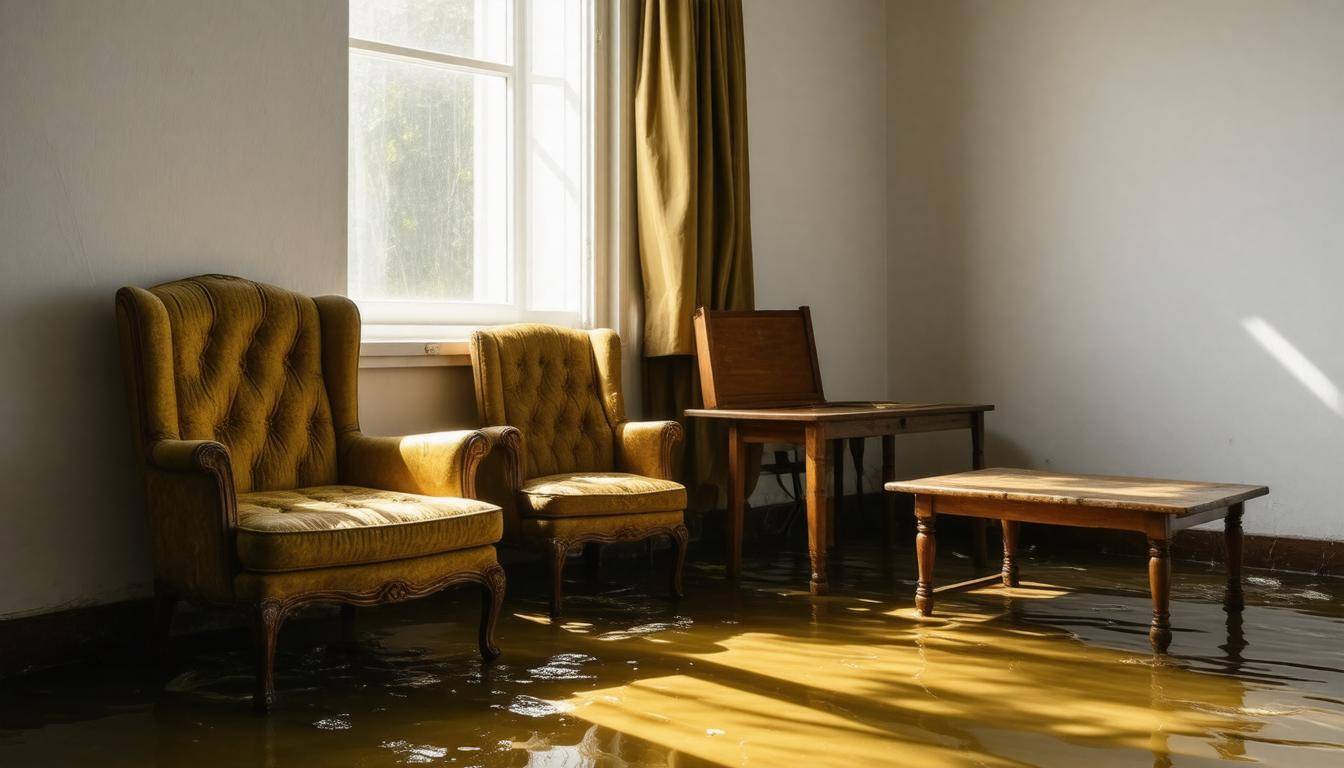
Safety Precautions Before Salvaging
Assessing and salvaging furniture after flooding can expose you to various hazards. One crucial aspect to keep in mind is that floodwaters may contain hidden dangers like sharp objects, dirty debris, or even hazardous chemicals. Putting safety first not only protects you but also empowers you to handle the situation effectively.
To tackle these risks, I always recommend several key measures.
First and foremost, wear protective gear. It might feel cumbersome at times, but equipping yourself with rubber gloves, waterproof boots, and a sturdy face mask is vital for minimizing exposure to contaminants. This simple step significantly reduces the risk of cuts or respiratory issues while wading through muddy waters or dealing with potentially harmful substances. Imagine looking at a pile of waterlogged furniture — feeling secure in your gear allows you to focus on the task instead of worrying about what lurks beneath.
Ventilating the area is another important safety measure. Opening windows and doors fosters airflow, helping to dilute any toxic fumes that might accumulate due to damp materials or cleaning solutions. Fresh air circulation enhances your overall endurance during a demanding process. Be vigilant about this; it creates an environment where you can think clearly and work safely.
Furthermore, turn off electricity before entering flooded areas. This action is essential in preventing electrocution hazards that can arise when appliances and electrical outlets come into contact with water. Trust me; it’s an easy step that can spare you a world of trouble later on. Before stepping into a damp space, make sure to disconnect any electronics and power sources nearby; doing so will help eliminate unexpected dangers as you navigate through wet surroundings.
Embracing these safety precautions safeguards your well-being while establishing a clear path toward competent salvage work. With a secure environment in place, your next focus should be on evaluating just how extensive the damage is to your furniture.
Assessing Flood Damage to Furniture
Flood damage can wreak havoc on your beloved furniture, but understanding how to assess the situation is the first step toward successful recovery. Every piece of furniture tells a story, and when it gets submerged in water, that story may change. Start by identifying the category of water involved for a clear picture of what you’re dealing with.
Identify Water Category
The very first thing to do is figure out if the water that caused the damage falls into one of three categories: clean, gray, or black. Knowing this is crucial because it directly impacts what actions you can take next.
Clean water comes from sources like supply lines, meaning there’s a decent chance your furniture can be salvaged with some diligent cleaning. In contrast, gray water, which might come from washing machines or dishwashers, poses more risks and often requires deeper sanitation methods to ensure safety. Finally, we have black water, which contains sewage or hazardous materials. Unfortunately, this type of water is often a red flag for immediate disposal of affected items since health risks greatly outweigh salvage opportunities.
As the restoration expert John Anderson wisely puts it: “Early identification of water types significantly impacted the success rate of our restoration efforts.” This statement underscores the importance of quick action when assessing your damaged items.
Inspect for Structural Damage
Once you’ve identified the water’s source, it’s time to conduct a thorough examination of your furniture’s structural integrity. Look for signs of warping or swelling; wooden furniture can swell from exposure but might still be saved if dried quickly enough. You might notice legs bending sideways, tabletops lifting in odd ways, or frames starting to sag – all indicators that the item has been compromised.
With structural integrity checked, don’t overlook what lies below the surface: mold and mildew growth.
Surface Examination
After examining structural issues, check surfaces meticulously for any indication of mold or mildew. These pesky fungi can develop rapidly in damp conditions and often manifest as unsightly black or white spots. Being proactive here is critical; even a light coating could lead to more significant issues down the line if left unaddressed. If you see these signs, you likely need specialized cleaning solutions to mitigate their spread and restore your furniture safely.
| Type of Water | Description | Salvageable? |
|---|---|---|
| Clean Water | Supply line leaks | Usually yes |
| Gray Water | Appliance effluents | Sometimes |
| Black Water | Sewage and chemicals | Rarely |
By carefully assessing each piece of furniture based on its water type, structural integrity, and surface condition, you’ll gain valuable insight into its future viability—this opens up options for determining drying methods and restoration techniques moving forward.
Effective Drying Techniques
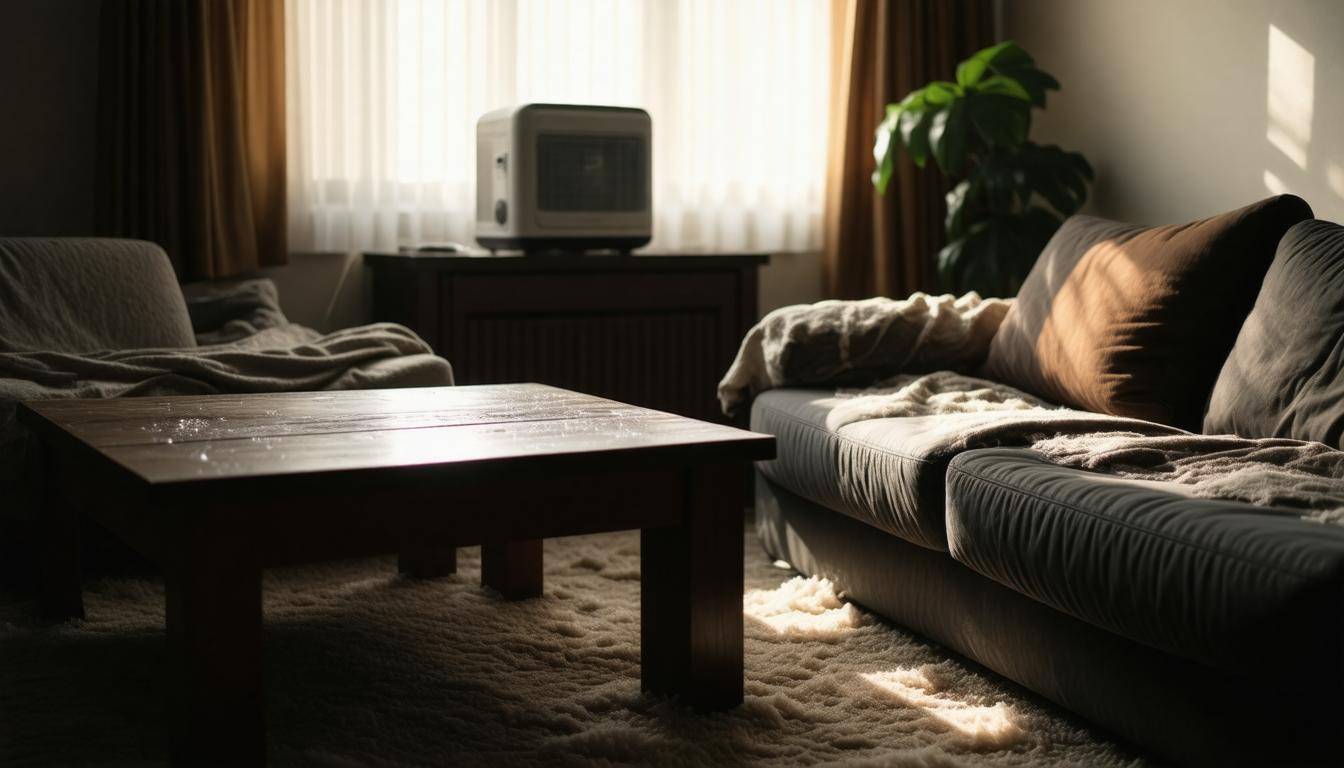
One of the first things to remember when tackling wet furniture is to elevate it. Lifting furniture off the ground with blocks or platforms is paramount. This concept might seem simple, but it’s incredibly effective. Elevating furniture prevents further saturation from any remaining moisture on the floor and allows air to circulate beneath, which aids in drying. Picture a table standing above the water-logged carpet, free from additional damage while moisture escapes from its base rather than being trapped against it.
Next up are your best buddies in this situation: dehumidifiers and fans. These appliances are your allies in accelerating the drying process. Strategically placing dehumidifiers around the affected area will help draw excess moisture out of the air, creating an environment less conducive to mold growth. Utilizing fans will promote airflow, helping to whisk away moisture quickly. Consider positioning two or more fans in complementary angles around the space; this cross-ventilation promotes faster drying by ensuring that all surfaces are uniformly exposed to moving air.
Naturally, if the sun is shining bright, take advantage of that wonderful gift from nature! Sunlight exposure can be a game changer during the drying phase. When possible, move items into direct sunlight as it acts as a natural disinfectant while also providing warmth that helps dry everything out. However, be cautious when applying this method: darker woods may warp or fade under intense sunlight for extended periods. To mitigate this risk, rotate items occasionally so that they’ve had varied exposure throughout the day.
A specific example worth mentioning involves leather furniture. Leather is notorious for cracking if not dried properly; therefore, it’s often best treated by air-drying slowly with fans surrounding it at low speed rather than blasting high heat directly onto it. This gentle approach helps maintain leather’s integrity without risking alteration due to rapid temperature shifts.
Once everything is thoroughly dry, cleaning those pieces becomes vital to return them to their former glory and ensure long-lasting use. The steps you take now will play a crucial role in maintaining your salvaged furniture’s appearance and function.
Optimal Cleaning Methods
Cleaning methods can significantly differ based on the material of the furniture, and it’s imperative to choose the right approach to ensure thorough restoration. For upholstered furniture, the process begins with a good vacuuming session. Using a powerful vacuum cleaner, tackle loose debris, dirt, and any remnants of water that may be nestled deep within the fibers. This initial step is crucial because it helps prevent larger particles from mixing into the fabric later on, which would complicate the cleaning process and could lead to further damage.
Following this, one effective technique is known as hot water extraction. This method employs a special machine that injects hot water mixed with detergent deep into the fabric’s fibers. Subsequently, it extracts not only the dirty water steeped with dirt and grime but also helps to lift out stains that may have set in due to flooding. This thorough cleansing is particularly beneficial because hot water can effectively break down dirt and disinfect the material simultaneously.
After using hot water extraction, it’s vital to ensure that upholstery dries thoroughly. Mold and mildew are not just nuisances; they pose serious health risks if left untreated. Employing dehumidifiers and fans can significantly aid in achieving a rapid drying process—ideally within 24 hours. Proper airflow will minimize moisture retention, reducing the chances of mold growth on your cherished pieces.
Wooden Furniture
When dealing with wooden furniture affected by floodwater, maintaining its integrity becomes paramount. A mild detergent solution works wonders here. To create this solution, mix a gentle dish soap with warm water in a bucket, then gently scrub the surface of your wooden items; this helps lift impurities without scratching or damaging the surface finish. However, it’s important to remember that excessive water should be avoided with wood as it can warp and ruin finishes.
After scrubbing, quickly rinse the wood using a clean damp cloth—and don’t forget to wring out excess water! The final step involves drying off the surface using a soft cloth, ensuring no moisture lingers in crevices where it could cause long-term decay. You might even consider applying a suitable wood protectant after everything has dried thoroughly; it offers another layer of defense against future damage and preserves the piece’s beauty.
There’s an ongoing discussion among experts regarding commercial cleaning solutions versus homemade alternatives for restoring high-value items after flood damage. Commercial products often provide specialized formulas that may yield robust results for stubborn stains or delicate finishes. In contrast, homemade solutions could save costs and are often better for the environment. The choice boils down to what you feel most comfortable using while weighing both effectiveness and safety for your cherished pieces.
With a firm grasp of these cleaning techniques suited for various materials, you’ll find yourself equipped to tackle potential challenges related to your salvaged items next.
Dealing with Mold Hazards
Mold thrives in damp environments and can begin developing within just 24-48 hours of flooding. That’s why the urgency of this matter cannot be overstated. When you walk into a flooded area and see surfaces like carpets, upholstery, or wooden furniture showing signs of moisture, it’s crucial to act swiftly. Ignoring the situation risks irreparable damage to your belongings and endangers your health because mold spores can cause severe allergic reactions or respiratory issues.
First things first, it’s essential to identify any existing mold on your furnishings. Be vigilant and look for fuzzy or slimy patches in various colors—think shades of white, green, black, or even pink. These colorful colonies are not mere stains; they’re warnings that action must be taken immediately. The sooner you spot these signs, the better chance you have at effectively salvaging your belongings.
Remember: Mold doesn’t just appear out of nowhere; it needs an environment to grow. Keep your eye out for that telltale fuzziness.
Once you’ve identified moldy areas, it’s time to bring out the big guns: mold killers! Utilize EPA-approved products specifically designed for use on furniture. Always follow the instructions carefully and ensure proper ventilation while applying these chemicals—this protects you from harmful fumes and allows adequate airflow to help speed up drying.
After tackling the immediate problem, don’t let your guard down just yet. Ensure that all affected furniture is completely dry before considering it safe again. If necessary, place fans around the room and keep windows open for air circulation. In situations where you’re really concerned about re-growth, a layer of anti-mold spray can provide additional safeguard.
It’s worth noting a study conducted by the CDC indicates that a staggering 93% of flood-affected homes in the U.S. show mold growth within 72 hours of water exposure. This statistic serves as a reminder that mold demands serious attention.
If mold infestation appears too severe for DIY efforts—including cases where waterlogged sofas have turned into veritable petri dishes—it may be time to consider seeking expert assistance to address these challenges effectively.
Professional Restoration Options
Sometimes, the extent of damage necessitates professional involvement. While it may feel daunting to hand over your cherished furniture for restoration, specialized restoration companies can bring immense value to the recovery process. These firms are equipped with advanced tools, techniques, and experience that most homeowners simply don’t possess. For instance, they often utilize industrial dehumidifiers and powerful drying equipment that significantly reduce moisture levels in furniture better than typical home methods.
When you enlist a professional service, they begin with a meticulous assessment of your furniture to determine which pieces can be salvaged. This evaluation includes examining material characteristics and how well each piece has withstood exposure to moisture. As many professionals follow the IICRC S500 standard, you can trust that they’ll adhere to industry best practices in cleaning and restoration. They also have access to a variety of cleaning solutions specifically designed for different materials, ensuring each item’s unique needs are met.
A deeper look at costs reveals it’s crucial to conduct a cost-benefit analysis. While hiring professionals might initially feel like an expense, it is often dwarfed by the potential value recovery of damaged pieces. For example, if you own an antique piece or a family heirloom, restoring it professionally can be far less costly than attempting restoration yourself—especially if your efforts lead to irreversible damage. The peace of mind that comes with knowing your valuable possessions are in capable hands cannot be overstated.
“Hiring a professional was a game-changer. They managed to restore my antique wooden table that I thought was beyond salvage,” shares Emily from New Orleans. This kind of testimonial reflects the transformative impact that skilled restorers can make.
With this in mind, know that every dollar spent on professional services is typically an investment in longevity and preservation.
Whether you’re using professional services or going the DIY route, prevention is always better than cure. Understanding the importance of timely intervention after flooding and making informed choices regarding restoration ensures not only the survival of cherished pieces but also contributes positively to your living environment.
As we consider the options for restoring furniture after water damage, it’s equally important to think ahead about how we can select items that can withstand future floods more effectively.
Choosing Flood-Resistant Furniture
When selecting furniture, especially in areas vulnerable to flooding, it is crucial to consider how well each piece withstands moisture. By understanding the characteristics of various materials, you can make choices that protect your investment and promote a healthier living space.
For example, opting for stainless steel, plastic, or treated wood significantly reduces the likelihood of damage from water exposure. Such materials inherently resist rot and mold better than traditional wood, ensuring longevity even in challenging conditions.
The design of the furniture also plays an essential role in minimizing water damage.
Elevated Designs are particularly beneficial when battling the challenges posed by flooding. Look for furniture that features elevated legs; this design keeps your belongings above potential standing water. Sofas and chairs with sufficient height will prevent them from sitting directly on wet floors, reducing the risk of damage from prolonged moisture exposure. This simple change in design philosophy can lead to a significant decrease in repairs and maintain their longevity.
When assessing furniture options, remember to ask yourself: Will this still be functional if subjected to moisture?
Another element to consider is Removable Covers for upholstered items. Investing in furniture with washable covers allows for swift cleaning after a flood incident. In the unfortunate event of water exposure, you can simply remove and wash these covers rather than facing extensive upholstery cleaning—thus saving time and preserving the integrity of your favorite pieces. Brands such as POLYWOOD provide versatile options that cater to aesthetics and functionality, showcasing lines designed for both indoor and outdoor use.
As we move forward, let’s explore why maintaining a proactive approach towards selecting furniture can be incredibly beneficial in the long run.
Prevention is undeniably more effective than dealing with restoration later on. You might find peace of mind knowing that choosing flood-resistant materials now can save you from a future filled with extensive cleanup efforts and costly repairs. If you live in a flood-prone area, it’s wise to consider not just what looks good but what will stand the test of time against the elements.
By taking these insights into account during your shopping experience, you can ensure that your belongings enhance your living space’s beauty while contributing to its resilience against potential flood damage.
Keeping these considerations at the forefront encourages you to create a living space designed for durability. Next, we will transition into strategies that help mitigate risks before they become issues.
Future Damage Prevention Strategies
Taking steps to safeguard your furniture and home from water damage goes beyond just the immediate fixes. It requires a comprehensive approach that considers both environmental factors and proactive measures.
For instance, elevating furniture not only keeps it away from potential floodwaters but can also help with better air circulation around the pieces. This simple adjustment can be achieved through furniture risers or even placing items on waterproof pallets during particularly risky seasons.
Another effective strategy is utilizing flood barriers installed around your property—especially when storm warnings loom. These barriers act as a bulwark against incoming water, redirecting it away from your home. Just imagine having peace of mind while a heavy downpour occurs outside because you’ve taken the necessary precautions.
In addition to physical barriers, applying water-resistant coatings adds an extra layer of protection to wooden surfaces prone to damage. Many products are available today that offer effective moisture resistance while being environmentally friendly. Consider looking into eco-friendly sealants that provide durability without harmful chemicals—protecting not just your furniture but also your health.
It’s essential to regularly inspect your home’s drainage system too. A neglected gutter can quickly become a flooding disaster waiting to happen. Ensure that rain gutters are clear of debris and functioning properly; landscape grading should slope away from your home to facilitate proper drainage.
Revolutionary Techniques
Among innovative methods, automatic sump pumps in basements have emerged as game changers for many homeowners. These devices actively remove floodwaters as they begin to accumulate, offering significant peace of mind. They can detect rising water levels and respond accordingly, essentially giving you one less thing to worry about during a storm.
Regular maintenance—like checking the pump’s battery life or testing its operational readiness—plays a critical role in ensuring these systems work effectively when needed most.
By implementing these strategic interventions and maintaining vigilance over your environment, you’ll not only protect your current investments but also elevate the overall safety and longevity of your living space against future floods.
As you adopt these preventative measures, you transform your home into a well-protected sanctuary against water damage, safeguarding both your cherished belongings and peace of mind.