
In the aftermath of an earthquake, your safety should be a top priority, and one crucial aspect often overlooked is the integrity of gas systems in your home. Imagine returning to your house after the shaking has stopped, feeling grateful for your family’s well-being, but then realizing you might be walking into an invisible danger. The truth is that gas leaks can remain hidden until it’s too late, potentially leading to catastrophic fires. This guide aims to arm you with essential knowledge and steps you can take to ensure your gas systems are safe and sound after these seismic events. By being proactive and informed, you can help protect your loved ones and create a safer environment for everyone. Let’s dive into the vital safety measures you need to know!
After an earthquake, it is crucial to immediately evacuate the building if you suspect a gas leak, which may be indicated by a hissing sound or the smell of gas. Additionally, do not use matches or electrical switches in such cases; instead, shut off your home’s main gas valve and contact a licensed professional to inspect the gas system for potential hazards.

Importance of Gas System Safety
Gas systems play a vital role in providing energy to our homes and businesses, but they can also pose severe hazards if not properly maintained—particularly following an earthquake. When ground shaking occurs, it can easily displace gas lines or damage appliances, leading to potential leaks. This vulnerability has real consequences that can lead to loss of life and property. The statistics are staggering—40% of residential fires after earthquakes arise from natural gas leaks, emphasizing the importance of maintaining the integrity of these systems.
Imagine coming home after the tremors have subsided, only to find that a damaged gas line has created an invisible danger within your walls. You might be thinking everything is fine, but in reality, a tiny spark from an electrical switch could ignite a catastrophic fire. That’s why taking measures to check and secure gas appliances post-disaster isn’t just advisable—it’s crucial. For instance, after significant quakes like the 1994 Northridge earthquake, over 200 fires erupted due to gas leaks and damaged connections. If homeowners had performed timely inspections or utilized automatic shut-off valves, many disasters could likely have been avoided.
Ensuring that your gas systems are safe requires immediate action as soon as you feel the ground stop shaking. You’ll want to swiftly familiarize yourself with how to shut off your gas supply should a leak be suspected.
Moreover, it is essential to remember that every second counts when there’s a potential gas leak. If you detect a hissing sound or smell natural gas—usually described as rotten eggs—it’s imperative to evacuate immediately and avoid using any electrical switches that could ignite a fire. While this may sound alarming, being proactive about safety can significantly mitigate risks.
Equally important is the necessity of routine checks on your appliances and flexible connectors; these elements need to be inspected after every seismic event. Failure to do so can lead to serious issues down the road, especially considering that 70% of gas system failures after earthquakes result from pipeline ruptures and loose connections. Regular maintenance is key in identifying vulnerabilities before disaster strikes and ensuring that your household remains secure.
The Federal Emergency Management Agency (FEMA) has noted that implementing comprehensive safety measures can reduce the risk of gas-related incidents by up to 50% in earthquake-prone regions. It emphasizes a need for families to educate themselves about safety protocols surrounding their gas systems.
Being prepared means understanding how to identify danger signs quickly and effectively mitigating them should they occur. Take the time now—before disaster strikes—to become familiar with your home’s gas infrastructure, set up emergency plans, and invest in necessary monitoring equipment like smoke detectors and carbon monoxide detectors specifically designed for use with gas systems.
Understanding these critical aspects allows us to approach potential damages with informed confidence. Now, let’s turn our attention toward evaluating conditions after seismic events.
Assessing Earthquake Damage
Assessing your gas system for damage after an earthquake is a critical step in ensuring your home remains safe and functional. Delaying this inspection can lead to serious consequences, including fire hazards or health risks from gas leaks. The first step you should take is a thorough visual inspection around your gas meter and the lines that connect to it. This means taking a deep breath, gathering your thoughts, and giving yourself a moment to focus on the task ahead.
Step-by-Step Guide
1. Visual Inspection
Begin by taking a good, hard look at the visible parts of your gas system. This means checking for any obvious cracks or breaks in the pipes themselves, as well as any disconnections that may have occurred during the tremors. Don’t be afraid to follow those gas lines with your eyes—and hands if you’re comfortable—to look for dents or kinks that could indicate pressure buildup or structural problems. Pay attention to deep signs of damage such as dirt flaring up into the air nearby, which might signal escaping gas. Dead vegetation along the pipeline can also be a red flag that something isn’t right.
Always remember: If you see anything unusual—don’t take chances!
2. Smell Test
Alongside visual inspections, don’t forget the most powerful tool you have: your nose. Natural gas is odorless; however, utility companies add a chemical called mercaptan that gives it that distinctive rotten egg smell. When assessing for leaks, let your sense of smell guide you. A strong odor could mean there’s a significant leak present, so it’s essential to be aware and vigilant while conducting your checks.
If you detect this unmistakable scent, calmly evacuate everyone from the area since inhaling natural gas can be harmful. Do not use matches, candles, or any electrical switches until professional help has assessed the situation.
3. Professional Evaluation
Even if nothing seems amiss after a close inspection, I highly recommend arranging for a qualified technician to conduct a more thorough evaluation of your gas system. They have specialized training and equipment that can identify issues invisible to the untrained eye. It’s their job to ensure all elements are functioning properly and to check things like regulators and pipe integrity—all vital components related to safety.
You wouldn’t drive without getting regular maintenance on your car—why would you skip out on important checks for something as crucial as your home’s safety?
Following these guidelines not only enhances safety but also increases preparedness for potential gas-related hazards as you transition into evaluating specific signs of danger within your environment.
Identifying Gas Leaks
The first and most essential step in ensuring safety after an earthquake is recognizing potential gas leaks. Gas leaks are not something to take lightly; they can lead to devastating fires or even explosions if left unaddressed. Using all your senses—smell, hearing, and sight—plays a crucial role in detecting these dangerous leaks.
The synthetic odorant added to natural gas, called ethyl mercaptan, emits a distinct rotten egg smell, which is often the first indication of a leak. If you catch a whiff of that scent, trust your instincts and take immediate action.
-
Besides the odor, listen for a hissing or whistling sound near gas lines or appliances. This noise might indicate escaping gas.
-
Visibility is equally vital; check for any obvious damage or disconnections in the gas pipes themselves.
-
Another often-overlooked sign is observing your surroundings: look for patches of dead or discolored vegetation where lush greenery once flourished—this can signal a gas leak underground affecting plant life.
Understanding how to use technology can augment these basic methods.
In this tech-savvy era, we have tools at our disposal that can help detect gas leaks more efficiently. Electronic gas detectors are designed to sense specific gas concentrations in the air, providing real-time alerts for any harmful leaks—even before you notice them with your senses! These detectors are especially beneficial in maintaining a proactive approach to safety. They are relatively easy to install and can give you peace of mind by continuously monitoring your environment.
Additionally, studies show that nearly 1 in 5 homes in the U.S. has a gas leak, according to the American Gas Association. That staggering statistic underscores the importance of regular inspections; relying solely on your senses may not always be enough. Regular maintenance checks on gas systems ensure that vulnerabilities are addressed before they become severe issues.
Remember, safety always comes first! Educate your household members on how to recognize the signs of gas leaks and how to respond effectively during emergencies. With this comprehensive understanding and using both sensory perception and technology in tandem, you can significantly reduce risks associated with gas leaks following earthquakes.
As we explore further into enhancing safety post-earthquake, it’s vital to examine how advanced mechanisms can automatically shut off gas supplies when needed.
Using Automatic Shut-Off Valves
Automatic shut-off valves are exceptional devices that significantly enhance gas safety, particularly in regions prone to seismic activity. These devices monitor the flow of gas and, if they detect any irregularities—like a sudden spike in pressure or changes that may indicate a leak—they automatically cut off the gas supply. This quick reaction helps prevent dangerous situations, such as fires caused by gas leaks after earthquakes.
Take for instance several homeowners in California, who reported that ASVs installed after the 1989 Loma Prieta earthquake protected their homes during the later Northridge earthquake. Thanks to these clever devices, potential gas leaks were contained before they could spiral into disasters, showcasing the lifesaving potential of automatic shut-off valves.
Types of ASVs
Different types of automatic shut-off valves address various scenarios related to gas safety. Understanding these options can give homeowners peace of mind when selecting which valve might best suit their needs.
1. Excess Flow Valves
Excess flow valves play a fundamental role in preventing gas leaks. These valves are engineered to immediately close off the gas flow when it exceeds predetermined safe levels, acting as an early warning system for potential issues. In instances where excavation equipment or external factors inadvertently damage gas lines, the excess flow valve’s activation can stop a disaster before it begins.
2. Seismic Valves
Seismic valves are specially designed to respond to earthquake activity. They detect tremors and automatically terminate the gas supply once seismic movements reach a specific intensity threshold. This virtually eliminates any risk associated with underground gas pipelines rupturing due to shaking, making them invaluable for residents in earthquake-prone areas.
Incorporating automatic shut-off valves not only bolsters overall safety but also aligns well with best practices for managing gas systems in the home after seismic events. Understanding how to maintain and inspect these systems is essential for ongoing protection against potential hazards.
Regular Inspections and Maintenance
Regular inspections serve as your first line of defense against potential gas system issues. These routine assessments are invaluable for diagnosing and troubleshooting minor problems before they evolve into significant hazards. For homeowners, the effort put into these evaluations can significantly enhance safety while providing peace of mind.
Steps to Conduct Regular Inspections
First and foremost, homeowners should perform monthly visual inspections of their gas lines. A quick look can often reveal signs like rust or loose fittings. If you notice any unusual smells or see indicators of wear, it’s imperative to act fast. Addressing these small problems can prevent costly repairs down the road. Viewing your gas system as an integral part of your home means treating it with the attention it deserves.
After completing monthly evaluations, it’s time to think about the bigger picture—professional oversight is essential.
To ensure a thorough examination, arrange for professional inspections every six months. Licensed professionals are trained to detect hidden vulnerabilities that might not be obvious during a casual glance. They utilize advanced techniques such as Dissolved Gas Analysis (DGA) to assess the health of transformers and identify potential failures. Bringing in an expert guarantees that your system’s inner workings are running smoothly and efficiently.
Additionally, it is important to ensure timely maintenance of all gas appliances and fittings. Just like getting a medical check-up can catch potential health issues early, keeping up with appliance maintenance minimizes the risk of leaks or failures. Look upon each inspection as a proactive step: a way to avoid future mishaps that could result in dangerous situations or expensive repairs.
Remember, safety is a continuous journey rather than a one-time effort! Regular inspections and coordinated maintenance practices play critical roles in creating a reliable environment to protect your family and property.
By keeping up with regular inspections and professional assessments, you’re essentially adopting an approach rooted in preventative care. The goal is to establish a culture of vigilance around gas systems that extends beyond mere compliance with regulations; it promotes a deeper understanding of their significance in our daily lives.
This proactive mindset not only has implications for safety but also underscores the importance of being prepared for emergencies. Let’s now explore the essential protocols that must be followed when responding to unexpected incidents.
Emergency Response Procedures
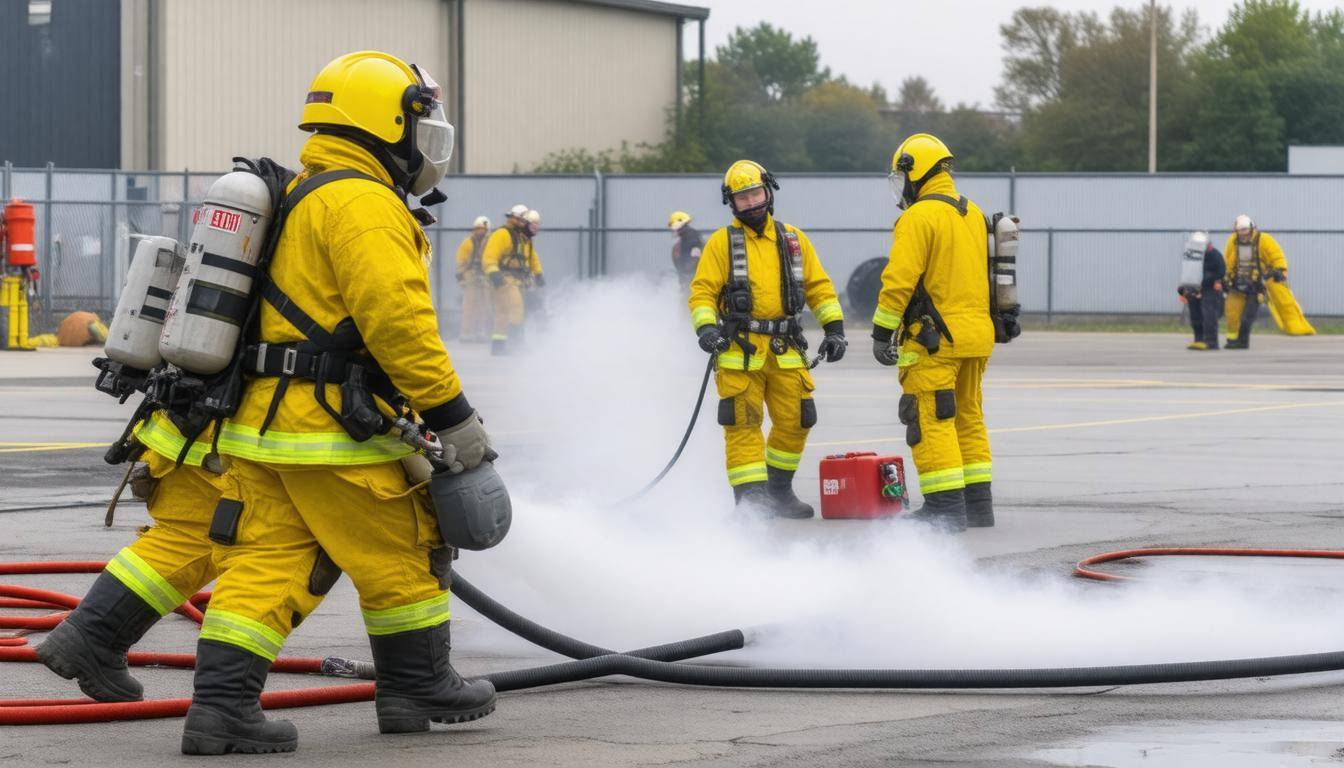
Knowing how to respond effectively during an emergency is pivotal, especially when dealing with gas systems following earthquakes. These events can cause significant disruptions, leading to potential hazards such as gas leaks. Therefore, it’s essential to keep a cool head and adhere to established emergency procedures to mitigate risks for everyone involved.
One of the first steps is to familiarize yourself with the location of your gas shut-off valve. It may seem simple, but this knowledge could be lifesaving. Turn it off if you detect a gas odor; don’t wait; instead, ensure everyone in your household knows how to operate the valve properly. This vital piece of information could prevent a catastrophe from escalating, especially in the chaotic aftermath of an earthquake.
Additionally, developing a comprehensive emergency plan is crucial. This should include clearly marked evacuation routes and a list of emergency contact numbers. Practice this plan regularly with your family so that everyone knows exactly what to do. Consider conducting regular drills—this will help reinforce the importance of being prepared while also making certain that all members of the household feel confident in their roles.
After familiarizing yourself with these critical points, it’s imperative to involve local authorities and fire service personnel promptly. Their training allows them to safely assess the situation and implement necessary measures according to established protocols (such as 29 CFR 1910.120(q)) regarding hazardous substance releases. By alerting them, you gain access to trained professionals equipped for managing such incidents effectively.
This is where the chemistry of gases comes into play. Understanding that propane, for instance, is heavier than air means it will accumulate in low-lying areas. This knowledge helps responders determine how and where to implement safety measures effectively—by ventilating spaces where gas has settled or quickly evacuating those nearby.
The basics of personal protective equipment (PPE) also come into focus here:
- Full PPE: Fire service personnel should always wear full protective gear
- Self-Contained Breathing Apparatus (SCBA): Essential before entering potentially hazardous zones
Thus, knowing these fundamentals not only plays a role in keeping emergency responders safe but enhances overall community safety as well.
Moving forward, we will explore practical strategies and essential advice for handling repair needs and ensuring safety restoration after such disasters.
Repair and Restoration Tips
Post-earthquake repairs must not only restore functionality but also adhere to strict safety standards. If you suspect that your gas system has been compromised, addressing it promptly can save you from future headaches. Starting with minor repairs, if you’re familiar with basic home maintenance, you can fix small cracks yourself using approved materials.
It’s important to ensure these materials are compliant with local regulations to avoid further issues down the line.
However, when the damages are significant, your best bet is to seek professional help.
For any major repairs or extensive damage, it’s crucial to call a certified professional. Attempting to handle significant tasks on your own can lead to improper installations or repairs, which may create safety hazards. Certified professionals are trained and experienced in handling complex gas systems. They’ll ensure that repairs meet safety guidelines and assess whether there might be hidden damages that require attention.
Once you’re clear about the extent of the damage and have called in professionals if necessary, you can move onto specific restoration steps.
1. Temporary Fixes
While waiting for professional assistance, apply temporary sealants for small leaks to mitigate risks. It’s a quick way to control immediate hazards and often involves products designed specifically for gas pipes or fittings.
Make sure to follow all instructions carefully and check that the product is safe for use with gas systems. Such proactive measures give you peace of mind until experts can perform a thorough evaluation.
After securing temporary solutions, you’ll need to focus on evaluating replacements or more permanent fixes.
2. Replacement Parts
For any components that need replacement, only use parts recommended by your gas utility provider. This ensures compatibility with existing systems and adherence to safety standards.
Using subpar or incorrect parts may lead not only to inefficiencies but could also escalate into dangerous situations over time—something we all would like to avoid. Familiarize yourself with the specifics of your system; sometimes even simple documentation from the provider can offer insights on what parts should be utilized.
Local homeowners attest to this: “After the earthquake, our technician replaced several corroded fittings which prevented what could have been a major leak,” shared one homeowner in earthquake-prone Los Angeles. This exemplifies how timely and professional action contributes significantly to ensuring safety in potentially hazardous situations.
By taking these steps—recognizing when minor repairs can be managed at home versus signed off to professionals—you actively engage in maintaining not just the integrity of your gas systems but also ensuring your household’s safety.
Preventive Measures and Protection Steps

Prevention is indeed better than cure. Taking precautionary steps to fortify your gas system can significantly reduce potential hazards during seismic activities. One of the first things you can do is ensure that any gas connections are both flexible and secure. This means utilizing flexible connectors instead of rigid ones, as they are designed to absorb the movement caused by ground shaking more effectively. By allowing some give when shifted, flexible connectors can prevent breaks in gas lines, reducing the risk of leaks.
Anchoring gas appliances securely is another vital step in your preventive measures plan. Think of securing these appliances like fastening a seatbelt—doing so not only keeps them in place but also protects them from the jolts that may come from an earthquake. You might consider installing brackets or straps specifically designed for this purpose. In doing so, you’ll mitigate the possibility of disasters caused by shifting appliances either damaging connections or breaking free entirely during a quake.
Furthermore, employing seismic shut-off valves adds another layer of safety to your gas system.
These devices automatically stop the flow of gas if they detect intense vibrations that may indicate an earthquake, effectively acting as a safeguard against leaks and potential fires. When you invest in this technology, you’re not merely installing a tool; you’re creating a protective barrier for your home and loved ones.
Japan’s Proactive Approach
Countries like Japan have long emphasized such preventive measures due to their frequent seismic activity. In fact, studies have shown that adopting measures like flexible connectors and seismic shut-off valves has resulted in approximately a 70% reduction in gas-linked incidents following earthquakes. Their proactive stance has set an example for others: investing time and resources before disasters strike can lead to remarkable outcomes when it comes to safety.
To wrap up, considering these proactive steps ensures your preparedness well before an earthquake occurs, creating peace of mind through diligent planning.
Remember, taking action now—whether it’s installing additional supports or modernizing your safety equipment—can make all the difference should nature strike unexpectedly. Your safety net starts with you; act wisely to protect what matters most!
In summary, being proactive about your gas system safety not only safeguards your home but also enhances community resilience against earthquakes. Stay informed and prepared to better face whatever challenges arise.
How can one safely turn off the gas supply in an emergency situation?
In an emergency situation, safely turning off the gas supply involves locating your gas meter and using a wrench to turn the shutoff valve 90 degrees to the right (clockwise) until it is perpendicular to the pipe. This action stops the flow of gas and can prevent potential explosions or fires, especially after earthquakes which can damage infrastructure; statistics show that about 60% of post-earthquake fires are caused by ruptured gas lines. Always ensure that you check for gas leaks with soapy water before restoring service and consider having a professional inspect your system afterward.
What are the common indicators of a gas leak to look out for after an earthquake?
Common indicators of a gas leak after an earthquake include a distinctive smell resembling rotten eggs, hissing or whistling sounds near gas lines, and dead or dying vegetation around gas infrastructure. According to the National Fire Protection Association (NFPA), approximately 55% of gas emergencies are caused by leaks, making it crucial to remain vigilant for these signs immediately following seismic activity. Always prioritize safety by evacuating the area and contacting emergency services if you suspect a gas leak.
What specific checks should homeowners perform on their gas systems post-earthquake?
Homeowners should perform specific checks on their gas systems post-earthquake, including inspecting for gas leaks using a soap solution on pipes and connections, ensuring that the main shut-off valve is accessible and functional, and checking appliances for stability and damage. According to the American Society of Civil Engineers, about 75% of gas-related incidents after earthquakes are due to leaks from damaged infrastructure, so it’s crucial to take these precautions seriously to prevent fires or explosions in the aftermath. Always consult a professional if you suspect a leak or damage.
What steps should be followed if a gas leak is suspected after seismic activity?
If a gas leak is suspected after seismic activity, first evacuate the area immediately and avoid using any electrical devices, as they can trigger an explosion. Then, if safe to do so, shut off the gas supply at the meter. It’s crucial to report the leak to your local gas company and emergency services. In 2022, approximately 30% of residential gas leaks occurred post-earthquake, highlighting the importance of quick action to prevent disastrous outcomes. Always prioritize safety and wait for professionals to assess the situation before returning.
Are there any preventative measures that can be taken to minimize gas-related risks during an earthquake?
Yes, there are several preventative measures that can be taken to minimize gas-related risks during an earthquake. These include securing gas appliances to the wall, installing flexible gas connectors, and ensuring proper shut-off valves are accessible and functional. According to the U.S. Geological Survey, approximately 75% of all homes use natural gas, making these safety measures critical. Implementing these precautions can significantly reduce the risk of gas leaks and fires, ultimately protecting lives and property in the aftermath of seismic events.