
Storing gasoline safely is one of those things that many people overlook until it’s too late. Whether you’re preparing for a storm, planning a camping trip, or just want to keep your lawnmower running smoothly, knowing how to store gas properly can make all the difference. Accidents can happen if you don’t follow some simple guidelines, which can lead to fires or even pollution. Luckily, learning the right way to handle and store gasoline doesn’t have to be complicated. In this guide, we’ll walk through essential safety tips and best practices, helping you keep your home safe while ensuring your fuel supply is ready when you need it most.
The key safety guidelines for storing gasoline during emergencies include using approved containers with a maximum capacity of 5 gallons, keeping it in a well-ventilated area away from direct sunlight and ignition sources, and ensuring that the storage location is cool and dry. Additionally, it’s essential to regularly inspect stored gasoline for leaks or deterioration and consider using stabilizers to prolong its shelf life.

Choosing the Right Containers
The first step in effectively storing gasoline involves selecting approved containers designed specifically for fuel. Just like you wouldn’t use a cardboard box for your precious holiday ornaments, using substandard containers for gasoline is a recipe for disaster. Proper containers are rigorously tested to meet stringent safety standards, helping you to avoid leaks and harmful chemical reactions. Always look for containers marked with “FM” (Factory Mutual) or “UL” (Underwriters Laboratories) certifications, which indicate they have undergone rigorous testing.
Approved Containers
Gasoline should never be stored in standard household containers like soda bottles or old milk jugs. The most reliable option is red metal gas cans, known for their durability and design that can withstand volatile fuel chemicals. These cans are not just colored to look nice; the red coloration acts as a warning signal. This way, anyone nearby knows that they are dealing with flammable liquid, reducing the chance of accidental ignitions or mishandling.
It’s also essential to consider the physical characteristics of your chosen containers.
Specifications and Capacity
When it comes to specifications, avoid large containers that exceed 5 gallons each. It might seem more efficient to store significantly larger volumes, but this ultimately increases the risk of mishandling and potential spills during transport or use. Data from the National Fire Protection Association (NFPA) suggests that small containers significantly reduce the likelihood of accidents occurring at home. Opting for sizes around one to five gallons allows easier handling and safer storage practices.
While many people may prefer metal due to its robustness, it’s worth recognizing that metal containers can be heavier and may create complications when moving them around. On the other hand, plastic containers offer lightweight alternatives but come with the caveat that they may degrade over time when exposed to gasoline. Therefore, if you choose plastic, ensure it is made from high-density polyethylene (HDPE), which resists corrosion better than other plastics.
Choosing the right approved container—metal versus plastic—can greatly impact both handling ease and safety during gasoline storage.
Understanding container specifications sets the stage for exploring how specific conditions can optimize the longevity and safety of your fuel supply.
Ideal Storage Conditions
Proper storage conditions play a crucial role in both gasoline longevity and safety. One of the most important factors in storing gasoline is temperature control. Gasoline should always be kept in a cool, well-ventilated area, away from direct sunlight and any potential heat sources. High temperatures can cause gasoline to expand, increasing pressure within the container and potentially leading to leaks or even bursting. To avoid these dangers, aim for a constant temperature range between 32°F (0°C) and 70°F (21°C). This range ensures that your fuel remains stable and safe for use.
In addition to temperature, humidity also plays a significant role in gasoline storage.
Humidity and Ventilation
Maintaining low humidity is essential to prevent condensation from forming inside the container. Moisture can degrade gasoline over time, compromising its integrity. Ideally, you want the humidity level to remain under 50% relative humidity in your storage area. Proper ventilation helps dissipate any fumes that may accumulate around the containers, significantly reducing fire risks—safety first!
A great choice for an ideal storage spot could be an outdoor shed or a detached garage that isn’t directly connected to your living space; this keeps flammable vapors away from your home.
Selecting the right conditions is not just about protecting your fuel; it’s about ensuring your home stays safe as well. Establishing the right atmosphere—with adequate ventilation and temperature controls—can make all the difference when it comes to storing gasoline securely and effectively. Evaluating your chosen space regularly ensures compliance with safety standards and contributes to longer-lasting fuel storage.
As we explore deeper into effective practices, it’s vital to understand how the location of your storage impacts both safety and environmental considerations.
Storage Location and Environmental Impact
Choosing the proper location for gasoline storage goes beyond mere convenience; it’s a pivotal factor that affects both safety and environmental impact. Store gasoline indoors, and you risk exposing it to fluctuating temperatures and humidity levels that can compromise fuel quality over time. This is why outdoor storage, in a weatherproof, shaded structure, is often recommended as a safer alternative. Storing gasoline outdoors not only helps maintain the gasoline’s integrity due to better air circulation but also reduces the chances of fire hazards within your living spaces.
However, it’s crucial to be aware that local fire codes may dictate how much gasoline you’re allowed to store in residential areas. Often, these regulations exist for your protection—aimed at minimizing the chance of accidents caused by improper storage or excessive quantities being kept indoors. Some regulations allow only small amounts, while others may permit larger quantities in designated outdoor areas, so it’s always best to check with your local authorities.
Now, let’s explore the environmental considerations involved with storing gasoline properly.
Outdoor vs. Indoor Storage
Although concerns about environmental safety are prevalent, many experts argue that well-managed storage practices diminish potential risks significantly. While gasoline poses some risks regarding leaks and fumes, proper containment practices can effectively mitigate these dangers. Containers meeting American National Standards Institute (ANSI) specifications are designed to contain fuel without significant risk of leakage. Therefore, when stored correctly—in an approved container—gasoline shouldn’t excessively harm the environment.
Supporting this viewpoint, studies indicate that responsibly stored gasoline has negligible environmental impacts compared to improperly stored fuel. For example, a single gallon of gasoline has the potential to contaminate up to 750,000 gallons of water if it leaks into soil or waterways. This stark figure highlights just how critical it is to prioritize safe storage methods: using durable containers designed for long-term use, such as metal drums or high-quality plastic cans that meet safety standards.
Regular inspections of these containers are essential too; checking for integrity and leaks can prevent accidental contamination before it becomes a bigger issue. By following appropriate storage guidelines—keeping fuels away from direct sunlight and out of living spaces—you not only protect your home but also contribute positively toward maintaining environmental balance.
With careful planning and adherence to regulations, it is possible to create a safe storage environment that minimizes risks and impacts on the surroundings. This brings us to consider another pressing issue: ensuring that measures are in place to prevent potential leaks and fire hazards.
Preventing Leaks and Fire Hazards
Preventing leaks and fire hazards is paramount when storing gasoline. The key to keeping a safe zone around your storage area lies in being proactive about potential risks. Regular container inspections are crucial; even small cracks can become gateways for serious issues. Picture it as you would any valuable liquid — a simple leak could lead to catastrophic consequences.
Every month, take a moment to carefully examine your containers for any signs of wear or chemical degradation, which might include discoloration, swelling, or brittleness in materials. If you find any red flags, replace those compromised containers immediately. When closed properly with tight-fitting caps, these precautions ensure a solid seal against unwanted spills and vapor escapes.
Leak Prevention
To further reduce the risk of leaks, always opt for approved containers specifically designed for gasoline. These containers usually feature secure, child-resistant caps that minimize accidental openings and spills. As you check your containers regularly, ensure you’re using plastic or metal options made from high-density polyethylene (HDPE) or other durable materials. Metal containers often outlast their plastic counterparts and resist damage from fuel interaction over time.
It’s also wise to keep all storage locations cool, dry, and well-ventilated with temperature ranges between 50°F (10°C) and 80°F (27°C) to maintain fuel stability while avoiding excess vapor buildup.
As we shift our focus from leak prevention to broader fire safety measures, one element stands out: preparation.
Fire Safety Measures
It’s crucial always to have a fire extinguisher readily available near your gasoline storage area. Ideally, this should be a Class B extinguisher rated for flammable liquid fires—think highly efficient firefighting tools specifically designed for situations just like this one. Many people underestimate the value of having proper equipment on hand during emergencies until it’s too late.
Consider this stat: around 15% of home fires involve improper storage of flammable liquids like gasoline. That figure alone should convince anyone to prioritize safety.
A common debate among experts revolves around the quantity of gasoline you should store at home. Some believe in keeping smaller amounts—perhaps only 1-2 gallons—especially if you’ll use it primarily for lawn maintenance tools or small engines, thereby reducing overall risk significantly. Others see merit in installing comprehensive fire-safe storage solutions such as flame-shielded cabinets that can protect larger volumes securely.
Ultimately, choosing the right solution may depend on your particular needs and the space you have available, but the overarching goal remains clear: reduce the likelihood of accidents happening in the first place by assessing what works best for your situation.
Remember that careful attention now can save time and prevent tragedy later on and allow you to enjoy the benefits of keeping fuel on hand safely during emergencies without worry.
Having established the importance of effective strategies for safe gasoline storage, let’s explore how to align these practices with necessary standards and regulations that help safeguard both people and property.
Complying with Safety Regulations
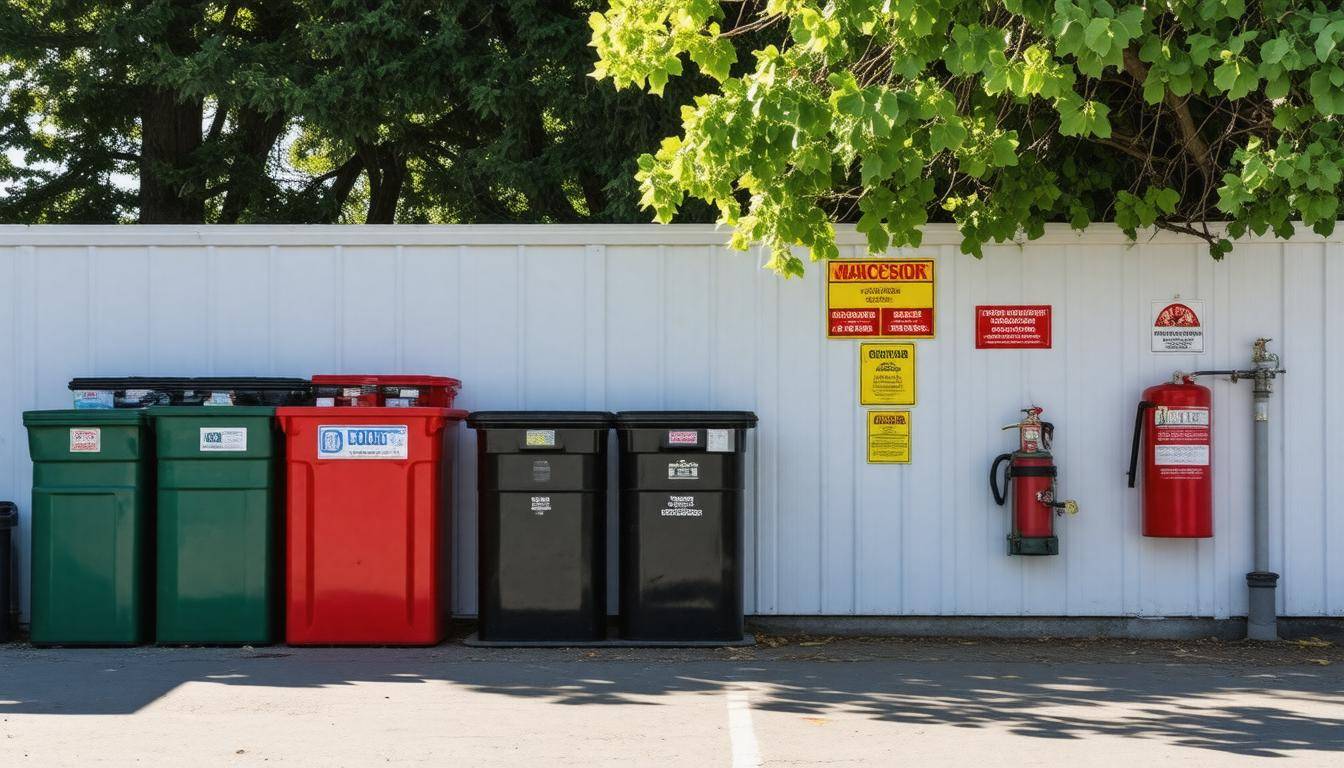
Compliance with safety regulations plays a dual role in both safeguarding personal well-being and protecting the broader community. It’s more than just ticking boxes; it serves as a proactive measure against potential disasters. When you’re dealing with highly flammable substances like gasoline, neglecting regulatory mandates can have dire consequences not only for you but also for your neighbors. This understanding transforms compliance from a mere obligation into a vital part of responsible ownership.
Local and Federal Regulations
Familiarize yourself with local fire codes and any federal regulations regarding gasoline storage. Each locality may have specific guidelines that you must follow—failure to do so can lead to hefty fines as well as legal repercussions. More importantly, it helps ensure that you are taking the necessary steps to prevent hazardous situations, which can range from small leaks to larger accidents.
For example, understanding the appropriate distances for storing fuel containers away from your home or other structures can significantly reduce risk. Always refer to the National Highway Traffic Safety Administration (NHTSA) and local fire marshal resources for updated information.
Knowledge is empowering, and when applied, it can be life-saving.
Proper Signage
Another integral aspect of compliance is ensuring that your storage area is clearly marked with appropriate signage. Planting signs that read “No Smoking” and “Flammable Liquid” at visible points creates immediate awareness among anyone handling these containers. This isn’t just cautionary advice; it’s a definitive best practice that signals the seriousness of the potential hazards involved in gasoline storage.
Properly displayed signage not only informs individuals passing by but also aids emergency services in identifying risks quickly if a fire does break out. They will know exactly where to find the sources of danger thanks to your diligent labeling.
Additionally, consider using standardized color codes for such warnings—red for fire hazards, yellow for caution—and ensure signage remains clean and visible to everyone around. If you reside in an area densely populated with people who might not be familiar with gasoline’s dangers, excellent signage could very well save lives.
By adopting thoughtful practices like these, compliance evolves beyond mere regulatory requests into essential components that help maintain safety in our communities.
As we continue exploring this pertinent topic, it will be important to understand how best to utilize stored gasoline when crises arise.
Utilizing Stored Gasoline in Emergencies
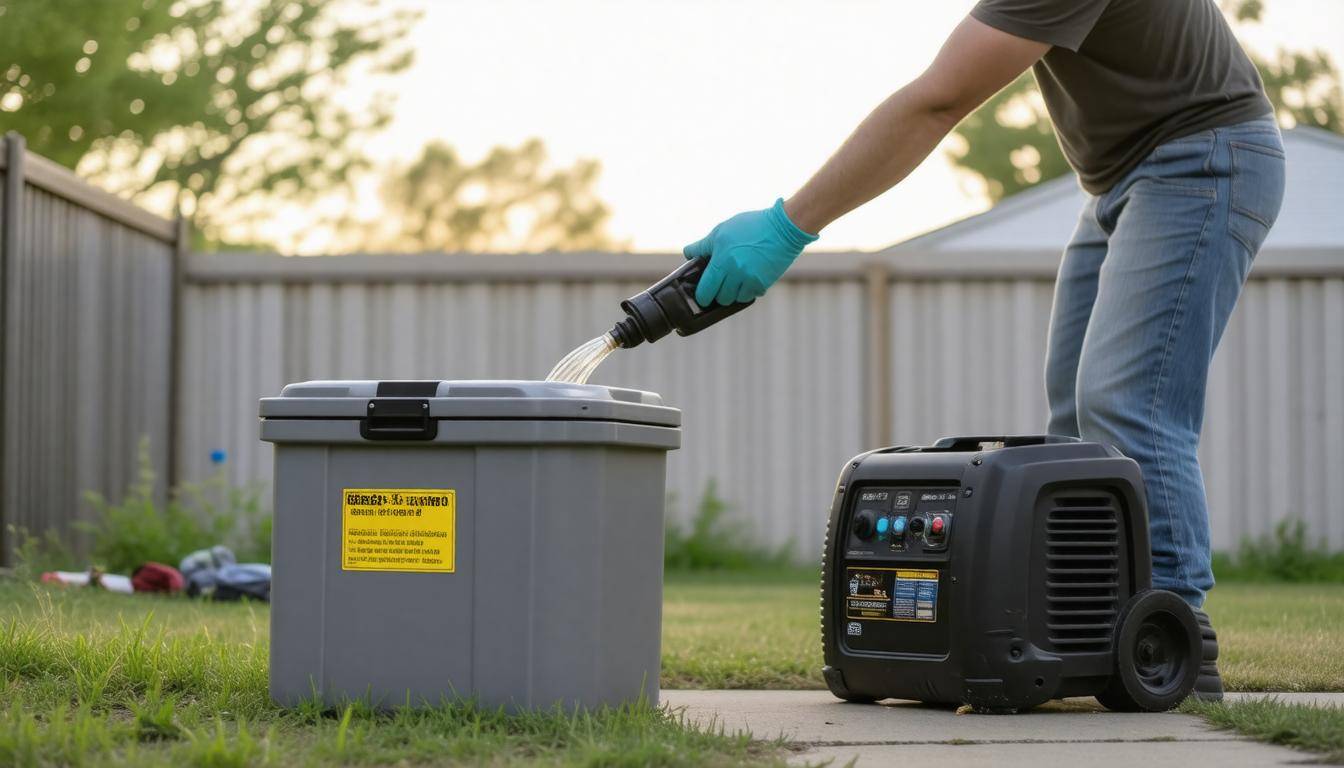
Stored gasoline becomes an invaluable resource in urgent situations, particularly when power outages strike or natural disasters occur. However, it’s essential to handle this potent fuel with care to avoid potential hazards. The first step to ensuring safety is selecting the right method for transferring gasoline from storage to your vehicle or generator.
Safe Transfer Methods
When it comes to moving fuel, using a manual or electric fuel pump specifically designed for gasoline is highly recommended. These pumps allow for a clean transfer of fuel without the risk of spills or overexposure to fumes that could be dangerous. It’s crucial to equip yourself with the proper protective gear before you begin. Wearing gloves and safety glasses safeguards your skin and eyes from any accidental splashes that can cause irritation or burns. Even if you’re familiar with the process, always treat gasoline as hazardous material; respect goes a long way in preventing accidents.
Remember: Safety is paramount! Always perform transfers in well-ventilated areas away from ignition sources.
After ensuring safe transfer methods, it’s vital to think about how often you use your stored gasoline effectively over time.
Rotation System
Implementing a rotation system can significantly enhance the longevity and efficiency of your stored gasoline. By regularly replacing older fuel with fresh supplies, you maintain the quality of the gas you’re using in emergencies. Ideally, adopting a practice of using the oldest gasoline first ensures you’re not left with stale fuel when you need it most. A suggested schedule is rotating stored gasoline every 3-6 months—this timeframe allows you to take advantage of fuel’s stability while extending its lifespan with stabilizers.
Interestingly, statistics indicate that properly maintained gasoline can remain usable for several months, but skipping on these rotations could easily lead to lower combustion efficiency when you need it during an emergency.
It’s worth noting that older gasoline may not perform optimally—fuel tends to lose combustibility over time.
By adhering to safety guidelines during transfers and implementing an effective rotation system for your stored gasoline, you maximize efficiency while enhancing safety in potentially chaotic situations.
As we move forward, let’s explore strategies that ensure ongoing readiness and reliability in your supplies.
Proactive Maintenance Tips
Regular maintenance of your gasoline storage system is not just a routine task; it’s an integral part of ensuring its reliability and safety. Imagine you’ve stored away several gallons for emergencies, only to find out later that they’ve become unusable due to neglect. That’s where the importance of employing proactive maintenance comes into play.
Inspect and Replace
Start by conducting monthly inspections of your storage area and containers. Alarmingly, statistics indicate that as many as 15% of home fires stem from improper handling or storage of flammable liquids. During these inspections, look for signs of leaks, rust, or chemical spills; even a small crack can lead to larger issues down the line. A stained floor near your containers could indicate a leak, while any rust on the container’s surface is a clear signal that it’s time for a replacement. Don’t hesitate—replace containers showing any signs of wear and tear promptly. Trust me; it’s far better to invest in new containers now than deal with the aftermath of a spill or fire later.
Keeping your gasoline secure involves understanding that not all fuels have the same longevity. By regularly checking each container and ensuring you dispose of old or damaged fuel appropriately (following local regulations), you’ll maintain safety and keep your gasoline fresh for when you truly need it.
Use of Fuel Stabilizers
One effective way to extend your gasoline’s shelf life is through the use of fuel stabilizers. Using a stabilizer can notably keep gasoline usable for up to 24 months, thus significantly improving your emergency readiness. This is particularly pivotal when considering that un-stabilized gasoline typically starts to degrade within one month.
These claims aren’t just anecdotal; multiple studies show that stabilized fuel remains viable twice as long as non-treated fuel. Think about it: if you’re preparing for a natural disaster or simply storing fuel for seasonal use, you’d want it to be reliable when called upon. Investing in quality fuel stabilizers, which are often available at hardware stores or online, can protect your investment and help you avoid wasted resources.
Moreover, remember to closely follow the manufacturer’s instructions regarding the correct dosing of stabilizers. Mixing the right amount ensures optimal performance since improper measurements may lead to ineffective preservation.
As we turn our focus toward effective strategies, maintaining proper storage conditions becomes equally crucial in ensuring the safety and longevity of your fuel reserves.
Expert Advice on Gasoline Storage
Consulting with professionals provides clarity on best practices specific to gasoline handling. According to experts from the Ventura County Fire Department (VCFD), proper storage methods are imperative for safety during emergencies. It’s about storing fuel wisely and safely.
This includes utilizing flame-shielded cabinets for containment, offering an extra layer of protection against potential ignition sources. Additionally, strict quantity limits are advised to reduce risk and maintain a safe environment.
The importance of using approved containers cannot be overstated. Containers that meet safety standards—made from high-density polyethylene (HDPE) or metal—are essential for long-term gasoline storage. These materials ensure durability against degradation, as gasoline can erode weaker plastics over time. The maximum capacity for portable gasoline containers is typically 5 gallons (19 liters) per container, which helps keep storage manageable and reduces the likelihood of excessive fumes accumulating.
Another critical element in effective gasoline storage involves strategic placement within your home or property.
Industry Recommendations
Statistics reveal that about 15% of residential fires stem from improper handling of flammable liquids. Therefore, keeping gasoline containers at least 50 feet away from any ignition sources is essential, minimizing risks right from the start. The VCFD emphasizes maintaining a minimum of 10% vapor space in each container to allow for expansion and prevent dangerous pressure buildup that could lead to explosions.
Safety consultant Jane Smith shares her practical experience: “Using approved containers and keeping them in a detached shed has been my go-to advice for years.” Her words resonate because simplicity in compliance greatly reduces risks, making sound practices approachable for anyone interested in safe gasoline storage.
Following these industry recommendations and personal accounts like Jane’s will equip you with the tools necessary to navigate gasoline storage effectively, ensuring you are well-prepared for emergencies without compromising safety.
In summary, prioritizing safe storage practices can significantly reduce hazards while ensuring preparedness for emergencies involving gasoline. Always remain vigilant and informed.
What signs indicate that gasoline has gone bad or is unsafe to use?
Signs that gasoline has gone bad or is unsafe to use include a sour or off odor, a darkened color, and the presence of floating particles or sediment. According to the American Petroleum Institute, gasoline can start to degrade within 30 days to 6 months depending on storage conditions, leading to issues like poor engine performance and potential harm to vehicle components. Always check for these indicators before using stored gasoline to ensure safety and efficiency.
What specific safety precautions should be taken when handling gasoline?
When handling gasoline, it is crucial to take specific safety precautions such as wearing protective gloves and goggles, ensuring proper ventilation in the area, and utilizing approved containers to prevent leaks and spills. Additionally, it’s important to keep gasoline away from open flames or sources of ignition, as vapors are highly flammable. According to the National Fire Protection Association (NFPA), nearly 25% of all home fires involve flammable liquids like gasoline; therefore, implementing these safety measures can significantly reduce the risk of accidents and injuries.
Are there regulations or best practices regarding how much gasoline can be stored at home?
Yes, there are regulations and best practices regarding gasoline storage at home, which vary by jurisdiction. Generally, the National Fire Protection Association (NFPA) recommends that residents store no more than 25 gallons of gasoline in approved containers outside the home to minimize fire hazards. Many local fire codes may further restrict quantities, often allowing only 5 to 10 gallons in residential garages. It’s essential to use proper containers, keep them away from heat sources, and ensure proper ventilation to mitigate risks effectively. Always check local laws for specific limitations in your area.
What are the recommended containers for storing gasoline safely?
The recommended containers for storing gasoline safely are UL-approved plastic or metal gas cans specifically designed for fuel storage. These containers typically feature a sealed design to minimize vapor emissions and prevent spills, with many models incorporating safety features such as flame arresters and spouts that control flow. According to the National Fire Protection Association (NFPA), using proper storage containers can significantly reduce the risk of fire hazards associated with gasoline, which is responsible for thousands of fires each year; in fact, improper storage contributes to an estimated 12% of these incidents. Always ensure containers are labeled clearly and stored in a cool, well-ventilated area away from ignition sources.
How should gasoline be stored to minimize risks in different environments (e.g., indoors vs. outdoors)?
Gasoline should be stored in a cool, well-ventilated area away from direct sunlight and sources of ignition; indoors, use approved containers in a garage or shed that is not connected to living spaces, while outdoors, choose shaded locations on stable surfaces away from flammable materials. The National Fire Protection Association (NFPA) recommends storing no more than 25 gallons of gasoline for safety. Additionally, it’s critical to keep containers tightly sealed to prevent vapor leaks, which can ignite and lead to fires, accounting for an estimated 4% of residential fires annually.