
When bushfire season looms, it’s not just the flames we need to be mindful of; it’s our safety and preparedness. For residents of Geelong, understanding how to navigate these threats is essential for peace of mind. This guide dives into the important steps you can take to equip yourself and your family with the tools, knowledge, and resources needed to act swiftly and confidently when a bushfire event occurs. From crafting a thorough evacuation plan to knowing where to seek shelter, this article provides insights that can help transform uncertainty into proactive readiness in the face of potential danger. So let’s roll up our sleeves and get prepared!
The Geelong, Victoria Bushfire Evacuation Plan emphasizes preparedness and resource management for residents facing bushfire threats, including key components such as creating a clear survival plan and having an emergency kit ready prior to any fire danger warnings. It outlines essential steps for staying informed, identifying safe evacuation routes, and provides resources for community support during bushfire emergencies.
Pre-Evacuation Checklist
Preparing a comprehensive pre-evacuation checklist can alleviate some of the stress during a bushfire, transforming chaos into calm organization. First on the list is an Emergency Kit. This kit should contain all vital essentials: a well-stocked first aid kit for any injuries that might occur during an emergency, an ample supply of non-perishable food items, and at least 10 liters of bottled water per person to keep everyone hydrated. As bushfires can cut off access to resources, having necessary medicines easily accessible is crucial. I’ve learned from experience that not having your medications nearby can lead to unnecessary panic.
Next up in your checklist are those Important Documents. Gather identification, insurance papers, and property deeds together in a waterproof container. This step may seem tedious, but if you ever face a situation where you need proof of residency or insurance claims after a disaster, you’ll be grateful this took just a few minutes to prepare.
When it comes to Communication Devices, ensure you have charged mobile phones and power banks since you will need them for constant updates and communication with loved ones or emergency services. Additionally, keeping a printed list of emergency contacts is essential. During stressful moments, it can be easy to forget important numbers; having this information on hand ensures smooth communication.
Now let’s talk about Clothing and Personal Items. Packing sturdy boots, long-sleeved shirts, gloves, and hats for each member of your household goes beyond practicality—it’s about safety. Protective clothing is crucial when navigating through potential hazards while evacuating. Speaking from my own experience, there is nothing worse than fumbling around trying to locate gear in the midst of urgency.
While we’re preparing for our human family members, let’s not forget about our furry friends! Packing Pet Supplies—this includes food, water, and transport cages—is just as critical. Animals get stressed during emergencies just like we do; having their supplies at the ready provides comfort for both them and us.
Finally, don’t overlook Navigation Tools as part of your checklist. A physical map saved in an easy-to-reach spot can be a lifesaver if GPS fails due to network disruptions caused by bushfires or evacuations. Including a flashlight with extra batteries doesn’t just sound practical—it often ends up being invaluable during such unforeseen circumstances.
Once everything is organized within your checklist, the spotlight turns to the next critical element needed for safety—ensuring all communications are intact and reliable during an emergency situation.
Communication Essentials
During a bushfire, having clear and consistent lines of communication can mean the difference between safety and chaos. While technology is essential, relying solely on mobile networks can be risky due to potential outages caused by the very disasters we’re trying to manage. For this reason, establishing a backup communication plan is as crucial as downloading the VicEmergency app, which provides real-time alerts and essential information regarding fire conditions. This app is your lifeline, keeping you informed about urgent developments while ensuring that you remain ahead of the curve.
Multiple Avenues of Information
In addition to digital resources, it’s wise to diversify the ways you receive information. Tuning into local radio stations such as ABC Local Radio not only provides regular updates but cultivates a sense of community during tough times. They offer continuous coverage when other forms of communication fail, and voices become familiar, making the situation feel a little less isolating.
Simultaneously, subscribing to SMS alerts from local councils brings timely notifications straight to your phone—another layer of assurance during an emergency.
But remember, while getting information is paramount, it’s equally important to have a structured plan for family communication as part of your preparation. Establishing meeting points and designating an out-of-area contact person ensures that everyone knows where to go, no matter how frayed nerves might be or how panicked circumstances might become. Clarity breeds calmness, and this strategy helps eliminate confusion when decisions need to be made quickly.
Each step in preparing your communication framework leads us closer to understanding how best to act in case of emergency; knowing the routes and safe destinations available plays an equally critical role in ensuring the safety and well-being of yourself and your loved ones.
Evacuation Routes and Destinations

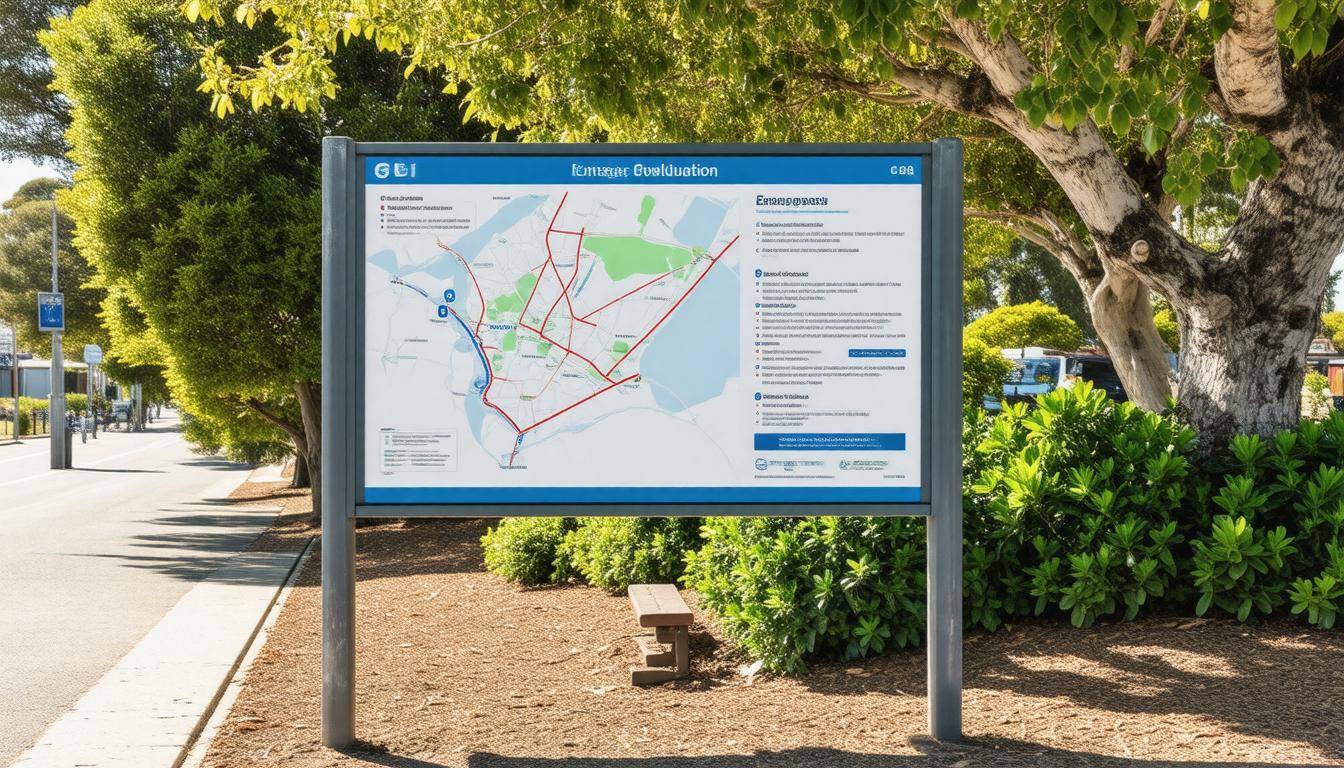
Evacuating a bushfire area can become chaotic in mere moments, so having a well-thought-out plan is vital. Residents of Geelong should familiarize themselves with the pre-identified evacuation routes marked by clear signage throughout the city. These routes lead you away from potential danger, guiding you toward safer ground. The timely exploration of these pathways may make all the difference when every second counts.
Identifying Safe Destinations
As you’re planning your escape route, it’s equally critical to identify safe destinations. Designated safe places include the Bendigo Showgrounds, local community centers, and other recognized shelters that are prepared to accommodate evacuees. It’s not just about getting out; it’s about knowing where you can go to stay safe.
Always have multiple evacuation routes planned out. It’s wise to avoid congested roads that might hinder your travel during emergencies. For instance, if your primary route becomes impassable, having a secondary option can help minimize stress and prevent panic.
To stay informed, frequently refer to the CFA (Country Fire Authority) website for updated maps indicating current evacuation routes and safe destinations as conditions can change rapidly due to fires or road closures. Having access to this information ensures that you remain one step ahead of potentially dangerous situations.
Here are additional tips for navigating evacuation routes effectively:
- Familiarize yourself with the route before an emergency occurs.
- Use apps or GPS devices that provide real-time traffic updates.
- Keep a physical map handy in case of technology failure.
- Ensure your vehicle is fueled and ready at all times, minimizing delays during an evacuation.
With this knowledge at hand, residents will be better equipped to act decisively when faced with an emergency. As we shift focus, it’s essential to understand the range of accommodations available during evacuations and how best to access them.
Temporary Shelter Options
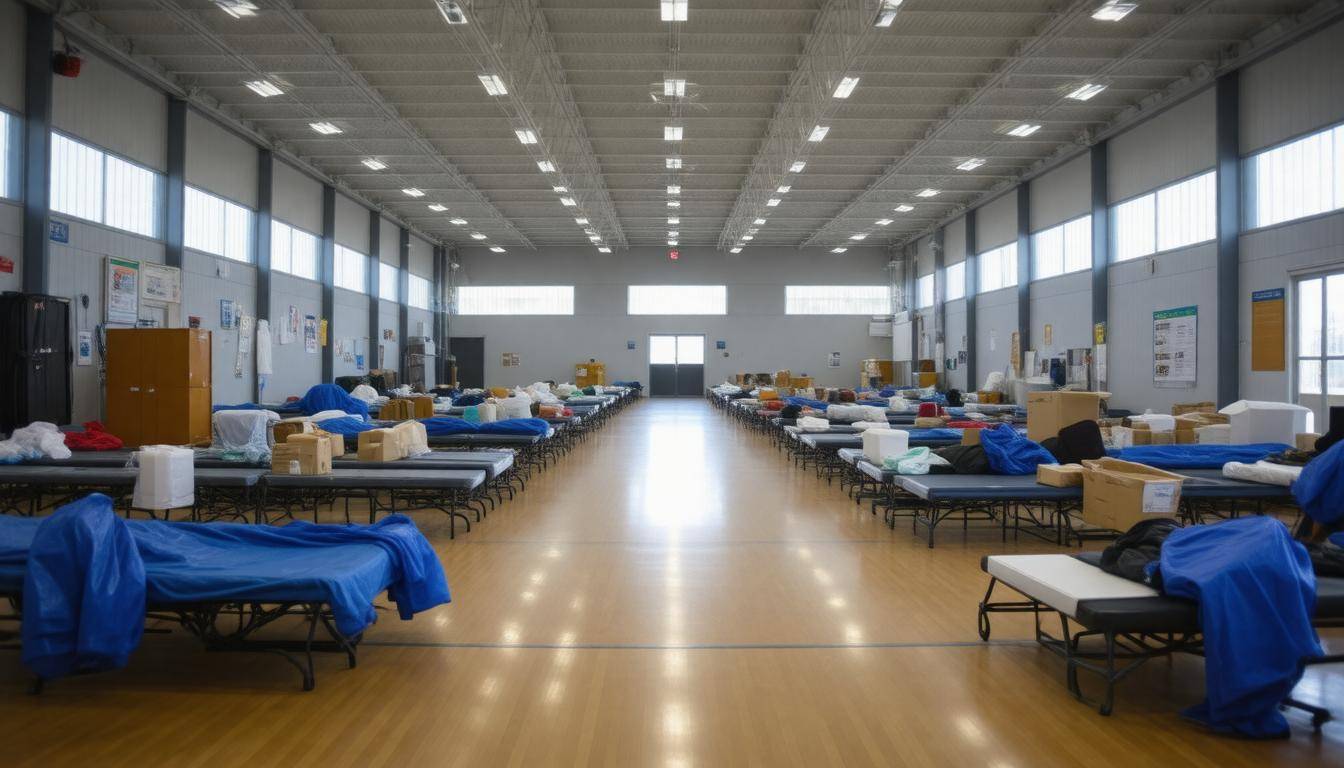
Finding temporary shelter during an evacuation is not just a matter of comfort; it’s crucial for your safety and peace of mind. When bushfires threaten, having a clear plan for where to go can help mitigate stress and uncertainty.
Public shelters, such as community halls, are often designated by local authorities and can accommodate many evacuees. These shelters usually have basic facilities, providing a safe place to stay until the danger passes. However, they may not always have the medical supplies or personal amenities that some individuals might need, which is worth considering if you or a family member has special requirements.
On the other hand, private accommodations with friends or family can offer a more intimate setting; you would likely have access to familiar comforts like personal toiletries and even home-cooked meals, which can make a big difference during stressful times. Before heading to a private location, though, it’s essential to ensure it’s situated far enough away from potential hazards and has enough space for everyone in your family. After all, the goal is to prioritize safety while avoiding overcrowded conditions.
In fact, weighing public vs. private shelters highlights an important point: flexibility can be your best asset during emergencies. Some families find that while public shelters provide safety in numbers, these locations can feel somewhat impersonal and stark. Meanwhile, reaching out to your network ahead of time—whether that’s family living in safer zones or friends willing to lend a hand—can create a sense of calm amidst chaos. Always have at least one secondary option so you’re prepared if your first choice is not feasible.
Regular checks on local emergency services will also give you insight into available shelters and resources. It’s vital to stay updated on any shifts in safety protocols or the opening of additional temporary shelter options nearby.
Keeping the lines of communication open with those around you can significantly ease tension when it’s time to evacuate. Discussing plans beforehand not only prepares you but also strengthens community ties, ensuring everyone knows who to turn to in times of need. This type of proactive engagement might just make the difference between feeling lost and being well-prepared when evacuation day arrives.
With shelter options understood, let’s now focus on what steps should be taken during the evacuation process itself to ensure your safety.
Safety Measures During Evacuation
Safety during evacuation isn’t merely about vacating your property; it encompasses several precautionary steps that can significantly reduce risks. For instance, as soon as the decision to evacuate is made, you should keep windows and vents within your vehicle tightly closed. This practice helps maintain good air quality inside the vehicle, shielding you from smoke and harmful airborne particles while on the road. Be sure to stay tuned into emergency services—using your mobile phone or vehicle radio—to receive real-time updates on road conditions and evacuation instructions.
When preparing for an evacuation, consider your clothing choices carefully. It’s wise to wear protective clothing that covers your skin, which not only shields you from radiant heat but also guards against flying embers. Fabrics like cotton are preferable, as they can help absorb sweat and prevent burns. Layering is ideal; start with lightweight clothing underneath and choose heavier outer layers for additional protection.
Having a well-thought-out emergency plan is paramount during this time, especially one that includes multiple potential stops. Traffic jams can become life-threatening when each minute counts in the face of approaching fires. By identifying several routes beforehand and noting alternative destinations, you allow for flexibility should certain paths become blocked. Each time you stop, take a moment to re-assess your situation. Look around and evaluate the landscape for any signs of danger. Checking in with family members or other evacuees may also help gather information on safer routes.
Beyond individual safety precautions, communication plays a critical role in maintaining collective security during an evacuation effort.
Establishing a communication plan before an emergency can increase your chances of staying connected with family and friends during the chaos of an evacuation. Be sure everyone knows how to reach one another through texts or calls if separated. Rely on tools like the VicEmergency App to receive alerts, or SMS notifications from local councils. Knowing whom to contact during emergencies—such as the CFA or other local support services—can streamline decision-making when every second counts.
Implementing a system for checking in with trusted neighbors or family members can also prove beneficial. Encourage open dialogues so that everyone understands their responsibilities regarding gathering information or helping each other evacuate if necessary. Sharing personal experiences during drills can reveal insights for improvement, ensuring better readiness for actual emergencies ahead.
Just remember: it’s far easier to practice these safety measures under controlled circumstances rather than amid actual flames! Taking the time upfront can mean the difference between calm coordination and chaotic scrambling in times of crisis.
As we shift focus to understanding fire conditions further, it’s essential to equip ourselves with information on monitoring those hazards effectively.
Monitoring Fire Conditions
To effectively manage your safety during a bushfire, continuous awareness of the evolving fire conditions is essential. This means regularly checking various reliable platforms that offer updates on fire threats in your area. Each source provides unique information that, when combined, can paint a comprehensive picture of the fire’s status and its potential impact.
| Platform | Purpose | Frequency of Updates |
|---|---|---|
| VicEmergency App | Alerts and real-time updates | Hourly |
| CFA Website | Detailed fire activity | Every 3 hours |
| ABC Radio | Local news | Continuous |
| Social Media | Peer updates | As events unfold |
| Geelong Council | Community alerts | As required |
Each of these platforms has strengths, which is why cross-referencing them can enhance your situational awareness. For instance, the VicEmergency App serves as an interactive tool that alerts users instantly about any fire emergencies nearby. It’s essential to download this app on your smartphone, ensuring it’s always updated; it may save your life one day by providing timely notifications.
Similarly, the CFA (Country Fire Authority) website is an invaluable resource for more in-depth fire activity analysis. It updates every three hours and provides details like fire locations, containment efforts, and community advisories. Being familiar with this website will enable you to plan your escape routes effectively.
Meanwhile, don’t underestimate the power of traditional media. Listening to ABC Radio can provide continuous local news updates that often highlight unfolding situations before they’re widely reported online. This becomes especially critical if you’re unable to access internet services—perhaps due to outage or overload from increased traffic seeking information.
Also, keep an eye on social media for peer-sourced updates. Individuals often share valuable real-time experiences that can reveal ground-level conditions—not just what the authorities are monitoring. Furthermore, connecting with neighbors via those channels can foster community support during distressing times.
Lastly, remember to follow announcements from the Geelong Council, which will issue community alerts as necessary based on their assessments of ongoing situations. They can offer insights about evacuation centers or safe zones where residents can regroup.
As you monitor these various sources, consider how education and preparedness will further bolster your safety during emergencies. Let’s explore what you can do to enhance your training in response to such critical situations.
Emergency Training for Residents
Community-wide emergency training is not just about learning; it’s about building a safety net within the neighborhood. As one Geelong resident noted, ”Participating in CFA workshops has made our family feel more secure during bushfire seasons.” This sense of security stems from practical knowledge that allows families to respond swiftly and effectively when danger strikes. Enrolling in local fire safety training programs equips individuals with the skills and awareness they need concerning fire hazards and proper evacuation procedures.
Skills That Make a Difference
During these training sessions, participants often learn essential skills that include using fire extinguishers properly and managing minor burns. These skills are crucial because knowing how to act in the face of an emergency can save lives. Additionally, the sessions cover evacuation routes and how to communicate effectively with family members during emergencies. The multifaceted approach helps create respectful and strong connections within neighborhoods, ensuring everyone is on the same page when it matters most.
To deepen this community response, encouraging your neighbors to attend these workshops establishes a network of preparedness that benefits everyone involved.
Imagine your next-door neighbor is prepared with the same information you have—this shared knowledge can lead to swift decisions during chaotic moments. Forming this community bond bolsters confidence in group evacuations, especially when uncertainty looms overhead. Not only does it foster relationships, but it also creates an environment where everyone looks out for one another.
The Impact of Ongoing Drills
It is recommended that communities participate in bushfire evacuation drills at least twice a year. These drills reinforce learned skills while allowing residents to practice evacuation routes and familiarize themselves with their surroundings under pressure. During these practice runs, individuals can also identify any potential obstacles that could impede their exit in an actual emergency, making adjustments as necessary before event day arrives.
“When we conducted our first evacuation drill, we realized how important it was for everyone to know their roles—it transformed our readiness!”
Furthermore, many training programs cater to different age groups, ensuring that children, teens, and adults all gain critical insights while engaging with content tailored to their specific needs. With approximately 75% of residents encouraged to participate in local emergency training programs, it’s clear that community involvement fosters an informed populace ready to tackle emergencies head-on.
This emphasis on preparedness not only empowers individuals but enhances community resilience against bushfire threats. By committing time and effort into regular training sessions, residents collectively strengthen their capacity to respond effectively when circumstances demand urgent action.
As the threads of training intertwine within the community fabric, let’s explore the wealth of resources available to ensure every resident is well-supported during times of need.
Community Resources and Support
Support from local community agencies during a bushfire can truly be a lifeline, offering not just physical necessities but emotional solace as well. In Geelong, several resources are available to residents before, during, and after a bushfire. The Bendigo Showgrounds is one of the primary evacuation points, providing a secure location for those needing immediate refuge. Here you will find amenities like food, shelter, and medical aid. This is crucial because knowing where to go in times of crisis can alleviate panic and uncertainty, helping everyone stay focused on safety.
Beyond this, there are various local support services specifically geared toward aiding residents impacted by bushfires. Engaging with local non-governmental organizations (NGOs) can be particularly beneficial. These groups provide immediate assistance such as food and shelter while also offering longer-term mental health support which is essential after experiencing the trauma of an evacuation. Their staff often consists of trained professionals who understand the psychological scars left by disasters and can help individuals cope with their feelings of distress.
It’s valuable to participate in community workshops or meetings organized by these organizations. Not only do they educate residents about bushfire risks, but they also foster a sense of togetherness that can be incredibly reassuring.
Another important aspect is being proactive—sign up for alerts through the official VicEmergency page. This platform acts as your personal information hub for real-time updates on emergencies and alerts specific to Geelong’s locality. Staying informed puts you at an advantage; it enables quicker decisions based on the latest data available.
Additionally, creating personal connections with your neighbors can enhance your overall preparedness. By discussing evacuation plans or sharing contact information for emergencies, you cultivate a reliable support network that can be invaluable in times of crisis.
Ultimately, it’s vital to remember that while community resources assist you during emergencies, much of your safety begins with preparedness and personal awareness. Having a clear plan mapped out with explicit routes to designated safe zones will bring peace of mind during potential evacuations. Logging into VicEmergency or attending local meetings whenever possible enables you to refine your understanding of safety protocols while reinforcing the unity of your neighborhood—a win-win for everyone involved!
By staying engaged and prepared, you significantly increase your chances of navigating potential bushfire challenges effectively. Your safety in Geelong starts with commitment and community collaboration.
How can I stay informed about current fire danger ratings and alerts in the region?
To stay informed about current fire danger ratings and alerts in the Geelong region, regularly check the Country Fire Authority (CFA) website and app, sign up for text alerts, and follow local news outlets for real-time updates. It’s crucial to stay connected, especially during peak fire season when conditions can change rapidly; for instance, in recent years, areas under high fire risk experience an increase in incidents by up to 30%.
Are there designated evacuation routes or shelters available for those affected by bushfires in Geelong?
Yes, Geelong has designated evacuation routes and shelters for those affected by bushfires. The City of Greater Geelong provides a comprehensive bushfire evacuation plan, which includes multiple routes leading to safe areas and community shelters equipped to accommodate evacuees during emergencies. According to local authorities, these measures aim to ensure the safety of residents and minimize response times during catastrophic events, supported by statistics that show efficient evacuations can significantly reduce risk and improve outcomes for those affected.
What specific steps should I take to create an effective bushfire evacuation plan for my family?
To create an effective bushfire evacuation plan for your family, start by identifying a safe location away from fire-prone areas, such as a relative’s house or an emergency evacuation center. Establish multiple escape routes and practice them regularly to ensure everyone knows how to get there quickly. Assemble a ‘go bag’ that includes essential items like medications, important documents, food, and water. According to the Victorian Government, having a plan reduces anxiety during emergencies and increases survival rates significantly; in recent bushfires, communities with clear evacuation strategies reported a 30% higher safety success rate.
What items should be included in an evacuation kit for a bushfire emergency?
An evacuation kit for a bushfire emergency should include essential items such as water (at least 3 liters per person), non-perishable food, a first aid kit, medications, important documents (insurance papers, IDs), a flashlight with extra batteries, clothing and sturdy shoes, personal hygiene items, and a battery-operated radio. Statistics show that having these items readily available can significantly increase your chances of staying safe during an emergency. In Australia, the risk of bushfires is heightened during the summer months, making preparedness critical for effective response and survival.
What local resources or agencies provide guidance on bushfire preparedness in Geelong?
Local resources and agencies that provide guidance on bushfire preparedness in Geelong include the Country Fire Authority (CFA), which offers valuable information on planning and safety tips. The City of Greater Geelong also has a dedicated website with resources tailored for residents, including bushfire risk maps and community workshops. According to CFA statistics, nearly 80% of Victorians are more prepared for bushfires today compared to a decade ago, underscoring the importance of accessing these local resources to enhance community safety.