
In Georgia, the earth beneath our feet tells a story of beauty and potential, but it also poses challenges we cannot ignore. With its rolling hills and picturesque landscapes, the state is vulnerable to unexpected landslides and earthquakes. As we navigate these risks, it’s crucial for every resident to understand that preparation isn’t just an option—it’s essential. This article dives into Georgia’s Comprehensive Landslide and Earthquake Protection Plan. It outlines how the state is taking proactive steps to protect its communities, ensuring that when mother nature strikes, we’re ready to respond effectively. Let’s explore how smart planning and community involvement can keep Georgians safe and informed in the face of geological surprises.
The Georgia Landslide & Earthquake Protection Plan outlines strategies for identifying risks, implementing preventive measures, and ensuring community preparedness against landslides and earthquakes throughout the state. This comprehensive plan includes guidelines for land use, infrastructure resilience, emergency response protocols, and public education to minimize hazards and protect residents.

Overview of Georgia’s Protection Plan
At its core, Georgia’s protection plan against landslides and earthquakes is multi-faceted, addressing both immediate threats and long-term resiliency. This holistic approach combines scientific research with practical community engagement, ensuring that citizens are educated about the risks they face and how to mitigate them.
For instance, one pivotal component of the plan is the use of advanced geospatial technology to map vulnerable areas and predict potential hazards. This allows state officials not only to prepare for natural disasters but also to develop frameworks for response and recovery.
Emphasis on community awareness is another keystone in this plan. Educational programs inform residents about best practices during earthquakes or landslide events. Regular drills ensure that families know what to do when the time comes. The aim is to instill confidence in the community so that when danger strikes, people act rather than panic.
Moreover, the collaboration between various state departments and local governments facilitates a seamless execution of these strategies. Each municipality contributes by establishing its own tailored guidelines while also adhering to state policies. This bottom-up strategy ensures that local knowledge and unique challenges are incorporated into a broader, unified approach.
It’s not merely about prevention; it’s about creating robust systems ready to respond effectively as well.
As we move forward, exploring specific initiatives will highlight how collaborative efforts can underpin community resilience and safety in face of geological challenges.
Goals and Objectives
The primary aims of Georgia’s protection plan are straightforward yet crucial: to reduce risk, minimize damage, and increase public safety amid potential landslides and earthquakes. Each of these overarching goals is supported by targeted objectives that create a robust safety framework for residents.
Reduction of Vulnerability
A vital first step in this plan is the identification and mapping of high-risk areas; this ensures that communities understand their geographical hazards. By employing advanced technology, such as Geographic Information Systems (GIS), Georgia creates detailed risk maps that illustrate areas most susceptible to landslides and seismic activity. Such insights enable local governments and planners to make informed decisions about land use and development while prioritizing emergency planning efforts.
As communities gain access to these maps, they become better equipped to take action—be it through reinforcement of existing structures or relocating vulnerable assets. Residents can visualize their risk landscape, fostering a sense of urgency that encourages proactive measures in disaster preparedness.
Strengthening Infrastructure
Building resilience is the heart of Georgia’s infrastructure objectives. Implementing stringent engineering standards ensures that new buildings and critical infrastructure are designed to withstand forces exerted during earthquakes. This includes aspects like material choices, architectural design, and construction practices tailored specifically for seismic stability.
A notable focus here is retrofitting older structures, which may not meet modern codes but remain essential for community function. Retrofitting adapts these vulnerable buildings without losing their historical integrity, enhancing durability against future seismic events.
By upgrading such structures, Georgia not only protects its citizens but also preserves cultural landmarks that contribute to the state’s identity.
Community Preparedness
The preparedness of communities directly influences their ability to respond effectively in emergencies. Therefore, public education about emergency protocols becomes imperative. Georgia’s approach highlights the importance of accessibility to resources: informative workshops held in schools and community centers provide valuable knowledge on how families should prepare for potential disasters.
These workshops often include drills that simulate real-life emergency conditions, empowering residents with hands-on experience. Engaging community leaders helps amplify outreach efforts and ensures that information reaches diverse populations within their neighborhoods.
Having established these clear objectives, we now shift our focus toward the innovative practices in engineering and construction that support these ambitious aims.
Engineering and Construction Techniques

The engineering and construction techniques outlined in Georgia’s Comprehensive Landslide and Earthquake Protection Plan rely heavily on several key strategies designed to increase the resilience of buildings against natural disasters. These strategies focus on retrofitting existing structures and involve advanced foundation systems aimed at stabilizing land itself.
Retrofitting and Reinforcement
Retrofitting is one of the most effective ways to enhance structural integrity without the need for new construction. By integrating modern materials into older buildings, the risks of collapse during seismic activity can be significantly reduced. For instance, by adding steel braces or carbon fiber wraps to masonry buildings—often vulnerable due to their rigid construction—you can greatly improve their ability to withstand earthquake forces. This not only enhances safety but also helps maintain property value and extends the lifespan of existing structures in at-risk areas.
Moving beyond individual buildings, we assess advanced foundation systems that play a crucial role in overall stability.
Advanced Foundation Systems
Advanced foundation systems represent a cutting-edge approach to earthquake resistance. Base isolation technology allows a building to “float” above its foundation, enabling it to absorb and dissipate seismic energy during an earthquake. Research shows that this technique can reduce seismic forces on a structure by as much as 90%. You can think of it as creating a flexible link between the building and the ground, allowing for independent movement during seismic events. Implementing deep foundations further ensures that buildings anchor securely into bedrock, providing additional protection against both earthquakes and landslides.
As vital as foundation systems are, addressing the land will require specialized techniques tailored for slope stabilization.
Slope Stabilization
Addressing landscapes prone to landslides involves proactive measures like slope stabilization techniques. Engineering solutions such as retaining walls serve dual purposes: they hold back soil while also allowing for drainage that can mitigate water buildup—increased saturation often leads to increased landslide risk. Soil nailing involves inserting long steel bars into slopes to reinforce the earth. Terracing is another effective method that improves water management and reduces runoff that might destabilize slopes.
These engineering interventions help stabilize slopes and prevent soil movement, which is critical in protecting both lives and infrastructure in regions susceptible to natural disasters.
Collectively, these engineering and construction techniques form a robust framework within Georgia’s proactive strategy against earthquakes and landslides, ensuring that both existing structures and new developments are well-equipped to withstand nature’s forces.
Gaining insights into these methods sets the stage for examining some unique approaches being implemented across various sectors to enhance safety further.
Innovative Safety Methods
Georgia’s Comprehensive Landslide and Earthquake Protection Plan isn’t just a collection of safety measures; it embodies foresight incorporated through innovative safety methods designed to adapt alongside evolving technology. One significant element is the Early Warning Systems. By deploying advanced seismic sensors across key locations, Georgia is able to promptly detect minor tremors—far ahead of potentially dangerous seismic activity. This proactive alert system can provide precious seconds or even minutes for residents to take necessary actions, whether that means heading to safety or simply preparing for what’s coming.
It’s not enough to simply warn people about impending threats; we must also ensure continuous monitoring of structures for their integrity.
That’s where Smart Technology comes into play. The integration of Internet of Things (IoT) devices allows real-time monitoring of structural health, which is vital in an area prone to geological hazards. These sensors collect data on movements, strain, and potential weaknesses in buildings and bridges. Imagine a bridge that can communicate its condition before problems arise—it sounds futuristic, but it’s already happening here in Georgia. With this information readily available, engineers and emergency responders can make timely decisions regarding safety protocols and inspections.
However, once an event occurs, understanding the extent of the damage becomes paramount.
Enter Drone Surveillance, another innovative method enhancing post-disaster assessments. Drones equipped with high-resolution cameras can swiftly navigate areas that are difficult or unsafe for ground personnel to access. They capture detailed images and collect survey data that help officials evaluate infrastructure damage almost immediately after an earthquake or landslide strikes. The ability to visualize affected areas without the delays involved in human inspections helps expedite recovery efforts while ensuring that vital resources are allocated effectively.
Collectively, these innovative safety methods embody how Georgia is approaching disaster preparedness with a modern lens.
As the focus shifts towards effective strategies for minimizing risks associated with these geological events, exploring further advancements will be essential in bolstering community resilience and ensuring safety.
Seismic Hazard Mitigation
Seismic hazard mitigation involves a series of proactive strategies designed to minimize the impact of potential earthquakes on Georgia’s infrastructure and populace. It’s not just about being reactive during a seismic event; it’s about employing foresight and robust planning to safeguard lives and properties in the long run. One crucial aspect of this strategy is Seismic Risk Assessment, which forms the backbone of understanding how we can best prepare for and respond to earthquakes.
Seismic Risk Assessment
Conducting regular risk assessments is fundamental. This means evaluating past seismic activities and mapping out fault lines across the state, as well as analyzing soil conditions to determine their susceptibility to shaking. By utilizing data from historical records and advanced geological surveys, officials can create updated hazard maps that detail specific vulnerabilities in different regions. This continual process helps in refining our emergency preparedness plans, ensuring they are well-informed by evolving risks.
After assessing the risks, it is vital that we implement Zoning Regulations to enact change where it matters most.
Zoning Regulations
Zoning regulations serve as critical frameworks that restrict construction in high-risk areas. Whenever new developments are proposed, local governments can guide these projects away from known fault lines and unstable soils. This strategic steering is essential because building in vulnerable zones increases future susceptibility to seismic damage. For instance, if a new residential neighborhood is placed directly atop a fault line, residents may unknowingly be putting themselves in harm’s way. Thus, effective zoning ensures that land use aligns with safety stipulations, thereby reducing long-term vulnerability.
Yet, it’s not only past assessments or current regulations that matter; implementing Retroactive Building Codes is equally vital for future-proofing the structures we rely on daily.
Retroactive Building Codes
New constructions must adhere to modern seismic standards, which incorporate advanced engineering techniques designed to withstand earthquakes. These codes often require stricter materials and design specifications when erecting buildings near problematic geological zones. Even existing buildings can benefit from retrofitting; this involves upgrading older structures with more resilient frameworks capable of resisting seismic forces. By adhering to these progressive codes, we significantly reduce the likelihood of structural failure during an earthquake, potentially saving lives and minimizing property damage.
Engaging with these aspects of seismic hazard mitigation collectively creates a comprehensive approach that strengthens Georgia’s resilience against earthquakes. The coordination between risk assessment, zoning laws, and building codes cannot be overstated; they form a chain of defenses against the unpredictable nature of seismic activity.
With these foundational strategies outlined, we can now turn our attention to the broader implications shaped by various administrative measures.
Government Policies
At the heart of Georgia’s comprehensive landslide and earthquake protection plan lies a series of structured government policies. These policies function as tools and shields against the potential devastation posed by seismic activities and landslides. With clear legislation, funding strategies, and interdepartmental collaboration, they ensure that communities are well-equipped to handle such threats.
Legislation
Central to this effort is robust legislation. By creating laws that mandate compliance with building codes, zoning laws, and environmental regulations specifically designed to limit risks from natural disasters, the government can significantly reduce vulnerability.
For instance, the recently enacted “Safe Building Act” in 2023 serves as a model for other states seeking similar legislative frameworks. This act underscores a commitment to ensuring that new constructions adhere to standards that minimize seismic hazards, demonstrating how proactive governance can pave the way for safer communities.
Funding and Grants
Financing these initiatives is equally important. Allocating state funds and providing grants for retrofitting projects plays a crucial role in enhancing resilience.
As told by Mayor Claire Barton of Savannah, “State grants have enabled us to retrofit numerous historic buildings, preserving our heritage and ensuring public safety.” This quote highlights not just the financial aspect but also emphasizes the dedication to preserving history while prioritizing safety—a crucial balance in urban planning.
Interdepartmental Collaboration
Moreover, interdepartmental collaboration forms an integral part of the strategy. Effective coordination among various governmental departments—like Housing, Urban Development, and Natural Resources—ensures that the implementation of the protection plan is cohesive and comprehensive.
With each department playing its role, there’s a seamless integration of policies that can adapt to address localized needs efficiently. This collaborative approach fosters unity and decreases chances for misinformation or fragmented efforts that could undermine safety objectives.
These governmental policies build a supportive framework that empowers communities facing environmental uncertainties. As we continue exploring this topic, attention shifts to strategies aimed at promoting stability within ecosystems to further bolster resilience against natural disasters.
Environmental Stabilization
Landslides are not merely geological events; they are deeply intertwined with the stability of our ecosystems. This is why Georgia has prioritized ecological methods to mitigate such occurrences. By focusing on nurturing the natural environment, we can tackle landslide risks at their source.
Reforestation Projects
One of the standout initiatives is reforestation, particularly in regions vulnerable to landslides. The “Green Georgia Initiative” was launched with the goal of revitalizing deforested areas. Since its inception in 2022, this program has successfully planted over 2 million trees, contributing not only to soil stabilization but also enhancing local biodiversity. Trees play a critical role by anchoring soil with their roots, which helps prevent erosion and provides a shield against heavy rainfall that might lead to landslides.
It’s fascinating how something as simple as planting trees can provide multiple layers of benefits, from improving air quality to reducing flood risks.
Wetland Restoration
Another important focus lies in wetland restoration, which serves as a natural buffer against excessive water accumulation. Wetlands act like sponges; they absorb heavy rainfall and gradually release it, thus reducing surface runoff and mitigating landslide risks. Data shows that restoring wetlands can lower the probability of landslides by an impressive 35%. This underscores the value of preserving these crucial ecosystems rather than merely viewing them as wastelands.
Recognizing that healthy wetlands protect land from being swept away while enhancing habitat for various wildlife species makes them indispensable components of ecosystem management efforts.
Controlled Drainage Systems
Moreover, the implementation of controlled drainage systems in susceptible areas provides another vital avenue for stabilization. These systems are designed to manage water flow effectively and divert excess moisture away from slopes prone to sliding. By doing so, they help maintain soil integrity and reduce erosion, forming a robust defense against potential landslide events.
Each component in this approach plays a unique role; together, they form a multi-faceted framework aimed at ensuring long-term stability amidst nature’s unpredictability.
As we explore further, it becomes apparent that community involvement and awareness are crucial for successfully implementing strategies focused on safety and preparedness.
Public Resources and Emergency Preparedness
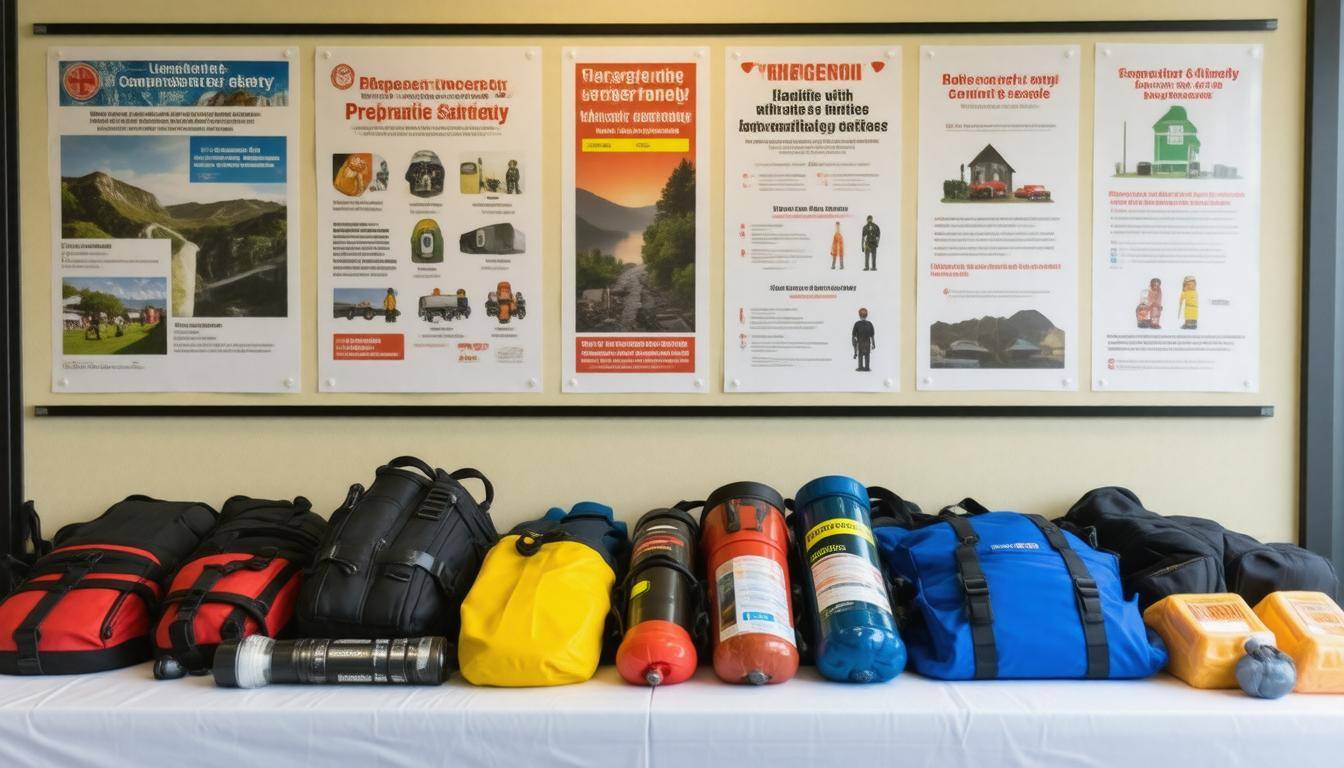
In Georgia, public preparedness isn’t simply a necessity; it’s a priority woven into the fabric of community resilience. Not only does this proactive stance enhance safety, but it also empowers individuals to navigate the uncertainties that earthquakes and landslides bring. The availability of resources allows residents to feel informed and equipped, fostering a culture of preparedness that can make all the difference when disaster strikes.
Online Resources
One of the cornerstones of Georgia’s strategy is its robust online resources. The state’s official website acts as a hub for essential information, offering everything from real-time hazard maps to downloadable emergency preparedness guides. These guides are informative and straightforward, containing checklists for assembling disaster supply kits or outlining steps for creating family emergency plans.
Access to real-time hazard maps helps families identify their risk zones before an emergency situation, allowing residents to understand potential dangers in their area—information that could be critical during high-stress scenarios.
Emergency Drills
Additionally, schools and community centers play integral roles by conducting regular emergency drills that simulate both landslide and earthquake conditions. These drills familiarize participants with what they should do in case of an actual event, such as where to take shelter or how to evacuate effectively.
The impact of such preparation was highlighted by one participant who noted how “the earthquake drill at my child’s school made me feel so much more prepared.” This goes beyond mere participation; it transforms fear into confidence, ensuring that community members are not taken by surprise should disaster strike.
Supply Kits
Another critical aspect of Georgia’s effort includes encouraging residents to assemble emergency preparedness supply kits. A well-stocked kit might include non-perishable food items, water, flashlights, batteries, and first aid supplies.
When advising others about these kits, it is useful to highlight that having just a few essentials on hand can significantly ease anxiety during emergencies; when people are ready, they inherently feel safer.
Emergency management experts stress that having these supplies prepared beforehand allows families to sustain themselves for several days if necessary. It’s not just about surviving; it’s about maintaining peace of mind.
As we explore the intricate layers of these initiatives further, it’s clear: Georgia’s commitment to public resources and emergency preparedness stands as a model for communities everywhere, demonstrating how informed citizens can lead to safer environments.
In conclusion, Georgia’s proactive stance on preparedness not only prioritizes safety but also fosters resilience among its citizens. By integrating resources and practices into daily life, the state strengthens its ability to withstand natural disasters.