
Ghana’s beautiful coastline tells a story of vibrant communities, rich biodiversity, and the constant ebb and flow of nature. However, lurking beneath this picturesque surface is a harsh reality—coastal erosion and flooding are erasing these stories and threatening lives. Every year, as waves claim land and storms wreak havoc, countless families face uncertainty and displacement while their livelihoods hang in the balance. Understanding these environmental shifts is not just about statistics; it’s about real people and communities fighting to survive against relentless forces. In this guide, we will explore the pressing issues surrounding coastal erosion and flooding in Ghana while also shedding light on sustainable solutions that can empower communities to adapt and thrive.
The Ghana Coastal Erosion & Flooding Guide offers a detailed examination of the environmental challenges posed by coastal erosion and flooding in Ghana, highlighting statistics, key considerations for effective management, and recommendations for community resilience. It also discusses nature-based solutions such as restoring mangroves and collaborating with local organizations to mitigate flood risks and protect vulnerable communities along the coast.
Ghana’s Coastal Erosion & Flooding Problems
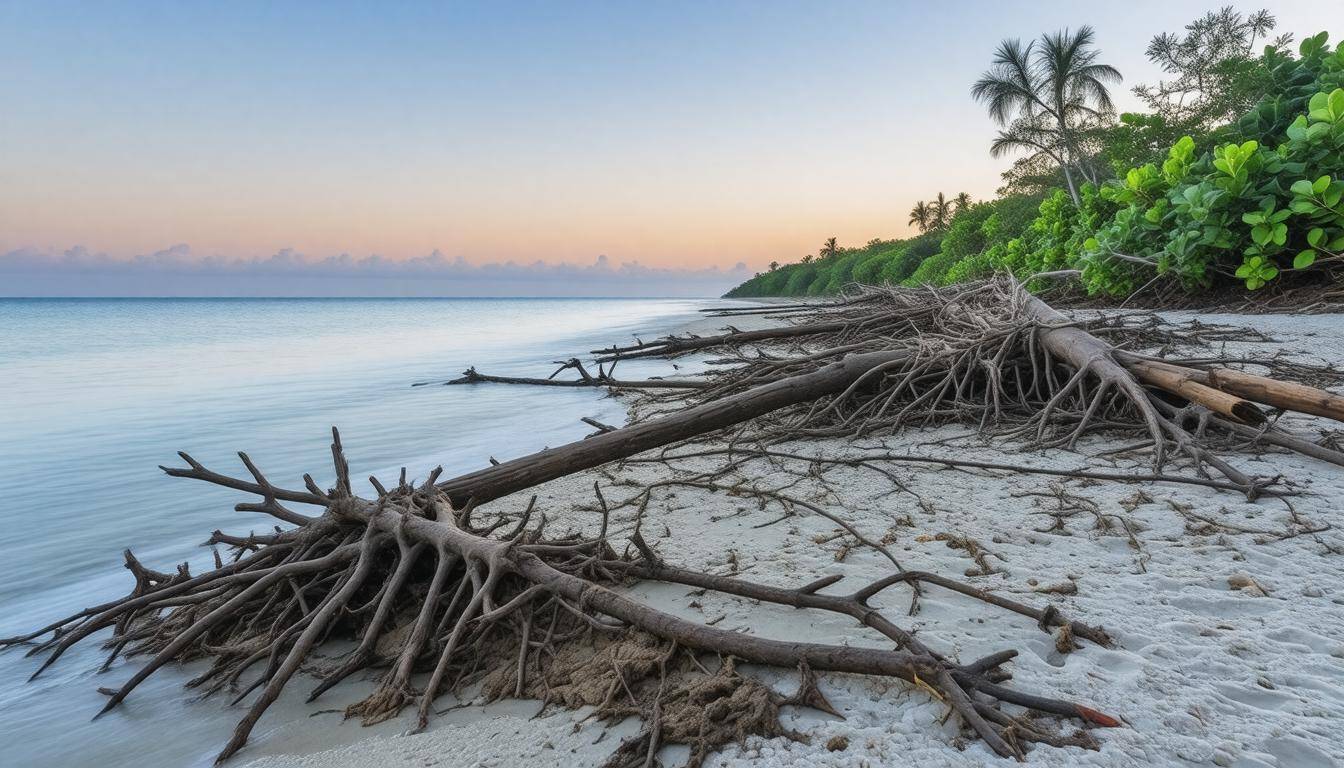
One of the most pressing concerns is the relentless coastal erosion plaguing Ghana’s shores. The rate of erosion along the coastline typically averages between 1 and 2 meters per year. However, some areas are losing ground much more rapidly, with reports suggesting rates as high as 10 meters annually. This phenomenon is particularly alarming in communities like Ada Foah and Keta, where homes and livelihoods are literally swept away by the advancing sea.
Every meter lost can represent a staggering 20% reduction in land value, which underscores not just personal loss but also broader economic implications for those whose lives depend on the land.
While coastal erosion is devastating, flooding poses additional challenges that compound the problem.
Flooding in Ghana often results from heavy rainfall exacerbated by inadequate drainage systems—an issue all too familiar to residents in urban coastal areas. In June 2015, a catastrophic flood hit Accra, leading to widespread devastation and highlighting just how vulnerable these regions are. Streets turned into rivers within hours, displacing countless families and resulting in significant infrastructural damage. It’s a stark reminder that climate change isn’t an abstract concept; it’s a real threat manifesting through environmental changes that impact day-to-day life.
According to statistics from the National Disaster Management Organization (NADMO), flooding affects over 200,000 people annually. This relentless cycle of coastal erosion and flooding significantly hampers community resilience, triggering economic losses estimated at approximately $100 million per year.
As climate change continues to accelerate these trends, we must turn our attention to effective solutions.
Understanding these interconnected issues is vital when considering protective measures against these environmental threats. Strategies such as restoring mangroves can help provide natural barriers against storm surges while enriching local biodiversity. The World Bank advocates for sustainable practices in managing ecological challenges, emphasizing the importance of integrating nature-based solutions with infrastructure investments like seawalls.
By investing in our natural resources and education for communities on best practices, we can enhance overall resilience against the inevitable impacts of climate change on our shores.
Moving forward, it’s imperative to explore how rising sea levels further complicate this intricate dance of environmental changes.
The Role of Rising Sea Levels
Rising sea levels, primarily driven by climate change, pose serious threats not just to the landscape of Ghana but also to the people and economies that depend on it. With each passing year, as glaciers melt and ocean temperatures rise, the delicate balance of coastal regions is increasingly jeopardized. While Ghana may seem uniquely affected by its geographical positioning, similar vulnerabilities can be observed across various coastal communities worldwide, where rising tides dictate the fate of homes and livelihoods alike.
Statistics on Sea Level Rise
According to the United Nations Intergovernmental Panel on Climate Change (IPCC), projections indicate that global sea levels could rise by a staggering one meter by 2100. Such an increase would mean far more than just higher waterlines; it catalyzes both erosion and destabilizes existing ecosystems—impacting flora and fauna along coastlines. In Ghana, this translates to an exacerbation of the already alarming coastal erosion rates, which have been recorded at 1.5 to 2.5 meters per year in certain areas.
Local Impact
The manifestations of this phenomenon are palpable in cities like Accra, where tidal waves have begun to wash away homes and critical infrastructure. Streets can suddenly transform into rivers during high tides, complicating daily life for residents. An increase of just one meter in sea level has the potential to displace over 100,000 individuals from their homes while submerging agricultural lands that are vital for food security in the region. As mango trees stand unyielding against the elements yet slowly recede into saltwater, their roots struggle for air—a poignant metaphor for human resilience against nature’s whims.
As community members grapple with immediate threats posed by these changes, they must also contend with long-term strategies for adaptation and community resilience.
Challenges Faced by Local Communities
One of the substantial challenges is that many living along the coast often lack resources and knowledge about effective flood management strategies. This knowledge gap leads some residents to ignore warnings about impending tides, resulting in devastating losses when storms hit unexpectedly.
It’s not just an environmental challenge; it’s a social one as well. Vulnerable communities frequently become trapped in cycles of poverty and displacement when nature does not cooperate with their lives.
By building awareness around sustainable practices and engaging with non-profits such as Friends of the Earth Ghana, there is potential for local populations to not only learn about flood risks but also actively participate in restoration projects focusing on mangrove reforestation or wetland restoration—both essential for stabilizing coastlines against future flooding incidents.
Understanding these complexities lays the groundwork for discussing how these changes impact daily lives and livelihoods within these communities.
Impact on Local Communities
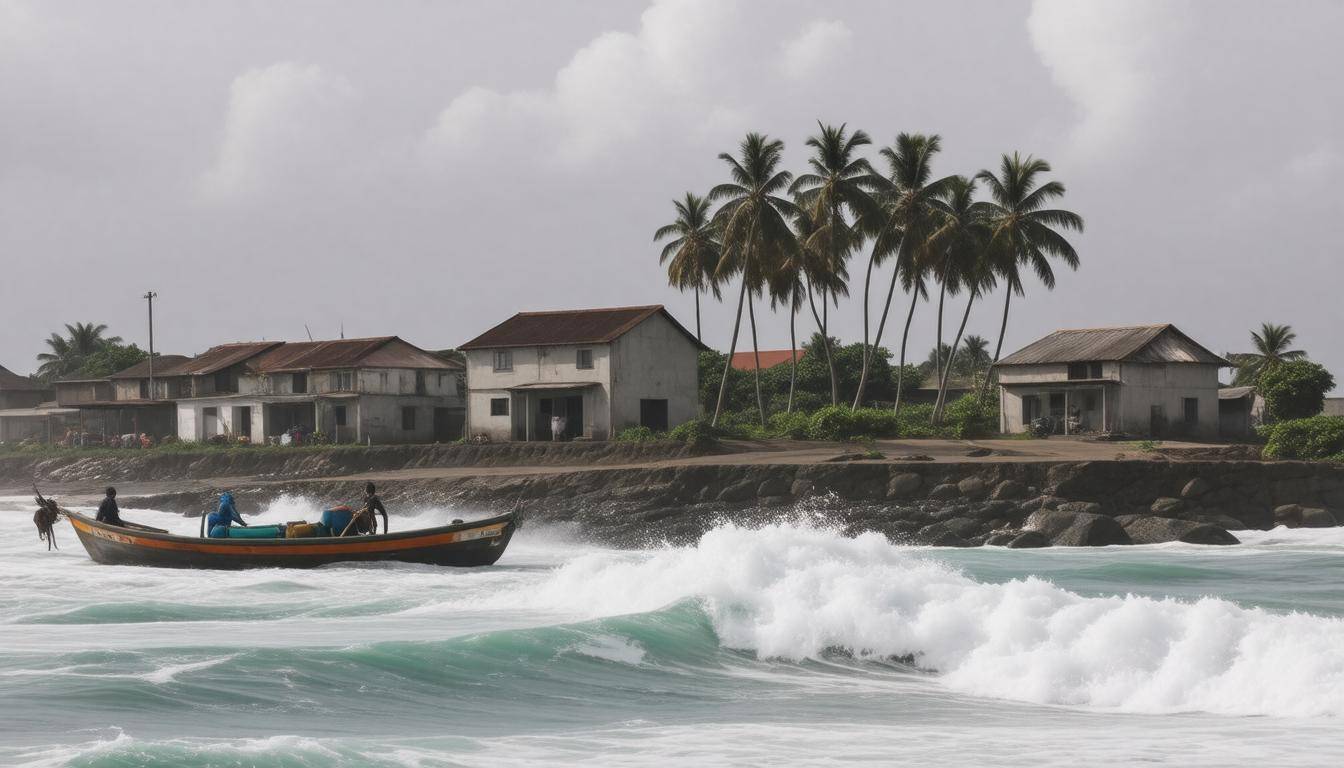
Coastal erosion and flooding aren’t just environmental concerns; they are life-altering events that reshape entire communities. In Ghana, where approximately 2 million people live along coastal areas, the influence of these phenomena can be dire. With around 1.5 million individuals directly affected, the stakes couldn’t be higher. Each meter of lost coastline erodes not just the land, but also the hopes and dreams entrenched in these shores.
Displacement and Livelihood Loss
Families feel the crushing weight of displacement acutely. When a mere meter of coastline vanishes, it can equate to up to 20% loss in land value, leaving families vulnerable and financially unstable. Take the folks from Fuvemeh in the Keta District—what was once a thriving community is now struggling as residents have been forced to leave their homes behind, and with them, their primary sources of income from agriculture and fishing. Watching fields turn into waterlogged wastelands paints a grim picture, yet it’s reality for many.
Beyond immediate financial loss, the concept of home becomes intertwined with identity for these displaced individuals. Think about it: a house stands as more than just brick and mortar; it embodies tradition, community ties, and memories. The disruption caused by erosion isn’t simply about losing physical structures; it’s about severing connections to one’s past.
Health and Safety
Flooding brings additional challenges, notably health crises that ensue afterward. Waterborne diseases like cholera arise as stagnant water becomes a breeding ground for bacteria. Following the catastrophic floods in Accra in 2015, communities faced a severe cholera outbreak affecting over 28,000 individuals. Such statistics highlight how quickly a natural disaster can ripple into public health concerns.
But it’s not merely physical ailments we must contend with; mental health has also taken a toll in these vulnerable communities. Stress and anxiety levels soar due to the uncertainty surrounding displacement and livelihood loss. Imagine waking up every day only to confront the reality that your community—the place you call home—is disappearing before your eyes. Resilience becomes paramount, yet maintaining it in the face of ongoing environmental threats is no small feat.
As these issues persist, it is crucial to understand how local entities are mobilizing resources and strategies to tackle these pressing challenges head-on.
Government and Local Response

The urgent nature of the coastal crisis in Ghana has catalyzed significant governmental action. The Ghanaian government has prioritized several initiatives to combat the ongoing damage caused by rising sea levels and severe weather events. For instance, projects like the construction of sea defense walls have been established in vulnerable areas such as Ada and Keta. These structures are designed to protect communities from flooding and erosion; however, their success can vary based on location and environmental conditions. Evaluating these defenses’ long-term effectiveness is crucial, especially as some experts argue that reliance on such installations alone may not be sufficient in the face of climate change.
In conjunction with these governmental measures, local organizations play a pivotal role in enhancing community resilience. Groups like Friends of the Earth Ghana and the Coastal Resources Center at the University of Cape Coast are deeply integrated into their communities. Their efforts extend beyond immediate relief; they educate residents about the sustainability of local practices while fostering awareness of climate variability. Such grassroots movements empower locals to take charge, ensuring they not only understand but actively participate in protection efforts against coastal threats.
These organizations engage communities through:
- Educational programs that clarify the impacts of climate change.
- Advocacy for sustainable resource use to lessen human-induced pressures on shorelines.
- Projects aimed at restoring mangrove forests and rehabilitating coastal ecosystems essential for fighting erosion.
“We must realize that it’s not just walls we need; it’s an entire community striving for sustainability,” said a representative from Coastal Resources Center, emphasizing a collaborative mentality toward ocean preservation.
While initiatives taken by governments and local organizations address immediate threats, it is equally essential to prepare our infrastructure for future challenges.
Building and Infrastructure Adaptation
Adapting our structures isn’t merely an option—it’s a necessity. The shifting climate, with its increasingly unpredictable patterns, makes it essential for us to rethink not just how we build, but also the materials we choose. One significant aspect is adaptive architecture, which goes beyond standard building practices to foster resilience against flooding and erosion. This means constructing elevated buildings, especially in coastal regions like Ada Foah where rising waters are becoming more frequent. These new structures, often built on stilts, do more than just provide a view; they significantly reduce potential flood damage while ensuring that living spaces remain safe and dry.
However, it’s not only about how high we build but also what materials we use. Water-resistant materials are being favored over traditional options to combat the increasing moisture. With choices ranging from specialized concrete mixes to synthetic weather-proofing membranes, homeowners and builders alike can significantly enhance the durability of their structures against harsh conditions. This forward-thinking approach enables communities to withstand the elements better while reducing the long-term costs associated with damage repair.
Still, adaptive architecture alone won’t suffice if the underlying systems that support these buildings aren’t up to par.
Improved Drainage Systems
As climate patterns shift towards more intense rainfalls, the necessity for improved drainage systems becomes glaringly obvious. A well-functioning drainage system is like the veins of a community, redirecting excess water away from populated areas and mitigating flooding risks. The Accra Metropolitan Assembly has already made strides in implementing upgraded drainage projects, yet we need comprehensive plans that can keep pace with future weather extremes.
To truly protect homes and infrastructure from flooding, communities must advocate for investment into robust drainage solutions capable of handling at least double the current average rainfall. Moreover, incorporating nature-based solutions such as green roofs or permeable pavements can aid in rainwater absorption while providing added benefits like improved air quality and urban wildlife habitats.
“If we equip our cities to handle extreme weather now, we can avoid costly repairs later.”
Each of these steps is essential in cultivating resilience within our shared environment and ensuring sustainability for generations to come.
Regular maintenance assessments will be equally vital, allowing for timely upgrades as technologies evolve or as climate conditions worsen. Balancing innovative design with practical implementation sets in motion a culture of preparedness—one that acknowledges evolving climate realities while prioritizing community safety and environmental stewardship.
Continuing this journey toward resilience involves exploring further strategic initiatives needed for sustainable development in the face of changing landscapes.
Long-term Plans and Measures
Sustainable long-term measures are crucial to combat coastal erosion and flooding effectively in Ghana. Without them, we risk damaging ecosystems and jeopardizing the livelihoods of communities dependent on these coastal zones for their daily activities. One foundational aspect is the National Coastal Management Plan (NCMP), which serves as a roadmap for protecting our precious coastal areas.
National Coastal Management Plan
The NCMP goes beyond mere guidelines; it outlines aggressive strategies to tackle the pressing concerns of coastal degradation. It includes comprehensive actions such as ecosystem restoration, which involves rehabilitating mangroves and wetlands that act as natural barriers against storm surges and erosion. Furthermore, enforcement of coastal regulations is vital. By establishing a legal framework that controls new developments, the government helps mitigate human impact on fragile ecosystems. This collaborative approach between different governance levels strengthens Ghana’s long-term sustainability goals while providing communities with tools to adapt to climate change.
While government initiatives provide an important structure, it’s equally critical to engage directly with those who live in these vulnerable regions.
Community Involvement
Engaging local communities in coastal management plans is another cornerstone of effective implementation. When community members are empowered to participate in decision-making processes, the initiatives become more tailored to their unique challenges and environments. For instance, training locals on how to manage restored areas not only builds capacity but also fosters ownership, leading to sustained success over time. Imagine a group of local fishermen learning about mangrove planting; they can restore natural habitats while ensuring healthier fish populations for their livelihood.
Through workshops and hands-on training, residents become stewards of their environment. Their intimate knowledge of local ecosystems equips them uniquely to identify issues like invasive species or sedimentation that threaten their shores. Empowerment builds agency—when people feel responsible for their environment, they’re naturally more inclined to protect and sustain it.
However, empowering communities alone isn’t enough; innovative approaches must also be incorporated within these long-term frameworks.
Sustainable Solutions and Innovations
Innovative technologies play a pivotal role in developing sustainable solutions against coastal erosion and flooding. Techniques such as using geotextiles—which reduce wave energy while promoting sediment deposition—are invaluable tools that local governments can employ in collaboration with scientists and engineers. These practices enhance physical resilience while educating communities on adapting traditional practices with modern science.
Incorporating renewable energy sources into coastal management efforts exemplifies this integration of sustainability and innovation. Deploying wind turbines or solar panels can power monitoring stations along coastlines, allowing real-time data collection regarding shifting environmental conditions without having a damaging impact on landscapes.
As we move forward, it’s essential to examine how sustainability intertwines with innovation in creating resilient strategies for our changing climate.
Sustainable Solutions and Innovations
Innovations in technology and nature-based solutions are essential for managing coastal environments sustainably. With the threats posed by coastal erosion and flooding, communities must leverage both innovative technologies and the wisdom of natural systems to enhance their resilience.
In this context, restoring mangroves and wetlands serves as a natural barrier against environmental challenges. Projects across West Africa, particularly in areas like Ada, have demonstrated that restored mangrove forests significantly reduce wave impact, effectively protecting shorelines from the ravages of the sea.
Nature-based Solutions
Think about it: mangroves provide not only a habitat for wildlife but also act as incredible natural shields against winds and waves. When they thrive, they help stabilize coastal soil and filter water—vital for maintaining healthy marine ecosystems. In essence, these ecosystems act like sponges, absorbing excess water during heavy rains. Coupled with local initiatives for sustainable farming practices, communities can see enhanced food security while contributing to coastal stability.
But it’s not just nature that has a role; technology is making strides in how we can monitor and respond to these pressing coastal issues.
Technological Innovations
| Innovation | Description | Benefit |
|---|---|---|
| Smart Flood Alerts | Real-time warning systems using sensors and AI to detect flooding risks. | Provides timely alerts, reducing loss of life. |
| Erosion Mapping | Use of drones and satellite imagery to monitor changes in coastlines. | Yields accurate data crucial for planning and timely response efforts. |
These innovations pave the way for proactive management rather than reactive measures. For example, smart flood alert systems can give communities precious minutes or hours to prepare before flooding occurs. This dynamic technology analyzes atmospheric pressure shifts, rainfall predictions, and other factors—creating a safety net for those living in flood-prone areas. Meanwhile, innovations like erosion mapping empower governments and organizations with precise data that informs investment decisions and preservation strategies.
Recognizing that individual actions contribute significantly towards these advances is important; fostering community engagement is critical for achieving long-lasting solutions amidst the evolving climate landscape. Now let’s explore ways people can actively participate and support these vital efforts.
How to Get Involved and Support Efforts
Individual and community actions can significantly support efforts to combat coastal erosion and flooding in Ghana. There are countless opportunities for you to get involved, each making a meaningful difference in your community.
One powerful way to start is by becoming a volunteer with local organizations committed to environmental conservation. Groups like Friends of the Earth Ghana organize various activities that focus on restoring vital ecosystems along the coast, such as planting mangroves. These trees act not only as natural barriers against waves but also promote biodiversity.
Reflecting on his experiences, Kweku, one of the volunteers, mentions how transformative it was: “Volunteering with local organizations like Friends of the Earth was an eye-opener. We planted over 1,000 mangroves and saw the tangible impact on our shoreline.” This quote encapsulates the essence of community involvement—each small effort combines into a larger movement toward sustainable coastal management.
So, while we may think that our actions are little drops in the ocean, they can create ripples that lead to significant change. Alongside volunteering, advocacy plays an essential role in driving progress.
Advocating for stronger environmental policies is crucial for ensuring long-term solutions to coastal issues. Participating in local government meetings allows citizens to speak directly on matters affecting their communities. Supporting reputable environmental NGOs can amplify these conversations and increase awareness about coastal vulnerability. Every voice counts; when residents band together, they can influence policymakers and press for necessary changes that protect Ghana’s coastlines from further erosion.
By combining volunteer work with advocacy efforts, individuals not only strengthen community bonds but also foster a shared sense of responsibility toward local ecosystems. Engaging with your community creates momentum toward restoration projects while empowering citizens to voice their needs during policy discussions.
In sum, everyone has a role to play in safeguarding Ghana’s coastal regions against erosion and flooding—through hands-on initiatives or influencing decisions at higher levels, every effort contributes towards a resilient future for the coastlines we cherish.