
When you think of prepping for emergencies, you might picture long-term food supplies that group together boxes of canned beans and dried rice. But what if you have gluten sensitivities? This can make the task feel even more daunting as you navigate which foods to stockpile without the threat of contamination. Luckily, having a well-planned gluten-free emergency food supply is entirely possible and can offer you not only safety but also peace of mind during stressful times. In this guide, we’ll walk through the essentials for building a gluten-free emergency kit that ensures your dietary needs are met without sacrificing taste or nutrition. So, let’s dive in and explore how to create a robust emergency pantry tailored specifically for you!
A complete list of gluten-free emergency food supplies typically includes non-perishable items such as canned goods (like beans and vegetables), gluten-free granola, dehydrated fruits, organic nuts, jerky, and certified gluten-free meals from brands like Mountain House or ReadyWise. It’s essential to verify that all products are free from cross-contamination and meet gluten-free standards for those with celiac disease or severe gluten sensitivities.
Top Gluten-Free Foods for Long-Term Storage
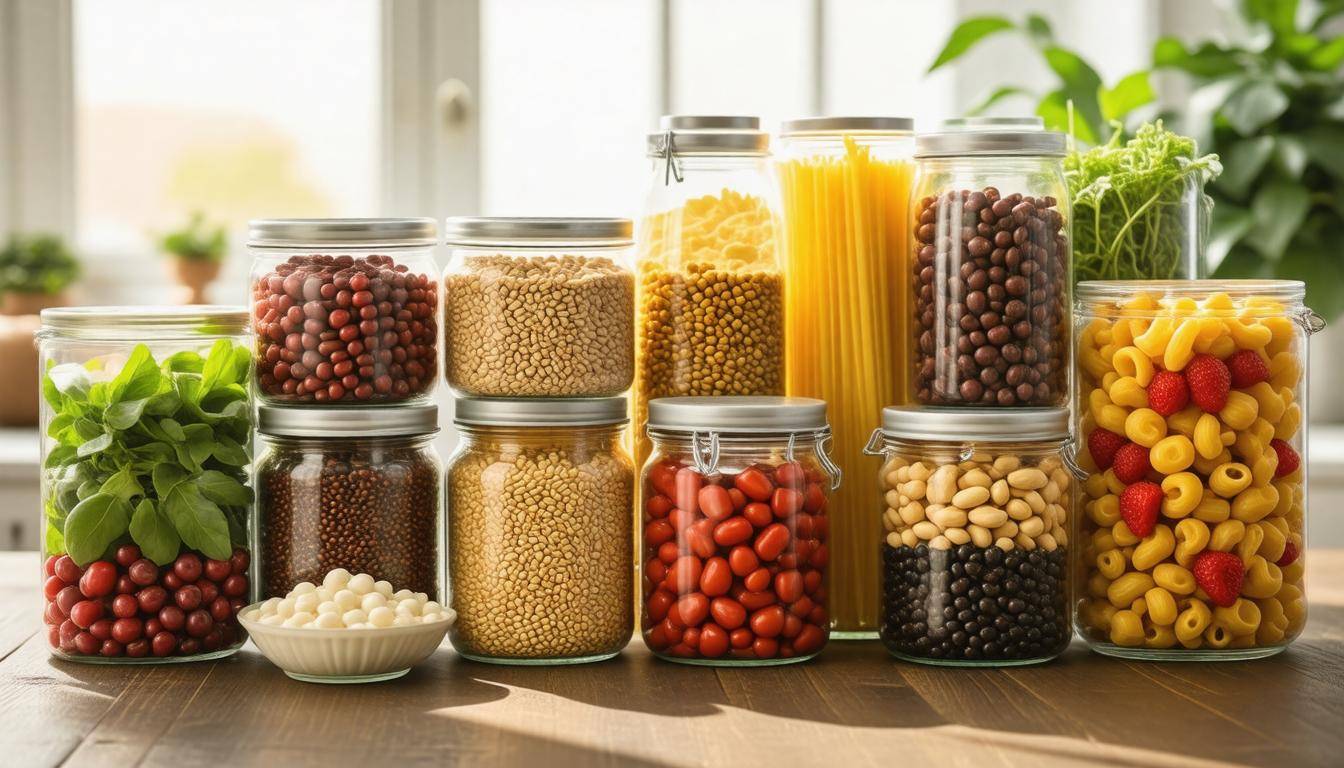
When it comes to stocked-up emergency food supplies for those with gluten sensitivities, it’s critical to choose items that have a long shelf life and offer the necessary nutritional benefits. Canned goods like canned salmon or tuna are excellent protein sources and can last for years when stored properly. These seafood options are not just filling; they are rich in omega-3 fatty acids. Furthermore, ensure these products are labeled gluten-free, as some may contain additives that could trigger sensitivities.
Another category worth stocking up on is nuts. Organic nuts in their shells, such as pecans and almonds, provide healthy fats and essential nutrients. They have an impressive shelf life of about 6 months to a year, depending on storage conditions. Choosing raw or unsalted varieties can help avoid unnecessary additives that could compromise your gluten-free regimen.
Remember, cross-contamination is a significant concern when selecting nuts. Always opt for brands that specifically state they manufacture in gluten-free facilities to ensure safety and peace of mind.
Then there are dehydrated and freeze-dried foods. Products like Nick’s Sticks, which offer dehydrated meats without gluten-containing fillers, represent a reliable option for those needing extra protein during emergencies. Additionally, look for organic dehydrated fruits, such as apples or bananas, that serve as wholesome snacks while contributing vital vitamins and minerals to your diet.
Moving beyond proteins and grains, let’s not forget about some other crucial components like gluten-free pasta and legumes.
Gluten-free pasta isn’t just convenient for quick meals; it provides carbohydrates necessary for energy during stressful times. Options made from rice or chickpeas can be particularly useful and usually have a longer shelf life compared to traditional wheat pasta. It’s essential to check labels to ensure no gluten-containing additives are present.
Legumes such as lentils deliver high nutritional value with plenty of protein and fiber; they store well and are easy to prepare. A single cup of cooked lentils contains around 230 calories and 18 grams of protein, making them an efficient choice for compact nutrition. Adding dried beans or canned beans (like black beans) to your stock can significantly round out your meal planning.
-
Canned Good Examples:
- Canned Salmon
- Canned Tuna
- Canned Beans (black beans)
-
Nuts & Dehydrated Foods:
- Organic Nuts (pecans, almonds)
- Dehydrated Fruits (apples)
Each of these options plays a role in ensuring dietary needs are met without compromising quality. They make preparing meals easier in an emergency situation while alleviating stress associated with being gluten-sensitive during uncertain times.
With a well-stocked pantry featuring these diverse gluten-free options, you’re all set for emergencies. Let’s explore the essential ingredients that can take your meal preparation to the next level.
Essential Grains and Mixes
Gluten-free grains are not just staples; they form the backbone of many nutritious meals, especially in times of need. These grains provide essential carbohydrates that fuel our bodies when other resources may be limited.
White rice stands out as a classic option—it is incredibly versatile, easy to cook, and when vacuum-sealed, it can last for an impressive 30 years, making it a practical choice for long-term storage. Imagine opening your pantry one day and discovering rice that has remained good for decades, ready to nourish your family during difficult times.
Gluten-Free Grains
- White Rice: When vacuum-sealed, it can last up to 30 years.
- Quinoa: Packed with protein; therefore, it’s an excellent alternative to rice.
- Amaranth: Naturally gluten-free but packed with nutrients like iron and magnesium.
- Millet: Another great grain that, when stored in a cool, dry place, can last up to two years.
Quinoa is another fantastic grain to include in your emergency stockpile. It’s not just gluten-free; it’s also rich in protein and contains all nine essential amino acids, making it a complete source of nutrition. Pairing quinoa with vegetables or beans can lead to hearty meals that sustain you throughout any crisis.
Then there’s amaranth, known for its nutrient density; it contains significant amounts of iron and magnesium—crucial minerals that support many bodily functions. And if you opt for millet, you’ll have a grain that thrives in less-than-ideal conditions—just remember to store it properly to maximize its shelf life.
Gluten-Free Mixes
In addition to grains, having gluten-free mixes on hand can significantly streamline meal preparation during emergencies. Pre-made pancake or bread mixes can be life-savers when you’re caught without much cooking time or fresh ingredients. Imagine waking up one morning in the midst of a storm with limited options—you reach for your gluten-free pancake mix that only requires water to prepare.
Brands like Bob’s Red Mill provide a range of gluten-free all-purpose baking flours, which can be a lifesaver during challenging times. These products not only save you time but also reduce the stress of trying to find gluten-free alternatives on short notice. It’s comforting to know that you have mixes stashed away that require minimal ingredients and effort yet can produce delightful meals.
While grains and mixes are foundational, it’s essential to also consider more diverse options like canned goods and proteins that round out your emergency food supply effectively.
Convenient Prepared Meals
When it comes to preparing for emergencies, having convenient, gluten-free meals on hand can truly be a lifesaver. These prepared meals are an essential component of any emergency food supply and provide peace of mind that sustenance is readily available during uncertain times. Imagine facing a natural disaster or power outage—when you can’t cook or gather fresh ingredients, pre-packaged, gluten-free meals become invaluable.
It’s important to note that many companies specialize in creating these easy-to-prepare meals. Brands like Mountain House and ReadyWise are well-known for their gluten-free options, all designed for quick preparation with minimal effort. Typically, these meals require only hot water to rehydrate, making them ideal for situations where cooking facilities might not be accessible. It’s not just portable; it’s smart!
For those who need meals that accommodate dietary restrictions, these brands also have a selection of certified gluten-free offerings that ensure you won’t compromise your health while preparing for the unexpected.
Now let’s talk about the variety you can find among convenient meal options. There are instant oatmeal packets filled with fruits or nuts, freeze-dried pasta dishes, and hearty soups all designed to keep you satisfied and nourished. Additionally, many of these products have shelf lives ranging from 20 to 25 years, ensuring they remain viable long after you store them away. This stability allows you to feel secure in your provisioning decisions, knowing your food supply won’t go bad quickly.
As we consider our family’s needs, it’s crucial to think about their preferences and dietary requirements as well. Children often have specific tastes; including some familiar comfort foods could ease anxiety during stressful situations. Consider blending specialized emergency items with kid-friendly favorites to combat the worries of hunger and dissatisfaction.
Moreover, don’t underestimate the importance of stocking up on canned goods as part of your emergency supply plan. Many quality canned products are also gluten-free—think soups, vegetables, or beans—that can perfectly complement your main dishes and provide much-needed variety. You should always check labels diligently because formulations can change over time.
Local grocery stores typically carry a gluten-free section where you may find great options for quick meals. Alternatively, online platforms can widen your selection significantly. Establishing reliable sources for gluten-free emergency supplies ensures that when events occur unexpectedly…you will be ready!
By focusing on quality pre-prepared meals alongside versatile staples, you’ll create a well-rounded emergency food stockpile. This strategic approach sets the stage for exploring various preserved options that offer both convenience and nutrition.
Canned and Dried Options
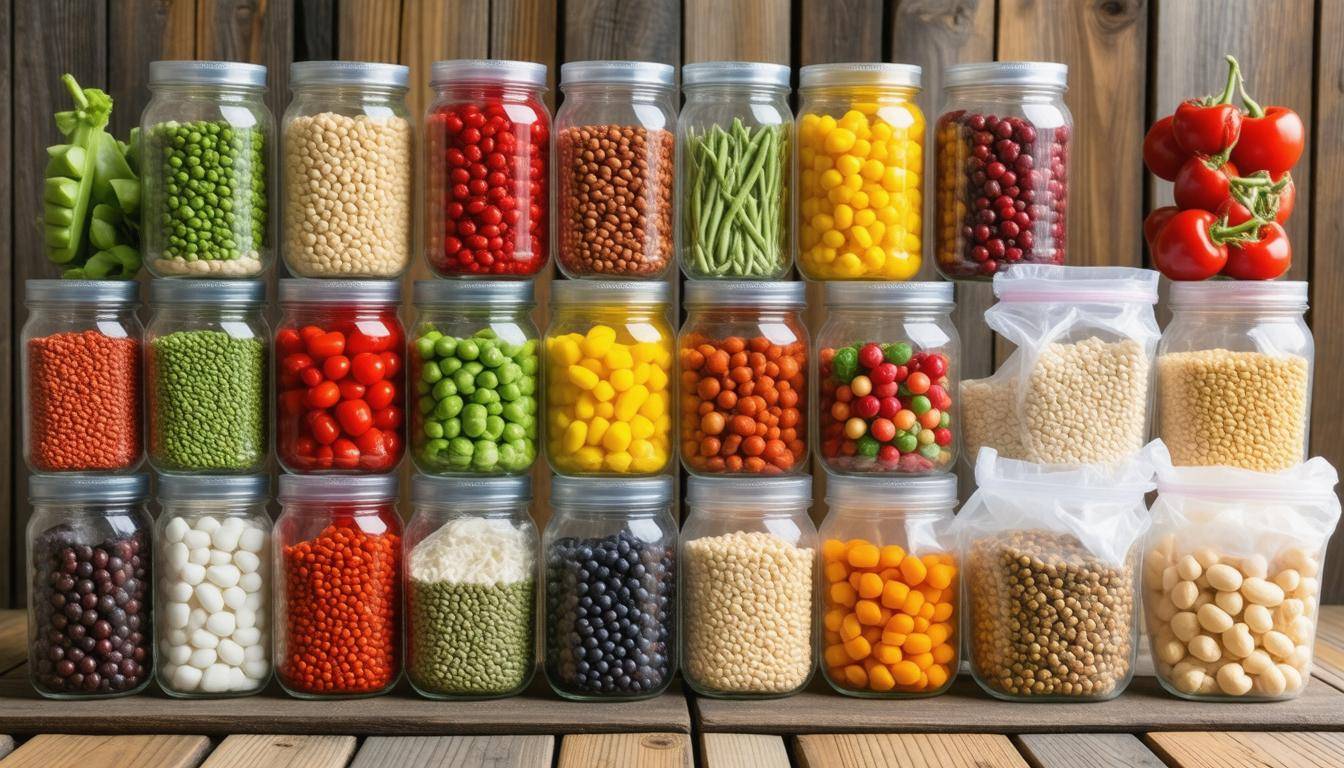
Canned and dried foods are essential because they offer not only long shelf-stability but also nutritional value that is critical during emergencies when fresh foods may not be available. When choosing canned options, think beyond just beans and vegetables; the variety can be surprisingly vast. For instance, consider stocking up on canned fruits like peaches or pears, which provide quick energy and a sweet treat without gluten complications. Brands such as Eden Foods offer numerous organic varieties that cater specifically to those needing gluten-free products. Just make sure to check labels for any added sugars or sauces that could contain gluten.
Canned Options
High-quality canned goods should be at the forefront of your emergency planning. Canned beans, including black beans or kidney beans, are rich in protein and fiber—vital nutrients that keep you feeling full and satisfied during stressful times. Nutritionally, one cup of black beans offers around 15 grams of protein and 30 grams of carbohydrates, making them an excellent choice for meal preparation.
Don’t overlook canned vegetables, either; peas or corn can add necessary vitamins to your meals with minimal effort. Their shelf life typically ranges from 2 to 5 years, ensuring they can be stored without worry.
However, not all canned food is created equal. Some may contain preservatives or additives such as MSG, so it’s advisable to focus on those labeled as gluten-free while adhering to quality ingredients. Always ensure the product states it’s made in a gluten-free facility to avoid cross-contamination.
Dried Options
Shifting gears to dried foods provides another avenue to supplement your supply effectively. Items like dried fruits—think apricots or raisins—are not only delicious but can also provide valuable energy boosts during emergencies. Dehydrated fruits usually have a shelf life of 1 to 2 years, ensuring you have compact nutrition available when needed.
Dried vegetables also hold their place in an emergency pantry; they allow you to add bulk and nutrients without requiring refrigeration. Moreover, don’t underestimate the value of dried meats like Nick’s Sticks, which combine convenience with proteins essential for maintaining energy levels when needed most. These options not only help keep weight manageable in storage but also provide flavors reminiscent of home-cooked meals.
Since snacking is inevitable, let’s explore quick options that can double as treats while still keeping you aligned with your dietary needs.
Emergency Snacks and Quick Foods
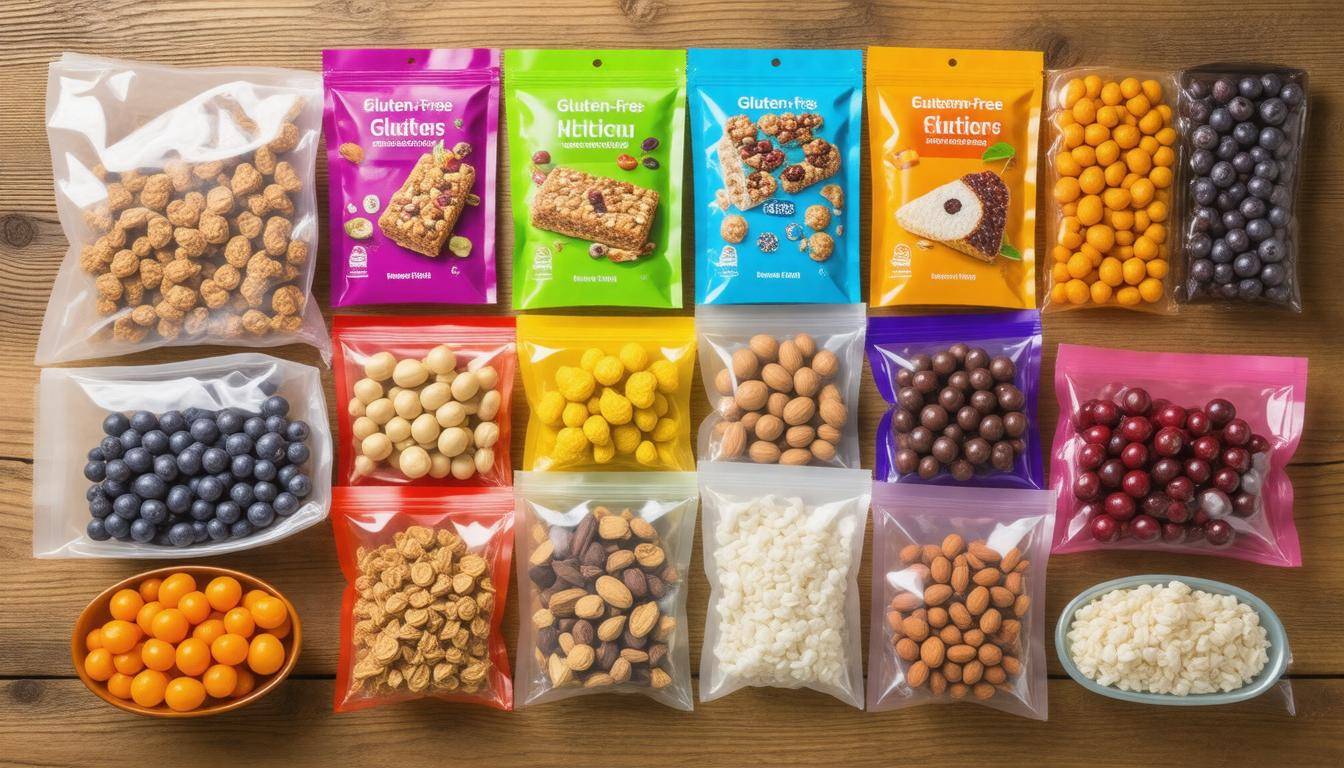
When it comes to emergency situations, having gluten-free snacks on hand can make all the difference. Just think about how anxiety-inducing it can be to find yourself hungry and without appropriate options. That’s why it’s important to pack foods that are both convenient and safe to consume if you follow a gluten-free diet.
One great choice to consider is nuts—from almonds to pecans, they’re portable, packed with protein, and can keep your energy levels up when you need it most. However, be aware that they should always be stored in airtight containers to ward off moisture, which can lead to spoilage.
Similarly, gluten-free protein bars are a practical option. They usually come wrapped individually, making them easy to toss into a backpack or even your pocket. Personally, I love keeping options like Lara Bars and granola bars from brands like Paleonola in my emergency kit. These snacks not only satisfy hunger but also provide wholesome ingredients that align with special dietary needs.
Dried fruit and jerky can also serve as excellent quick snacks in an emergency situation. With dried fruit, you get natural sweetness along with beneficial vitamins while jerky offers a hearty amount of protein that might stave off hunger pangs during unexpected delays. It’s handy to have these items prepared in advance since snacking on delicious yet functional food can help maintain morale even during testing times.
Having accessible and quality snacks in your emergency preparedness plan isn’t simply about sustenance; it’s about ensuring you stay healthy amidst chaos.
Moreover, utilizing technology can greatly enhance your ability to prepare effectively; apps such as Find Me Gluten-Free can guide you to locate safe food options when traveling or attending events.
For those situations where you might be out of your usual environment, this app is invaluable for connecting with restaurants that cater specifically to gluten-free diets. It’s comforting knowledge that if you’re in an unfamiliar area, you’ll still have options available that meet your dietary restrictions.
It’s wise to communicate any dietary requirements ahead of time when attending events or conferences. An etiquette expert once shared the importance of stating clearly: “I have some dietary restrictions.” This simple sentence opens doors for better planning while helping hosts understand your needs without hesitation.
Lastly, don’t forget about potlucks and gatherings; carrying a personal dish isn’t just a safeguard for your dietary preferences—it’s an opportunity to showcase delightful gluten-free meals that everyone can enjoy!
In this journey of readiness and adaptability, understanding how to customize your food supplies will enable you to better face any situation life throws at you. Next, we’ll explore strategies for creating a well-rounded food supply kit tailored for various needs.
Building a Comprehensive Food Kit
The importance of assessing your specific dietary needs cannot be overstated when creating a food supply for emergencies. If gluten is an issue for you or your family due to intolerance or celiac disease, then having a thorough inventory becomes crucial.
Don’t just think about how much food you need; it’s also about ensuring that every serving can be safely consumed without triggering any reactions. It may help to calculate the number of servings per day based on your household size and individual consumption rates. For instance, if you have children who require gluten-free options, make sure to account for their growing appetites.
As you consider this planning phase, take into account potential allergies or sensitivities in the family. Beyond gluten, there might be nut allergies, dairy intolerances, or other dietary restrictions at play. This way, you construct not just a food supply but a safety net tailored specifically to those who will rely on it during stressful times.
Step II – Diverse Food Categories
A diverse assortment of foods can significantly enhance the practicality of your emergency food kit. Begin with different types of food categories to ensure a balanced diet that addresses both nutritional needs and taste preferences.
| Food Type | Example | Shelf Life |
|---|---|---|
| Grains | Quinoa, Rice | Up to 10 years |
| Canned Goods | Beans, Fruits, Meats | 2-5 years |
| Dried Foods | Dehydrated Meats, Fruits, Vegetables | 1-2 years |
| Prepared Meals | Gluten-free meal pouches | 3-5 years |
| Snacks | Nuts, Gluten-free Granola Bars | 1-2 years |
Within these categories, think about incorporating comfort foods and seasonings as well. After all, comfort plays an important role in morale during difficult times. A well-thought-out kit isn’t just about survival; it’s also about maintaining a sense of normalcy amid uncertainty.
Having flavorful seasonings can transform plain meals into something enjoyable; no one wants to eat bland food when they’re facing an emergency.
With the essential types of foods selected and dietary needs planned for, the next step involves focusing on critical components like safety measures and water requirements for your preparedness strategy.
Safety Planning and Water Needs
Water storage and safety planning are paramount when preparing for emergencies, especially for those with specific dietary restrictions like gluten intolerance. The Federal Emergency Management Agency (FEMA) recommends that individuals store at least one gallon of water per person per day for a minimum duration of three days.
This means that for a family of four, you should have at least 12 gallons readily available. To ensure you are storing your water correctly, utilize BPA-free containers to avoid any toxic chemical leeching that can occur with plastics over time. It’s worth noting that the quality of your water directly affects your health, so investing in good storage solutions is crucial.
After all, proper hydration can be a lifesaver during emergencies.
In case your stored water supply runs low or becomes contaminated, consider having water purification methods at hand. Products like water purification tablets or portable filters, such as the LifeStraw, are excellent resources that ensure the safety of any additional water you procure, whether from rain or melting snow. These tools not only provide peace of mind but also empower self-reliance during challenging situations. Remember, maintaining an emergency plan includes having multiple sources and methods for securing clean drinking water.
Cross-Contamination Prevention
Maintaining a gluten-free pantry during emergencies requires vigilance against cross-contamination. Ensuring all stored food items are certified gluten-free is essential. Consider using transparent bins for food storage, separating gluten-free supplies from non-gluten-free items—this helps provide visual cues and avoid confusion during stressful times.
An effective strategy is to label everything clearly: include the contents and dates on your containers. Not only does this facilitate easy identification in a crisis, but it also allows for efficient inventory management—knowing exactly what you have on hand minimizes waste.
As you refine your safety planning, don’t overlook the importance of communication. Establish plans with loved ones regarding where to meet and how to stay informed during disasters. Having reliable information can guide decisions about your food and water supplies.
Ultimately, having a solid plan for both food and water ensures you’re well-prepared for whatever comes your way in an emergency situation.
With careful preparation and forethought around dietary needs, you can navigate emergencies while staying true to your gluten-free lifestyle.
How can I ensure that my emergency food supply stays fresh and safe to eat over time?
To ensure that your emergency food supply remains fresh and safe to eat over time, store items in a cool, dark, and dry place, using airtight containers or vacuum sealing to minimize exposure to air, moisture, and light. Regularly check expiration dates and rotate supplies every six months to keep them viable; studies show that properly stored food can last well beyond its expiration date—canned goods can often remain safe for 2-5 years, while packaged dried foods like grains may last even longer. Additionally, incorporate freeze-dried or dehydrated gluten-free products for enhanced longevity and quality.
What types of foods are safe and nutritious for a gluten-free emergency food supply?
A safe and nutritious gluten-free emergency food supply can include options like canned beans, rice, quinoa, freeze-dried fruits and vegetables, nuts, seeds, and gluten-free grains like millet and buckwheat. These foods are not only versatile but also offer essential nutrients; for instance, quinoa is a complete protein providing all nine essential amino acids. According to the Gluten Intolerance Group, approximately 1 in 100 people worldwide suffer from celiac disease, making it crucial for preppers to stock gluten-free options that cater to dietary restrictions while ensuring sufficient caloric intake during emergencies.
What should I consider when storing gluten-free food supplies, particularly in extreme temperatures?
When storing gluten-free food supplies in extreme temperatures, consider the stability of the food items; for example, gluten-free grains and flours can become rancid if exposed to excessive heat. It’s essential to keep items in a cool, dark, and dry place, ideally below 70°F (21°C) to extend shelf life—research indicates that food stored at higher temperatures can spoil twice as fast. Additionally, ensure airtight containers are used to prevent moisture and pests from compromising your supplies. Always check expiration dates and rotate your stock regularly to maintain freshness and usability.
How can I create a balanced meal plan using only gluten-free items in an emergency situation?
To create a balanced meal plan using only gluten-free items in an emergency situation, focus on incorporating a variety of food groups: lean proteins (such as canned tuna or beans), whole grains (like quinoa or brown rice), and plenty of fruits and vegetables (dried or canned). Aim for meals that include all three components to maintain nutritional balance. For example, a meal could consist of quinoa mixed with black beans, diced tomatoes, and bell peppers. Research indicates that a diet rich in diverse foods helps maintain energy levels and overall health, crucial during emergencies when stress is elevated—ensuring you stay nourished can enhance resilience and recovery.
Are there specific brands or products recommended for gluten-free emergency preparedness?
Yes, several brands are recommended for gluten-free emergency preparedness. Notable options include Mountain House, which offers a range of freeze-dried meals, and Thrive Life, known for its dehydrated fruits and vegetables. According to a 2022 survey, about 3 million Americans follow a gluten-free diet, highlighting the need for accessible emergency food supplies. These brands provide options that not only meet gluten-free standards but also maintain nutritional value and decent shelf life, making them suitable for preppers and survivalists alike.