
As storm season approaches the Gold Coast, it’s easy to feel overwhelmed by the unpredictable nature of severe weather. One minute the sun shines brightly, and the next, dark clouds roll in with powerful winds and heavy rain. But don’t panic! Being prepared can turn a potentially scary situation into a manageable one. Understanding what supplies you need and having a plan in place is key to keeping yourself and your loved ones safe. In this article, we’ll guide you through everything you need for a proper Storm Preparation Kit, ensuring that you’re ready to face whatever Mother Nature throws your way. Let’s dive into essential tips and tricks that will help you weather the storm like a pro!
A Gold Coast, Queensland Storm Preparation Kit should include essential items such as water (at least 3 liters per person per day), non-perishable food, a flashlight with extra batteries, a first aid kit, important documents sealed in waterproof bags, and personal hygiene items. Additionally, stock up on medications, a portable phone charger, and a battery-operated radio to stay informed during severe weather events.
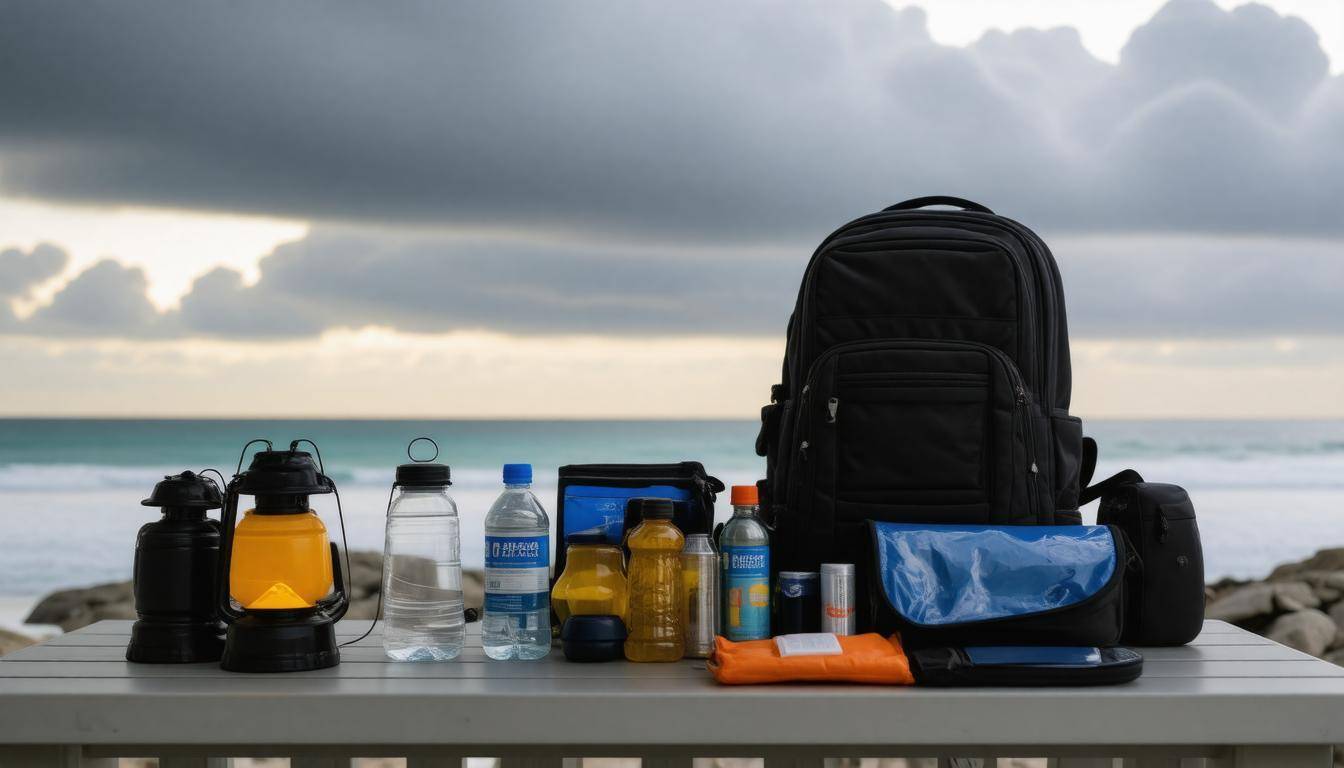
Comprehensive Storm Preparation for Gold Coast
First and foremost, understanding local storm threats sets the foundation for effective preparation. Queensland faces considerable weather challenges, including tropical cyclones, severe thunderstorms, and heavy rainfall. A notable statistic from the Bureau of Meteorology highlights that there were 13 significant cyclones impacting Queensland between 2020 and 2024 alone. These storms can disrupt daily life and wreak havoc on homes, so being informed about typical weather patterns can empower you to take proactive measures.
Awareness allows communities to gauge their vulnerability based on past events. For instance, if you live near the coastline, you’ll want to pay particular attention to storm surge forecasts, as they can cause devastating flooding. Consider looking at historical data and monitoring news updates during storm season; understanding what has happened before can provide valuable lessons on what to expect next.
Beyond knowledge, having a tailored plan is essential.
Step 2: Create a Tailored Plan
Developing a proactive storm preparation plan specific to the Gold Coast means considering your unique situation—your home’s location, size, and types of hazards you may face. Start by mapping out evacuation routes and identifying safe shelter locations—this could be a friend or family member’s house that’s situated away from flood-prone areas or designated community shelters.
Equally important is creating a checklist of essential supplies that you need not just to survive, but to maintain some comfort during potentially extended disruptions. Your list might include water, non-perishable foods, first-aid kits, essential prescriptions, batteries, flashlights, communication devices, and even pet supplies if applicable.
Remember that every family is different. Depending on individual needs or circumstances such as allergies, children, or elderly family members, your preparations should reflect these factors.
Tailoring your plan ensures that you’re prepared for the specific types of storms most likely to occur in this region. For example, while flash floods might be a concern during heavy rainfall events, high winds could be more of an issue during cyclones. Addressing all possible scenarios increases your chances of staying safe and secure through any crisis.
In addition to planning and understanding threats, reinforcing communication with loved ones will further enhance your preparedness as we transition into discussing vital supplies that safeguard well-being during emergencies.
Essential Food and Water Supplies
Making sure you have an adequate supply of food and water before a storm hits is not just prudent; it’s essential. Power outages and blocked roads can make it nearly impossible to access stores when you need supplies the most. That’s why having ready-to-eat, non-perishable food items on hand can be a lifesaver during severe weather events. Imagine being stranded at home without access to fresh food or water—this reality can be mitigated with a little preparation ahead of time.
Essential Food Items include:
- Non-perishable canned goods such as soups, vegetables, and fruits are great staples that require no refrigeration.
- High-energy snacks like nuts, granola bars, and dried fruits can provide quick fuel when you need energy the most.
- Bread and crackers are versatile options that pair well with canned goods or can serve as quick snacks.
- Don’t overlook the simple pleasures of instant coffee or tea, which can offer comfort during stressful times.
However, let’s not forget about another critical aspect: water.
Bottled Water Storage
Water is the cornerstone of survival during any emergency situation. It is recommended to store at least three gallons of water per person for at least three days. This amount should cover your needs for drinking, cooking, and basic hygiene tasks like washing hands or brushing teeth.
To put this into perspective, think about it this way: if you have a family of four, you’d need at least 12 gallons of water to get through three days safely. You might picture yourself filling multiple bottles or jugs just before a storm, but it’s better to have these ready in advance.
Consider that water can also be used for other essentials during storm conditions—like cooking meals or even cleaning small wounds if medical supplies run low. Hence, planning ahead for adequate water storage is key in ensuring your family stays safe and healthy throughout the storm event.
By preparing your food and water supplies beforehand, you’ll alleviate much of the stress that comes with unexpected storms, enabling your family to remain comfortable and focused on what matters most—your safety and well-being.
With those vital supplies in check, we can now shift our focus to the essential tools that will ensure you maintain power and light when darkness descends unexpectedly.
Power and Lighting Essentials

When a storm hits and your home succumbs to darkness, battery-operated lanterns and flashlights become your lifelines. They’re essential tools that not only illuminate your path but also help you maintain a sense of security during an unsettling time. Brands like Energizer and Duracell have gained trust due to their longevity and efficiency, making them popular choices for anyone gearing up for storm season.
Consider keeping a variety of light sources on hand. While a handheld flashlight is perfect for moving around, having a couple of battery-operated lanterns can help light up an entire room. The soft glow they emit can make your space feel more welcoming, even during adversity.
Choosing the Right Power Sources
It’s important to consider how long you might need power for during outages. Having multiple types of lighting solutions at your disposal often proves beneficial. For instance, your traditional flashlight may last anywhere from 20 to 50 hours, making it suitable for general use, while those heavy-duty battery lanterns can illuminate your living space for as much as 90 hours. This is crucial information when you think about how long storms can linger and how often power may be interrupted.
| Power Source | Duration | Use Case |
|---|---|---|
| Flashlights | 20-50 hours | General use |
| Battery Lanterns | 40-90 hours | Room lighting |
| Portable Chargers | 2-3 charges | Mobile devices |
| Solar Chargers | Unlimited | Eco-friendly but variable |
Beyond these basics, don’t forget about portable chargers. In today’s world, our reliance on mobile devices means staying connected is vital. Investing in a durable portable charger ensures that your phone remains operational, allowing you to stay informed about weather updates or reach out to family or friends in case of emergencies. A typical portable charger may offer enough power for about 2-3 full device charges.
And while navigating through this preparation process, it’s worth noting the advantage of solar chargers too. Although their efficiency can fluctuate based on weather conditions, they provide an eco-friendly alternative; they harness nature’s power while ensuring you’re ready regardless of electricity availability. As we continue, let’s explore critical measures that can enhance the safety of your home during stormy weather.
Vital Home Safety Measures

Securing your home against storm damage involves several proactive steps to mitigate risk. First on the list is reinforcing windows and doors, which creates a solid defense against unpredictable forces of nature. Many homeowners underestimate the impact that winds can have on unprotected glass. In fact, studies show that homes with reinforced windows and stronger door frames sustain significantly less internal damage during severe weather events. The installation of storm shutters or even just plywood covers can make all the difference in preserving your living space.
Beyond that, you’ll find peace of mind knowing you’ve taken steps to protect not only your home but also your family.
Moving on from protecting openings, let’s focus on the outdoors, which can often be overlooked.
Step 1: Reinforce Windows and Doors
It’s best to start by assessing your windows and doors. If you live in an area prone to storms, consider investing in heavy-duty storm shutters or making it a habit to put up plywood coverings well in advance of any predicted weather events. Keep in mind that securing these openings isn’t just about avoiding broken glass; it shields against water intrusion, which can lead to expensive repairs after the storm has passed.
Furthermore, as you prepare your home, remember that many insurance policies require notification of measures taken to fortify your property. Installing window reinforcements could lower your premiums as it demonstrates your commitment to safeguarding your home.
Now that your windows and doors are secure, it’s time to turn our attention to what lies outside.
Step 2: Elevate and Secure Outdoor Items
Moving outdoor furniture, trash bins, and any loose items indoors is critical when storm warnings approach. These seemingly innocuous objects can easily transform into hazardous projectiles in strong winds, causing extensive damage not only to your property but potentially to neighboring homes as well.
It doesn’t take large items like grills or lawnmowers to create chaos; even small decorations or patio cushions can become lethal when propelled through the air at high speeds. I’ve personally seen how yards scattered with unsecured lawn ornaments turned into disaster zones during storms—each piece likely thrillingly harmless on its own yet collectively dangerous when whipped into a frenzy by Mother Nature.
By taking these simple yet effective precautions, you’re fortifying your sanctuary against whatever challenges may arise before considering other crucial elements of safety to ensure a resilient home environment.
Ensuring Structural Integrity
The structural integrity of your home isn’t just about aesthetics; it’s vital for its survival against nature’s fury. A well-maintained structure can mean the difference between a standing home and a total loss. To start, inspecting and repairing your roof is paramount. Regularly examining your roof for loose or damaged shingles helps identify issues before they escalate into major problems. If you spot a shingle that looks out of place or cracked, don’t wait to fix it. Consider using hurricane straps—these metal brackets secure the roof more effectively to the walls, thereby improving its ability to withstand strong winds.
When storms approach, even minor roofing issues can become significant threats.
Next on our list is to ensure the strength of your foundation. Many homeowners overlook this vital component until it’s too late. By checking for cracks or water damage, you can proactively combat flooding, which often exacerbates structural issues. Think of your foundation as the backbone of your home; if it experiences stress, the entire structure can suffer. Addressing any cracks promptly not only reinforces integrity but also saves you from extensive and costly repairs down the line.
Keep an Eye on Surrounding Areas
Maintaining the area surrounding your home can also contribute to its overall durability. Ensure that gutters are clean and properly directing water away from the foundation. Poor drainage can lead to soil erosion around your house, compromising its stability during heavy rains. Additionally, trimming back large trees near your residence is crucial; falling branches have been known to cause devastating damage during storms.
Implementing a routine of inspections and necessary repairs can safeguard your home against storm impacts while enhancing its lifespan. You’re not merely defending against immediate threats but investing in the overall health and longevity of your property.
As we continue, it’s essential to explore how communication plays a critical role in managing storm preparation effectively.
Effective Communication Tools
In the midst of chaos brought on by storm conditions, having reliable communication tools at your disposal isn’t just a luxury, it’s a necessity. Being able to stay informed and connected can significantly increase your chances of staying safe.
Let’s explore those must-have communication tools you should include in your storm preparation kit.
Must-Have Communication Tools
The following tools are essential for effective communication during storms:
-
Battery-powered radio: A classic emergency tool, battery-powered radios can pick up signals even when your internet or mobile networks are down. Keep spare batteries on hand as well to avoid being left in silence.
-
Fully charged cell phone with backup power banks: Your smartphone is much more than just a device for calls and texting; it’s an information hub. Charge it fully before the storm hits and include one or two portable chargers in your kit for extra assurance.
-
Two-way radios: Especially beneficial for families or groups staying nearby, two-way radios offer immediate communication without relying on networks or cell towers. This can be crucial if evacuating becomes necessary or if you become separated.
Below is an overview comparing the advantages and limitations of each tool:
| Tool | Advantages | Limitations |
|---|---|---|
| Battery-Powered Radio | Long-lasting power source with no signal requirements | Dependence on battery replacement; limited programming options |
| Cell Phone | Multi-functionality: calls, texts, internet access | Subject to service interruptions; needs charging |
| Two-Way Radios | Fast communication with nearby contacts | Range can be limited; may require multiple units |
Understanding these tools will help ensure you’re not caught unprepared when a storm strikes. To further enhance your safety measures, it’s crucial to develop a thorough action plan that encompasses family roles and evacuation procedures.
Family Safety and Evacuation Plans
Ensuring family safety during a storm means being proactive; having a well-structured evacuation plan can truly make all the difference when the winds begin to howl. Imagine this: the rain starts pouring, the sky darkens, and you hear emergency alerts blaring on your phone. In such moments, clarity and preparedness are essential. That’s why documenting important information is the first step.
Start by creating a family emergency plan that highlights crucial phone numbers—like those of local authorities, emergency services, and family members living outside the storm’s path. This simple document could save time and reduce panic when every second counts.
Create a Family Emergency Plan
Designating meeting points is another key aspect; consider using a familiar location outside your home, like a neighbor’s porch or a nearby park. In chaotic situations, it’s easy for family members to become separated, so having a clear rendezvous point will provide peace of mind.
Don’t forget to plan evacuation routes from your home as well; identify multiple pathways in case one might be blocked or deemed unsafe. Having alternatives reduces stress and confusion when you’re under pressure to leave quickly.
According to reports from families who had established plans during the 2024 storm season, quicker evacuations not only saved lives but also prevented unnecessary panic.
Now let’s talk about another facet of preparation that cannot be overlooked: assembling an emergency kit.
Emergency Kit Preparation
Prepare an emergency kit filled with essentials like important documents such as passports or insurance papers; grab medications for chronic conditions that may be needed during stressful circumstances. Think about personal items too—things like spare glasses, snacks, water bottles, and even favorite toys for young ones can help maintain comfort while waiting out the storm.
Tailor your kit not just for survival but also for emotional well-being; ensuring everyone feels a little more secure during unpredictable situations matters immensely.
Remember, your preparedness today lays the foundation for safety tomorrow. Always review and update these plans regularly to adapt to changing family needs because as time goes on, family circumstances evolve. It’s an ongoing process but investing this effort in planning reinforces safety and builds resilience in facing unpredictable events together as a family unit.
With these preparations in place, it becomes crucial to remain aware of weather updates and advisories that can guide your actions as storms approach.
Staying Informed During Storms
Staying updated with the latest storm information allows for timely and informed decision-making. When a storm approaches, knowing what is happening outside your door can make all the difference between safety and panic. Emergency alerts and updates are essential tools for preparing yourself and your family for any emergencies that may arise.
Real-Time Weather Updates
Apps like the Australian Bureau of Meteorology app provide real-time updates that can help you stay ahead of impending weather changes. With just a tap on your smartphone, you can receive notifications regarding warnings, forecasts, or sudden severe weather alerts in your area. This accessibility ensures you’re equipped with critical information before situations escalate.
Access to accurate weather updates helps in making critical safety decisions. For example, if a severe thunderstorm warning is issued for your neighborhood, you’ll know to act quickly—whether that means securing outdoor items or deciding whether to evacuate.
Regularly checking trusted news resources and social media platforms also plays an important role. Local authorities or fellow residents may share vital insights about road conditions or nearby hazards that might not yet be reflected in broader forecasts.
Additionally, creating a communication plan among family members ensures everyone knows how to remain connected during chaotic times. Having designated emergency contacts and group chats set up can provide peace of mind—it’s about making sure everyone knows where to turn when things get rough.
In conclusion, staying informed through reliable sources and maintaining open lines of communication will empower Queensland residents to face storms with confidence and preparedness.