
In today’s unpredictable world, the safety of government buildings is more important than ever. Imagine walking into a space that serves as the heart of civic life, only to feel uncertain about how to react in an emergency. This article dives into essential strategies for creating a comprehensive security plan that prioritizes readiness and response. We’ll explore the nuts and bolts of emergency protocols, risk assessments, communication strategies, and personnel training—all crucial elements in ensuring not just safety but peace of mind. With insights drawn from both best practices and expert recommendations, our aim is to empower organizations to foster a secure environment where public service can thrive.
A Government Building Security Plan: Emergency Guide should include detailed protocols for various emergencies, such as active shooter situations, bomb threats, and natural disasters. It should also outline roles and responsibilities for staff during crises, incorporate training exercises for preparedness, integrate technology like surveillance systems, and emphasize collaboration with local law enforcement to enhance overall safety and response capabilities.
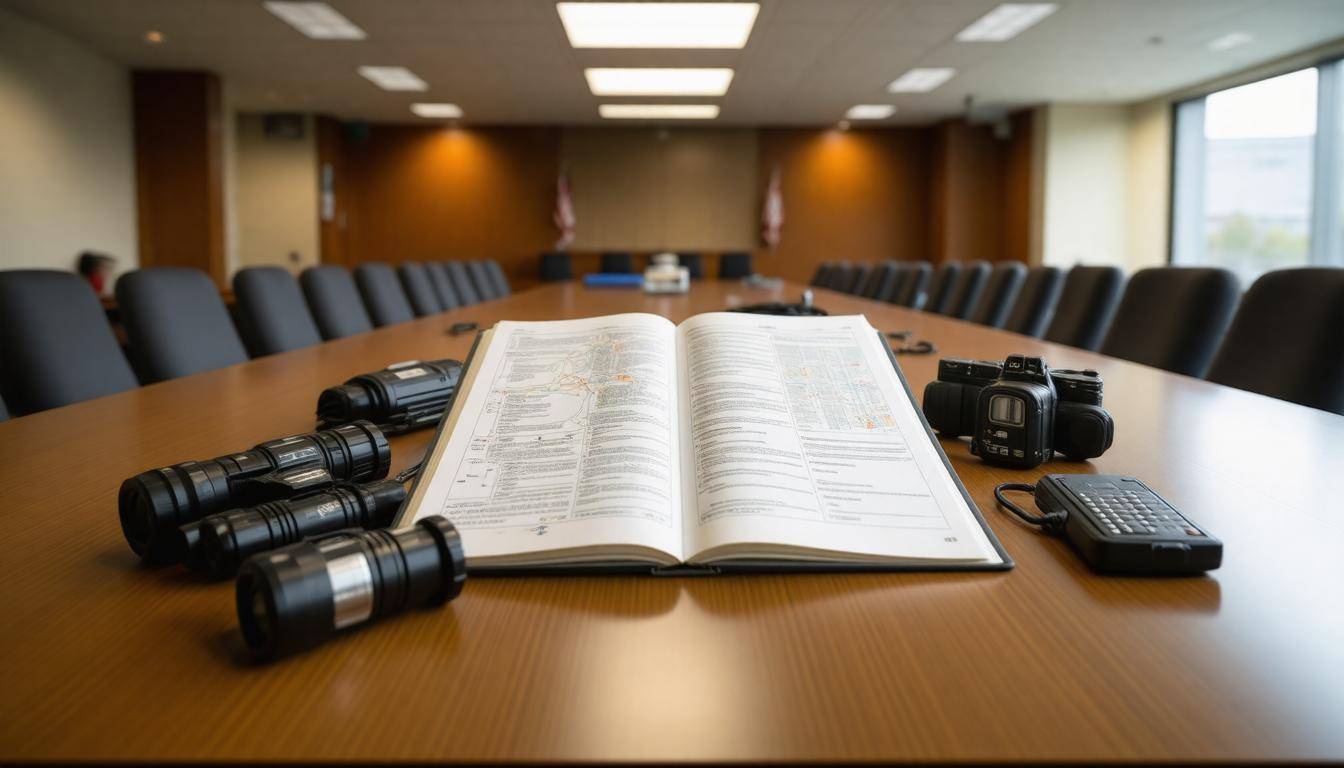
Emergency Response Protocols
Government buildings, serving as hubs for civic activity, must prioritize safety by implementing robust emergency response protocols. These are practical guidelines designed to protect lives and property during crises. Understanding how to react during emergencies can mean the difference between chaos and control, calmness and confusion.
The key lies in developing specific procedures tailored to distinct scenarios, which we will explore further.
Active Shooter Protocols
When it comes to active shooter incidents, clarity and immediacy in action are paramount. It’s essential to equip staff with comprehensive steps for such terrifying situations. Start with establishing clear lockdown procedures, detailing how to secure the building swiftly. This could involve noisemaking devices (like alarms) that signal an immediate shelter-in-place action. By designating safe zones and communication channels before a crisis arises, you prepare your personnel and instill a sense of confidence amidst uncertainty.
Natural Disaster Response
Natural disasters present another set of challenges requiring a prepared mindset. Crafting a thoughtful response plan for events like earthquakes, floods, or hurricanes involves outlining specific actions that staff should take, including evacuation routes and instructions on sheltering in place. Each scenario requires different preparations; thus, understanding local geography and the structural integrity of the building plays a significant role in crafting effective responses. For instance, knowing where to find sturdy furniture during an earthquake can save lives, while understanding flood patterns is crucial for determining the best evacuation route.
Bomb Threats Response
The thought of a bomb threat sends shivers down anyone’s spine—hence why it’s critical to have standardized procedures for identifying, reporting, and evacuating staff effectively. Training employees on what constitutes a credible threat—such as changes in routine behavior or suspicious packages—enhances awareness significantly. Regular drills simulate evacuation processes so everyone knows how to respond quickly without hesitation.
Effective emergency response protocols encompass more than just reacting; they prioritize prevention through education and preparation.
To underscore this point, research from FEMA reveals that organizations equipped with a comprehensive set of well-practiced protocols can reduce panic potential by 45%. This emphasizes the need for continuous training and reinforcement of these procedures as new personnel enter or conditions change.
While establishing robust protocols is vital for immediate reaction during emergencies, identifying and assessing potential risks ensures strategies remain effective over time. Next, we explore how evaluating threats lays the groundwork for effective management in any environment.
Risk Assessment and Management
At the heart of any government building security plan lies a robust risk assessment that informs every other aspect of emergency preparedness. Identifying risks is not merely a checklist; it involves understanding the unique vulnerabilities of your specific environment. Imagine walking through the hallways of a civic building, considering what could go wrong. This mental exercise leads us to pinpoint threats such as cybersecurity breaches, physical assaults, natural disasters like floods or earthquakes, and even utility failures that can disrupt operations.
Identifying Risks
To properly assess these threats, it is important to conduct a thorough examination of both internal and external hazards. Internal hazards might come from employee error or system failures, while external scenarios could involve natural disasters or acts of violence. It’s helpful to collaborate with local law enforcement and security experts who provide insights on prevalent threats. Their experience aids in painting a clearer picture of potential dangers.
A comprehensive threat assessment is essential for prioritizing security measures and response strategies.
Managing Risks
Once these risks are clearly identified, the next step involves classifying them based on their likelihood of occurring and the severity of their potential impact if they were to happen. Utilizing a risk matrix can be beneficial here, as it allows decision-makers to visualize which threats demand immediate attention. Such matrices help quantify threats systematically so resources can be allocated efficiently.
| Risk Type | Likelihood | Impact | Priority |
|---|---|---|---|
| Cyber Attacks | High | Severe | 1 |
| Natural Disaster | Medium | Moderate | 2 |
| Physical Assault | Low | High | 3 |
With this table as a guiding tool, prioritizing response strategies becomes clearer. For instance, knowing that cyber attacks pose a significant threat means organizations should invest in improved cybersecurity infrastructure without delay. Additionally, recognizing that utility failures—while moderately likely—can still disrupt services invites preemptive planning. Perhaps installing surge protectors and having backup generators can buffer against such interruptions.
As we navigate the complexities of assessing risks and determining response strategies, we must also focus on designing plans that ensure safety during emergencies.
Evacuation Procedures

Quick and orderly evacuation is paramount during emergencies to prevent casualties. Having a well-thought-out evacuation plan not only prepares occupants for an immediate exit but also instills confidence in their ability to respond in a crisis. This plan should encompass all aspects, from the physical routes and exits to regular practice sessions that ensure everyone knows what to do when the alarm sounds.
Routes and Exits
The first critical step is ensuring that your building has clear and well-lit evacuation routes. These routes need to be strategically located throughout the building, allowing occupants to navigate quickly toward safety without confusion.
To help with this, consider posting mapped layouts at accessible locations that guide people towards their nearest exits. These maps should display multiple escape routes since different scenarios might block the primary exit.
Regular inspections and maintenance are crucial to guarantee that all exits remain unobstructed and clearly visible. It’s not enough to just have marked routes; you must ensure they are free of obstacles and easily navigable, especially for individuals with disabilities. Ensure that evacuation signs are illuminated and legible, even in low-light conditions, which could occur during an emergency.
An important aspect of planning is incorporating feedback from occupants regarding the identified routes. For example, if certain pathways tend to accumulate clutter or if some exits are frequently overlooked, adjustments can be made accordingly. A well-informed community will react more effectively during a real situation, ultimately saving valuable time.
Drills
Conducting evacuation drills quarterly is vital in helping employees familiarize themselves with the procedure. Consistency in these drills ensures that everyone understands where the exits are and how to reach them without panic setting in. Regular training acts as a refresher, allowing people to internalize the steps they need to take when an alarm blares.
According to a building manager from Dallas, these regular drills successfully reduced evacuation times by 30%. Imagine how beneficial such improvements can be when every second counts! Engaging employees during these exercises also opens avenues for criticism and suggestions on enhancing safety protocols further.
After each drill, it’s essential to conduct a debriefing session. Invite participants to share their experiences—what went smoothly and where challenges arose. This dialogue can reveal potential gaps in the plan that can then be addressed before a real emergency occurs.
Transitioning from understanding these procedures leads us directly into the critical aspect of maintaining effective interactions during emergencies.
Communication Strategies
In the tumultuous environment of an emergency, effective communication can mean the difference between life and death. This is why establishing robust communication strategies is paramount for any government building’s security plan. A well-thought-out communication framework enhances response efficiency and instills confidence among occupants.
Implementing a mass notification system is one cornerstone of this strategy. It acts as a beacon of clarity during chaos, allowing real-time updates to be distributed with ease.
Think about it: in times of panic, people need clear instructions and updates. Whether it’s via a public address system that delivers alerts directly to everyone’s ears or through digital channels like email alerts and mobile app notifications, the key is ensuring that everyone knows where to go and what to do. These systems become lifelines during emergencies, providing critical information quickly and effectively.
Having multiple communication channels ensures that no one is left in the dark.
Merely having these systems in place isn’t enough; ongoing training for staff on how to use them effectively is equally essential. This prevents misinformation from spreading like wildfire—a dangerous scenario in an already tense atmosphere. Staff should regularly participate in drills that incorporate these communication tools, practicing their roles in emergency scenarios to ensure efficiency when the time comes to act.
To strengthen your communication strategy, consider conducting benchmarking levels against other organizations’ practices in crisis communication. This can provide valuable insights into what works best and highlight potential areas for improvement.
By incorporating these actionable insights into your emergency response plan, you will enhance safety and preparedness across all areas. Next, we will explore the various systems that manage entry points and regulate access within secure facilities.
Access Control Systems
Preventing unauthorized entry has never been more critical, especially as security threats become more sophisticated. Modern access control systems play a significant role in enhancing these security measures. Imagine walking through the entrance of a government building, confident that only authorized personnel can gain access. This sense of safety comes from advanced technologies now prevalent in access control systems—no longer just simple locks and keys.
Types of Systems
Various types of modern access control systems exist today. Among them, key card access is popular due to its convenience; users swipe or tap their cards to gain entry. This system minimizes physical contact and simplifies tracking who accesses specific areas.
Another high-tech option is biometric scanners, which use unique identifiers like fingerprints or facial recognition to grant access. While this offers heightened security, implementing biometrics can require a significant financial investment upfront. However, many organizations justify this expense since the added layer of protection outweighs the costs involved.
Nobody wants to compromise on safety, especially when personal data could be at risk. Investing in robust systems today sets the foundation for secure facilities tomorrow.
Managing Permissions
Once a system is in place, actively managing user permissions is equally important for maintaining security integrity.
Regularly updating access permissions becomes crucial to reflect staff changes within the organization. The last thing you want is former employees still having access to sensitive areas long after they have departed. One effective way to streamline this task is by utilizing a role-based access control (RBAC) system. With RBAC, you group users into roles based on their job functions, granting specified access levels accordingly.
** Using RBAC not only simplifies the management process but also enhances security clarity: If there’s a change in team structure or employment status, updating an entire role’s permissions can happen with one swift action rather than adjusting each individual’s settings separately.
By leveraging modern technology and strategic planning in managing these systems, we safeguard against unauthorized access effectively. Each layer we add—from key cards and biometrics to rigorous permission management—reinforces our commitment to security as we transition into a more complex landscape of threat management.
With robust access control firmly established, it’s essential now to explore methods that identify potential risks before they escalate.
Threat Detection Techniques
Advanced threat detection techniques play a pivotal role in safeguarding structures and ensuring public safety. One of the key tools at our disposal is the integration of surveillance technology, such as CCTV systems that utilize artificial intelligence (AI). This combination allows for real-time monitoring and detection of unusual activities, effectively enhancing security protocols. Imagine a scenario where every camera not only records but analyzes actions on-screen—this transformation leads to quicker responses to threats before they escalate.
AI can assist in identifying anomalies by learning what typical behavior looks like within a given space. For instance, if an individual walks into an area they should not be in during specified hours, the system can immediately flag this as suspicious behavior. This enhancement positions security personnel to act before minor issues become significant incidents.
Data from Security Magazine highlights that the integration of AI-based surveillance can reduce false alarm rates by 40%. This statistic emphasizes the importance of adopting advanced technologies to streamline operations while maintaining effective security protocols.
Another fascinating element tied to modern surveillance is facial recognition technology. While it offers substantial benefits by flagging unauthorized individuals, it’s essential to navigate the implementation of such systems with care regarding privacy standards. There’s a balancing act here; as effective as these tools are for maintaining security, ethical considerations surrounding data protection must also be prioritized.
Regular audits and assessments are advisable to ensure that these systems remain compliant with privacy laws and do not infringe upon civil liberties. It’s important for any organization or governmental body using such technology to remain transparent about how data is collected, stored, and utilized.
In addition to visual monitoring tools, coupling them with robust cybersecurity measures creates a comprehensive defense strategy against various threats. Understanding both physical and digital vulnerabilities in tandem provides organizations with a holistic view of their overall risk exposure—essential for navigating today’s complex security landscape.
Personnel Training and Preparedness
A well-trained staff is undeniably one of the most critical components of any government building security plan. When incidents unfold, it’s not just the systems in place that come into play—it’s the people on the ground who must act swiftly and intelligently. To cultivate this readiness, developing comprehensive training programs is vital. These programs should encompass a variety of topics, including emergency response protocols, threat recognition, and first aid skills. The goal is to embed these essential practices deep within the team’s routine, so when an actual crisis occurs, they are not just familiar with what needs to be done; they’re confident in their ability to act.
Training Programs
It’s important that the training isn’t merely theoretical but employs real-world scenarios to prepare staff for any eventuality. Engaging with experienced trainers who specialize in emergency preparedness can greatly enhance the quality of education provided to your team. For instance, a security officer from a Boston government building once shared how an advanced active shooter training session equipped him with the knowledge and skills necessary to effectively lead an evacuation during an actual incident. His firsthand experience highlights that investing time and resources in thorough training is invaluable for ensuring optimal reactions during emergencies.
While classroom learning lays the foundation, practical application through drills solidifies those learned skills.
Drills and Simulations
Conducting regular drills and simulations can further ensure preparedness within your teams. Following guidelines set by FEMA, these drills should encompass diverse scenarios, from natural disasters to active shooter situations. The repetition ingrains protocols into muscle memory; participants learn not only their roles but also how to communicate effectively under pressure. Moreover, buildings that conduct frequent drills have been shown to report faster emergency response times when faced with real crises. This increased efficiency can mean the difference between order and chaos during crucial moments.
Think about it: would you rather be the person fumbling around looking for a fire extinguisher while flames lick up the wall or the one who springs into action because you practiced that exact scenario just weeks earlier?
Ongoing education does not end after initial training; it requires continuous evaluation and improvement.
Establishing a feedback mechanism where personnel can report on their training effectiveness is crucial. This allows for real-time adjustments based on experiences from drills or even real-life incidents. Aim for a target response rate of at least 75% for feedback collection, ensuring that diverse perspectives guide enhancements to training programs. Regular assessments after each session, followed by updates to training material as needed, keeps all staff members sharp and ready for whatever challenges may arise in their commitment to safeguarding our civic structures.
Building upon this foundation of preparedness sets the stage for exploring deeper evaluations that ensure these plans remain relevant and effective against evolving threats.
Evaluating and Improving Plans
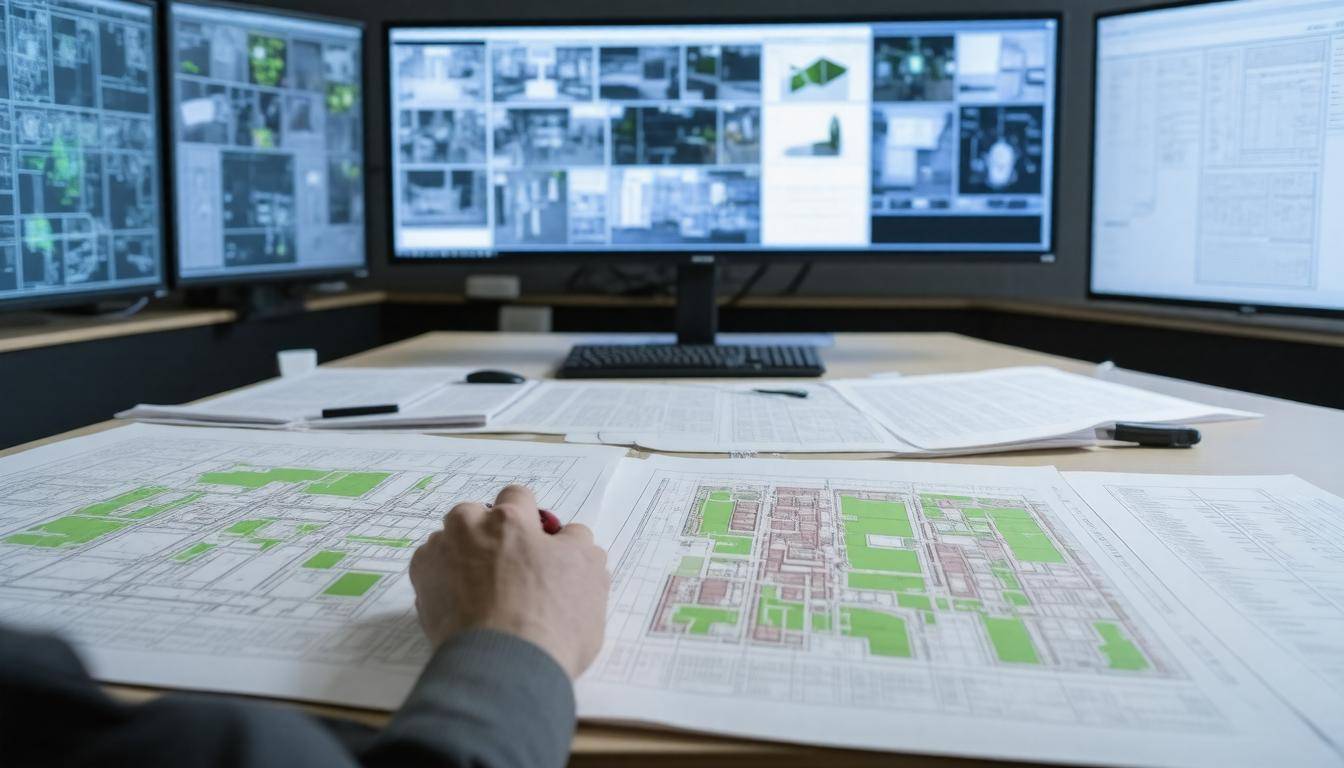
Security plans must be dynamic and adaptable. Regular evaluation is essential to ensure they are effective against a shifting landscape of potential dangers. It’s not just about having a plan in place; security measures need to evolve alongside new threats and challenges.
One way to achieve this is by conducting after-action reviews following drills and real incidents. These reviews provide valuable opportunities to identify weaknesses in current protocols, revealing areas that require improvement. When you analyze what went well and what didn’t work, you’re laying down the groundwork for a stronger safety framework.
Continuous Improvement
Utilizing insights from these reviews is vital for making necessary adjustments to your security plan. It’s akin to fine-tuning an engine for better performance: without regular maintenance, inefficiencies develop over time.
For example, during a review after an emergency drill, you may uncover that personnel were unclear on evacuation routes or communication procedures were inadequate. Addressing these issues through targeted training sessions can significantly enhance preparedness.
Moreover, implementing a feedback loop with stakeholders such as local emergency services, community organizations, and government employees ensures every concern is listened to and addressed properly. This collaborative approach fosters a sense of ownership over the plan, encouraging active participation in its ongoing evolution.
Imagine how much more resilient your organization would be if employees feel empowered to contribute their thoughts on safety practices.
According to recent statistics, 85% of successful emergency plans involve input from local emergency services and community stakeholders. Reflect on that—the majority of effective strategies are born out of collaboration rather than isolation. Keeping communication channels open allows for diverse perspectives that can lead to innovative solutions.
Finally, establishing a comprehensive Government Building Security Plan isn’t just about paperwork; it involves ongoing risk assessments, regular drills, and integrating advanced technology. All these elements combine to vastly improve safety and efficiency during emergencies, ultimately contributing to a culture of proactive readiness rather than reactive chaos.
To foster a safer environment, continuous evaluation and collaboration are key. The commitment to evolving plans ensures preparedness for any potential threat.