
Wildfires pose a serious threat, especially in grassland areas where dry conditions can ignite flames that spread rapidly. Whether you live near forests or open fields, being prepared is essential for your safety and the protection of your property. In this guide, we’ll share practical advice on building a Grassland Wildfire Defense Kit. It will include everything from personal protective gear to effective communication methods, empowering you to face wildfire risks head-on. After all, preparation is not just about having the right tools—it’s also about knowing what to do when the heat is on. Let’s dive into the basics of creating your own kit that could make all the difference in an emergency.
The Grassland Wildfire Defense Kit includes essential protective gear and equipment such as fire-resistant clothing, hoses, firebreak tools, and communication devices designed for effective wildfire defense. This guide offers detailed instructions on how to utilize each component to enhance safety and ensure preparedness during a wildfire event.

The Ultimate Grassland Wildfire Defense Kit
At the heart of every effective wildfire defense kit lies essential gear that provides immediate protection and aid during an emergency. Crucial items like N95 masks are designed specifically to filter out harmful smoke particles, ensuring you breathe clean air when flames threaten nearby.
Pair these with fire-resistant gloves that allow you to safely handle hot materials or tools without risking burns; after all, safety is paramount when you’re dealing with unpredictable conditions.
Don’t forget sturdy boots as well—they should provide grip on uneven ground, helping you navigate safely during a chaotic situation.
But while personal protective gear is vital, it’s just one part of a broader strategy for keeping your property secure; an emergency water supply is equally fundamental.
Emergency Water Supply
Having a reliable water source at your disposal can be lifesaving. Consider including multiple 5-gallon containers full of water—these can help douse small fires potentially before they spread, or wet down your property to create a defensible space around your home.
In addition to containers, investing in a portable water pump will significantly enhance your firefighting capabilities; it allows you to draw from large water sources like ponds or swimming pools. Imagine being able to quickly access ample water when seconds count, instead of wasting crucial time searching for something that isn’t readily available.
Another critical component that cannot be overlooked is maintaining reliable communication—especially during a wildfire scenario.
Communication Devices
Connectivity may be less certain during emergencies due to power outages, so ensure you have sturdy handheld radios with spare batteries in your kit. These devices allow you to receive real-time information about the fire’s progression and communicate with first responders or neighbors.
Imagine trying to reach family members amid panic; having handheld radios ensures that you’re not solely reliant on conventional telephone lines, which can often fail under stress. By keeping communication open, you safeguard not only yourself but also those around you.
Finally, it’s crucial to have a comprehensive checklist of everything you’ll need in one place.
Checklist
- N95 masks: Protects against smoke inhalation.
- Fire-resistant gloves: Allows safe handling of hot materials.
- Sturdy boots: Provides traction on uneven terrain.
- Multiple 5-gallon water containers or a portable water pump: Essential for putting out small fires and protecting property.
- Handheld radios with spare batteries: Ensures reliable communication in case of emergencies.
With these fundamentals in place, you’re not just prepared—you’re empowered.
As we transition from discussing essential wildfire defense kits, let’s explore the key safety items that further enhance your readiness for emergencies.
Critical Safety Gear
Flame-Resistant Clothing is the foundation of any safe wildfire defense kit. The fabric used in Nomex suits and other flame-resistant materials is specially engineered to withstand high temperatures without melting or igniting. Unlike synthetic fibers that can stick to your skin and exacerbate burns, flame-resistant clothing provides the necessary shielding to keep you safe while working in hazardous environments. It’s essential to select clothing that fits comfortably while also allowing for movement—this way, you won’t be hindered as you navigate potentially dangerous conditions.
However, protecting your body isn’t enough; safeguarding your lungs from harmful smoke and particulates is equally vital.
Respiratory Protection such as powered air-purifying respirators (PAPRs) can be a game-changer when you’re facing a wildfire situation. Unlike traditional masks that may cover only the mouth and nose, PAPRs provide superior filtration systems that actively pull air through high-efficiency filters. This means not only are you shielded from smoke, ash, and toxic fumes, but you’re also less likely to feel fatigued over time. The comfort level of these devices makes them more viable for extended use, ensuring that your breathing remains unobstructed and clear even amidst chaos.
And let’s not overlook how crucial your overall protective wardrobe can be during wildfires.
Alongside flame-resistant clothing and respiratory equipment, Personal Protective Equipment (PPE) is indispensable. Helmets with face shields serve as a frontline defense against burns from flying embers and falling debris. When searching for the right helmet, prioritize those that meet NFPA standards—this ensures they have undergone rigorous testing for functionality and safety. In incidents like wildfires where visibility can be poor, helmets equipped with adjustable visors or integrated communication devices become an invaluable asset. A reliable helmet not only protects your head but also enhances situational awareness by keeping you connected with your team.
These elements collectively enhance your ability to manage risks effectively during wildfires.
Remember, investing in quality safety gear isn’t just about compliance; it’s about ensuring your survival in precarious situations. Each piece serves a purpose and collectively enhances your ability to respond effectively to wildfire threats. Whether you’re a firefighter or a homeowner wanting to protect your family and property, understanding the importance of each piece of equipment will empower you to make informed choices.
As we transition into the next important topic, it’s essential to explore materials designed specifically for fire resistance that can further bolster your defenses against wildfires.
Fire-Resistant Materials to Use
When it comes to wildfire defense, selecting appropriate materials for both construction and landscaping can make a significant difference. Using non-combustible materials—like concrete, brick, or fire-rated plasterboard—not only enhances your home’s fire resistance but also improves its overall structural integrity. These materials are far less likely to catch fire compared to traditional options like wood or vinyl, which can go up in flames quickly under heat exposure.
It’s about more than just building; it extends into your outdoor spaces as well.
Landscaping
Your landscaping choices play a vital role in creating defensible space around your home. For instance, instead of using flammable mulch, consider using gravel or decorative stones for your garden beds. These materials not only look attractive but also help to reduce fire risk significantly.
Additionally, integrating fire-resistant plants—such as lavender or sage—can enhance the aesthetic appeal of your garden while acting as natural fire barriers. This thoughtful combination allows you to beautify your yard without compromising safety.
While landscaping protects from below, let’s move upward towards the roof.
Roofing Solutions
The roof is another critical component in your home’s fire defense strategy. Choosing roofing materials that have a Class A fire rating, such as metal or tile, provides the highest level of fire resistance available. Studies reveal that homes equipped with these types of roofs boast a survival rate that is twice as high compared to those topped with asphalt shingles.
By investing in durable, fire-resistant roofing solutions, you’re not just enhancing protection; you’re making a long-term investment that can save lives and property.
And remember, maintaining these elements is just as crucial as their initial selection.
Regular checks and maintenance of these fire-resistant materials ensure they perform at their best when needed most. With informed choices in building materials, landscaping strategies, and roofing solutions, you’re setting up strong defenses against the threat of wildfires.
As we explore the next aspect of wildfire defense, it’s essential to equip yourself with the right extinguishing tools that could make all the difference during an emergency.
Effective Fire Extinguishers and Tools
In any wildfire defense kit, having effective fire extinguishers on hand is crucial. Multi-purpose fire extinguishers, with Classes A, B, and C capabilities, can handle a variety of fire types making them a smart choice for general use.
Class A extinguishers address ordinary combustibles like wood and paper, while Class B can extinguish flammable liquids like gasoline. Class C is suitable for electrical fires, which can be common in areas where wildfires threaten structures. It’s worth noting that specialized extinguishers also exist for specific scenarios—Class K for kitchen fires involving oils and fats. When preparing your kit, consider the unique challenges posed by your environment and select accordingly.
However, it’s not just about having the right extinguisher; it’s essential to complement this with effective fire suppression tools. One such tool is a fire blanket; these handy items can smother small fires quickly, often before they escalate into something more serious. For larger blazes, having a fire hose equipped with adjustable nozzles allows you to control water flow and pressure effectively—this versatility means you have the ability to adapt to various situations as they arise.
But having these tools isn’t enough if they are stored in hard-to-reach places or unseen corners of your home.
Storing Tools
How you store these vital tools is just as important as having them at all. Some individuals may advocate for outdoor storage so that these tools are readily accessible during an emergency. After all, when every second counts, your tools should be easy to grab. Yet there are risks involved with outdoor storage—exposure to weather can diminish their effectiveness over time. Conversely, storing them indoors protects against weather but may create delays during an emergency if access requires navigating through crowded areas.
The best practice would be to strike a balance: find an accessible indoor location that’s safe from potential damage but still allows quick responses in emergencies. This could mean keeping equipment in a designated storage area near exits or within reach of commonly used pathways.
Taking the time to choose effective extinguishers and complementary fire suppression tools while considering optimal storage solutions ensures you’re adequately prepared. With thoughtful preparation, you can increase your chances of protecting both your home and your loved ones from the devastating effects of wildfires.
As we further explore wildfire management strategies, understanding how to establish barriers that prevent fire spread will be vital to ensuring safety and protection.
Creating Firebreaks and Barriers
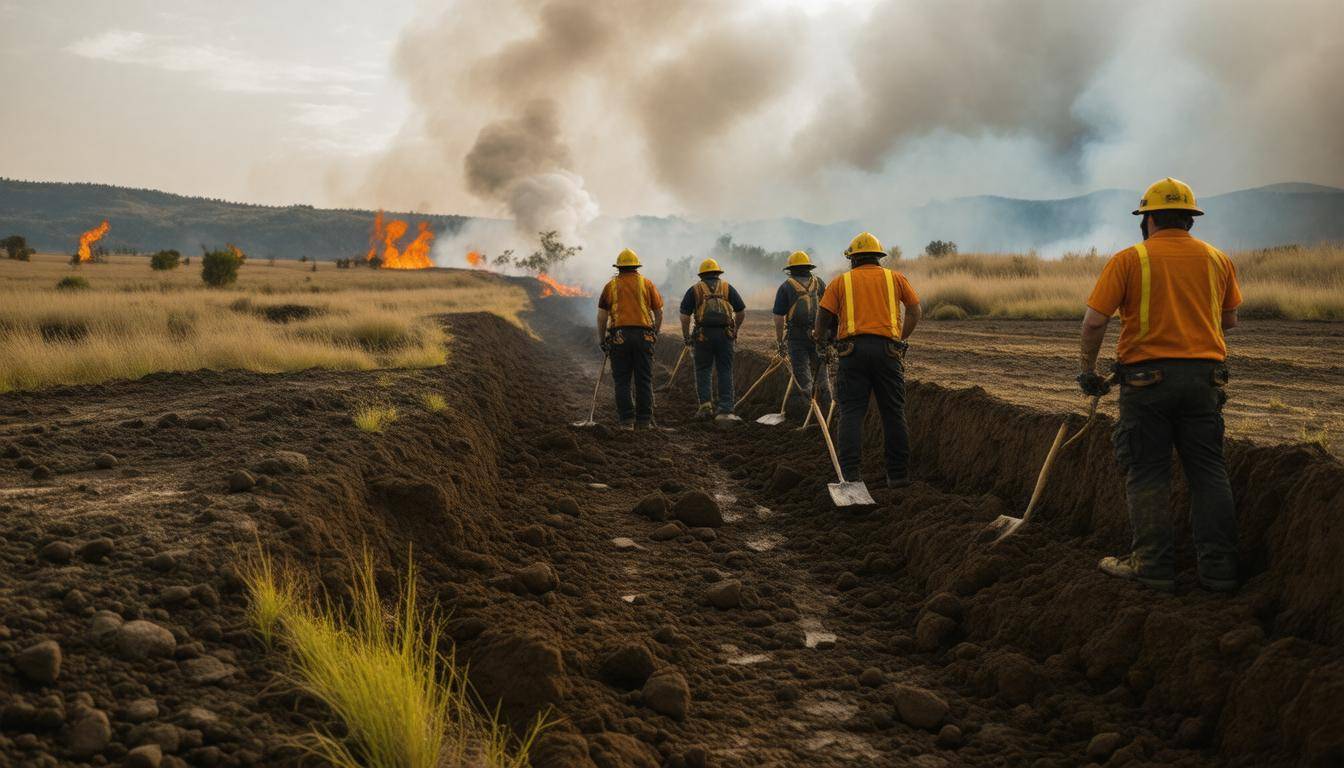
Firebreaks and barriers are essential components in wildfire defense. They serve as strategic zones for preventing or slowing the spread of flames, thereby protecting both property and lives. Think of them as the first line of defense, providing a buffer that can substantially reduce the likelihood of fire impacting your home or community. By strategically placing these breaks, we can significantly enhance fire safety in grassland areas.
Types of Firebreaks
When it comes to types of firebreaks, we can categorize them into two main categories: natural and artificial.
Natural firebreaks leverage existing geographical features. These could include rivers, canyons, or even rocky outcrops that fire cannot easily cross.
On the other hand, artificial firebreaks are deliberately created by clearing areas of flammable vegetation around homes or communities. This approach often includes using non-combustible materials like gravel, dirt, or concrete to form barriers. Such methods ensure that flames have a much harder time spreading from one area to another.
Now that we understand the types of firebreaks, let’s look at how to implement them effectively.
Implementing Firebreaks
The process of creating effective firebreaks can seem daunting, but with a clear plan, it becomes manageable. Here is a simple step-by-step guide you can follow:
-
Identify Areas: Start by determining where the most vulnerable parts of your property lie; look for places where a wildfire could easily reach.
-
Clear Flammables: Once you’ve identified those zones, clear away all flammable vegetation and debris within a recommended width of at least 30 feet.
-
Remove Dead Growth: Pay special attention to dead trees and branches within this 30-foot radius; they are akin to kindling waiting for a spark.
-
Regular Maintenance: A crucial step often overlooked is maintaining this zone regularly. This means continuously removing new growth to keep the area defensible against encroaching fires.
Properly maintained firebreaks not only protect properties but also enhance community resilience against wildfires.
An essential consideration is soil moisture content—a key factor in ensuring preventive measures remain effective during dry seasons. Aim for soil moisture levels to be above 15% when creating barriers to minimize dust and maintain stability.
Incorporating these strategies will help fortify your surroundings against unpredictable wildfires while promoting safety for you and your neighbors alike.
As we transition from fortifying our defenses to crafting a cohesive strategy for emergencies, it’s vital to connect every piece in order to strengthen overall preparedness.
Developing an Emergency Response Plan

An emergency response plan isn’t just paperwork; it’s your lifeline in times of crisis. It guides you through chaotic moments where every second counts. Imagine the panic when smoke fills the air, but with a well-prepared plan, you and your loved ones can act swiftly and decisively.
Action Steps
When developing your emergency response plan, remember that clarity is key. As outlined, your plan should consist of essential components.
Begin by clearly defining evacuation routes and convenient meeting points; these should be known to every member of the family. Imagine flames encroaching—having a mapped route out of danger and a familiar place to regroup can mean the difference between chaos and calm.
Additionally, compiling a list of emergency contact numbers ensures that you can quickly reach loved ones or assistance when needed. A responsible adult should take charge of transporting essential documents and valuables—delivering peace of mind amid urgency. This step prevents the frantic search for vital items which could lead to valuable time lost or unnecessary panic.
Furthermore, assembling an emergency kit filled with food, water, medication, and first aid supplies is paramount. Keep this kit accessible in case you need to evacuate quickly. That means not just packing items but also ensuring they fit your family’s specific needs. For example, if someone relies on medication, ensure a sufficient supply is included.
Having all these steps documented is only half the battle; executing them through regular practice reinforces their importance.
Drills
Regular drills are invaluable; they familiarize everyone with their responsibilities during an actual wildfire scenario. “Our family’s fire drill saved us during an unexpected wildfire last year,” shares Janet, a resident of California. Her experience highlights how familiarity breeds confidence and quick action in emergencies.
Conducting these drills keeps your family responsive rather than reactive when facing a real threat. They will understand what to do and where to go—even if they initially doubt their ability to remember the plan under pressure.
Consider how effective preparation can shape your responses during critical events. Transitioning into practical firefighting methods will further enhance your readiness and effectiveness in emergency situations.
Natural Firefighting Techniques
Some of the most overlooked yet powerful tools in wildfire defense are natural techniques tailored to fit the unique characteristics of your local environment. These methods align with ecological principles while harnessing nature’s own mechanisms to prevent and manage wildfires. By understanding your surroundings, you can effectively turn nature’s strengths into allies against fire.
Controlled Burns
One of the most effective practices rooted in indigenous knowledge is the method of controlled burns. This technique involves intentionally setting small fires under controlled conditions to eliminate excess vegetation that acts as fuel during a wildfire. When executed properly, these small, manageable fires reduce overall fuel load, cutting down on the intensity and spread of larger wildfires that could devastate entire landscapes.
Studies have indicated that controlled burns can reduce wildfire intensity by up to 75%, showcasing their vital role in fire management strategies.
It might feel counterintuitive to set fire to prevent fire, but when conducted by trained personnel, controlled burns can be an incredibly effective tool for managing the landscape’s health.
Controlled burning can also promote healthy growth in indigenous plant species while protecting soil quality. Understanding the right timing—such as seasonal weather patterns—is crucial when implementing this technique. Fire should never be viewed simply as a destructive force; approached wisely, it can act as a rejuvenating agent.
Creating Natural Barriers
Another invaluable strategy is creating natural barriers using local flora. This method focuses on utilizing fire-resistant plants or specific tree species that slow down or impede the spread of fire. For instance, certain types of shrubs or trees have evolved to withstand heat and flames, creating a green buffer zone designed to protect more vulnerable vegetation and structures nearby.
However, maintaining these barriers requires regular upkeep and diligent monitoring. The effectiveness of natural barriers is greatly influenced by environmental factors such as humidity, wind direction, and soil composition. Additionally, having local knowledge about what plants best suit your area increases your chances for success. Regularly trimming these plants helps them remain healthy while ensuring they continue to provide effective defense against encroaching fires.
Picture this: You cultivate an area around your home filled with lush plants known for their fire resistance. This resilient green line could mean the difference between safety and loss when faced with threatening flames.
There’s something deeply rewarding about working with nature—not only do you contribute to a healthier ecosystem, but you also enhance community resilience against wildfires. Knowledge of your surroundings serves as both an advantage and a responsibility; as stewards of our land, embracing these natural methods empowers us to take charge of fire prevention actively.
Shifting our focus now will shed light on essential practices that enhance preparedness and awareness regarding unexpected shifts in fire hazards.
Staying Updated on Wildfire Risks
Understanding and managing wildfire risks begins with staying informed. The right information not only allows for better preparedness but can make the difference between a safe evacuation and a stressful escape. Regular updates about fire conditions help you gauge your situation, allowing you to act before events escalate beyond control.
Monitoring Tools
One of the most accessible ways to stay in the loop is by utilizing mobile apps designed for wildfire monitoring. Applications like Firesafe and Wildfire Alert deliver timely updates based on satellite imagery and local weather data. These tools can be lifesavers, especially during peak fire seasons.
It’s as simple as downloading the app and enabling notifications to keep real-time risk levels at your fingertips. By knowing what’s happening in your area—whether it’s a fire that has started nearby or increasing wind speeds that might spread existing fires—you empower yourself to take necessary precautions early.
Community Alerts
Joining community alert systems can further enhance your awareness and response strategies. These systems provide crucial notifications about potential firefighting efforts, emergency evacuations, or local fire bans. More than just alerts, they foster a supportive network among neighbors watching each other’s backs—invaluable when wildfires threaten neighborhoods.
For example, Lisa recounted how her community’s alert system gave her family the critical time they needed to evacuate safely when a nearby fire encroached. Her story underscores the importance of maintaining connections through these networks; by sharing experiences, residents become more equipped to face similar challenges together.
In addition to technology and community networks, fostering an understanding of local conditions can prove equally beneficial in managing wildfire risks effectively.
In conclusion, staying updated on wildfire risks through technology and community engagement is essential for effective preparedness. Your proactive measures today can make all the difference in ensuring safety during wildfire emergencies.