
”
When winter arrives in Greater Sudbury, it’s like nature has flipped a switch, turning the beautiful landscape into a snowy wonderland. But with all that beauty comes a set of challenges that residents must prepare for. From sub-zero temperatures and heavy snowfalls to icy conditions, knowing how to navigate these changes is crucial for safety and comfort. As someone who has experienced the harsh winters here firsthand, I know how important it is to be prepared—there’s nothing fun about getting caught outside without the right gear! In this article, we’ll dive into essential tips and items for your Winter Survival Kit, ensuring you’re ready to embrace the cold while keeping warm and safe.
“
A comprehensive Winter Survival Kit for Greater Sudbury, Ontario should include essential items such as warm clothing (hats, gloves, thermal layers), non-perishable food items, water, a flashlight with extra batteries, a multi-tool, blankets, and a first aid kit. Additionally, consider including local maps and emergency contact numbers to ensure safety during harsh winter conditions.
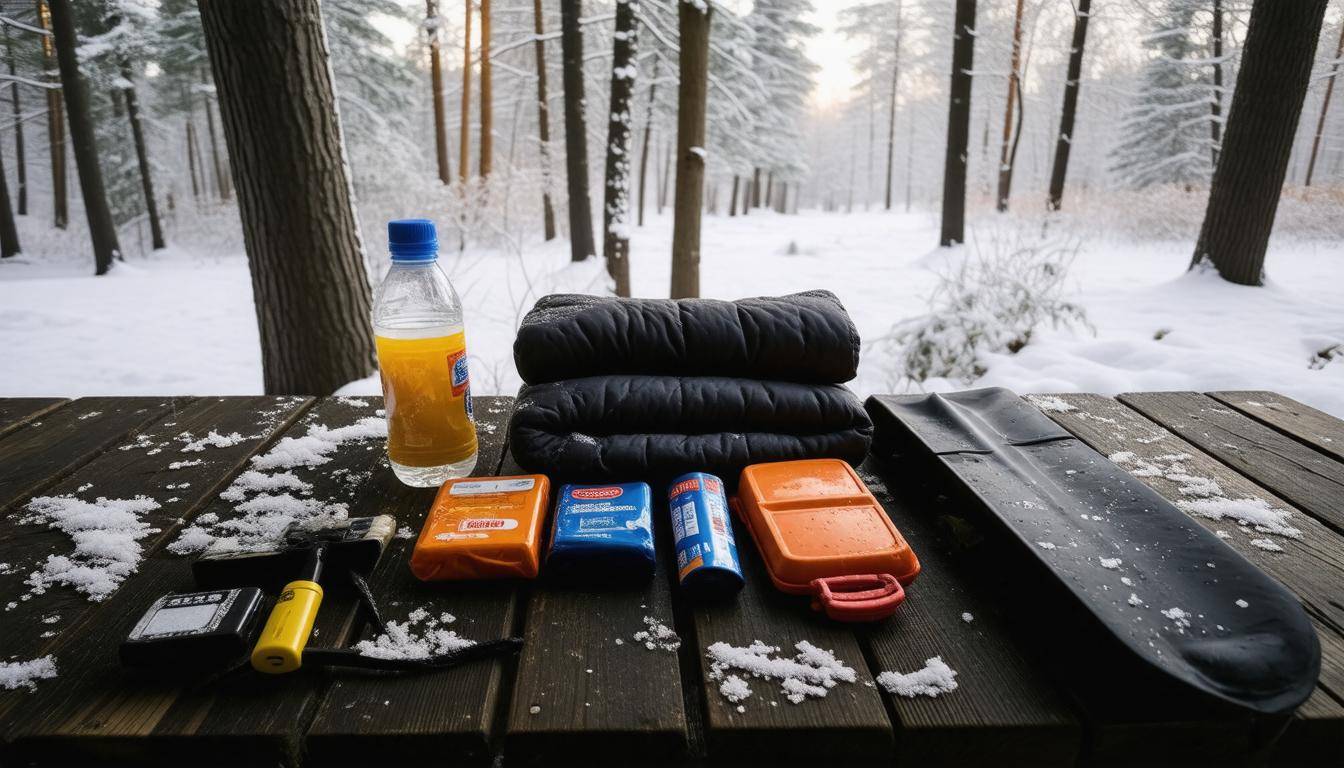
Greater Sudbury’s Harsh Winters
To truly appreciate what living in Greater Sudbury during winter means, one must first grasp the sheer intensity of its cold. The temperature can plummet significantly, creating a biting chill that seeps through layers of clothing. On average, January temperatures hover between -15°C and -25°C, turning the landscape into a frigid tableau.
It’s not just the temperature alone; wind chill can make it feel even colder, sometimes driving the sensation down to -30°C or lower. This reality necessitates more than just a warm jacket—proper gear is essential for braving the outdoors.
Snowfall elevates the challenge as well. With an annual average of around 350 cm, this isn’t just a sprinkle of snow; it’s a powdery white blanket that accumulates quickly. Each snowstorm can rearrange the city’s landscape overnight, transforming paths into snowy mazes. With such substantial snowfall, one can expect to be shoveling driveways regularly or navigating around huge snowbanks on their daily commute.
For residents, the accumulation isn’t merely aesthetic—it’s functional and necessary to address. Clearing pathways becomes a routine that ensures safety against slips and falls while navigating daily life.
As you prepare for these severe conditions, understanding how they affect your environment and activities is crucial. Those frigid temperatures mean that home heating systems work overtime, which should prompt regular maintenance checks to avoid breakdowns during peak cold periods. A well-functioning furnace or heating system isn’t just a convenience; it becomes a lifeline amid bitterly cold nights.
This season’s challenges present not only obstacles but also opportunities for creativity and fun with the right preparation and tools at hand. Let’s explore what essential items you’ll need to thrive in these winter conditions.
Essential Winter Survival Kit
When you think about winter survival, it’s easy to imagine blizzards and freezing temperatures. Your survival kit should account for a range of situations. This is more than a simple collection of items; it’s a thoughtful assembly meant to ensure you can navigate unpredictable conditions safely and effectively.
Items to Include
-
Non-perishable food: Stock up on high-energy snacks like granola bars, dried fruits, and nuts. These foods don’t require cooking and provide quick energy when you’re in urgent need.
-
Portable water filter: In case of water supply issues, a portable filter will allow you to access clean drinking water from natural sources, keeping you hydrated even in emergencies.
-
Thermal blankets: Carry wool or space blankets that retain body heat without adding extra weight. These can be lifesavers if you find yourself stranded outdoors.
-
First aid kit: Minor injuries can become major problems in the cold, so having a first aid kit stocked with essentials can ensure you’re prepared to handle scrapes, cuts, or blisters.
-
Multi-tool: Versatility is key during emergencies. A multi-tool can serve countless functions—from opening cans to making adjustments—saving vital time and effort.
-
Flashlights and batteries: Power outages are common during winter storms, so include flashlights with extra batteries so you can see where you’re going when the lights go out.
-
Hand warmers: Instant heat sources are essential during freezing spells; hand warmers can fit easily into pockets or gloves, providing immediate relief from the cold.
-
Portable phone charger: Keeping communication lines open is crucial in all emergencies; hence a portable charger ensures that your phone stays powered when you need it most.
-
Emergency whistle: In case of getting lost or needing assistance, an emergency whistle can be an effective signaling device without draining your voice.
Assembling this kit doesn’t have to break the bank; many items can be found at low cost or even around your home. Personalizing your kit based on specific circumstances will enhance its effectiveness.
Remember factors such as the size of your family, the type of shelter you have, and how often you’re outdoors should influence what goes in your kit. Preparation equips you with confidence to face winter’s challenges head-on with resilience and strength.
Understanding how to prepare for harsh conditions sets the stage for exploring appropriate clothing and equipment designed for warmth and protection.
Warm Clothing and Gear
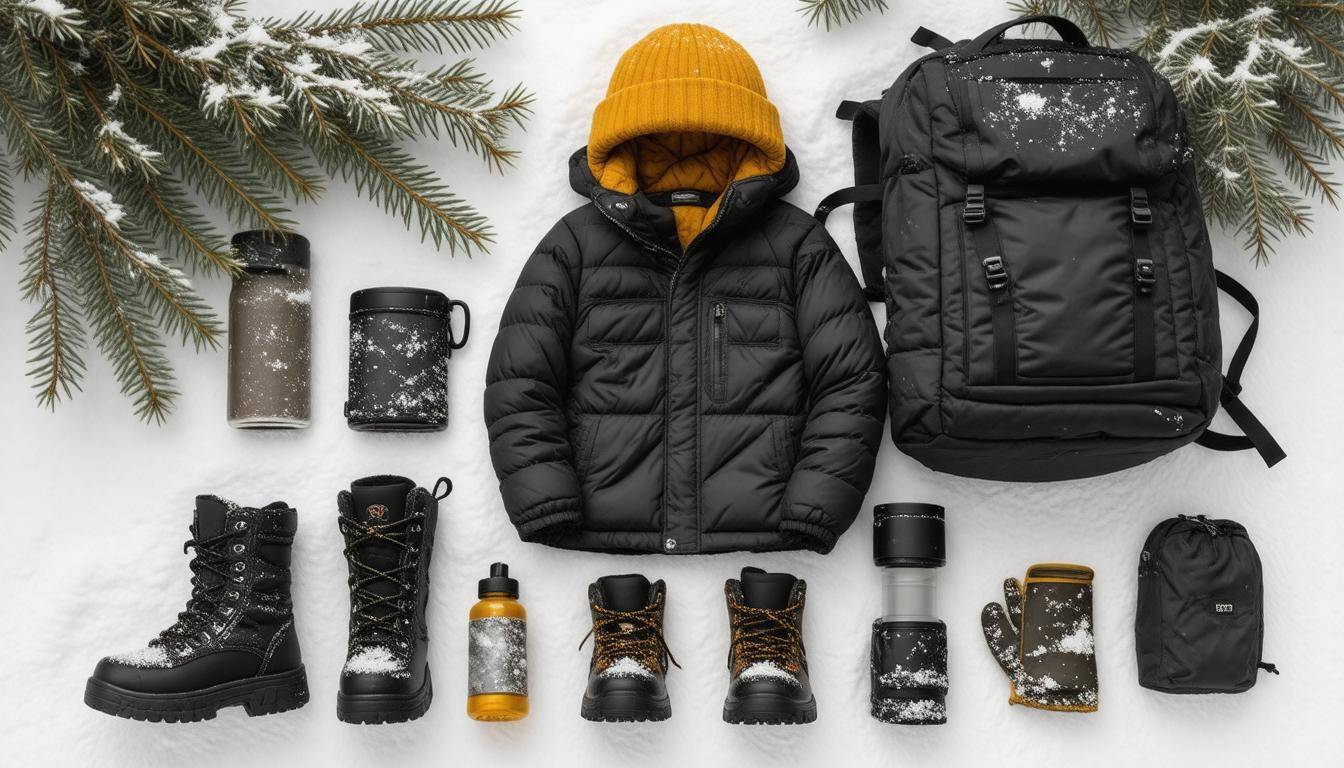
The right clothing not only provides warmth but also allows you to enjoy outdoor adventures despite the harsh winter elements. A well-planned layering system is crucial for maintaining comfort and protection against Sudbury’s frigid winds and substantial snowfall. Choosing the right materials for each layer makes all the difference.
Layering System
To begin, embrace a three-layer system that optimally regulates your body temperature. Start with a moisture-wicking base layer made of synthetic fibers like polyester or merino wool, which effectively pulls sweat away from your skin. This keeps you dry and prevents chilling when you’re active outdoors.
Next, add an insulating middle layer, such as fleece or down, which traps warmth yet remains breathable – this is critical for maintaining your core temperature. Lastly, an outer layer should be waterproof and windproof; materials designed for these conditions are essential to ensuring you stay dry in snowy or rainy conditions. Brands like Patagonia and The North Face offer a range of reliable pieces designed specifically for these challenges.
With the foundational layers covered, you must ensure your extremities are equally protected. Insulated gloves are non-negotiable; they prevent heat loss through your hands while allowing flexibility for activities like building snowmen or skiing. Similarly, don’t skimp on thermal socks; thicker woolen options can keep your feet warm and cozy throughout long hours outside. A good quality hat can trap significant body heat as well since it’s estimated that 30% of heat loss occurs through the head.
It’s important to remember that winter preparedness isn’t just about staying warm—it also includes protecting yourself against moisture.
Make sure to choose waterproof boots with good traction. After all, slipping on icy surfaces can lead to more than just a minor inconvenience; it can cause significant injuries that might keep you inside when you should be enjoying winter activities. Look for boots lined with insulating material as well as those designed with grips that can handle slippery sidewalks and pathways securely.
Taking these considerations into account will not only ensure warmth but also promote confidence in venturing outdoors during the cold months ahead.
As you prepare to embrace the winter wonderland, it’s equally vital to focus on practical measures that safeguard your safety and enjoyment in outdoor settings.
Staying Safe Outdoors

Winter in Sudbury offers breathtaking vistas and exhilarating activities, but it’s crucial to approach these outdoor adventures intelligently and with caution. Each step you take into that winter wonderland should be preceded by a mindful assessment of your surroundings, as well as proper planning and strategies. To really make the most out of snowshoeing or ice fishing without falling prey to the season’s harsh conditions, consider these vital safety precautions.
The first and most important step is to check weather forecasts before heading out. Sudbury’s winter weather can change rapidly; snowfalls may be beautiful, yet they can also create dangerous conditions. Use reliable sources like local news stations or weather apps to stay updated on potentially severe changes in weather. A sunny morning could swiftly turn into a blizzard, and knowing this in advance can make all the difference.
Once you have a handle on the weather, the next step involves communication. Please ensure that you inform someone of your plans—a friend or family member. Letting someone know where you’ll be and when you expect to return creates a safety net should something go awry. It wouldn’t hurt to carry a basic communication device, like a fully charged phone or walkie-talkie, especially if you’re venturing deep into unfamiliar terrain.
When planning attire for your excursion, remember that visibility can’t be overemphasized. Make sure to stay visible by choosing brightly colored or reflective clothing; this is especially crucial in low-light situations or heavy snowfall when visibility decreases dramatically. You want others—and yourself—to be able to spot you easily in case of an emergency.
Equally essential is ensuring that your gear is suitable for the rigors of winter. Always use proper gear—from insulated snowshoes made for varying terrains to ice fishing equipment built for extreme cold conditions. Anything less can lead to discomfort or even injury; having gear that is tested and complementary to what you’ll be doing is key for efficiency and safety.
As you embark on these exciting winter pastimes, an often-overlooked element is hydration and nutrition.
Cold weather tends to mask thirst, which can lead to dehydration faster than you might realize. That’s why it’s crucial to hydrate and fuel up adequately before and during your activities. Bring along hot drinks in insulated containers and snacks packed with energy—think protein bars or nuts—to keep your energy levels up while fighting off the chill. Remember that just because it’s not warm outside doesn’t mean your body doesn’t need nourishment!
By taking these simple yet effective precautions, not only do you minimize risks associated with winter activities, but also set yourself up for truly enjoyable experiences against stunning snowy backdrops. Each element—from staying informed about weather conditions to ensuring proper gear—is part of creating a safe adventure in Greater Sudbury’s winter wonderland.
With these safety measures in place, it’s time to explore specific essentials that can help in navigating the cooler months effectively.
Emergency Items for Winter
When winter descends upon Greater Sudbury, it’s essential to equip yourself with a well-thought-out survival kit that can help you navigate through unexpected challenges. You never know when an adventure might turn into an emergency, leaving you cold and in need of assistance. That’s where the right emergency items come into play—they are not just conveniences; they are lifelines in dire situations.
One of the first items to include is a firestarter kit. Nothing beats the warmth of a fire when the temperature drops drastically. Carrying waterproof matches or a reliable lighter ensures you’ll have a way to ignite a flame even in the wettest conditions. I once found myself stuck during a snowstorm, and had I not packed my firestarter kit, I could have faced freezing temperatures much longer than necessary.
Next on your list should undoubtedly be a pocketknife. It’s incredibly versatile and can serve multiple purposes, from preparing food to clearing debris. Imagine needing to cut rope to create makeshift shelter or needing to open packages—having this handy tool eases those tasks effortlessly. In my experience, I’ve often relied on my pocketknife more than I anticipated during those spontaneous winter excursions.
Visibility Essentials
Now let’s talk about visibility; you may be thinking that this isn’t something that comes to mind during winter survival planning, but a brightly-colored tarp is invaluable. Not only can it provide essential shelter against the elements, but its vibrant color also acts as a signal for searchers who may be trying to locate you. Picture yourself lost in a snow-laden forest: if you are in need of rescue, you’d want something that stands out against the white backdrop of snow. A tarp can make all the difference.
Furthermore, no winter survival kit would be complete without a personal locator beacon (PLB). This little device packs a powerful punch when it comes to signaling for help during extreme conditions. By activating it, you alert emergency responders directly about your location, giving you peace of mind and potentially speeding up rescue efforts significantly.
Understanding these essentials is crucial as they compose the foundation of your winter survival strategy. Each item doesn’t just add convenience; they offer significant safety measures tailored for addressing specific winter challenges.
Arming yourself with the right tools is only half the battle; knowing how to effectively prepare your means of travel is equally vital when facing harsh winter conditions. Let’s explore how you can ensure your vehicle is ready for whatever Mother Nature throws your way.
Preparing Your Vehicle
Ensuring your vehicle is equipped for winter isn’t just a luxury—it’s essential for your safety and peace of mind. A well-prepared vehicle significantly reduces the risk of breakdowns, which are particularly hazardous during severe weather. When temperatures drop, the last thing you want is to be stranded on a snow-covered road, so let’s break down how to ensure that your car is ready for whatever Mother Nature throws at you.
Vehicle Prep List
| Item | Details |
|---|---|
| Winter Tires | Installing winter tires can mean the difference between control and sliding on ice. They provide better traction and handling on snowy roads, reducing the likelihood of accidents. |
| Antifreeze | Check your coolant levels and ensure that your antifreeze concentration is suitable for freezing temperatures. This crucial step helps prevent engine damage and keeps fluids circulating smoothly in the cold. |
| Windshield Washer | Fill your reservoir with a windshield washer fluid designed to withstand low temperatures. Regular visibility is vital when driving in adverse conditions, so clear glass can be a true lifesaver. |
| Battery Check | Cold weather can sap battery strength, making an already tumultuous journey even riskier. Have your battery tested to confirm it’s holding a charge properly or consider replacing it if it’s older than three years. |
| Emergency Kit | Prepare a kit that includes standard emergency items—such as blankets and flares—but also a snow shovel, ice scraper, and basic tools for minor fixes. These additions can expedite help should an emergency arise. |
Once you’ve procured these essentials and made necessary upgrades, maintenance extends beyond equipment—it’s about staying informed and adapting to changing conditions.
Additional Considerations
Beyond just checking off items from the list above, it’s crucial to understand the nuances of winter driving. Regular maintenance of fluids like oil and brake fluid ensures optimal performance even under colder temperatures. Scheduled oil changes will help avoid thickening from low temperatures that could impair engine function.
Moreover, familiarize yourself with local driving regulations and conditions during the winter months as they can change rapidly. Download weather apps on your phone to stay updated on snow forecasts or road conditions; these tools may prove invaluable when planning trips.
Keeping your tank at least half full minimizes condensation in your fuel lines, which can cause starting issues.
As you prepare your vehicle and adjust to winter’s demands, it’s equally important to focus on staying healthy and safe amidst the chilly weather ahead!
Health Tips for Cold Weather
Cold temperatures can indeed impact our health if we’re not vigilant. Ensuring that you stay warm is crucial to avoiding serious conditions like hypothermia and frostbite. Not only should you dress in layers, but you also need to be mindful of your physical well-being. The number one rule is to listen to your body; it will often tell you when things aren’t quite right.
Health Precautions
To start with, it’s essential to eat warm, hearty meals to maintain your body heat. Think of nourishing soups or stews packed with vegetables and protein. They offer warmth from the inside out, providing the energy needed during those colder days. But here’s the twist: while these warming meals are vital, staying hydrated is just as important. Many underestimate how dry cold air can sneakily sap moisture from our bodies, leading to dehydration even when it doesn’t seem hot outside.
Remember, dehydration can sneak up on you during winter months — your body still requires water even if you’re less likely to feel thirsty.
What you’re wearing matters just as much as what you’re eating. Opt for moisture-wicking fabrics as inner layers that draw sweat away from your body, helping regulate your temperature. Outside this layer, wear insulative and waterproof materials to keep your core warm and block cold and moisture from penetrating and lowering your body temperature.
Taking care of what goes into our bodies and what we wear against the elements are essential components for cold weather survival, but don’t forget about movement.
Staying active is another key aspect of managing health during winter months. Movement generates warmth; therefore, even light exercises or simply walking around while layered appropriately can help keep your blood flowing and stave off the chill. If you find yourself indoors more often due to harsh weather, consider doing strength exercises or yoga routines – they can elevate your heart rate and ensure you’re not too sedentary.
And who doesn’t love a good excuse to put on their favorite fuzzy socks and do some jumping jacks in the living room?
Stay Ahead of Common Illnesses
Another important consideration is staying vigilant about common winter ailments like colds and flu. When temperatures drop outside, people tend to gather indoors, making viruses spread more easily. Make it a priority to wash your hands frequently and avoid touching your face, especially after being in crowded areas. Supplementing with vitamins C and D can also bolster your immune system during the colder months when sunlight exposure is limited.
With these proactive measures focused on diet, clothing, activity levels, and hygiene in mind, you’ll navigate winter’s challenges more effectively while preparing for what lies ahead.
Planning and Preparation
Planning is your best weapon against the unpredictability of Greater Sudbury’s winters. The harsh conditions can catch anyone off guard, but a little foresight can transform a daunting situation into one that feels manageable. To thrive during the winter months, begin by creating a comprehensive winter checklist. This list should include items such as warm clothing, essential gear, and food supplies; itemizing these necessities ensures nothing important slips your mind when the temperatures plunge.
After your checklist is made, focus shifts to the upkeep of your home and other essentials that contribute to your comfort and safety.
Steps to Prepare
Regular maintenance of your heating systems is crucial for staying warm. Schedule a professional inspection of your furnace or heating system before winter hits. Clean filters allow for better airflow, enhancing efficiency and prolonging the lifespan of your equipment. It’s like car maintenance—addressing minor issues now can prevent major headaches later on.
Don’t forget about your plumbing! Insulate pipes that are exposed, especially those near windows or in unheated spaces, to avoid costly bursts due to freezing temperatures.
Nobody wants to wake up in the middle of a snowstorm only to discover there’s no heat or running water.
Additionally, keep an updated list of emergency contacts easily accessible. This includes not just family and friends but local emergency services, utility companies, and even neighbors you can rely on for assistance. Having this information at hand builds a solid support system for unexpected moments when help is needed most.
With all these considerations in mind, don’t overlook the community itself as an invaluable resource.
Familiarize yourself with local community resources, such as warming centers and shelters. During extreme weather events, it’s comforting to know where you can go for warmth or supplies if needed. Understanding these resources in advance cultivates a sense of security and connects you with your community—after all, together we can face the icy challenges ahead more effectively than alone.
Regular planning isn’t just about surviving; it’s about thriving even when faced with adversity.
A well-prepared individual creates not only a safety net but also enjoys the peace of mind that comes from being ready for any challenge ahead. Embrace the winter with confidence by taking actionable steps today.
In the end, preparation coupled with community awareness and support will empower you to navigate through Sudbury’s winter months safely.
How often should I review and update the contents of my Winter Survival Kit?
You should review and update the contents of your Winter Survival Kit at least once a year, ideally before the onset of winter. This allows you to replace expired items, such as food and medication, and ensure that any gear is in good working condition. According to safety surveys, nearly 75% of winter emergencies are preventable with proper preparation, making regular updates crucial for effective survival planning. Regular reviews also allow you to adapt your kit based on changing needs or circumstances.
What are the most common winter emergencies that this survival kit should prepare for in Northern Ontario?
In Northern Ontario, the most common winter emergencies that a “Greater Sudbury Winter Survival Kit” should prepare for include frostbite due to extreme cold, hypothermia from prolonged exposure to icy conditions, and vehicle breakdowns in snowstorms. Statistics show that in 2021 alone, there were over 150 reported cases of frostbite treated in local hospitals during the peak winter months. Additionally, vehicle-related incidents due to snowy or icy roads increase significantly; on average, Ontario sees a 30% rise in accidents during winter storms. Therefore, having essential items like warm clothing, blankets, food supplies, and emergency signaling devices is crucial for survival during these situations.
Are there any local regulations or recommendations for winter preparedness in Greater Sudbury?
In Greater Sudbury, local regulations recommend that residents prepare for winter by ensuring their vehicles are equipped with winter tires, emergency kits, and sufficient fuel. Additionally, familiarity with local bylaws regarding snow removal from sidewalks and driveways is essential to avoid fines, as failing to clear snow within a specified time frame can result in penalties. Statistics indicate that proper winter preparedness can significantly reduce accidents; for example, regions with high vehicle collision rates during winter often emphasize the importance of reliable tire traction and emergency supplies.
How can I customize my Winter Survival Kit based on specific activities (like skiing or hiking) in Greater Sudbury?
To customize your Winter Survival Kit for specific activities like skiing or hiking in Greater Sudbury, consider the unique requirements each activity entails; for skiing, pack items such as ski goggles, a helmet, and thermal socks to ensure warmth and safety on the slopes. In contrast, for hiking, prioritize lightweight gear like collapsible poles and insulated water bottles to keep you hydrated without adding bulk. Statistics show that over 30% of outdoor injuries in winter are due to inadequate preparation—tailoring your kit to your activities can significantly reduce risk and enhance enjoyment during Greater Sudbury’s colder months.
What strategies can families implement to ensure children are safe during harsh winter weather conditions?
Families can implement several strategies to ensure children’s safety during harsh winter weather, such as dressing them in layers to maintain body heat, ensuring they wear appropriate footwear and accessories like hats and gloves, and establishing clear communication about boundaries when playing outside. It’s essential to monitor the weather reports for frostbite warnings, which can occur in temperatures below 32°F (0°C) combined with wind chill. Statistics show that hypothermia cases often increase in regions with heavy snowfall, so having a winter survival plan and understanding the signs of cold-related illnesses can significantly reduce risks for children.