
The stark reality of climate change is knocking at our door, and one of its most alarming signs is the rapid melting of Greenland’s ice sheets. This isn’t just a distant problem; it affects communities around the world and demands immediate attention from all of us. As we watch the impacts unfold—from rising sea levels threatening coastal cities to changes affecting wildlife and weather patterns—it’s clear that we must adapt. In this article, we’ll explore the Greenland Ice Emergency Preparedness Plan, designed to respond to these challenges, especially in light of increased oil drilling and environmental risks. By understanding the threats and implementing effective strategies, we can work together to safeguard both our planet and our future.
The Greenland Ice Emergency Preparedness Plan outlines strategies for responding to climate change-related emergencies, focusing on oil spill response capabilities amidst increasing drilling activities. It emphasizes protective measures against icebergs and aims to safeguard the Arctic environment while addressing the challenges posed by potential oil spills due to enhanced exploration efforts.
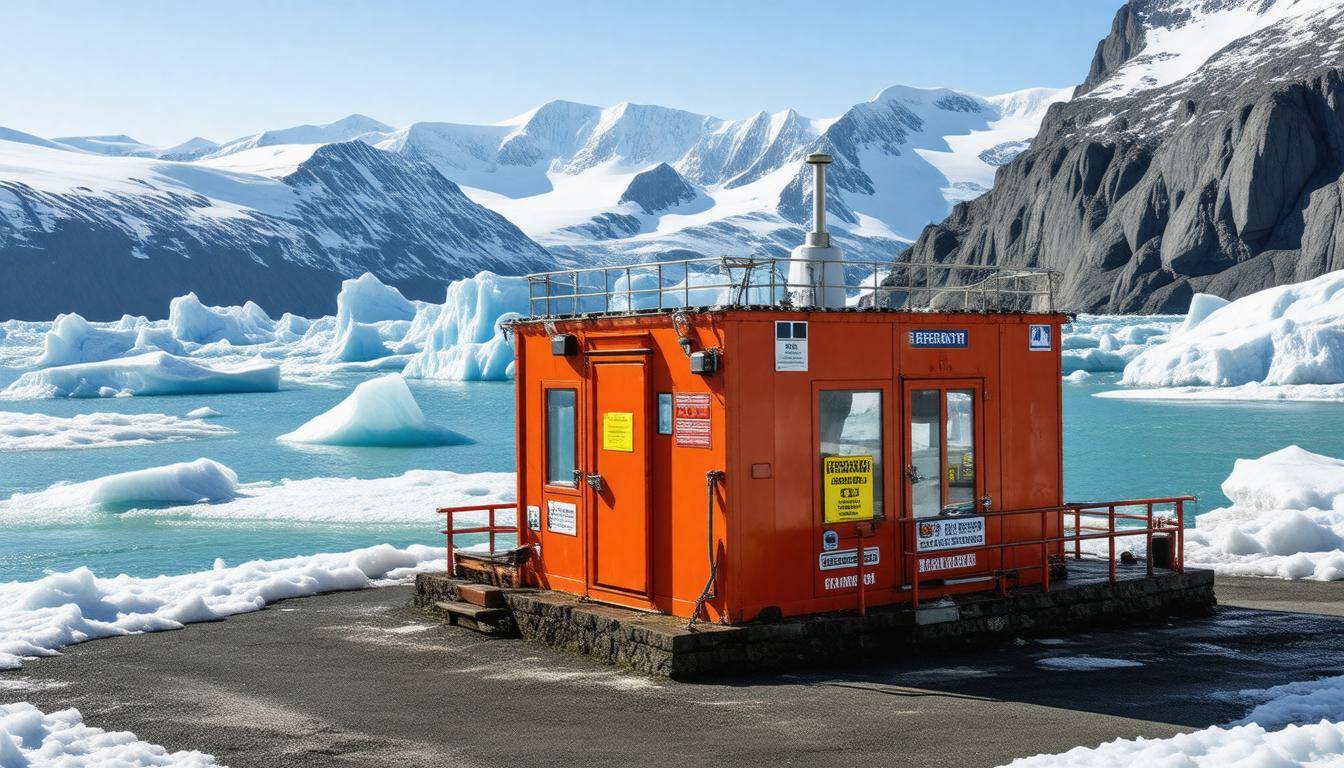
Overview of Greenland Ice Melting Threat
Greenland’s ice sheet is not just an impressive natural structure; it’s a vital part of the Earth’s climate system. Unfortunately, scientists observe that this precious ice is melting at an alarming rate due to rising global temperatures. Between 2002 and 2023, NASA recorded an astonishing average loss of 279 billion tons of ice per year from Greenland alone. This isn’t simply a number; it represents shifts in ecosystems and potential crises for numerous nations around the globe.
The primary culprit behind this unprecedented melting is the warming Arctic, where temperatures are escalating at approximately twice the rate of the global average. As the temperature rises, so does the water from the melting ice, exacerbating sea level rise—an issue that places coastal communities at risk.
According to data from the Intergovernmental Panel on Climate Change (IPCC), if all of Greenland’s ice were to melt entirely, it could lead to an approximate rise of 7 meters (23 feet) in global sea levels. This could mean catastrophic impacts for coastal cities worldwide—a sobering thought when considering that many of these regions are already grappling with flooding issues and erosion.
Impact on Global Water Resources
What makes this situation even more concerning is that both Greenland and Antarctic ice sheets store over 99% of Earth’s freshwater ice, highlighting their critical importance in global water resources. As these sheets continue to thin and break apart, we may face not only rising waters but also a shift in freshwater availability for ecosystems, agriculture, and human consumption.
Additionally, individual weather patterns contribute significantly to the melting process. Factors such as daily temperature fluctuations, air pressure variations, and wind patterns directly influence how quickly the surface melts. For instance, warmer air holds more moisture, leading to increased snowfall that can actually cause surface melting to accelerate—creating a sort of feedback loop.
Moreover, human activities add another layer to this scenario. Dust from wildfires or soot can darken snow surfaces and accelerate melting by increasing heat absorption. This highlights how interconnected our actions are with the natural cycles governing our planet.
Against this backdrop, developing a proactive approach such as the Greenland Ice Emergency Preparedness Plan becomes essential. By focusing on strategies that emphasize both immediate action and long-term sustainability measures, communities can better equip themselves against the potential threats posed by rising sea levels and changing environmental conditions caused by ice sheet melt.
As we consider these dynamics further, it becomes evident that addressing these challenges requires not only awareness but also decisive action focused on resilience and readiness.
Critical Need for Preparedness
With the alarming rate of ice melt and rising sea levels, the stakes have never been higher. In coastal communities, people are feeling the ground shift beneath them—literally and metaphorically. Reports predict that some areas could face inundation within decades, making the critical need for preparedness a clarion call for everyone involved: from government officials and scientists to everyday residents. Understanding comprehensive preparedness plans is essential in this pressing issue.
Preparations must encompass a multi-faceted approach that considers immediate response strategies and long-term resilience. For instance, developing contingency plans can significantly aid in effectively addressing disasters as they arise. These plans should outline clear protocols for evacuations, public communications, and provide a framework for aid distribution during tough times.
Investing in infrastructure is also vital to ensure that buildings, roads, and bridges endure extreme weather. Reinforcing structures with engineered materials designed to resist flooding or harsh conditions can make all the difference when disaster strikes.
It’s crucial that local communities are empowered with knowledge about proactive measures they can take, such as constructing flood barriers and creating emergency communication networks. Education can foster resilience by equipping residents with vital skills like first aid and survival techniques in extreme situations.
However, current data presents a stark picture of readiness. A 2024 report by the Greenland Government revealed that only 30% of coastal communities have adequate response plans to deal with the consequences of ice melts and rising sea levels. This statistic underlines a significant gap in our collective preparedness—one that leaves many vulnerable to nature’s unfolding drama.
It becomes imperative to direct more effort toward an organized strategy that fills these gaps. By investing resources into enhancing community preparedness, we can safeguard lives and help preserve cultural sites and economies reliant on stable climatic conditions. The focus now shifts to understanding how these changes impact global dynamics and what it means for all of us moving forward.
Consequences of Rising Sea Levels
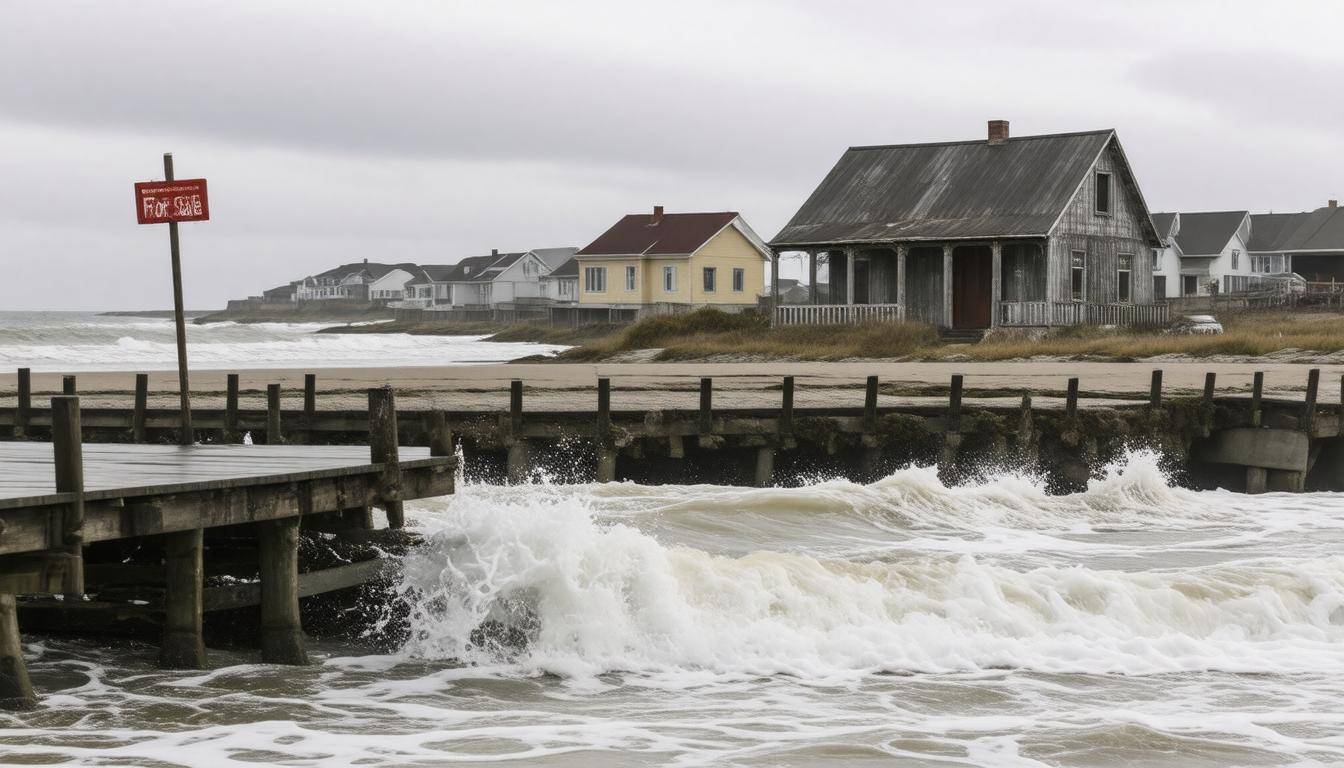
Rising sea levels have a cascade of extensive and severe consequences that extend beyond simple statistics. The immediate physical effect is coastal erosion, which is notably accelerated by increasing water levels. This erosion poses a significant danger to buildings, roads, and other vital infrastructure along the coastlines. In places like Nuuk, Greenland’s capital, the repercussions have already been alarming; the fierce waves lapping at the shore have necessitated the relocation of public amenities like playgrounds and recreational areas. When entire neighborhoods feel the bite of the ocean inching closer, it becomes painfully clear that the environment is in distress.
Coastal Erosion
The process of coastal erosion, predominantly influenced by rising sea levels, leads to an unsettling reality for communities situated near the water’s edge. With each high tide, not only does the shoreline recede, but vital structures too can be compromised. The gradual wearing away of beaches and bluffs threatens homes and essential services that are vital for day-to-day living. It isn’t just about losing sand; it’s about losing stability, beauty, and even history as significant landmarks may tumble into the sea.
But that’s only part of the story. The reality of climate change brings more water to our doorsteps—increased flooding is on the horizon.
Increased Flooding
Higher sea levels also translate into more frequent and severe flooding incidents. This isn’t merely an inconvenience; it disrupts communities at their very foundation, damages property, and overwhelms existing drainage systems designed to cope with much lower threats.
Consider this: as waters rise, storm surges become more perilous, creating a vicious cycle that exacerbates existing vulnerabilities in urban planning and disaster readiness.
To clarify potential impacts for major Greenlandic coastal cities, let’s examine this table:
| City | Current Sea Level (m) | Predicted Increase by 2050 (m) | Major Risk Factors |
|---|---|---|---|
| Nuuk | 1.5 | 0.5 | Coastal Flooding |
| Sisimiut | 1.3 | 0.4 | Infrastructure Erosion |
| Ilulissat | 1.2 | 0.6 | Melting Icebergs |
Each entry reveals a grim reality; with an increase in sea level ranging between 0.4 to 0.6 meters over the next few decades, cities like Nuuk will grapple with heightened risks of coastal flooding while Sisimiut will face significant infrastructure challenges from erosion.
Such rising waters aren’t merely statistics or charts—they symbolize a threat that looms large over our communities and ways of life, highlighting the urgent need for strategic responses to protect lives and livelihoods in the face of these pressing challenges.
Vulnerable Communities and Infrastructure
As we zoom in on the impact of climate change, it becomes increasingly clear that certain communities bear the brunt of these shifts. Take Arctic indigenous communities, for instance. These groups have thrived for generations, living in harmony with their environment. However, as melting ice alters their traditional landscapes, they are compelled to adapt quickly or face dire consequences, including displacement.
In Kalaallit Nunaat, entire villages have transitioned further inland as rising sea levels render their coastal homes uninhabitable. The loss of traditional hunting grounds places immense pressure on their way of life, forcing reliance on outside resources that may not be sustainable or culturally appropriate.
This isn’t just a social issue; infrastructure designed to support these communities is also inadequately equipped to handle such rapid changes.
Many roads, bridges, and buildings were constructed decades ago, based on conditions that no longer exist. For example, thawing permafrost can destabilize foundational supports meant to endure rough Arctic conditions. This results in compromised road safety, increased repair costs, and even accidents that can endanger lives.
“The infrastructure needs to evolve along with our understanding of environmental dynamics,” says key stakeholders involved in the research projects initiated by the Greenland Ice Emergency Preparedness Plan.
Moreover, aging infrastructure not only risks physical safety but also economic stability. The estimated cost of protecting Bay Area communities against rising sea levels stands at a staggering $110 billion by 2050. Federal funding through bodies like the U.S. Army Corps of Engineers (USACE) is essential; without it, local governments may struggle to secure the necessary resources for effective adaptations.
- Economic Impact: Over 8 million residents could be affected by flooding along San Francisco’s 400-mile shoreline.
- Cost of Inaction: Failing to adapt could lead to higher long-term costs in repairs or missed opportunities for economic growth.
As we consider the next steps required for effective adaptation and resilience, it is vital to connect community needs with comprehensive strategies that ensure long-term sustainability.
Government Strategic Actions
The Greenland Government has taken significant steps to ensure a robust response to climate challenges through a series of strategic actions that reflect forward-thinking and adaptability. One core initiative is the implementation of contingency plans, which serve as blueprints for tackling climatic events.
These plans outline essential steps to guide communities before, during, and after climatic incidents, encompassing everything from evacuation routes to protocols for distributing emergency supplies. Having specific measures in place ensures that locals know exactly what to do, minimizing panic and chaos when disaster strikes.
Implementation of Contingency Plans
Developing these contingency plans is crucial for creating a safety net for residents. They specify actionable responses such as evacuation protocols tailored to different scenarios, be it rising sea levels or extreme weather events. This ensures everyone knows where to go and what to take with them, significantly increasing community resilience.
However, effective preparation doesn’t stop with just having plans in place; it also involves continual assessment and adaptation based on ongoing research.
Investment in Research
A notable aspect of Greenland’s government strategy lies in its substantial investment in research aimed at comprehending the intricate web of climate dynamics. Understanding future climate patterns is fundamental for devising effective strategies. For instance, the Greenland Climate Research Centre plays a pivotal role in studying the ramifications of melting ice—an issue that affects not only local ecosystems but also global sea levels and climate systems.
As research capabilities expand, they continuously inform government policies, helping to adjust responses as new data emerges.
In fact, one could say that being informed about our surroundings is much like updating your phone—without those updates, you might miss out on critical features or security patches!
But government actions aren’t solely responsible for fostering community resilience; they must be complemented by active public participation and engagement.
Community Engagement and Awareness
Engaging the community is another vital pillar of this strategic approach. Public awareness programs can educate residents on the importance of individual preparedness and environmental stewardship. By involving community members in discussions around climate issues, governments create a partnership that empowers locals to act autonomously while still aligning with larger goals established by strategic frameworks.
This framework emphasizes the need for collective action as Greenland gears up for an unpredictable climatic future.
As we consider the various facets of preparedness, it’s essential to explore how individuals and communities can adapt and implement mitigation efforts effectively.
Adaptation and Mitigation Measures
Adaptation and mitigation measures are crucial in response to climate change and preventing further damage. Whether it’s a personal decision or one made at the community level, every effort helps build resilience against climate fluctuations. One proactive way to combat rising sea levels involves the construction of sea walls.
Construction of Sea Walls
Building sea walls and other barriers can significantly protect coastal areas from rising sea levels. These structures act as the first line of defense against encroaching water, designed specifically to withstand future projections of sea levels over the next 50 years. Think of them as shields for vibrant coastal communities like those in Greenland, where many residents depend on their proximity to the sea for livelihoods.
The Ilulissat barriers project serves as an excellent example of how communities can come together in preparation for potential ice melt impacts. This initiative showcases how strategic planning and investment can effectively mitigate risk while fostering public support and awareness about climate challenges.
However, erecting barriers isn’t a standalone solution; it should be complemented by broader sustainable practices that tackle the roots of climate change. This brings us to another vital piece of the puzzle: sustainability.
Sustainable Practices
Emphasizing sustainable practices is imperative in combating climate change’s detrimental effects. Choices like reducing carbon footprints—whether by utilizing public transportation instead of cars or incorporating energy-saving appliances—can collectively slow down the pace of climate change. Communities should galvanize behind energy-efficient initiatives that favor renewable sources such as solar or wind energy.
By investing in local projects that promote sustainability, not only do we create a cleaner environment, but we also empower ourselves and our communities. For instance, consider a neighborhood that bands together to produce its own clean energy through solar panels; this collective action reduces reliance on fossil fuels while fostering immense local pride.
As these individual efforts towards sustainable living take root, they encourage behavioral changes beyond neighborhoods or cities, illustrating how adaptation starts at home and lays groundwork for broader policy changes. This intertwining of immediate action and long-term strategy establishes a pathway toward more resilient futures in the face of evolving climate challenges.
Role of Community and Local Efforts
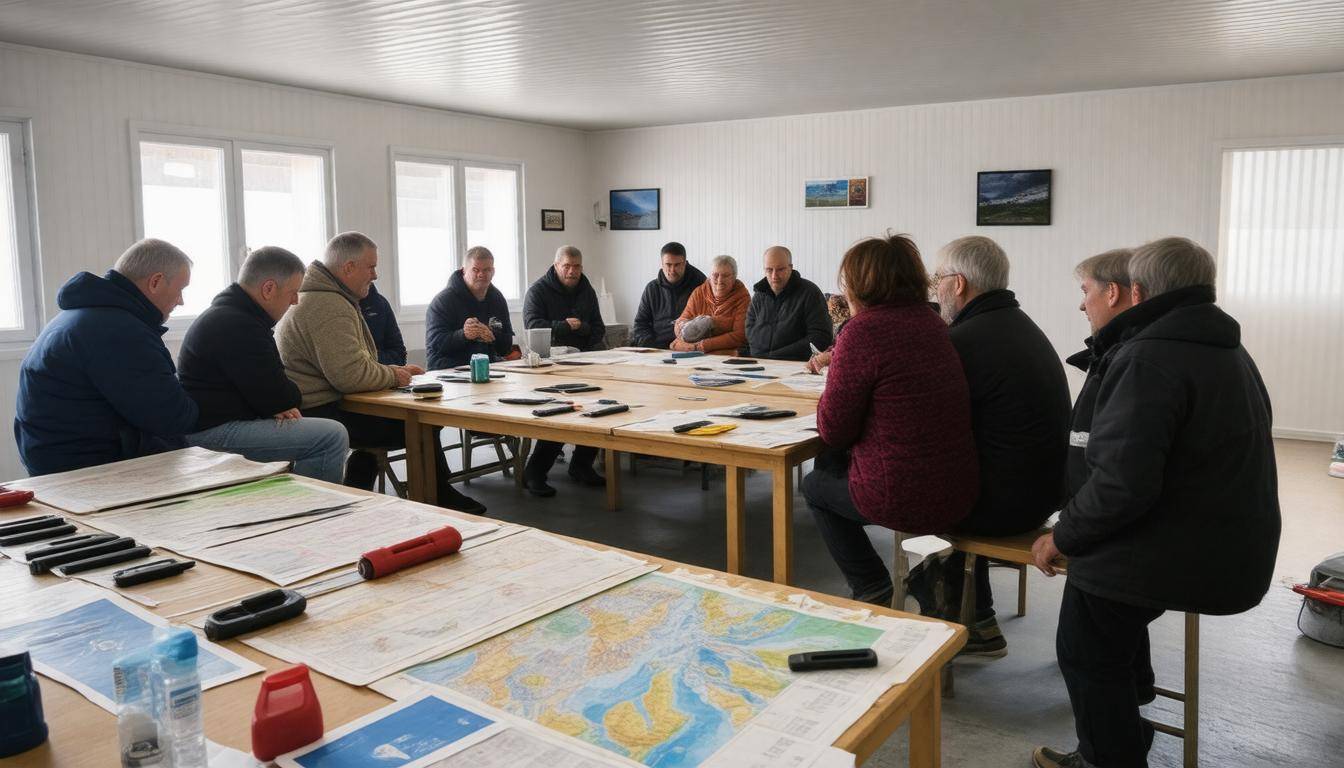
The mobilization of local communities around climate initiatives demonstrates their critical importance in the adaptive processes necessary for mitigating climate change effects. Take, for instance, organizations such as Greenlandic Youth for Climate Action. They exemplify how grassroots initiatives can have a meaningful impact by motivating younger generations to partake in sustainability efforts. Through workshops and educational programs, they empower youth to understand climate issues and engage with them on a personal level.
“Our goal is to inspire our peers and families,” says a member of this organization, emphasizing the focus on actionable change through small daily efforts that cumulatively lead to significant environmental benefits.
This approach highlights a key strength of community involvement: solutions are crafted from lived experiences, which makes them more effective.
Grassroots Initiatives
Local efforts extend beyond youth movements; they encompass diverse facets of community life. In Greenland’s coastal towns, residents are coming together to share knowledge on sustainable fishing and hunting practices, effectively reducing their carbon footprints while adapting to environmental changes.
By innovatively blending traditional ecological knowledge with modern sustainability practices, these communities create resilience against the impacts of climate change.
Here are some vital aspects where local initiatives shine:
- Collaborating with local governments to establish climate response teams has resulted in better preparedness for environmental challenges.
- Engaging in native plant gardening and reforestation projects helps restore ecosystems and enhances biodiversity.
- Organizing community workshops on energy conservation empowers households to reduce emissions collectively.
The spirit of cooperation doesn’t stop there; it spreads into other areas like agriculture, where residents practice permaculture techniques that emphasize harmony with natural systems instead of harmful conventional methods. These communal approaches stem from the recognition that local knowledge is invaluable in creating applicable strategies that suit specific geographical and cultural contexts.
When communities take ownership of their environment’s wellbeing, they not only adapt but thrive, fostering resilience against ever-increasing climate impacts.
The success of these grassroots initiatives underscores a broader point: proactive community engagement is paramount for effective climate response. It demonstrates how people inspired by shared goals can drive substantial change, reminding us that actions taken at local levels can ripple outwards to create global shifts in thinking about sustainability and environmental stewardship.
As we examine the mechanisms behind successful implementation, it becomes essential to look closer at the systems that ensure accountability and progress in these initiatives.
Monitoring and Evaluation Plans
Effective monitoring and evaluation plans are vital to ensure strategies are producing desired results. They help identify successful initiatives and areas needing improvement, allowing for timely adjustments. As the climate crisis evolves, so too must our responses; thus, continuous analysis is essential.
These plans involve the rigorous assessment of critical factors such as sea levels, ice melt rates, and the overall effectiveness of existing measures. This means scientists and decision-makers must engage in ongoing data collection and analysis to grasp the changing landscape of our environment.
Use of Technology
Advancements in technology offer unprecedented tools for monitoring these crucial factors. For instance, satellite imagery allows researchers to visually gauge changes in ice cover across vast expanses, while sensor networks provide precise measurements of atmospheric conditions and surface temperatures. Notably, data analytics plays a pivotal role in interpreting this influx of information, ensuring it translates into actionable insights.
Moreover, experts predict that integrating artificial intelligence into data analysis processes will greatly enhance predictive capabilities and response strategies. AI can sift through mountains of data faster than any human could hope to do, potentially identifying trends that may not be immediately evident otherwise.
Constant evaluation is not merely a checkbox; it is an ongoing dialogue between science and policy-making. This dual feedback loop allows for the refinement of strategies based on current conditions rather than outdated metrics. Imagine a ship navigating stormy seas: without constant recalibration based on real-time weather data, it would be easy to veer off course or fail to anticipate impending dangers.
Therefore, as we rely on cutting-edge technology to monitor climate trends closely, establishing comprehensive systems that encompass both traditional knowledge from local communities and modern advancements can profoundly mitigate the impacts of Greenland’s ice melt. Regularly scheduled assessments allow for adjustments before minor issues escalate into major crises, ensuring our responses remain timely and effective in safeguarding both natural ecosystems and human populations alike.
In summary, the success of the Greenland Ice Emergency Preparedness Plan hinges on rigorous monitoring and continuous adaptation—an approach crucial for addressing the urgent challenges posed by climate change. The future depends on our commitment to informed responses that integrate innovation with collaboration.