
When you think about travel adventures, volcanoes might not be the first thing that comes to mind—but they can be both breathtaking and a bit unpredictable. Especially in Guatemala City, where the stunning Volcán de Fuego keeps nearby residents and tourists on their toes. While the view of glowing lava is mesmerizing, there are real dangers involved. That’s why being prepared for volcanic eruptions isn’t just a good idea—it’s essential. In this guide, we’ll dive into safety tips and preparations to help you navigate the beauty and risks of exploring Guatemala’s vibrant volcanic landscape. Being informed can make all the difference in ensuring your trip is both enjoyable and safe!
The Guatemala City Volcanic Eruption Guide emphasizes the importance of staying informed about local volcanic activity through resources like CONRED (National Coordinator for Disaster Reduction) and having an emergency plan that includes evacuation routes and communication strategies. Visitors should familiarize themselves with the geography, particularly regarding nearby volcanoes like Volcán de Fuego, to enhance their safety while exploring this vibrant region.
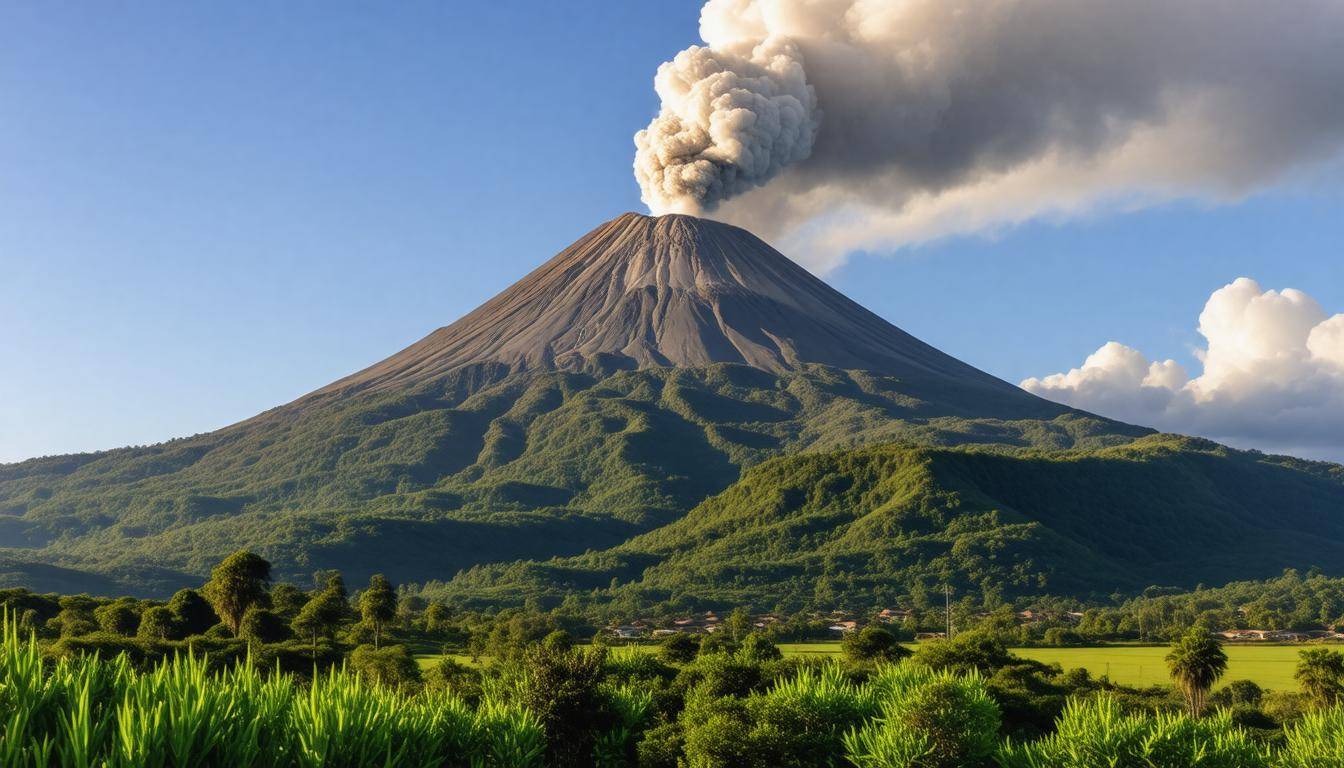
Recent Volcanic Activity
Volcán de Fuego, known as one of Central America’s most active volcanoes, has been in persistent motion over recent years. With a history of eruptions that have shaped both the landscape and the lives of those nearby, understanding its patterns is key for anyone living in or traveling to Guatemala. For instance, its latest significant eruption occurred in June 2022 and prompted the evacuation of over 4,000 residents. This event highlights the volcano’s capacity for sudden and serious impact on human life and demonstrates why staying informed about its status is essential.
Adding context to the urgency of monitoring this volcano’s activity, take note of the following data table:
| Date | Eruption Intensity | Impact |
|---|---|---|
| June 2018 | High | 200 fatalities, 300 injuries |
| November 2021 | Moderate | Airport closures; ashfall in capital |
| June 2022 | High | Mass evacuations and destruction of homes |
Each row represents not just an event, but also stories of lives forever changed. The intensity of eruptions varies, leading to differing consequences; thus, being aware of these occurrences helps locals prepare better for future events.
Beyond just the numbers, it’s essential to grasp how ash clouds from Volcán de Fuego can dramatically affect daily life, even reaching as far as Guatemala City. When ash settles on streets and buildings, it poses significant health hazards, particularly respiratory issues if inhaled. Therefore, comprehending the frequency and scale of volcanic activity can aid tourists and locals alike in taking proactive measures towards their safety.
As travelers flock to see Fuego’s lively eruptions, it’s crucial to balance the allure of visiting with respect for nature’s power. The symbolism of the volcano is mesmerizing—its glowing incandescence lighting up night skies draws countless visitors. Yet this beauty comes hand-in-hand with responsibility: staying updated through reliable sources like INSIVUMEH provides timely information that can save lives.
Keeping a vigilant eye on current volcanic conditions ensures that your visit remains both enjoyable and safe while navigating nature’s unpredictable environment. This understanding can deepen appreciation for the intricate systems at play more broadly throughout the region.
Eruption Alert Systems and Warnings
Early warning systems are crucial because they can help save lives during a volcanic eruption by providing timely information that allows people to evacuate or prepare accordingly. In Guatemala, the National Coordinator for Disaster Reduction, commonly known as CONRED, plays a pivotal role in issuing alerts pertaining to volcanic activity. Understanding this communication system keeps you informed and provides peace of mind.
CONRED Alerts
A standout feature is CONRED’s color-coded alert system, which indicates varying levels of risk with specific colors:
- Green denotes low risk, signaling normal conditions;
- Yellow indicates a state of watch or heightened monitoring;
- Orange implies caution and suggests potential danger;
- Red signals a state of emergency where immediate action is necessary.
Regularly updated information through these alerts ensures that citizens receive guidance on how to react in different situations. One important thing to remember is that residents can subscribe to these alerts via SMS or tune in to local radio stations to stay informed in real time about any changes in volcanic conditions.
Monitoring Volcanoes
Alongside the alert system, consistent monitoring of volcanoes is essential. Scientists measure seismic activity, check for ground deformation, and watch gas emissions closely. This ongoing observation provides critical indicators of possible eruptions. For example, one often alarming sign is an increase in sulfur dioxide emissions—these emissions tend to rise before an eruption occurs. The ability to capture these minute changes in volcanic behavior means that active monitoring is indispensable for ensuring timely public warnings.
Being prepared means you act swiftly based on these alerts, reducing panic and maximizing safety for yourself and your loved ones.
Staying connected with alert systems and understanding their implications enhances your individual safety and fosters communal readiness. When everyone is informed and aware, the community can respond more effectively during challenges posed by volcanic eruptions.
Understanding the mechanisms behind these alerts sets the stage for practical steps you can take to protect yourself and others when facing these natural hazards. Let’s explore those essential precautions now.
Safety Measures During an Eruption
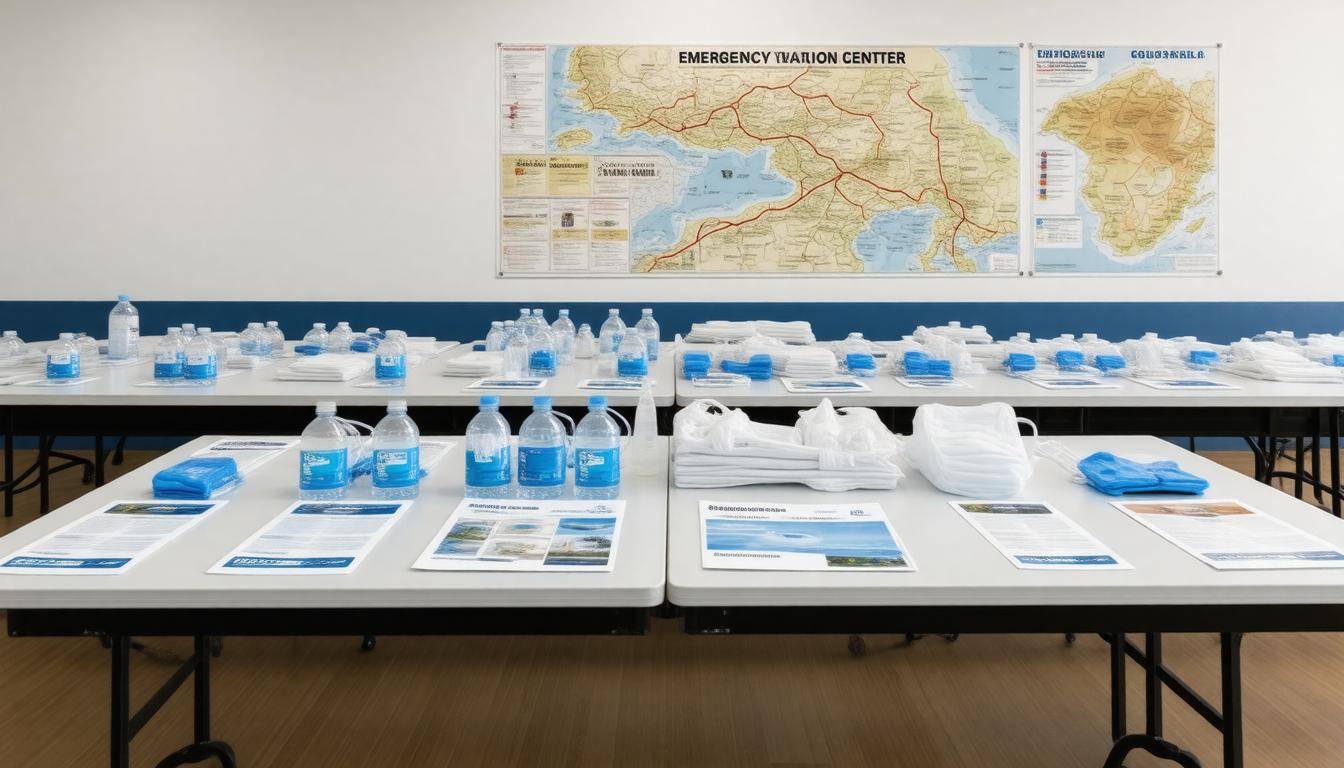
Taking shelter indoors is the first line of defense against the dangerous effects of volcanic ash and gases. When an eruption occurs, maintaining a secure indoor environment is crucial. You should start by closing all windows and doors, effectively sealing your space from airborne ash and toxic particles. This simple action minimizes the risk of inhalation and helps prevent damage to your property.
It’s wise to have an emergency kit ready that includes essential items such as N95 masks, which filter out harmful particles, goggles to protect your eyes from irritation, and bottled water to stay hydrated. Imagine sitting in your home, safe from the chaos outside. Knowing you have prepared for this situation can alleviate some anxiety.
In addition to keeping your indoor environment safe, understanding local evacuation routes is vital for any potential quick exit.
Evacuation Routes
- Begin by following instructions from local authorities; they have access to real-time information regarding dangers.
- It’s essential to know multiple evacuation routes; relying on just one may not always be feasible if it’s blocked by ash or debris.
- Make sure to stay updated on road conditions by using local news outlets or official social media feeds.
These steps ensure a quicker response and promote safer travel away from danger zones. Preparation plays a significant role in how effectively you can execute these safety measures. During calm moments before an eruption, take the time to familiarize yourself with the best escape options.
Let’s explore additional personal safety measures worth considering.
Aside from sheltering indoors and knowing evacuation routes, it’s critical to develop personal safety habits during an eruption. For instance, when ash begins falling outside, if you must go out for any reason, wearing masks becomes even more necessary, particularly those rated for fine particulate matter. It would also be wise to seal windows and doors with damp cloths; this will prevent finer ashes from sifting inside.
During an eruption, staying indoors may feel isolating, yet it allows you to monitor updates about ongoing activity safely. Stocking up on supplies such as food and water while paying attention to air quality can make your confinement much easier; ensuring adequate ventilation can help mitigate discomfort as well.
Being informed is key during volatile situations like volcanic eruptions in Guatemala City. Knowledge about current conditions combined with proper safety measures creates a strong foundation for anyone navigating this beautiful but unpredictable landscape.
As we continue, it’s important to consider how effective preparation can work hand-in-hand with proactive measures to handle emergencies smoothly as they arise.
Preparing for Emergencies
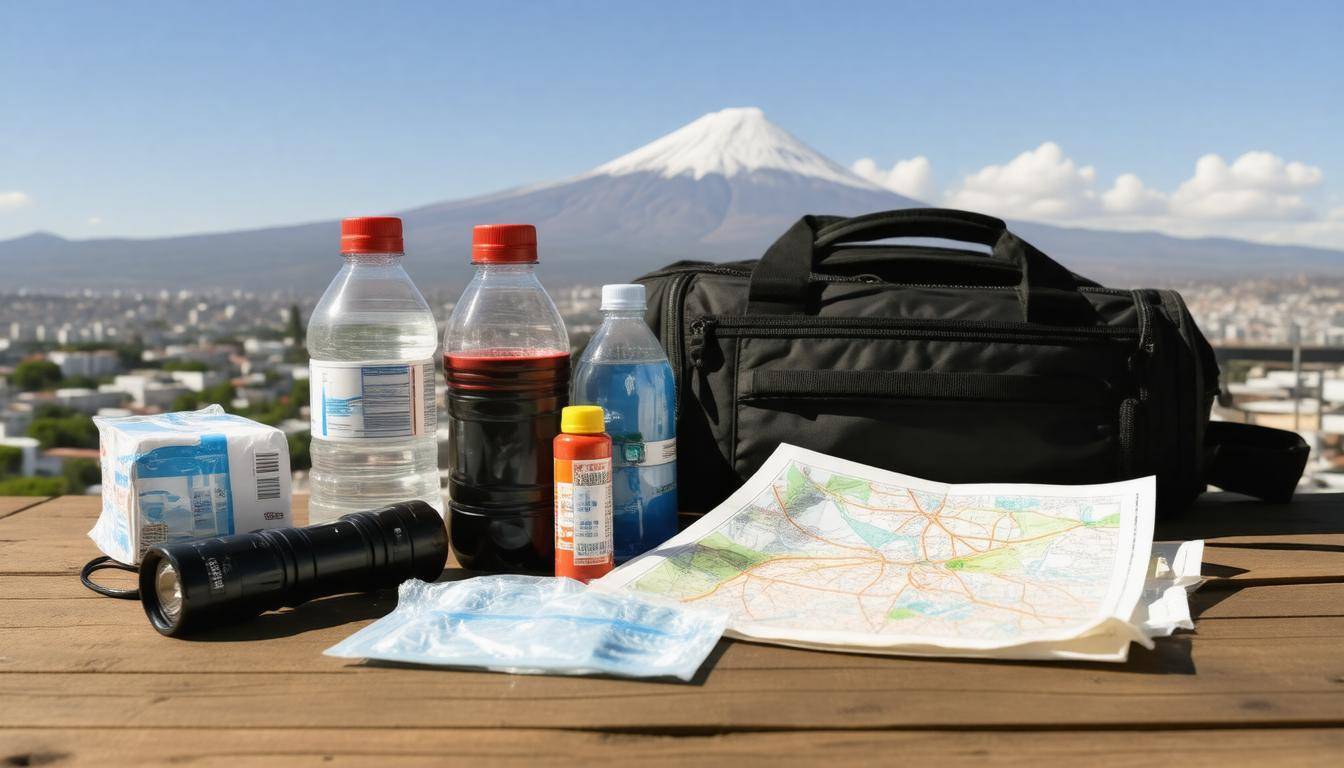
Proactive measures can undoubtedly enhance your survival chances in volcanic emergencies. Knowing that an eruption might be on the horizon provides ample reason to put some crucial plans into action, and one of the best ways to start is by assembling an emergency kit. Essentials should include:
- Non-perishable food
- Water
- First-aid supplies
- Flashlights
- Any necessary medications
The goal is to prepare for at least three days since you may need time to evacuate or receive aid. Having your kit ready can make all the difference in ensuring you and your family stay safe during unforeseen circumstances.
In fact, statistics show that households equipped with emergency kits have a 50% higher chance of maintaining health and safety during disasters. This simple act of preparedness could potentially save lives and reduce panic when the unexpected occurs.
Next, let’s talk about how connecting with your loved ones can pave the way for even better preparedness.
Family Communication Plan
Establishing a communication strategy with family and friends is equally important in planning for emergencies. This conversation should involve setting up designated meeting points where everyone can gather if separated. Consider potential phone chains as well; during an emergency, mobile networks can become congested, making it hard to reach someone directly. By having a structured plan in place, you foster a sense of security within your family while improving your response capability when it counts.
Community Resources
Another key aspect of preparation lies within community resources. Connect with local organizations that focus on disaster readiness, such as Guatemala’s National Coordinator for Disaster Reduction (CONRED). Attending community meetings can provide valuable insights into evacuation routes and preparedness protocols specific to your area. Knowing where local shelters are located or identifying resource centers that can assist evacuees will give you peace of mind and help guide your actions if an emergency strikes.
Several elements come together when preparing for volcanic threats—from personal kits to social connections and community outreach. Each plays an integral role, guiding responses in times of crisis.
Impact on Guatemala City
The 2018 eruption of Fuego volcano serves as a stark reminder of nature’s power and its consequences on populated areas. In urban settings like Guatemala City, which is located a mere 24 miles from the volcano, eruptions can trigger a cascade of challenges that ripple through daily life.
Ashfall
Following the June 2018 event, the city was blanketed in approximately 3 inches of ash, transforming streets into gray landscapes that affected thousands. This wasn’t merely an inconvenience; it meant that people had to wear masks to breathe properly and vehicles struggled to navigate through the thick layer of debris.
During such incidents, typical routines come to a grinding halt. Flights at the nearby La Aurora International Airport were suspended due to poor visibility caused by ash clouds, throwing travel plans into disarray both domestically and internationally. Schools closed their doors to protect children from inhalation issues, leaving working parents scrambling for alternative care solutions. Similarly, local businesses faced significant operational challenges as customers stayed home, disrupted supply chains led to shortages, and clean-up costs added up rapidly.
In addition to airborne ash, infrastructure damage poses another substantial concern in urban settings.
Infrastructure Damage
The impact of heavy ash deposits on buildings—particularly older structures—can be severe. Buildings that may have stood for generations can suddenly be at risk of damage when laden with ash; this weight can compromise ceilings and roofs, leading to collapses if not carefully monitored. Engineers and inspectors advocate for regular assessments and smart reinforcement strategies for vulnerable properties throughout the city.
In the wake of such natural disasters, urban resilience hinges upon proactive measures. Cities like Guatemala must invest in listening to experts about safe-building practices while also developing emergency response plans tailored for ashfall conditions.
By addressing these concerns through regular maintenance and careful monitoring—a commitment from both authorities and citizens alike—Guatemala City can bolster its defenses against future volcanic events.
As we consider the implications of volcanic eruptions on urban planning and safety, it’s crucial to explore how communities can best prepare for emergencies in high-risk areas.
Evacuation Plans
Efficient evacuation plans can drastically reduce fatalities during volcanic eruptions, especially in at-risk areas surrounding the Santiaguito lava-dome complex. The first step in ensuring everyone knows how to respond during an emergency is community drills. These practice sessions prepare residents both mentally and physically and provide a crucial opportunity for people to familiarize themselves with the evacuation procedures specific to their neighborhood.
Community Drills
Regular community drills improve readiness; therefore, local governments conduct bi-annual evacuation exercises. These drills simulate various scenarios, allowing residents to rehearse responses in a controlled environment. Imagine the collective relief when your neighbors all know where to go and what to do when an eruption strikes! The practice instills confidence and enhances communication among community members.
“Our town participates in these drills, which gives us a sense of preparedness,” says Juan Perez, a Guatemala City resident. Juan’s experience emphasizes the importance of community cohesion; when everyone understands their role and responsibilities, it fosters a supportive atmosphere that contributes to overall safety.
While these community efforts are invaluable, effective communication also hinges on clear mapping of evacuation routes.
Mapping Evacuation Routes
Mapping evacuation routes in advance is another crucial component. Digital platforms can provide real-time updates and guidance on safe zones and evacuation paths through easy-to-use mobile apps. However, as beneficial as technology is, one cannot overlook the potential for power outages or system failures when crises unfold. This brings us back to the importance of having a backup plan: always keep physical maps readily accessible alongside your digital resources.
Consider including the following essentials:
- A printed map: Keep it in your emergency kit.
- Landmarks: Familiarize yourself with alternative routes that don’t rely solely on technology.
- Emergency contact numbers: Ensure you have a list of important contacts ready for communication during evacuations.
The act of preparing these resources might seem simple, but it carries significant weight when seconds count during an eruption.
Implementing thorough evacuation plans ensures that both individuals and communities are prepared to act swiftly should the situation arise. By conducting regular drills and mapping effective routes, residents can feel empowered and confident when faced with volcanic challenges.
As we consider the implications of such preparedness efforts, it’s also essential to turn our attention toward understanding the hazards posed by volcanic gases in the region.
Risks from Volcanic Gases
Volcanic gases are not just an afterthought—they’re a serious concern every traveler needs to consider. Among the most notable is sulfur dioxide (SO2), which can wreak havoc on respiratory health. During eruptions, SO2 levels can surge beyond safe thresholds set by health organizations like the World Health Organization. Exposure can lead to discomfort, and for those with pre-existing conditions like asthma or chronic bronchitis, even brief inhalation can trigger severe respiratory distress. Imagine standing in the midst of a volcanic landscape, breathless not from excitement but from worrying about your next inhale. Being aware of this risk is essential for your well-being.
Regular monitoring of gas levels near volcanoes is a smart move. This information can often be obtained from local authorities or disaster response teams, who keep tabs on volcanic activity and air quality.
Carbon Dioxide
Another major player in the gas game is carbon dioxide (CO2). This heavier-than-air gas can settle in depressions and low-lying areas, creating pockets where oxygen levels drop dangerously low. Travelers should be mindful that concentrations above 5,000 parts per million (ppm) are lethal. However, even lower levels can induce symptoms such as dizziness or confusion. Think about it: you might feel fine walking along vibrant trails, only to find yourself unexpectedly gasping for air by the time you reach a scenic overlook due to CO2 buildup. It’s vital to maintain awareness of your surroundings.
- Keep a low profile in shaded depressions or valleys near volcanic sites.
- Elevate your hiking paths whenever possible to avoid low oxygen zones.
- Monitor mental clarity; if you start feeling odd or lightheaded, seek higher ground immediately.
Besides sulfur dioxide and carbon dioxide, it’s also important to consider other gases like hydrogen sulfide (H2S), which come into play during eruptions.
Other Volcanic Gases
Hydrogen sulfide falls under the umbrella of volcanic emissions and presents its own unique risks. This gas emits a pungent odor reminiscent of rotten eggs and can be dangerous at relatively low concentrations—over 100 ppm can lead to serious symptoms such as headaches and respiratory issues. I once encountered this situation on a hike. The unmistakable smell wafted through the air long before we reached any geothermal vent; it was a reminder to be alert and prepared while trekking through these awe-inspiring landscapes.
Ash clouds contribute their own hazards as well. Not only can they impair visibility during eruptions, but they may also contain toxic elements like arsenic and lead that pose health threats when inhaled or ingested. Therefore, wearing masks and eye protection in areas prone to ash fallout becomes more than just an accessory—it’s a necessity for staying healthy and safe.
Always be sure to check local advisories regarding air quality and volcanic activity before embarking on excursions near active volcanoes.
By understanding these risks and preparing accordingly, travelers can significantly enhance both their safety and enjoyment throughout Guatemala’s stunning volcanic regions while considering how communities recover from natural events.
Long-term Recovery Efforts
Rebuilding after an eruption is not merely a matter of physical reconstruction; it’s an intricate dance of healing both land and spirit. The challenges are significant as communities grapple with the long-lasting impacts of natural disasters.
Central to recovery is the rebuilding of critical infrastructure. Rapid action on this front is essential, as a lack of proper facilities can exacerbate the suffering experienced by affected individuals. Governments and non-governmental organizations (NGOs) have a vital role in prioritizing these efforts. Following the 2018 eruption, international aid facilitated the reconstruction of over 1,500 homes, allowing thousands to return to safer living conditions.
Yet, while restoring physical structures is crucial, addressing the economic landscape is equally important to ensure sustainable recovery.
Economic Rehabilitation
The eruption caused staggering losses amounting to around $200 million, demonstrating just how deeply the disaster impacted local economies. This financial hit ripples through the community, affecting everything from jobs to local markets. Therefore, attention must shift toward restoring local economies through targeted efforts such as grants and employment programs that can uplift entire communities. For instance, farmers who lost crops need investment in agricultural initiatives to get back on their feet, while tradespeople require resources to reopen shops or launch new ventures.
It’s essential for local governments and aid organizations to collaborate on economic recovery initiatives that prioritize job creation and financial assistance for small businesses. In addition to traditional financial aid, offering training programs for new skills can empower individuals and help rebuild a resilient workforce that can adapt to changing circumstances after such disruptions.
Lastly, it’s important not to overlook the social aspect of long-term recovery.
Community Engagement and Well-being
Engaging community members in recovery efforts creates a sense of ownership and responsibility toward their environment. Local involvement increases transparency and ensures that aid reaches those who need it most. Moreover, fostering community-led mental health initiatives after trauma helps survivors process their experiences collectively. As people come together to rebuild, there is an opportunity for social bonds to strengthen, turning shared adversity into unity.
In summary, long-term recovery after the Fuego Volcano eruption encompasses comprehensive efforts—from infrastructure rebuilding and economic rehabilitation to community engagement. Every step in this diverse effort lays down another brick on the road toward a more resilient Guatemala.
What historical eruptions have affected Guatemala City, and what lessons were learned?
Historical eruptions that have impacted Guatemala City include the 1,500-meter-high eruption of Volcán de Agua in 1541, which resulted in significant devastation and loss of life, teaching crucial lessons about the importance of emergency preparedness and early warning systems. Additionally, the 1976 earthquake, correlated with volcanic activity, highlighted the need for stricter building codes and community education on disaster response. Statistics show that after implementing these measures, fatalities during subsequent events drastically decreased, illustrating the critical nature of proactive safety strategies in volcanic regions.
How can residents prepare their homes and families for potential volcanic activity?
Residents can prepare their homes and families for potential volcanic activity by creating an emergency plan, assembling a disaster supply kit including essential items like water, non-perishable food, masks, and first aid supplies, and reinforcing their homes against ash fallout. It is crucial to stay informed through local authorities and have an evacuation route mapped out. According to the U.S. Geological Survey, volcanic eruptions can emit ash clouds up to 50,000 feet into the atmosphere, impacting air quality and causing respiratory issues; therefore, preparation is key to safeguarding health and safety.
What precautions should people take during a volcanic eruption in Guatemala City?
During a volcanic eruption in Guatemala City, individuals should take precautions by staying indoors to avoid ash inhalation, wearing masks if venturing outside, and sealing windows and doors to prevent ash from entering homes. It’s crucial to have an emergency kit ready, including food, water, and medical supplies. According to the National Institute of Seismology, Volcanology, Meteorology and Hydrology (INSIVUMEH), areas near active volcanoes can experience significant ash fall, making these preparations vital for safety and health during an eruption. Furthermore, always heed the alerts from local authorities regarding evacuation routes and safe zones.
Where can one find real-time updates and warnings regarding volcanic activity near Guatemala City?
To find real-time updates and warnings regarding volcanic activity near Guatemala City, you can refer to the Instituto Nacional de Sismología, Vulcanología, Meteorología y Estudios Territoriales (INSIVUMEH), which provides timely reports and alerts on volcanic activity. Additionally, following local news outlets and official government social media channels can offer immediate information. Statistics show that Guatemala experiences significant volcanic activity, with over 30 volcanoes, making these resources essential for safety and preparedness in case of an eruption.
What are the signs that a volcanic eruption may be imminent?
Signs that a volcanic eruption may be imminent include increased seismic activity, such as small earthquakes or tremors, which can indicate underground magma movement. Other warning signs are changes in gas emissions, particularly sulfur dioxide levels, and ground deformation like bulging or cracking around the volcano. According to the U.S. Geological Survey, approximately 60% of eruptions are preceded by perceptible earthquakes and gas release changes, making these indicators crucial for safety preparedness in regions like Guatemala City, where active volcanoes are present.