
Severe weather can strike without warning, leaving us feeling unprepared and anxious. Living in Guelph, Ontario, it’s crucial to be ready for everything from heavy snow to sudden thunderstorms. But how do we go beyond just hoping for the best? By taking practical steps now, we can safeguard our homes and our families when nature throws its worst at us. This guide will walk you through essential safety tips, from preparing your home and creating effective family plans to building an emergency kit. Let’s get started on making sure you are ready for whatever the sky might bring!
Your Guelph, Ontario Severe Weather Preparation Guide should include key aspects such as emergency communication plans, regular updates for residents, understanding weather terminology (like Tornado Watches and Warnings), signs of severe weather, shelter location identification, conducting family drills, and essential items for an emergency kit. Additionally, ensure to provide resources for further information, such as local weather services and the Canadian Red Cross.
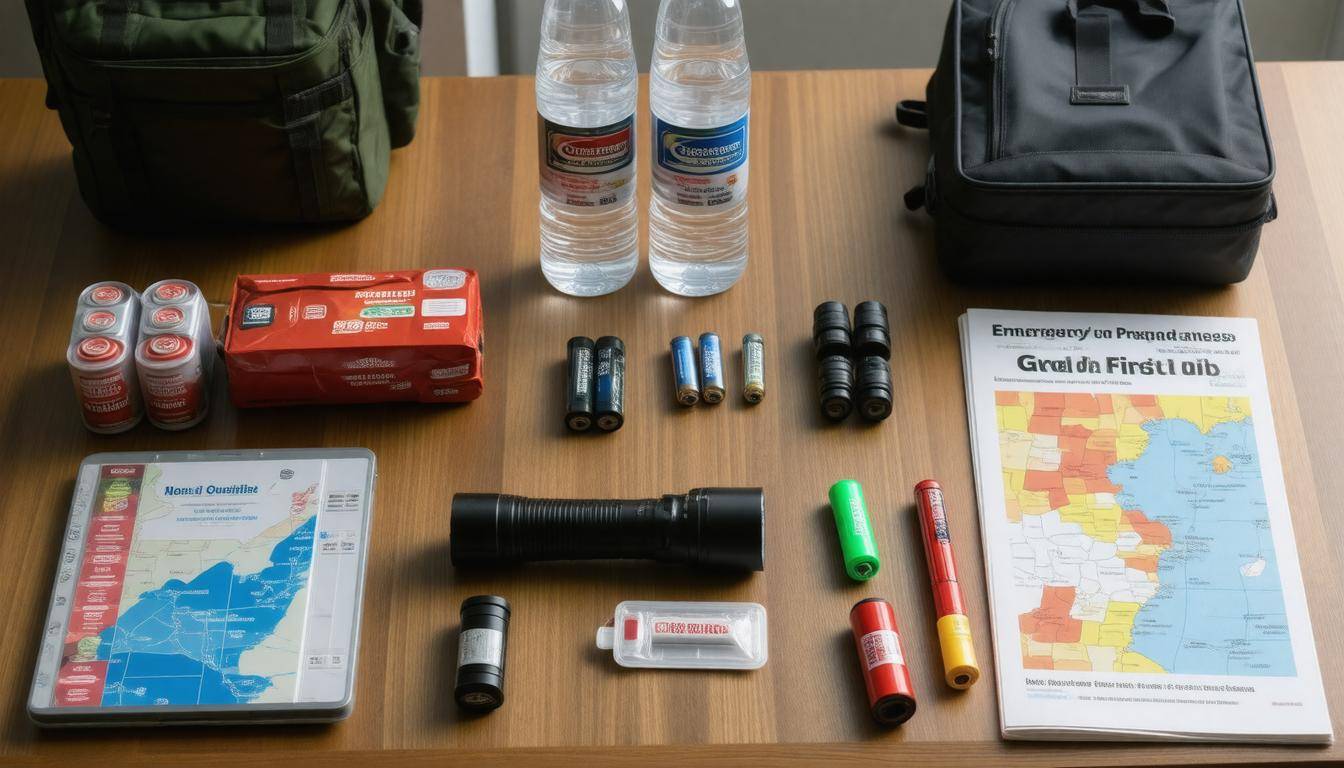
Preparing Your Home
One of the first steps to consider is securing outdoor items. Picture a storm approaching; patio furniture, garden gnomes, and even plants can easily turn into dangerous projectiles in high winds.
To mitigate this risk, it’s vital to take preemptive action by anchoring these loose items down or storing them in a secure location like a garage or shed. I recall a neighbor whose yard was littered with overturned chairs and broken decorations after a storm simply because they hadn’t taken the time to secure their belongings. By placing these items indoors or using tie-downs and weights, you not only protect your property but also prevent potential injury to others.
While securing outdoor items is essential, don’t overlook structural reinforcements that can help your home weather the storm.
Strengthening your home’s structure plays a pivotal role in its ability to withstand severe storms. Start by installing storm shutters on windows to protect them from debris and high winds; this simple addition can make all the difference during a storm. Reinforcing garage doors is another critical step; weak doors are often the first casualty during wind events. A well-maintained roof is equally important — regularly check for missing shingles and wear, as a compromised rooftop can lead to significant water damage when heavy rains follow high winds.
For homes in tornado-prone areas, investing in a designated storm shelter or safe room becomes not just advisable but potentially life-saving. These shelters offer the best line of defense against flying debris and devastating winds.
Now that we’ve covered protecting your home’s structure, it’s time to think about power outages that often accompany severe weather.
When storms hit, power outages can seem inevitable. Thus, having a reliable backup generator is an important strategy for maintaining functionality within your home. The generator ensures that critical appliances remain operational during outages—your refrigerator, heating system, or medical devices may depend on it.
It’s essential to not only have fuel stored for several days but also to regularly test the generator to ensure it works effectively when needed. After all, relying on an untested generator during an emergency can lead to disappointment at a crucial moment.
Lastly, as we prepare for harsh weather conditions, ensuring proper insulation and sealing is another key aspect that should not be underestimated.
Proper insulation and sealing of cracks play a vital role in maintaining your home’s comfort and safety during extreme weather conditions. It helps regulate indoor temperatures when you’re facing biting cold or excessive heat while simultaneously preventing water intrusion during heavy rains. Key areas to focus on include doors and windows; ensure they are well-sealed and insulated.
Have you ever felt drafts sneaking through? Adding weather stripping around windows and doors can significantly reduce unwanted airflow and keep your living environment comfortable even when outside storms rage.
Preparation requires thoughtful planning and practical actions that protect both your family and property from nature’s fury. Securing outdoor items, reinforcing structures, ensuring backup power supplies, and maintaining quality insulation are significant strides toward peace of mind during any impending storm.
With these proactive measures in place, let’s explore how to establish effective communication strategies for family safety in emergencies.
Emergency Family Plan
An emergency family plan is the blueprint that keeps everyone organized and equipped to respond when severe weather approaches. It’s about knowing who will do what and where everyone needs to go, reducing chaos and uncertainty when the storm strikes.
First, establishing communication protocols is vital; select a primary and secondary method so that you can always reach one another. Mobile phones are often reliable, but sometimes networks can overload during emergencies, making text messaging a better option since messages can still get through even when calls can’t connect. Consider investing in handheld radios as an alternative communication method, which can be particularly useful if local cellular towers are down.
Once communication methods are set, the next step is to designate meeting points both inside and outside your home. Inside, choose a safe place like a basement or an interior room away from windows—typically somewhere that offers the most protection from flying debris. Outside, pick recognizable landmarks like a neighbor’s house or nearby community center—locations ideally located at a safe distance from your home. Ensuring every family member knows these spots helps minimize confusion during an emergency.
Creating an effective plan means ensuring every member has access to important information for coordination. This might include appointing an out-of-town contact person, whose job it is to relay updates among separated family members.
To make sure your emergency plan is efficient:
- Identify your indoor meeting point, such as a basement.
- Select your outdoor meeting location, such as a friend’s house.
- Assign an out-of-town contact who can help communicate between separated members.
After establishing communication methods and meeting locations, conducting regular drills becomes essential in transforming your plan into instinctual behavior during emergencies.
Aim for practice sessions at least twice a year to keep everyone familiar with the procedures. These rehearsals significantly improve family response times during actual crises. Think of it like fire drills; families who routinely engage in these exercises mitigate apprehension and foster confidence on what to do under pressure. Practicing the plan cements it in everyone’s mind, making it easier for children and adults alike to act quickly without panicking when it matters most.
By prioritizing clear roles and continuous practice, families can navigate severe weather events more effectively, resulting in safer outcomes during emergencies.
With your family plan established, it’s equally critical to focus on the resources you need for emergencies, ensuring you have everything necessary at your fingertips when storms hit.
Essential Emergency Kit Items
Building a well-stocked emergency kit is crucial for surviving and staying comfortable during weather emergencies. Your kit should include at least a three-day supply of non-perishable food and water to last several days, with a recommendation of one gallon per person per day. Think about items like canned goods, granola bars, and dried fruits that are easy to store and won’t spoil quickly. It’s also wise to remember to pack a manual can opener, as having food without a way to access it can be frustrating when time is critical.
Basic Necessities
After you’ve secured your food and water supplies, focus on medical supplies and medications. Having first-aid items such as band-aids, antiseptics, and pain relievers will cover basic injuries and medical needs. Ensure you pack any prescription medications your family may require—it’s important not to overlook these. Additionally, consider including extra eyeglasses or contact lenses if applicable, as well as any backup supplies of necessary medical devices. These small yet significant details can make all the difference when someone needs immediate assistance.
Once you’ve organized your medical supplies, shift your focus to tools and safety gear that can aid in maintaining your safety during an emergency.
Tools and Safety Gear
Including essential tools in your emergency kit can provide not only comfort but a means for survival. A battery-powered or hand-crank radio is vital for staying updated on weather conditions when you lose power or cell reception. Don’t forget to add flashlights with extra batteries because light sources become essential after dusk when navigating becomes more challenging. A multi-tool can be handy for various tasks, offering solutions for minor repairs that could help you manage situations better during a storm’s aftermath. Also, consider packing a whistle—it’s simple but effective for signaling for help if you find yourself in distress.
With the practical necessities taken care of, it’s important to think about safeguarding your crucial documents and cash.
Important Documents and Cash
When circumstances become unpredictable, having access to vital information is reassuring. Store copies of important documents like insurance policies, IDs, and bank account records in waterproof containers so they remain safe even in adverse conditions. While digital backups are advantageous—think USB drives or cloud storage—having physical copies ensures you have access even if technology fails you at the worst moment. A small stash of cash can also be helpful; in emergency situations where power outages disable electronic transactions, cash can afford you options.
Assembling these essential items into a cohesive emergency kit equips you with greater resilience against nature’s unpredictability while ensuring peace of mind for you and your family.
As we consider the varying facets of severe weather preparedness, it’s crucial to stay up-to-date with real-time information that impacts safety decisions during such events.
Staying Informed on Weather Conditions
Being aware of impending severe weather can be a game-changer when it comes to preparing yourself and your home. With modern technology at our fingertips, it has never been easier to stay updated on severe weather alerts and forecasts that impact your area. By utilizing tools available today, you can make well-informed decisions that can greatly reduce risks during extreme weather events.
Weather Apps and Alerts
One highly effective way to stay informed is by using reliable weather apps that provide real-time updates tailored specifically for Guelph, Ontario. Apps like The Weather Network or WeatherCAN offer customizable alerts so that you can receive notifications based on your preferences—whether you’d prefer warnings for heavy snowfall, freezing rain, or even wind gusts. These apps allow you to prioritize what’s most important to you. For instance, if you have kids who need to travel to school or elderly family members living nearby, having timely alerts can be invaluable.
Make sure to set alerts for both watch and warning notifications—watch means conditions are favorable for severe weather, whereas a warning means severe weather is happening or imminent.
Local News Channels
While apps provide immediate updates, local news channels deliver context and depth that can often be missed in digital formats. Following stations such as CTV News Kitchener ensures you have access to localized information covering specific storm predictions affecting Guelph. These channels often provide interviews with meteorologists, live coverage of storm impacts, and expert discussions about what to expect in the coming hours or days. A combined approach—the instant alerts from apps and the comprehensive reports from local news—can keep you well-equipped to handle emergencies.
Furthermore, when severe weather strikes, these local news outlets tend to focus not only on the general forecast but also on community-specific issues—such as road closures or safety precautions needed in response to the storm.
Social Media
Social media platforms are becoming increasingly vital in providing immediate updates about severe weather conditions. Through social media, you can quickly get information directly from local authorities, emergency services, and even meteorological experts.
To effectively utilize this digital landscape, follow official accounts such as those for the Guelph Police Service, Fire Department, or other emergency management organizations. They will often share tweets or posts with critical updates related to ongoing emergencies.
Additionally, using trending hashtags like #GuelphWeather allows you to filter through different conversations surrounding current conditions and could lead you to useful community advice. Just remember: while social media can be a great tool for real-time information, always cross-check with reliable sources to avoid misinformation.
Maintaining awareness across various platforms ensures you’re ready for upcoming challenges and uncertainties brought on by severe weather. As we turn our attention further into effective strategies to navigate these storms, preparation becomes pivotal in safeguarding health and safety.
Effective Severe Storm Strategies
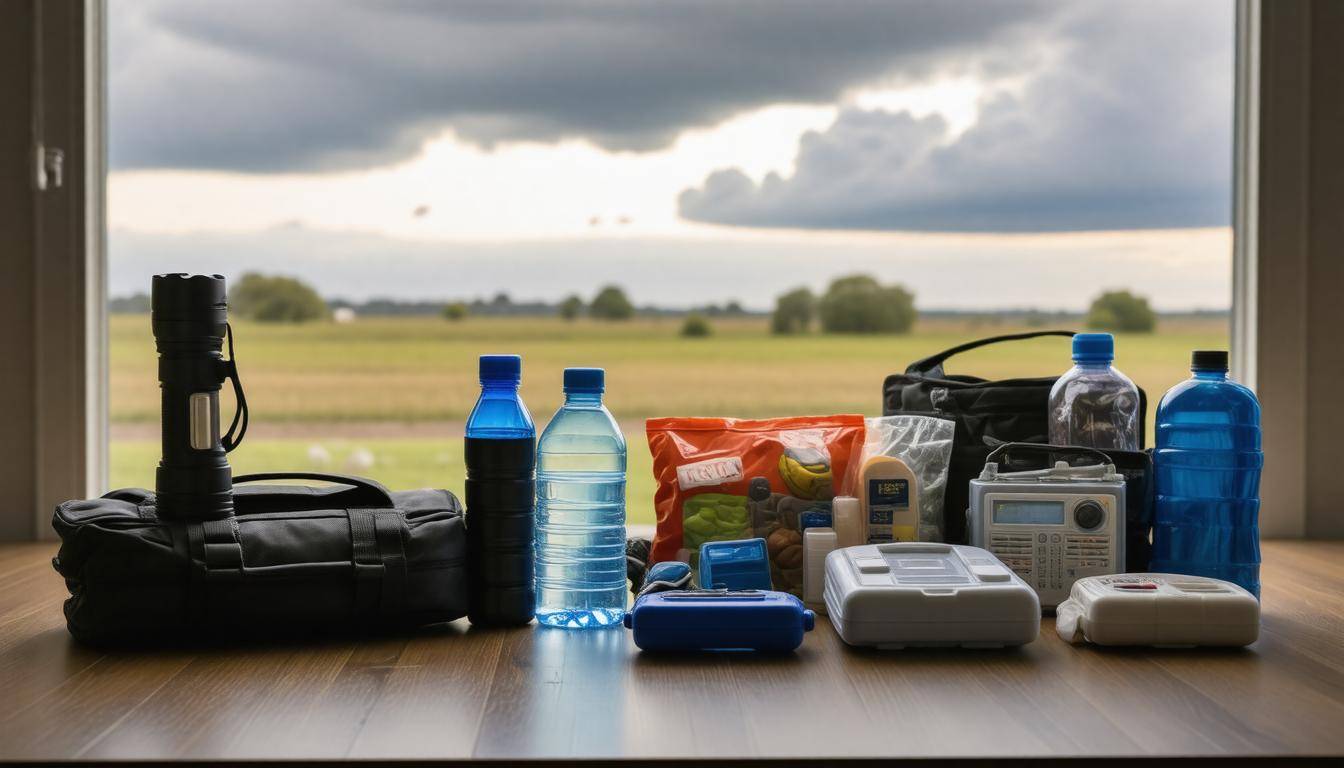
Indoors Strategies
When severe weather strikes, your first priority should be to stay indoors. Keeping windows shut is vital to avoiding the risk of shattering glass or flying debris. Ideally, the safest place during a storm is a basement or a room without windows situated on the lowest floor of your home; this minimizes exposure to winds and projectiles.
If a basement isn’t available, an interior room, such as a bathroom or hallway, will do just fine. These areas can often provide additional protection, especially if you make use of heavy pillows or mattresses to shield yourself from potential falling objects.
Consider reinforcing these safe areas with essential supplies such as bottled water, a flashlight, and non-perishable snacks. It’s wise to keep these supplies regularly stocked so they are readily available during emergencies.
Outdoor Strategies
If you find yourself outside when storms approach, the best action is to get indoors as quickly as possible. However, if shelter is out of reach and you’re unable to escape the weather’s wrath, crouching low to the ground becomes essential. Position yourself away from tall structures, trees, or utility poles that may become hazards during high winds, since they pose risks of collapse or falling debris.
Furthermore, it’s prudent to seek low-lying areas like ditches where you can lie flat. Covering your head with your arms can offer some protection against unexpected debris.
Vehicle Safety
If you’re driving when severe weather hits, don’t attempt to navigate flooded streets or areas impacted by storms. Visibility can drop dramatically during heavy rain and storms; thus, pull over safely if conditions worsen and wait out the storm.
In the unfortunate event that you encounter a tornado while in your vehicle, it’s safer to abandon the car and crouch down in a nearby ditch. Make sure to cover your head and neck with your arms to shield against flying debris which can be deadly at high speeds; this simple precaution could save your life.
Knowledge regarding effective severe weather strategies empowers you to respond calmly and rationally amidst chaos. Taking these precautions will help safeguard not only your life but also those of your loved ones in perilous situations.
With these strategies in hand, it’s essential to know what community resources are available to assist during such emergencies.
Community Resources and Support
Leveraging community resources during severe weather is essential. These connections not only provide safety but also foster a sense of belonging among residents of Guelph. One crucial aspect to consider is having local emergency numbers at your fingertips. It’s a good idea to keep contact information for local emergency services like the fire department, police, and hospitals readily accessible. Having this information close by ensures you can act quickly if an emergency arises, whether it’s reporting an incident or seeking immediate medical care.
Best practices suggest that residents should write down important phone numbers and store them in an easily visible place, perhaps on the fridge or as a note on their smartphone.
Volunteer Organizations
Another valuable resource are volunteer organizations such as the Canadian Red Cross or local outreach groups. These entities proactively assist communities during adverse weather conditions, providing shelter, food, and aid to those in immediate need. Knowing how to reach these organizations could make a critical difference when time is of the essence.
Consider attending local meetings held by these organizations to learn more about their offerings, or volunteering your time to establish direct ties to invaluable support networks when crises occur.
Community Networks
Furthermore, integrating with community networks enhances your ability to respond effectively. Use social media platforms and community websites to stay connected with neighbors. Many residents find that these channels are excellent avenues for exchanging timely information, requests for help, or simply checking in on one another during storms.
For instance, a neighbor might post updates about road conditions or available resources that benefit everyone in the area. Establishing these connections before severe weather strikes provides a safety net that many rely on. And it’s often within these tight-knit communities that residents share tips, supplies, and assistance to ensure everyone is prepared.
Creating strong local ties and utilizing available resources prepares you better for any challenges that may arise during inclement weather. Shifting focus now, we turn to the critical actions needed when facing specific types of severe weather.
Safety Measures During Tornadoes

Tornadoes can be terrifying and dangerous, but knowing what to do can save lives. When a tornado warning is issued, it’s essential to act swiftly and decisively. Move to your pre-determined safe place immediately; ideally, this would be a basement or storm shelter designed specifically for protection during severe weather. If such spaces aren’t available, seek out an interior room on the lowest floor of your home far from windows. This could be a bathroom or a closet—any area that minimizes exposure to potential debris.
Personal Safety
While taking refuge, protecting yourself from flying debris becomes paramount. Cover yourself with heavy blankets or mattresses; these can act as shields against sharp objects and falling debris. In a pinch, grab a bike helmet if you have one—it might seem silly, but it’s there to protect your head! Any protective gear at hand could make a difference between serious injury and safety.
After taking cover, remember that tornadoes can change quickly, and conditions can remain dangerous even after the initial storm passes.
Vehicle Safety
If you’re caught in a vehicle when you hear about an approaching tornado, resist the impulse to outrun it. Instead, abandon your car calmly and find the lowest spot nearby—this could be a ditch or depression in the ground. Get down low and cover your head with your arms or any available material. Do not attempt to take shelter under an overpass; this can create dangerous wind tunnel effects.
Once the storm has passed and it appears safe to emerge from your shelter, there are important actions you need to take next.
After the Tornado
The first thing you should do once it’s safe is check yourself and others for injuries. If anyone needs medical attention, don’t hesitate—call emergency services if needed. However, exercise caution as you navigate through the aftermath. Debris can hide hazards like exposed nails or broken glass, so proceed carefully. Make sure to stay away from damaged buildings which may still pose risks of collapse.
Remember: Preparation and awareness are key components in ensuring that you and your loved ones remain safe during severe weather events like tornadoes. Taking proactive steps before storms arrive will make all the difference when those ominous warnings appear.
As we turn our focus towards unexpected natural occurrences that can also disrupt lives, it’s crucial to understand the necessary steps you can take to prepare effectively for such situations.
Flood Preparedness Steps
Before the Flood
When living in a flood-prone area of Guelph, proactive measures can significantly reduce property damage and protect your loved ones. One essential step involves elevating electrical appliances and utilities—such as your furnace, water heater, and electrical panels—at least one meter above potential flood levels. This simple adjustment can prevent catastrophic losses.
Another effective strategy is using sandbags or similar heavy materials to create barriers around your home, diverting water away from vulnerable points. Sealing any visible cracks in your foundation is equally important; those small openings can turn into gateways for water intrusion.
While preparing ahead of time lays a strong foundation for safety, immediate actions during a flood situation are equally critical.
During the Flood
If authorities issue an evacuation order, heed those instructions without delay; they are there to protect you. It’s easy to underestimate the power of rushing water. For example, just six inches of moving water can stall most vehicles, while one to two feet can sweep them away entirely. As you navigate through the flooding landscape, remain alert and avoid flooded roadways unless absolutely necessary—detours might feel inconvenient, but they could save your life.
After the floodwaters recede, there’s still work to be done to ensure your property is safe and livable once more.
After the Flood
Once you’re back home, do not rush back into your space without assessing it first. Avoid wading through floodwaters, as they can harbor hidden dangers like debris or toxic contaminants, posing health risks or causing injuries. After the all-clear has been given, thoroughly check for structural damages; look for signs of compromising walls or ceilings that have absorbed water. Ensure the building is stable before fully re-entering. Taking these precautions will help you determine what needs repairing and ensure everyone’s safety as you rebuild after nature’s fury.
By following these detailed steps, you’ll be much better equipped to handle severe weather conditions in Guelph, Ontario.
How can residents stay informed about incoming severe weather alerts in Guelph?
Residents in Guelph can stay informed about incoming severe weather alerts by subscribing to local emergency alert systems, such as Alert Ready, which provides timely notifications through various channels including text messages, emails, and social media. Additionally, following Environment Canada’s weather updates and utilizing reliable weather apps can enhance awareness of severe conditions. In fact, timely warnings can reduce the risk of injury; statistics show that communities with effective alert systems see a 30% decrease in weather-related emergencies.
What specific types of severe weather should residents of Guelph be prepared for?
Residents of Guelph should be prepared for a range of severe weather events, including heavy snowstorms, thunderstorms, and occasional floods. Historical data indicates that Guelph experiences an average of 100 cm of snowfall annually, with significant blizzards often leading to transportation disruptions. Furthermore, the region faces severe thunderstorms during the summer months, which can bring high winds and hail. Residents should also be aware of the risk of flooding, especially in low-lying areas following heavy rainfall. Being informed about these weather patterns is essential for ensuring safety and preparedness.
What home improvements or preparations can help protect against severe weather damage?
To protect against severe weather damage, homeowners in Guelph should invest in reinforcing their roofs, installing impact-resistant windows, and ensuring proper drainage around the foundation. According to the Insurance Bureau of Canada, properties that are well-prepared for extreme weather can reduce damage costs by up to 40%. Additionally, maintaining clear gutters and adding exterior storm shutters can help mitigate wind and water damage during storms, significantly enhancing home resilience.
What essential items should be included in a personal emergency kit for severe weather?
A personal emergency kit for severe weather in Guelph, Ontario should include essential items such as non-perishable food, potable water (at least one gallon per person per day), a flashlight with extra batteries, a first-aid kit, personal medications, and important documents. According to Emergency Management Ontario, at least 58% of Ontarians are unprepared for emergencies, emphasizing the importance of having a well-stocked kit. Including a whistle for signaling and a multi-tool can also be beneficial to deal with various situations that may arise during severe weather events.
Where can residents find additional resources or training on severe weather preparedness in Guelph?
Residents of Guelph can find additional resources and training on severe weather preparedness through the City of Guelph’s official website, which offers links to local emergency services and community workshops. Additionally, organizations such as The Red Cross provide online courses and materials on disaster readiness. According to Environment Canada, Ontario experiences over 50 tornadoes annually, making it crucial for residents to stay informed and prepared.