
When you hear the word “cyclone,” what comes to mind? For many in Gujarat, it’s not just a ferocious storm on the horizon; it’s a matter of life and death. The coastal state faces the daunting challenge of preparing its communities for the inevitable cyclones that sweep across its shores. But how does one prepare effectively for such a powerful natural force? It takes a combined effort—careful planning, timely communication, community involvement, and robust infrastructure. As we dive into Gujarat’s approach to cyclone evacuation planning, we’ll uncover the strategies designed to safeguard lives and provide peace of mind during nature’s most chaotic moments.
Gujarat Cyclone Evacuation Planning involves comprehensive strategies developed by the Government of Gujarat to ensure timely and effective evacuations during cyclone events. Key components include established evacuation routes, community education programs on cyclone risks and preparedness, regular evacuation drills, and robust early warning systems to enhance response efficiency and minimize casualties.
Cyclone Evacuation Planning in Gujarat
Cyclone evacuation planning in Gujarat is much more than a simple checklist; it requires meticulous attention to both environmental factors and community dynamics. This coastal state holds a distinct vulnerability to tropical cyclones, making thoughtful preparation not just proactive, but necessary for saving lives and protecting infrastructure.
Effective plans involve establishing evacuation routes, ensuring these paths are well-marked, easily accessible, and understood by the residents who rely on them during emergencies. Residents need to know their fastest escapes; this can drastically reduce confusion when every second counts.
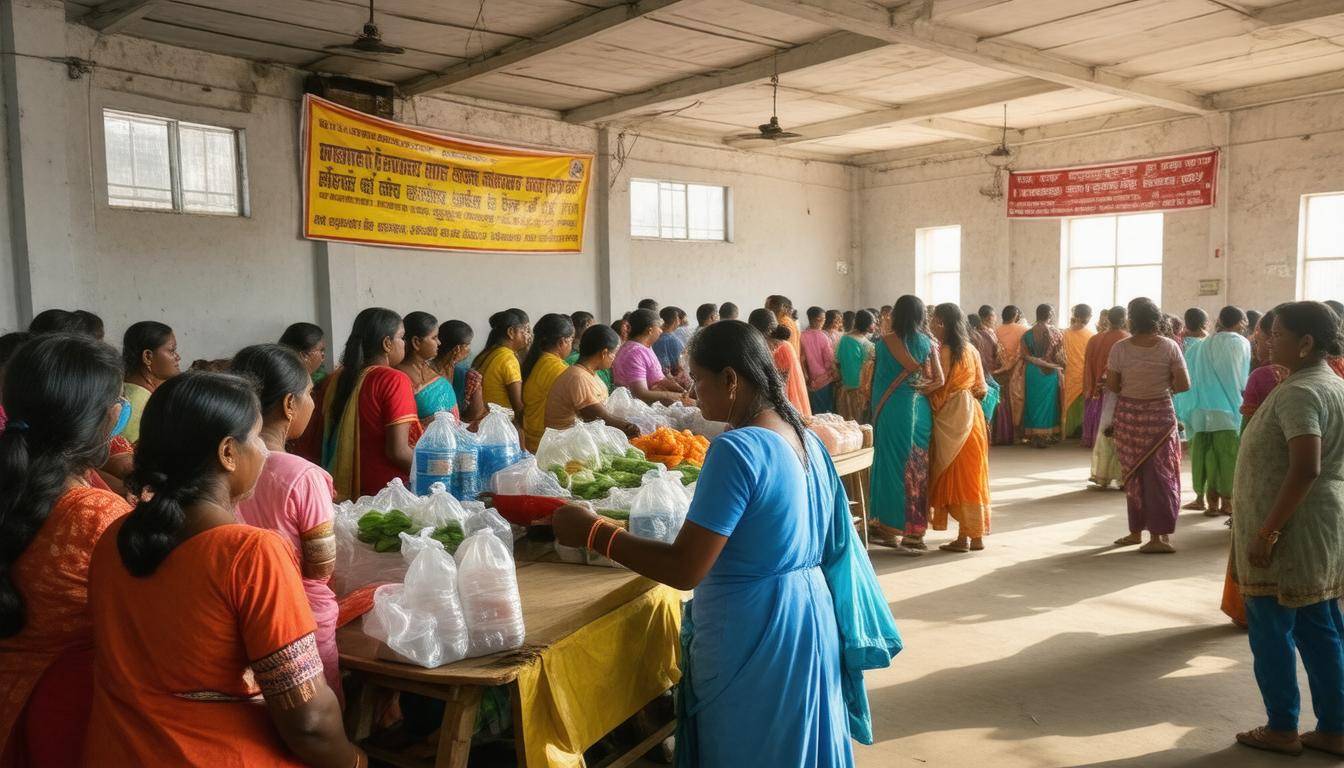
Another crucial element is the capacity of designated shelters. The government has set ambitious goals, designating at least one shelter for every 1,000 residents in high-risk areas. These shelters should be stocked with essential supplies—food, water, and medical kits compellingly prepared to last at least 72 hours. It’s not merely about providing shelter; it’s about ensuring these structures are equipped to support those within them during uncertain times.
According to assessments conducted by organizations like TARU Leading Edge, effective evacuation strategies combined with robust shelter preparedness could prevent a significant percentage of cyclone-related fatalities.
As we examine this foundational strategy, communication becomes a central pillar in the success of any evacuation plan.
Developing an organized communication plan is vital for ensuring that all residents receive timely alerts about storm developments and necessary evacuation actions. Using multiple methods—like SMS alerts, local radio broadcasts, and community meetings—creates a multi-faceted approach allowing for quick dissemination of information. This helps maintain clarity amidst panic. It’s also wise to involve local authorities to ensure all civic leaders understand the protocol; this way people will connect with their communities rather than feel isolated when facing a cyclone.
In parallel with communication strategies, regular training programs support continuous learning and preparedness among local volunteers and officials. With at least two training sessions annually focused on evacuation procedures and first aid, communities benefit tremendously from increased confidence and competence during emergencies. Imagine a neighborhood where everyone knows their role—designated leaders guiding families toward safety, medical volunteers prepared with first response techniques—in essence, such training fortifies community resilience.
However, ensuring readiness goes beyond just drills and planning; it also involves engaging communities directly in the preparation process.
Biannual community drills further enhance readiness by offering practical experience with evacuation procedures. Engaging over 200,000 residents in these scenarios significantly improves familiarity with emergency protocols through real-time practice, which research indicates decreases casualty rates during actual events. Community involvement reinforces social ties as individuals work together towards common goals; when facing adversity, this camaraderie proves invaluable.
The challenge remains ongoing: fostering an environment where preparation becomes instinctive rather than reactive. With technological advancements enhancing early warning systems—offering timely alerts about impending cyclones—it becomes easier to implement efficient emergency strategies that save lives while mitigating confusion and chaos.
Moving forward into our exploration of disaster preparedness, we can consider how forecasting and proactive measures play pivotal roles in safeguarding communities against nature’s unpredictable threats.
Anticipating Cyclone Threats
Accurately predicting cyclones is essential for timely evacuations in vulnerable regions like Gujarat, where the impact of severe weather can be devastating. The stakes are undeniably high; that’s why employing advanced meteorological technology is not just a luxury but a necessity.
Advanced Meteorological Technology
At the forefront of this technological advancement is the Indian Meteorological Department (IMD), which utilizes an array of sophisticated tools. They employ systems like Doppler Weather Radar, satellites, and numerical weather prediction models to track potential cyclone developments and forecast their trajectories with remarkable accuracy.
For example, the Doppler Weather Radar can detect cyclone formation as it begins to swirl over the Arabian Sea, providing critical early warnings that can extend up to 72 hours before landfall.
This early warning system has proven indispensable. Studies show that timely alerts can enhance community preparedness by approximately 30%, leading to fewer fatalities and significant economic savings during cyclonic events.
Imagine living in a coastal region where a storm is brewing and you might feel helpless; however, with accurate predictions, families have time to gather essentials, secure property, and evacuate if necessary. This proactive approach reduces panic and saves lives.
Yet, technological prowess alone isn’t enough. It’s important for local governments to take these warnings seriously and integrate them into their disaster management plans.
Establishing strong communication systems and community awareness plays a critical role in facilitating effective preparedness and response strategies. As we explore next, understanding governmental frameworks will provide insight into how these initiatives are implemented effectively.
Government Preparedness and Response
Government preparedness involves coordinated efforts at various administrative levels. In Gujarat, the responsibility for cyclone preparedness falls primarily upon the Gujarat State Disaster Management Authority (GSDMA), which seamlessly coordinates with local district authorities and external partners like the National Disaster Response Force (NDRF). Working together, these entities form a robust network designed to facilitate timely action when emergencies strike.
Multi-agency Coordination
The operational collaboration among these agencies is crucial. Regular meetings and simulations not only enhance communication but also improve response times and operational efficiency during an actual cyclone. Drills and practice scenarios allow responders to identify deficiencies or potential bottlenecks in their plans, enabling swift rectification before a real threat arises. Think of this as a fire drill in school—by practicing beforehand, you refine your instincts and preparedness, creating an automatic response when it’s truly needed.
One significant advantage of this cooperation is that when disaster strikes, the GSDMA can tap into various resources quickly. Whether it’s directing first responders to areas needing urgent assistance or managing shelters for evacuated residents, their organized approach saves lives.
Funding and Resources
Financial investment into disaster management plays a key role in enhancing readiness. The government acts proactively by allocating substantial funds each year specifically for this purpose. For instance, in 2023, the budget for disaster management saw an increase of 15%. This boost was directed towards improving early warning systems and shelter readiness—two essential components for effective cyclone response.
Imagine having up-to-date technology that alerts residents about impending cyclones minutes faster than before; such advancements significantly enhance everyone’s ability to stay safe. Adequate funding supports physical infrastructures too—reinforcing buildings or establishing more shelters ensures people have safe spaces to turn to when disaster approaches.
While government initiatives set the stage for effective readiness and involvement, the next critical element revolves around ensuring that communities are well-informed and prepared to respond appropriately when a cyclone threat arises.
Public Awareness and Alert Procedures
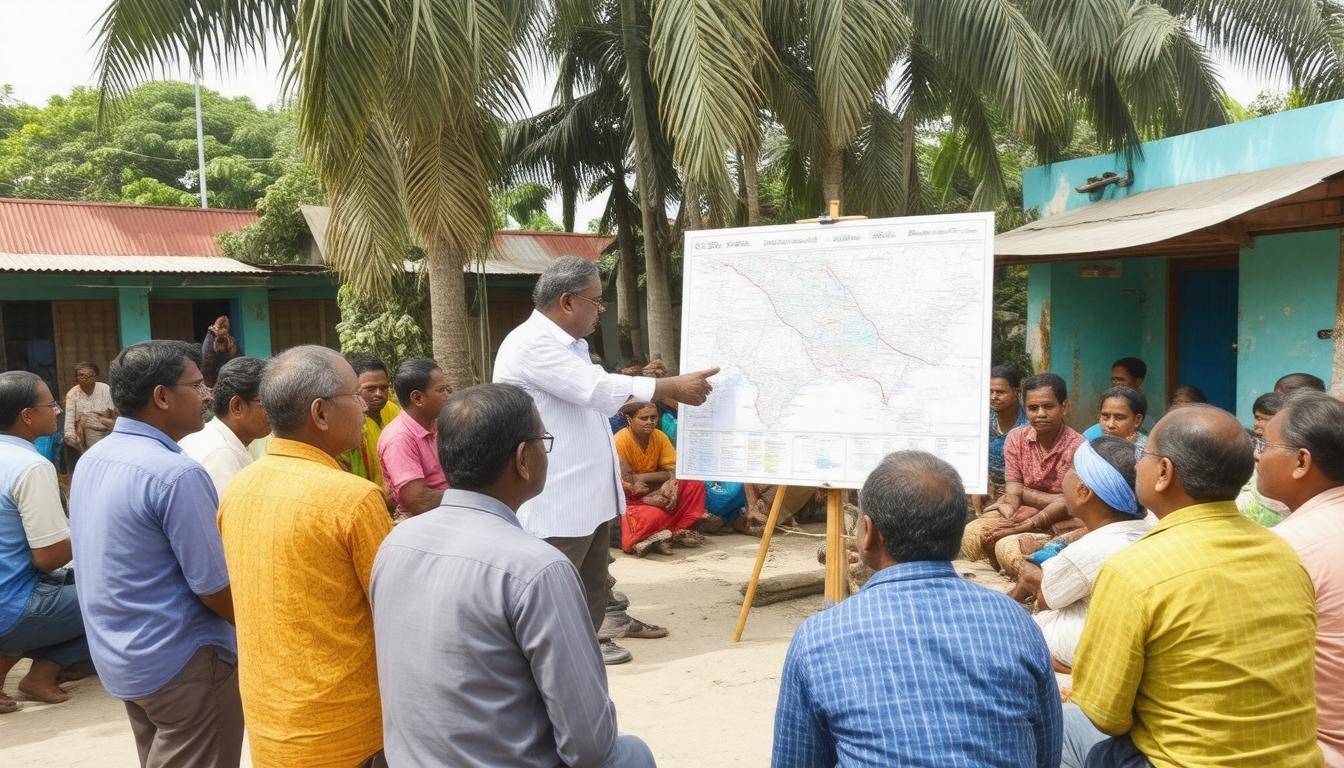
Public awareness plays a crucial role in reducing the impact of cyclones, affecting how communities respond to these natural events. Efforts to inform residents about potential threats ensure that when a cyclone warning comes through, there is preparation rather than panic.
In recent years, Gujarat has ramped up educational efforts significantly. For example, community meetings held in coastal towns such as Bhavnagar and Jamnagar have transformed from routine gatherings into hubs of vital information dissemination. Local authorities engage residents by sharing essential knowledge about what to do before, during, and after a cyclone.
Topics covered in these programs include evacuation routes, which are designated pathways for safe exit; emergency contacts, ensuring families know whom to reach out to; and even basic first aid techniques that could make all the difference during an emergency.
Despite these positive strides, challenges remain—especially in rural areas where traditional communication methods often prevail over modern alerts.
Community Education Programs
The situation becomes more complex in rural regions where access to information can be limited. While urban centers enjoy engagement through social forums and community planning sessions, many villages still rely on word-of-mouth communication. It’s a deep-seated cultural practice that serves its purpose but confines them within a bubble of outdated knowledge regarding cyclone preparedness.
Therefore, local governments and organizations must tailor their community education programs specifically for these demographics. This may involve utilizing local leaders or influencers who can transfer knowledge effectively or setting up small group discussions that resonate with traditional communication styles. Empowering local volunteers can serve as valuable bridges between formal informational platforms and grassroots realities.
Alert Systems
To complement education, the state employs an Integrated Public Alert System (IPAWS) aimed at streamlining communication during emergencies. This system sends out timely evacuation alerts through various channels including SMS notifications, radio broadcasts, and television updates. It serves as a lifeline during crises when every second counts.
A survey conducted in 2022 highlighted that 85% of residents reported receiving alerts promptly—this improved timely response can often mean the difference between safety and disaster.
However, it’s essential that this alert system is not only functional but also accessible. Continuous training sessions must be held to educate residents on how to effectively interpret these alerts and respond accordingly—this would equip individuals with the know-how needed to act swiftly.
While public awareness initiatives are invaluable for informing citizens about safety measures, robust infrastructure with adequate shelters available during actual cyclonic events remains critical for effective disaster management.
Infrastructure and Shelter Readiness
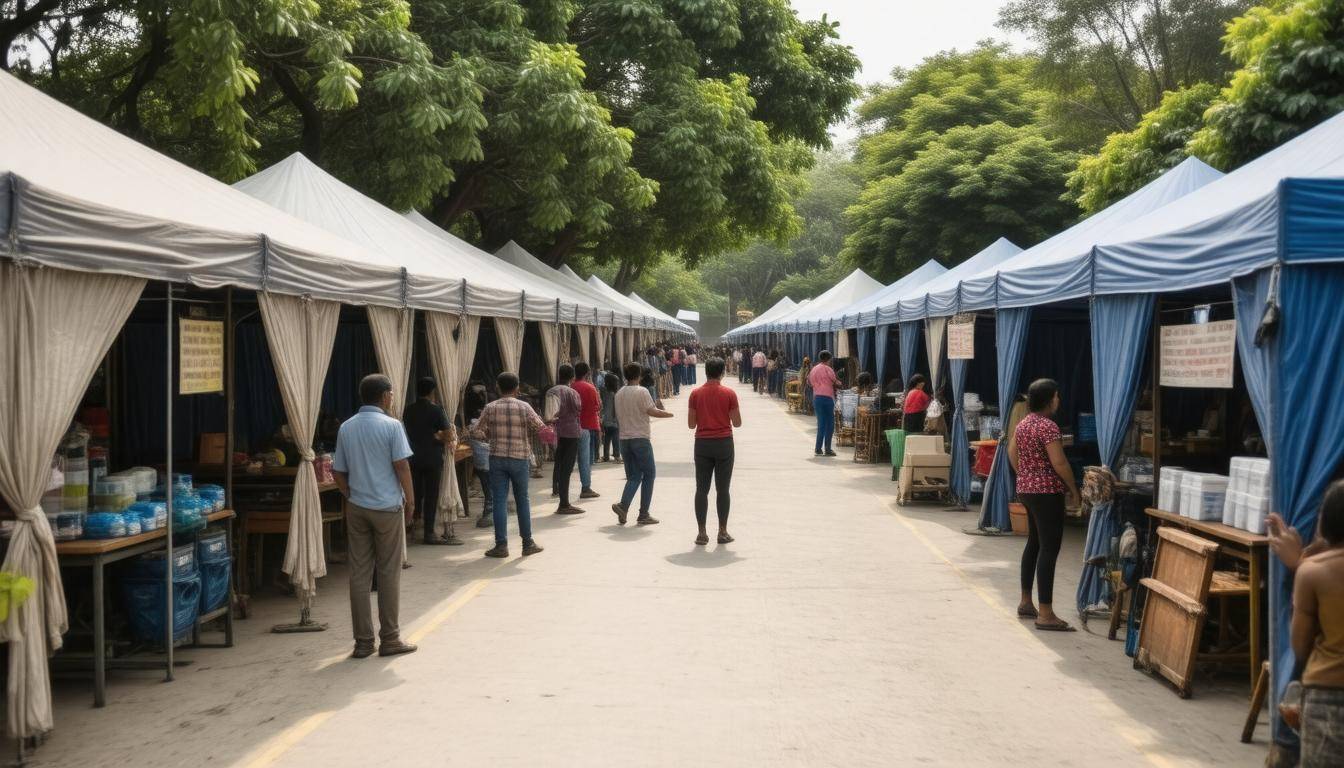
Robust infrastructure and well-maintained shelters can be lifesavers during a cyclone. They serve as a crucial lifeline, protecting individuals from the storm’s fury while providing essential services. To prepare for an impending cyclone, understanding and implementing resilience measures is critical.
Building Resilient Structures
The state of Gujarat has made significant strides by implementing cyclone-resistant building codes that mandate reinforced roofing and elevated foundations. This ensures that new constructions, particularly public buildings in coastal cities like Porbandar, are designed with durability in mind. Such efforts significantly mitigate potential damage during severe weather events.
However, it’s important to acknowledge the gaps in older structures that remain vulnerable to cyclones despite these advancements.
In many cases, older buildings were constructed without these modern standards and remain at increased risk due to aging materials and outdated techniques. This duality highlights the urgency for retrofitting older infrastructures so they too can withstand nature’s wrath, thereby enhancing overall safety across communities.
Shelter Availability
The government has designated around 150 cyclone shelters throughout the region, each equipped with basic amenities such as food, water, and medical supplies. This accommodation has improved shelter availability by 20% in just the past five years—an admirable increase given the escalating threats posed by climate change and extreme weather conditions.
But have we considered what makes these shelters truly effective? Just having them isn’t enough.
Essential Equipment and Procedures
Ready shelters provide safety, but appropriate emergency equipment and procedures assure effectiveness. Each shelter must not only stock essentials but also conduct regular drills to teach evacuees how to best utilize them during an emergency scenario. Consider this: if a community practice drill happens before a storm strikes, residents will feel familiar with the protocols when real danger looms.
As part of this preparation strategy, it’s imperative to develop strong communication channels that notify the community of shelter readiness and evacuation procedures well in advance. Regular workshops can empower residents with knowledge about emergency plans tailored to their neighborhoods. These proactive measures reinforce preparedness—not just for individuals but for entire communities facing the threat of cyclones.
Understanding how to incorporate effective emergency protocols along with robust infrastructure prepares us for immediate challenges when disaster strikes. Now let’s explore the necessary gear and specific procedures that enhance our collective safety.
Emergency Equipment and Procedures
Properly equipped emergency responders are the backbone of any effective cyclone evacuation effort, as they can significantly enhance the speed and efficiency of the evacuation process. Emergency equipment acts as the pillars holding up the structure of safety in times of crisis, ensuring that those in harm’s way receive necessary support without delay.
In the wake of a cyclone, it’s not just about having gear; it’s about knowing how to utilize it efficiently and responding seamlessly under pressure.
Essential Equipment
-
Rescue boats: Vital for moving people from flooded areas to safe zones. Transporting evacuees quickly prevents panic and potential loss.
-
Medical kits: Keeping first aid supplies available ensures that any injuries sustained during evacuation can be addressed swiftly, minimizing complications.
-
Satellite phones for communication: Reliable communication can be lifesaving. In a cyclone situation where power lines may fail, satellite phones provide a direct line to authorities and emergency services.
-
Portable generators: These come into play when electrical grids fail, allowing for continued operation of essential equipment and services at shelters.
-
Search and rescue gear: Tools like thermal imaging cameras can locate individuals trapped in debris, ultimately saving lives.
Each district must actively maintain an updated inventory of such equipment to ensure rapid deployment when needed. Regular drills integrating this equipment are equally important, as they prepare responders for real-life scenarios and refine their techniques.
“Preparation is not just about what you possess but how well you know how to use those assets.”
This brings us to the importance of training procedures for your emergency teams. While having equipment is essential, it’s the protocols in place that determine success during an actual event. This involves conducting regular training sessions that focus on specific tasks using every piece of emergency gear available.
The aim is to compile a routine that seamlessly directs personnel on how to respond in each circumstance. For example, responders must practice launching rescue boats as quickly as possible while safely ensuring evacuees are onboard.
Moreover, communities should also engage with local authorities to receive information on best practices concerning these procedures. Establishing clear channels for communication enhances operational ability during evacuations and fosters trust within communities. When residents have faith in their local government’s readiness and capability, they feel more secure during cyclone warnings.
Moving forward, we will explore how coordination from local leaders plays a critical role in streamlining these efforts and enhancing community resilience during emergencies.
Role of Local Authorities
Local authorities act as the backbone of cyclone preparedness and response, ensuring that communities are well-informed and equipped to face extreme weather events. Their role extends beyond mere logistics; they offer resources, training, and a direct line of communication.
In Gujarat, local administrations undertake district-level planning that involves pre-emptive measures like identifying shelters and establishing evacuation routes well before the cyclone season begins. This foresight is critical. It becomes clear when we reflect on past events, such as the 2020 cyclone where the implementation of these plans allowed for a well-coordinated evacuation of over 50,000 residents.
District-Level Planning
The meticulous planning by district administrations showcases how local government can transform preparedness into actionable strategies. These plans often involve risk assessments where officials identify vulnerable areas based on past data and current environmental conditions.
Each district utilizes geographic information systems (GIS) to create mapped-out escape routes and shelter placements tailored to their unique geography. By actively involving different departments, from meteorology to public safety, local authorities can conduct mock drills culminating in a robust strategy that engages community members in the evacuation process—a shared understanding can make all the difference when disaster strikes.
Beyond their logistical functions, local authorities harness community connections that can prove vital during a cyclone’s fury.
Community Leaders
The influence of community leaders cannot be overstated. “Our community leader’s timely guidance during the last cyclone saved many lives,” says Ravi Patel from Valsad. His statement echoes the sentiments of many who rely heavily on local figures for direction and support.
These respected individuals often serve as conduits for information from local authorities, helping disseminate crucial updates about evacuation orders and safety precautions efficiently. They foster a sense of solidarity, urging neighbors to look out for one another while promoting awareness around emergency procedures such as assembling disaster kits or holding family discussions about evacuation plans.
Mental preparedness is equally important as physical readiness.
By collaborating closely with local governments, community leaders embody a bridge between authority directives and neighborhood needs, cultivating an environment where proactive engagement reigns sovereign over fear and confusion.
While understanding the role of local authorities, it’s essential to examine how these strategies play into broader lessons that inform future action against natural disasters.
Lessons Learned from Past Experience
Reflecting on historical cyclones offers invaluable insights that can shape the response to future disasters. One notable instance is Cyclone Vayu in 2019, which served as a significant learning opportunity for Gujarat. Even though Cyclone Vayu ultimately changed course and did not make landfall, it tested the state’s evacuation plans and emergency protocols.
Imagine hundreds of thousands of residents being evacuated at a moment’s notice; this scenario illustrated just how vital robust systems must be in place.
Case Study: Cyclone Vayu, 2019
During Cyclone Vayu, the sheer scale of the evacuation highlighted the effectiveness of early warning systems and communication channels. However, this incident also exposed vulnerabilities. For example, while many people were evacuated, there were insufficient emergency shelters to accommodate those fleeing from high-risk areas. This gap showcased the need for more thorough planning and resource allocation in areas frequently impacted by severe weather conditions.
The lessons learned during this event underscored why proactive measures must be prioritized to meet community needs during such crises.
Building on these insights, immediate changes were set in motion.
Improvements Implemented
Following the experience of Cyclone Vayu, local authorities took decisive action to enhance shelter capacity and emergency response times. This included investing in training programs for first responders and integrating advanced technologies like real-time data analytics for better coordination during evacuations. Research indicates that these enhancements could potentially lower cyclone-related fatalities by up to 50% over the next decade, showcasing how adapting based on past events can yield life-saving results.
Yet preparedness doesn’t end with infrastructure improvements; community involvement is equally crucial.
Community Awareness and Engagement
Engaging communities plays a pivotal role in effective cyclone preparedness. Through public awareness campaigns, residents become better informed about cyclone risks and readiness strategies. Programs coordinated by organizations such as the Gujarat State Disaster Management Authority (GSDMA) have established regular drills and workshops that encourage families to create their own emergency plans.
When community members actively participate in these initiatives, they tend to feel a greater sense of responsibility, further bolstering the overall resilience of their neighborhoods.
In addition to forming stronger community bonds, these programs aid individuals in developing a personal understanding of how cyclones can affect their lives directly, ensuring that readiness isn’t just an abstract concept but a tangible reality.
When people see firsthand how to prepare for emergencies, they become empowered, not only securing their safety but encouraging those around them to do the same.
Ultimately, blending lessons learned from previous cyclones with proactive engagement strategies creates a synergistic effect. As we continue refining our plans based on historical experiences and community feedback, we move closer to creating safer environments where individuals can live without fear of impending disasters.
By fostering both infrastructure improvements and community awareness, Gujarat can build a resilient future against cyclones and ensure that all residents are prepared when disaster strikes.