
Gwangju, a vibrant city in South Korea, is stepping into the future with its Urban Infrastructure Backup Plan, designed to handle the growing challenges of urban life and climate change. But what does it really take for a city to thrive amidst increasing pressures? Imagine living in a place where roads function smoothly, power stays on during storms, and green spaces flourish alongside smart technology. Gwangju aims to be that city—transforming itself into a model of urban resilience through careful planning and innovative strategies. This article explores how Gwangju’s comprehensive approach combines modern technology, community involvement, and environmental considerations, creating a roadmap for sustainable growth that many cities can look up to.
The Gwangju Urban Infrastructure Backup Plan encompasses a strategic framework aimed at reinforcing the city’s infrastructure in light of modern demands and climate change challenges. This plan includes the integration of smart technologies, such as AI and IoT, to improve transportation networks, enhance public facilities, and increase community engagement while planning for sustainable growth.
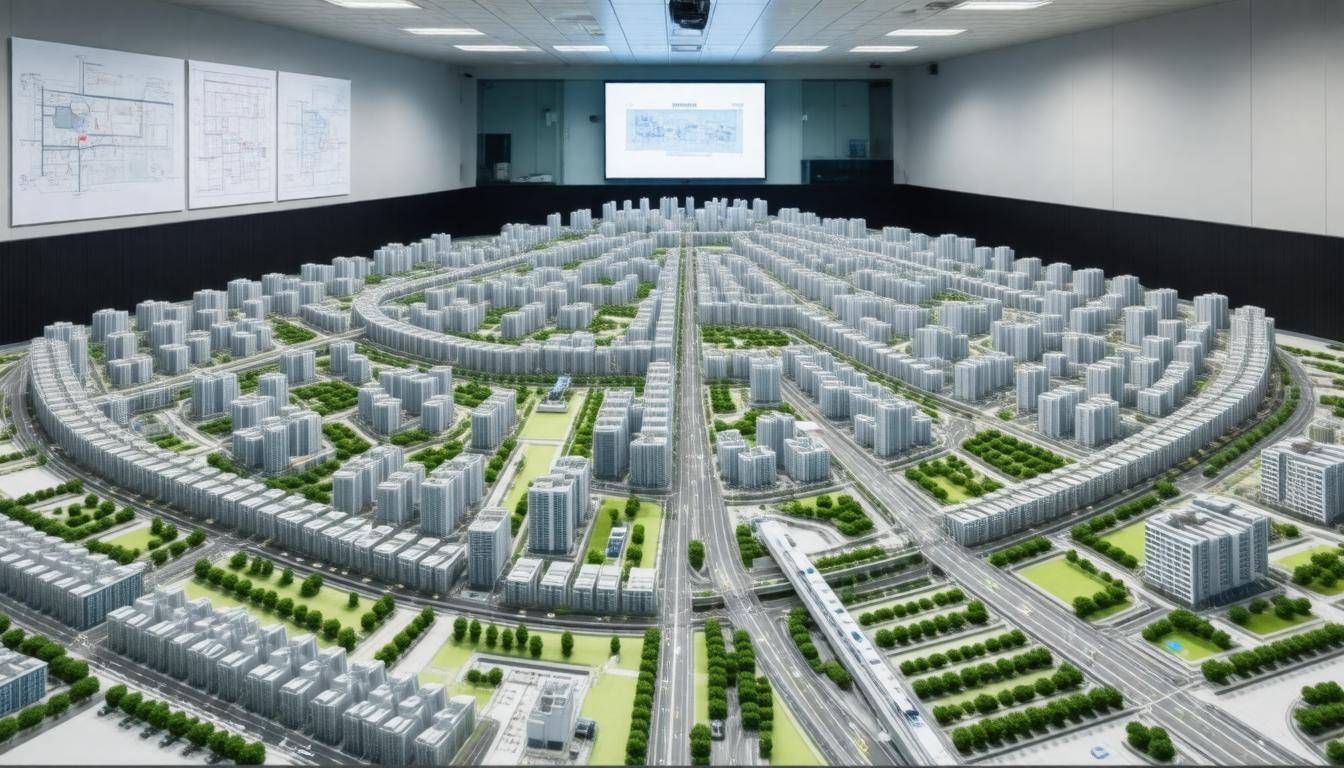
Overview of Gwangju’s Backup Plan
The plan is designed with a holistic view—combining modern technology with eco-friendly initiatives to create a resilient urban landscape that can withstand the challenges posed by climate change and urban growth. With Gwangju set to escalate its population to around 1.5 million by 2030, the need for infrastructure that can adapt to such changes is imperative.
The city is not just investing in buildings and roads; it’s paving the way for a future that prioritizes sustainability as much as progress.
Focus on Smart Technology
One of the cornerstones of Gwangju’s strategy lies in the integration of smart technologies. These include artificial intelligence (AI) and the Internet of Things (IoT), tools that are designed to make urban living more efficient and environmentally friendly. For instance, implementing intelligent transportation systems (ITS) could lead to a notable reduction in greenhouse gas emissions—potentially by 3 to 8 percent. This feat is achievable through optimizing traffic patterns, diminishing road congestion, and thus decreasing the number of vehicles on the road at any given time.
Utilizing AI-driven smart building systems plays an equally significant role in shaping a sustainable environment. These systems automate energy consumption across lighting, heating, and cooling, ensuring optimal performance that not only conserves energy but enhances residents’ comfort levels within their homes.
Green and Sustainable Practices
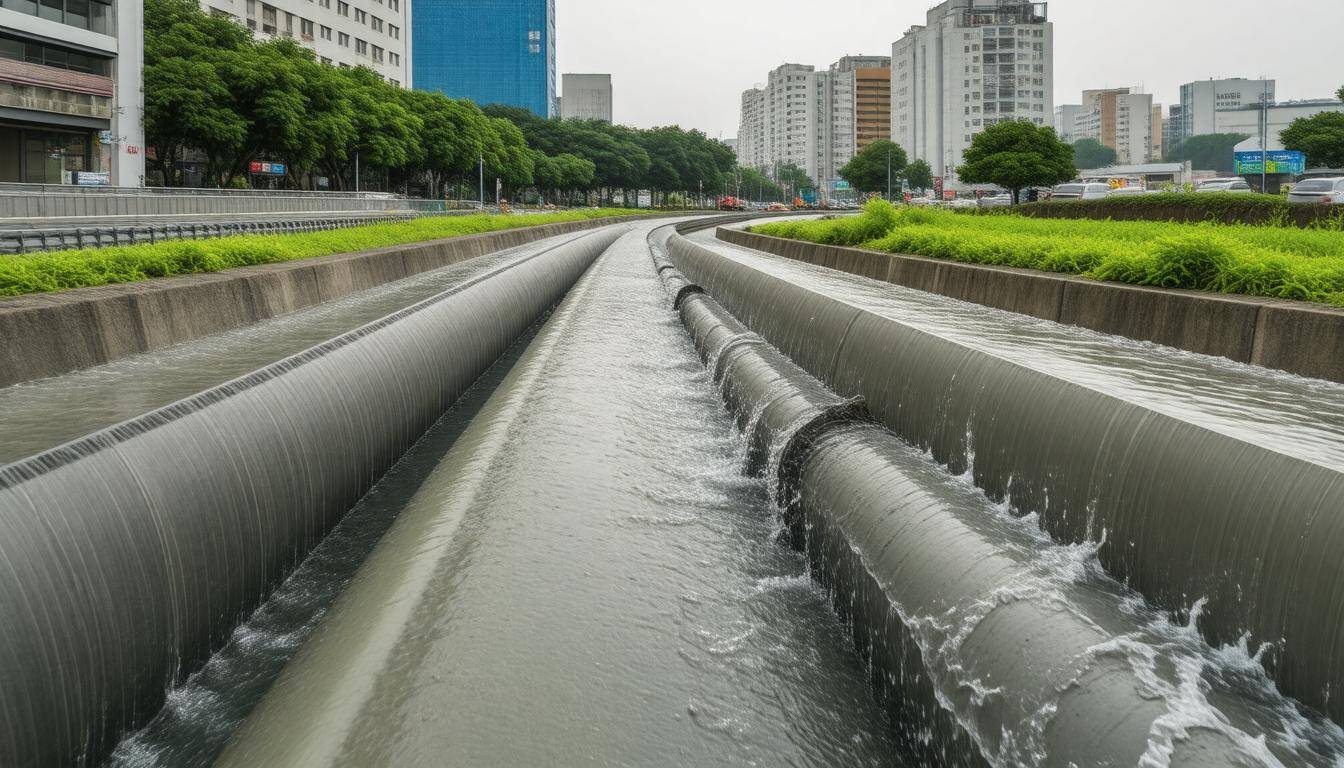
Alongside technological endeavors, Gwangju’s backup plan includes substantial green initiatives. Enhancing public green spaces is one of the most visible aspects of these efforts, leading to improved air quality and increased community engagement. Additionally, implementing flood prevention measures is crucial given climate change’s unpredictable impact on weather patterns. This involves restoring natural water retention areas and improving drainage systems, which will significantly mitigate flooding risks in urban settings.
However, while these ambitious objectives outline a path towards sustainability, achieving them hinges on effective coordination among various stakeholders—government bodies, local communities, and private enterprises alike. Historically, there have been gaps in communication and collaboration that have made it challenging to translate high-level goals into actionable policies.
As we continue to examine Gwangju’s infrastructure initiatives, we’ll look at how the city plans to tackle these coordination issues while striving toward its strategic vision for urban resilience.
Integration of Backup Systems
One of the most significant aspects of Gwangju’s urban infrastructure backup plan lies in the integration of backup systems across various critical sectors. By executing this strategy, Gwangju aims to create a safety net that ensures continuous functionality during unexpected disruptions, such as natural disasters or power outages. It’s like preparing for a storm by reinforcing your home—ensuring every part is equipped to withstand the elements.
Redundancy in Critical Systems
An important feature of this approach is the redundancy built into critical infrastructure systems—including power grids, water supply networks, and telecommunication systems. Imagine you’re at a concert where both the main act and a backup band are scheduled to perform. If one fails to deliver, you still get to enjoy the show. Similarly, Gwangju’s strategy emphasizes establishing multiple layers of backups to minimize downtime and service disruptions during crises.
To elaborate further, the city plans to deploy dual-power grids paired with emergency generators. This method not only guarantees a consistent energy supply but also prevents complete blackouts during emergencies. For example, if one grid encounters an issue, the other can seamlessly take over, ensuring that homes and businesses remain powered.
Additionally, in the telecommunications sector, Gwangju will utilize satellite communications as a secondary option. This decision stands to secure uninterrupted connectivity even if terrestrial network systems fail. Picture a lifeline in a storm—when ground connections are severed, satellite communications keep people informed and connected.
These preparations highlight a proactive mindset that can save lives and maintain order in challenging situations. Gwangju’s commitment extends beyond immediate needs; it shapes the future by providing long-term solutions that foster community wellbeing and confidence.
As we transition towards exploring how these technologies integrate to enhance stability and reliability, it becomes essential to examine their roles within urban infrastructure.
Ensuring Telecommunications and Power Stability
Stable telecommunications and power systems are truly the lifelines of modern urban environments; they are what keep our cities alive, interconnected, and responsive. In a world where a single outage can disrupt daily life and emergency services, it becomes paramount to implement robust solutions that cater to these essential needs.
One of the key strategies for ensuring consistent power supply involves dual-power grids. By having two interconnected grids functioning simultaneously, Gwangju aims to provide uninterrupted electric service, even during unforeseen outages. This redundancy means that if one grid encounters issues, the other can seamlessly take over, thus maintaining reliability.
Additionally, the city is embracing emergency generators, particularly at critical facilities such as hospitals and emergency services. These generators are designed to kick in automatically during a power failure, ensuring that vital operations continue without interruption. Having these generators strategically placed can significantly enhance the city’s overall resilience during crises.
Moving beyond power, telecommunications are likewise crucial. Gwangju is exploring the deployment of satellite communication systems that act as a backup to traditional ground-based networks. If terrestrial systems fail due to a storm or technical issues, satellites can still facilitate communication for key services and residents alike. This layer of security is especially important in regions prone to natural disasters.
Smart grid technology is another cornerstone of this plan. By integrating artificial intelligence (AI) and the Internet of Things (IoT), Gwangju can manage its power distribution more efficiently than ever before. For instance, these technologies allow for real-time monitoring of energy consumption and automatic adjustments to optimize performance. This not only improves efficiency but also reduces waste, contributing to a greener and more sustainable urban environment.
Research indicates that cities leveraging dual-power grids alongside smart grid technology manage to reduce outage times by up to 40%. Such impressive numbers translate into tangible benefits: less downtime means savings for residents and businesses alike, bolstering economic stability.
With robust telecommunications and power strategies established, Gwangju is poised to advance in other areas critical for enhancing urban living conditions—especially regarding mobility and safety on the roads.
Enhancing Transportation and Road Safety
Safe and efficient transportation systems are the arteries of a thriving urban community. Gwangju’s commitment to improving this infrastructure reflects its dedication to delivering better everyday experiences for residents. By focusing on key enhancements such as intelligent traffic management, comprehensive public transport options, and community-led initiatives, Gwangju is creating a more robust transportation environment.
Intelligent Traffic Management
Gwangju has embraced technology with its intelligent traffic management systems. Imagine driving in the city during rush hour; suddenly, the traffic light you’re approaching turns green just as you arrive at the intersection. This isn’t just luck—it’s AI-powered traffic lights at work. These advanced systems learn how vehicles move through the city in real-time, adjusting signal patterns to optimize traffic flow. This means reduced wait times for drivers and minimized emissions from idling cars.
Studies conducted in various cities have shown that travel time can decrease by up to 25% with intelligent traffic systems. That statistic translates into less frustration for commuters and significantly less fuel burned—contributing to a cleaner urban environment.
Moreover, these smart systems enhance pedestrian safety by providing real-time adaptive signals that give priority to foot traffic during peak periods. In areas densely populated with restaurants and shops, traffic lights can adjust themselves to allow more crossing time for pedestrians, fostering safety and a livelier street experience.
Comprehensive Public Transport Options
While enhancing private transportation methods is essential, Gwangju is equally devoted to expanding its public transportation options. A flourishing public transit system can dramatically reduce traffic congestion levels. Improved public transport not only eases movement for residents and visitors alike but also addresses environmental issues by reducing individual vehicle trips.
Locally integrated buses and trams operated at higher frequencies provide residents with a reliable alternative to personal vehicles. Incentives like subsidized fares on designated routes encourage inhabitants to choose public transport—signifying greater efficiency across the city.
Some communities even prioritize creating bike lanes alongside bus routes. Encouraging cycling as a sustainable mode of transportation combats urban pollution while promoting healthier lifestyles among residents.
Community-Led Initiatives
Enhancing transportation involves not only technological advancements but also engaging the community in planning processes. Residents play an essential role in voicing their needs and experiences regarding local transport issues. Local governments have initiated programs designed to gather feedback about traffic patterns, public transport accessibility, and safety concerns. Integrating these insights into development strategies leads to tailored solutions that reflect the unique needs of neighborhoods.
Initiatives such as “Walk-to-School” programs encourage families to actively participate in safe walking routes through neighborhood involvement, leading to safer roads while inspiring children to engage with their surroundings.
All these elements—intelligent technology, effective public transit options, and community engagement—work together seamlessly within Gwangju’s urban infrastructure backup plan, ensuring road safety while contributing proactively to resilience against future challenges.
Crisis Preparedness Measures
Preparing for emergencies is about more than just having a plan; it’s about ensuring that the entire city infrastructure is designed to support each citizen in times of need. Gwangju’s approach emphasizes strategic planning and investments in resources, ensuring that swift and effective responses become second nature during crises. This multifaceted view incorporates various components, from infrastructure resiliency to community involvement.
Emergency Response Framework
Central to Gwangju’s crisis strategy is its comprehensive emergency response framework. This system was developed after extensive research, including insights from the recent G20 reports that recognized the necessity for cities to strengthen partnerships and collaboration. The framework enables quick deployment of first responders who are trained not just in emergency techniques, but also in community engagement, ensuring a seamless transition from crisis alert to action. With this proactive approach, residents know they can rely on first responders who understand their localities intimately.
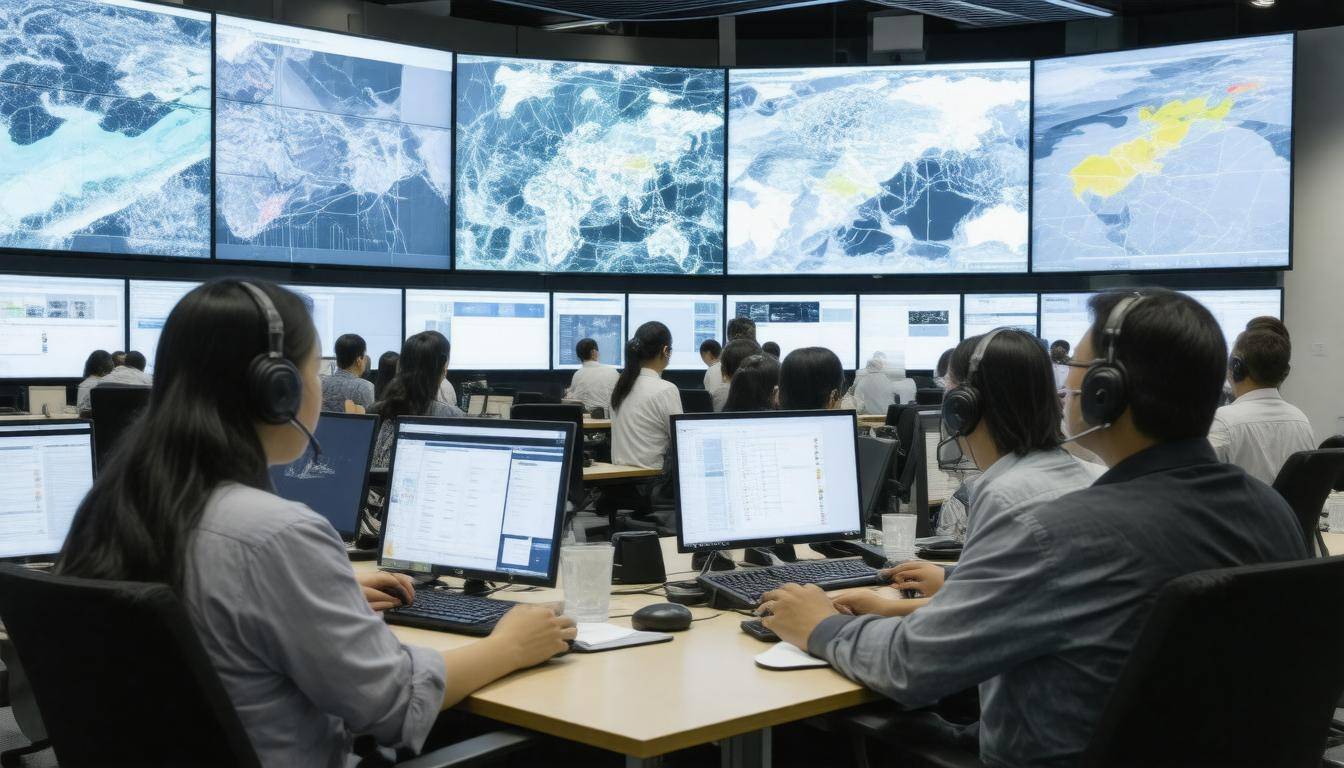
As part of this framework, Gwangju employs real-time monitoring through IoT sensors embedded across the city. These sensors gather data about urban environments, such as air quality and traffic patterns, allowing for continual assessments of any threats that may arise. For instance, should an unexpected flood develop due to heavy rains, the systems can detect rising water levels immediately and alert appropriate authorities to act before the situation escalates.
“The incorporation of IoT technology into our emergency framework has ensured that we don’t just respond; we anticipate,” says city official Lee Min-ji.
Resident Kim Jin-soo shares his experience: “The real-time alert system gave us enough time to evacuate during the last flood.” His words underscore how technology can bridge the gap between fear and safety. Without timely alerts, many would have faced dire situations that could have otherwise been managed through early intervention.
Moving beyond immediate crisis management, Gwangju’s preparedness plan champions the importance of maintaining essential services and facilities during emergencies. This sets the stage for a discussion on safeguarding core services like utilities, healthcare, and public safety, aligning with urban infrastructure improvements recommended by G20 frameworks.
Support for Essential Services and Facilities
In any thriving city, essential services and facilities—such as healthcare and education—are foundational elements that require consistent investment and support. Gwangju recognizes the crucial role these services play in maintaining a high quality of life for its residents and is committed to reinforcing their reliability. This means not only improving existing facilities but also preparing them for potential emergencies.
Healthcare and Educational Facilities
To start with healthcare, Gwangju’s strategic plan includes securing healthcare facilities with backup generators and water supplies, crucial for sustaining operations during power outages or unexpected grid failures. Imagine needing urgent medical assistance but finding the clinic closed due to lack of electricity; that’s a chilling scenario that city leaders aim to prevent. Therefore, investing in reliable power sources ensures hospitals can function continuously, day and night, no matter the circumstances.
The city has allocated approximately $50 million towards upgrading hospital infrastructures, which includes everything from installing advanced diagnostic equipment to fortifying building structures against potential hazards. Equally important, school systems are being reinforced with redundant systems that guarantee educational continuity. These enhancements mean schools aren’t just buildings where learning happens; they are resilient spaces that can endure challenges and keep students safe and informed in times of crisis.
This kind of financial commitment not only protects vital services but also instills a sense of confidence among residents about their city’s preparedness for emergencies. When people see their government actively protecting their health and education infrastructure, it fosters trust—a critical ingredient in any community’s resilience.
Community Engagement
It’s worth noting that alongside these infrastructural upgrades, Gwangju emphasizes community engagement. Local organizations are invited to participate in discussions about service needs and emergency protocols. Engaging citizens allows authorities to better understand the specific challenges residents face while utilizing municipal services. This collaborative spirit ensures that enhancements are aligned with community priorities, creating a tailored response to urban necessities.
Ultimately, such investments lead to more than just fortified buildings; they translate into improved health outcomes, educational achievements, and a stronger sense of community solidarity. When essential services are backed by proper support systems, residents can focus more on thriving instead of merely surviving.
As Gwangju strengthens its approach to managing essential services, the following discussion will shift toward another vital component: the effective management of resources within the urban landscape.
Resource Management and Protection
Effective resource management is crucial for cultivating a sustainable urban environment, extending beyond just handling waste or ensuring there’s enough water for all. It involves careful conservation coupled with optimal utilization of available resources to create a harmonious living space. In Gwangju, the integration of technology in managing natural resources is particularly inspiring. This initiative ensures that residents have reliable access to these resources while actively participating in their conservation.
Water Resource Management
One of the key areas where this strategy shines is water resource management. By implementing advanced systems outfitted with Internet of Things (IoT) sensors, Gwangju can effectively monitor various aspects of water quality and distribution. This technology allows city planners to pinpoint leaks and wastage points in real-time, transforming every drop into a valuable asset rather than a fleeting commodity. These smart solutions help lessen excess consumption while promoting conscious community engagement about water usage.
“Our smart water meters have greatly reduced our monthly consumption,” says local resident Park Seo-yeon. This illustrates how the technology empowers individuals while serving collective community goals.
Think of it like having an eco-friendly car: when you maintain it well and use modern tools, you not only improve efficiency but contribute to lessening your carbon footprint. Similarly, a city equipped with state-of-the-art resources operates smoothly and promotes sustainability.
The benefits don’t stop at just saving water; they ripple through other aspects as well. When less water is wasted, there’s reduced energy required for heating and distributing that water, cutting down on electrical costs and minimizing pollution linked to conventional water treatment methods.
By prioritizing advanced resource management techniques, Gwangju sets itself on a path toward sustainable urban growth that addresses current needs while preparing for potential shortages or environmental challenges. As we explore further, we’ll see how these innovative strategies shape the future of urban planning in this vibrant city.
Implications for Future Urban Planning
Gwangju’s focus on integrating technology and sustainability is like a shining beacon for cities around the globe, offering a path forward that addresses pressing challenges. The city’s actions reveal that urban planners today have an unprecedented opportunity to craft solutions grounded in innovation. As urban areas become increasingly crowded, embracing methods that prioritize ecological considerations can transform how we live and interact with our environment.
The successes seen in Gwangju provide a wealth of lessons applicable anywhere. Cities must now think outside the box, moving beyond traditional development models that often ignore social equity and ecological sustainability. The challenges posed by climate change, population surges, and limited resources necessitate a new framework—one where sustainable practices inform every decision made in urban development.
Engaging the community in all stages of planning is vital for success; cities hoping to emulate Gwangju’s achievements should actively solicit public feedback on infrastructure projects. When residents feel heard and involved, the outcome enhances user satisfaction and fosters a sense of ownership crucial for long-standing success.
In essence, Gwangju’s Urban Infrastructure Backup Plan exemplifies a model of urban resilience that goes beyond mere theory and demonstrates effective application in real life. By prioritizing sustainability through innovative strategies, cities can create environments that are not only livable but also thriving despite external pressures.
Fostering collaboration between local governments, research institutions, and citizens will ensure that urban regeneration efforts reflect the needs of all stakeholders and contribute to sustainable growth tailored to local contexts.
Thus, as municipalities navigate their urban futures, remembering Gwangju’s achievements offers valuable insights into creating dynamic solutions capable of standing up against modern-day challenges. Urban planners worldwide can learn from this case study that comprehensively addressing environmental concerns while empowering communities leads to thriving ecosystems within metropolitan landscapes. Taking a holistic approach—where each element of city life is interconnected—can propel cities toward a sustainable future filled with opportunities for success.