
As climate change continues to reshape our planet, cities like Hamburg are on the front lines, facing an increasing number of storms and rising sea levels. The pressing question remains: how can urban areas effectively shield themselves from the threats posed by nature? This article explores Hamburg’s ambitious Coastal Storm Protection Plan, a comprehensive strategy designed to fortify the city against flooding and storm surges while fostering community awareness and engagement. By taking a look at innovative projects, cutting-edge construction techniques, and community-driven initiatives, we reveal how Hamburg is not only protecting its infrastructure but also setting a strong example for other coastal cities grappling with similar environmental challenges. Join us as we dive into the specifics of this extraordinary plan and consider its implications for the future of urban resilience.
The Hamburg Coastal Storm Protection Plan is a strategic initiative designed to enhance the city’s resilience against flooding and storm surges by improving coastal defenses. This comprehensive plan includes measures such as the construction of storm barriers, reinforcement of existing infrastructure, and community engagement to mitigate risks associated with climate change and rise in sea levels.
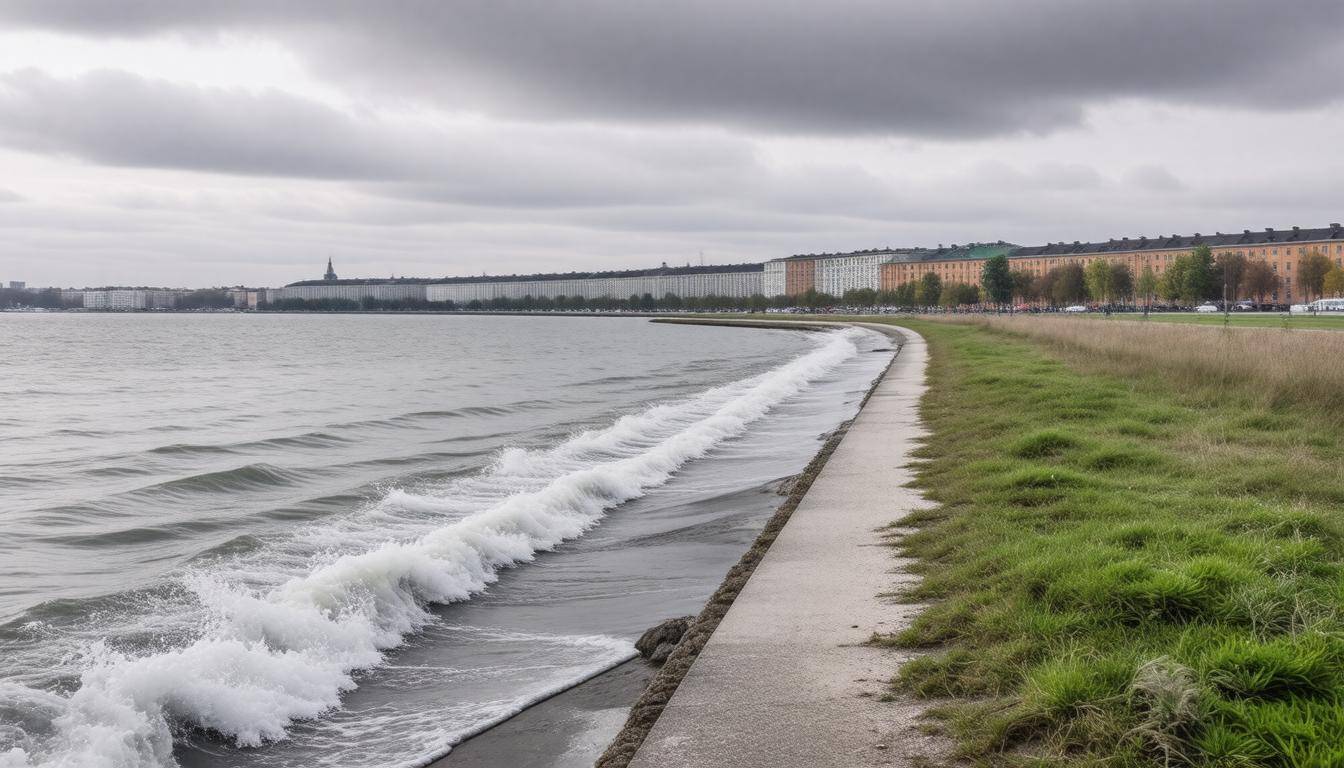
Overview of Hamburg’s Coastal Storm Protection
The heart of Hamburg’s Coastal Storm Protection lies in its Integrated Flood Protection Plan, a visionary approach that integrates both traditional and innovative protective measures. Central to this plan are hardware solutions such as levees and storm barriers designed to physically block water from encroaching on vulnerable areas.
Yet, this is not just about erecting walls; it’s about creating a multifaceted system that incorporates soft measures like public education and strategic land use policies. For instance, while barriers may keep storm surges at bay, raising public awareness ensures that residents are informed and prepared for potential flooding events, fostering a culture of safety and responsiveness.
In addition to protecting current infrastructure, this proactive stance evolves with changing environmental conditions.
These combined efforts aim not only to mitigate immediate flood risks but also to bolster the city’s resilience against long-term climatic changes. By understanding local tidal patterns and incorporating data on wind direction—key factors that influence storm impacts—Hamburg is investing in measures that will serve future generations.
Engaging the community through information campaigns is crucial; residents learn not only how to react during storms but also become active participants in maintaining their environment.
The reality of Hamburg’s risks is underscored by statistics: the city experiences an average of two significant storm surges per year. Such occurrences highlight the urgent need for effective flood defenses; each surge brings with it the potential for widespread damage, making it essential for Hamburg to continually assess and improve its preventative strategies.
It becomes increasingly apparent that Hamburg’s approach serves as a robust model for other coastal cities facing similar threats.
The commitment shown in Hamburg represents more than just architectural solutions; it symbolizes a holistic understanding of climate adaptation, where governance, community participation, and scientific knowledge converge. This strategic framework reduces vulnerability today while preparing for uncertainties tomorrow, demonstrating how cities can effectively navigate the complexities posed by nature in increasingly turbulent times.
With these foundational concepts firmly established, we now move forward to examine specific projects that form the backbone of the city’s flood defense strategy.
Key Flood Defense Projects
The essence of Hamburg’s flood protection strategy revolves around several key projects designed to mitigate risks and safeguard communities. One shining example of this is the St. Pauli Flood Protection Barrier. Completed in 2002, this impressive structure stands at 7.65 meters above average sea level. It is ingeniously engineered to be raised during storm surges while remaining unobtrusive during normal conditions, blending seamlessly into the city’s landscape. This dual functionality ensures that residents can enjoy their surroundings without the constant presence of bulky barriers when they are not needed.
But the St. Pauli barrier is just one part of a broader picture; another prominent initiative is the HafenCity Development project.
HafenCity Development
HafenCity represents one of Europe’s largest urban redevelopment projects, transforming a substantial section of Hamburg’s harbor into a modern residential and commercial area built with flood resilience in mind. Innovative landscape design is key here; buildings are constructed on terraces elevated up to 8 meters, effectively keeping potential floodwaters at bay. This thoughtful elevation not only enhances flood protection but also allows for picturesque views of the waterfront while creating inviting public spaces that encourage community interaction.
“Good design has always been about practicality married with beauty,” said an architect involved in HafenCity’s development, highlighting how aesthetics do not need to compromise safety.
These measures are indicative of Hamburg’s proactive approach towards integrating its flood defense mechanisms with urban living spaces, ensuring that safety does not come at the expense of livability. Residents and visitors alike benefit from waterfront parks and walkways designed to withstand rising waters, showcasing how cities can adapt to climate change through clever planning.
As we explore further structural innovations being employed, it’s crucial to understand the underlying principles that guide these defensive techniques against water-related threats.
Dikes, Levees, and Sea Walls

Dikes, levees, and sea walls are essential components that shield Hamburg from flooding while enhancing the city’s resilience against climate change. The Elbe River dikes, stretching over 100 kilometers, serve as an impressive barrier against rising waters. Their recent reinforcements are designed to accommodate anticipated increases in water levels due to climate shifts. These dikes function as a bulwark against nature’s unpredictability.
Interestingly, the engineering techniques intertwined with these structures illustrate a blend of practicality and foresight. For instance, modern materials have significantly improved their durability and effectiveness, allowing them to withstand both everyday water level fluctuations and exceptional events, such as heavy storm surges.
In addition to dikes, levees play a critical role in flood defense. These earthworks are built along rivers or coastal areas to redirect water. The modern levees constructed in Hamburg were tested during the storm surge of 2013—an event that showcased their strength and reliability. Their performance was reassuring to residents and officials alike.
Similarly, the city’s sea walls are multifunctional marvels. Take the St. Pauli sea wall, for example; it’s not merely a defensive measure but also a community asset. These structures create public spaces that combine utility with enjoyment, featuring promenades where people can walk and gather while enjoying scenic views of the waterfront. This reflects a thoughtful approach to urban design where safety and public engagement go hand in hand.
This innovative interplay between infrastructure and lifestyle highlights how Hamburg is actively attempting to merge protective measures with community needs. As we explore further, the focus will shift to state-of-the-art methods that redefine how structures are built for resilience.
Modern Construction Techniques
Modern construction methods have revolutionized how we approach the challenges posed by coastal storms, especially in cities like Hamburg that are on the front lines of climate change.
One key technique is the use of geotextiles in dike construction. These synthetic fabrics enhance soil stability, allowing for a thinner yet more effective structure. It’s fascinating to see how something as simple as a textile can improve the resilience of dikes against storm surges and erosion.
In addition to geotextiles, incorporating materials like reinforced concrete has become standard practice. This type of concrete integrates steel bars or mesh within its mixture, providing incredible strength and flexibility. As storms grow stronger, having durable structures is essential, ensuring that barriers can withstand intense pressure while maintaining their form over time. Builders are also turning to advanced steel alloys, known for their outstanding resistance to corrosion and fatigue. These materials outperform traditional options, meaning the barriers will last longer and remain safe over the years.
It’s not just about using strong materials; it’s also about smart engineering.
A crucial aspect of modern flood defenses is the engineering that goes into their design. Engineers assess local topography and hydrology to optimize each structure’s footprint and angle of incline, ensuring that water flows away from populated areas rather than pooling around them. They employ sophisticated modeling software to simulate various storm scenarios, predicting how a structure will perform under extreme conditions. This predictive analysis enables cities like Hamburg to be one step ahead in their preparations.
Another innovative technique involves integrating sensors within the infrastructure itself. These sensors monitor structural health and environmental conditions in real-time, providing data that can inform maintenance decisions or trigger automated systems designed to manage water flow during a crisis. Combining such technology with construction techniques offers an unparalleled level of preparedness against sudden floods.
The amalgamation of these modern construction techniques creates a comprehensive defense mechanism against coastal storms. By investing in quality materials and leveraging advanced engineering practices, Hamburg can significantly increase its resilience to flooding while ensuring that its protective structures stand firm through the relentless forces of nature.
With these strategies firmly in place, we now turn our attention to the broader efforts aimed at adapting to our changing climate.
Climate Adaptation Efforts
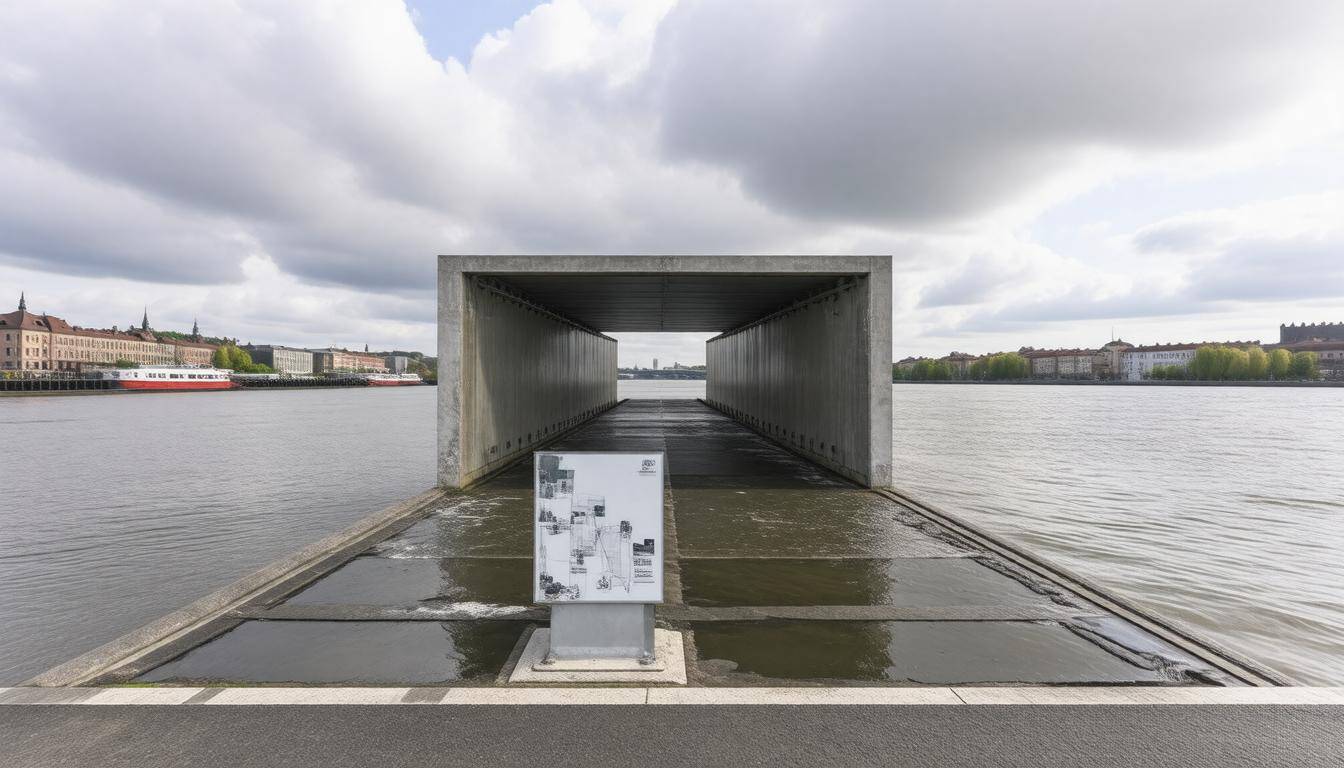
The “Klimafolgenanpassung in der Stadt” initiative is not just a catchphrase; it’s a robust plan designed to solidify Hamburg’s infrastructure against the increasingly unpredictable elements we face today. At its core, the program revolves around several crucial pillars, one of which includes upgrading existing infrastructure to withstand severe weather events. With cities like Hamburg often on the frontline of climate impacts—such as heavy rainfall leading to urban flooding—this program seeks to reinforce drainage systems and improve water management practices.
In practice, this means not only repairing and enhancing current systems but also implementing innovative solutions like permeable pavements, green roofs, and rainwater gardens that can absorb excess water. These eco-friendly strategies are vital as they help reduce runoff, mitigate flooding risks, and support local biodiversity—all while beautifying urban spaces. Indeed, the city aims to blend functionality with aesthetics by transforming areas into vibrant habitats for both people and wildlife.
Importantly, engaging the community is a significant aspect of this initiative. Public education campaigns are underway to keep residents informed about practical actions they can take to contribute to climate adaptation efforts.
This outreach ensures that the citizens of Hamburg can be part of the solution. For example, workshops teaching citizens how to create rain gardens in their own backyards foster a sense of ownership over their environment and heighten awareness of stormwater management principles. By actively involving residents in these efforts, the city creates a unified front against climate change.
Furthermore, regular assessments and evaluations are essential components of this program. Hamburg’s initiative will continually gauge the effectiveness of newly implemented measures and adapt based on changing climate scenarios and scientific research findings. Such adaptive management not only preserves the integrity of infrastructure but also enhances public trust in governmental actions aimed at climate resilience.
Climate adaptation in Hamburg represents an investment in technology and infrastructure, fostering long-term sustainability and community involvement. With €50 million allocated each year, this substantial funding highlights the seriousness with which Hamburg approaches its future safety amid environmental challenges.
As Hamburg fortifies its defenses against floods and other climate-related threats, it also recognizes the importance of comprehensive strategies that go beyond immediate responses. Moving forward, we can explore various approaches that work hand-in-hand with these efforts to ensure a more resilient future for the city.
Mitigation Strategies
Beyond just building physical barriers, Hamburg’s approach to flood protection includes innovative strategies designed to address the challenges posed by heavy rainfall and rising waters head-on. One primary focus is the creation of urban green spaces. Parks, gardens, and even green roofs are integrated into city designs as a natural method to manage stormwater runoff. This technique captures rainwater during downpours, allowing it to seep into the ground rather than overwhelming drainage systems or flowing directly into streets and rivers. Moreover, these green spaces enhance urban biodiversity by providing habitats for various species, thus enriching the local ecosystem.
In tandem with greening efforts, another critical aspect of Hamburg’s flood preparedness involves fostering public awareness.
Public Awareness Campaigns
Public awareness campaigns are vital in informing residents about both immediate safety procedures and ongoing climate risks. Hamburg has initiated educational programs that highlight evacuation routes and emergency protocols during severe weather events. These campaigns also emphasize the importance of staying updated on local forecasts and municipal announcements—knowledge that can save lives. It’s not just about having strategies in place; it’s about ensuring citizens know when and how to act.
By equipping people with the right information in a timely manner, the city empowers its community to respond effectively during emergencies. Additionally, personal stories from individuals who have experienced flooding first-hand can add a compelling element to these campaigns. Sharing such narratives can resonate on a deeper emotional level with residents, fostering greater engagement.
Finally, it should be noted that the interplay between infrastructure adaptation and community involvement forms a robust defense against floods.
Initiatives like volunteer programs encourage residents to participate in maintaining green spaces while learning about their role in flood prevention. This fosters a sense of ownership, making them more likely to advocate for sustainable practices within their neighborhoods. When communities come together, they create a collaborative atmosphere where everyone shares responsibility for flood preparedness.
As these initiatives take root, exploring the financial aspects behind them will shed light on how such visionary plans come to fruition.
Funding and Development
Securing funding for storm protection measures is indeed a tremendous challenge, but Hamburg has established a multi-faceted approach that combines various financial resources. By leveraging federal and state partnerships, the city ensures a steady influx of funds dedicated to bolstering its infrastructure. These collaborations provide monetary support and bring technical expertise and innovative practices to the forefront of flood mitigation efforts.
In addition to traditional funding avenues, Hamburg embraces public-private partnerships (PPPs) as a means to foster investment in these critical projects. Through PPPs, the city can share both the risks and benefits associated with large-scale developments, ensuring a dynamic response to evolving climate challenges. This model encourages private sector involvement, leading to innovative solutions and increased accountability across various stakeholders.
With a clear understanding of these financing strategies, we can appreciate how they translate into tangible benefits for the city.
Approximately €150 million is allocated each year towards diverse flood defense projects in Hamburg. This consistent funding maintains progress on current initiatives while safeguarding the city’s long-term resilience against storm threats. Such commitment reflects Hamburg’s proactive stance toward climate adaptation while providing the necessary infrastructure that enhances community safety.
The scale of investment required for significant projects like HafenCity illustrates just how ambitious Hamburg’s plans are. With a staggering budget exceeding €10 billion, HafenCity isn’t merely about constructing new buildings; it represents a holistic vision that prioritizes sustainability, economic growth, and environmental preservation—integral elements when considering comprehensive storm protection.
As storm patterns grow more unpredictable, investing wisely in flood defenses becomes paramount for Hamburg. The combination of public discourse and comprehensive planning surrounding these finances will ultimately define the longevity and efficacy of storm protection measures—corralling efforts toward not just surviving floods but thriving even in challenging environments.
Looking ahead, it is essential to ensure that these funding frameworks effectively translate into real improvements in storm preparedness and resilience for urban environments.
Future of Coastal Cities
As climate change continues to reshape weather patterns, coastal cities like Hamburg face an urgent reality; the storms will not only come more frequently but will also pack a more powerful punch. This necessitates adopting innovative, multilayered strategies for storm protection aimed at reinforcing infrastructure while fostering community resilience. While these challenges may seem daunting, they also present an opportunity for reinvention and growth.
Cities are learning that successful storm protection isn’t solely about erecting physical barriers. Instead, it involves comprehensive planning that integrates engineering with ecological restoration, urban design, and community input. Emphasizing green infrastructure—like wetlands and parks—can serve multiple purposes: they protect against flooding, enhance local ecosystems, and provide public green spaces for enjoyment.
A notable proactive measure includes Hamburg’s commitment to enhancing its drainage systems. Traditional methods alone won’t suffice in a world where rainfall intensity fluctuates unpredictably. By utilizing advanced water management systems that allow for infiltration and retention of stormwater, cities can substantially mitigate flood risks. Imagine streets that can double as swales during heavy rain, redirecting water away from structures while simultaneously replenishing aquifers.
Another critical aspect is community engagement. Coastal cities must empower residents by involving them in the decision-making process surrounding climate resilience projects. When people understand the reasoning behind changes in their neighborhoods—like relocating homes from high-risk zones—they are more likely to support these initiatives and adapt accordingly. Creating participatory platforms encourages collaboration between city planners and residents, leading to solutions that reflect the community’s unique needs, culture, and vision for the future.
With the dust settling on immediate protective measures, forward-thinking cities are increasingly integrating advanced technology into their storm protection strategies.
For instance, data analytics play a significant role in shaping responses to weather events. Sensors placed throughout cities can gather real-time information on river levels or rainfall. When combined with predictive algorithms, this data can inform strategies for efficient evacuation or deployment of resources during crises. The goal is to cultivate a smart city framework that prioritizes safety and sustainability concurrently.
As we move deeper into the 21st century, it’s clear that coastal cities must not merely endure the challenges posed by climate change but actively seek pathways to “thrive.” Adopting a multifaceted approach incorporates infrastructure renewal, engaged citizenship, technological ingenuity, and environmental stewardship—all essential components of future-ready coastal communities.
Indeed, as we look at Hamburg’s commitment and ongoing transformation efforts against the backdrop of impending change, it becomes evident that other coastal cities have much to learn from its example in crafting resilient futures.
In navigating these turbulent waters, successful strategies will hinge on adaptability and collaboration among all stakeholders involved. The journey toward resilience is not just about survival; it’s about building thriving communities equipped for future challenges.