
When the unexpected happens, having the right tools can make all the difference between panic and practicality. Picture yourself in a situation where power outages are the norm, or your car breaks down in an unexpected location. The last thing you want is to feel helpless. That’s where hand-powered tools come into play. These simple yet effective devices not only help you tackle issues at home but also prepare you for emergencies that can arise in everyday life. Whether it’s fixing a leaky roof or creating a go-to survival kit for those “just in case” moments, understanding which tools to prioritize can save you time, energy, and stress. Let’s dive into what these essential hand-powered alternatives are and how they can empower you during emergencies.
Our Emergency Guide to Hand-Powered Tool Alternatives highlights essential tools such as the Mercedes CLK W208 A208 Soft Top Manual Override Tool for convertible maintenance and versatile hand tools like 10 mm and 6 mm Allen keys. These tools provide practical solutions during power outages or mechanical failures, ensuring you can efficiently address unexpected situations.
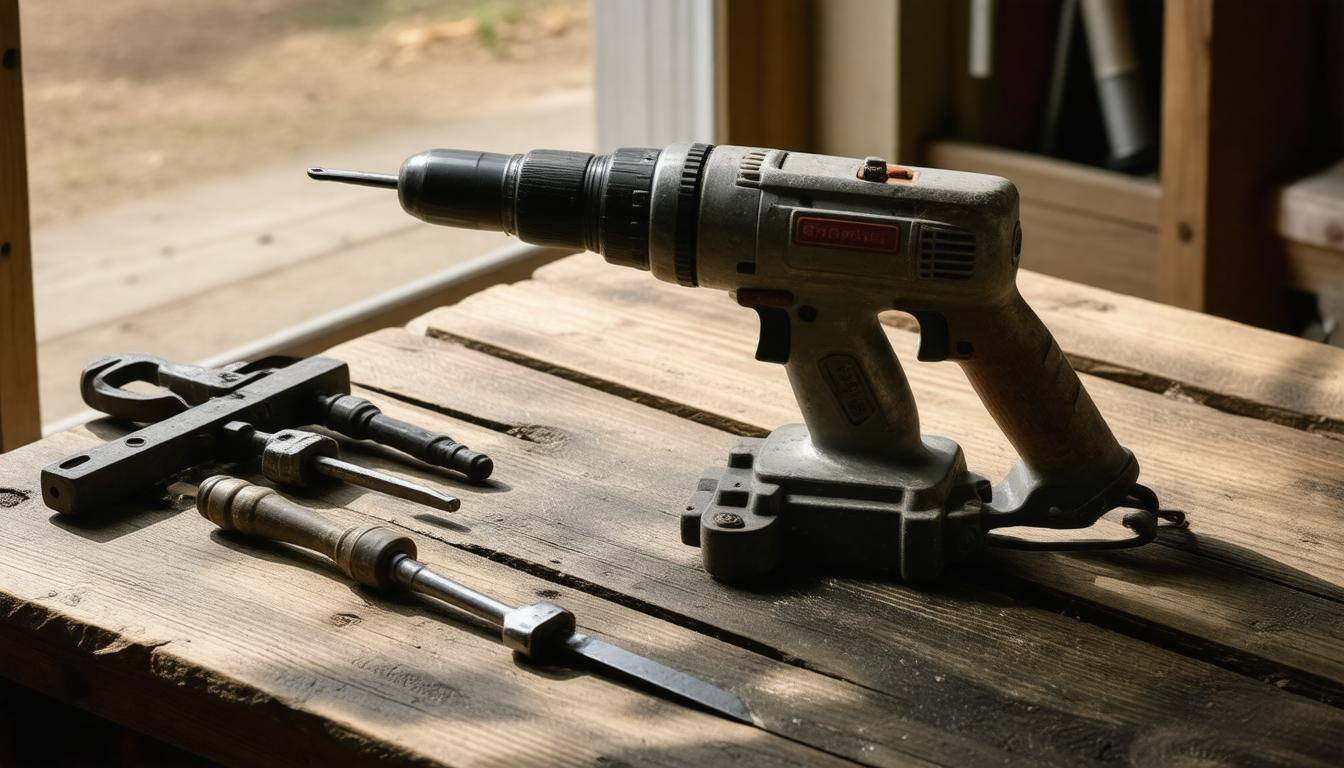
Essential Hand-Powered Tool Alternatives
One of the most fundamental tools in any toolkit is the hammer and nails. Not only is a hammer indispensable for securing shelter or making repairs, but it also serves a myriad of purposes beyond construction. For example, if you’re ever in a pinch, nails can be used as makeshift hooks for hanging items or even creating a rudimentary tool rack. A well-made option such as the Stanley Fiberglass Hammer shines because of its balance between durability and affordability, ensuring that it won’t crack under pressure.
As you rely on these traditional methods, you’ll discover that a bit of innovation can go a long way. A simple technique involves using scrap materials to amplify what you create with your hammer and nails. For instance, securing branches together can form a strong framework for temporary shelters. Such creativity in tying down materials—using rope or twine—ensures that your shelter remains stable against windy conditions or heavy rain.
However, when the lights go out, what should you do? Here’s where hand crank generators come into play.
Hand crank generators stand out as lifesavers during unexpected power outages since they help charge essential devices like phones and radios. Imagine being cut off from communication during an emergency; having a portable generator like the K-TOR Pocket Socket could mean the difference between safety and isolation. Depending on the amount of effort you put into cranking, these generators provide a sustainable power source without any fossil fuels or batteries.
Using these generators is straightforward but requires a bit of practice to maximize efficiency. Many users find that cranking steadily rather than sporadically produces better results. Moreover, taking breaks while running this tool prevents fatigue from setting in too quickly, which also allows more sustained use over time.
Building on our previous tools focused on stability and power generation, let’s not overlook the often-underestimated manual screwdriver set.
A versatile screwdriver set is crucial for any survival kit, allowing you to handle various tasks from assembling furniture to repairing equipment. The iFixit Pro Tech Toolkit is frequently recommended among survivalists due to its wide array of heads—Phillips, flat, hex—and robust handles that provide good grip even under wet conditions.
Having this variety means you’re prepared for many scenarios—you never know when those tiny screws will hold something critical together! One additional tip: consider marking your screwdrivers with duct tape or colored markers to quickly identify their type while working in less-than-ideal lighting conditions.
Into this mix of basic supplies comes the understanding that preparedness doesn’t stop with simply having the right tools; it extends into knowing how to use them effectively. As you gather these vital hand-powered alternatives, practice with them regularly so you won’t be scrambling for instructions when it counts most.
As we explore additional specialized instruments, we uncover more ways to enhance your self-reliance during emergencies.
Cutting, Sawing, and Gripping Devices
When the unexpected occurs, having reliable hand-powered tools to cut, saw or grip can mean the difference between success and failure. Imagine you need firewood for heat; a hand saw becomes your best friend. A specific favorite among outdoor enthusiasts is the Silky Gomboy—a hand saw that feels almost like an extension of your arm. Its compact size makes it easy to carry, yet the efficiency with which it can slice through logs is impressive. The design allows for both aggressive cutting of larger branches as well as precise cuts required for crafting or repairs.
Just as important as a good saw is a versatile pair of multi-purpose pliers.
Multi-purpose pliers can be as essential in your toolkit as a trusty sidekick can be on an adventure. Take the Leatherman Wave, for example; this tool is not just a pair of pliers but incorporates multiple functionalities. It can neatly cut wires when repairs are needed, grip hot pots when you need to handle something directly from the fire, or even tighten bolts on equipment. You’ll find that the utility of multi-purpose pliers extends beyond mere convenience—they save space in your kit and equip you with various tools without unnecessary bulk.
Alongside these cutting and gripping devices, we cannot overlook the importance of having a solid survival knife on hand.
A high-quality survival knife serves multiple purposes that go far beyond just carving or slicing. Consider a sturdy knife like the KA-BAR Becker BK2; its reliable construction makes it a favorite among survivalists. You’ll use it to cut ropes for shelter building, prepare food when resources are scarce, or in more dire situations, defend yourself if necessary. Its robust nature means it can take a beating and still perform flawlessly, making it a worthwhile investment for anyone serious about being prepared.
While these core tools form the foundation of your survival gear, there’s room for additional gadgets that can further enhance your resourcefulness.
Having the right balance between cutting tools and gripping mechanisms creates a toolkit that brings peace of mind during emergencies. Each item you choose should be an investment in security and safety—tools that not only serve under pressure but inspire confidence in your abilities to manage any situation that may arise unexpectedly.
As we continue exploring practical solutions for unexpected challenges, let’s look into innovative devices designed specifically to aid in emergencies.
Multi-Functional Gadgets for Emergencies
Multi-functional gadgets are indispensable allies when it comes to survival situations. They combine numerous functions into a single device, saving valuable space in your toolkit while providing critical capabilities that can make a significant difference when traditional tools are unavailable. Imagine being in an emergency, and instead of rifling through a bag full of individual tools, you have just one compact device that meets various needs—this is the power of multi-functionality.
Swiss Army Knife
A classic example of a multi-functional gadget is the Swiss Army Knife; it’s iconic for a reason. Take, for instance, the Victorinox Swiss Army Knife. It’s the perfect pocket companion boasting more than 30 tools! You can find not just blades, but also scissors, various types of screwdrivers, and even a magnifying glass nestled inside its compact design. Each tool is engineered with meticulous attention to detail, ensuring reliable performance when it counts. Having such a diverse array of tools at your fingertips allows you to tackle almost any challenge—be it cutting rope during an unexpected outdoor adventure or tightening screws on makeshift furniture in an emergency shelter.
Tactical Pen
Next up is the tactical pen, blending practicality with self-defense functionality. While it serves as an everyday writing instrument, many tactical pens feature built-in functionalities like glass breakers and flashlights. For example, the Atomic Bear’s Tactical Pen is renowned for its durability and thoughtful design. This makes it not only a writing tool but also a potential lifesaver: you could use it to signal for help or break glass in an emergency situation.
Beyond these features, having a tactical pen in your toolkit ensures you’re prepared for various scenarios without drawing too much attention—a blend of subtlety and capability that could be vital if you find yourself in precarious circumstances.
Emergency Radios
Last but certainly not least are emergency radios. These devices often boast multiple functions essential during crises—such as flashlights, USB chargers, and NOAA weather alerts—all packed into one portable unit. The FosPower Emergency Solar Hand Crank Portable Radio exemplifies this with its solar power capability combined with an easy-to-use hand crank for charging. This means even if conventional power sources are down, you can still receive crucial weather alerts or stay informed about emergency situations.
These gadgets provide peace of mind; knowing you have access to information can help you stay calm and focused during unsettling times.
With these insights into multi-functional gadgets in mind, consider how each item can contribute to the next phase of preparedness by assembling a comprehensive toolkit tailored to meet your specific needs.
Creating an Emergency Tool Kit
Creating an emergency tool kit is not just about throwing random objects into a box; it’s about strategically planning for potential challenges you might face while ensuring you have the necessary resources at your fingertips. A well-thought-out tool kit can be the lifeline in various situations, whether you’re dealing with natural disasters, power outages, or unexpected vehicle breakdowns.
Step I – Identify Essential Tools
Start by listing the essential tools that form the backbone of your kit. Think about the situations where you might need these items:
-
Hammer and nails: Useful for quick repairs, especially during severe weather.
-
Hand saw: Great for cutting wood or debris that may block your path or home.
-
Multi-purpose pliers: Essential for gripping or twisting small parts during repairs.
-
Survival knife: Can serve multiple purposes—from preparing food to emergency self-defense.
-
Swiss Army Knife: A versatile tool with various functions wrapped in one compact device.
-
Tactical pen: Not only used for writing but can also function as a self-defense tool.
-
Emergency radio: A crucial communication device to receive updates about weather and safety alerts.
But identifying these tools is just the starting point. You want to consider how each one will be used. For instance, a survival knife should be sharp and easily accessible. Imagine a situation where you need to slice through something quickly; having a dull blade would defeat its purpose.
Step II – Choose a Sturdy Container
Once you’ve gathered your list, the next challenge is finding a container that can withstand the test of time and conditions. Ideally, select a durable, waterproof box such as a Pelican case, which safeguards against water damage and protects your tools from drops and harsh environments. Picture yourself trusting this container to keep your tools intact during chaos—it’s worth investing in high-quality storage.
Ensuring that the container is manageable in weight and size is also important. You don’t want a huge toolbox that’s cumbersome to carry during an evacuation or while navigating through difficult terrain.
Step III – Include Non-Tool Essentials
An often-overlooked aspect of an emergency toolkit involves including non-tool essentials. First aid supplies, such as sterile bandages, antiseptic wipes, and pain relievers, can make a significant difference in critical times when medical help isn’t readily available. Also, consider adding water purification tablets to ensure access to clean drinking water—a crucial aspect of survival during extended periods without services.
Do not forget items like an emergency blanket that provides warmth and protection from harsh elements and can occupy very little space within your kit. The goal is to have a meticulously curated kit capable of sustaining you for several days amidst unpredictable circumstances.
All these preparations contribute to creating peace of mind; when faced with adversity, knowing you’re ready can dramatically impact your outcomes.
Assembling this foundational kit not only equips you with useful tools but prepares you for grappling with unforeseen challenges. Understanding how these tools function in real scenarios is vital to being adequately prepared when moments of crisis arise.
Importance in Disasters and Critical Situations
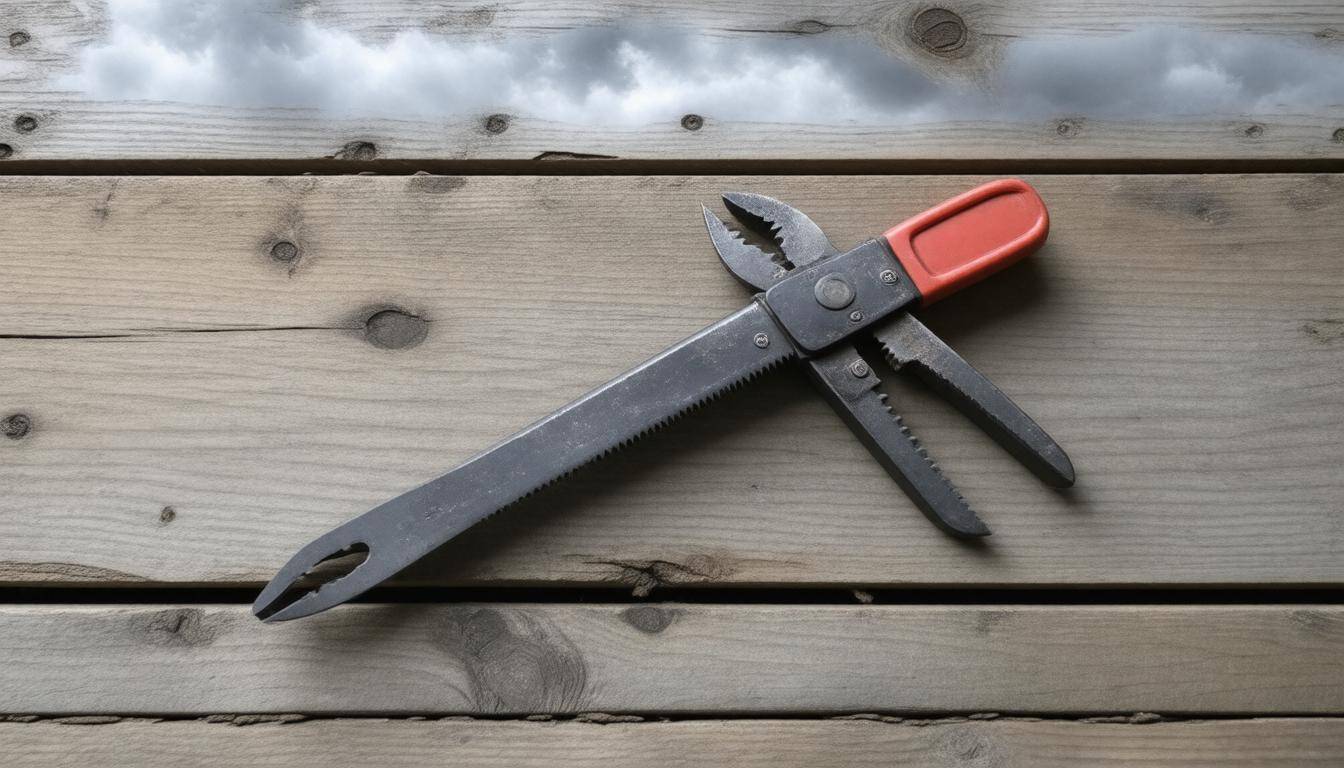
When disaster strikes, whether it be a hurricane, earthquake, or flood, having dependable hand-powered tools can be a lifeline. These tools provide crucial functionality when electric devices fail due to power outages, which is a consistent reality in many emergencies. For instance, during hurricanes, manual tools like saws and hammers are invaluable for securing temporary shelters and clearing debris. You might not initially think about it, but those simple tasks can dramatically increase the chances of survival.
Picture this: It’s pitch black after the storm has passed; you’re damp and worried about your family’s safety. Suddenly, you remember that trusty hand saw you tucked away. While everyone else is fumbling with dead batteries and non-functional gadgets, you’re able to start creating a makeshift shelter from broken tree limbs. Those who are poorly prepared may have to wait for help while you’re taking proactive steps toward survival.
This isn’t just speculation—there are dire examples illustrating the necessity of these tools.
Real-life Example:
Reflecting on Hurricane Katrina’s aftermath helps to reveal how pivotal these tools can be. Many communities faced weeks without power, rendering typical electrical appliances useless. Manual tools took center stage during this period, facilitating vital activities such as constructing makeshift shelters from found materials or clearing blocked roads for rescue operations. The resilience shown by individuals wielding hand-powered tools exemplifies their potential impact on community recovery.
“70% of Americans live in areas at risk for natural disasters.” This statistic underscores the urgent need for preparedness. Hand-powered tools could very well mean the difference between being stranded and being safe in such scenarios.
The truth is that 90% of disaster survivors report needing basic tools for essential tasks like shelter creation, food preparation, and first aid—or nearly everything you’d find in a well-stocked emergency kit. Without these hand-powered alternatives at your disposal during tumultuous times, achieving even the simplest goals can become insurmountable challenges.
Moreover, 85% of survival experts recommend including essentials like multi-tools, manual can openers, and hand saws in your emergency kits. It’s all about ensuring that when systems fail around us, we don’t simply sit waiting for help but instead actively pursue solutions.
To ensure these tools last through emergencies, proper maintenance is key.
Regular upkeep increases the durability of these critical items significantly. By making sure your hand-powered tools are maintained well—cleaned after each use and stored safely—you are setting yourself up for success in times of crisis. After all, it’s always better to prepare before a storm than to scramble once it has already arrived. Keeping these reliable implements ready ensures that when you truly need them—whether it’s fixing something around the house or in an emergency situation—they’ll work effectively and serve you well.
As we consider maintaining these essential items for future use, it’s also important to explore strategies that enhance their longevity and performance over time.
Maintaining and Extending Tool Life
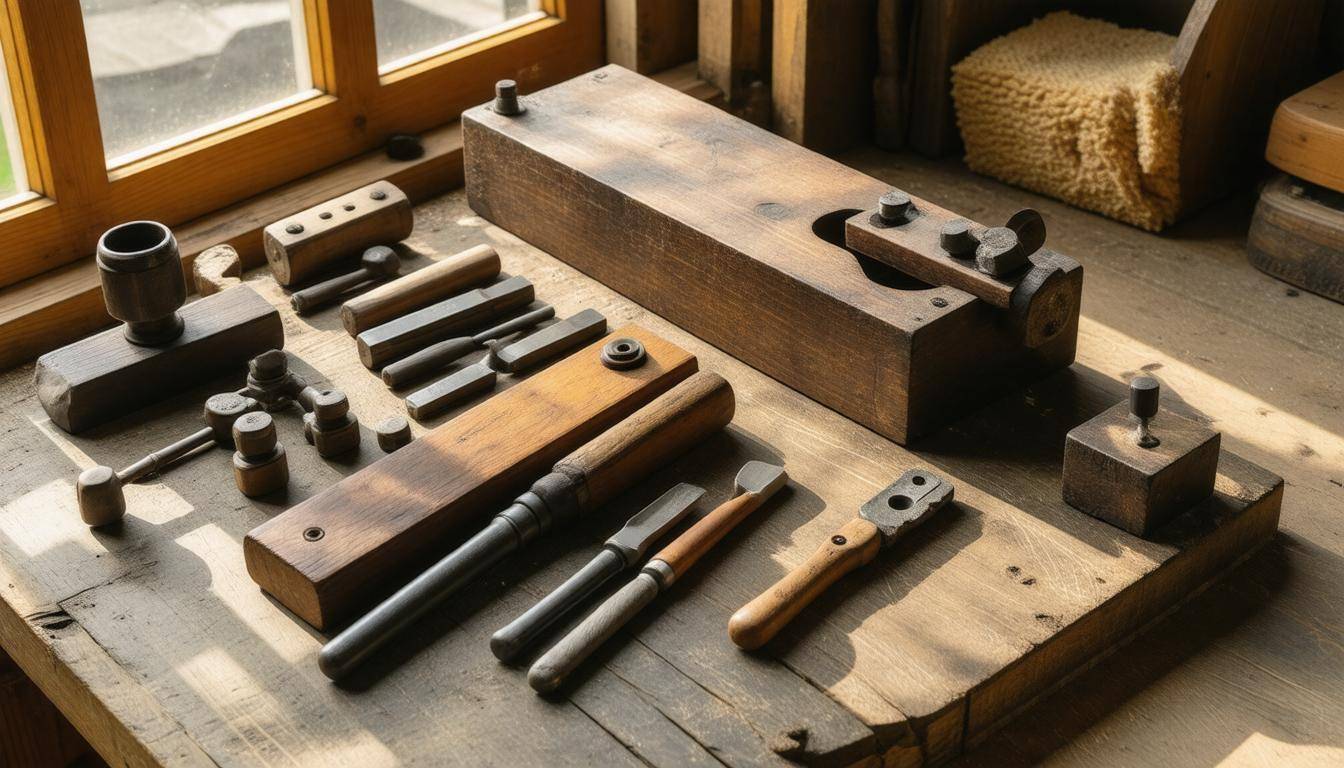
Proper maintenance isn’t just a suggestion; it’s vital for ensuring your hand-powered tools remain effective and ready to spring into action when you need them most. One crucial aspect of tool care is regular inspection. Inspecting your tools frequently helps catch wear and tear early so you can address any issues before they become serious. For instance, keep an eye on moving parts, like pliers and saws. Applying a light coat of oil—not just any oil, but something suitable like mineral oil—can work wonders against rust, which is the silent enemy of all metal tools.
In addition to routine inspections, cleaning your tools after each use is a habit every user should cultivate. Think of it as giving your tools a shower—they deserve it! Taking time to wipe away dirt and grime not only improves their appearance but also prevents the buildup that can lead to corrosion over time. For knives and saws specifically, choose a gentler cleaner to avoid damaging the finish or sharp edges. Always dry them thoroughly afterward; moisture left behind could lead to rusting faster than you think.
Cleaning Tips
When it comes to cleaning hand-powered tools, don’t underestimate the power of a simple cloth. A damp microfiber cloth works wonders for most surfaces. For stubborn stains or built-up grime, sometimes a little scrubbing with a plastic scrub pad can help without harming the tool’s surface. If you’re using anything abrasive, do so sparingly to avoid scratches that could weaken the integrity of the metal. After cleaning, storing tools properly is just as important.
Storage
Storing your tools in a dry, cool place makes all the difference in extending their lifespan. Ideal conditions minimize exposure to moisture—this isn’t just about keeping them off the ground but also considering humidity levels within your storage area. If humidity levels are above 50%, consider using silica packets in your storage container to absorb excess moisture—these little guys are excellent at keeping things dry and can save your tools from premature aging and rusting.
Additionally, if your handle is wooden, inspecting for cracks or splinters might seem minor but plays an essential role in maintaining safety while using them. Sanding down rough edges and treating wood with linseed oil can protect these handles from splitting further due to moisture absorption.
As we explore further into practical measures that enhance preparedness in unexpected situations, understanding various strategies will equip you with essential knowledge for readiness.
Practical Tips for Emergency Preparedness
Building an effective emergency plan goes beyond having the right tools; it’s about knowing how and when to use them. Regular drills are crucial for this preparation. Conducting these drills at home ensures that every member of your household knows what to do in case of an emergency.
Picture this: everyone gathers in the living room, ready to practice their escape route or simulate setting up an emergency kit. It creates not only preparedness but also increases confidence and alleviates fear during actual emergencies. Regular practice solidifies knowledge, turning anxious trepidation into assured action—after all, practice makes perfect!
Equally important is ensuring that every person in your household is comfortable and familiar with the tools you have on hand.
Tool familiarity can be dramatically beneficial when disaster strikes; skills learned during calm, daily conditions become second nature when urgency arises. If you’ve got a solar-powered hand crank or a manual can opener stowed in your emergency kit, gather your family around once a month and let everyone give each tool a try.
You might demonstrate how to use the Mercedes CLK W208 A208 Soft Top Hand Operated Manual Override Tool, while someone else practices opening cans with a manual opener. Not only will you be prepping for emergencies, but you’ll also foster teamwork and build confidence.
As we think about all the supplies gathered, it’s crucial to keep track of their viability as well.
One mustn’t overlook the importance of rotating supplies in your emergency kits. Periodically check perishable items, such as food and batteries, replacing those that may expire soon. A good rule of thumb is to set a reminder on your calendar for quarterly checks.
Imagine the frustration of opening an emergency pack only to discover outdated provisions or non-functional equipment! Keeping everything fresh and up-to-date guarantees that when the moment arrives, everything will work like it should.
This proactive approach leads seamlessly into strategies that enhance resourcefulness when faced with unexpected challenges ahead.
Maximizing Resourcefulness with Manual Tools
Being resourceful with manual tools means more than just having the right tools at your disposal; it’s about recognizing their potential in unconventional ways. Often, the best solutions arise from improvisation and creative problem-solving.
For example, consider how pliers are traditionally used for gripping and turning. In an emergency, those same pliers can quickly double as a makeshift hammer, allowing you to drive nails or secure loose items. They can also function as prying tools when you’re faced with a jammed door—qualities that demonstrate the versatility of simple hand tools.
Think about how these adaptations can save time and effort in challenging situations. An adaptable mind is crucial during emergencies when certain resources are scarce. For instance, take a common survival knife. It doesn’t just slice through food; it’s also invaluable for defense, carving wooden stakes, or slicing rope. By learning these adaptive techniques, you embrace a mindset that encourages maximizing every available tool to its fullest capacity.
To enhance your knowledge of multi-use tools, I encourage you to explore online forums and community groups where seasoned adventurers share their experiences. You’d be surprised at the creative uses people come up with—a hand-crank generator isn’t just a power source; users have mentioned modifying them to charge small cooking devices when conventional stoves fail. This kind of collective wisdom is like having a survival library at your fingertips.
Let’s not overlook another critical aspect—minimum tools for maximum flexibility. The idea here is to integrate multiple functionalities into fewer tools. You might opt for a tool kit that balances weight and efficiency, ideally weighing no more than 10-15 pounds while still providing several essential items that each serve multiple roles. This allows each member of your toolkit to work together like a well-oiled machine.
Remember, resourcefulness isn’t merely about the inventory you accumulate; it’s about your attitude towards problem-solving and ingenuity in using what’s on hand during emergencies.
Ultimately, keep this in mind: maximizing your resourcefulness with manual tools empowers you during emergencies, equipping you with the ability to navigate challenges and adapt as needed.
Whether it’s a simple plier or a survival knife, every tool has the potential to serve you in ways you’ve yet to imagine; all it takes is a little creativity.
In conclusion, being prepared with knowledge of hand-powered tools can transform an emergency into an opportunity for innovation and problem-solving.
What types of hand-powered tools are most effective for specific emergency situations?
In emergency situations, hand-powered tools like a manual crank generator can effectively provide electricity, while a hand saw is essential for cutting wood for shelter or fire. For food procurement, a hand-operated grain mill allows for the processing of seeds and grains, contributing to survival nutrition. According to survival experts, having at least three versatile tools can increase your chances of dealing with diverse emergencies by up to 70%, making it crucial to choose wisely based on anticipated needs.
How do I choose the right hand-powered tool based on the task at hand?
To choose the right hand-powered tool for a task, first assess the nature and scope of the job; for example, a hand saw is ideal for cutting wood, while a manual can opener works best for opening tins. Consider factors such as efficiency—studies show that using the correct tool can reduce effort by up to 50%—and ensure you’re familiar with the tool’s design, as ergonomics significantly impact performance and comfort. Always prioritize usability and safety, selecting tools that fit your strength and skill level.
How can I effectively store and organize my hand-powered tools for quick access during emergencies?
To effectively store and organize your hand-powered tools for quick access during emergencies, use a durable toolbox or storage system that prioritizes visibility and accessibility. Group tools by function (e.g., cutting, fastening) and utilize clear labeling to reduce search time. According to a study, organized workspaces can improve efficiency by up to 25%, ensuring you can respond swiftly in an emergency. Additionally, consider magnetic strips for smaller tools and pegboards for larger ones to maximize space and keep essential items within reach.
Are there any safety considerations I should be aware of when using hand-powered tools in an emergency?
Yes, using hand-powered tools in an emergency requires several safety considerations. Always ensure your work area is clear to prevent trips and falls, as around 20% of injuries from tool use stem from such accidents. Wear appropriate safety gear, like gloves and goggles, to protect against sharp edges and flying debris. Additionally, maintain a secure grip on the tools and be cautious of exertion injuries; studies show that improper use can lead to strains or sprains in about 30% of cases involving manual labor.
What maintenance practices should I follow to ensure my hand-powered tools remain functional during emergencies?
To ensure your hand-powered tools remain functional during emergencies, conduct regular inspections for rust and damage, lubricate moving parts with a suitable oil every few months, and store them in a dry environment to prevent corrosion. Statistics show that properly maintained tools can last up to 50% longer than neglected ones, so investing time in simple practices like sharpening blades and tightening screws will enhance usability when you need them most.