
When the clouds darken and rain starts to pour, many people don’t think about what could happen next. Flash floods can pop up in the blink of an eye, especially in places like Hat Yai. Understanding how to prepare for these kinds of emergencies isn’t just helpful; it’s essential. In this article, we’ll walk you through the must-have supplies and savvy tips you need to stay safe during a flash flood. Whether you’re a seasoned prepper or trying to navigate your first emergency kit, having the right information can make all the difference when facing unexpected challenges. So, let’s dive into how you can get ready for anything nature throws your way!
For a flash flood emergency in Hat Yai, you should prepare essential supplies including bottled water, non-perishable food, a first aid kit, sturdy waterproof bags for important documents, and a flashlight with extra batteries. Additionally, it is advisable to have a portable phone charger and an emergency radio to stay updated on local conditions.
Collect Essential Emergency Kits
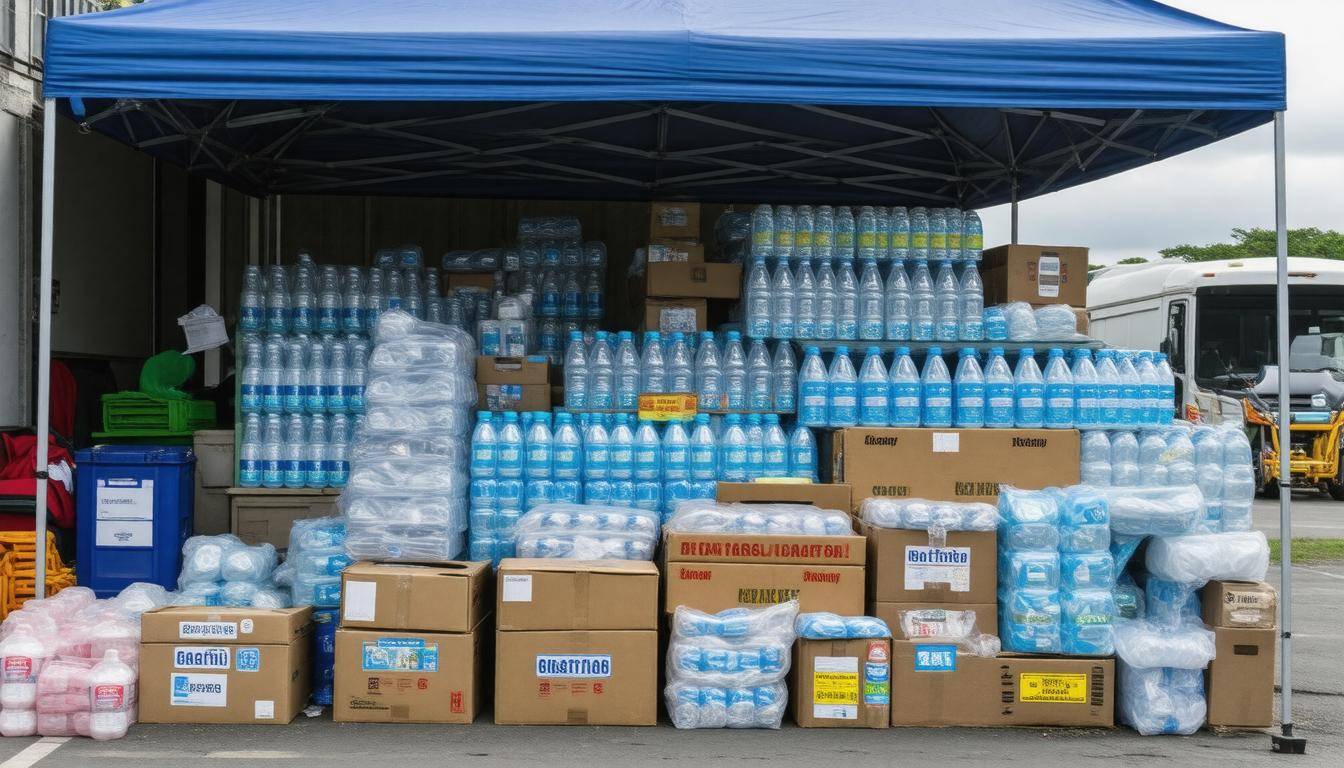
As you start gathering your emergency supplies for flash floods, it is vital to think beyond just the essentials mentioned earlier. Consider creating a comprehensive kit that covers various needs—safety, communication, health, and nourishment. A well-rounded emergency kit can make all the difference in a crisis.
First and foremost, let’s expand on some of those basics. It’s not just about having a flashlight or a whistle; think about backup options too. For instance, while a waterproof flashlight is excellent for visibility, headlamps or glow sticks can provide additional light sources when needed. This redundancy ensures you’ll have illumination even if one source fails.
Also, having an emergency blanket is critical because it does more than retain body heat; it reflects heat back to you, making it effective in both cold and hot conditions. These blankets are lightweight and compact, so they’re easy to store without taking up much space.
Now, let’s broaden your essential items to consider including in your kit:
- Non-perishable food: Think energy bars or canned goods that don’t require cooking.
- First aid supplies: Include antiseptic wipes, bandages, and any personal medications you may need.
- Portable power bank: To keep your phones charged for communication during outages.
- Water purification tablets: Essential when safe drinking water becomes scarce.
- Cash: In small denominations, since ATMs might not be functional.
While gathering these items, remember that organization plays a key role.
Storing supplies in waterproof containers helps protect them from damage due to flooding. Clearly labeling each container will save precious time when you need items quickly. Imagine sifting through disorganized bags while floodwaters rise—having an organized kit means you spend less time searching and more time focusing on safety.
“A well-prepared emergency kit isn’t just about survival; it’s about peace of mind.”
Regular maintenance of this kit is just as vital as creating it in the first place. Revisiting your supply stash at least twice a year ensures that food hasn’t expired, batteries still work, and everything remains in good condition for an actual emergency.
With these considerations in mind, you’re not only assembling an emergency kit but crafting a lifeline for yourself and your loved ones. This leads us to evaluate how best to ensure you have adequate sustenance prepared for any extended emergencies that may arise.
Food and Water Storage Solutions
Food and water are fundamental needs but can often be the first things to run out during a flood. Preparing your storage solutions ahead of time can significantly relieve stress when you face an emergency.
Let’s explore some optimal strategies for effectively storing food and water that will keep you and your loved ones safe during a crisis.
Water Storage
Begin by storing at least one gallon of water per person per day for a minimum of three days, which totals at least nine gallons for a family of three. This ensures that everyone stays hydrated and maintains proper health during tough times.
When selecting containers for water storage, always choose sealed, food-grade containers because they prevent contamination, ensuring you have safe drinking water when you need it most.
Consider using large barrels for long-term storage combined with smaller bottles for everyday access. It’s a simple yet effective way to manage your supply.
Additionally, it’s wise to include water purification tablets or a portable water filter in your emergency kit. In case your stored water runs out or becomes contaminated, these tools will allow you to make other water sources safe for drinking. They are compact and easy to carry, making them practical additions that enhance your preparedness plan.
Non-Perishable Foods
Next up is food storage. It’s critical to stock up on non-perishable items such as canned goods, energy bars, and freeze-dried meals. Focus on selecting items that require no refrigeration, cooking, or water to prepare. These options make meal preparation simple when time may not be on your side—especially if power outages occur alongside floods.
Here are some ideal non-perishable items to consider:
- Canned vegetables: Great source of nutrients with long shelf life.
- Canned beans: Packed with protein and fiber; they also have versatile uses.
- Energy bars: Easy to transport and provide quick sustenance.
- Dried fruits and nuts: Full of healthy fats; perfect snacks when you’re on the move.
The Centers for Disease Control and Prevention (CDC) recommends maintaining a minimum of a three-day supply, but ideally aim for a two-week supply to cover longer emergencies. This foresight offers peace of mind knowing you’re prepared for any unexpected situation that may arise.
With food and water sorted, let’s shift our focus to another critical aspect of preparedness—managing your lighting and power needs during emergencies.
Lighting and Power Needs
Flash floods can disrupt power supplies remarkably fast, leaving you in darkness just when you need clarity the most. Therefore, it’s wise to prepare early for such uncertainties by considering reliable power and lighting options. A good practice is to invest in solar-powered gadgets that harness the sun’s energy—something that’s always available even on cloudy days. This ensures you’re never completely without power.
Alternatively, hand-crank emergency radios keep you informed about weather conditions and serve as a source of light and charging for small devices.
Consider investing in durable power banks that can hold enough charge for multiple uses. These devices maintain your phone’s battery life for essential emergency calls or updates from family or local authorities. Remember: communication is key in emergencies.
When it comes to lighting, having hands-free options can significantly enhance your mobility and efficiency.
Lighting Solutions
Headlamps are often underrated yet immensely practical when navigating in dark conditions; they allow you to keep both hands free while illuminating your path. Such versatile lights can be strapped to your head or worn around your neck, providing a continuous glow while allowing you to carry out necessary tasks without interruption.
Alongside headlamps, LED lanterns with replaceable batteries should form part of your emergency kit as they provide long-lasting illumination. Most importantly, they offer a stable source of light that won’t flicker like candles—providing not only a better light source but also minimizing discomfort in moments of stress.
While some might argue for the simplicity of candles as an alternative, it’s important to remember the fire hazards they present, especially during flooding where environments may already be compromised.
Light and power necessities are paramount, but once those essentials are taken care of, ensuring adequate shelter and appropriate clothing will further bolster your preparedness amid unexpected challenges.
Shelter and Protective Clothing
Adequate shelter and clothing are pivotal to protecting against exposure during emergencies, particularly when facing the harsh conditions brought about by flash flooding. Often overlooked amidst the hustle of gathering supplies, these basic needs can mean the difference between safety and peril.
Imagine standing in a downpour, drenched, your core temperature dropping rapidly; it’s a sobering thought that underscores the necessity of preparation.
Temporary Shelter
To combat adverse weather, having a compact, waterproof tent or emergency bivy sack is invaluable. These items are lightweight and easy to pack but can offer significant refuge from rain and wind when you need it most.
The ability to set up a temporary shelter in a safe location allows you to rest without the constant worry of exposure to the elements. As storms can arrive unexpectedly, consider practicing setting up your tent or bivy sack before an emergency arises. Knowing how to efficiently assemble your shelter in less-than-ideal conditions provides peace of mind as well as practical skills that might be needed at a moment’s notice.
Clothing
Selecting the right clothing is crucial for protection against cold and wet conditions. Opt for waterproof materials that are also visible; high-visibility clothing increases your safety during rescue operations if needed. Essential items include thermal undergarments, waterproof jackets, and sturdy boots designed for wet environments.
During past flood events, such as those experienced in Hat Yai in 2020, many locals found themselves clad in soaked garments, leading to hypothermia. Just one story serves as a reminder of why preparation matters: being cold and wet not only hinders your mobility but can also pose serious health risks.
Think about layering your attire—start with moisture-wicking fabrics close to your skin and layer on thermal insulation topped by waterproof outer layers. This system traps warmth while allowing sweat to escape, keeping you dry and comfortable.
With physical safety addressed through shelter and proper clothing, our focus now shifts toward another essential component—medical supplies necessary during emergencies.
First Aid and Medical Supplies
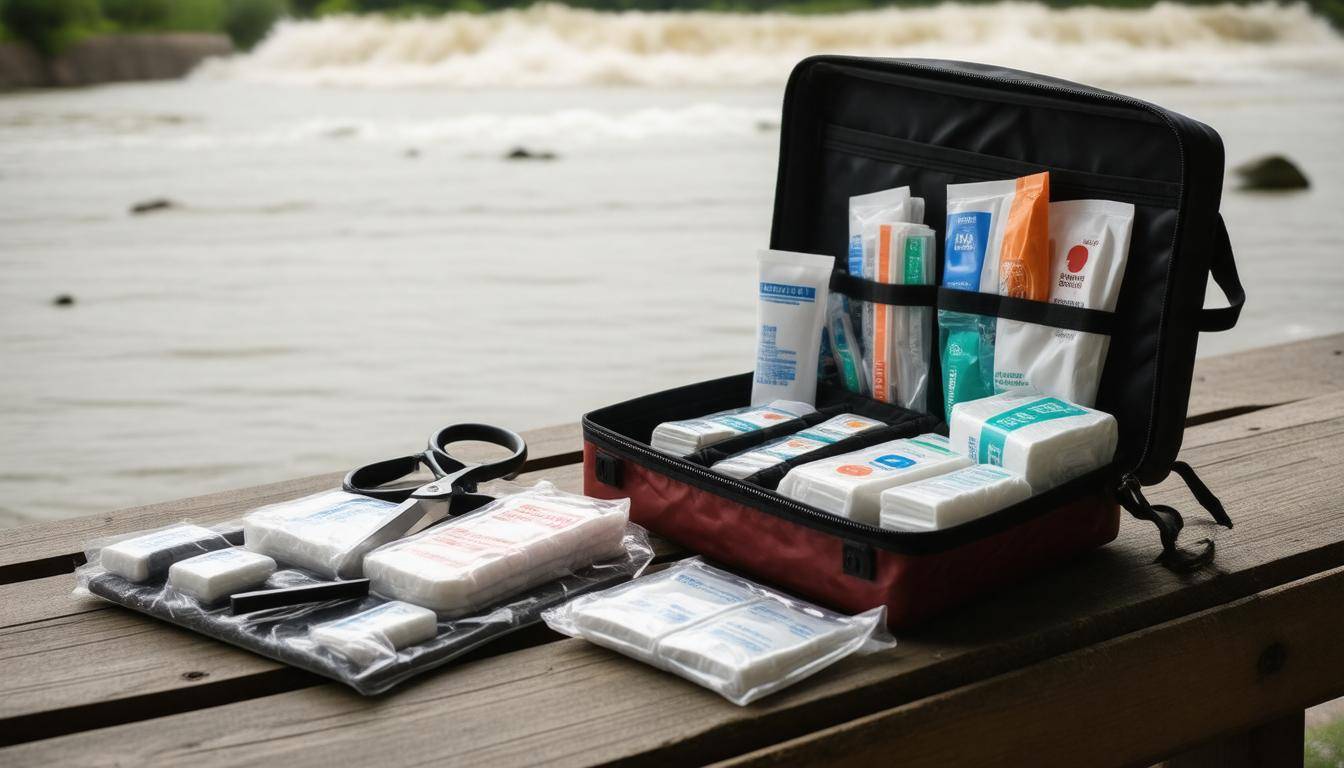
Access to medical supplies becomes critical during floods due to increased chances of injury and disease. Building a well-rounded first aid kit not only provides immediate care for small injuries but also prepares you for more serious health emergencies that may arise. Your first aid kit should be both comprehensive and waterproof; keeping supplies safe from water damage can mean the difference between immediate care and potentially worsening conditions.
In addition to essential items, consider typical injuries and environmental hazards specific to flood scenarios. For instance, cuts and scrapes are common during disasters, making a variety of adhesive bandages in different sizes crucial. Specialized dressings for larger wounds or burns from debris or flames are also recommended. Keeping a supply of antiseptic wipes handy mitigates infection risks, particularly in contaminated environments.
Remember, having over-the-counter pain relievers like ibuprofen or acetaminophen on hand enables you to manage physical pain from injuries as well as headaches or other ailments that arise during stressful situations.
Practical Considerations
Throughout your planning, always include prescription medications for all family members in your kit, along with a written list of prescriptions. This guards against interruptions in ongoing treatment due to unforeseen circumstances. Adding a first aid manual is beneficial because it provides guidance when time is critical during emergency scenarios.
Here’s an expanded inventory of potentially life-saving items you might want to include in your kit:
- Sterile gauze pads and medical tape for dressing larger wounds.
- Elastic bandages for sprains or strains—always handy when moving through debris.
- Nasal decongestant sprays for allergy sufferers reacting poorly to environmental changes.
- A pair of tweezers for removing splinters or ticks, which can become a nuisance after flooding.
As these immediate supplies play a vital role in crisis management, understanding the necessity of tools designed for sustained survival becomes equally important. Transitioning towards the next phase of preparedness involves considering resources that enhance long-term resilience during extended emergencies.
Long-Term Survival Tools
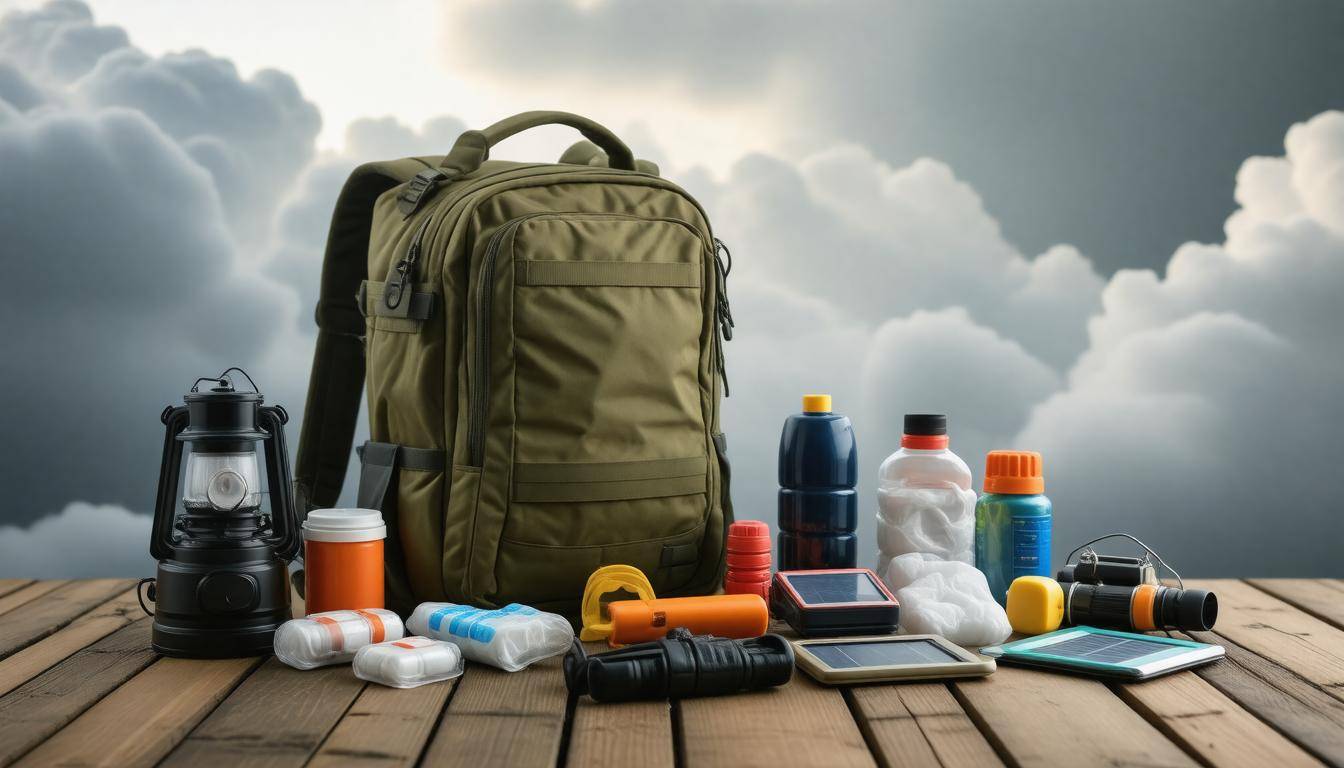
Having a solid set of survival tools can drastically improve your situation during extended emergencies. It’s not just about weathering the storm; it’s about thriving despite difficult circumstances. Imagine being flooded in, full of worries, only to find out you have the right tools to create heat, catch food, and communicate your needs. With a few well-chosen items, you can significantly enhance your prospects for long-term survival.
Tools
A portable camping stove becomes invaluable when the power goes out or if you can’t use traditional means for cooking. This compact tool allows for quick meals and hot drinks, providing comfort and energy when you’re likely feeling beaten down. Acquiring sufficient fuel is crucial; without it, even the best stove becomes useless.
Alongside the stove, consider adding fishing line and hooks to your kit; these simple items can serve as lifelines when looking to procure food from local waters.
Additionally, you’ll need waterproof matches and fire starter rods included in your toolkit. Fire is not just for warmth and cooking; it also offers psychological comfort and a sense of normalcy amid chaos. The ability to make fire can turn an overwhelming situation into something manageable, giving you control over your environment.
Communication Equipment
In unpredictable situations such as post-flood scenarios, two-way radios prove to be indispensable. When phone lines are down and cell towers are out, these devices allow you to stay connected with family or coordinate with neighbors for communal support. Imagine relaying information that could lead to collective actions or help; those radios are more than gadgets; they are lifelines.
Remember to include a small mirror in your supplies for signaling aircraft or distant rescuers. It’s surprising how something so simple can make a huge difference. Its reflective surface can catch sunlight at just the right angle and send signals to those in the air—an effective beacon if help is nearby but not yet visible.
It’s crucial to underline that FEMA reports indicate approximately 30% of disaster survivors could prolong their survival with a thoughtfully curated set of tools. This statistic underscores the importance of preparation: having the right equipment doesn’t just give you a fighting chance; it significantly enhances your likelihood of stable recovery during crises.
As you focus on gathering essential supplies, equally important is ensuring that you have personal documentation and critical contacts prepared for any emergencies you may encounter.
Important Documents and Contacts
Losing access to vital documents can indeed prove catastrophic in the aftermath of a flood. Imagine finding yourself displaced, without proof of identity or essential medical records; it can significantly complicate recovery efforts. Therefore, it’s crucial to store these critical documents securely, and waterproof pouches are highly recommended for this purpose.
Make sure to include identification such as passports, driver’s licenses, insurance papers that detail your coverage for damages due to natural disasters, and any medical records that could be vital for your healthcare providers post-disaster. Instead of keeping all your important documents in a single location, consider using a safe at home or investing in a portable safe that you can bring along when evacuating.
Emergency Contacts
Just as critical as the documents themselves is having a comprehensive list of emergency contacts readily available. In times of crisis, the chaos and confusion can make it hard to remember phone numbers or even which family member lives where. Prepare a list that includes family members, friends, neighbors, and local authorities who can aid in rescue or provide assistance.
It’s wise to keep both electronic copies on a thumb drive and physical copies tucked away in your waterproof document pouch. Digital copies can often serve as backups if anything gets lost or damaged, while physical lists ensure you won’t be at a loss should technology fail you amid frantic conditions.
A survivor from the 2021 floods stated that having contact information easily accessible was invaluable; it expedited their rescue by allowing them to quickly alert helpers about their situation.
With these documents and contacts securely organized, we can now turn our attention to customizing your preparations to effectively mitigate the impacts of future challenges.
Kit Preparation for Hat Yai Floods
When putting together a flood emergency kit, local knowledge plays an instrumental role. The topography of Hat Yai reveals that flooding can occur rapidly, especially in low-lying areas. Therefore, prioritize lightweight, portable items that can be easily moved to higher ground. The goal is to ensure you can grab your kit and go at a moment’s notice.
Local Insights
Having a clear understanding of how water flows in your neighborhood will guide your choice of supplies. Items like collapsible containers, small waterproof bags for electronics, and compact first-aid kits are essential. Maximize mobility while minimizing bulk by thinking about important documents or photographs sealed in waterproof pouches.
It’s crucial to think outside the box; consider reusable shopping bags as makeshift storage for essential items.
Furthermore, investing in portable food supplies such as energy bars or dried fruits will keep you nourished without taking up too much space. Water purification tablets are invaluable, allowing you to convert rainwater into drinkable water to safeguard your hydration needs during emergencies.
Community Plans
Familiarizing yourself with local evacuation routes and shelters is equally important. As you prepare your kit, pinpoint where these safe havens are located on a physical map so you’re not fumbling with digital devices when time is critical. Additionally, engage with community preparedness programs that provide workshops on effective safety measures tailored for residents.
Local authorities emphasize the need for life jackets and inflatable rafts due to the city’s vulnerability to severe floods. Including these items in your kit could prove invaluable if evacuation becomes necessary as rapidly rising waters may leave little time for hesitation.
Tailored Preparedness
Tailoring your kit specifically for local conditions significantly increases your chances of survival. Community experiences during previous floods show that those who personalized their kits fared better when facing challenges.
By acknowledging your environment and its specific risks while organizing practical supplies, you’re moving toward genuine preparedness—one that reflects urgency and thoughtful consideration of your community’s unique situation against flooding risks. Always remember: the best preparation is built on knowledge and insight.
Preparation is key to safety during flash floods, and understanding your environment along with staying informed ensures you and your community remain resilient against such challenges.