
When the sun blazes down, and temperatures soar, knowing how to keep your cool isn’t just a nice skill to have—it’s essential for your well-being. Think about those hotter days when even stepping outside feels like walking into an oven. Whether you’re planning outdoor adventures or just running errands, equipped with the right heat survival skills can make all the difference in staying comfortable and safe. In this guide, we’re diving into practical techniques that help manage extreme heat, from finding shade and staying hydrated to identifying heat-related illnesses before they become serious. With the right strategies in your back pocket, you’ll be ready to face any heatwave head-on!
The Heat Survival Skills: Complete Guide covers essential skills and strategies to effectively manage exposure to high temperatures, including tips on hydration, clothing choice, and creating shaded environments. Additionally, it offers advice on recognizing heat-related illnesses and practical steps to mitigate risks during extreme heat events.
Essential Heat Survival Skills
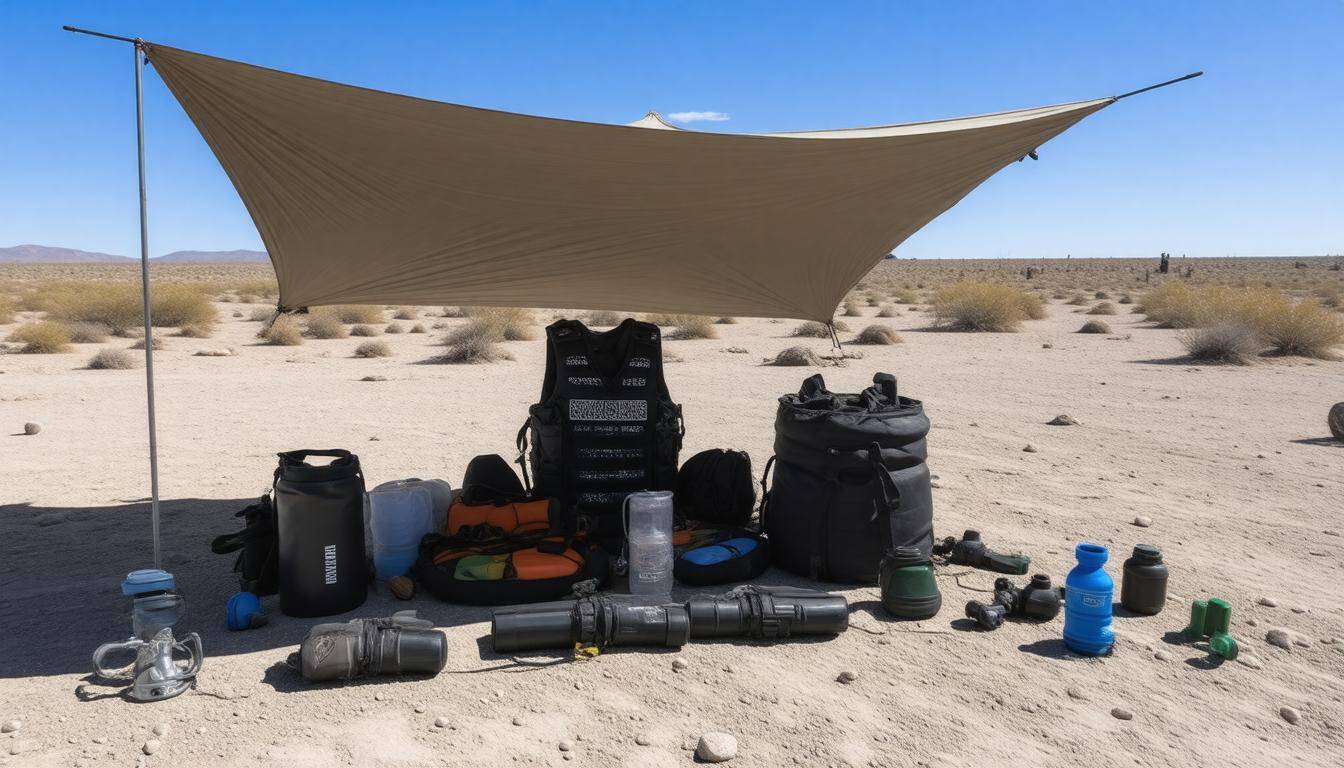
When it comes to navigating extreme temperatures effectively, having a repertoire of practical strategies can be your lifeline. One fundamental skill is finding shade. During a scorching day, finding a tree or man-made structure to shield you from direct sunlight can lower your body temperature significantly. If natural shade isn’t available, consider carrying portable shade devices such as pop-up tents or reflective emergency blankets that create an instant barrier against the sun’s rays. The key is to recognize the importance of staying out of the direct line of heat and giving your body a break from relentless sunshine.
Being informed is crucial during heatwaves, which brings us to the next point: monitoring weather reports. In uncertain conditions, relying on accurate and timely information is essential. Whether through smartphone apps or local broadcasts, keeping an eye on heat advisories and temperature trends will help you plan your activities accordingly. Knowing when a heat advisory has been issued allows you to take additional precautions, such as altering your schedule or adjusting hydration levels.
Another practical tool in your survival kit is using cooling devices. Battery-powered fans are lightweight and portable—perfect companions for outdoor excursions. Pairing these with misting sprayers creates an effective cooling system that helps in fending off intense heat. It’s like having a little personal breeze on demand! Keep in mind that even small inventions like damp cloths can offer refreshing relief when placed around your neck or wrists.
Adjusting your schedule also plays a vital role in dealing with extreme heat effectively. A skillful approach involves planning activities for early morning or late evening when temperatures tend to be cooler. This not only ensures safety but also maximizes productivity. It’s easier to enjoy outdoor tasks without succumbing to fatigue when you’re not directly battling the sun during its peak hours.
Finally, consider adapting your diet for better performance in higher temperatures. Consuming smaller meals packed with high-water content, such as cucumbers, watermelon, and oranges, will keep you hydrated from the inside out. Foods rich in nutrients, like salads or smoothies, provide energy without adding unnecessary weight or heaviness to your digestive system. This practice will help maintain your strength while ensuring you stay cool throughout the day.
As experienced adventurers often note, simple actions can lead to significant benefits. For instance, honing these fundamental skills will prepare anyone for unexpected heat challenges instead of merely reacting when already overheated.
Through careful application of these essential skills—finding shade, monitoring weather reports, using cooling devices, planning activities, and adapting diets—you’ll not only enhance personal comfort but also increase your resilience against oppressive heat conditions.
With these vital techniques at your disposal, it’s important to stay vigilant about potential health risks associated with extreme heat exposure.
Recognizing Heat-Related Illnesses
Understanding and identifying symptoms of heat-related illnesses is critical for timely intervention. Two of the most common conditions are heat exhaustion and heat stroke. Familiarizing yourself with their symptoms can be a lifesaver, especially during extreme temperatures.
Heat Exhaustion
The first level of heat stress is heat exhaustion, which can sneak up on you if you’re not careful. Symptoms often manifest in ways that might initially seem ordinary, such as heavy sweating, weakness, dizziness, nausea or vomiting, and skin that feels clammy to the touch. The body struggles to cool itself down, leading to these telltale signs. If you notice these symptoms in yourself or someone else, don’t ignore them. Immediate actions should include:
- Seeking shade or an air-conditioned space
- Drinking cool water slowly to avoid worsening nausea
- Applying wet cloths to the skin to help lower body temperature
Ignoring the signs at this stage can allow the condition to escalate into more severe health issues.
Heat Stroke
If left unaddressed, heat exhaustion can lead directly to heat stroke, a much more severe condition that demands immediate attention. Heat stroke occurs when your body temperature rises above 103°F (39.4°C). At this critical stage, confusion emerges; individuals may exhibit disorientation or even hallucinations due to altered mental status. The pulse often becomes strong and rapid, indicating that the heart is working overtime in an attempt to cool the body down. In some cases, unconsciousness may occur.
It cannot be stressed enough: heat stroke requires emergency medical attention because it can lead to life-threatening complications such as organ failure or seizures.
The stakes are high; according to the CDC, approximately 700 people in the U.S. die annually from extreme heat. This staggering statistic emphasizes the importance of awareness and early detection of these symptoms.
By recognizing symptoms early on, you can dramatically mitigate risk. For instance, be vigilant when temperatures soar above 90°F (32°C) while engaging in outdoor activities or physical exertion. Listen to your body’s cues; if you’re feeling excessively tired or dizzy while enjoying a summer day outside—it’s time to take a break and hydrate.
Understanding these signs fosters personal safety during intense heat and equips friends and family members with the knowledge they need to respond effectively in emergencies related to heat exposure. With this foundation of understanding established, we now transition into exploring the crucial topic of hydration.
Maintaining Proper Hydration
Hydration is the cornerstone of surviving heat conditions. Dipping into a refreshing glass of water not only quenches your thirst but serves as a vital shield against heat-related illnesses. The human body is made up of roughly 60% water, which underscores its importance in regulating temperature and overall bodily functions.
During extreme heat, sweating ramps up; thus, replenishing fluids becomes critical because losing even a small amount can alter your performance and mood. Ideally, you should aim to drink at least 3.7 liters (around 13 cups) for men and 2.7 liters (approximately 9 cups) for women each day when facing high temperatures.
One effective strategy is to drink water regularly throughout the day. Avoid sugary beverages, caffeine, or alcohol, which may seem enticing but ultimately contribute to dehydration instead of alleviating it. A good rule of thumb is to take small sips often rather than waiting until you’re thirsty; by that time, your body might already be experiencing the effects of mild dehydration.
Hydration Tips
To keep hydration levels optimal, consider implementing a few practical strategies. Always have a reusable water bottle handy and keep it filled with water so that it’s easily accessible whenever you need it. This practice encourages more frequent sips throughout the day rather than relying solely on mealtimes to meet your hydration needs.
Furthermore, tracking your intake can give you an extra boost in ensuring you’re on top of your hydration game. Challenge yourself to consume at least 8 ounces of water every hour when exposed to sweltering conditions; this consistent intake helps prevent dryness and fatigue before alarm bells ring.
For enhanced hydration, adding electrolytes to your water is a great way to replenish lost minerals due to perspiration—especially sodium, potassium, and magnesium. While sports drinks can be beneficial for recovery after intense physical activity, they should be consumed judiciously as they often come packed with sugar. A balanced approach includes mixing electrolyte powder with water or opting for low-sugar alternatives when possible.
Staying informed about hydration strategies not only ensures physical comfort but also lays the groundwork for exploring how proper garments can make a significant difference in hot climates.
Appropriate Clothing for Hot Weather
The right clothing can make a significant difference in handling extreme heat. Lightweight, loose-fitting, and light-colored clothes do more than just keep you looking cool; they help your body regulate its temperature by reflecting heat and promoting air circulation. Imagine wearing a snug, dark outfit under the blazing sun — it would feel like you’re trapped in an oven! Instead, opt for garments that allow your skin to breathe.
Fabrics such as cotton and linen are particularly advantageous. These natural fibers are breathable, allowing sweat to evaporate and providing a cooling effect that synthetic materials often lack. Whether you’re hiking in the woods or just lounging at home during a scorcher, choosing clothing made from these materials will keep you comfortable throughout the day. In fact, brands like Columbia and Patagonia have developed specialized heat-resistant clothing designed with moisture-wicking capabilities and UV protection—an excellent combination for outdoor enthusiasts.
“Breathable fabrics are your best friend in scorching temperatures. They help your body remain in sync with nature.”
However, there’s ongoing debate about synthetic fabrics often used in athletic wear because they can evaporate sweat rapidly. Many swear by these materials, especially in humid conditions where moisture can become trapped. While synthetic options have their place, it’s crucial to select wisely based on climate. Not all synthetics are created equal; if you choose this route, look for lightweight variants designed specifically for breathability and moisture management.
As you navigate the great outdoors or simply endure an exceptionally hot day at home, remember the importance of color and fit too—these simple considerations can dramatically impact your comfort levels.
Light colors should be your go-to choice because they reflect sunlight rather than absorb it. Choosing white or pastel hues enables you to stay cooler even under direct sun exposure. Conversely, dark colors absorb heat and should be avoided unless you want to feel like you’re wearing a warm blanket out there.
Fit matters just as much as fabric and color—loose-fitting clothing allows for better airflow around your body while tight clothing can actually trap heat next to your skin. The difference between feeling fresh and overheating lies in that space for air movement. Space not only helps you stay cooler but also reduces the potential of feeling sticky against your skin.
“Remember: It’s not just what you wear; it’s how it fits that truly determines your comfort level!”
Accessories That Help
Don’t overlook accessories when dressing for heat. Wide-brimmed hats provide necessary shade for your face and neck, while sunglasses protect your eyes from harmful UV rays and glare from surfaces like sand or concrete. You might be surprised how much a good pair of shades can improve your experience on a hot day! Additionally, consider wearing breathable sandals or airy shoes—it’s amazing how much cooler your feet can feel when they’re not trapped inside heavy shoes.
By putting thought into your clothing choices and opting for the right fit and accessories to complement those choices, you can significantly enhance your ability to survive—nay—thrive in intense heat! This combination of smart selections fosters not just comfort but also enjoyment in whatever activities await.
Equipping yourself with the right clothing strategy opens the door to exploring how daily routines can be adjusted to better handle rising temperatures.
Adjusting Daily Routines for Heat
Modifying Activity Times
One of the simplest ways to combat the heat is by shifting when you perform outdoor activities. Strenuous tasks or exercise are best reserved for the early morning or late evening when temperatures are at their lowest.
Imagine waking up just before dawn, the air is cool and fresh, and you can tackle your most challenging projects without sweating buckets. This not only keeps you cooler but also boosts productivity, as you might find yourself more alert at these hours compared to the sweltering afternoon sun.
Siesta Approach
Another beneficial strategy is borrowing a page from Spanish culture: the siesta. By adopting a midday rest period during the hottest part of the day, you conserve energy and protect yourself against sun exposure.
Consider this: when the sun blazes overhead, the last thing you want is to be outside toiling away. Instead, find a comfortable spot indoors, perhaps with a good book, where you can recharge. This buffers against exhaustion and allows your body temperature to stabilize, keeping you refreshed for evening activities.
Implementing Cooling Breaks
Throughout your routine, it’s vital to integrate cooling breaks. Whenever you’re engaging in outdoor ventures or even inside under stress from the heat, take frequent pauses in shaded areas or optimally air-conditioned environments.
This helps regulate your body temperature effectively. It might be helpful to carry a water bottle filled with ice or keep wet cloths nearby; soaking your wrists and neck can do wonders while you take those well-deserved breaks.
Remember: Hydration is key during these cooling breaks. Drinking cool water consistently aids in maintaining proper body temperature and prevents heat-related ailments.
Maintaining these adjusted routines and practices safeguards your physical well-being while promoting greater overall morale during those sweltering days. You can enjoy summer without feeling like you’re fighting a losing battle against the sun.
With a solid understanding of how to adapt your daily routines for comfort in extreme heat, it’s time to explore specific strategies that can further enhance your survival in intense conditions.
Emergency Heat Survival Solutions

When faced with emergencies, knowing how to adapt your environment for cooling can make a significant difference. One practical solution is creating makeshift cooling devices. For example, a simple yet effective DIY air conditioner can be made by placing a bowl of ice in front of a fan. This setup allows the fan to blow the cool air from the ice across the room, providing a temporary respite from oppressive heat. Imagine feeling that refreshing breeze wafting through your home while outside temperatures soar—a small effort like this can improve comfort immensely.
Alongside these makeshift solutions, identifying cooling stations located within your community is also vital. Make a point to discover nearby community centers or public buildings equipped with air conditioning; these will serve as safe havens during heat emergencies. Knowing exactly where you can go if conditions worsen is critical—these spots not only offer relief but may also provide access to resources like drinking water and medical assistance.
It’s imperative to establish emergency response protocols tailored specifically to heat-related scenarios. Start by creating a clear plan that includes a comprehensive list of emergency contacts as well as local cooling shelters. Familiarizing yourself with basic first aid procedures relevant to conditions like heat exhaustion or heat stroke can empower you to act decisively should someone need help.
John Doe recounts his experience of surviving Arizona’s intense heatwave by utilizing an inflatable kiddie pool filled with ice water as a makeshift cooling station at home. “It was a simple, effective solution until local authorities brought aid,” he recalls. Just like John’s story, thinking creatively can help us navigate extreme situations.
Preparation and awareness are key components in ensuring safety during extreme heat events. Exploring improvisational strategies for cooling and establishing proactive emergency protocols is essential for safeguarding yourself and those around you when faced with challenging conditions.
Staying Cool in Extreme Temperatures

Effectively managing your body temperature when the mercury rises isn’t just a comfort issue; it’s crucial for your health and well-being. One primary strategy to beat the heat involves hydration strategies. Always keep your fluids chilled, as cold water or isotonic drinks can be refreshing. However, sip—rather than gulp—your drink, allowing your body to adjust gradually and preventing any shock to your system. The goal is to hydrate without overwhelming your stomach.
Equally important are cool showers. A quick dip into a cool shower or bath can dramatically lower your core body temperature, providing immediate relief from heat after outdoor activities.
Wearing dampened clothing serves as another effective method to keep cool. Layering a lightweight, breathable shirt with a dampened bandana around the neck facilitates this process through evaporation, naturally lowering temperature as moisture dissipates. Additionally, don’t overlook the power of wearing wet hats; evaporation from both the hat and neck effectively cools arterial blood flow, offering lasting relief.
[QUOTE] “During sweltering summer days in Houston, I keep a spray bottle of cold water in the fridge and mist myself regularly. It helps tackle the relentless humidity,” advises Sara Smith, an outdoor enthusiast.
This leads us to misting yourself with cold water. Utilizing a spray bottle filled with chilled water can provide an immediate solution for combating high humidity levels. Every spritz applies tiny droplets that evaporate quickly on your skin, helping regulate your temperature more effectively than simply sitting in front of a fan.
Remember the science of cooling: evaporation has a cooling effect—it’s how sweating helps us feel cooler. By choosing what we wear, how often we hydrate, and utilizing tools like misting bottles or damp cloths, we shouldn’t just react to heat but proactively manage it.
Implementing these cooling techniques can significantly stave off heat-related illnesses such as heat cramps or heat exhaustion. Speak to anyone who’s battled against the sweltering sun while hiking or working outdoors; their greatest ally has often been strategies used to stay cool and maintain energy levels through extreme temperatures.
As we consider additional methods for beating the heat, it’s important to explore ways to create comfortable living environments that promote health during particularly warm conditions.
Protecting Your Health During Heat Waves
Let’s talk about how to safeguard your health when the mercury rises beyond comfort levels.
It’s crucial to acknowledge that certain groups are especially vulnerable during these sweltering times. Elderly individuals, infants, and people with chronic illnesses face heightened risks of heat-related health issues due to their bodies’ inability to efficiently regulate temperature. If you know someone in these categories, take steps to ensure they remain in cool environments, and make it a habit to check on them regularly, either through a quick phone call or an in-person visit.
Beyond watching over those vulnerable loved ones, monitoring health can be incredibly beneficial during a heat wave.
Health Monitoring
Utilizing wearable devices such as smartwatches equipped with heart rate monitors can provide real-time data about your body’s response to the heat. These gadgets not only track your heart rate but can also send alerts if they detect any abnormalities or fluctuations that may indicate heat stress.
For instance, a sudden spike in heart rate could signal overheating and prompt you to seek cooler surroundings immediately. This early detection system is invaluable—knowing when to take action can prevent more severe health complications before they escalate.
Speaking of maintaining well-being, nutrition plays a pivotal role during those oppressive summer months.
Nutrition
When faced with extreme heat, consider adjusting your eating habits. Eating smaller, more frequent meals becomes essential; opt for lighter foods rich in water content like fruits and salads. Think of something as simple as cucumber slices or watermelon—all refreshing options that keep hydration levels up without adding extra heat through digestion.
Larger meals can cause your body temperature to rise as it works harder to metabolize food. Staying hydrated is just as fundamental; aim for at least 2–3 liters of water daily to help your body cope with soaring temperatures effectively.
By implementing these practical steps—from looking out for vulnerable individuals to utilizing technology for health monitoring and adjusting nutrition—you can fortify yourself against the intensity of extreme heat.
In navigating heat waves, being proactive with health measures and dietary adjustments will empower you to stay safe and comfortable.