
As temperatures soar, heat waves can bring their own set of challenges, making it crucial to find ways to stay cool and safe without depending on electricity. Sticking to the basics of hydration and comfort isn’t just practical; it’s essential for survival when the sun punishes us relentlessly. But don’t worry, there are plenty of creative strategies you can employ to beat the heat without breaking a sweat—or your budget. From clever home adjustments to easy outdoor tricks, we’ll guide you through simple yet effective methods that will help you keep your cool, even on the hottest days. So grab a glass of water and settle in as we prepare you for the summer heat!
To survive a heat wave without electricity, it is crucial to utilize alternative cooling methods such as creating cross-ventilation by opening windows in the evening, using evaporative coolers if humidity permits, and staying hydrated with electrolytes. Additionally, wearing lightweight, light-colored clothing and minimizing physical activity during peak temperatures can greatly enhance your ability to cope with extreme heat conditions.
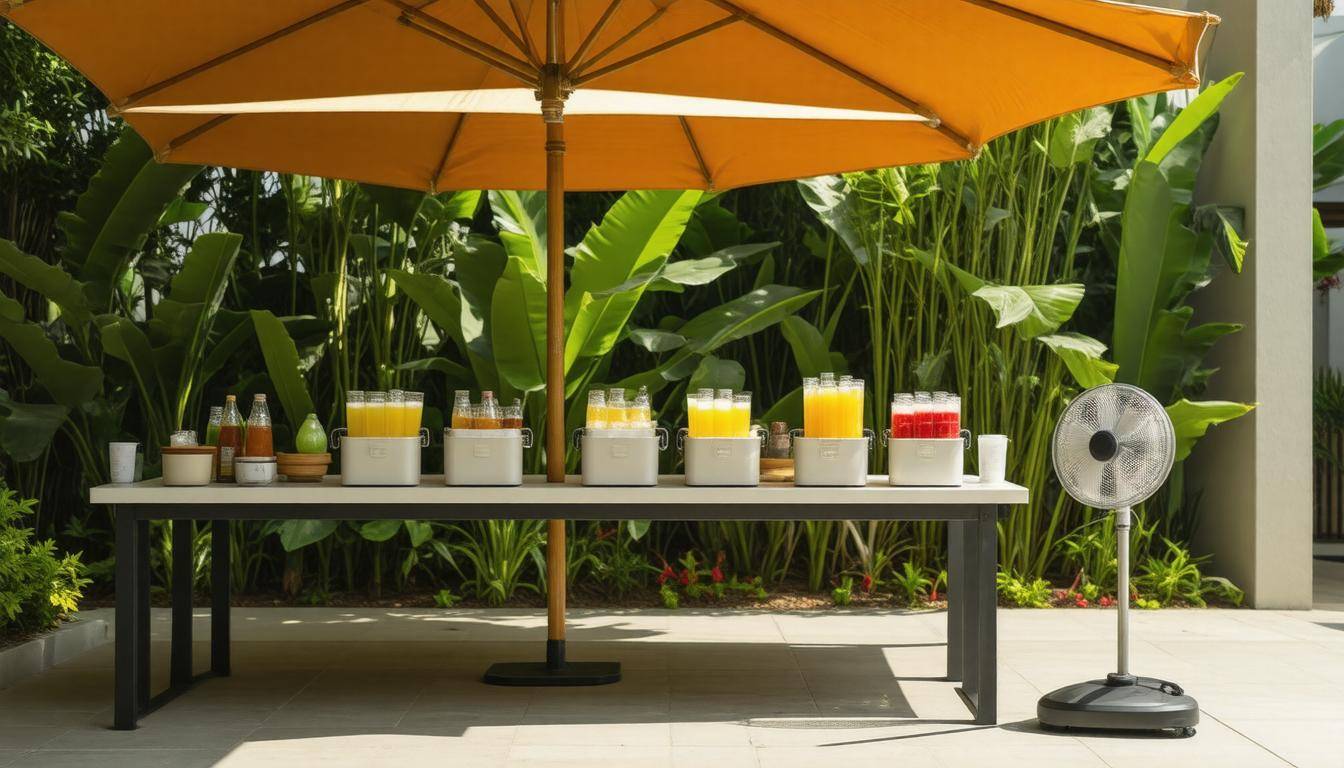
Essential Preparation for Heat Waves
The atmosphere in your home can make a major difference when facing extreme temperatures. A few thoughtful changes can significantly enhance your comfort during heat waves. Start with strategic ventilation; it’s key to maintaining cooler air indoors. Open windows and doors during early morning and late evening, when temperatures drop, to allow fresh air to circulate throughout your living spaces. However, be sure to close them promptly as the sun rises to lock that cool air inside.
Another important aspect of preparing your home is effectively managing sunlight exposure. Consider investing in high-quality thermal curtains or blackout shades. These can block sunlight during peak hours, shielding indoor areas from direct sun rays that raise temperatures drastically. Additionally, using reflective materials like aluminum foil on windows can deflect significant heat. It may seem unconventional, but this simple tactic can reduce indoor temperatures by several degrees.
The cumulative effect of these adjustments will lead to a more comfortable space without the need for heavy reliance on electricity.
Moreover, take extra steps to keep your indoor environment as cool as possible. Create a designated “cool zone” where you can retreat when the heat becomes unbearable. This could be any room that remains naturally cooler due to its location or architectural features – perhaps one with more shade or fewer windows. Enhance this area further by placing fans strategically; fans can help circulate air efficiently, offering relief even without air conditioning.
Remember these critical elements:
- Thermal Curtains: Block sunlight effectively.
- Reflective Window Treatments: Use aluminum foil or reflective films.
- Ventilation Schedule: Open windows in the cool hours.
- Designate Cool Zones: Create areas free from direct sunlight.
As you adapt your living space, safety should remain a priority too—prepare an effective communication plan and check on vulnerable neighbors regularly during this time of heightened risk.
Your community’s resources are invaluable during heat waves; know about local cooling centers where you and those who might need assistance can take refuge if conditions become too extreme at home. This collective awareness ensures everyone’s safety while fostering a spirit of support among neighbors.
Moving forward, we will explore practical methods to enhance cooling efficiency in enclosed spaces further, ensuring you’re well-equipped for the heat ahead.
Indoor Cooling Strategies
Staying cool indoors without electricity can be challenging, but there are effective methods that do not require power. Harnessing natural elements and strategic placement can create a sanctuary from the heat. The key lies in maximizing airflow and effectively managing your living spaces.
Airflow Maximization
One of the simplest yet most effective strategies is to arrange furniture to facilitate cross-ventilation. Imagine opening windows on opposite sides of your home; it’s like unleashing a refreshing breeze as it sweeps through the rooms. This natural wind tunnel effect draws in cooler air while pushing out warmer air, making it feel significantly more comfortable indoors.
A creative trick that many folks swear by is hanging a damp sheet in front of an open window. As the air flows through the fabric, it creates a delightful cooling effect, much like nature’s own air conditioner.
Additionally, ensure you’re utilizing all possible openings. If you have multiple windows or doors, experiment with them to find the best configuration for airflow. Closing off unnecessary entrances can help focus the flow in desired areas, letting you create cool pockets within your home.
Create a Cool Room
Beyond just maximizing airflow, directing your efforts towards specific rooms can yield even better results.
Start by selecting a room on the ground floor or in your basement; these areas tend to remain cooler during extreme heat. Once you’ve chosen your space, block out sunlight using blackout curtains or heavy blankets. By preventing sunlight from flooding into the room, you keep the internal temperature down significantly.
Another clever method involves placing bowls of ice in front of battery-operated fans. This mimicry of traditional evaporative cooling works wonders; as the fan blows air over the ice, it creates a gentle icy breeze that feels luxurious on sweltering days.
Don’t stop there! Lay down wet towels on the floor; as they evaporate throughout the day, they’ll add extra moisture to the air and contribute additional coolness beneath your feet. As you walk around, you’ll feel pleasantly surprised by how much cooler it really is!
Combining these techniques will help lower indoor temperatures and provide you with relief when the external heat threatens to overwhelm you. Having equipped yourself with these innovative tactics, we now turn our attention to exploration beyond our homes to find effective solutions outdoors.
Outdoor Cooling Techniques
Engaging in water activities can provide significant relief from the scorching heat, turning an ordinary day into a refreshing escape. One of the simplest and most effective ways to keep cool is by setting up a kiddie pool in your backyard. Imagine filling it with water and lounging beneath a sun umbrella; it’s like having a mini beach right at home. Not only does it help you cool down, but it also creates an enjoyable spot for families and friends to gather and relax together.
Moreover, sprinklers are not just for kids! Whether you’re running through them on a hot afternoon or simply enjoying the mist while tending to your garden, they can be delightfully refreshing. The excitement of dashing through the sprays instantly lifts anyone’s spirits while simultaneously cooling the body. Keeping the fun going, even adults find joy in this playful activity, connecting with their inner child as they splash around.
Research has shown that engaging in these types of water-based outdoor activities can lower body temperatures by up to 5°F more than merely sitting in shade alone. Consider that while you’re crafting your summer plans!
But water activities aren’t the only way to enjoy the outdoors during severe heat; there are additional strategies to enhance your outdoor experience.
Utilizing Natural Shade
Capitalizing on natural shade can dramatically improve comfort levels when you step outside. Trees not only provide beauty but offer significant respite from direct sunlight, potentially lowering ambient temperatures by 20°F (11°C) compared to sunny spots. Think about arranging activities near large trees or structures that cast shade throughout the day. You can bring blankets and snacks to create a cozy area where friends or family can unwind while staying cooler than they would under the blazing sun.
In case you don’t have many trees around, consider using reflective materials such as mylar sheets or light-colored tarps to cover areas directly exposed to sunlight. These create shaded zones that effectively deflect heat away, making them cooler than the surrounding air temperature. Placing such surfaces over outdoor furniture or picnic tables helps create shaded retreats without any substantial investment.
Finally, remember that staying hydrated is vital too as it complements these outdoor cooling methods seamlessly.
Hydration Techniques
While enjoying yourself outdoors and utilizing all the mentioned techniques, it’s crucial to keep hydration at the forefront of your mind. Drinking plenty of water is essential—aim for at least 8 ounces (240 mL) per hour during extreme heat conditions, especially if you’re engaging in physical activities. Having ice-cold refreshments on hand can make staying hydrated much more appealing.
You might even consider freezing some wet towels or water bottles ahead of time for added refreshment options while out enjoying nature’s warmth. When you take those drinks outside, they’ll provide an instant chill effect, keeping you refreshed while enhancing your hydration strategy.
As these cooling methods come into play, it’s important to recognize how hydration plays its pivotal role in maintaining comfort and well-being under the heat.
Effective Hydration Methods
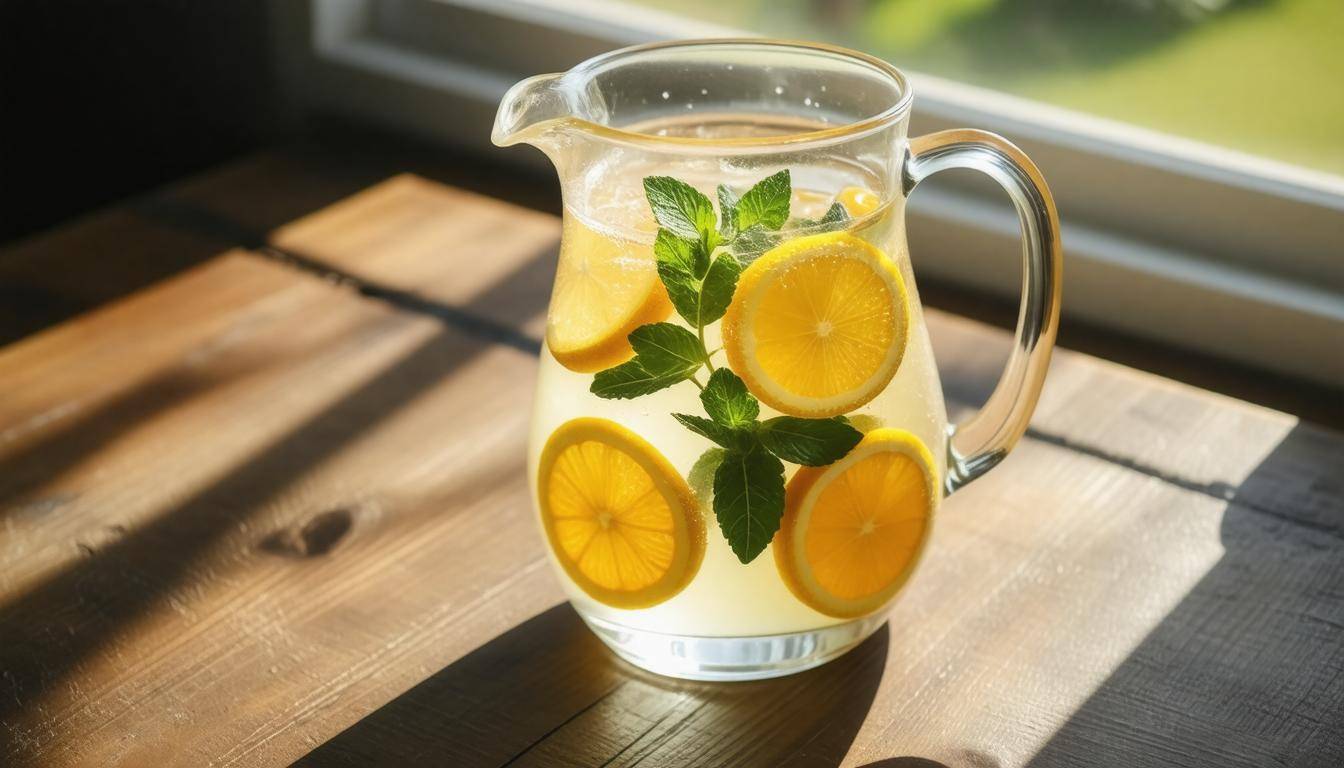
Drinking water isn’t enough on its own when temperatures soar; incorporating electrolytes into your hydration strategy helps you maintain balance. This is especially important during heat waves when sweating can quickly deplete your body of minerals like sodium and potassium.
A simple homemade electrolyte drink can be made right in your kitchen: just mix water, a pinch of sea salt, and a splash of fruit juice. The fruit juice not only adds flavor but also provides natural sugars that help with energy levels.
Remember, staying ahead of dehydration is far easier than trying to catch up once you’re already thirsty. Aim to incorporate hydration into your daily routine rather than waiting until you’re parched.
Optimal Hydration Techniques
One way to optimize your hydration is by creating a schedule that aligns with your day-to-day activities. Here’s a simple guide to follow:
-
Morning: Start your day with a large glass of water mixed with lemon juice. This kickstarts hydration, while vitamin C in lemons gives you an added health boost.
-
Noon: Around lunchtime, enjoy an electrolyte drink to help replenish what you’ve lost through sweat as the day heats up.
-
Afternoon: Keep sipping water consistently throughout the afternoon. Set reminders if necessary—being proactive about hydration often beats being reactive.
-
Evening: Finish your day with another electrolyte-rich drink to prepare for the next hot day ahead.
| Time of Day | Hydration Recommendation |
|---|---|
| Morning | Start with a large glass of water with lemon |
| Noon | Drink an electrolyte solution |
| Afternoon | Keep sipping water consistently |
| Evening | Finish the day with another electrolyte drink |
It’s useful to consider hydrating foods as part of your overall intake since they can supplement your fluid requirements. Foods like cucumbers (95% water), watermelon (92% water), and oranges (86% water) are refreshing and can contribute significantly to your hydration needs.
While staying hydrated is crucial, it’s equally important to recognize how clothing choices and natural structures can provide additional relief from extreme heat, ensuring greater comfort during those sweltering days.
Clothing and Natural Shelters

The right clothing can significantly enhance your ability to cope with the sweltering heat of a heatwave. Opt for loose-fitting garments; they allow your skin to breathe and facilitate air circulation, which is critical for evaporating sweat.
Think of fabrics like cotton and linen—these are breathable, lightweight options that won’t trap heat against your body. In contrast, synthetic fabrics can cling to your skin and keep moisture close, leading to discomfort and overheating. Choosing attire that promotes airflow can lower your body temperature by about 2-3 degrees Fahrenheit.
It’s fascinating to note that wearing light-colored clothing can actually reduce heat absorption by up to 50%. A simple change like picking a white shirt over a dark one could make a significant difference.
Another powerful tactic in your arsenal against extreme heat is leveraging natural shelters effectively.
Finding Natural Shelters
Trees are not just beautiful; they are lifesavers during heat waves. The process known as transpiration allows trees to release moisture into the air, effectively cooling their surroundings. Simply spending time beneath a tree canopy can offer a noticeable temperature drop of 5-15 degrees Fahrenheit compared to being out in the direct sun.
If you have the option, consider setting up a hammock below these trees—this not only gives you a cozy spot to rest but also enhances airflow underneath you for a refreshing chill.
Additionally, public parks often feature shaded areas which can act as communal cooling spots during extreme weather. It’s essential, however, to prioritize spaces with ample natural shade or even constructed awnings when selecting where to spend time outdoors. By situating yourself effectively within these natural shelters, you create an environment that enhances your comfort dramatically while minimizing exposure to harsh rays.
Combining thoughtful clothing choices with strategic use of natural shelters creates an effective method for managing discomfort during intense heat. With that in mind, it’s crucial to consider how lifestyle changes can further enhance your well-being in these conditions.
Lifestyle Adjustments During Heat Waves
Life doesn’t stop during a heat wave, but adjusting your routine can help you cope better. It’s essential to find ways to stay cool and manage day-to-day activities when temperatures soar. One effective method is to make schedule adjustments. For instance, shifting strenuous tasks to early morning or late evening hours when it’s cooler can prevent overheating.
During peak heat, stepping indoors for some cooldown time while engaging in quieter activities like reading or board games can be a delightful escape from the sweltering sun. Taking frequent breaks—every hour if you’re working outdoors—allows your body to recover and maintain its temperature equilibrium.
Furthermore, it’s wise to consider modifying your diet during these sizzling months.
Dietary changes can play a significant role in how your body handles extreme heat. Opting for smaller, lighter meals that require less cooking helps keep the kitchen cooler and reduces the strain on your body. Fruits and vegetables, especially those high in water content like cucumbers, watermelon, and strawberries, not only provide hydration but also help regulate body temperature.
Meanwhile, it’s best to avoid heavy meals rich in proteins that could ramp up your metabolism, leading to increased body heat. Instead of elaborate dinners, simple salads or smoothies can become refreshing staples that satiate without burdening your body.
Alongside scheduling and dietary tweaks, another area to focus on is how you rest.
Have you ever considered where you sleep? Sleeping arrangements impact how well you cope with excessive heat. Traditional beds might trap warmth; instead, sleeping in a hammock allows airflow beneath you, helping maintain a cooler temperature. In this setup, the breeze flows freely around your body while keeping you off the warm ground—it’s a small adjustment that makes a big difference.
If a hammock isn’t available, fans positioned strategically around your sleeping area can create air circulation, allowing cooler air to envelop you throughout the night.
Lastly, staying hydrated cannot be overstated during these sweltering days.
Keeping yourself hydrated is critical for survival during heat waves. Drinking plenty of water is essential; aim for at least 8-10 glasses daily. To enhance hydration and balance electrolytes lost through sweat, consider mixing in electrolyte solutions. A simple recipe using water combined with some salt and potassium chloride can work wonders.
We often overlook these little details while focusing on life’s other demands, but drinking iced or refrigerated water can add an enjoyable twist that encourages consistent fluid intake throughout the day.
With these lifestyle adjustments—time management changes, dietary modifications, sleeping arrangements tuned for comfort, and strict hydration practices—you can conquer the challenges posed by heat waves while maintaining normalcy in your life.
As we transition from everyday coping methods to more urgent steps you can take when temperatures rise dramatically, let’s explore immediate actions designed for rapid relief.
Emergency Cooling Measures
When extreme temperatures strike, knowing immediate relief techniques can be a lifesaver. One quick way to alleviate heat stress is by taking cool showers or baths. The sensation of cool water enveloping your body can help drop your core temperature effectively.
Try adding cold compresses—like wet towels or ice packs—at your pulse points: your wrists, neck, and temples. This simple action not only feels refreshing but actually allows your body to cool down in minutes. Remember, staying hydrated during this process is essential as perspiration is your body’s natural cooling system.
If you’re looking for portable solutions, there are some clever hacks that can easily fit into your routine. One I’ve found particularly helpful is making rice socks. Simply fill a clean sock with rice and place it in the freezer for a couple of hours. Once frozen, wrap it around your neck or apply it to warm areas of your body; you’ll feel instant relief.
Additionally, don’t overlook the power of frozen water bottles. Freeze several bottles flat and place them in front of fans; this creates an improvised air conditioning effect as the fan blows refreshing air across the icy surface.
“When I tried this last summer, my frozen water bottle trick kept my bedroom at a bearable temperature,” recalls Jane Doe, a long-time heatwave survivor sharing her insights on staying cool.
These quick tips offer immediate comfort while also serving as proactive measures against long-term effects of heat exposure. Alongside these strategies, it’s vital to have support and check-ins from those around you to enhance community resilience during extreme weather events.
Community Support and Check-ins
One of the most effective ways to weather a heat wave is through the simple act of checking in on each other. In our neighborhoods, love and care can often mean more than any air conditioning unit. If you’re fortunate enough to live near elderly or vulnerable individuals, it’s vital to prioritize their well-being during sweltering temperatures.
Just a quick knock on the door or a phone call can go a long way, helping them feel less isolated and ensuring they have access to necessary resources.
Sharing what you have—whether it’s extra water, ice packs, or even a small fan—can make an enormous difference for someone who may not be prepared for extreme heat. Small actions foster a spirit of community and support that can make surviving these conditions much easier.
Beyond personal connections, local organizations and community centers also play an essential role in providing valuable resources.
Neighborhood Help
Establishing relationships with local volunteers enriches the overall support system available. Many towns organize community volunteers who stand ready to assist during heat waves. Local groups often mobilize to create hydration stations or offer rides to cooling centers for those who might struggle to get there themselves.
In Maricopa County, respite centers open their doors specifically for this purpose, providing safe indoor spaces where those without air conditioning can find relief from the oppressive heat.
Local volunteers focus on welcoming guests by distributing cold water and food while also creating a friendly atmosphere where individuals seeking shelter can feel comfortable. One remarkable example is Sam Adkins, who plays an active role in these efforts through the Medical Reserve Corps (MRC). His commitment illustrates how individuals can step forward and make a significant impact in their communities.
Connecting with local volunteer opportunities isn’t just beneficial for those receiving help; it provides a sense of purpose and unity for everyone involved.
To further enhance access to heat relief solutions, utilizing additional resources is key.
Utilize Public Cooling Centers
During intense heat waves, public cooling centers become hubs of relief and safety. Many local governments set up these vital spaces in places like libraries or community centers specifically designed to combat heat-related illnesses.
These facilities offer much more than just a respite from the heat—they serve as important social gathering points where individuals can connect with others during isolation. When attempting to locate these centers, I recommend keeping handy the Heat Relief map provided by the Maricopa Association of Governments once it becomes available each season; this resource shows you nearby options for much-needed relief.
In summary, fostering community resilience means checking in with neighbors, coordinating volunteer efforts, and utilizing local cooling resources effectively. Each interaction strengthens bonds within our communities and amplifies our collective ability to thrive during extreme heat events.
As we face rising temperatures together, let’s commit to supporting one another—even the smallest acts of kindness can greatly alleviate stress during challenging times.
Are there any particular foods or supplies I should stock up on that don’t require refrigeration during a heat wave?
During a heat wave, stock up on non-perishable foods such as canned beans, fruits, vegetables, whole grain crackers, nuts, and seeds, as well as bottled water to stay hydrated. These foods provide essential nutrients without needing refrigeration and can help maintain energy levels in extreme heat; for example, fruits like canned peaches or pineapples offer hydration along with vitamins. According to the CDC, staying hydrated is crucial during high temperatures, as it helps prevent heat-related illnesses—so having sufficient water supply is vital!
How can I prepare my home beforehand to minimize heat exposure during a heat wave?
To prepare your home for a heat wave and minimize heat exposure, start by sealing any gaps in windows and doors to prevent hot air from entering, and consider installing reflective window film or using blackout curtains to block direct sunlight. According to the U.S. Department of Energy, reflective treatments can reduce solar heat gain by up to 70%, significantly lowering indoor temperatures. Additionally, ensure your attic is properly ventilated, as an unventilated attic can reach temperatures over 150°F, contributing to increased heat in your living spaces.
What emergency measures should I take for vulnerable populations, such as pets or elderly family members, during a heat wave without electricity?
During a heat wave without electricity, it’s crucial to take proactive measures for vulnerable populations like pets and elderly family members. Ensure they stay hydrated by providing plenty of water and setting up shaded outdoor areas or using fans that run on batteries. The CDC states that heat-related illnesses can be particularly severe among those over 65 years old, with the elderly being three times more likely to suffer from heat exhaustion than younger adults. Regular check-ins and creating a cool environment—such as using damp cloths or cooling vests—can significantly help manage their body temperature and promote safety during extreme heat events.
What hydration strategies should I employ during extreme heat conditions without access to refrigerated water?
During extreme heat conditions without access to refrigerated water, prioritize drinking at least 2-3 liters of non-refrigerated water daily, as dehydration can set in quickly—loss of just 2% body weight from sweat can impair physical performance. Employ hydration strategies by consuming water-rich foods like fruits and vegetables (watermelon and cucumbers are excellent options), and consider using electrolyte sources like salt or homemade solutions to replace minerals lost through sweat. Additionally, drink smaller amounts more frequently rather than waiting until you feel thirsty to avoid overheating.
What are the best ways to stay cool indoors when electricity is unavailable?
To stay cool indoors without electricity, use natural ventilation by opening windows during the cooler parts of the day and utilizing fans to circulate air, if available. Creating cross-ventilation can reduce indoor temperatures significantly. Additionally, using damp cloths or taking cool showers can help lower body temperature. According to studies, placing a bowl of ice in front of a fan can drop room temperature by several degrees, providing an effective and low-tech cooling method. It’s also essential to close curtains and blinds during peak sunlight hours to block heat from entering the space.