
In an unpredictable world, having a plan for emergencies is more important than ever. You might think of flashlights and first aid kits when preparing, but what about food? High-protein options can be a lifesaver, keeping your strength up and your spirits high when you need them most. The good news is that there are so many easy-to-store choices out there that won’t break the bank. Throughout this article, we’ll explore the best high-protein emergency foods to stock up on, ensuring you’re ready for anything while keeping your meals nutritious and satisfying. Let’s dive in!
High-protein emergency food options include freeze-dried meals, canned meats like chicken and tuna, protein bars, and legumes such as lentils and beans. Additionally, you might consider stocking freeze-dried eggs or high-quality powdered protein, all of which provide essential nutrients while maintaining a long shelf life for your preparedness plans.
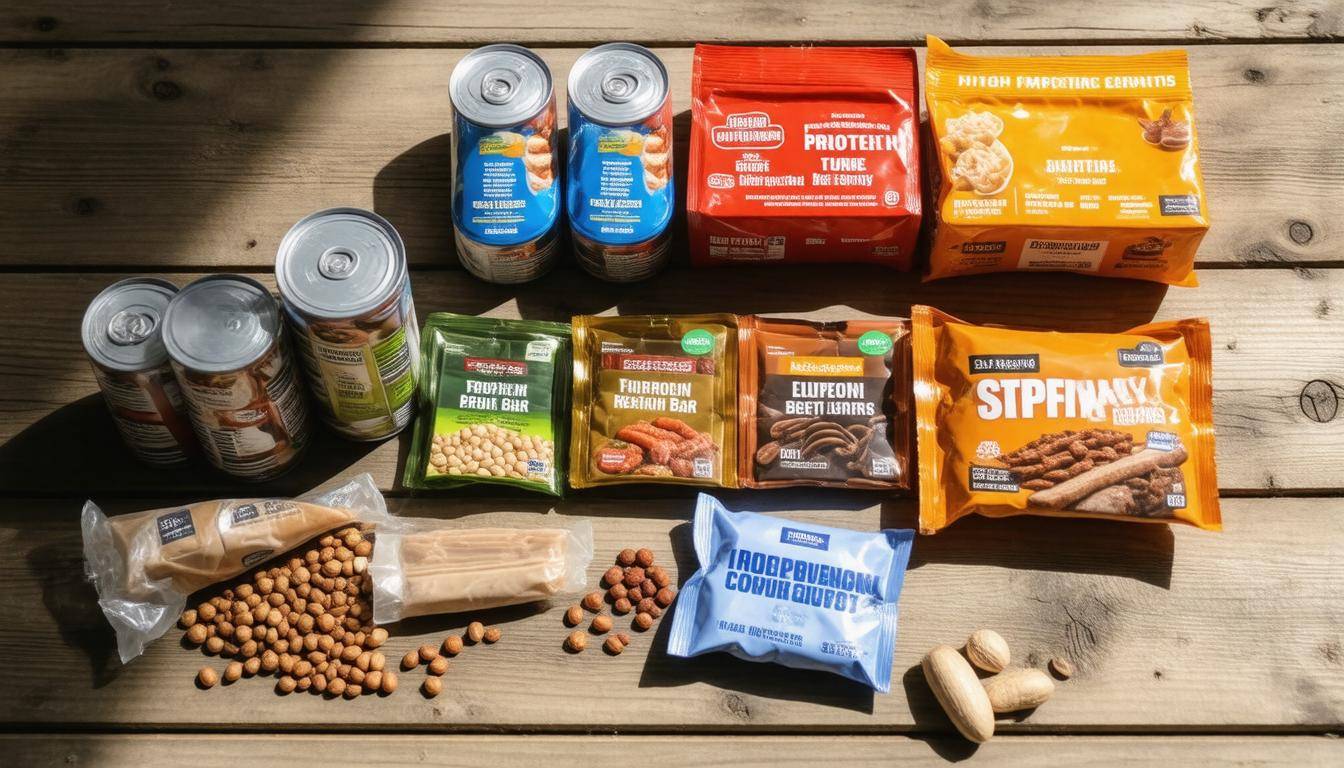
Top High-Protein Emergency Food Options
When it comes to stocking up for emergencies, providing a variety of protein sources is crucial for maintaining strength and energy. Each option brings its advantages, accommodating diverse diets and preferences. For instance, canned fish—think tuna, salmon, and sardines—not only provide a hearty dose of protein but also offer beneficial omega-3 fatty acids, known for supporting heart health. Their shelf stability ensures they can remain untouched until needed, making them ideal candidates for your pantry.
Moving on from fish, consider the convenience of jerky, which comes in various types including beef, turkey, and even plant-based versions. Jerky has a significant advantage due to its portability and long shelf life; it’s perfect for a grab-and-go situation or when running low on fresh options. Additionally, because jerky is dehydrated, it retains much of its original nutritional profile while being compact enough to fit easily into backpacks or emergency kits.
Another excellent source of protein that shouldn’t be overlooked is legumes. Canned or dried beans, such as black beans, kidney beans, and lentils boast high protein content along with essential vitamins and minerals. They are not only cost-effective but also versatile in cooking. You can toss them into soups or salads for added substance or mash them up for spreads—perfect nourishment during tough times.
Furthermore, having some protein bars on hand can be a game changer when you’re on the move or if preparation time is limited. Many modern protein bars are formulated to deliver substantial protein while still being palatable and easy to digest. Look for options low in sugar and preservatives to ensure they’re as nutritious as possible.
Finally, don’t underestimate the power of nuts and seeds in your emergency food arsenal. Almonds, pumpkin seeds, and peanuts pack not just protein but also healthy fats necessary for energy sustenance. Easy to store and snack on, they can go a long way in keeping you full until more substantial meals are possible.
As each of these items contributes significantly to your nutritional needs during challenging times, choosing a varied selection allows for balanced intake across different life stages and dietary requirements.
With these high-protein options secured in your emergency cache, understanding how much of these nutrients you need will further enhance your preparedness strategy.
Determining Your Protein Needs
Knowing your specific protein requirements can make a significant difference when strategizing for an emergency situation. We all need different amounts based on various factors such as age, sex, weight, and physical activity levels. For most adults, the general guideline is around 0.8 grams of protein per kilogram of body weight each day. This means that if you weigh 70 kg (about 154 pounds), you’ll require at least 56 grams of protein to support your daily bodily functions. However, during stressful situations—like an emergency or disaster—your body’s demands may increase, meaning you should aim for more.
In fact, active individuals may have their protein needs elevated to as much as 1.2 to 2.2 grams per kilogram, depending on whether they are endurance athletes or focusing on strength training. For older adults, it’s recommended to consume between 1.0 to 1.2 grams per kilogram to maintain muscle mass and overall health.
When considering younger populations, it’s important to evaluate children’s needs, which vary by age group—ranging from 13 grams per day for toddlers up to 34 grams for ages 9-13. This diversity of nutritional requirements underscores the necessity for catered food options across generational lines in survival scenarios.
Fortunately, determining these requirements doesn’t have to be complicated. There are numerous online tools and calculators that allow you to input your age, weight, and activity level to arrive at a precise daily protein recommendation tailored just for you. Utilizing these resources provides clarity and allows you to customize your emergency food stockpile effectively.
It’s about being conscious of your unique needs and ensuring that you are equipped with adequate nutrition when it matters most.
After you’ve established your individual protein needs, the next essential phase is exploring nutritional options that offer convenient access during emergencies.
Best Canned and Packaged Meats
These meats not only pack a nutritional punch but also stand out due to their long shelf lives and convenience. Canned meats are often the unsung heroes of any well-equipped emergency kit. For instance, canned chicken provides around 12 grams of protein per serving. It’s low in fat and free of preservatives, making it a smart choice when you’re in a pinch. Then there’s Spam, which offers 7 grams of protein per serving, although you’ll want to keep an eye on its sodium content. These meats require no preparation time—just pop the can open and enjoy!
Moreover, let’s not forget options that might not be as common but can certainly elevate the nutritional value of your meals during emergencies. Take canned mackerel or herring, for example. These aren’t just sources of protein; they’re rich in omega-3 fatty acids, beneficial for heart health and keeping your brain sharp when you might be under stress.
Nutritional Comparison
| Product | Protein per Serving (grams) | Shelf Life (years) | Notable Nutrients |
|---|---|---|---|
| Canned Chicken | 12 | 2-5 | Low fat, no preservatives |
| Spam | 7 | 2-5 | High sodium |
| Canned Salmon | 14 | 3-5 | Omega-3 fatty acids |
| Corned Beef | 16 | 3-5 | High sodium |
| Canned Mackerel | 13 | 2-4 | Omega-3 fatty acids |
In reviewing these options, many choices offer significantly high protein counts—essential for maintaining energy levels during stressful situations. However, being vigilant about sodium intake is crucial with certain items, particularly with products like corned beef or Spam.
While canned meats are reliable and nutrient-dense, another excellent protein source awaits your exploration, promising to enhance your emergency food supplies even further.
Freeze-Dried Meals and Powders
Freeze-dried meals are a treasure for those who love the outdoors or seek reliable sustenance during emergencies. The magic of freeze-drying lies in its ability to retain up to 90% of nutrients, ensuring that when you open a pouch days or even months later, the meal is not just intact but also nutritious.
Brands like Mountain House and Augason Farms stand out in this realm, offering meals that range from hearty entrees to breakfast options that cater to various taste preferences. Imagine having a delicious serving of scrambled eggs with bacon or Thai chicken curry waiting for you after a long day on the trail—it’s not just a meal; it’s an experience.
Protein Powders
When it comes to high-protein options, protein powders play a crucial role in emergency food supply kits. Made from sources such as whey, soy, or pea, these powdered proteins offer a remarkable energy-to-weight ratio, making them easy to store and transport. Military-grade options are designed with compactness in mind, ensuring you get maximum nutrition without taking up much space in your pack. A serving of whey protein powder typically delivers around 20-30 grams of protein, effectively fighting hunger and aiding muscle recovery—key factors when engaging in strenuous outdoor activities.
This emphasizes why including protein powders in your emergency kit can be invaluable; not only are they lightweight and easy to prepare—just mix with water or milk—but they’re a powerhouse of nourishment when every calorie counts.
Furthermore, consider the versatility that protein powders bring. From smoothies to baked goods, they can augment the nutritional value of any meal. If you find yourself needing additional caloric intake while hiking or camping, what could be simpler than shaking up some protein powder with water? It’s an instant energy boost without requiring extensive preparation or cleanup.
Now let’s explore how you can further enhance your food supplies by incorporating an essential group of food items that are both nutritious and have long shelf lives.
Long Shelf-Stable Protein Foods
When it comes to emergency preparedness, understanding which high-protein foods can last over time is essential. These foods become a cornerstone of your pantry when reliable food sources are disrupted.
Items like canned tuna, which boasts an impressive 25g of protein per 100g and can last 3 to 5 years, serve as excellent staples. Storing these items in a cool, dry place will ensure they remain safe and nutritious long after their purchase.
A great alternative is canned chicken; this versatile protein packs 24g of protein per 100g and also has a similar shelf life of 2 to 5 years. Its adaptability allows you to integrate it into various meals, whether making soups, salads, or casseroles.
Imagine opening a can of chicken on a night when cooking feels daunting, providing yourself with a delicious meal without too much effort.
However, non-canned options can be equally beneficial, especially if you’re looking to diversify your nutrient intake.
Unique Options
Unique protein-rich options like Tetra Pak beans and pre-packaged milk protein shakes have emerged as valuable additions to survival kits. Tetra Pak beans are incredibly easy to store and incorporate into numerous recipes while maintaining a solid nutritional profile. They offer up to 10g of protein per serving and effectively pack essential nutrients.
Additionally, opting for shelf-stable milk protein shakes can deliver around 15g of protein per serving, catering to both taste buds and nutritional needs during emergencies. With a reasonable shelf life and minimal preparation effort, these shakes provide a comforting source of energy when you may need it most.
Now, let’s not overlook some tried-and-true classic pantry staples that deserve a spot on your emergency food list.
One often underappreciated option is dried lentils, providing around 26g of protein per 100g with a shelf life extending from 1 to 2 years when stored correctly. Not only do lentils take little time to cook, but they can also bulk up soups or even become a hearty side dish on their own.
Finally, consider keeping a stock of peanut butter in tupperware—an all-time favorite that’s rich in flavor and nutrients. It offers about 25g of protein per 100g, lasts up to 2 years unopened, and just needs a spoon for immediate enjoyment. Its versatility makes it an asset in any stockpile: spread it on toast for breakfast or mix it into smoothies for added creaminess.
Recognizing the importance of these nutrient-dense foods sets the stage for exploring affordable options that won’t compromise your health or wallet.
Budget-Friendly Protein Choices
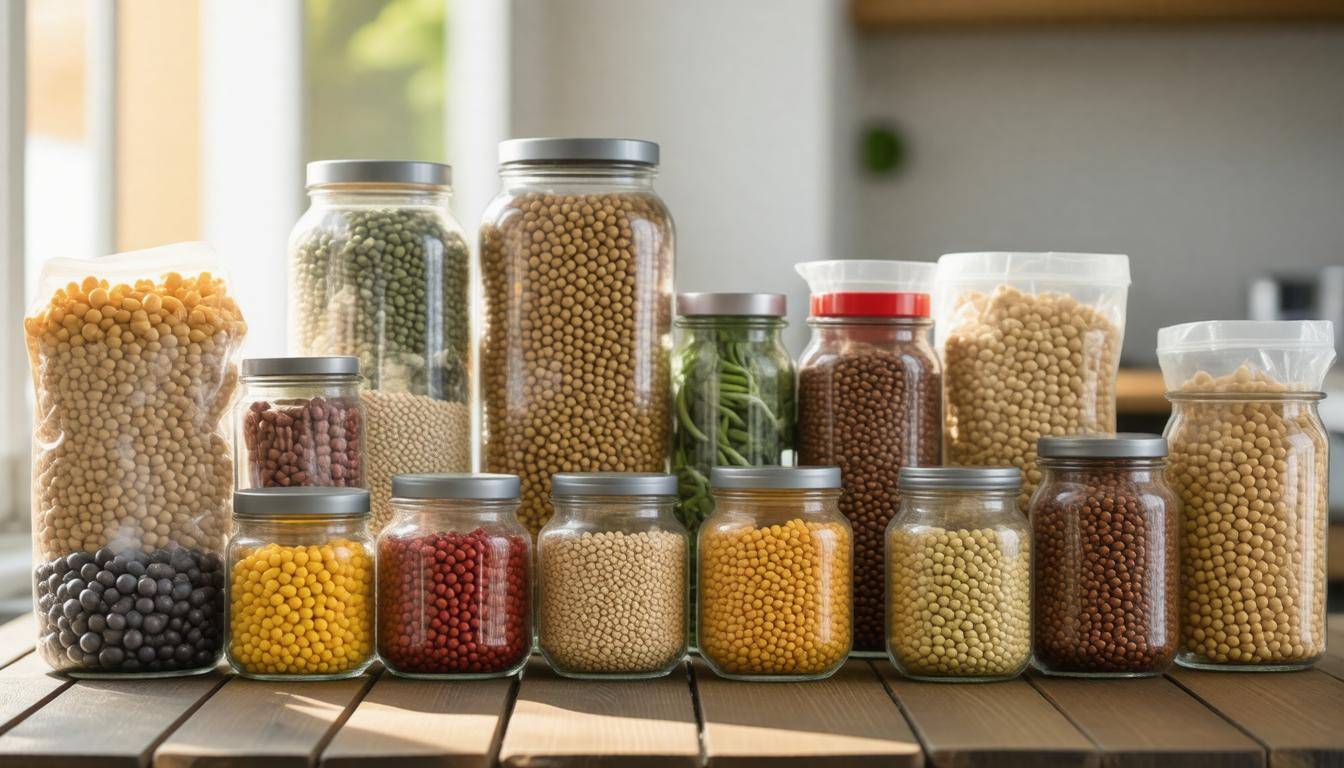
Preparing for emergencies shouldn’t be a financially crippling endeavor. There are plenty of budget-friendly options that are both nutritious and filling, helping you maintain energy levels when it matters most.
One of the simplest ways to cut costs significantly is by buying in bulk. Imagine walking down the grocery store aisle, spotting a 5-pound bag of dried black beans for around $6; this not only provides approximately 300 grams of protein but serves as a versatile ingredient for various meals. The savings become even more apparent when you consider that the price per serving becomes far less than pre-packaged meals or processed snacks.
Store Brands
When you’re shopping, don’t overlook store brands. These products are often just as nutritious as their name-brand counterparts and may come from the same manufacturers but at a fraction of the cost. For instance, comparing the nutritional labels of generic peanut butter with those of well-known brands might reveal that both offer similar ingredients and health benefits without the hefty price tag. It’s all about being savvy and opting for quality nutrition without overspending. Buying these store brands in bulk or taking advantage of seasonal sales can lead to even more savings.
Knowing what to buy is essential, but knowing how to store these foods ensures they remain usable when you need them most.
To maximize your savings further, it’s crucial to think ahead about long-term storage. Properly stored dry goods like lentils and rice can last years, maintaining their nutritional value while being ready for use during emergencies. Consider investing in airtight containers to keep moisture and pests at bay. This not only extends shelf life but also helps reduce food waste—all while keeping your pantry organized and visually appealing.
With a bit of planning and smart purchasing choices, stocking up on high-protein emergency foods can be done efficiently without straining your wallet. Each small effort adds up, ensuring you have affordable options readily available during tough times.
As we continue, let’s explore effective methods for storing these vital protein sources to maximize their shelf life and usability in any situation.
Storing Emergency Protein Foods
Proper storage is critical to preserve the quality and safety of emergency food supplies. High-protein foods like canned meats, jerky, and freeze-dried options are pressing necessities in any survival kit but require special attention to storage methods.
Using airtight containers is paramount; these shield your supplies from moisture and pests while helping maintain flavor and nutritional integrity over time. Another effective method is vacuum sealing, which removes air from the package, reducing oxidation that can degrade food quality.
For instance, imagine reaching for a bag of nuts stored properly—crunchy and flavorful—compared to a stale, oxidized batch stuffed away without care. The difference is remarkable and impacts your morale during tough times.
Oxygen Absorbers
One powerful ally in prolonging the life expectancy of dried goods like beans and nuts is oxygen absorbers. These simple packets absorb oxygen within sealed containers, inhibiting the growth of harmful bacteria and mold that thrive in the presence of air.
By utilizing these alongside vacuum-sealing or within airtight jars, you can extend the shelf life significantly—sometimes by several years! When choosing storage methods, it’s crucial to aim for moisture content below ten percent to prevent spoilage. This careful balance creates an environment where your high-protein foods can thrive, ensuring they’re good to go when you need them most.
Additionally, it’s essential to keep protein-rich items in dark, cool places as exposure to light can deteriorate their nutritional value. Storing food at temperatures below 70°F (21°C) is generally regarded as optimal for maintaining quality. Just as crops need favorable conditions to grow, your emergency supplies also need suitable storage environments to resist spoilage.
Rotate Your Stock
A good practice is to rotate your stock annually. Consuming older items and replacing them with fresh stock ensures nothing goes to waste while keeping your supplies fresh and nutritious. It’s similar to rotating produce at the grocery store—you always want first-in, first-out principles guiding your pantry management.
Check expiration dates regularly and relabel containers if necessary; this habit helps maintain an organized system that will inspire confidence when emergencies arise.
Once you’ve effectively organized and secured your protein supplies, quick preparation becomes just as vital as ensuring they stay fresh. Transitioning to efficient meal readiness will further enhance your resilience during unexpected situations.
Quick Preparation Tips for Emergencies
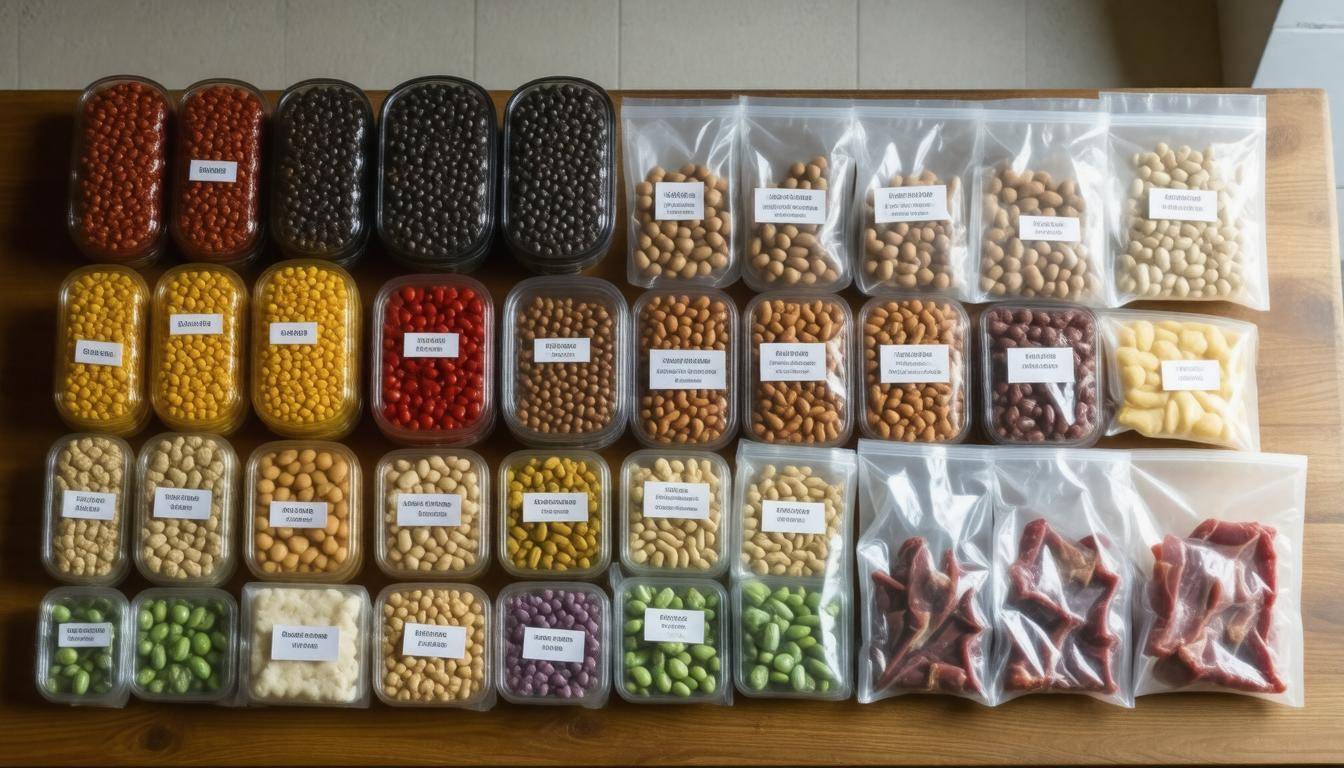
In any emergency, the ability to whip up a meal efficiently is crucial. One of the best strategies is to focus on one-pot meals. Imagine preparing a hearty stew or a casserole that requires minimal dishes—this not only saves time but also conserves precious water, which might be in short supply.
To ensure you’re not left scrambling for a clean pot, consider having a set of durable, multi-purpose cookware so you can cook, serve, and store meals without a heap of wash-up afterward.
Another vital tactic involves rehydrating freeze-dried meals. Boiling water makes this process quicker and ensures your food is appetizing. Having a portable stove handy during an emergency can turn even the most basic ingredients into something warm and filling.
This is where practice comes into play: rehearse cooking these meals ahead of time, so you’re familiar with the process. Think about it—when the pressure is on, you don’t want to be deciphering packaging instructions; instead, the actions should flow naturally because you’ve practiced beforehand.
When planning your emergency food preparation:
- Ensure variety in your food choices to keep things interesting.
- Invest in tools like a Swiss Army knife—having multiple features in one tool reduces packing space and weighs less.
- Use resealable bags to portion out snacks and ingredients for easy access during high-pressure situations.
By packing lightweight yet essential items, you’re effectively maximizing your efficiency while ensuring you have what you need right at your fingertips.
The more prepared you are before an emergency arises, the easier it will be to manage your resources—and that’s where thorough planning goes hand-in-hand with effective preparation.
In times of uncertainty, being well-prepared can make a significant difference in maintaining both health and morale. Taking proactive steps now can lead to more secure outcomes later.
How do I assess the protein content of various emergency food options?
To assess the protein content of various emergency food options, check the nutritional labels and look for the amount of protein per serving size. Ideally, opt for foods with at least 15-20 grams of protein per serving to ensure adequate intake during emergencies. For example, canned tuna typically contains around 20 grams of protein per can, while legumes like lentils offer about 18 grams per cooked cup. Remember to consider not just the quantity but also the quality of protein—complete proteins from sources like eggs or meat are ideal, as they contain all essential amino acids.
What types of high-protein emergency foods are shelf-stable and easy to store?
High-protein emergency foods that are shelf-stable and easy to store include canned beans (especially black beans and chickpeas), dried lentils, peanut butter, beef jerky, and protein bars. These options provide a good balance of protein and convenience: for example, one cup of cooked lentils offers around 18 grams of protein, while a standard serving of beef jerky can contain 10-15 grams per ounce. Their long shelf life—canned goods can last for 2-5 years, and dried legumes even longer—makes them excellent choices for emergency preparedness.
How do I create a balanced emergency meal plan that includes high-protein foods?
To create a balanced emergency meal plan incorporating high-protein foods, aim to include a variety of protein sources such as canned beans, nuts, jerky, and powdered eggs. Complement these with whole grains like quinoa or brown rice for carbohydrates and canned vegetables for essential vitamins. Research indicates that an adequate protein intake can help maintain muscle mass during emergencies; aim for 1.2-2.0 grams of protein per kilogram of body weight daily. Don’t forget to hydrate—include water-rich foods or canned soups to round out your meals effectively!
Are there any plant-based high-protein foods suitable for emergencies?
Yes, there are several plant-based high-protein foods suitable for emergencies. Options like lentils provide about 18 grams of protein per cooked cup, while chickpeas offer around 15 grams per cup, making them excellent sources of nutrition. Additionally, quinoa delivers about 8 grams of protein per cooked cup and is a complete protein, containing all essential amino acids. These foods have long shelf lives when stored properly and can be easily prepared, making them ideal for emergency situations.
What are the best ways to prepare and cook high-protein emergency food items?
The best ways to prepare and cook high-protein emergency food items include boiling, grilling, and stir-frying as they retain nutrients while maximizing flavor. For example, canned beans can be quickly heated and combined with spices for a satisfying meal, providing approximately 15 grams of protein per cup. Similarly, dried lentils cooked in just 20 minutes yield around 18 grams of protein per cooked cup, making them an efficient choice during emergencies. Remember to keep a portable stove or campfire gear handy for versatile cooking options!