
When you think of the majestic Himalayas, thoughts of their breathtaking landscapes and rich cultures often come to mind. However, beneath their beauty lies a lurking danger: the threat of earthquakes. For those who call this region home or plan to visit, understanding earthquake safety is crucial. With tectonic plates shifting and seismic activity on the rise, it’s essential to be prepared. That’s why this guide aims to equip you with key safety tips and actions to take before, during, and after an earthquake. Knowing what to do can make a real difference when the ground starts to shake. Let’s dive into how you can protect yourself and your loved ones amid nature’s unpredictability.
The Himalayan Region Earthquake Safety Guide provides crucial information on how to protect yourself during an earthquake, emphasizing actions such as taking cover indoors under sturdy furniture and avoiding hazardous areas. Additionally, it outlines specific precautions for outdoors, driving, and mountainous areas where risks of landslides and falling debris are elevated, ensuring that individuals are well-informed and prepared for seismic events.

Earthquake Risks in the Himalayas
The Himalayan region stands as a stark reminder of nature’s power, presenting a unique blend of breathtaking beauty and formidable challenges. The ongoing collision between the Indian plate and the Eurasian plate creates tremendous tension, resulting in regular seismic activity. It’s not just a matter of rare quakes; this area bears witness to hundreds of tremors each year. In fact, the United States Geological Survey (USGS) reveals that these earthquakes often register magnitudes of 5.0 or higher on the Richter scale. This persistent shaking serves as a clarion call for those living in or visiting the region to be prepared.
Furthermore, recent research indicates an alarming prospect: there is a significant chance of a major earthquake—one exceeding magnitude 8.0—occurring within our lifetimes in this active zone. Such a seismic event would likely have catastrophic repercussions, particularly for the densely populated areas nestled in the foothills and valleys, which are filled with commuters, tourists, and locals alike navigating through their daily lives.
This level of risk amplifies the urgency for both residents and visitors to take proactive measures toward safety and preparedness.
It’s crucial to appreciate that earthquakes are not just random acts of nature; they result from tectonic forces at play beneath us, ready to challenge our understanding of stability. As these tectonic plates continue to meet with relentless force, they can create powerful seismic waves. Among these waves, we find P-waves, known for traveling swiftly through solids and liquids, followed by S-waves, which move solely through solid earth structures. When these waves reach the surface, they produce surface waves that are notorious for causing the most destruction due to their larger amplitude.
The risks extend beyond mere physical damage; they also encompass hydrological dangers. Earthquakes can destabilize glaciers and alter river courses, creating havoc in water sources crucial to millions who depend on Himalayan rivers for sustenance. With major energy projects in the region also threatened by such seismic activities, it becomes imperative to foster an environment of awareness and readiness.
Recognizing this landscape of risk invites us into a realm where preparation is not just advantageous but essential. Being mindful of where you live or travel within this beautifully treacherous part of the world allows you to proactively assess your surroundings and develop an emergency plan tailored specifically to suit your needs while addressing potential hazards posed by earthquakes.
This understanding sets the stage for actionable steps that individuals can take to enhance their safety and resilience amidst these natural challenges.
Essential Earthquake Safety Tips
Preparedness is not merely a precaution; it’s a necessity in the earthquake-prone Himalayan region. First and foremost, the principle of Drop, Cover, and Hold On cannot be overstated. When the ground starts to tremble, immediately drop down to your hands and knees. This position minimizes your risk of being thrown by the shaking. Cover your head and neck under sturdy furniture—like a table or desk—while holding on until the shaking subsides. This simple action can shield you from falling debris that might otherwise cause harm.
As you recognize what to do in the moment of an earthquake, it’s equally vital to prepare your home in advance by identifying safe spots throughout your living space.
Safe spots are places where you can seek shelter during an earthquake. It’s wise to identify these areas in every room, such as underneath sturdy tables or against interior walls away from windows. Practice getting to these safe spots quickly with your family members. Create a drill that engages everyone—especially children—so they understand where to go and what to do instinctively when the earth shudders beneath them.
While knowing how to respond during an emergency is crucial, developing an effective communication strategy ahead of time can ensure everyone stays accounted for after the shaking stops.
Your family should establish an emergency contact plan that includes not only immediate household members but also trusted relatives or friends outside of your community. In uncertain times, mobile networks may become overloaded or compromised. Having a pre-designated contact person can facilitate connections among family members if local phone lines fail. Ensure everyone knows this person’s contact information and keeps it written down in an accessible place.
However, while communication plans bolster safety post-quake, planning for mobility before disaster strikes is essential too.
Developing an evacuation plan should be part of your preparedness toolkit. Sit down with your family and decide what routes you will take in case evacuation becomes necessary. Mark these routes on a map of your neighborhood or area, making sure they avoid potential hazards like trees, power lines, and crumbling structures. Practicing this evacuation route will imbue confidence about knowing how to react when faced with chaos.
Remember: Each of these steps—Drop, Cover, Identify Safe Spots, establish Emergency Contacts, and create an Evacuation Plan—can significantly reduce the chance of injury during an earthquake.
As the stakes rise in ensuring safety during unpredictable events like earthquakes, tailoring strategies specifically for children and their environments becomes increasingly important.
Securing Your Home
One of the smartest decisions you can make ahead of an earthquake is to secure your living space. Earthquakes can strike unexpectedly, and without proper precautions, everyday household items can turn into dangerous projectiles. Imagine standing in your living room when the ground starts to tremble—suddenly, that heavy bookshelf or glass vase could pose a real threat. By fastening down these items, you actively reduce the risk of injury to yourself and family members.
There are several key areas in your home to focus on when securing it:
-
Furniture: Anchor bookshelves and heavy furniture to walls using sturdy brackets or straps. This ensures they stay upright and do not tip over during shaking.
-
Appliances: Large appliances, like refrigerators and washing machines, should be secured with appliance straps. Even if they seem heavy enough to stay in place, a strong jolt can shift them dangerously.
-
Gas Lines: Install flexible pipe fittings on gas lines. This helps prevent leaks that may lead to fires or explosions.
-
Walls: If you have masonry walls that show signs of cracking, reinforcement is essential. This may involve calling in professionals who can provide structural support and ensure they withstand tremors.
By securing items that could become projectiles, you reduce the risk of injury and minimize potential property damage during strong quakes.
Remember that even small adjustments can make a significant difference. For instance, applying safety film to windows prevents them from shattering, while childproof latches on cabinets stop contents from spilling out at the worst possible moment. Even something as simple as relocating plants away from windows can prevent them from falling and breaking during strong shaking.
Personal experiences often highlight how proactive measures can save lives. I recall a friend who narrowly escaped injury when a heavy lamp fell during an earthquake—all because she had secured her furniture beforehand. These stories underscore the importance of preparing your home for this natural disaster.
Having established how to secure your environment, let’s explore the critical supplies you’ll need to have on hand for effective preparedness.
Creating Emergency Kits
An emergency kit is your lifeline during the immediate aftermath of an earthquake. This isn’t just a box of random supplies; it’s a carefully curated collection of necessities that can make all the difference in ensuring your survival and comfort when disaster strikes. Think of it as your mini support system packed neatly for convenience, ready to deploy when you need it the most.
Emergency Kit Must-Haves:
The following elements are vital for any comprehensive emergency kit:
-
WATER: At least one gallon per person per day for three days. Water is non-negotiable; it sustains life. Ample water ensures hydration—even more crucial in a mountainous region where physical demands could increase.
-
FOOD: Non-perishable items like canned goods, energy bars, or dried fruits should be included for several days. Opt for foods that are rich in nutrients but also require minimal preparation.
-
FIRST AID: A comprehensive first-aid kit with adhesive bandages, antiseptic wipes, gauze pads, scissors, and pain relievers will manage injuries effectively until professional help can be reached.
-
TOOLS: Make sure to include tools such as a wrench and pliers to turn off utilities if necessary—gas leaks can be a serious risk post-quake.
-
COMMUNICATION: A battery-powered or hand-crank radio is crucial as it keeps you updated on emergency broadcasts when other forms of communication may fail.
Regular checks and replenishment of your kit are essential to keep your supplies current and complete. Additionally, consider personalizing your kit according to your family’s specific needs, such as extra medications or baby supplies if applicable.
Beyond personal preparation, being part of a community effort amplifies each individual’s security greatly; pooling resources and knowledge can elevate overall readiness significantly. Now, let’s shift our focus to exploring how collective actions can foster resilience in the face of potential disasters.
Community Preparedness Plans
When it comes to earthquake safety, the strength of a community often determines how well individuals can respond to emergencies. Creating comprehensive preparedness plans at the community level empowers residents and fosters a collective sense of security. By organizing neighborhood meetings, communities can outline specific strategies that guide them through the unpredictability of an earthquake. One effective approach is to establish designated roles among residents. For instance, assigning responsibilities such as first-aid responders or communication coordinators ensures that everyone knows who to turn to in times of crisis. This clarity helps reduce panic and confusion when alarm bells ring.
Organizing regular meetings can transform the abstract concept of preparedness into a shared reality. During these gatherings, residents can discuss potential hazards and identify resources available within their vicinity. They can brainstorm about the best evacuation routes or nearby shelters, forming a cohesive plan that everyone understands. It might even be beneficial to create visual aids like maps to highlight safe zones, which can be particularly useful during drills.
“Communities that prepare together are stronger together.”
While each person may have their own emergency kits at home, the impact of collective action cannot be understated. The connection forged between neighbors becomes crucial during crises and encourages all members to work harmoniously to safeguard their homes and families.
A notable example comes from Bhutan, where local leaders actively engage their communities in earthquake readiness initiatives. Regularly scheduled earthquake drills bolster this initiative by ensuring community members practice what they need to do when the ground begins to shake. This consistent training nurtures a culture of readiness; children, teenagers, and elders alike learn how to respond effectively, making it easier for everyone to act without hesitation when real danger strikes.
To further enhance community preparedness, consider including resilience-building activities that foster collaboration among different demographic groups within the neighborhood. For instance, workshops on constructing earthquake-resistant structures using vernacular materials could empower local builders and homeowners alike. By integrating these teaching initiatives into community planning efforts, local knowledge is elevated while fostering a sense of unity and shared purpose.
These plans promote community involvement and resonate strongly with the overarching objective of safeguarding your loved ones while ensuring that everyone is informed about their role in heightened situations.
Protecting Your Family

Having a family-specific plan is crucial. You want everyone to know what to do when the shaking begins. Educate your family members about the earthquake risks specific to the Himalayan region, such as landslides or aftershocks, which could pose additional hazards. Make sure they understand emergency procedures so they feel confident in their actions when the moment arises.
Creating a designated safe spot outside your home can enhance a sense of security. This meeting place should be well-known to all family members and located away from any hazards like buildings or trees that might fall.
A common debate among families revolves around whether to evacuate immediately or wait for official guidance. Understandably, both choices come with their pros and cons. If significant damage occurs—or if you see cracks forming in structures or smell gas—evacuation may be the safest option. However, when safety assessments are still unclear, staying informed through emergency alerts can provide valuable direction and potentially keep your family safe.
Consider the experience of a family that survived the 2015 Nepal earthquake; they cited their regular practice drills as vital for smooth action when disaster struck. These rehearsals alleviated panic, ensuring that everyone knew exactly what to do, ultimately saving them precious time and likely their lives.
With this foundational understanding in place, it’s essential to create detailed emergency protocols for when an earthquake starts. Prepare your family by discussing immediate actions everyone should take—this can vastly improve outcomes!
Implementing a simple yet effective strategy called “Drop, Cover, and Hold On” can significantly reduce injuries during tremors. When the shaking starts, everyone should immediately get low under sturdy furniture like tables or desks and hold on until the shaking stops. This prevents injuries from falling debris while providing a protective shield.
Safe Zones and Resources
- Safe zones: Identify areas within your home that are ideally reinforced—like interior walls or under heavy furniture—to serve as safe spots during an earthquake.
- Emergency kit: Have easily accessible supplies in a waterproof container to ensure basic needs are met right after an event. Essentials such as water purification tablets, first-aid items, non-perishable foods, and communication devices must be top-of-mind.
- Communication plans: Designate how each member will contact one another post-evacuation—whether by text message or through social media apps—to streamline your family’s reunion efforts.
Remember that mental preparedness is just as vital as physical arrangements. Regularly practicing your plan can help build a culture of awareness and calmness among family members, creating resilience against panic-induced actions during chaotic situations.
As we explore further into these preparedness measures, it’s essential to consider the specific actions you should take when an earthquake strikes.
Actions During an Earthquake
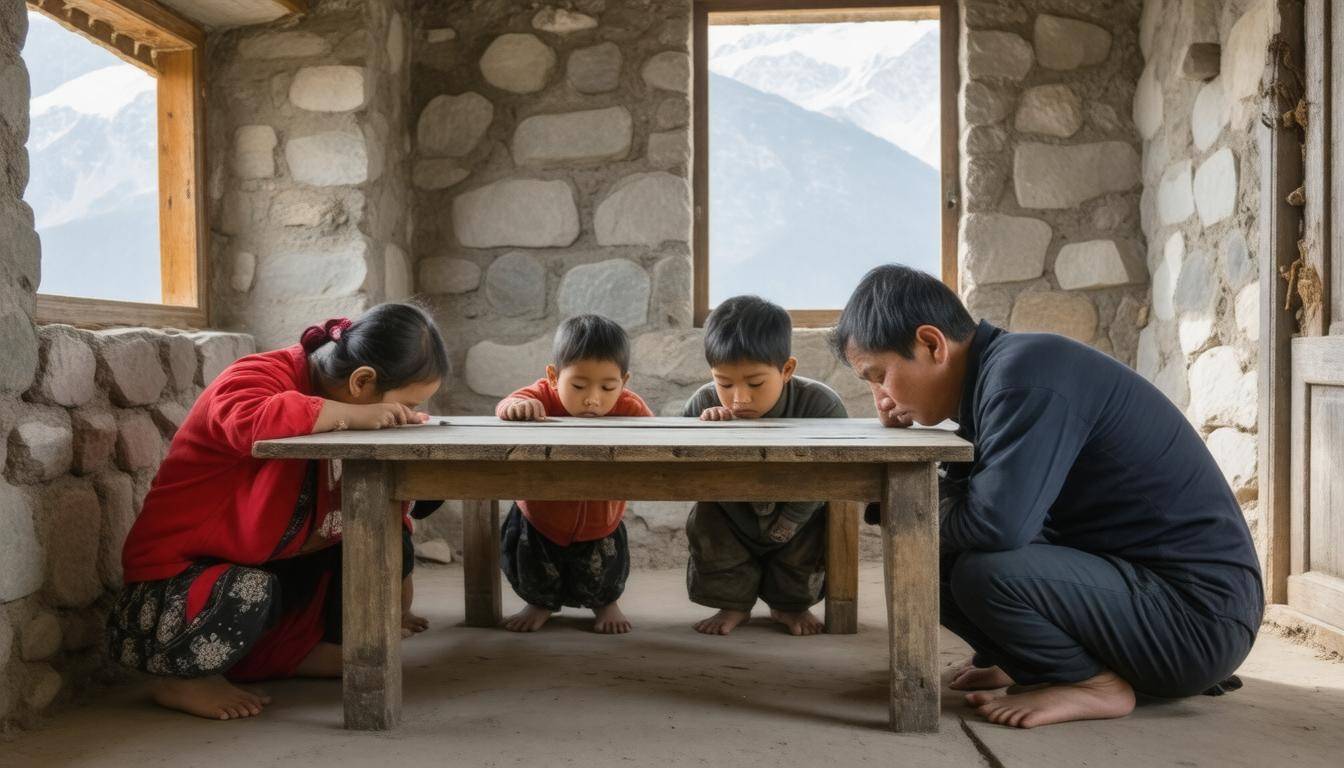
It’s essential to know how to react when the ground begins to shake beneath your feet. The recommended response is simple yet effective: “Drop, Cover, and Hold On.” This approach minimizes the risk of injuries caused by falling objects or unexpected movements.
When tremors start, the first step is to drop to your hands and knees. This position helps you avoid being knocked over while allowing a more stable base from which you can respond effectively. By keeping yourself close to the ground, you’re also lowering your center of gravity, reducing the chances of falling.
Next, you should immediately find something sturdy to cover yourself with—a heavy table or desk is ideal. If such furniture is unavailable, shielding your head and neck with your arms can help protect vital areas. Remember that debris can fall from overhead fixtures or shelves during strong shakes.
Holding on is equally crucial; maintain your grip on the shelter until the shaking stops. This emphasizes the importance of adaptability in safety strategies.
One striking example comes from Mouyang villagers who reported moving to clearings during previous earthquakes. Staying away from buildings and light poles reduced their risk of injuries significantly, demonstrating that getting to an open area can mean the difference between safety and harm.
But what happens next? Once the shaking ceases, it’s vital to have a plan for assessing immediate dangers.
After the tremors pass, it’s important to check both yourself and those around you for injuries. Make sure everyone is okay before addressing any damage to property. Stay calm and encourage others to do the same; panic can lead to poor decisions that increase risks further.
Assess your surroundings carefully as there may still be dangers present—such as broken glass or fallen debris—that could cause injury if not avoided.
Another critical point is to turn off utilities like gas and electricity if it’s safe to do so. Leaks or short circuits could lead to further hazards after an earthquake. Listen for emergency instructions via battery-operated radios or mobile applications; local authorities will provide valuable updates regarding safety measures or rescue operations.
As we navigate through these unpredictable conditions, recognizing the importance of preparation—both physical and mental—will significantly enhance survival rates. A well-thought-out response safeguards lives while fortifying community resilience against future seismic events.
With a solid foundation for immediate response established, it’s essential now to explore what actions should follow once the initial quake has ended.
Steps After the Quake
Once the chaotic shaking has subsided, immediate attention must be directed towards assessing the situation. This isn’t just about surviving the quake; it’s about safeguarding your health and your home environment.
First things first, you should check for injuries among yourself and your loved ones. Depending on how severe the situation is, you may find some minor scrapes or bruises that require only basic first aid. However, don’t hesitate to call for help if someone seems seriously hurt.
Remember, it’s better to err on the side of caution when dealing with injuries post-quake.
Next, evaluate the integrity of your surroundings. If you discover significant structural damage—like visible cracks in walls or ceilings—it is imperative to evacuate immediately. Even if everything appears fine from the outside, buildings can be more dangerous than they seem. Once outside, move away from potential hazards like broken glass or fallen debris, and seek a safe area where you can regroup.
Following this initial assessment, inspect utilities in your home. Be particularly cautious with gas lines because a rupture can lead to dangerous leaks that pose serious risks of fire or explosion. It’s wise to shut off the gas valve at the meter if you suspect damage has occurred. Similarly, cut off electrical systems since damaged wires could spark fires if not handled properly. Know where these shut-off points are located beforehand—perhaps even marking them for easy access when needed.
Through these acts of caution, maintaining communication becomes vital in this confusion.
Using an emergency radio can provide essential updates from local authorities about rescue efforts and safety information post-earthquake. Power might be out indefinitely, so having a battery-operated radio can keep you informed while phones might fail due to network overloads. Pay close attention to instructions given by emergency services; these could include directions on evacuation routes or alerts about aftershocks.
Reflecting on previous experiences can profoundly highlight the importance of these steps. For instance, after the devastating 2005 Kashmir earthquake, survivors who adhered to such systematic checks were able to avoid secondary injuries and further losses linked to aftershocks and ensuing gas leaks. This resilience was largely due to their preparedness and calmness in executing these crucial instructions right after disaster struck.
Keeping these steps in mind ensures not only your safety but also builds a critical foundation for community recovery in the wake of a seismic event. Ultimately, being proactive protects everyone involved and fosters a collective strength through shared experience while nurturing better preparedness for future events.
In times of uncertainty and chaos, having a clear plan allows for quicker recovery and reduces potential harm to families and communities alike.
What role do local communities play in earthquake preparedness and response in the Himalayas?
Local communities play a pivotal role in earthquake preparedness and response in the Himalayas by fostering resilience through education, training, and coordination. Community-led initiatives can improve awareness of seismic risks, leading to increased participation in drills and emergency planning. For instance, studies show that regions with active community engagement have a 40% higher survival rate during disasters due to effective evacuation strategies and local knowledge of safe zones. By mobilizing resources and establishing support networks, communities significantly enhance their capacity to respond swiftly and effectively when an earthquake occurs.
What are the recommended emergency supplies for households in earthquake-prone areas of the Himalayas?
Households in earthquake-prone areas of the Himalayas should be equipped with essential emergency supplies including water (at least one gallon per person per day for three days), non-perishable food, a flashlight, a first aid kit, sturdy shoes, and a whistle to signal for help. According to data from various disaster management organizations, having at least 72 hours’ worth of supplies can significantly increase survival rates during emergencies, as infrastructure may be compromised. Additionally, it’s crucial to include important documents and cash, as access to banks and services can be disrupted.
How can technology aid in monitoring earthquakes and ensuring safety in the Himalayan region?
Technology plays a crucial role in monitoring earthquakes and enhancing safety in the Himalayan region through advanced seismic sensors, real-time data analysis, and early warning systems. For instance, the implementation of seismic networks can detect tremors as small as magnitude 2.0, providing valuable data for predictive models. A study indicated that regions with early warning systems can reduce earthquake-related casualties by up to 50%, highlighting the effectiveness of timely alerts and communication technologies in helping communities prepare and respond effectively during seismic events.
What specific seismic risks are present in the Himalayan region?
The Himalayan region is particularly susceptible to seismic risks due to its position along the convergent boundary where the Indian and Eurasian tectonic plates collide. This tectonic activity leads to frequent earthquakes, with significant historical events including the 2015 Gorkha earthquake in Nepal, which registered a magnitude of 7.8 and resulted in over 9,000 fatalities. Studies indicate that approximately 20% of the region is classified as having high to very high seismic hazard levels, emphasizing the need for robust preparedness measures in vulnerable communities.
How should one secure furniture and other items in homes located in the Himalayan regions?
To secure furniture and other items in homes located in the Himalayan regions, it is crucial to anchor heavy furniture such as bookshelves and cabinets to the walls using brackets or straps, ensuring they won’t topple during an earthquake. Additionally, placing heavy items on lower shelves minimizes the risk of injury from falling objects. According to the National Earthquake Information Center, approximately 50% of injuries during earthquakes are caused by nonstructural elements, reinforcing the need for proper securing methods in earthquake-prone areas like the Himalayas.