
Winter in Hokkaido can unleash severe storms and frigid temperatures that may catch anyone off guard. With snowfall averaging over 6 meters, it’s not just chilly; it’s a situation that calls for serious preparation. Have you ever found yourself wondering what you would do if the snow piled up too high? Curating a winter disaster preparedness kit isn’t just smart—it’s essential for keeping yourself and your loved ones safe. Whether you’re aiming to prepare for power outages, getting stuck at home, or facing unpredictable weather, having the right supplies on hand makes all the difference. Let’s dive into how to build your own winter preparedness kit that will keep you warm, fed, and ready for anything this harsh season throws your way.
A Hokkaido Winter Disaster Preparedness Kit should include essential items such as non-perishable food, bottled water, warm clothing, blankets, a first-aid kit, a flashlight with extra batteries, and emergency heating sources. Additionally, consider packing snow shovels and tools for ice removal, as well as any necessary medications and important documents securely stored in waterproof bags.
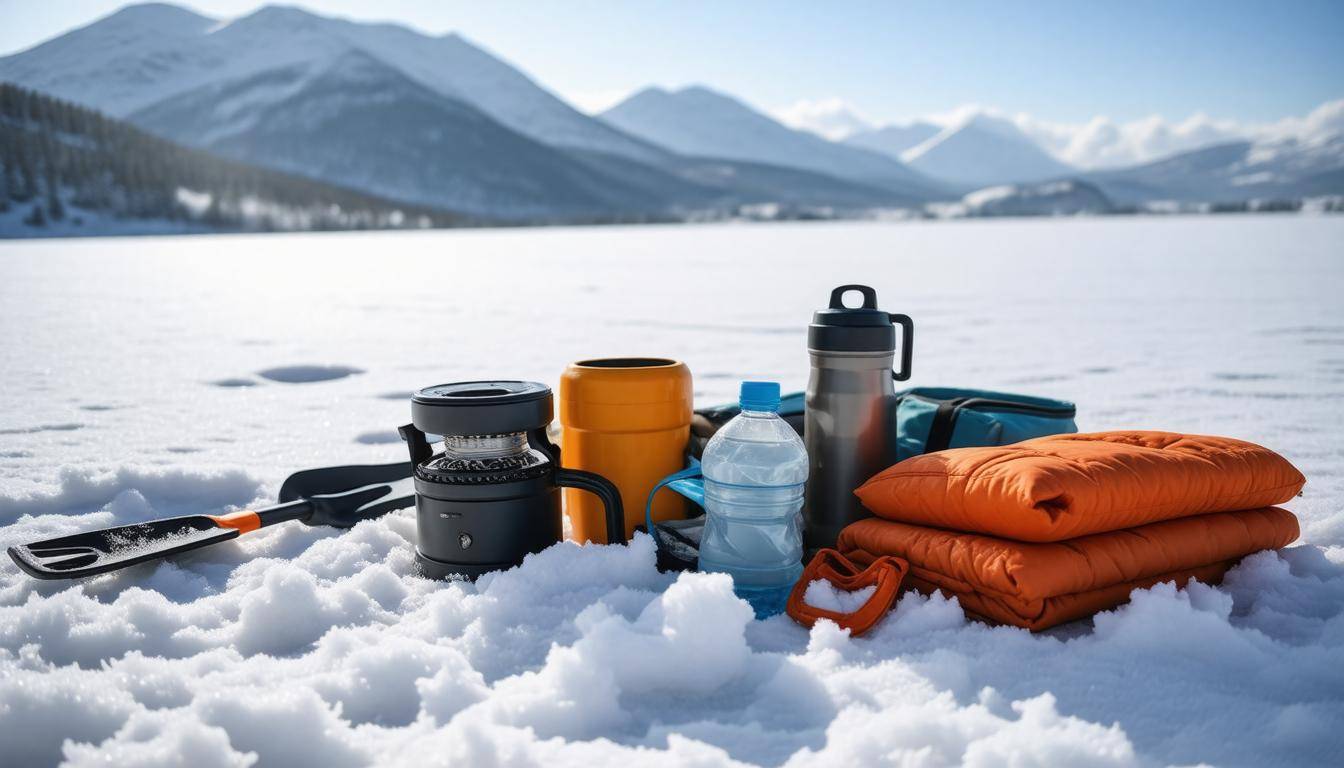
Crafting the Ultimate Winter Survival Kit
When faced with the challenges of Hokkaido’s brutal winter, assembling a survival kit is not just a suggestion—it’s a necessity. This isn’t about what looks good in your kit; it’s about those items that can genuinely make the difference between comfort and distress. Each component should be selected thoughtfully, considering functionality and the specific situations you could find yourself in.
Take thermal blankets and sleeping bags, for example. Not only are they designed to retain heat when temperatures plummet, but they also provide comfort and security amid the uncertainty of being stuck outdoors or without power. Imagine being able to curl up inside a warm blanket while snow swirls outside—this simple item can provide solace in an overwhelming situation.
Beyond mere warmth, it is crucial to layer up with insulated clothing. Thermal underwear acts as your first line of defense against chilling winds. Wearing multiple layers adds insulation and flexibility. You might need to shed something if you start perspiring from exertion, but choose wisely! Heavy-duty parkas keep out moisture while allowing movement, and waterproof pants paired with insulated gloves ensure you stay dry even if you have to dig out your vehicle buried under snow.
Another game-changer is having a multi-tool on hand. This versatile gadget provides solutions to unforeseen challenges—whether you need to open a can of food or tighten a loose bolt. Investing in a high-quality Swiss Army knife means you’re prepared for many unexpected scenarios during harsh winter conditions.
A commonly overlooked yet indispensable item is a portable heater. Should you be trapped indoors due to heavy snowfall or lose power unexpectedly, a small propane-powered heater can provide life-changing warmth. Just one hour of warmth can help everyone regroup emotionally and physically as they devise their next move.
Of course, we can’t overlook fire-making essentials such as waterproof matches and fire starters. In freezing temperatures, conventional matches may fail when you need them most. Reliable fire-starting equipment ensures you’re able to ignite warmth almost anywhere, turning despair into hope with just a flick of a spark.
Investing time in understanding these elements is crucial because preparation isn’t simply about having gear; it’s about fostering resilience when faced with extreme weather conditions.
Now that you’ve equipped yourself with the core items needed for warmth and utility, we turn our attention to essential supplies that can ensure safety in winter emergencies.
Portable First Aid and Safety Essentials
When preparing for the unforgiving Hokkaido winters, it’s not just about having a well-stocked first aid kit; it’s also about being equipped with vital safety essentials that can make a significant difference in emergency situations. Imagine you’re caught in a snowstorm, and visibility drops to nearly nothing. In such scenarios, portable safety tools can be lifesavers.
Essential safety equipment should include a durable flashlight with extra batteries since low-light conditions can become common during winter storms. A headlamp is even better as it keeps your hands free to manage other tasks while providing adequate light. Additionally, a whistle can serve as a crucial tool for signaling for help without exhausting your voice, which is particularly important if you’re stranded and need assistance.
Staying prepared means staying aware of your environment and using the right tools to navigate challenges effectively.
Furthermore, consider investing in a compact multi-tool or Swiss army knife. These handy gadgets often include various functionalities such as scissors, screwdrivers, and even small saws. This versatility can come in handy if you encounter obstacles or need to make minor repairs to gear, like fixing a snow-covered tent or cutting rope for makeshift strategies.
Alongside these essentials, don’t forget to include these noteworthy items:
- Portable phone charger: Keeping communication lines open during emergencies is paramount.
- Emergency thermal blankets: These are lightweight yet incredibly effective at retaining body heat.
- Fire starter kit: Waterproof matches or fire starters can provide much-needed warmth and light.
- Local maps: In case GPS fails amidst heavy snowfall, traditional maps may guide you back to safety.
Incorporating these portable first aid and safety essentials into your winter disaster preparedness kit not only safeguards health but also enhances overall readiness for unexpected challenges during harsh weather conditions. As we further explore preparations, let’s shift focus towards the tools that ensure effective navigation and communication when the weather turns treacherous.
Navigation and Communication Tools
Winter disasters can be challenging, particularly in Hokkaido where snowstorms can obscure familiar landmarks. This makes having dependable navigation tools absolutely essential. A durable, reliable compass paired with detailed physical maps of your local area serves as a surefire way to stay oriented when GPS signals fail.
Maps do not require batteries, which is an invaluable trait during power outages; they simply rely on your ability to read them and remember the general layout of your surroundings. Make sure your maps include emergency routes and shelter locations so you know exactly where to go if conditions worsen.
Compass & Maps
When selecting a compass, look for one that is rugged and waterproof because it may be subjected to harsh conditions. Familiarize yourself with how to use both the compass and the map before you find yourself in an emergency—you wouldn’t want to be scrambling for instructions while battling snow and wind. Taking time to practice navigating even just in your backyard or local park helps build confidence.
As you prepare for a potential disaster, consider adding a battery-powered or hand-crank radio to your kit. This tool lets you stay connected with weather updates and emergency broadcasts even when traditional communication networks fail. When choosing a radio, opt for one that offers NOAA Weather Alerts to keep you informed about any warnings specific to Hokkaido’s unpredictable winter dynamics.
Portable Radio
Check whether your chosen model can operate on multiple power sources—batteries, crank power, and solar—to offer maximum versatility during prolonged outages. The last thing you’d want is to run out of power while trying to catch crucial information.
A satellite phone, while potentially costly, offers robust advantages during major disasters when cellular networks may fail. In scenarios where local resources are overwhelmed, being able to reach emergency services directly through satellite communication can be life-saving.
Satellite Phone
One might argue about the expense versus practicality of owning a satellite phone, but consider this: having uninterrupted access to help when everything around you is collapsing could make all the difference. Weighing its cost against what it provides during true emergencies can quickly tilt the balance in favor of investment. It’s important to keep open lines of communication not just for yourself, but for anyone who might need assistance.
Now that you’ve secured vital navigation and communication tools, the next step is ensuring that your food supply meets your needs during emergencies.
Essential Ready-to-Eat Foods
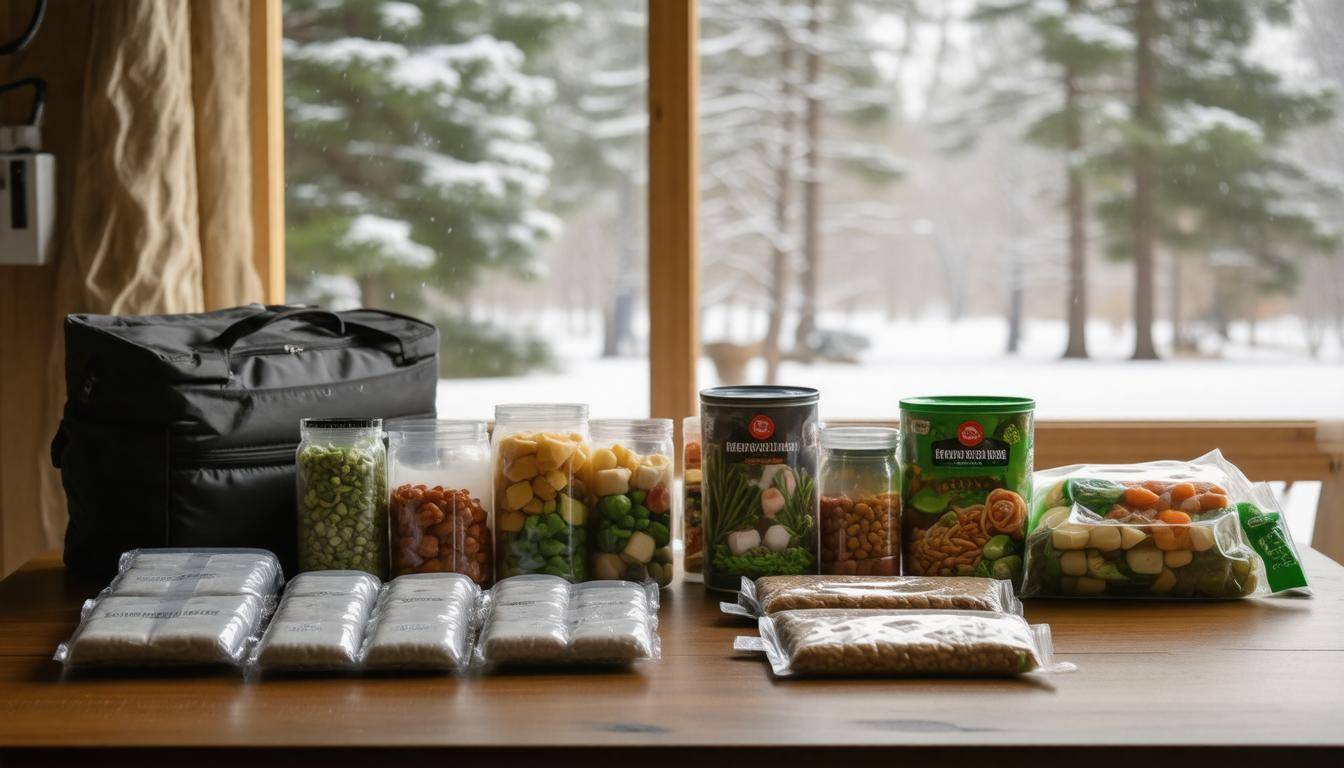
During a winter emergency, the last thing you want to worry about is inadequate nutrition. Access to fresh food may dwindle, and severe weather can hinder your ability to travel for supplies altogether. Stocking up on ready-to-eat foods is not just a good idea—it’s vital for maintaining energy and morale during tough times.
Recommended Foods
-
Canned Goods: Canned soups, beans, and vegetables should be your first line of defense. They are easy to store, require no cooking, and pack a hearty punch of nutrition.
-
Freeze-Dried Meals: These meals are lightweight and retain their flavors quite well. Just add water, and you’re set! They often come in a variety of options—everything from pasta to rice dishes.
-
Energy Bars: Energy bars can provide an instant boost when you’re low on calories. Look for high-calorie options rich in protein and fiber; they can satiate hunger quickly, which is incredibly helpful if you’re out working hard in the snow.
-
Nuts & Dried Fruits: Nuts like almonds or walnuts and dried fruits like apricots or raisins make a fantastic snack. They have a long shelf life, are nutrient-dense, and will keep you fueled with healthy fats and sugars.
-
Bottled Water: While it may seem simple, water is easily overlooked in preparedness kits. Ensure you have enough for at least three days per person.
The key takeaway here is variety; different foods maintain nutritional balance while helping lift spirits during stressful times.
Having a sufficient food supply is one aspect, but ensuring it’s suitable for extreme cold requires some thoughtful consideration. Next, we’ll explore additional essentials that can enhance your winter preparedness.
Extreme Cold Add-Ons
Heated Clothing
One of the best investments you can make for winter survival in Hokkaido is heated clothing. Imagine leaving the house on a frigid morning, and instead of feeling that bone-chilling cold, you’re comfortably warm.
Battery-powered heated jackets, gloves, and socks provide critical warmth, allowing you to stay active and alert during extended exposure to cold temperatures. You’ll appreciate features such as adjustable heat settings, which let you tailor warmth to your comfort level.
Wearing multiple layers is also advisable; this helps trap body heat while the heated gear offers an extra layer of protection against extreme cold.
Windproof Shelter
In addition to heated clothing, a windproof shelter is another essential item to add to your kit. A small, portable tent designed specifically for winter conditions can serve as temporary refuge if you find yourself stranded outdoors due to unforeseen circumstances like severe snowstorms.
It shields you from biting winds and heavy snowfall, creating a microclimate that retains heat.
Choosing a tent with insulated materials not only helps keep out the chill but can also provide a much safer space for using heating appliances like portable stoves or lanterns. Moreover, ensure it has reflective guylines for visibility in snow-covered environments.
Reflective Survival Blankets
Adding reflective survival blankets is a practical tip often overlooked in preparation kits. These lightweight yet effective blankets can help retain up to 90% of your body heat when wrapped around you or used as an insulating layer within your tent.
In dire situations, they can be lifesavers by preventing hypothermia. Plus, their shiny surfaces reflect emergency signals if you’re in a precarious position and need assistance.
Always make sure to include several of these blankets in your kit; their compactness allows for quick packing without taking up valuable space.
Hand Warmers
Another nifty addition worth mentioning is disposable or reusable hand warmers. They may seem small but are incredibly effective at providing immediate warmth for fingers and toes during sudden temperature drops.
These can easily slip into pockets or between layers of clothing for quick access at a moment’s notice.
Keep in mind, some hand warmers are single-use while others can be reused multiple times—check which suits your needs better.
Snow Shovels or Ice Picks
Finally, consider incorporating portable snow shovels or ice picks into your kit. While their primary purpose may seem obvious—removing snow—they play a vital role in helping you navigate through thick drifts or dig out when trapped.
Lightweight collapsible versions fit conveniently into bags but remember: always practice using them beforehand! You don’t want to fumble when time is against you.
By ensuring these extreme cold add-ons are part of your preparation kit, you’re taking crucial steps towards safeguarding yourself during winter emergencies in Hokkaido. As we explore safety measures further, let’s look into how to remain secure in adverse winter conditions.
Staying Safe in Severe Snowstorms
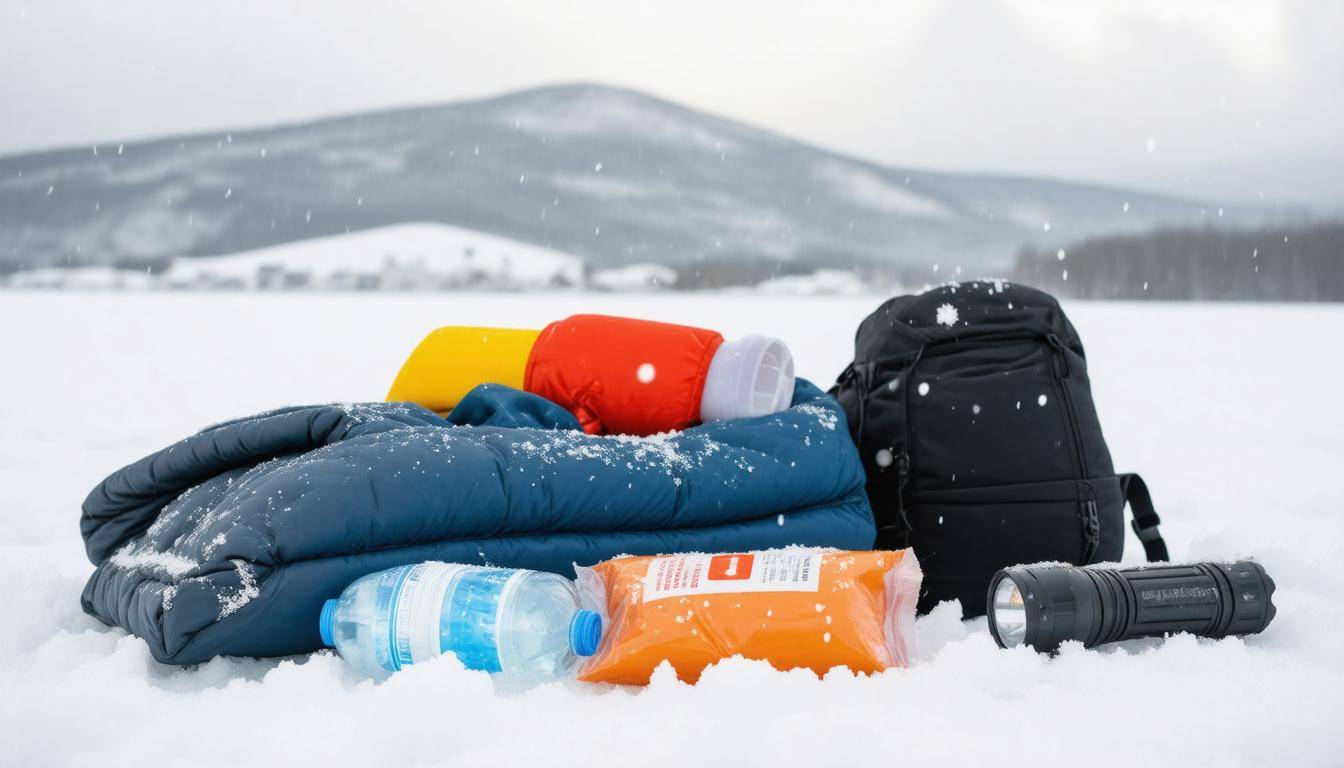
Snowstorms can hit without warning and lead to treacherous conditions. One of the essential things to consider when preparing is the impending visibility drop. The snow can become so thick that simply stepping outside could disorient you. It turns a simple walk into an uncertainty where every step could be dangerous.
Emergency Beacon
That’s where carrying an emergency beacon becomes invaluable. Imagine being caught in the whiteout conditions of a raging storm—your emergency beacon can save your life by sending distress signals that pinpoint your location for rescue teams. Keep it charged and easily accessible; it’s not something you want to be fumbling around for.
And while having the right gear is vital, what you do when the storm hits is just as crucial.
Stay Inside
Once you find yourself indoors during a snowstorm, it’s best to stay there. Experts all agree—venturing outside increases your risk of becoming lost or, worse yet, exposing yourself directly to the freezing elements. If you’re already warm and dry, don’t gamble on making a quick trip for supplies. Instead, hunker down, keep blankets close, and have extra food handy.
Being prepared means knowing how to act before, during, and after a snowstorm. Maintaining clear communication is also beneficial; make sure at least one person knows your plans so they can check on you if necessary.
Understanding these safety measures will help ensure that your preparedness efforts are effective. Let’s now explore how to keep your kit organized and ready for action when winter weather strikes.
Kit Maintenance and Organization
A well-maintained and organized kit not only enhances your safety during emergencies but also saves time when every second counts. Regular checks on your preparedness kit help ensure that all items are functional and that you’re not left scrambling for essentials when a winter disaster occurs. Think of your kit as a living entity; it needs attention and care to perform optimally when you need it most.
Just like we keep our cars serviced for reliability, your emergency kit should be subject to the same principle—care leads to readiness.
Maintenance is straightforward once you establish a routine. For example, batteries should be monitored monthly. Replace them with fresh ones every three months to ensure they function when needed. A few years back, I almost ran into trouble because I forgot about this simple rule; I was glad I had a small reminder in my calendar that urged me to check them. This simple habit can save you frustration later.
Other non-perishable items also require periodic reviews. Take canned goods, for example; they should be checked bi-annually. Always make it a habit to replace them before their expiration date. Having a stock of canned soup or beans that’s just beyond its prime doesn’t do anyone any good. On one occasion, I opened a can that seemed fine from the outside, only to find something unappetizing when I took a closer look—I learned my lesson!
First aid items deserve equal attention; checking their expiration dates every six months will ensure they remain effective in an emergency. Medication can lose potency over time, so give yourself peace of mind by replacing any expired items promptly.
The Importance of Clothing and Safety Gear
Don’t overlook clothing and safety gear either; these should undergo an annual inspection. Check for signs of wear and tear, ensuring that no zippers are broken or materials frayed beyond usability. I once discovered that my spare thermal gloves had developed holes after sitting around unused for years—they would have been useless in an emergency! Keeping everything tidy gives you confidence in your kit’s function.
Alongside maintenance, the way you organize your kit is vital for quick access during challenging situations, which leads us to understanding how best to use all the tools at your disposal efficiently.
Effective Use of Your Winter Kit
Having your winter disaster preparedness kit is a valuable first step, but it’s how you use the items within that truly makes the difference. When faced with an emergency, it’s vital to remain composed and draw on the resources you’ve gathered. Understanding the contents of your kit and knowing their applications come into play.
Assessing the Situation
Start by taking stock of your immediate environment. Ask yourself, “What are my most pressing needs?” The answer may vary depending on exposure to frigid temperatures or injury. For example, if you’re stuck in a snowstorm, prioritize warmth by using thermal blankets and extra layers stored in your kit. If medical attention is necessary, identify supplies such as bandages or antiseptics first.
| Immediate Threat | Priority Action |
|---|---|
| Cold Exposure | Use thermal blankets and layers |
| Injury | Apply first aid supplies |
| Lack of Food | Ration food bars wisely |
Once you’ve identified your primary concerns, it’s time to focus on prioritizing your needs efficiently.
Prioritizing Needs
Addressing critical needs should be your next step. Your body can only survive so long without warmth, food, and hydration; therefore, take immediate action towards those essentials. If you’re caught outside, wrap yourself up in multiple thermal blankets; ensure no skin’s exposed to the elements to conserve body heat crucial for survival.
Remember, while it’s important to ration your food and water for longevity, you must prioritize hydration above all else. Dehydration can set in rapidly, especially in cold weather where you might not feel as thirsty.
As you take action to meet these urgent needs, it’s also essential to make careful choices about resource usage.
Using Resources Wisely
Consider every item in your kit a precious resource that may need to last longer than anticipated. When it comes to food and water, develop a plan that accounts for varying conditions. A small amount of ready-to-eat meals can go a long way; consider using meal bars or freeze-dried packs that don’t require cooking.
As Haruki Watanabe advises, “Stay mindful not just of what you have but how best to use it.”
Staying connected with external information will further aid your preparations and decisions.
Stay Informed
Equipping your kit with a portable radio isn’t just a luxury; it’s an essential tool for staying updated with news and weather alerts. In Hokkaido’s unpredictable winter weather, you’ll want timely information regarding safety warnings and rescue efforts. Always check that batteries are fresh before winter hits so you’re prepared when needed.
Finally, let’s emphasize where you should ideally position yourself during an emergency.
Stay Put
One key strategy in an emergency situation is to stay where you are unless relocation is crucial for survival. Moving around can inadvertently lead rescuers away from your location or make them less likely to find you quickly amidst heavy snow or blizzard conditions. Thus, creating a visible signal with available resources like colored fabric or lights can attract attention without unnecessary movement.
By thoughtfully implementing these strategies and having clarity on how each component of your kit plays its role, you’re prepared and empowered to respond effectively throughout Hokkaido’s unforgiving winters.
In summary, understanding how to effectively utilize your winter disaster preparedness kit is crucial for ensuring safety during emergencies. Remain calm and resourceful as you navigate through Hokkaido’s harsh winter challenges.
How often should I check and replenish the supplies in my winter disaster preparedness kit?
You should check and replenish the supplies in your winter disaster preparedness kit at least twice a year—once in late fall before winter sets in and again in early spring to ensure everything is fresh and functional. Studies show that nearly 60% of people do not maintain their emergency kits, which can lead to expired food or unsuitable gear during an actual emergency. By regularly checking your kit, you increase your chances of being adequately prepared for any winter-related disasters that may arise.
How can I ensure my family stays safe during a winter storm in Hokkaido?
To ensure your family’s safety during a winter storm in Hokkaido, assemble a comprehensive winter disaster preparedness kit that includes essentials such as non-perishable food, water, warm clothing, blankets, and a first aid kit. Additionally, keep a battery-powered radio for weather updates and flashlights with extra batteries. Statistics show that nearly 50% of winter-related fatalities occur due to exposure or inadequate preparation; thus, having a plan and the necessary supplies can significantly reduce risks and help your family stay safe until the storm passes.
What specific items should be included in a Hokkaido Winter Disaster Preparedness Kit?
A comprehensive Hokkaido Winter Disaster Preparedness Kit should include items such as a thermal blanket, non-perishable food (like energy bars), a water purification system, a flashlight with extra batteries, first aid supplies, a multi-tool, snow shovels, a battery-operated radio, and warm clothing layers. Given that Hokkaido experiences significant snowfall (averaging over 400 cm annually), these essentials not only ensure your safety but also provide comfort in case of power outages or being snowed in, which can last for days.
Are there any recommended resources or guidelines for preparing for winter emergencies specific to Hokkaido?
Yes, for preparing for winter emergencies in Hokkaido, it’s recommended to refer to local resources such as the Hokkaido Disaster Prevention Association’s guidelines and the Japan Meteorological Agency’s winter preparedness information. These organizations provide essential tips on emergency kits, snow removal safety, and property winterization specific to Hokkaido’s harsh conditions. Given that Hokkaido experiences some of Japan’s heaviest snowfall, with an average of over 6 meters in certain areas, being well-prepared is crucial for ensuring safety and resilience during winter months.
What steps should I take if I am trapped at home due to heavy snowfall?
If you find yourself trapped at home due to heavy snowfall, prioritize your safety by ensuring you have enough food, water, and essential supplies for at least 72 hours, as emergencies can last several days. Keep your heating system operational if safe to do so, and maintain communication with neighbors or local authorities via a charged phone. It’s important to stay indoors to avoid the risks of hypothermia or frostbite, which affect thousands each winter; for example, in 2022 alone, over 1,500 people in Hokkaido required medical attention due to winter-related injuries. Stay informed through weather updates and be prepared with a well-stocked disaster preparedness kit.