
When it comes to home safety, many people might think about securing their doors or installing an alarm system. However, the reality is that creating a safe living environment starts with understanding the specific risks in each room of your house. From slip hazards in the bathroom to electrical dangers in the kitchen, every corner of your home has unique challenges that need attention. As someone who understands the importance of being prepared for the unexpected, I can assure you that taking the time to assess these areas will not only protect your loved ones but also give you peace of mind. In this guide, we’ll explore how to identify hazards room by room and share practical tips to make your home safer for everyone. So let’s dive in and ensure your sanctuary is as secure as possible!
The Home Emergency Assessment: Room-by-Room Guide provides essential recommendations for enhancing safety throughout your home, including stair safety, bathroom modifications, and outdoor precautions. Each section of the guide offers practical tips aimed at preventing accidents and falls, ensuring that every area of your home is secure and accessible for all occupants.
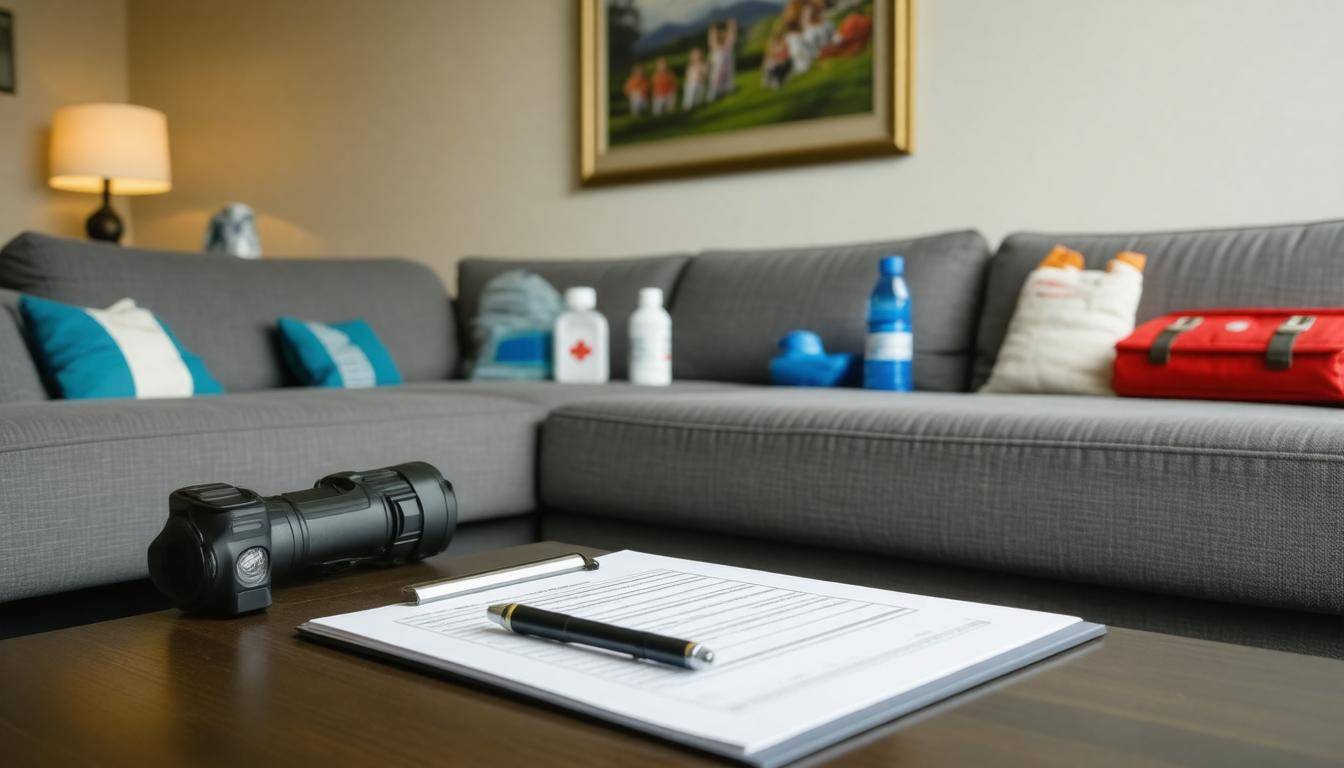
Room-by-Room Hazard Identification
The first room to consider is the living room, often the heart of the home. Here, you should check for electrical cords that are lying around. Did you know that 30% of home fires are due to electrical malfunctions? Keeping these cords neatly tucked away not only helps avoid tripping hazards but also minimizes fire risks.
Moreover, heavy furniture should be secured to walls, particularly if you live in an area prone to earthquakes. A well-placed anchor can make a massive difference in preventing tipping and potential injuries.
Moving into the kitchen, another commonly busy space, it’s essential to focus on preventing accidents related to cooking.
When assessing your kitchen, look closely for potential fire hazards. Flammable materials, like dishtowels or paper products, should never be near the stove or open flames. Also, be vigilant about overloaded electrical outlets; these can easily become overheated.
An effective way to keep your kitchen organized is by ensuring that all sharp objects—knives, scissors, and such—are stored safely out of children’s reach. This simple precaution can help prevent countless accidents involving cuts and injuries.
Now let’s shift our attention to the bedroom, a place where safety might not always be top of mind.
In your bedroom, verifying that smoke detectors are installed and functioning properly is crucial since 30% of home fire deaths occur here. An operational smoke alarm can reduce that risk by half.
Additionally, keep a flashlight and an emergency contact list right at hand. You never know when an emergency may occur during the night—and having these items easily accessible could mean the difference between being prepared or panicking when seconds count.
Each area of your home has unique aspects that demand careful attention and awareness.
Finally, while we’ve covered major rooms, don’t overlook other spaces like bathrooms and hallways where clutter can lead to dangerous falls as well. Regularly evaluate high-traffic areas for old throw rugs that might slip underfoot or misplaced items left on floors that could trip family members or guests.
By taking charge and identifying hazards throughout your home, you’re actively creating a safer environment that protects everyone living within it.
As we continue our journey through your home’s safety landscape, it’s time to take a closer look at tips specifically catered to one of the most vital areas—a common space where families gather and relax.
Living Room Safety Tips
The living room often serves as a central hub for family activities, making its safety a paramount concern. First and foremost, furniture arrangement plays a crucial role. When setting up your space, aim to create clear pathways for movement, preventing any potential tripping hazards. This includes avoiding excessive clutter, sharp-cornered furniture, and ensuring adequate space between seating arrangements. A well-thought-out layout not only fosters a comfortable atmosphere but also emphasizes safety.
It’s equally essential to consider lighting in your living room. Ample lighting can make all the difference in reducing accidents caused by trips and falls. If you’re moving around during the evening or early morning hours, consider installing nightlights in strategic locations. These soft lights can guide the way in those darker moments, giving you peace of mind as you navigate the room.
Good lighting isn’t merely for aesthetics; it’s a safeguard against accidents lurking in the shadows.
Next on our list is addressing fireplace precautions, especially if you enjoy cozy nights spent by the fire. A fireplace can add warmth and ambiance to any room but comes with its share of responsibilities. Regular cleaning is essential to prevent chimney fires— that buildup of creosote can be quite hazardous! Additionally, always use a sturdy screen to keep sparks contained when using the fireplace. Ensure that any flammable materials, like blankets or newspapers, are located safely away from the heat source.
Moving beyond these immediate concerns, we should also examine other factors that could compromise your living room’s safety.
One overlooked aspect is electrical safety. Frayed cords or overloaded outlets are more than just inconveniences; they pose real fire risks. Keeping electrical cords neatly tucked away along walls not only prevents tripping but reduces the chance of wear and tear that may lead to accidents. Regularly inspecting these cords for signs of damage will provide an additional layer of protection for your household.
Lastly, don’t forget about creating an emergency kit within easy reach in your living room. Essential items such as a flashlight, first aid supplies, and emergency contact information should be stored together for quick access during unexpected situations. Surprisingly, about 40% of families do not have an emergency kit readily accessible—an alarming statistic given how easy it is to prepare one.
| Item | Importance |
|---|---|
| Flashlight | Essential during power outages or emergencies |
| First Aid Supplies | Provides immediate assistance for minor injuries |
| Emergency Contacts | Quick reference during crises |
With these proactive measures in place to enhance your living room’s safety, it’s time to turn our attention toward potential risks posed by another important area of the home.
Kitchen Disaster Prevention
Understanding the risks in your kitchen is crucial to preventing accidents. Among all rooms, the kitchen is a perfect storm of heat sources, sharp tools, and electrical devices working in close quarters. A moment’s distraction while cooking can lead to serious mishaps—like burns from hot pans or cuts from knives. That’s why having a robust disaster prevention plan is essential.
Let’s start by discussing fire safety. Did you know that approximately 70% of all kitchen fires are ignited from cooking? To combat this, keep a fire extinguisher specifically rated for grease fires (Class K) within arm’s reach in your kitchen. Make sure everyone in the household knows where it is and how to use it.
With fire hazards addressed, we should turn our attention to another significant concern: cuts. Accidents involving sharp utensils can lead to serious injuries. Ensure that cutting boards are used rigorously to prevent slips while slicing through food items. Additionally, store knives with protective covers to minimize the risk of accidental cuts when reaching for them.
Checklist for Safety
| Hazard | Prevention Tips |
|---|---|
| Fire | Keep a Class K fire extinguisher nearby; never leave cooking unattended. |
| Cuts | Use sturdy cutting boards; store knives with protective covers. |
| Burns | Always use oven mitts when handling hot items; keep pot handles turned inward on the stove. |
Beyond these safety parameters indoors, it’s valuable to look at burn prevention as well. We often forget about the simple act of positioning pots and pans correctly while they’re on the stove. Pot handles should always be turned away from the edge to prevent anyone from bumping into them accidentally.
These small adjustments—a fire extinguisher here, proper cutting board usage there—form a powerful line of defense against potential disasters.
Implementing these measures significantly decreases the likelihood of emergencies; ongoing preparedness and awareness are also vital elements in maintaining safety throughout your home life. As we shift focus now, let’s consider how to enhance safety in another key area of your home.
Bedroom Emergency Preparedness
Bedrooms should indeed be sanctuaries, especially when it comes to safety during emergencies. One critical step is to establish a “go-bag” – a compact bag filled with essential items such as medications, bottled water, snacks, and a first-aid kit. Keeping this bag tucked away under your bed ensures that it’s out of sight but still readily accessible when time is of the essence. This small effort speaks volumes when every second counts.
Ensure your windows are functional and can open effortlessly; this is essential for safe evacuation if ever needed. Often, we install security bars for protection, but it’s vital to have systems that allow for quick release from the inside without fumbling or feeling trapped during an emergency. Practicing opening your windows when you’re calm can help engrain this method in your muscle memory, making you much more efficient and effective in a crisis.
“Having a flashlight and a list of emergency contacts by the nightstand saved us precious time during a power outage,” shares Jessica, a mother who lives in Oregon. This highlights not only the importance of keeping necessary items close but also suggests that visibility in clutter-free spaces can significantly enhance response times during emergencies.
Consider placing a flashlight on your nightstand along with an easily accessible list of emergency contact numbers. In moments of confusion or panic, having these details handy helps streamline communication with family members or emergency services. Additionally, opt for large lettering on that contact list so it can be read quickly even in low light conditions.
While individual preparedness plays a vital role in personal safety, creating an overarching family strategy can further solidify these efforts into a reliable system for all household members. Understanding how to work together in critical situations will provide reassurance and clarity when it matters most.
Developing a Family Evacuation Plan
Every family needs an evacuation plan tailored to their unique needs. This becomes even more vital in regions susceptible to natural disasters, where making quick decisions can significantly impact safety. Picture this: you’re at home, and a warning alert blares across your devices. Your heart races as you realize you may need to evacuate quickly. What do you do? This is why having a detailed evacuation plan is paramount.
Steps to Devise an Effective Plan
The first step in creating your plan is straightforward yet crucial: identify two exit routes from each room in your home. Think of escape routes as the lifelines during an emergency. Each route should be accessible and free of obstructions.
Consider drawing a simple map of your home highlighting these exits, especially tailored to young children or elderly family members who may have mobility issues. Regular practice reinforces these routes, ensuring everyone knows exactly what to do when adrenaline kicks in.
Now that the exit routes are clear, it’s time to establish a reliable gathering point for your family once outside.
Designating a safe meeting place outside the home is essential to ensure everyone stays accounted for during an evacuation. Choose a location that’s easily recognizable—perhaps a big tree or a neighbor’s mailbox—somewhere everyone knows how to reach quickly.
When planning this out, be mindful of local hazards like flooding or landslides that might affect your chosen spot. Practice running through the routes and meeting at this designated area so that if a real emergency arises, there will be no panic about where to go.
While figuring out where to go is important, understanding who will take charge of various tasks during an emergency can make weaknesses less noticeable.
Assigning responsibilities ahead of time provides clarity when every second counts. For instance, decide who will grab the emergency kit and ensure pets are safely evacuated. These assigned roles eliminate confusion and help you execute the plan smoothly under stress.
Perhaps one person should focus on rounding up younger children while another ensures that vital documents and medications are included in the evacuation bag. Delegation should reflect each family member’s age and capabilities, promoting teamwork and minimizing risk during chaos.
Regularly reviewing and rehearsing your evacuation plan builds confidence within the family and instills preparedness that could save lives during emergencies.
You may find yourself reinforcing how these practices translate effectively into everyday scenarios, teaching adaptability and resilience to both children and adults alike while emphasizing teamwork within families serves not only during evacuations but all facets of life.
With a solid plan in place, the next logical step involves identifying and assembling essential supplies that can further enhance your family’s readiness for any situation.
Gathering Essential Supplies
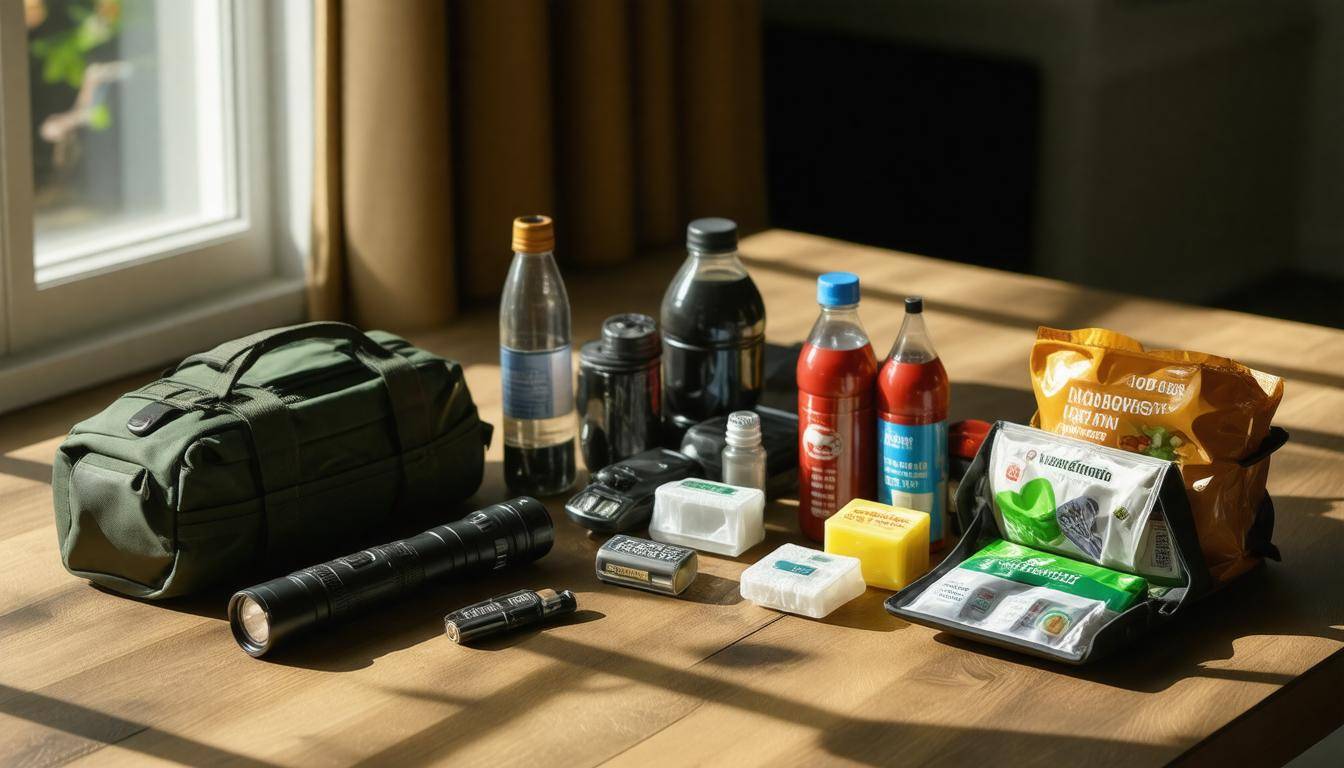
First and foremost, the foundation of any emergency plan is a well-stocked emergency kit. This kit should be easily accessible and contain everything necessary to address both health and survival needs during a crisis. One crucial item is a First Aid Kit. This kit must include not only bandages and antiseptics but also essential medications that family members may need. Consider personalizing it with items specific to your family’s health requirements—perhaps some allergy medication or a special lotion for skin conditions.
But what’s an emergency kit without adequate food and water? The recommendation is to store at least one gallon of water per person per day for three days, ensuring hydration in case of evacuation. Your food supply should consist of non-perishable items that are easy to eat and prepare—think canned goods, granola bars, and dried fruits. Avoid foods that require cooking unless you have a portable stove and sufficient fuel supply.
Beyond the basics of food and hydration, you might want to consider adding tools and gear to your emergency kit. A multi-tool can serve numerous purposes, from opening cans to making quick repairs, while a flashlight with extra batteries provides illumination when power outages occur. Moreover, including a whistle can be vital for signaling rescue teams if you find yourself in need of urgent help.
“The average household can mitigate many emergency scenarios by having a comprehensive emergency kit prepared,” notes disaster preparedness expert, Dr. Emily Brown. This underscores the value of being proactive about gathering essential supplies, ensuring that when an emergency strikes, you won’t be scrambling to gather what you need or worse yet, lacking vital resources altogether.
As we enrich our toolkit for emergencies, it’s equally important to factor in unique family requirements—including those of both humans and pets—to ensure every member feels secure during difficult times.
For families with diverse needs, this could mean stocking supplies like baby formula or specific medical items such as hearing aids. Likewise, don’t forget about your furry companions! Pet supplies, like food, carriers, bowls, and any necessary medications or comfort items they rely on, should certainly make their way into your kit.
Lastly, consider local disaster risks when assembling your supplies. Depending on where you live, it may be wise to also pack specialty items such as dust masks for air quality issues or sturdy shoes for navigating debris after certain crises. That preparedness extends further than functional gear; think about entertainment options too—a deck of cards or a small game might keep spirits high during stressful situations where long waiting periods occur.
With a focus on personalizing your emergency preparations based on individual needs and risks, the next step involves ensuring outdoor safety measures complement your home readiness plans.
Outdoor Precautions to Consider
The outdoor grounds around your home can also be fraught with dangers that need regular addressing. Picture this: it’s a beautiful day, and you’re stepping out into your yard when you suddenly trip over an unseen obstacle or slip on an icy pathway. Such scenarios can quickly turn a lovely afternoon into a painful accident.
To prevent these issues, maintaining your outdoor spaces is crucial for keeping everyone safe.
Ensure stairways and walkways are clear of debris and well-lit to prevent falls. Non-slip materials on outdoor steps and treating pathways with ice melt during winter are crucial for safety. Additionally, consider installing motion-sensor lights that illuminate dark corners or pathways as dusk settles in. Nothing beats the peace of mind that comes from knowing your property is well-lit when night falls.
Key Areas of Focus
Regularly inspecting the exterior of your home for potential hazards like weak tree branches that could fall or damaged shingles that might pose risks during storms is essential. Imagine hosting a summer barbecue, laughter filling the air, when suddenly a branch breaks and crashes down—it’s not just disruptive; it could lead to injury.
Make it a habit to prune trees regularly, especially those close to your house, removing any branches that seem weak or precarious.
Take inventory of your outdoor elements and consider additional installations that can enhance safety—such as railings on stairs, which provide support as people navigate up and down. If you live in an area prone to flooding or heavy rain, elevate any electrical appliances and utilities at least twelve inches above the base flood elevation. This small measure could save you significant headaches later.
As you make progress in bolstering your home’s safety measures, remember that proactive steps today can pave the way for a safer tomorrow. Now, let’s explore how ongoing evaluations contribute to maintaining a secure environment for your family.
Regular Safety Assessments & Updates

Just as we schedule our doctors’ appointments to monitor our health, our homes require their own check-ups. Regular safety assessments play a crucial role in minimizing potential hazards. Imagine living in a place where you can rest easy, knowing that risks have been identified and promptly addressed. This focus on safety extends not only to the structural integrity of your home but also to your overall health and well-being.
Scheduling bi-annual inspections allows homeowners to evaluate potential risks effectively. These evaluations should involve a thorough examination of various aspects, including fire hazards, fall risks, and adequate infection control measures. It’s about establishing a culture of vigilance within your household. By tackling these areas proactively, you can keep your family safe from unexpected accidents or emergencies. For instance, checking smoke detectors and carbon monoxide alarms ensures they function correctly, providing peace of mind that you’re alerting your family to any dangers.
Regular checks result in safer homes. According to a study by the Home Safety Council, homes with regular safety checks are 40% less likely to experience severe accidents.
Updating emergency kits during these inspections is equally important. Over time, supplies can expire, deteriorate, or become incomplete when needs change. Ensuring your first aid kit is stocked with essential supplies like bandages, antiseptic wipes, and other necessities can facilitate quick action in case of minor injuries. Additionally, consider including medications and comfort items tailored to the unique needs of everyone in your household.
Involving local health departments in these assessments can add another layer of support. These entities often provide valuable materials—checklists, guidelines, and training opportunities—that assist in making your assessments more effective. Their expertise can also help identify community resources such as workshops focused on home safety improvements.
So, making these regular assessments part of your home’s routine ensures you’re not only keeping everything running smoothly but also fostering a safer living environment for yourself and your loved ones.
In sum, prioritizing regular home safety assessments is vital for ensuring a secure living space. Through routine checks and updates, you can proactively address risks and ultimately enhance the well-being of everyone in your home.
What items are essential to include in an emergency kit for each room of the house?
An essential emergency kit for each room should include a flashlight, first aid supplies, a whistle, batteries, and a multi-tool. In the kitchen, add fire extinguisher and non-perishable food; in bedrooms, incorporate spare blankets and medications; and in the bathroom, include hygiene items. According to statistics, nearly 60% of households experience at least one emergency situation each year, so preparation can significantly enhance safety during unexpected events.
How often should I conduct a home emergency assessment for optimal preparedness?
To ensure optimal preparedness, it is recommended to conduct a home emergency assessment at least twice a year. This frequency allows you to account for any changes in your living space, such as new furnishings or alterations, and ensures that your emergency plans and supplies remain up-to-date. Statistics show that homes with regular safety assessments are 40% more likely to effectively respond in emergencies, significantly reducing risks and potential damages.
How can I involve my family in the home emergency assessment process?
Involve your family in the home emergency assessment process by holding a fun and educational family meeting where everyone can contribute ideas on potential hazards in each room. Assign tasks based on age and abilities, encouraging younger members to identify risks they notice and older ones to help create safety plans. A 2022 survey found that families who actively participated in preparedness training felt 60% more confident about handling emergencies, fostering teamwork while developing critical life skills together. This collaborative effort not only enhances safety but also strengthens family bonds.
What specific dangers should I look for in each room during an emergency assessment?
During an emergency assessment, you should check for specific dangers in each room: in the kitchen, look for fire hazards from unattended cooking and flammable materials; in the bathroom, watch for slip and fall risks; in bedrooms, ensure smoke detectors are functional as they reduce fire-related fatalities by 50%; and in living areas, identify potential tripping hazards like loose rugs. Each room presents unique risks that can lead to injury or exacerbated emergency situations if not mitigated. Prioritizing safety in every space is crucial to safeguarding your home and loved ones.
Are there any technologies or tools that can assist in conducting a thorough emergency assessment?
Yes, there are several technologies and tools that can significantly aid in conducting a thorough emergency assessment of your home. Smart home devices like smoke detectors and carbon monoxide alarms can provide real-time alerts, allowing for quicker responses during emergencies. Additionally, mobile applications designed for emergency preparedness can help homeowners create checklists, schedule regular assessments, and even track the status of their safety equipment. According to a study, homes equipped with smart technology experienced a 35% faster response time in case of emergencies compared to those without.